
Alright – so today we’ve got the honor of introducing you to Sara Szelagowski. We think you’ll enjoy our conversation, we’ve shared it below.
Sara , thanks for taking the time to share your stories with us today Let’s start with a fun one – what’s something you believe that most people in your industry (or in general) disagree with?
Harm reduction is often misunderstood, but at its core, it’s about promoting safety and dignity, meeting people where they are, and reducing the negative consequences of risky behaviors. The concept is familiar in many everyday situations. When we use seatbelts, wear sunscreen, or practice safe sex, we’re not eliminating risk altogether, but we are minimizing potential harm. Harm reduction for substance use operates on this same principle.
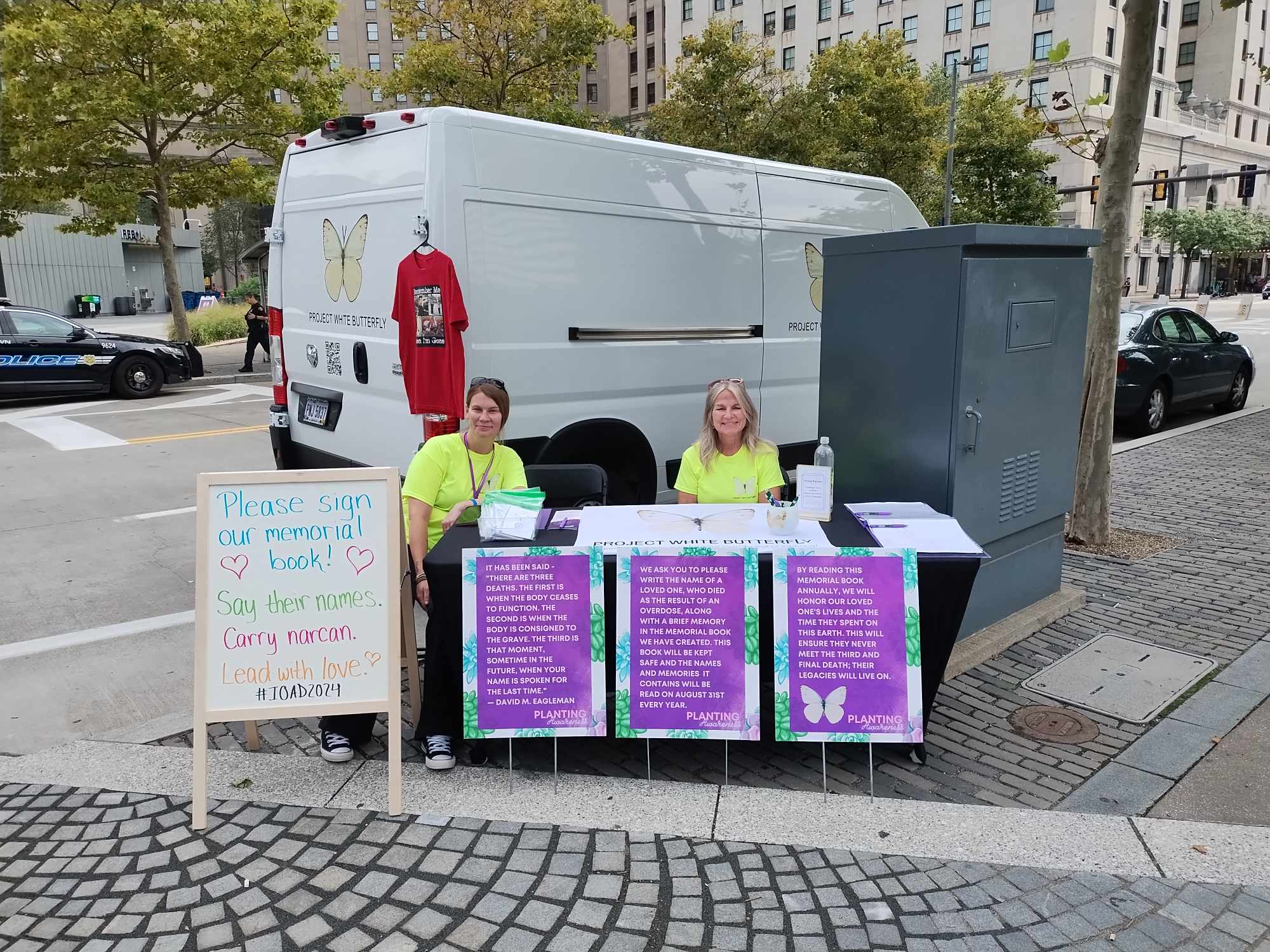
However, stigma surrounding drug use often leads people to label harm reduction efforts as “enabling.” In reality, these measures—like clean needle distribution, fentanyl test strips, supervised consumption sites, and medications for opioid use disorder—are evidence-based practices that save lives and improve health outcomes. These interventions do not “enable” drug use; instead, they create a pathway for people to engage with support services and reduce their risk of fatal overdose or other health complications.
One of the most critical points in harm reduction is the emphasis on compassion over coercion. For example, forced addiction treatment has been shown to increase overdose risks after people leave care, as they may relapse with a lower tolerance and less access to support. In contrast, harm reduction supports individual choice, allowing people with substance use disorders to take steps toward health and recovery when they are ready, ultimately leading to higher rates of voluntary treatment and sustainable recovery.
Two great resources to explore for anyone interested in learning more about harm reduction are Shatterproof (www.shatterproof.org) and the National Harm Reduction Coalition (www.harmreduction.org). These organizations offer a wealth of information and research that show how harm reduction practices not only protect lives but also promote a more humane and supportive approach to addiction care.
Sara , love having you share your insights with us. Before we ask you more questions, maybe you can take a moment to introduce yourself to our readers who might have missed our earlier conversations?
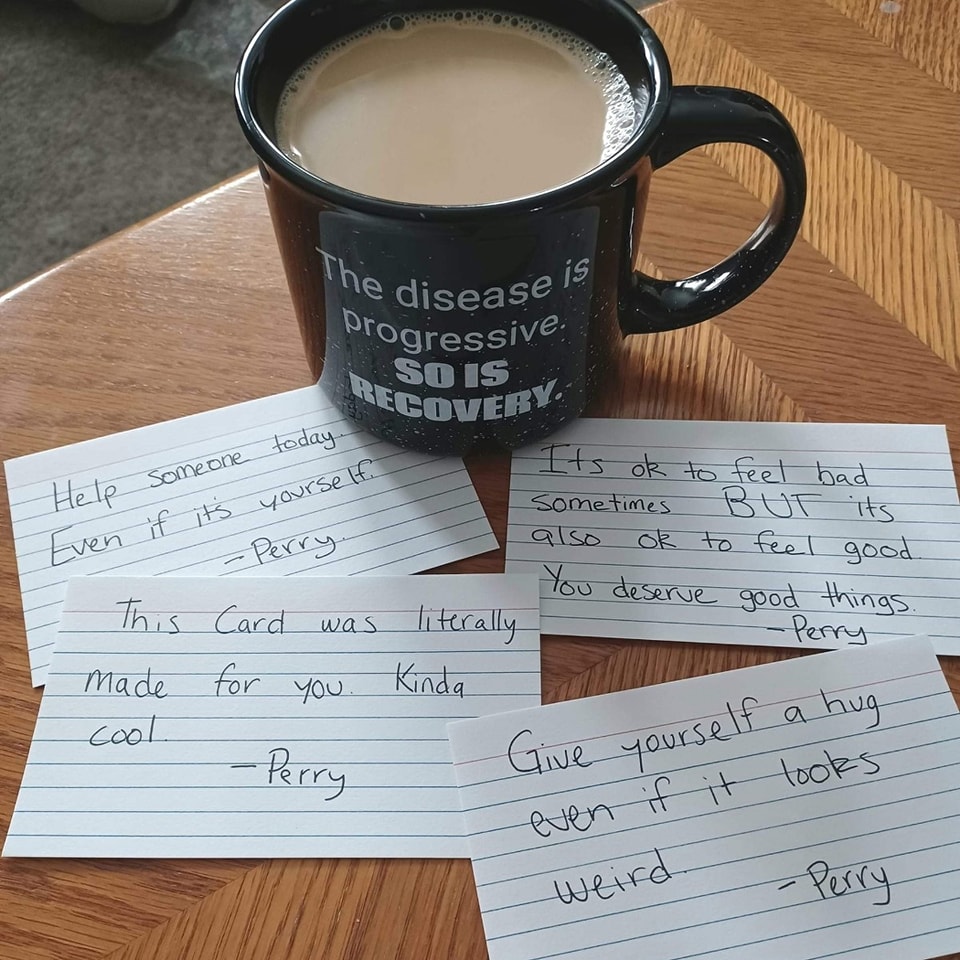
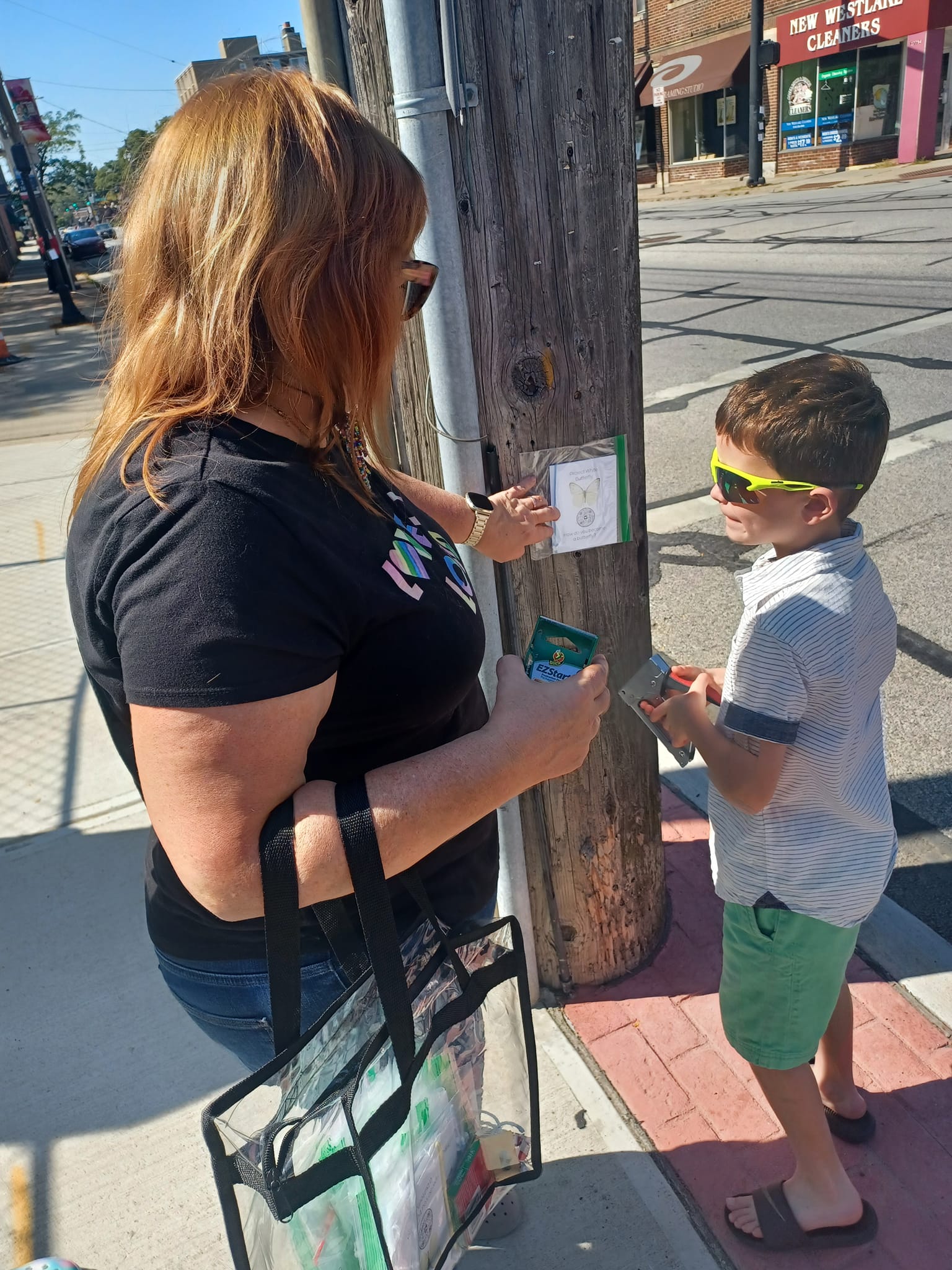
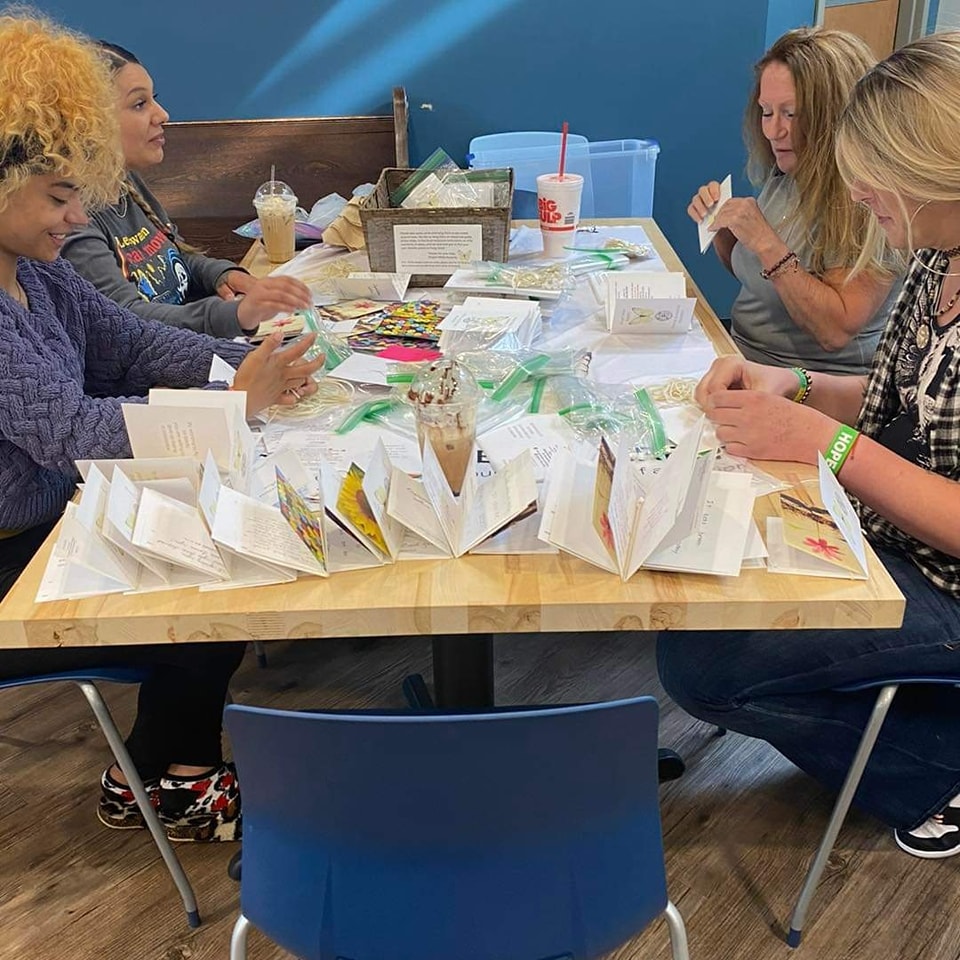
My name is Sara Szelagowski. I’m a mother, entrepreneur, leader, and a person in long-term recovery from IV substance use. My journey into this field began in August 2019 with the accidental start of Project White Butterfly after a heartbreaking summer of losing friends to overdose. Frustrated by the rising overdoses in Cuyahoga County despite available clinical treatment options, a few friends and I decided to take action. One night, we made cards with handwritten messages and listed numbers for local detox centers. We posted them around the community—on telephone poles, at bus stops, and even in fast-food restrooms—targeting areas where we had once used and where we knew friends were still at risk.
The cards were meant to be small reminders that someone cared, that there was still hope. We hoped that finding a card in a random place might feel like a “meant to be” moment and inspire people to reach out. Not long after hanging up our first cards, a friend from a local treatment center called to tell us about a man who found one, read the note, and walked himself into treatment that very day.
Inspired by this impact, we shared our story on social media, and soon people from all over started bringing us notes to include in the cards. When COVID-19 hit, our reach expanded even more. Requests for cards started coming in from across the country, and we took our mission online, attending local ADAMHS (Alcohol, Drug, and Mental Health Services) Board meetings and learning about harm reduction. Though it was intimidating at first, I began sharing my lived experience, receiving support and encouragement to keep speaking up. This set my path on fire. I threw myself into learning about harm reduction, local resources, and the barriers to care people using drugs face—everything I needed to help others stay safer and find support when they were ready.
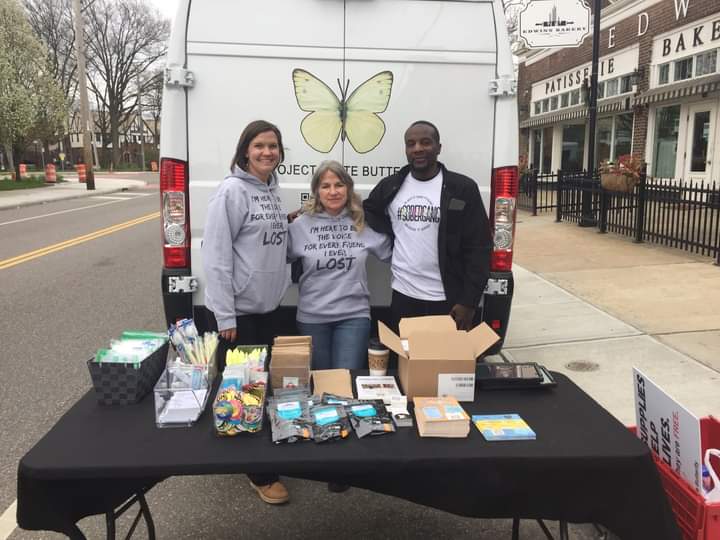
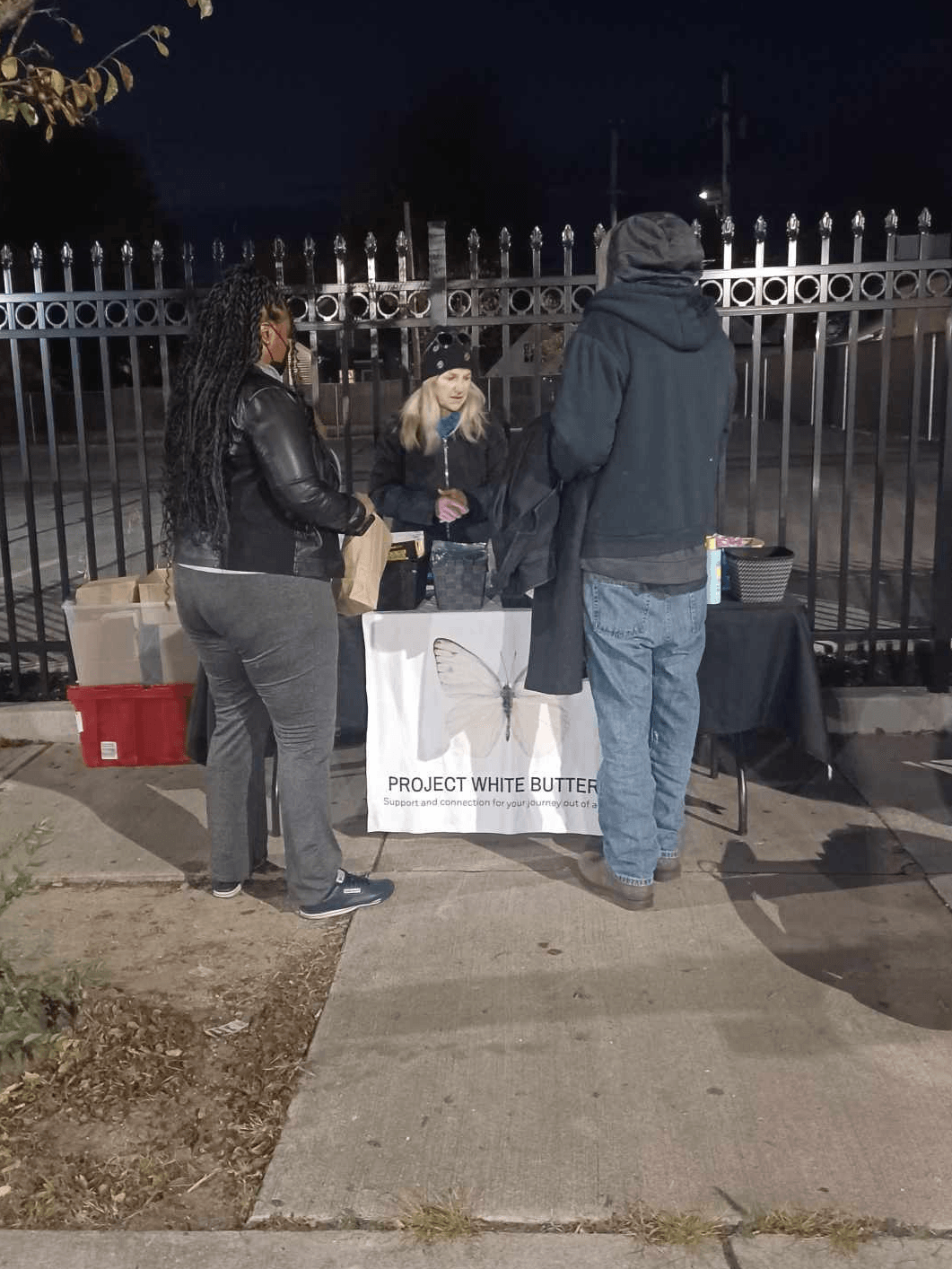
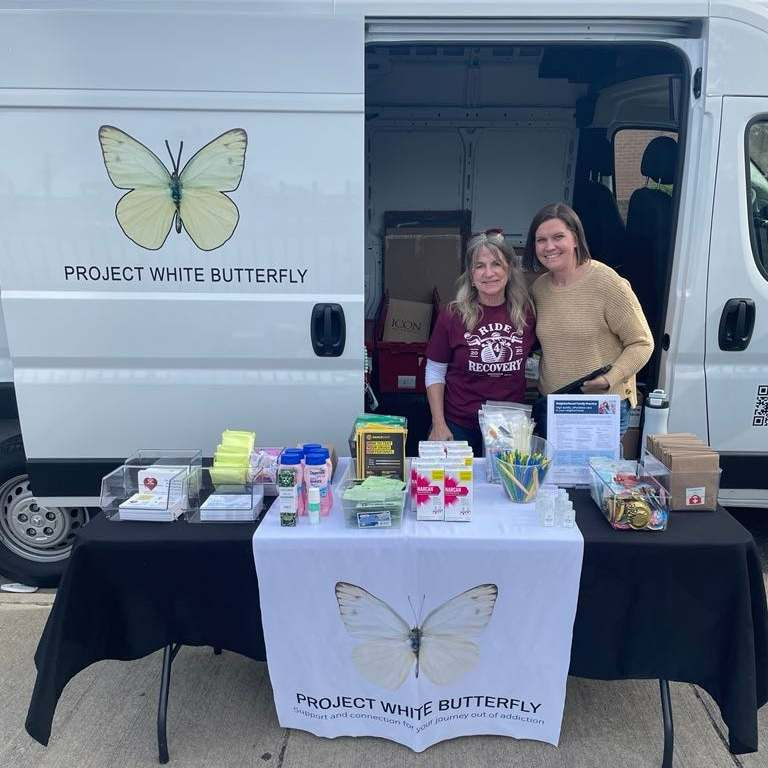
In January 2021, with the help of Erin Helms at The Woodrow Project, we secured funding from OMHAS (Ohio Mental Health and Addiction Services), and Project White Butterfly became my full-time focus. With funding, we expanded our services to include street outreach, offering Narcan, fentanyl, xylazine, and benzo testing strips, safer smoking kits, hygiene supplies, and other resources. Outreach lets us truly “meet people where they are,” a principle we live by, not just talk about. It also gives us a chance to build relationships, provide education, and support both regular visitors and those seeking help for the first time.
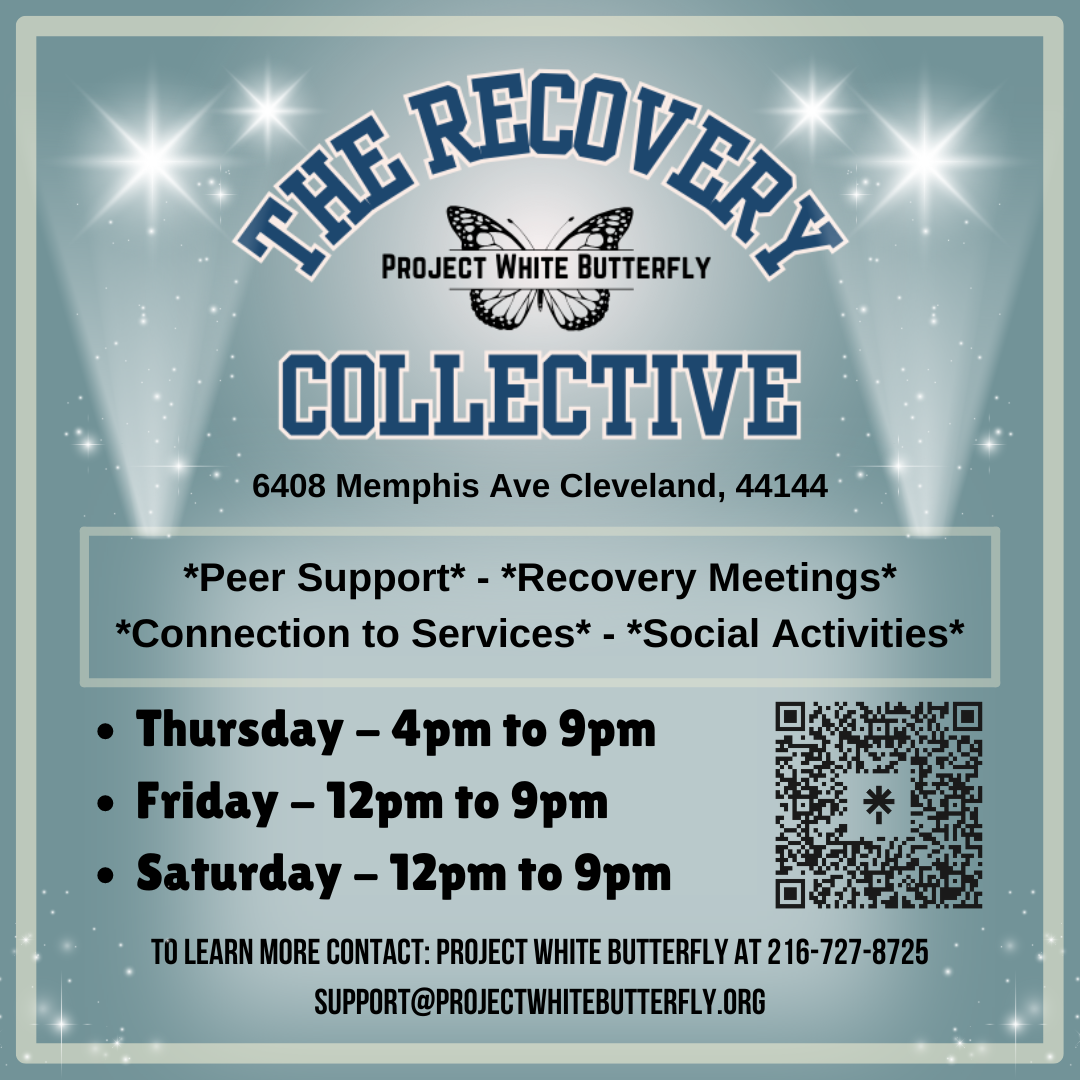
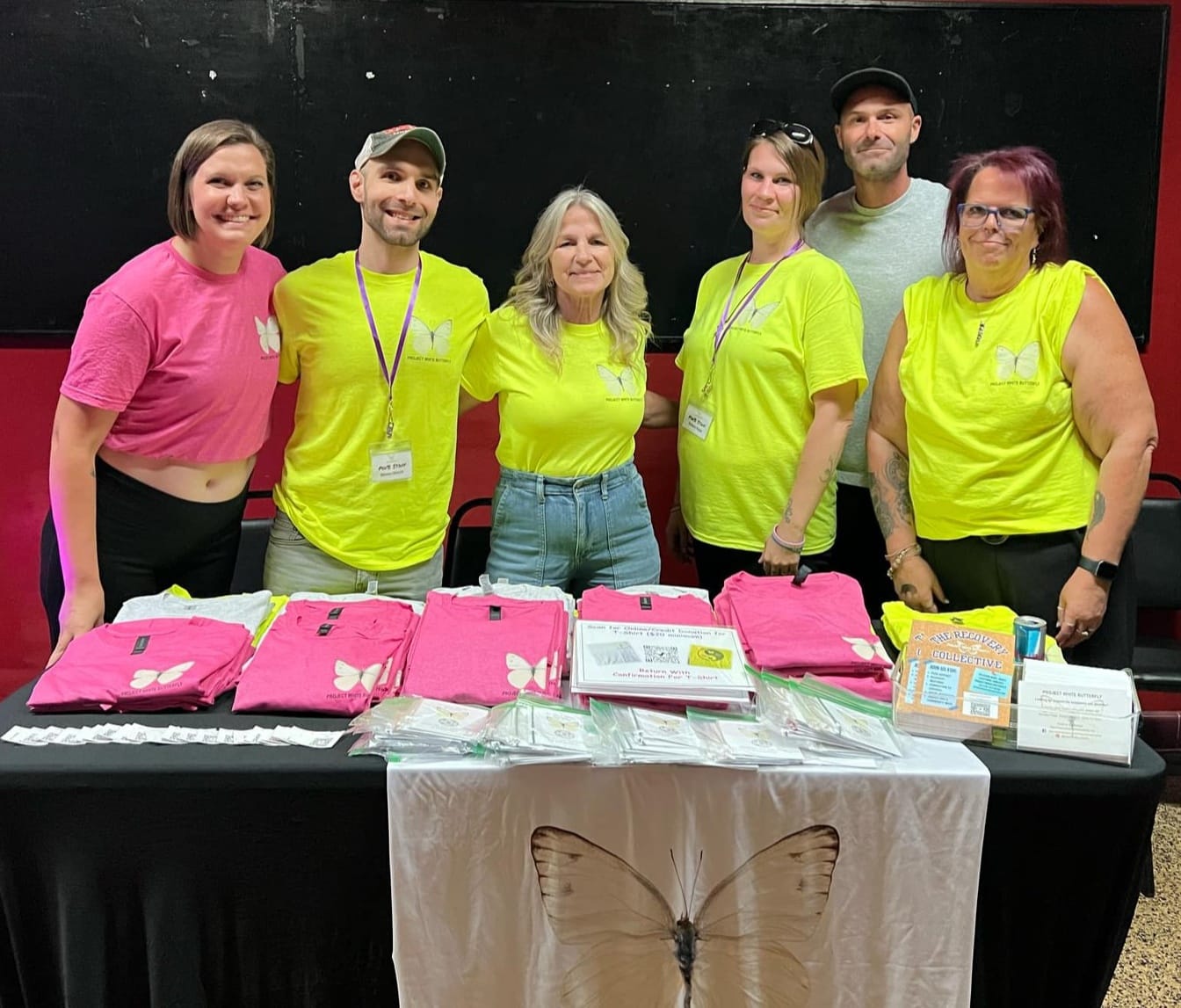
Alongside outreach, we saw a need for sustained recovery support. After completing clinical treatment, many people are left with few resources beyond meetings. Through virtual meetings, I connected with a network of recovery community organization leaders across Ohio, inspiring us to create a similar space in Cleveland. In December 2023, we opened The Recovery Collective by Project White Butterfly, currently housed in Old Brooklyn, OH. It’s a safe space for people in recovery and allies, offering workshops, pro-social activities, and peer support, with a permanent facility in the works.
Nine years ago, before I began my recovery, I could never have imagined this path. Back then, I felt trapped and defeated, assuming I’d always live under addiction’s grip. Today, I’m incredibly proud of my story and grateful that I can share it with others feeling that same despair. My journey allows me to show people that things can change, that support is out there—and I know it because I’ve lived it.
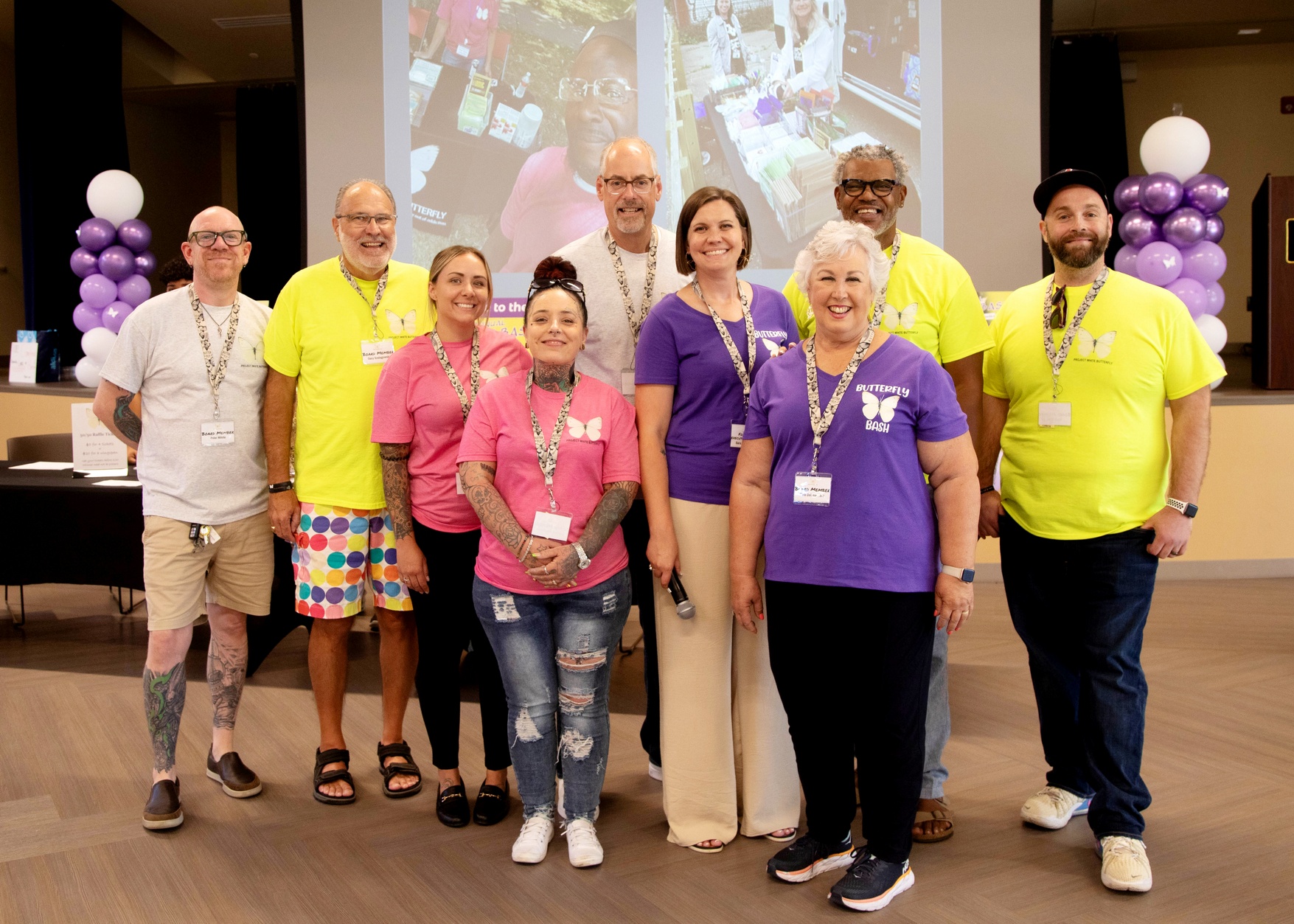
Working with those who are actively using or in recovery can be emotionally taxing, but I’m learning from incredible mentors how to support others at their own pace. Project White Butterfly offers peer support, essential resources, a safe gathering space, referrals, recovery meetings, and service opportunities, all free of charge. Our team is made up of people in recovery from all walks of life, united by a commitment to meet others where they are, help them see their worth, and support them on their journey. This work is truly from the heart, and we’re honored to be here, helping people find their path to recovery and self-worth.
Can you open up about how you funded your business?
Initially, Project White Butterfly operated with minimal overhead. Our primary expense was printing our cards, and in 2020, our budget was just $850. By the end of 2024, however, we will have grown to a budget exceeding $300,000, reflecting the expansion of our services and the increased need for resources. This growth was made possible in part by a fortunate meeting with Erin Helms in 2020, just as a grant application opportunity arose. With her mentorship and her willingness to serve as our fiscal sponsor, Project White Butterfly began receiving grant funding in 2021.
Collaborative relationships we have built with numerous agencies across the county and even state-wide are incredibly important to our sustainable funding of Project White Butterfly. Receiving in-kind donations and supplies from organizations, opportunities to collaborate or be sub-recipients on additional grant funding, and having support in sourcing available funding opportunities are all benefits of the collaborative relationships we have built over the years.
As the founder of this organization and someone deeply passionate about our mission, I’ve had to step outside my comfort zone and learn skills I never imagined, like budget planning, grant writing, and fundraising. With the help of incredible mentors, I’ve built a supportive network of people who assist in navigating the funding landscape for a grassroots nonprofit providing harm reduction and recovery support. Since all our services are free to the community, securing funding is a continual necessity to maintain staff and ensure we have resources to distribute. Although fundraising isn’t my favorite part of the work, it’s essential—and because of its importance, it remains a top priority.
Any stories or insights that might help us understand how you’ve built such a strong reputation?
There are several key factors that have helped build Project White Butterfly’s reputation. First, the lived experience of our staff with substance use allows us to connect with people in a uniquely personal way. Our team understands, firsthand, the struggles of addiction and the complexities of recovery, which creates an environment where people feel understood and respected. It’s essential for those we serve to see that we’re not just sympathetic but empathetic—we’ve been in their shoes, and we’re committed to helping them find a path forward.
Another important aspect is the emotional transparency we bring to our work. Our team is open about our experiences and vulnerabilities, which helps others feel safe to do the same. This openness fosters a strong sense of community, where individuals feel comfortable sharing their challenges and finding support without judgment. We believe that healing often begins when people feel truly seen and heard, and our willingness to be vulnerable models that honesty.
Finally, our passion for helping others and our consistency in showing up for people in need have established Project White Butterfly as a trusted resource. Whether through street outreach, recovery meetings, or ongoing peer support, our team is there—day in and day out—creating a reliable and presence in the community. This commitment has helped us build trust and credibility, as people know they can count on us, no matter what.
Together, these qualities—the lived experience of our staff, emotional transparency, and relentless dedication—have shaped Project White Butterfly into an organization that not only provides vital resources but also builds genuine connections with those we serve. We strive to be a beacon of hope and support for individuals and families navigating substance use challenges, showing them that they are never alone in their journey.
Contact Info:
- Website: https://www.projectwhitebutterfly.org
- Instagram: project_white_butterfly
- Facebook: https://www.facebook.com/ProjectWhiteButterfly
- Linkedin: https://www.linkedin.com/company/project-white-butterfly/