
We’re excited to introduce you to the always interesting and insightful Sara Deren. We hope you’ll enjoy our conversation with Sara below.
Sara, appreciate you joining us today. Risking taking is a huge part of most people’s story but too often society overlooks those risks and only focuses on where you are today. Can you talk to us about a risk you’ve taken – it could be a big risk or a small one – but walk us through the backstory.
In 2008, the financial industry came crashing down, taking with it my job at Morgan Stanley. I was 8 months pregnant with my first child and trying to figure out how to have a big city career and a family with a guy who spent 1/4 of his year in Maine at the summer camp he owned and operated. From this moment, I stepped cautiously into the unfamiliar world of summer camp.
I had never been to summer camp as a kid, but very quickly saw the way that play, competition, independence, and community living shaped these kids. I also knew that camp was a privilege that many families could not afford. The idea to start a program for underserved kids began to take shape.
Losing my job gave me the push I needed to take a risk beyond the orderly path of achievement in the corporate world, into the unknown of a non-profit start-up in an industry where I had no experience. We hosted our first week of Experience Camps in 2009, and I never looked back.
As always, we appreciate you sharing your insights and we’ve got a few more questions for you, but before we get to all of that can you take a minute to introduce yourself and give our readers some of your back background and context?
Six million children in the U.S. will experience the death of a parent, sibling, or primary caregiver by the time they turn 18. Grieving youth are more likely to endure isolation, mental health challenges, poor academic performance, and negative long-term physical and financial outcomes than their non-grieving peers. Left unaddressed, childhood grief can undermine a child’s future. However, with the right interventions and an ecosystem of support around them, grief can lead to remarkable resilience.
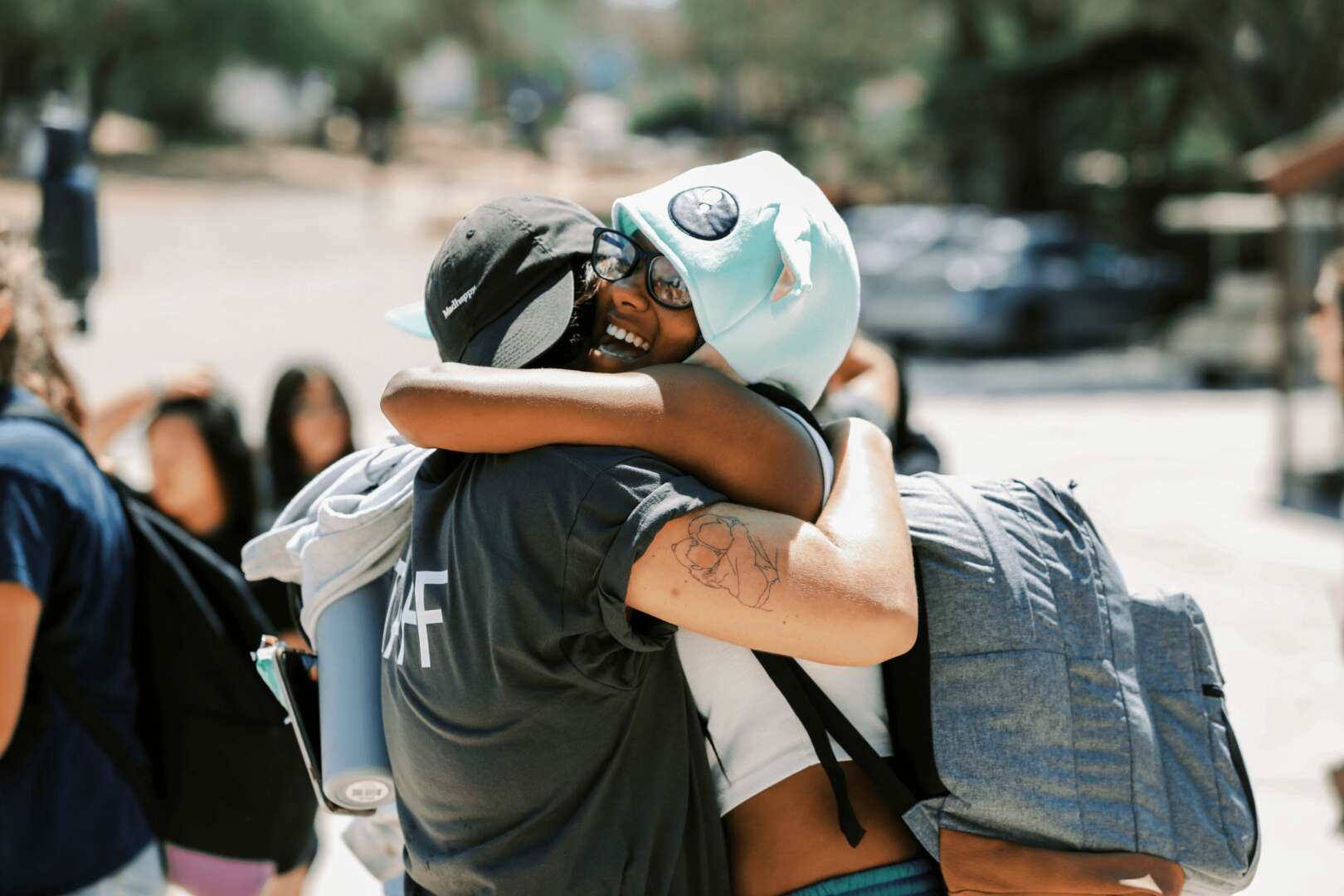
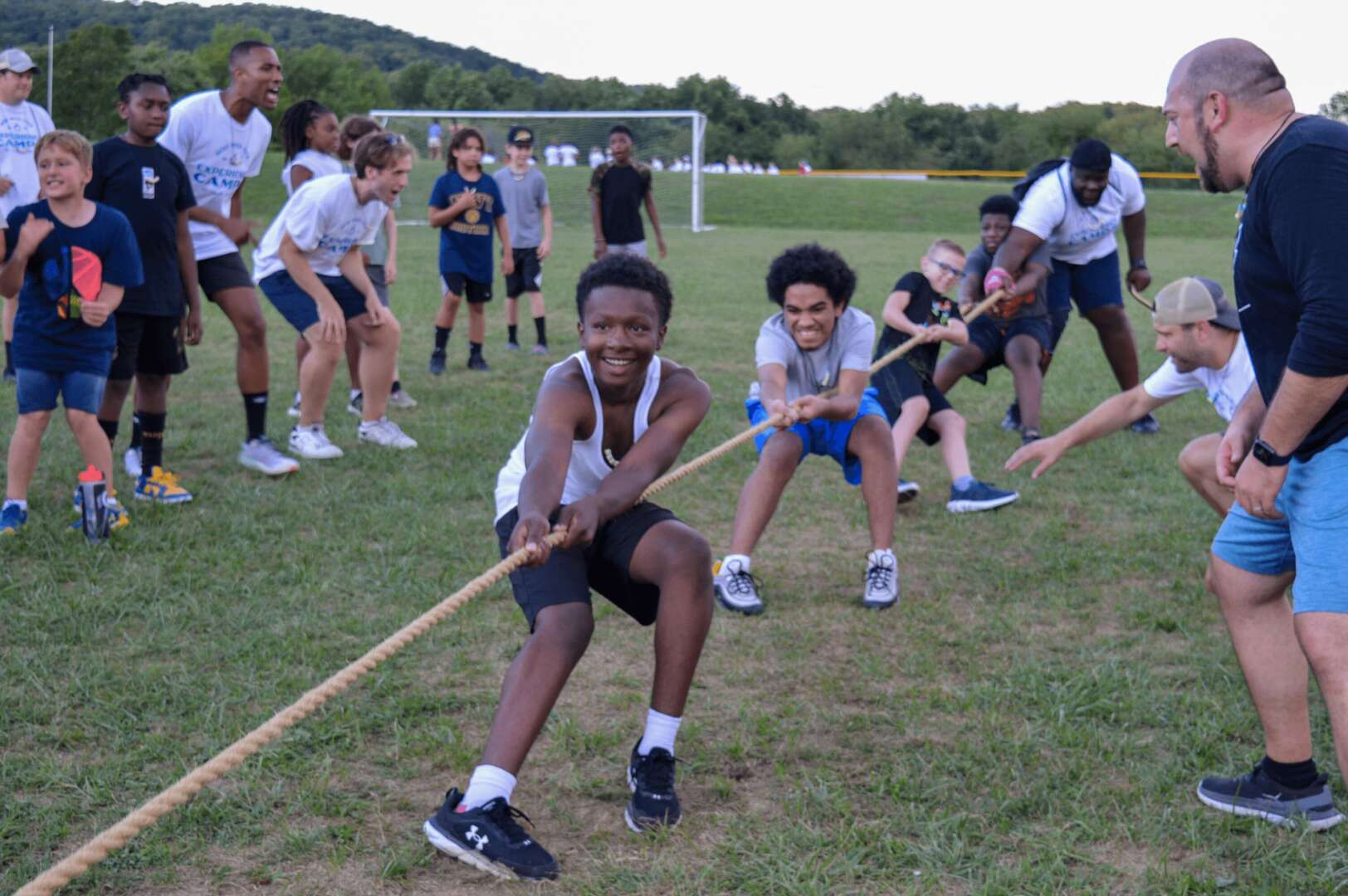
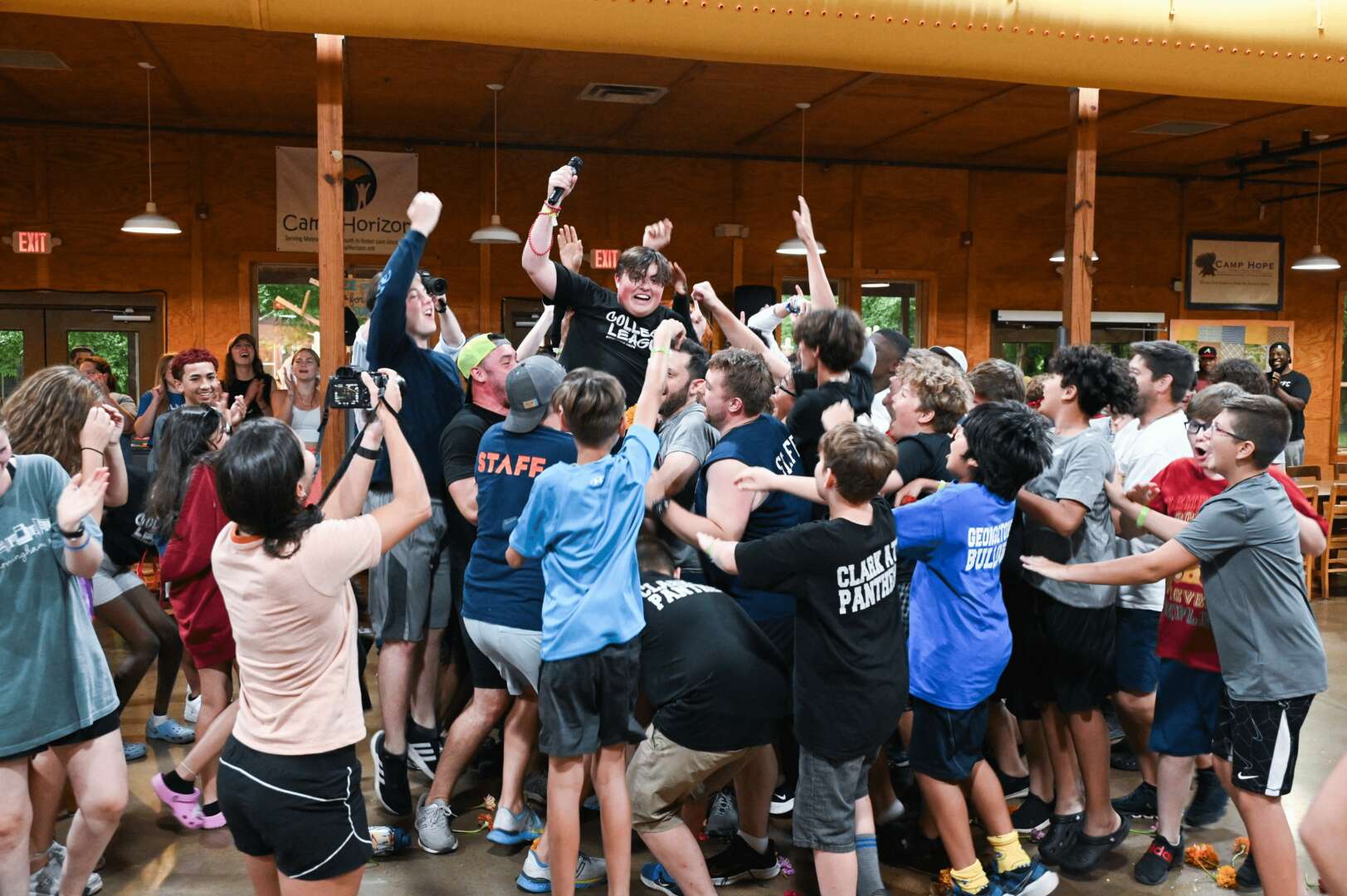
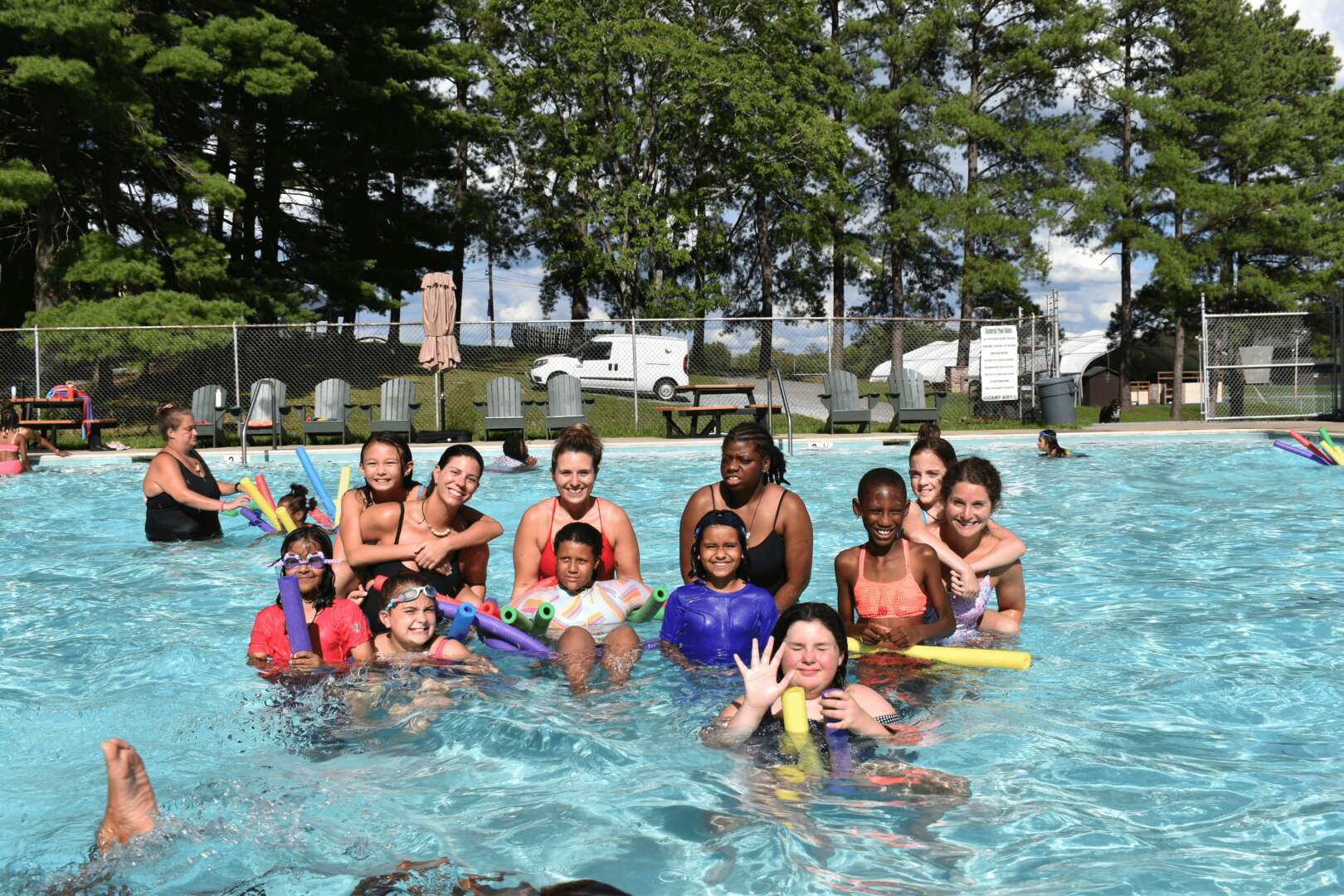
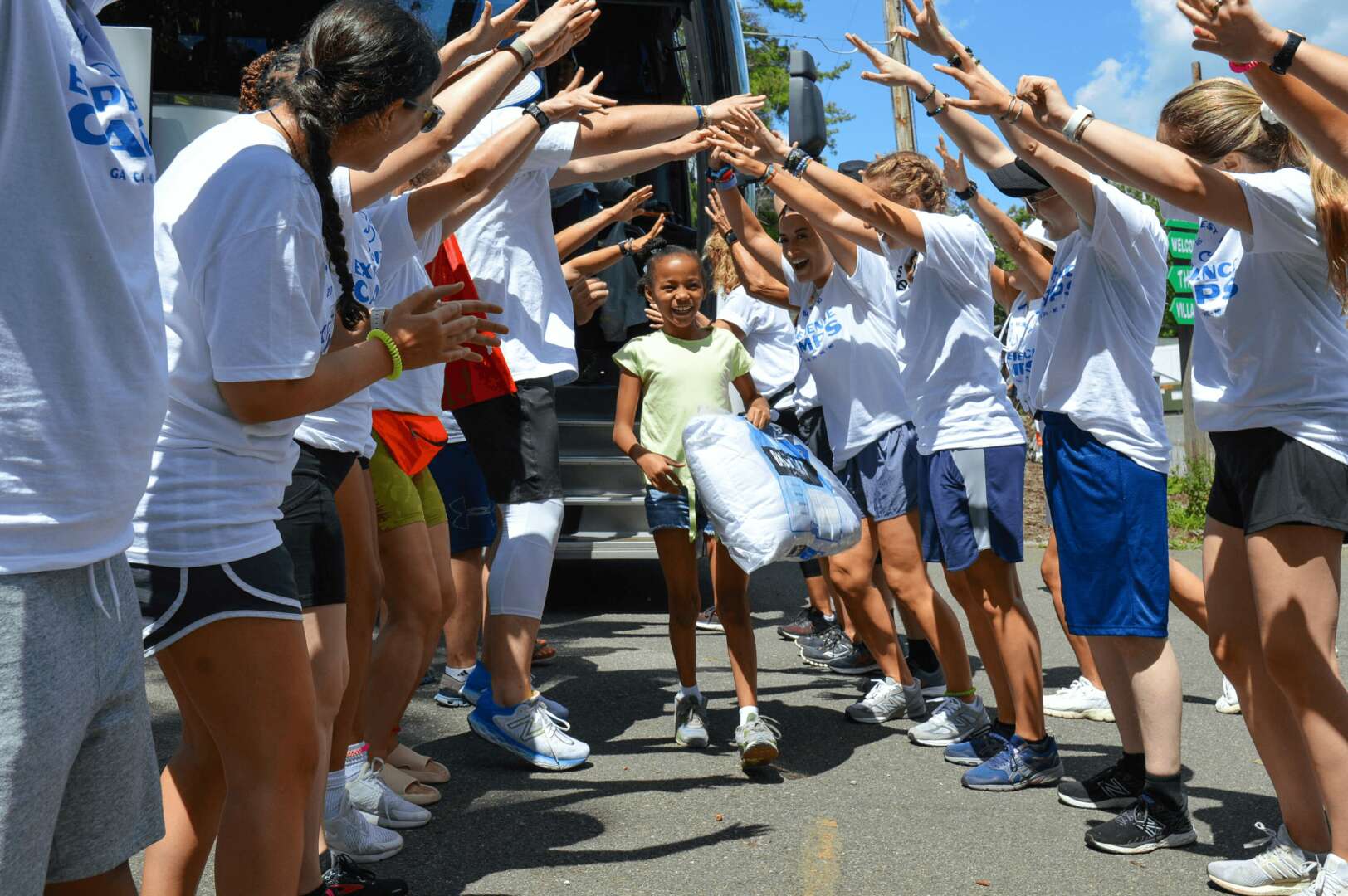
Since that first summer in 2009, when we welcomed 27 boys to a single camp location in Maine, we have served thousands of grieving children and their families across the country. Today, we have camps in California, Georgia, Maine, Maryland, Michigan, and Pennsylvania, and in 2025 we will open another location in Connecticut. This growth reflects a tremendous unmet social need, as well as the remarkable transformations that occur at Experience Camps.
We are working to reframe the way grief is viewed and talked about in society. Our educational and inspiring social media content reaches millions of kids and young adults globally. We’ve had over 120,000 players on our custom Roblox game that invited youth to learn how to ‘show up’ for their grieving friends, and over 4.8 million engagements on our TikTok platform, elevating the voices and experiences of grieving kids.
Our programs are free to everyone who attends, regardless of their families’ financial situation. We believe that every grieving child deserves to live a life rich with possibility, and we will continue to knock down every obstacle to making that a reality for grieving kids everywhere.
How did you build your audience on social media?
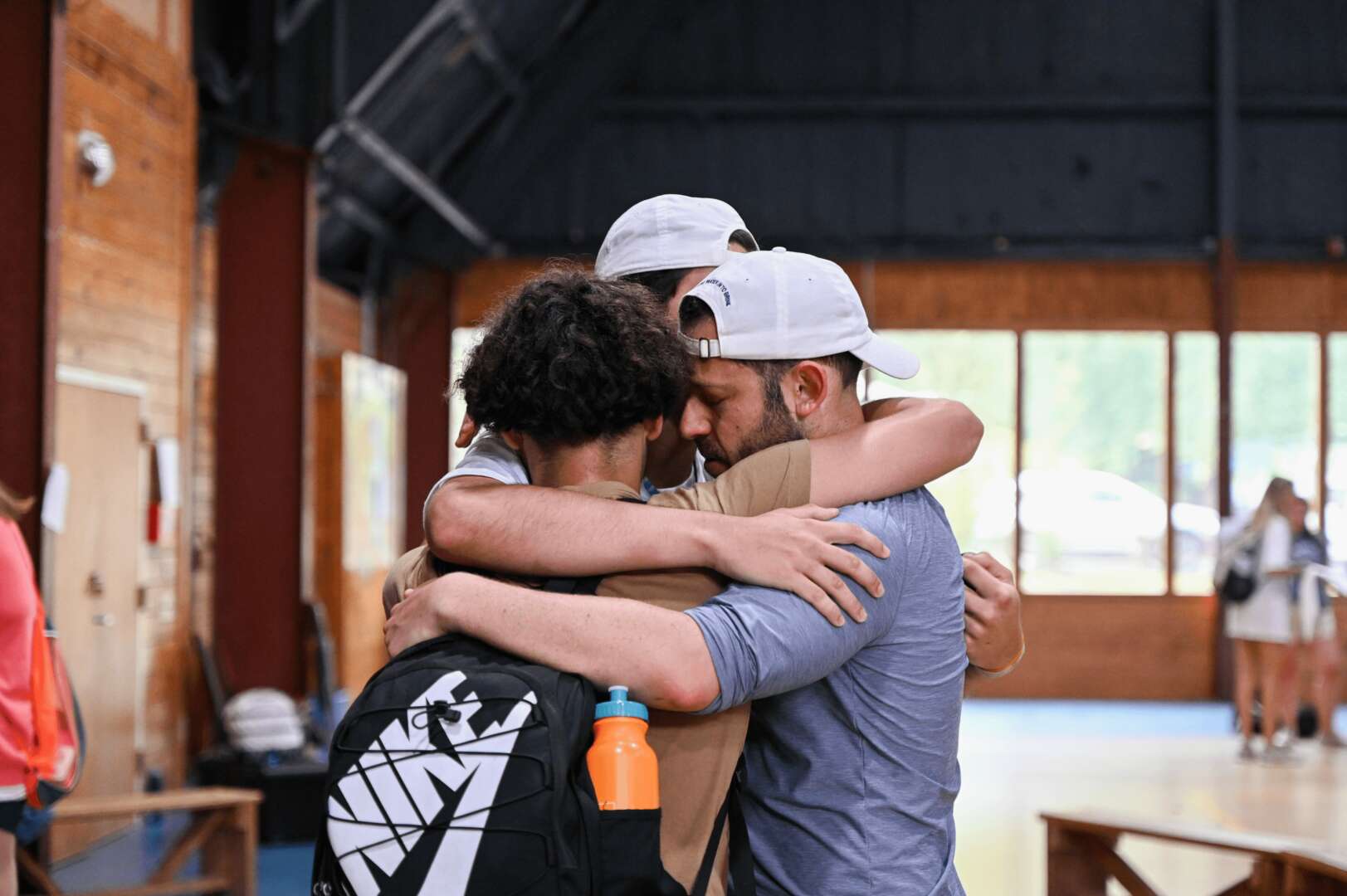
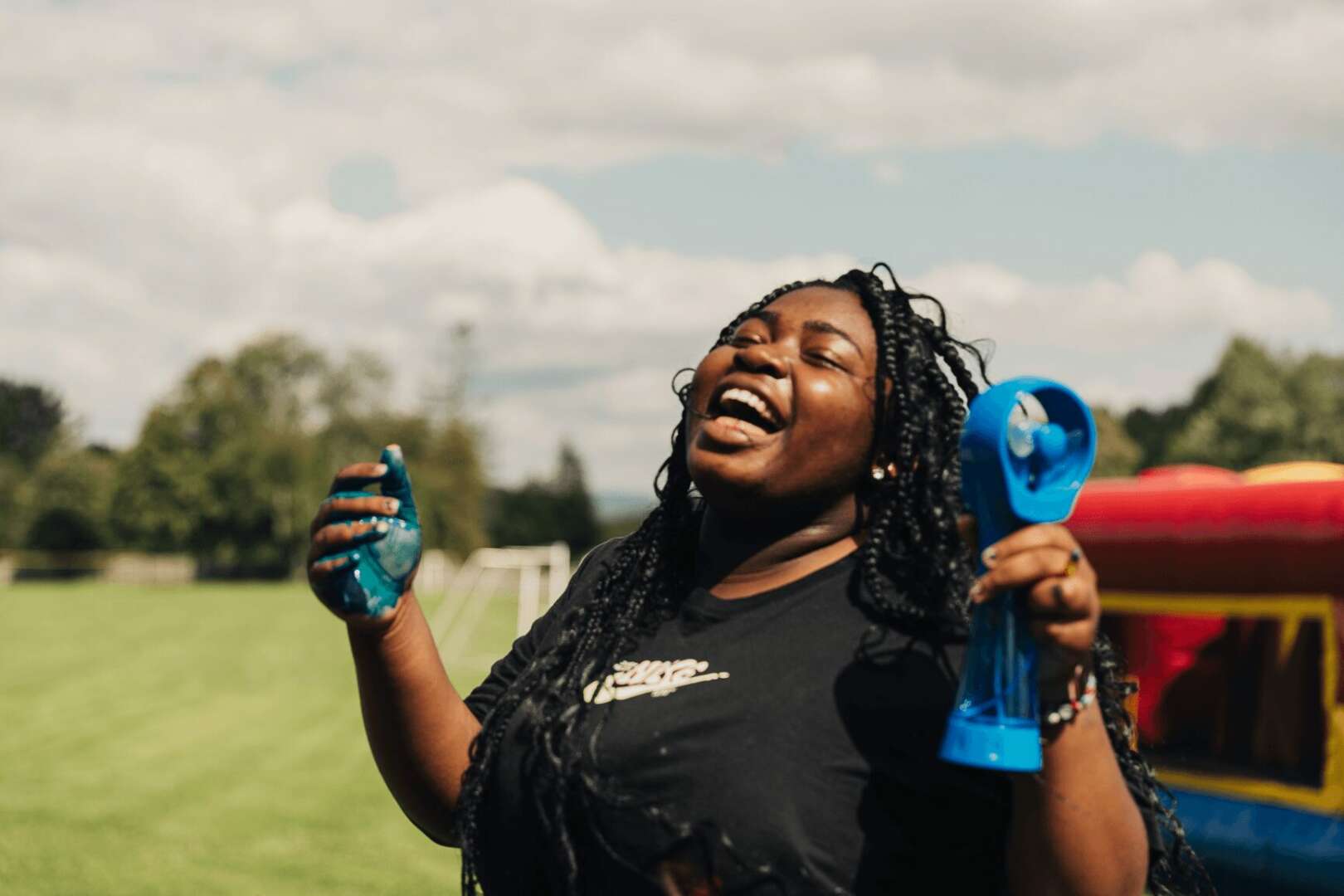
Grief is often a topic that is shrouded in silence. It makes a lot of people uncomfortable which then leaves the griever feeling all alone in their thoughts and feelings. We built our social media presence by leaning into the uncomfortable topics with honesty and humor, and it really speaks to a lot of people. We give a voice to grieving kids which helps other kids feel seen and understood. We offer language and ideas so that people know how to support their grieving friends. And we speak to people in age-appropriate ways. Our platform for grieving teens, griefsucks.com, was developed with input from teens, which makes it very relatable and real. We have partnered with influencers and celebrities who are genuinely connected to the mission and have their own experience with grief. And we move between the raw stories of loss to the joyful healing of camp in a way that reflects the reality of grief and build a community of people who “get it”.


Any advice for managing a team?
I often say, “there are no jerks at grief camp.” People arrive at this work with purpose and care deeply about what we do. But even with that solid foundation of care, there is a great deal of intention and action in maintaining passion and quality as an organization grows. I find that the key ingredients in managing a highly effective team are making the right people decisions and practicing good communication. To maintain high morale, people need to feel valued, know what’s expected of them, and have the tools and resources to be successful.
Contact Info:
- Website: https://www.experiencecamps.org
- Instagram: @experiencecamps
- Facebook: @experiencecamps