

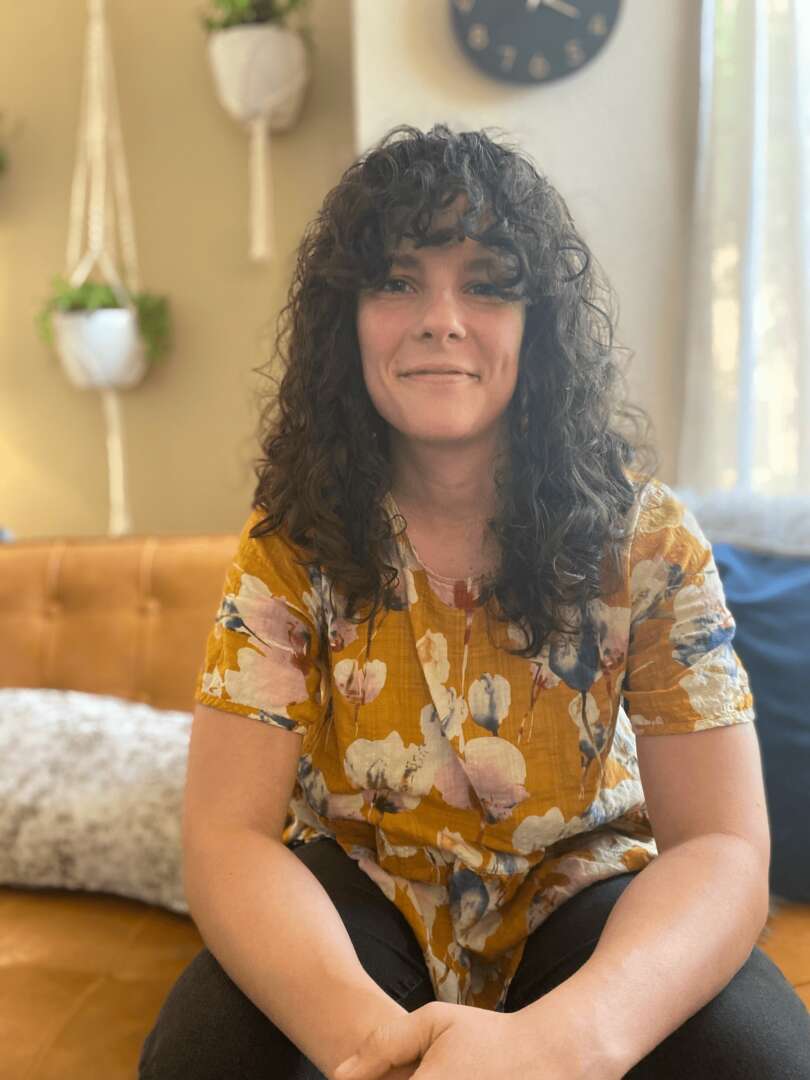

We were lucky to catch up with Sara Cortese recently and have shared our conversation below.
Hi Sara, thanks for joining us today. It’s always helpful to hear about times when someone’s had to take a risk – how did they think through the decision, why did they take the risk, and what ended up happening. We’d love to hear about a risk you’ve taken.
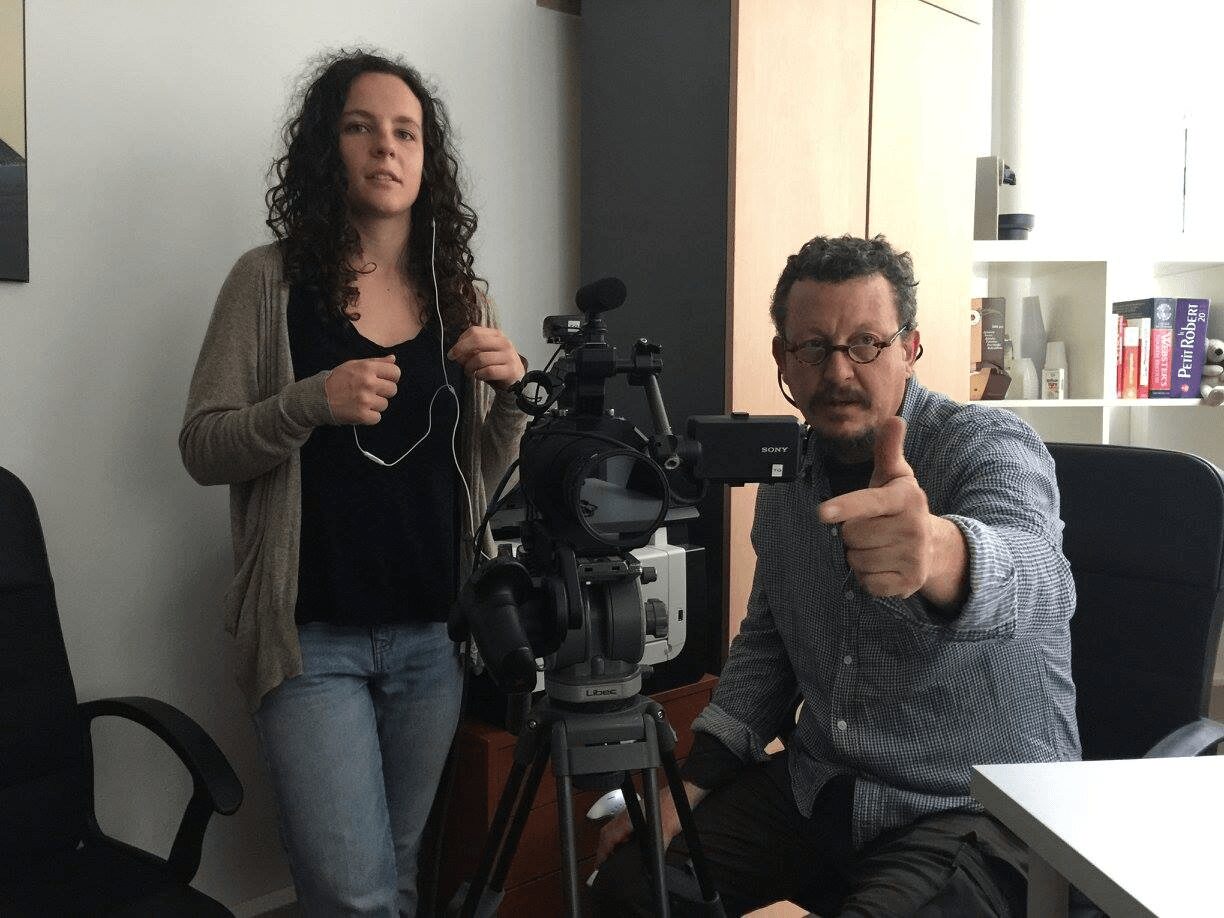
I took a huge risk (or at least it felt like it, at the time!) pivoting from working in the commercial and documentary film world to going back to school to become a therapist. Throughout my twenties, I had some amazing opportunities to travel the world and document environmental justice struggles that were unfolding in places like Bolivia, Nigeria, France, Canada and throughout the U.S. It was everything I had dreamt about doing when I was in college – but, underneath it all, I was becoming disillusioned and depressed. It felt like all I did was work, and while creating these films with my team was a labor of love, they weren’t making the impact that I had hoped for. So, in my late twenties, I went to therapy to process my complicated emotions around working in film production and just fell in love with the storytelling and creativity present in the therapeutic process. I loved the idea that as a therapist, I could continue to help people tell their stories, but in a more intimate way than when I was behind the camera filming someone.
Sara, love having you share your insights with us. Before we ask you more questions, maybe you can take a moment to introduce yourself to our readers who might have missed our earlier conversations?
I am a marriage and family therapist candidate and work primarily with adult individuals and couples, and occasionally with families; I’m part of a wonderful group practice called Pure Potential in Centennial, CO. I’m passionate about supporting clients who want to feel less stuck in old cycles and create meaningful connections with others. I do a lot of relational work, helping clients figure out how to set boundaries, express their emotions, and overall build stronger relationships with the people in their lives. Depending on the day, that might look like healing old wounds between family members, supporting clients while they process the impact of infidelity on their relationship, or uncovering how trauma has impacted a client’s ability to stay present and regulated. My approach is trauma-informed, culturally responsive, and inclusive of all identities – I think it’s incredibly important to see the whole person and consider how their social location impacts them. I’m proudly LGBTQ+ affirming, and work with all relationship constellations, including consensually non-monogamous and polyamorous relationships.

Other than training/knowledge, what do you think is most helpful for succeeding in your field?
I think what’s been most helpful for me is focusing on building my work community. Therapists have a very uniquely wonderful but also stressful job, and the only other people that fully understand are other therapists. My therapist friends are (unsurprisingly) the best listeners and have supported me through moments where I felt discouraged, hurt, angry – you name it. Finding and nurturing my therapist friendships has been crucial to my success. And just very fun as well! Therapists are usually second or third career people, and so they usually have interesting stories about how they got to where they are.

We often hear about learning lessons – but just as important is unlearning lessons. Have you ever had to unlearn a lesson?
I’ve had to unlearn (and will continuously have to keep unlearning) that my value is not based off of how much I work. In my previous career in film production, I worked almost every waking moment the weeks I was on location; and when I was in the office, often had to stay late to meet deadlines. While I have a lot of love for the years I spent working in film, as a therapist, I’ve had to change my idea of what “working enough” means. Working less hours and being intentional about taking care of myself have been so important so I can show up fully present with clients. Burn out is a real issue in the mental health field and I love this job, so I try to pace myself so I have can have a long, fulfilling career.
Contact Info:

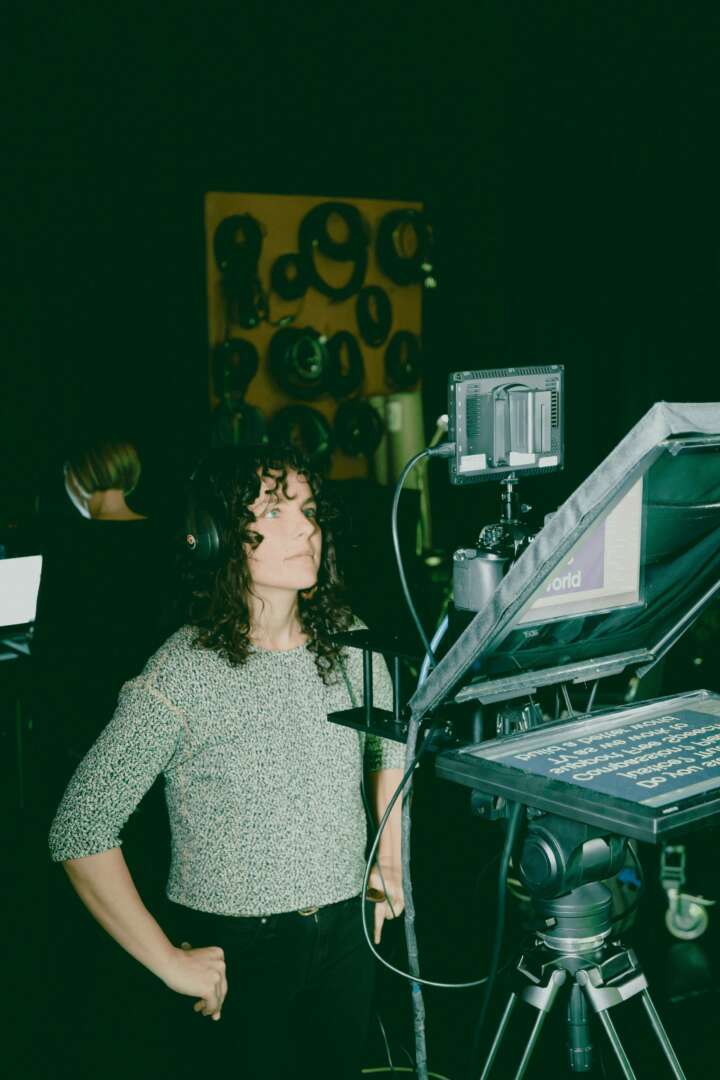
Image Credits
SaraCortese_filmpic.jpg – Andrew Wilkins
nik-shuliahin-BuNWp1bL0nc-unsplash.jpg – Nik Shuliahin via Upsplash
priscilla-du-preez-gFgKa_ftMOE-unsplash.jpg – Priscilla Du Preez via Upsplash