

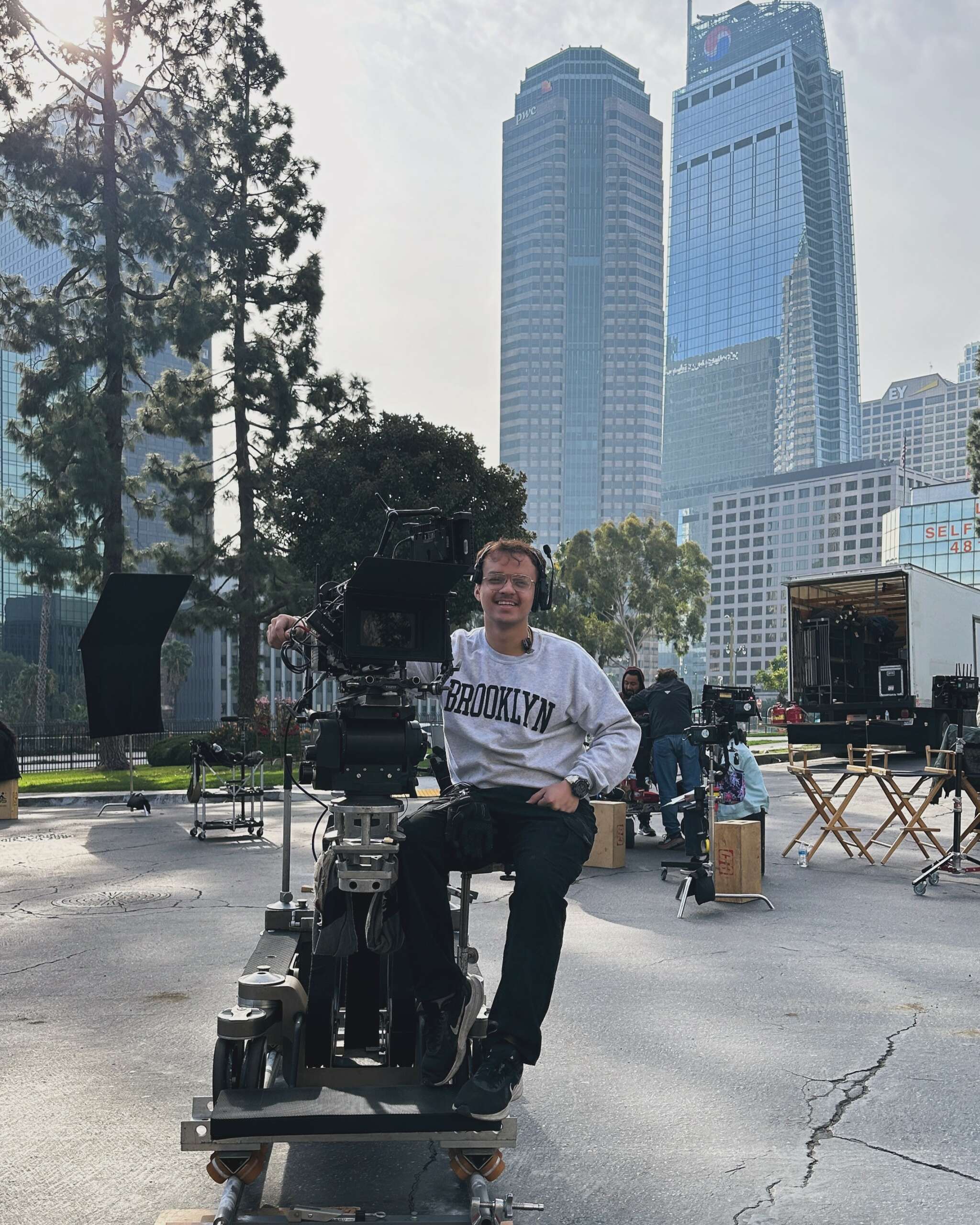

We caught up with the brilliant and insightful Sankalp Dubey a few weeks ago and have shared our conversation below.
Sankalp, appreciate you joining us today. We’d love to start by getting your thoughts on what you are seeing as some the biggest trends emerging in your industry.
One of the most significant trends I’ve observed in the film industry is the increasing focus on diversity and inclusion, both on and off-screen. As a filmmaker and cinephile, I find this trend both inspiring and essential for the future of cinema.
Recently, I had the opportunity to attend a film festival showcasing works from diverse filmmakers around the world. One particular film stood out to me—a powerful coming-of-age story told from the perspective of a young immigrant navigating the complexities of identity and belonging in a new country. As I watched the film, I was struck by the authenticity of the characters and the universality of their struggles, which resonated with audiences from all walks of life.
This experience underscored the importance of diversity in storytelling and the profound impact it can have on audiences. By showcasing a range of voices and perspectives, filmmakers have the power to foster empathy, understanding, and connection across cultural divides.
However, while the push for diversity in the film industry is a positive step forward, there are still challenges to overcome. Many marginalized communities continue to face barriers to entry and representation in Hollywood, from lack of funding and resources to systemic biases and discrimination.
Despite these challenges, I believe that the increasing demand for diverse and inclusive storytelling presents an opportunity for positive change. By amplifying underrepresented voices and championing diverse talent both in front of and behind the camera, filmmakers have the power to challenge stereotypes, break down barriers, and inspire meaningful social change.
Ultimately, I am hopeful that the trend towards diversity and inclusion in the film industry will continue to grow, creating a more equitable and representative cinematic landscape for future generations to come.
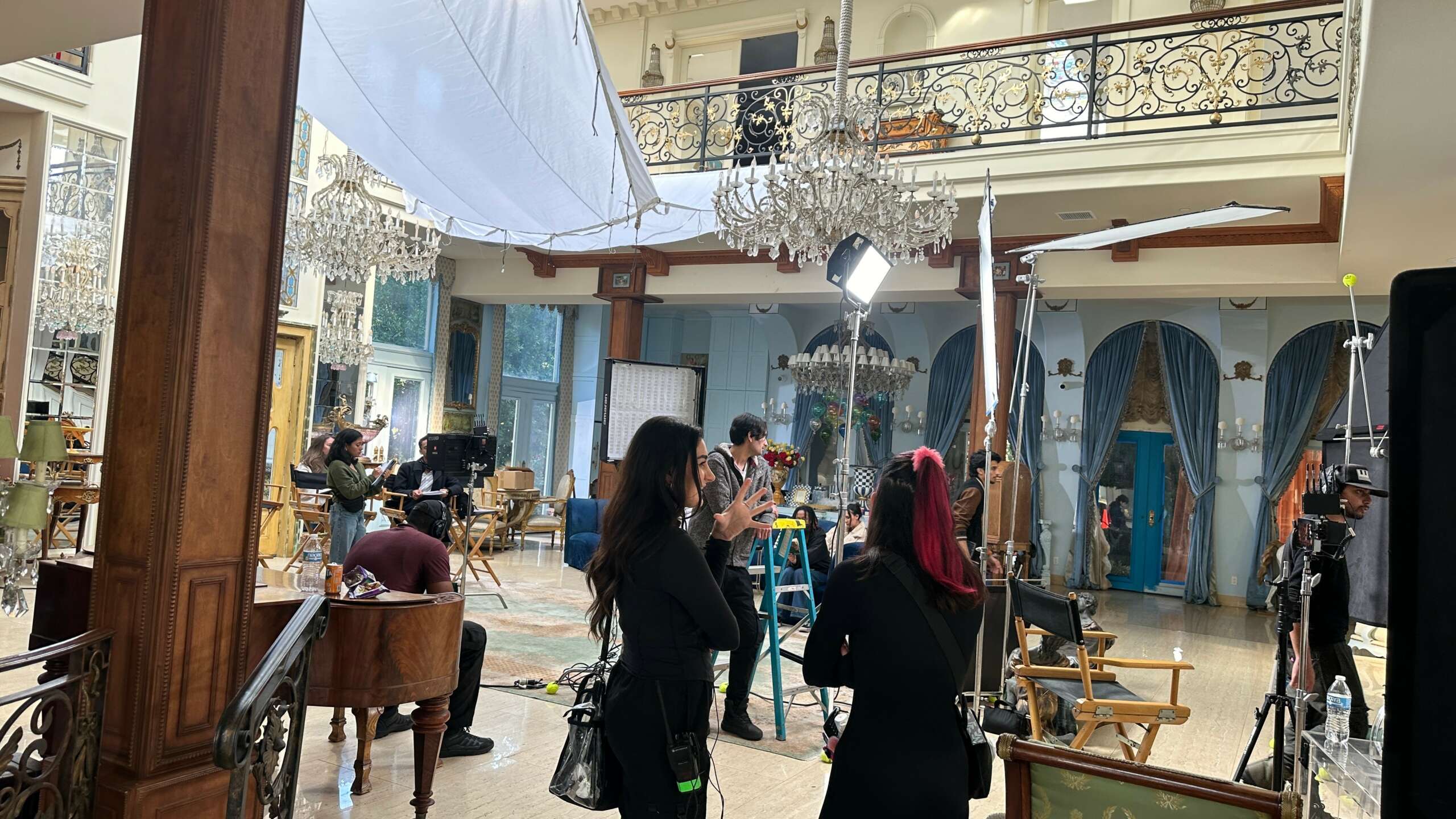
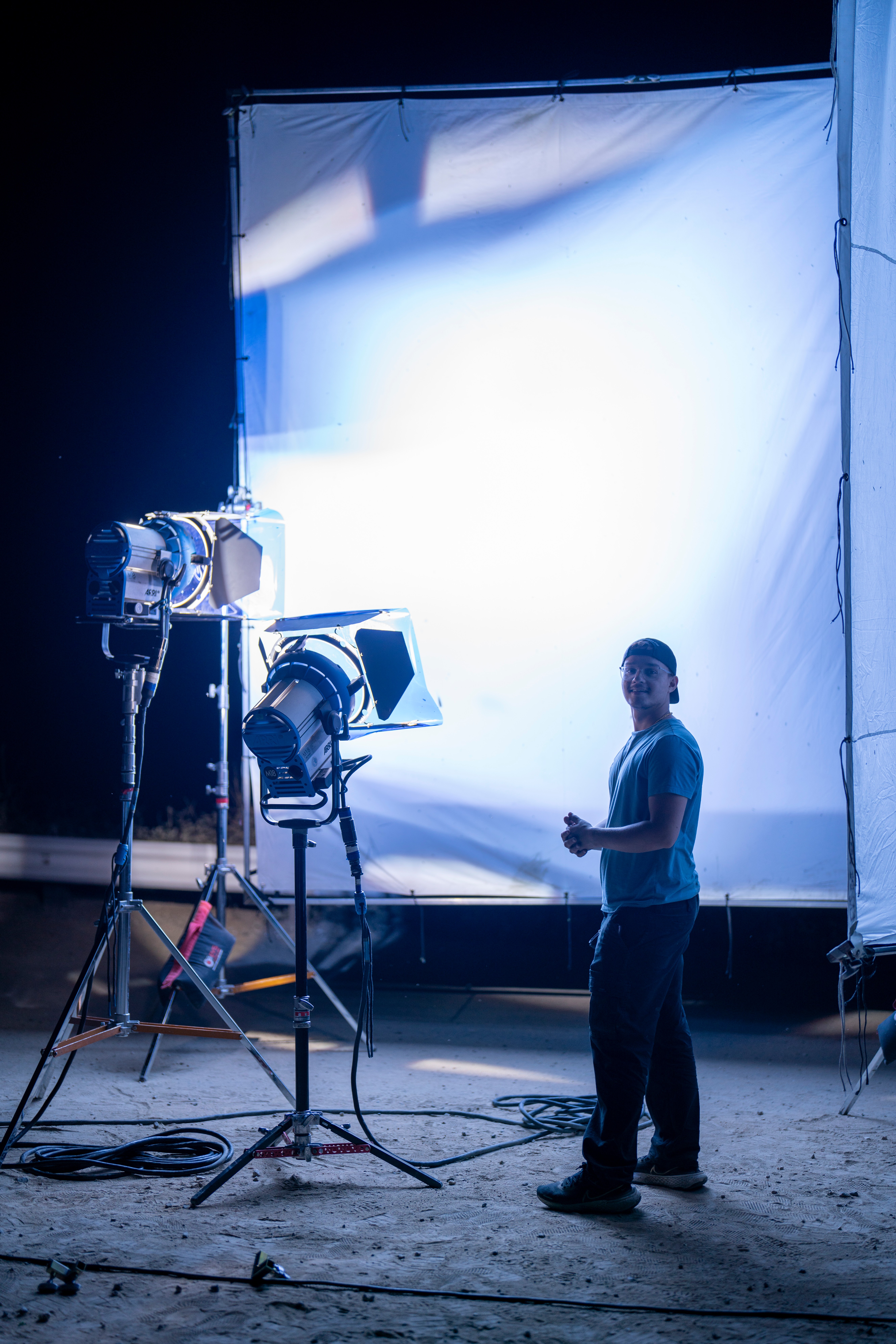
Great, appreciate you sharing that with us. Before we ask you to share more of your insights, can you take a moment to introduce yourself and how you got to where you are today to our readers.
My journey began in Gwalior, India. I was always interested in the technology and functionality of cameras as a child, but I never really got the correct exposure to the industry.
My earliest inspiration came when I experimented with my dad’s vintage Nikkor and VHS cameras. As time changed, I continued to learn more and more about cameras from online resources. I was intrigued enough to buy a camera for myself but never had the financials to get one.
In the beginning of 2015, I got my hands on my first professional camera, I spent the summer learning about it and experimenting with it, and I fell in love with the art of street photography. I used to use my time off throughout the week to shoot pictures on the streets of India because I loved the art of street photography. Looking at those photos now has made me fall in love with the beauty of cameras and my culture once again.
I never took the idea of taking things seriously in this direction until my university days, when I met an amazing group of people from all over the country sharing the same passion and interest as me in the camera department. I joined the media society at my university and went on to film events, music videos, take pictures, and so much more. I also learned about theatrical arts and drama, which sparked my interest in film and film studies. Despite having limited resources, I continued to learn the craft of filmmaking and enjoyed looking at different kinds of behind-the-scenes photos from movies and TV shows. At the time, Game of Thrones was my all-time favorite show, and I loved discovering how it was filmed.
In the winter of 2019, my brother Sarthak and I took a 20-day vacation to Hawaii, during which I filmed a movie of our trip using my DSLR camera and GoPro. On the final day, my brother noticed my love for the art and urged me to take it seriously and turn it into a profession. This was the validation I needed to convince myself to pursue my passion as a career.
When the time came for me to graduate from my engineering program and sit in job placements in early 2021, I was more disappointed than happy to receive the first email about my placement. I recall asking my father (Satish Chandra Dubey) for advice and permission when I was 21 to change career paths and enroll in the New York Film Academy to move things in a different direction. I am and always will be grateful for the love and support my family gave me when I decided to follow my heart and take the path less traveled.
Things for me changed for the better. I met some of the most amazing and talented young people when I enrolled in the cinematography program at NYFA. The majority of them had backgrounds or had started their careers early, and I saw this as a challenge to learn and advance in the Hollywood industry. After graduating in December 2022, I went on to make award-winning short films and worked on features, documentaries, music videos, and much more. I have been successfully working as a Cinematographer in Los Angeles since then and continue making digital art.
The journey and the adventure for me has been fantastic, and I hope to keep developing!
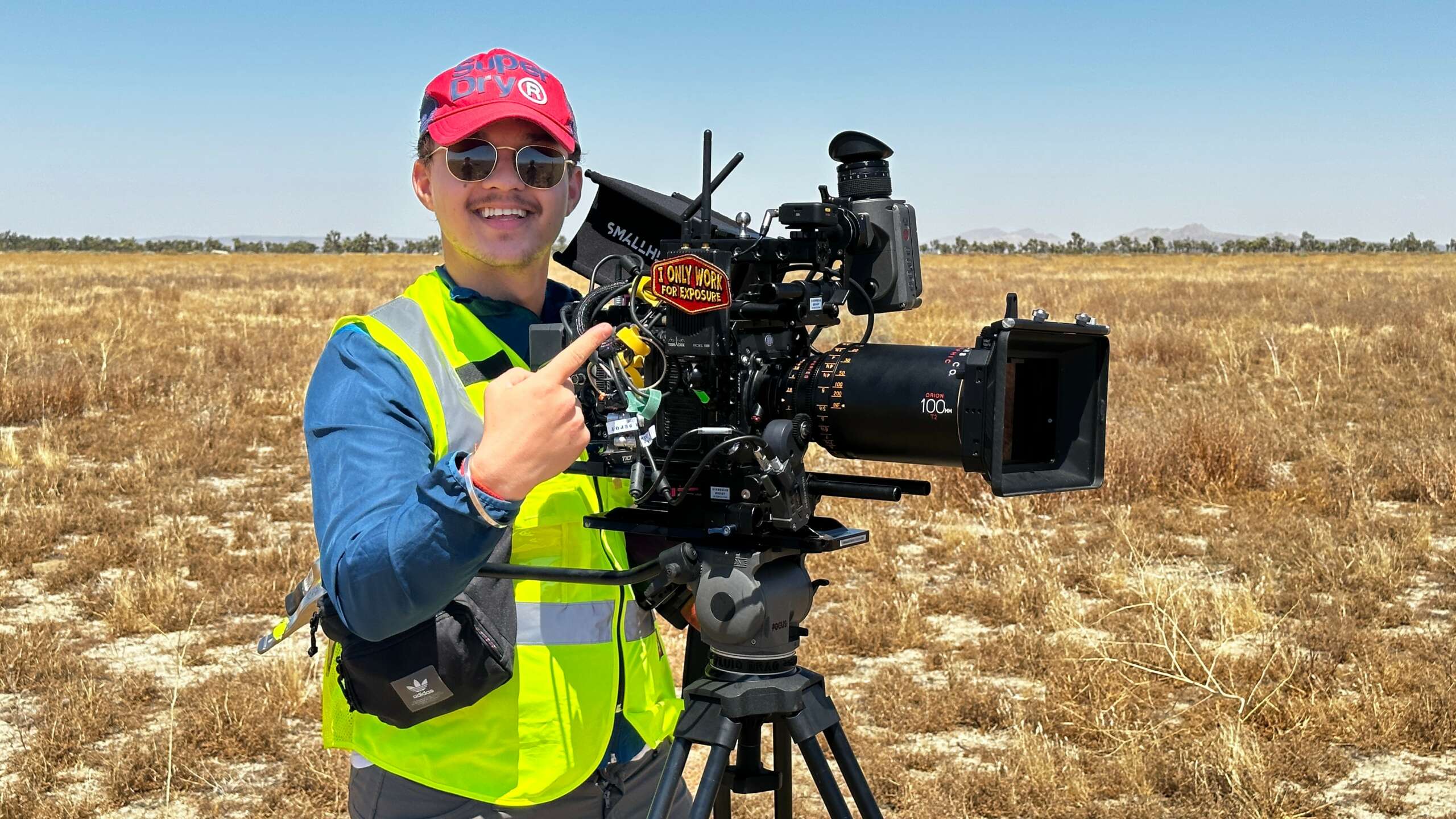
Is there mission driving your creative journey?
Throughout my creative journey as a cinematographer and filmmaker, one particular goal has served as a guiding light, propelling me forward and inspiring me to push the boundaries of my craft: the pursuit of an Academy Award for Best Cinematography.
Since I first picked up a camera, the dream of winning an Oscar has been the ultimate aspiration, a symbol of recognition for excellence in visual storytelling. It represents not only personal achievement but also validation from peers and industry professionals—a testament to the years of dedication, hard work, and creative vision poured into each frame.
The road to an Academy Award is arduous and fraught with challenges, requiring unwavering determination, meticulous attention to detail, and a relentless pursuit of excellence. It demands a mastery of technical skills, an intuitive understanding of storytelling, and a willingness to take creative risks that defy convention.
But beyond the prestige and recognition, winning an Oscar for Best Cinematography holds a deeper significance for me. It would be a platform to elevate stories that matter—to shed light on pressing social issues, amplify underrepresented voices, and inspire positive change through the power of cinema.
As I embark on this quest, I am driven not only by the desire for personal achievement but also by a sense of responsibility to use my platform for good. I see the Academy Award not as an endpoint but as a milestone in a lifelong journey of artistic exploration and social impact.
Along the way, I am mindful of the challenges and obstacles that lie ahead—the long hours on set, the fierce competition, the inevitable setbacks and failures. But I am fueled by the belief that with passion, perseverance, and a steadfast commitment to my vision, I can overcome any obstacle and achieve my goal.
In the end, whether or not I ever hold an Oscar in my hands, the journey itself is what matters most—the moments of creation, collaboration, and connection that define my life as a filmmaker and cinematographer. And it is this journey, marked by passion, purpose, and the relentless pursuit of excellence, that drives me forward, propelling me ever closer to my ultimate goal.
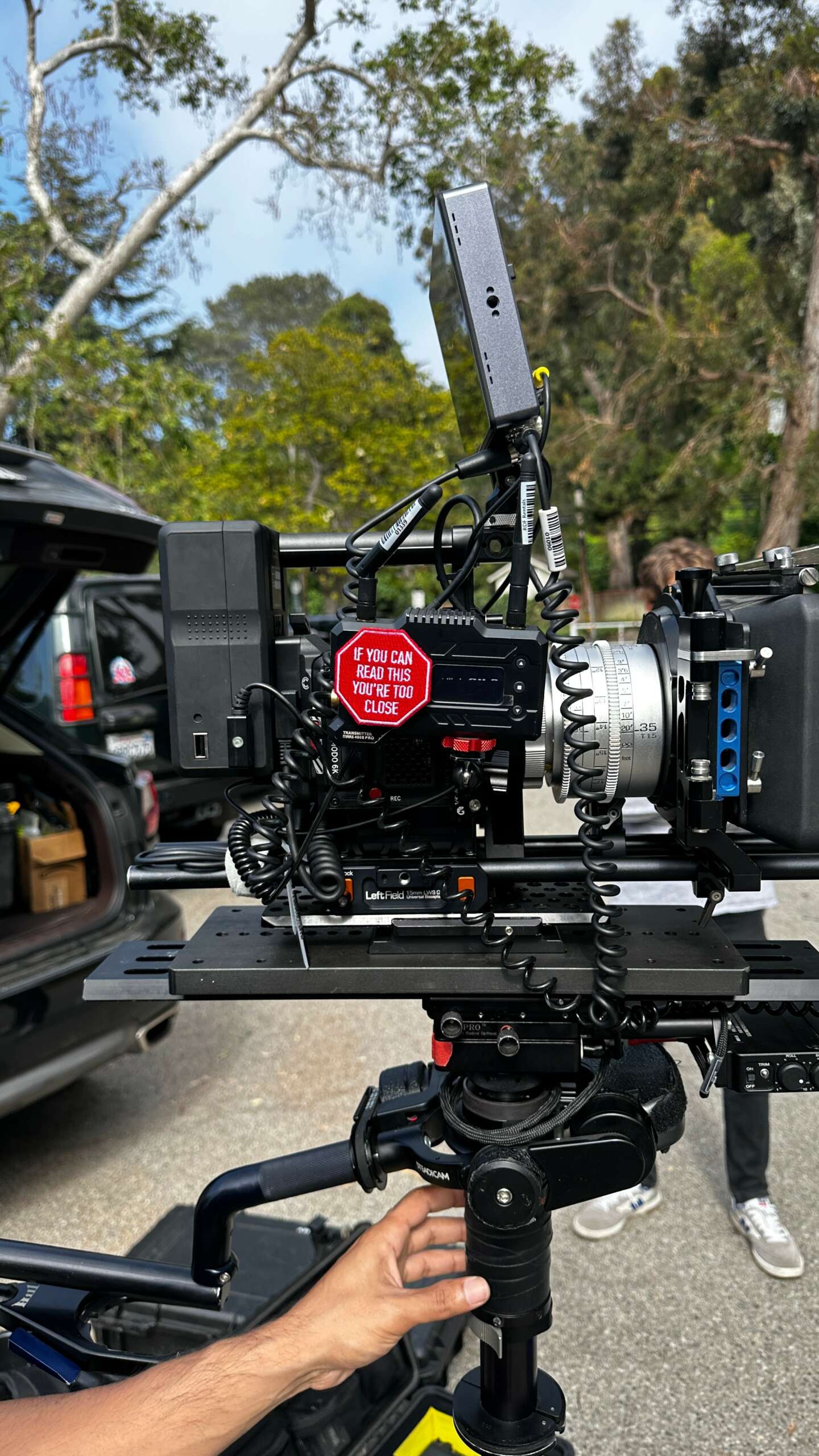
For you, what’s the most rewarding aspect of being a creative?
As a passion-driven cinematographer, my ultimate goal is to create visual storytelling that resonates deeply with audiences and leaves a lasting impact. For me, being the best in the business isn’t just about technical proficiency or industry accolades—it’s about capturing the essence of human experience, eliciting emotion, and inspiring change through the power of cinema.
The most rewarding aspect of being an artist and creative lies in the ability to connect with people on a visceral level, transcending language and cultural barriers to touch hearts and minds. Whether it’s through a poignant close-up, a sweeping panoramic shot, or a carefully choreographed sequence, I strive to evoke emotion and provoke thought with every frame I capture.
One of the most fulfilling moments of my career came when I received feedback from an audience member who had been deeply moved by a film I had worked on. They expressed how the imagery had stayed with them long after the credits had rolled, sparking conversations and prompting them to reexamine their own perspectives and beliefs. It was in that moment that I realized the true power of cinema to inspire change and foster empathy.
For me, the greatest reward as a cinematographer is knowing that my work has touched someone’s life in a meaningful way—that it has made them laugh, cry, think, or feel something they hadn’t felt before. It’s a reminder that art has the power to transcend the ordinary and illuminate the human experience in all its complexity and beauty. And it is this pursuit of emotional truth and connection that drives me to continually strive for excellence in my craft, pushing the boundaries of creativity and storytelling to new heights.
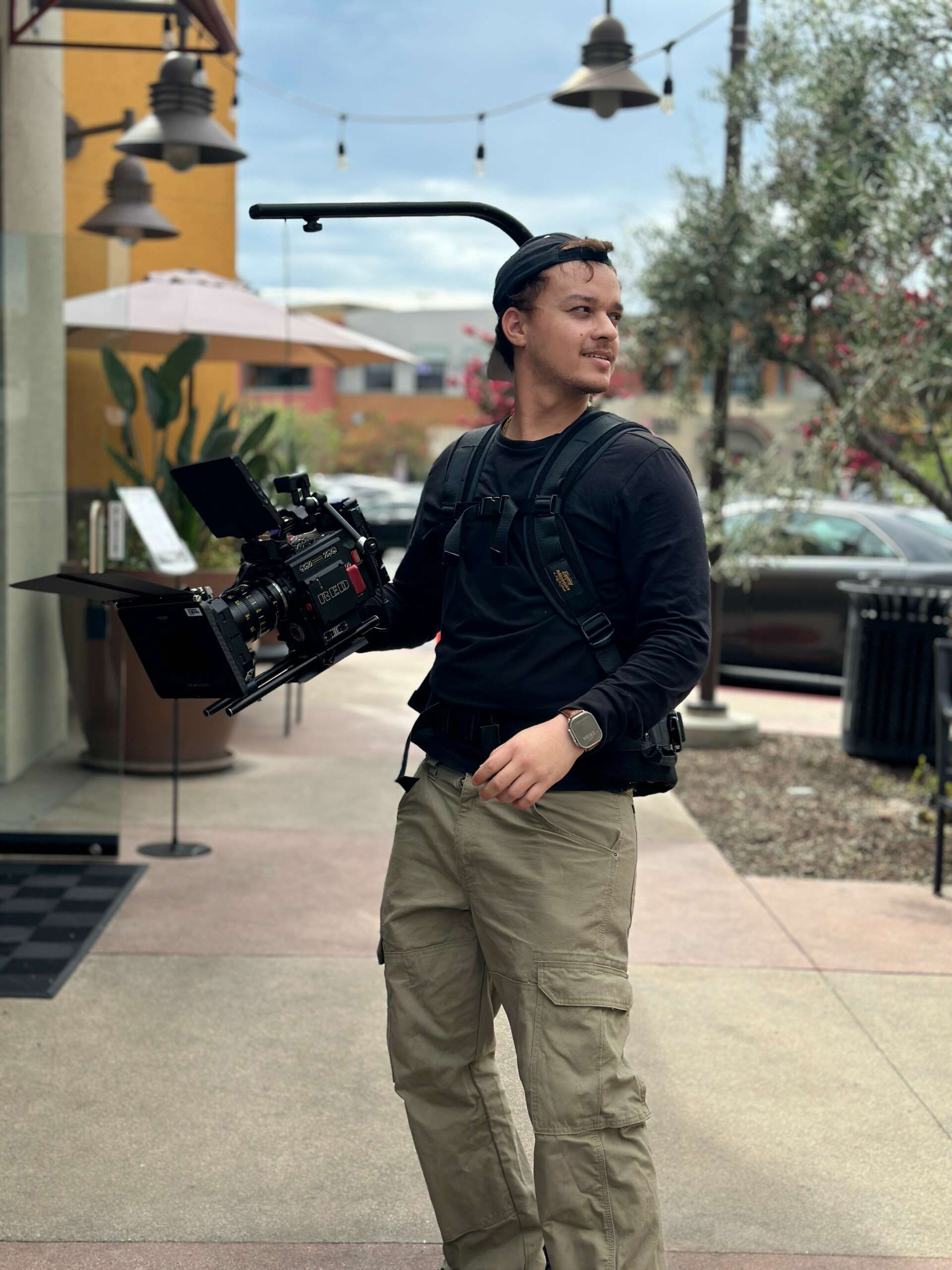
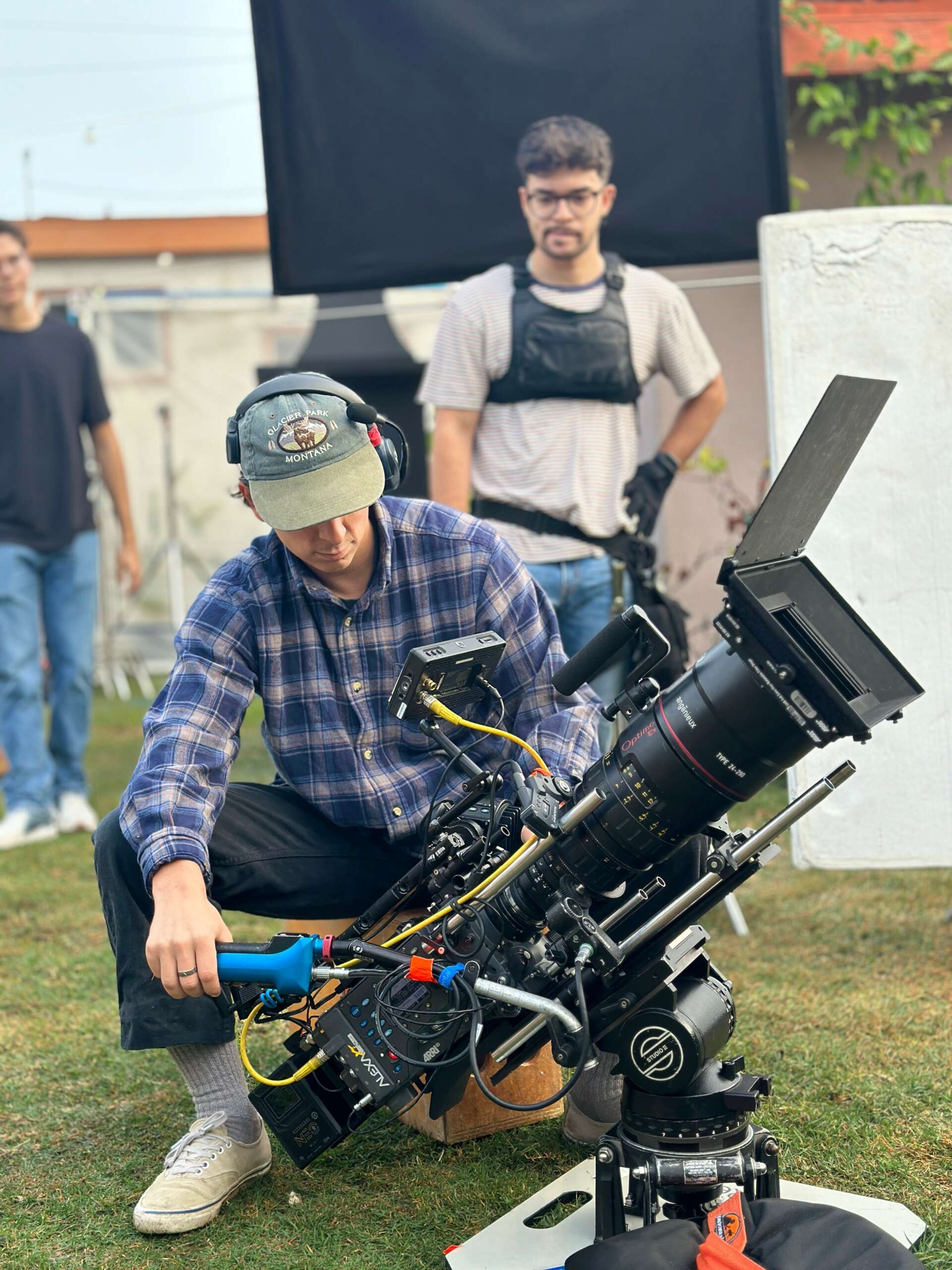
Contact Info:
- Instagram: www.instagram.com/sankalp.cine
- Facebook: www.facebook.com/sanku97
- Linkedin: https://www.linkedin.com/in/sankalp-dubey-726ab765/