

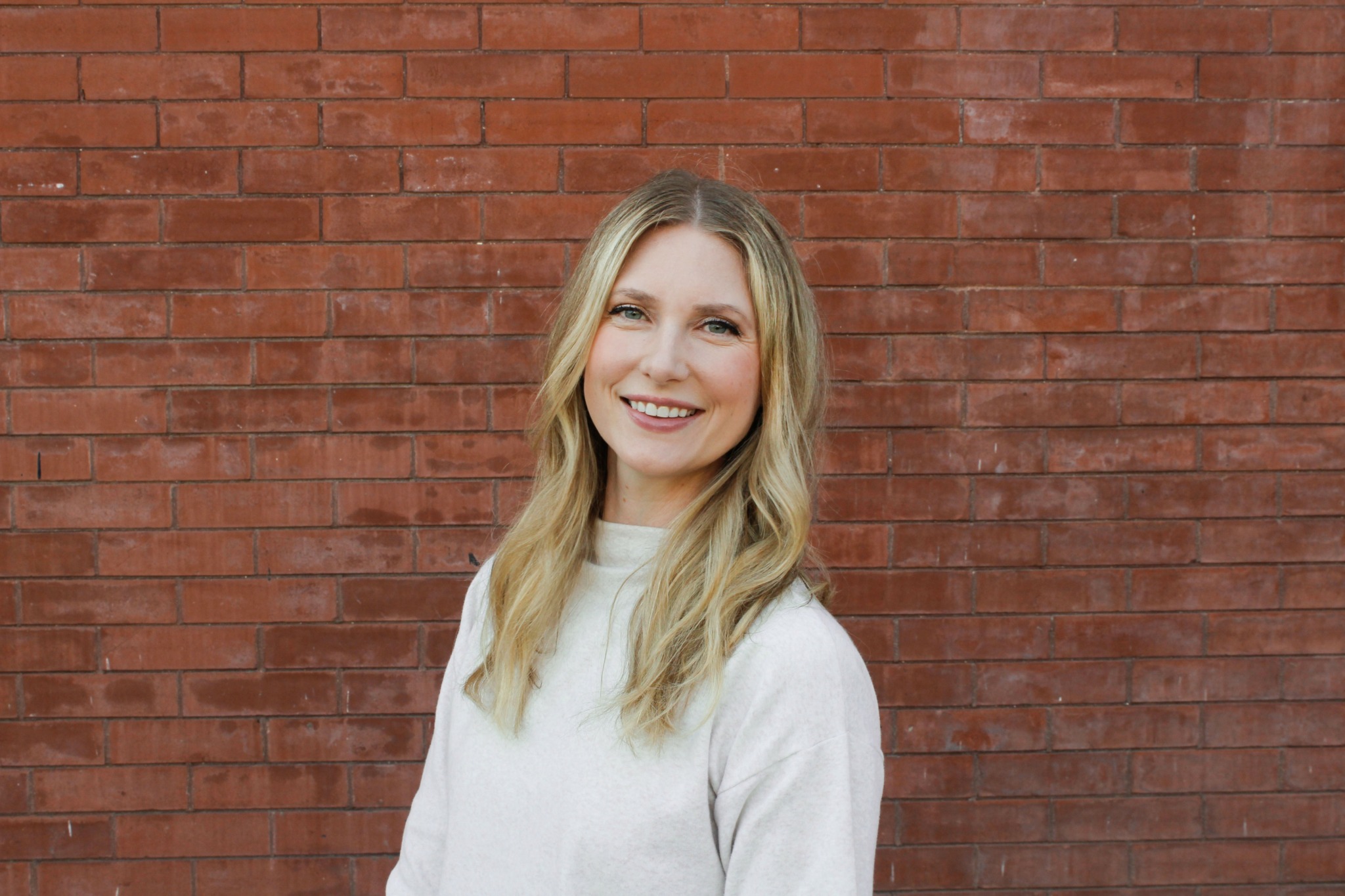

We were lucky to catch up with Sandy Meulners-Comstock recently and have shared our conversation below.
Alright, Sandy thanks for taking the time to share your stories and insights with us today. Naming anything – including a business – is so hard. Right? What’s the story behind how you came up with the name of your brand?
Naming a company is challenging! As we were forming Mend Collaborative, we knew that we wanted our firm’s name to represent how we approached our work. We explored a lot of opportunities before realizing we kept saying “mend” or “mending” while talking about the types of projects we wanted to work on, as well as what we wanted our company culture to be rooted in. On the company culture side, many of us have had experience working at other firms where underpaid and overworked was the norm, a byproduct of a toxic and antiquated approach to studio culture in graduate school. We knew that we wanted this firm to be a healthy place for people to work and have balance, respect, and positive growth, at the same time understanding that a healthy work environment needs to be an ever-evolving process where we listen, adjust, and grow some more. As for our work, we believe that landscape architects and planners are never working in a vacuum. Each partner at Mend brings a perspective of their background – from ecology to health to community work – and those are layers of fabric that need to be sewn together no matter where we are working. These fabrics we are working with are existing – communities of past and present, the natural environment, and the ephemeral nature of designing for the outdoors. Bringing these fabrics together using our thread of interdisciplinary experience is how our work comes together, mending systems and places one project at a time.

As always, we appreciate you sharing your insights and we’ve got a few more questions for you, but before we get to all of that can you take a minute to introduce yourself and give our readers some of your back background and context?
I am a licensed Landscape Architect in several states including my home state of Minnesota and in our firm’s other office location in Texas. I have my Master of Landscape Architecture degree from the University of Minnesota Twin Cities and have been practicing since 2012, gaining experience at many types of firms, including architecture and engineering, design/build, and landscape and planning offices. I had no idea what landscape architecture was before college, and actually started in biochemical engineering as an undergrad. I knew I didn’t want to work in a lab, and started exploring architecture as a blend of art and science – I always had a drive to create and be artistic but never had a true “medium”. Somehow I ended up being convinced to explore the landscape architecture route and have never looked back! I founded Mend Collaborative with three other professionals when we all parted with a firm we were working at together to focus on equity and community based design and planning. Today, I work on everything from regional-scale park planning projects all the way down to park specific implementation work where we draft up the construction documents and watch the community’s vision come to life.
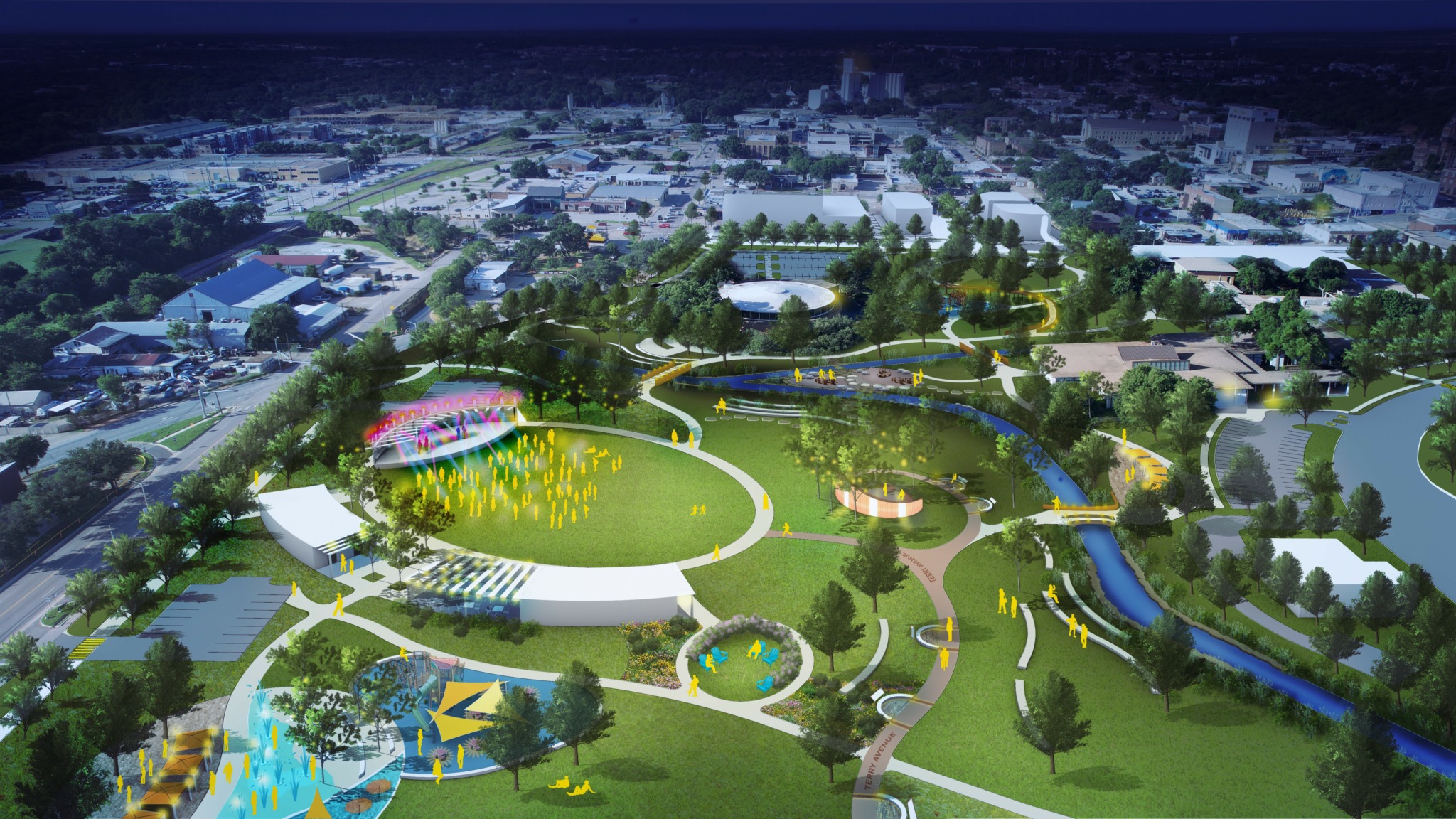
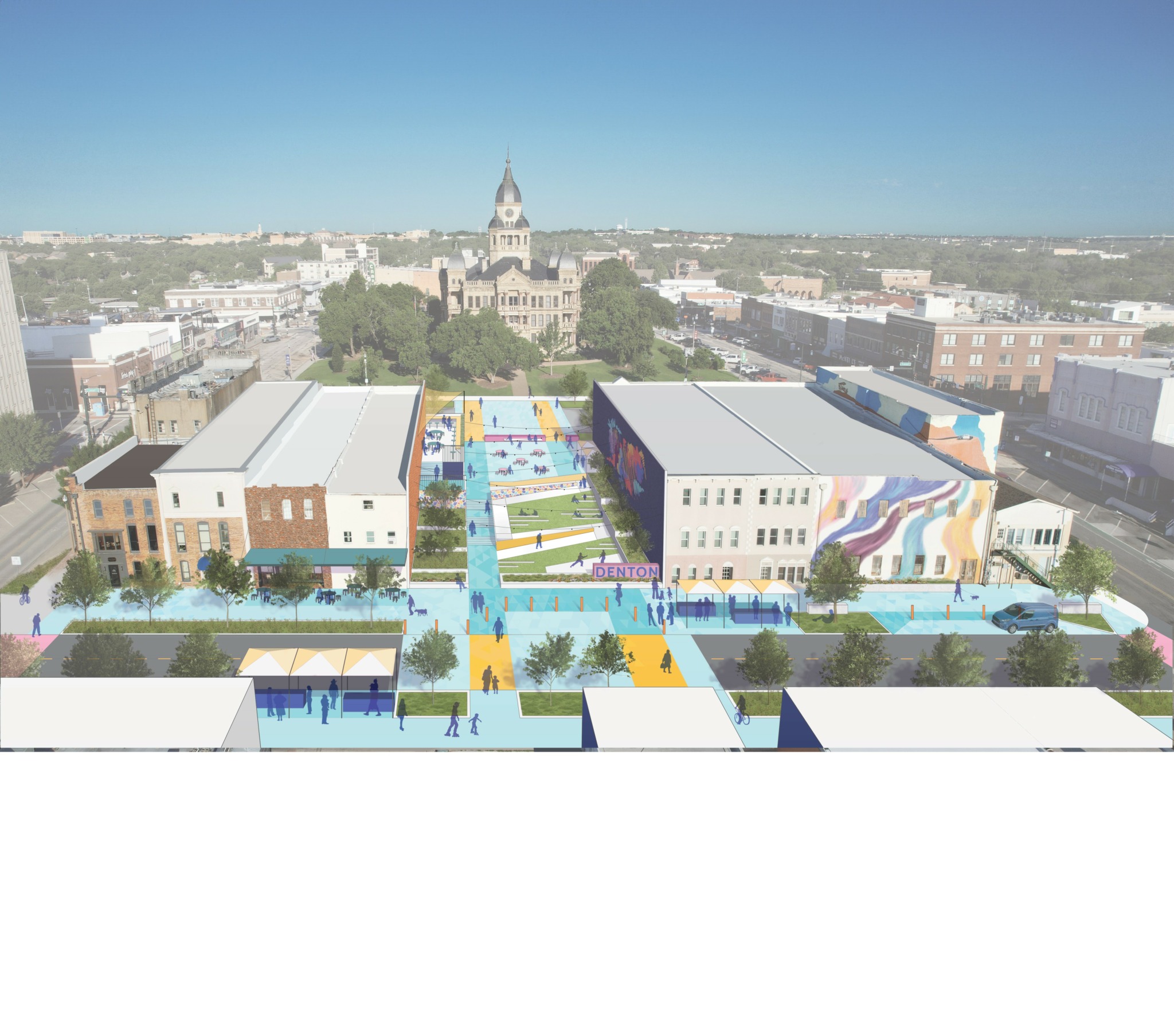
Mend truly focuses on putting community first in design. We embed ourselves in the culture of every place we work in – study the music, art, food, and communities that make a city unique and special. We often set aside larger than typical portions of our scope for engagement with stakeholders and residents to learn what our process can do to improve their lives. That, in my opinion, is where the best design ideas are born – we set aside ego and focus on listening. One project that really stands out is a park master plan for the City of Denton in Texas. You can’t imagine a city with more character and culture – incredible restaurants, thriving art scene, and great music is in their veins. Though with every long-standing city there are historic challenges. The city has a large park downtown that was once a Freedmen’s Town known as Quaker. At the turn of the 20th century, residents of Quaker were forcibly displaced and relocated further away from the center of town due to Quaker’s proximity to the white women’s college. Quaker was then converted to a civic park and today also hosts various civic buildings and is the main park space for large festival events. In the 90’s the city re-named the park to Quakertown Park, a small but meaningful step to reconcile with a challenging past. Part of our approach and process was to center the voices of the descendants of those displaced, asking them what they want this park to look and feel like to honor the former town of Quaker and those who were forcibly removed. Through that process, we learned about a special garden a resident of Quaker kept, where the original all-African American school was, and how many untold stories there are that needed to be shared for future generations. We were able to apply these stories and feelings into a park design that wove Quaker throughout the park and monumented this story as a way to learn, reflect, and explore. During larger events in the park, open clearings will allow for various stages and vendors to operate and welcome tens of thousands of folks to the park. New park buildings will be dedicated to food and comfort features such as restrooms, but also be incubation spaces for smaller black-owned businesses to get started up. I’m really happy we were able to so robustly and genuinely realize a vision that everyone in the community can see themselves in. That is what landscape architecture and planning is all about to me.
Can you tell us about what’s worked well for you in terms of growing your clientele?
For us it’s honesty and bringing the right team together and being honest about an evolving process. No project is the same and no community is the same, and we know where our limits are with tackling a scope. We really enjoy building teams to suit each unique project – whether that means bringing in a specialty team for community engagement, language justice services, or an artist who has deep community ties, we know that as generalist as our profession is, there are a lot of more specialized folks out there who make our work stronger by being involved. I feel that clients notice this and know when they are getting a really thoughtful process, and not everyone approaches work this way so I’m hopeful that that helps us stand out and attracts clients to want to work with us.
Is there something you think non-creatives will struggle to understand about your journey as a creative?
Design and planning is an open-ended process and is never truly “done”. Many times we want to show our clients really early versions of ideas or even invite them to our virtual whiteboards so they can see what drives decision-making and the evolution of our process. It’s really exciting to want to see flashy designs right out of the gate, but our unique process means that we listen first, draw later. Design is also subjective and multi-dimensional when we’re talking about public realm projects. We build models to understand a site from beyond a plan view, designing for what people will actually experience on the ground, which sometimes means the plan view isn’t as sexy. For me, it’s all about trusting the process and being patient with letting the work reveal itself.
Contact Info:
- Website: https://www.mendcollaborative.com/
- Instagram: https://www.instagram.com/mendcollaborative/
- Facebook: none
- Linkedin: https://www.linkedin.com/company/mendcollaborative/
- Twitter: none
- Youtube: none
- Yelp: none
- Soundcloud: none

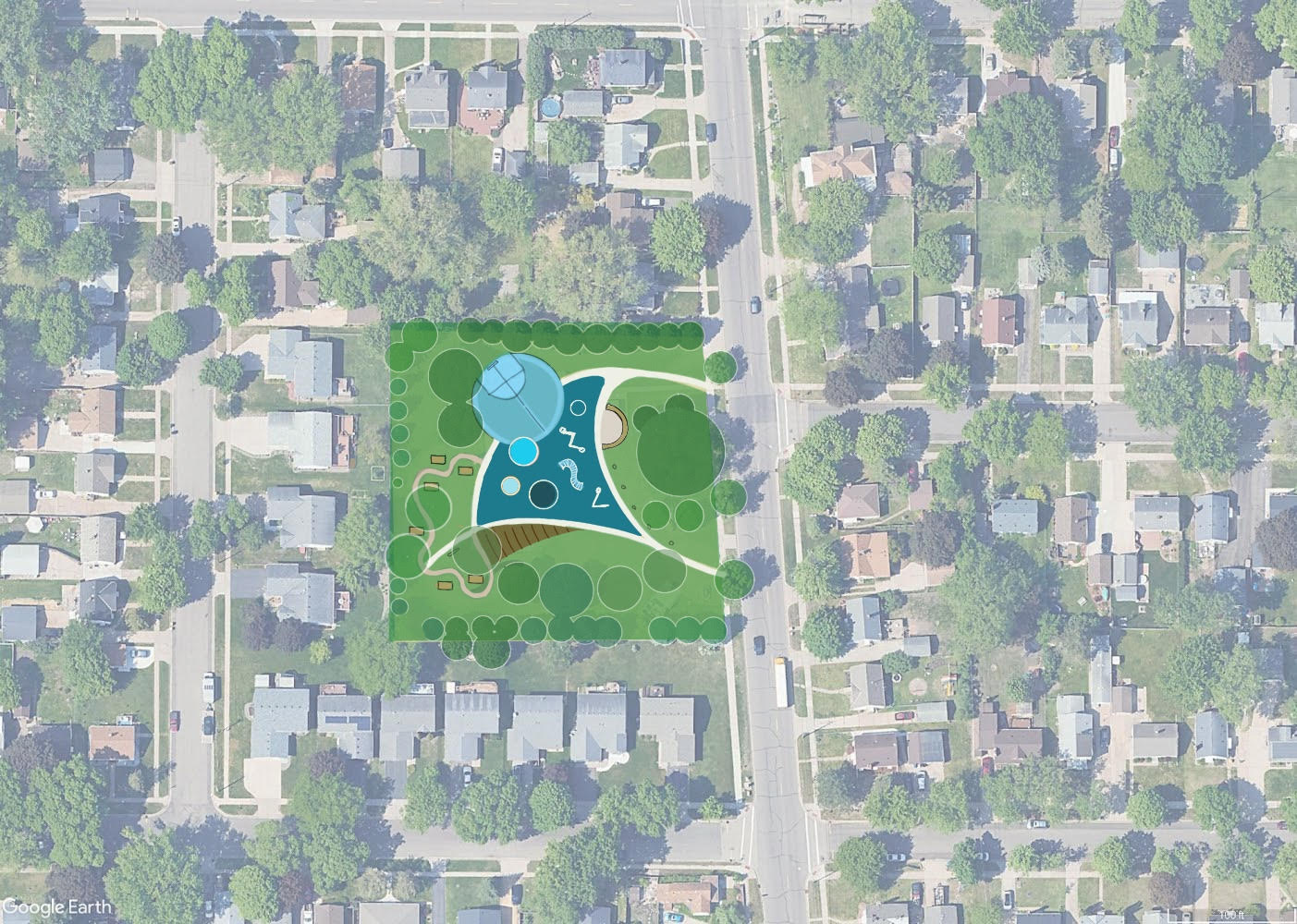
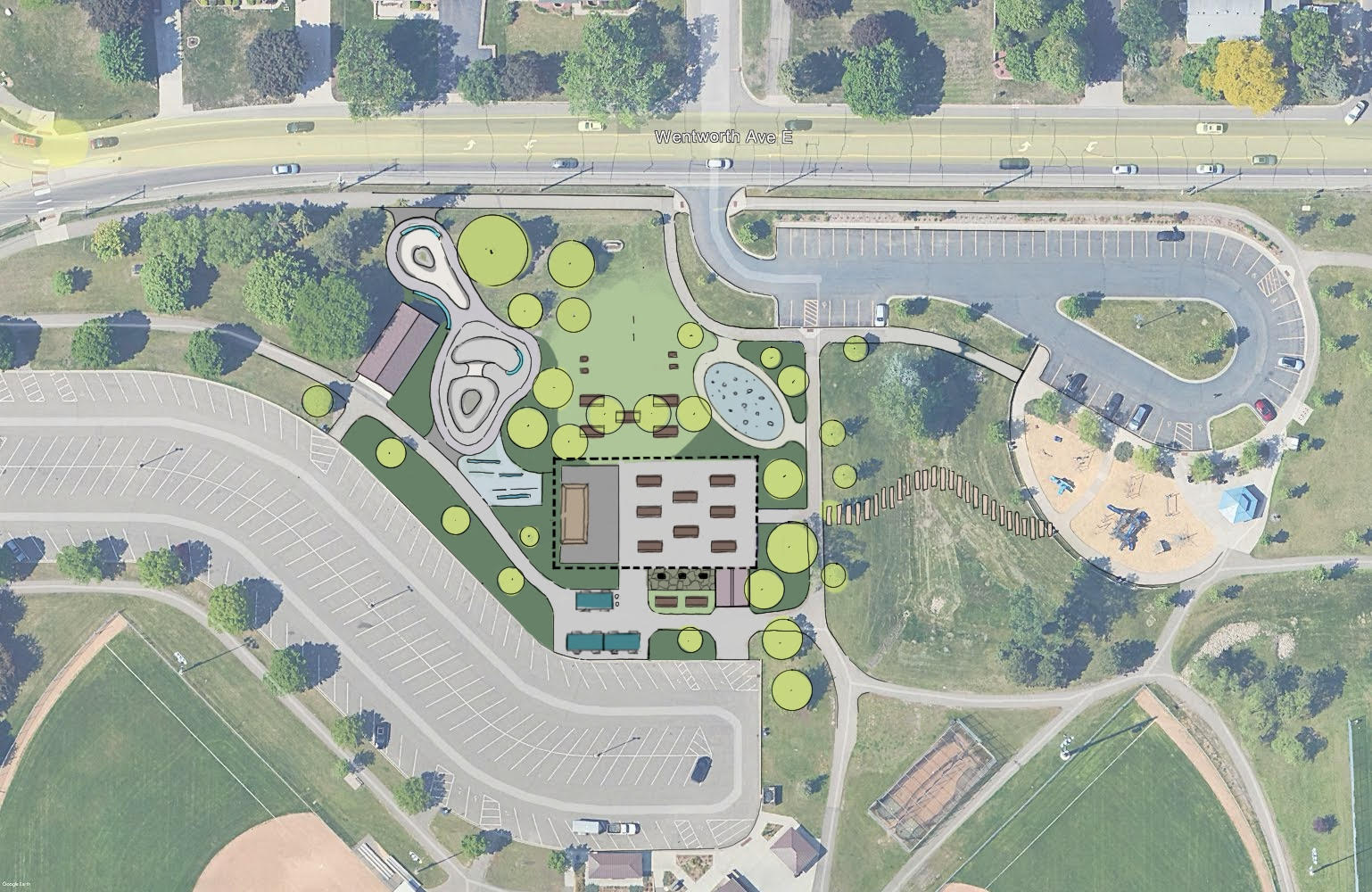
Image Credits
All images and graphics credit Mend Collaborative