

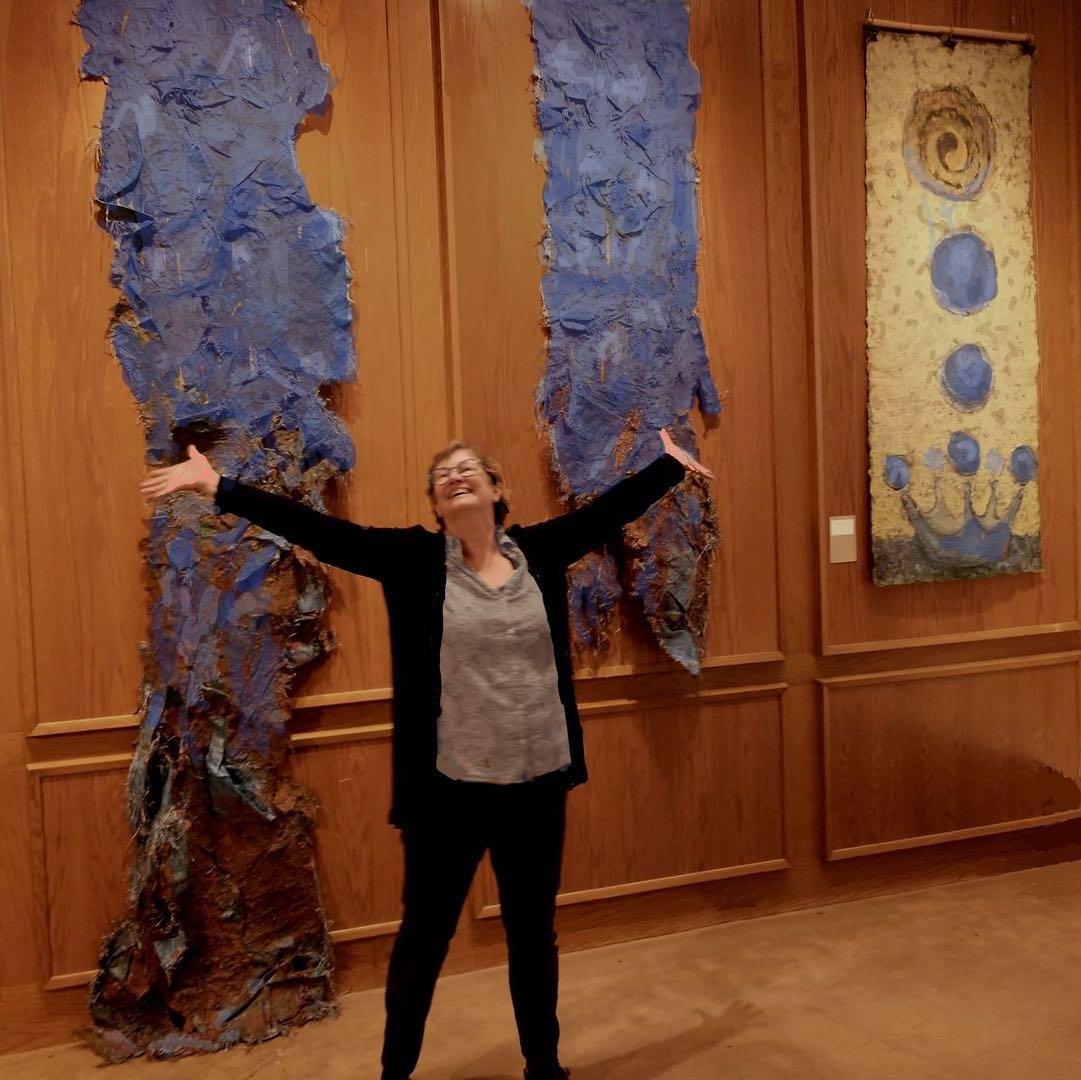

Alright – so today we’ve got the honor of introducing you to Sandra Hansen. We think you’ll enjoy our conversation, we’ve shared it below.
Alright, Sandra thanks for taking the time to share your stories and insights with us today. Learning the craft is often a unique journey from every creative – we’d love to hear about your journey and if knowing what you know now, you would have done anything differently to speed up the learning process.
I had a short career as a harp builder and eighteen years performing one woman plays on famous women in history, before I turned to painting in 2004. I traveled to India, Sweden, and many other places around the world to paint. Twelve years past before I enrolled in a painting major in art school, first as an undergraduate and then continuing on to graduate school. In 2014 I became terrified at the role of plastics in water and the damage it was doing to the planet, animals and our own health. I turned to environmental art so that I could be part of the solution. I began looking at ways to make my art more environmental. During my senior year at graduate school. I took a class in paper making and fell in love with the fun of it. I also found that paper could be made completely environmentally safe. One of the other classmates was making a large sheet of paper and that also fascinated me so I built a giant mold and deckle so that I could make paper that was 82 x 36 inches.
While I was in art school, I made friends with some Chinese artists, Beibei and Leilei Chen, and Wang Yiwang. In 2017 Beibei and Yiwang and I went to Hohhot, China to have three solo shows together at the Inner Mongolia Art Museum. On the way there Beibei and stopped at a different museum to see the largest mold and deckle in the world and learn about paper making. On a subsequent trip to China I visited a small family of papermakers and gained more knowledge. Since they didn’t speak English and I don’t speak Chinese, I called Leilei who was in China at the time, and she translated all day for me over the telephone.
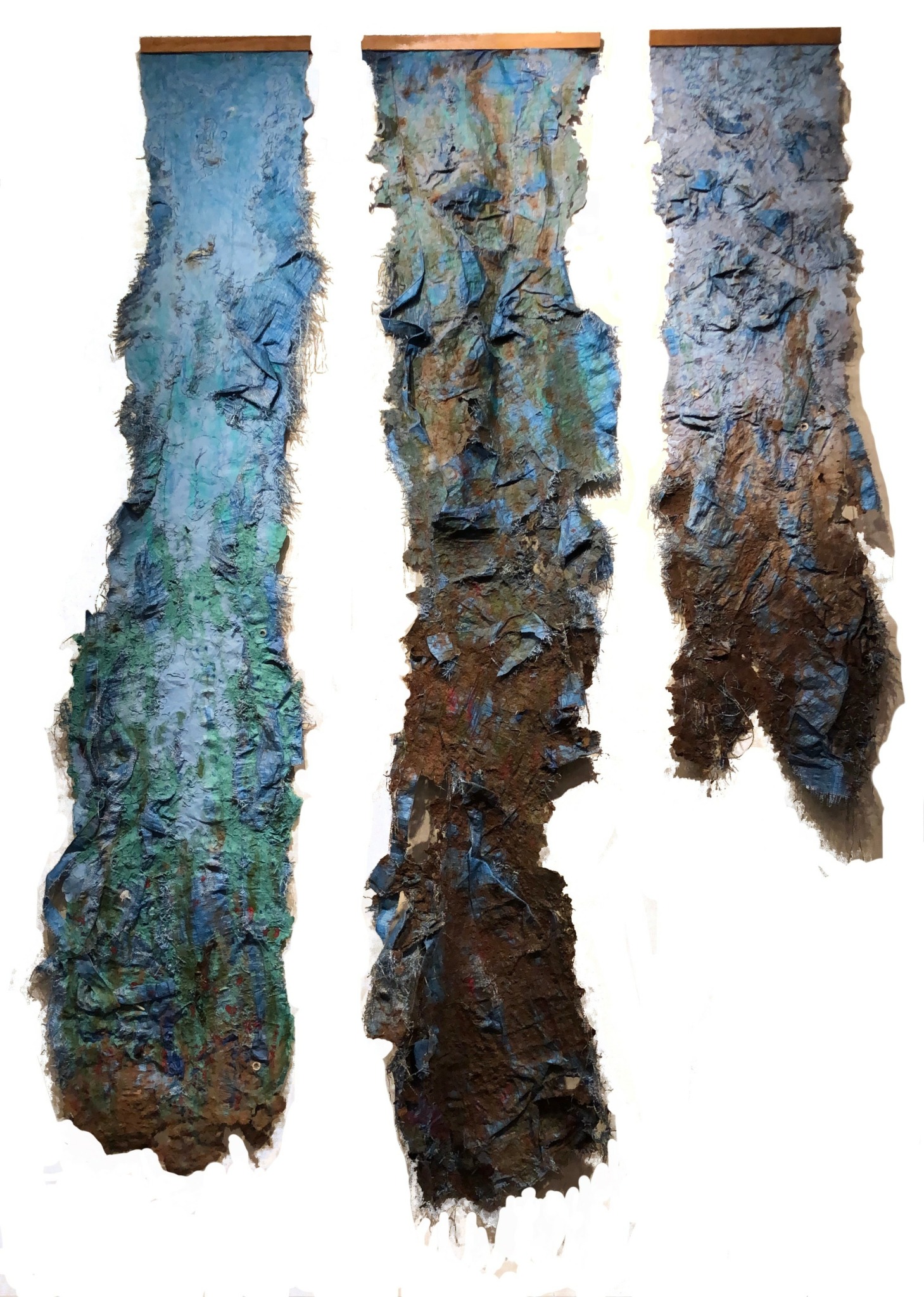
Over the years my art became larger and larger as the pollution problem was growing exponentially. At an artist residency in Australia in 2018, I figured out how to make paper on the floor so that I could make paper any size or shape that I wanted. I made a piece called “Timeline River.” It was made of three, twelve-foot tall panels. These panels were created out of local plant materials, my worn out blue jeans, and a plastic tarp that a previous artist left rotting in the pristine forest at the residency.
One of the plant materials was from the Wollemi pine tree. Scientists believed that the Wollemi pine had become extinct 93 million years ago. The tree was only known through fossils. One day a young man, David Noble found a stand of trees that he didn’t recognize. After many months the trees were discovered to be the Wollemi pine tree. I was able to petition the Blue Mountain Botanical Gardens to get two kilograms of the leaves. With these leaves, I became the first person in the world ever to make a rough paper from the Wollemi pine tree. Some of this paper is in the “Timeline River.” The “Timeline River” is an abstraction of a clean river becoming polluted over time.
Back at home I was able to clear an area in my studio large enough to make an eighteen by four foot piece of paper. Using dyed pulp in a turkey baster, I drew a dolphin jumping out of the water at the top of the paper. The lower levels had fish swimming in the water. I found a local Boys and Girls Club that had a gymnasium and would allow me to hang it on the wall so that a photographer, Patti Sevensma, could take photos of it. We needed two extension ladders and a volunteer went up one ladder and I went up the other ladder. We held the paper against the wall while Patti stood on a third ladder and took photos of the paper.
Wanting to learn more about papermaking, I took an online course during the pandemic on Japanese papermaking. Japanese and Chinese paper is extremely thin and very smooth. It is also very difficult to make. I had learned so much about papermaking since 2015. To become an expert however, requires fifteen years of steady paper making. Last winter I went to two international papermaking conferences, one in Rhode Island, and the other in Taipei, Taiwan. At one of the conferences I met a woman, named Seiko, who connected me with a Japanese paper maker. I lined up a trip to Tokyo. It was the experience of a lifetime. I spent one day at the Japanese Cultural Center and two days making paper with an expert at a papermaking mill. While the mill owner did not speak English and I don’t speak Japanese we spoke through our phone translators and gestures.
My husband came with me to Japan but did not participate in papermaking. Seiko found us a place to stay in a woman’s house with traditional rooms. We had two rooms with tatami mats on the floors. One room had a low table with cushions around it. Our beds were soft mattresses on the floor with big down blankets to keep us warm. We also had the use of her kitchen with Japanese implements. Each night the owner heated the water in the giant wooden tub where we soaked and warmed up before going to bed.
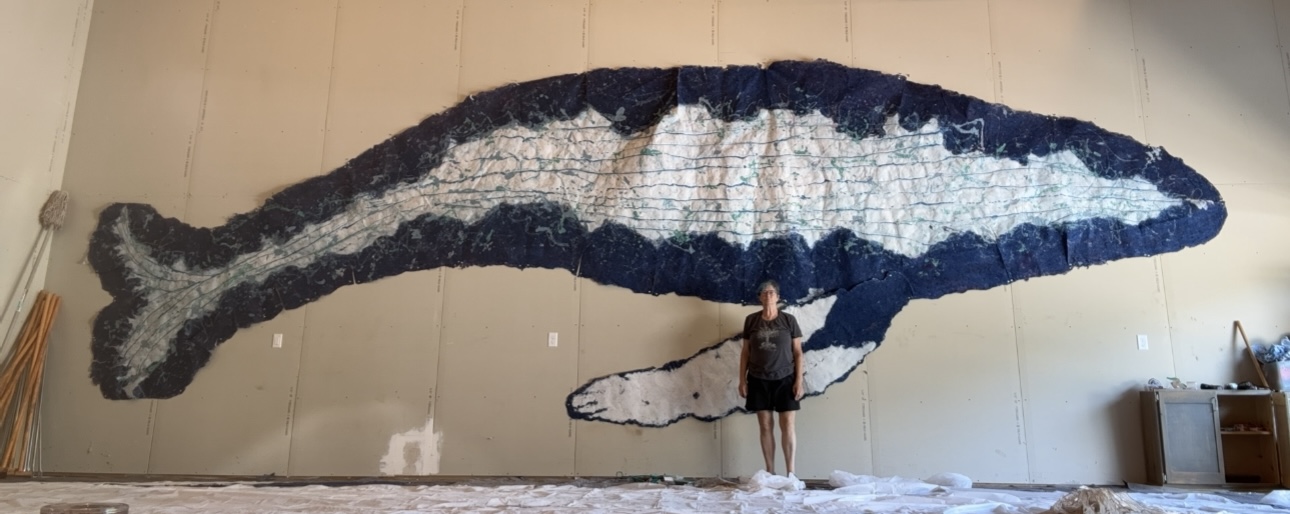
From Japan I went to China to spend a month with my friend, Li Yang in Chengdu and a second month by myself in Beijing. The first two weeks with Li Yang was spent celebrating the Chinese New Year and seeing the light shows there. The second two weeks I was able to use her studio in Zitron. I have an installation plan that I wanted to start there. I made a handmade paper whale that was twelve feet long and two wave like pieces that were fifteen feet long. In Beijing I had rented a forty foot long studio. I made a thirty-eight foot humpback whale on the floor there. I also met up with old friends there and enjoyed eating Peking Duck and visiting galleries.
When I got home this spring, I realized that I needed a larger studio. I found a storage space that was large enough for me to hang my giant whale on the wall. Ultimately the whale will hang from the ceiling but I will need a larger ladder. In the picture of the giant whale, there is only one flipper because my ladder wasn’t big enough to hang the second one. Since getting home I have made a seven foot 3D dolphin and another large wave.
Awesome – so before we get into the rest of our questions, can you briefly introduce yourself to our readers.
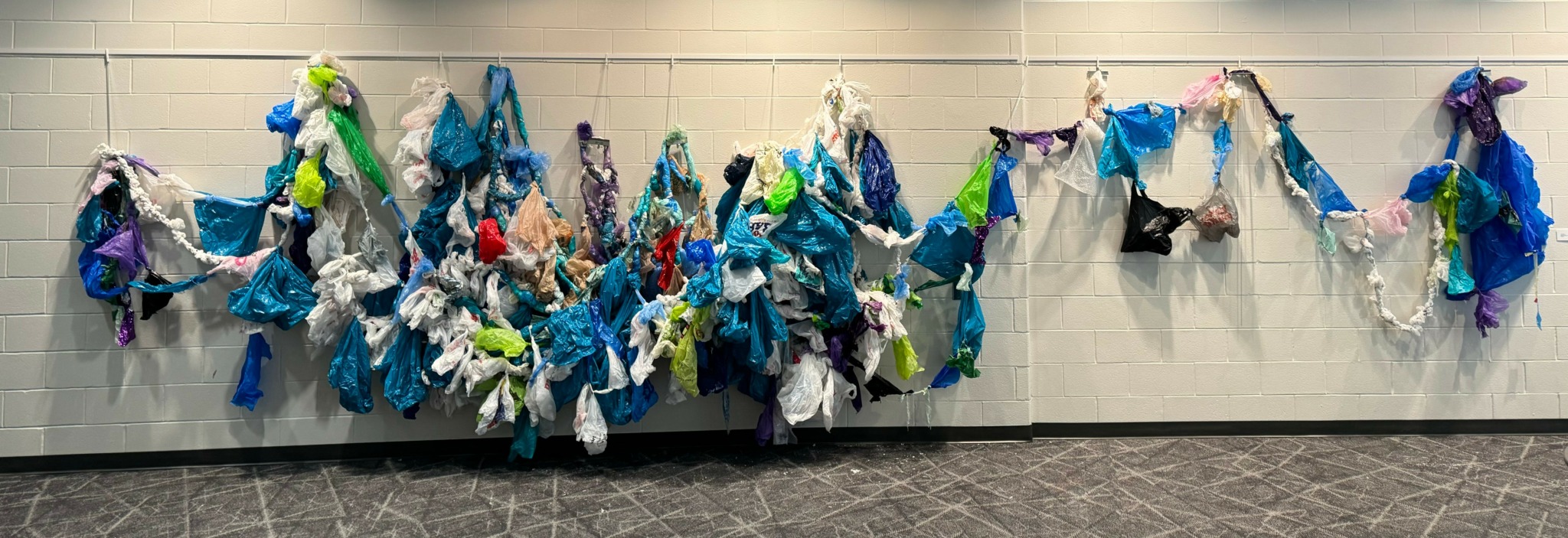
I am now working on an environmental installation which I hope to see travel to various museums. I am very excited about the installation. There will be a 38 foot whale and a twelve foot whale hanging from the ceiling to walk under. I have made a seven foot the dolphin to hang in the installation. The dolphin was made like a Chinese lantern so it is three dimensional. I am planning large nets made out of plastic bags to hang from the ceiling to the floor. There will be paper fish and a paper sea turtle hanging down as well. I hope the overall effect will be a claustrophobic, yet aesthetically beautiful feeling of being underwater.
Occasionally I teach classes and workshops, give talks, and do commissions. I have a small campground with a geodesic dome that I rent out in the summer time. This earns enough money with the sale of my paintings and art work to keep making art.
For you, what’s the most rewarding aspect of being a creative?
I love being a creative. I travel, I meet people, I make art and make more art, and people love my art. What could be more wonderful than doing what you love and talking about the need for environmental change?
Is there mission driving your creative journey?
As an environmental artist, I must look for places that will want to show my installation and are interested in environmental art. This is the most difficult aspect of my journey as an artist. I take everything one step at a time. I usually try to do the hardest part of a project first as everything will come from that. I am driven to talk about the environment and I believe that my installation will be a powerful way to do this.
Contact Info:
- Website: https://Www.sandrahansen.com
- Instagram: Sandra_hansen_eco_artist
- Facebook: https://www.facebook.com/profile.php?id=100087224884989
- Other: 1 (423) 276-0065-276-0065
[email protected]
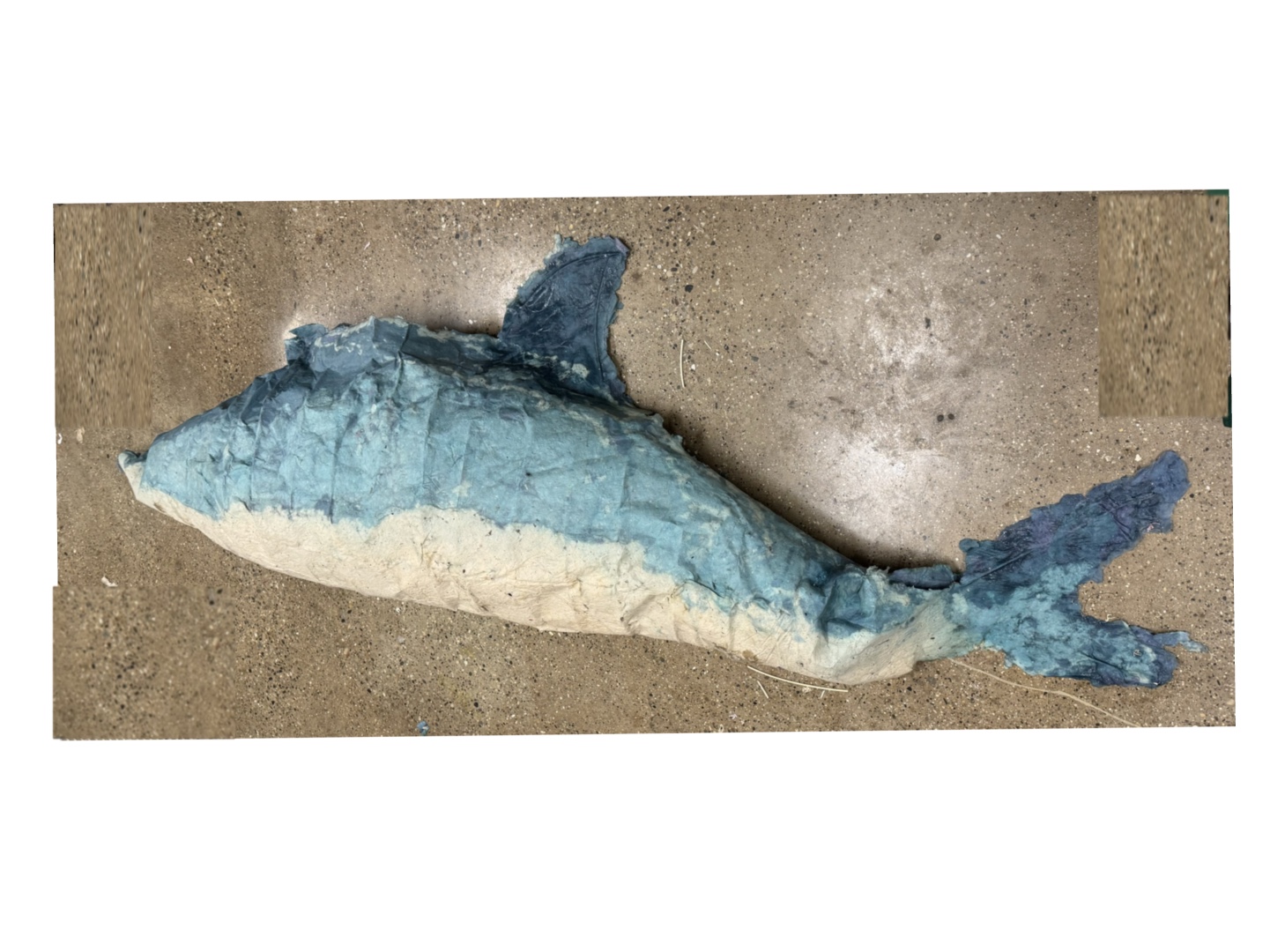
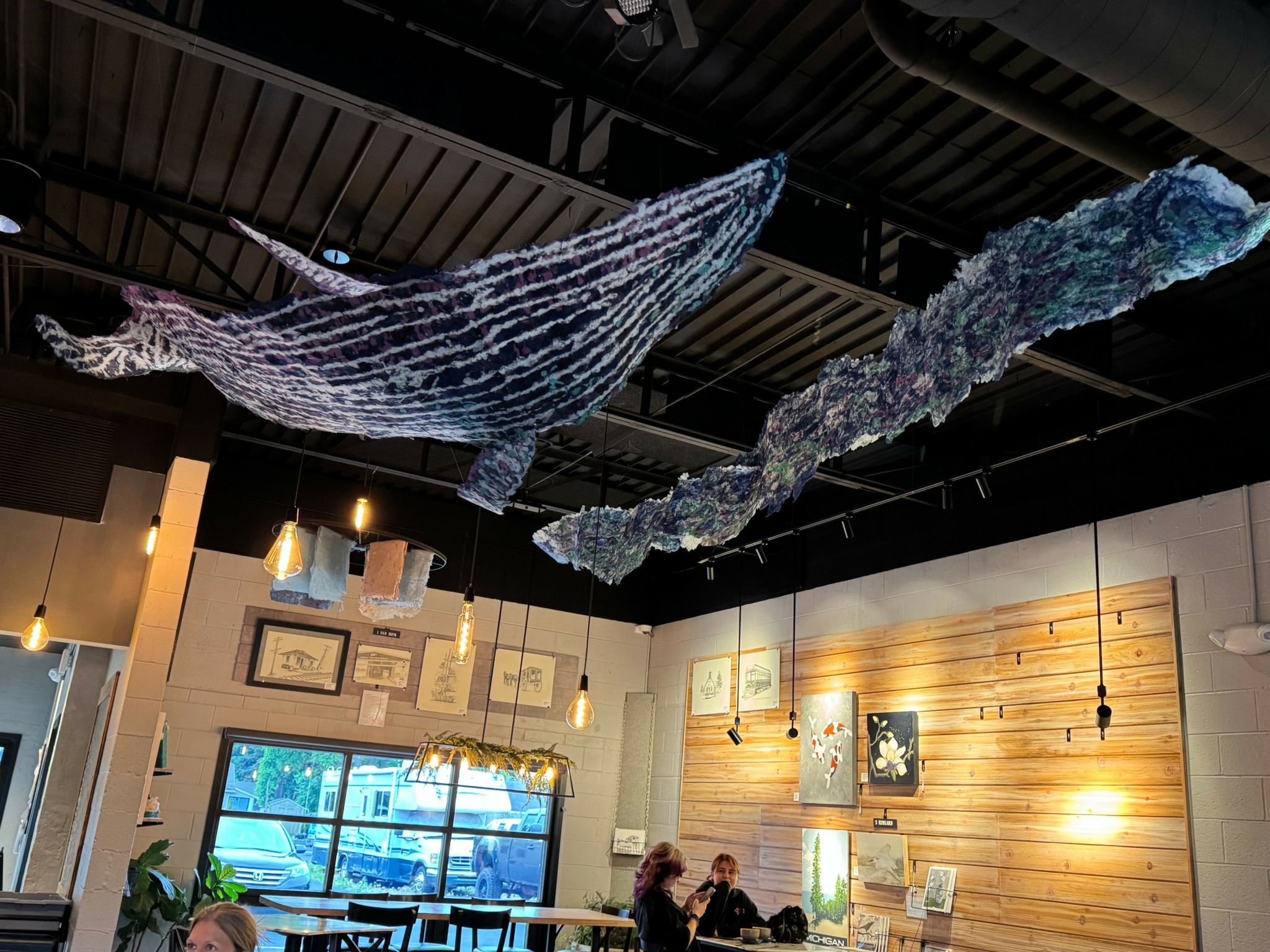
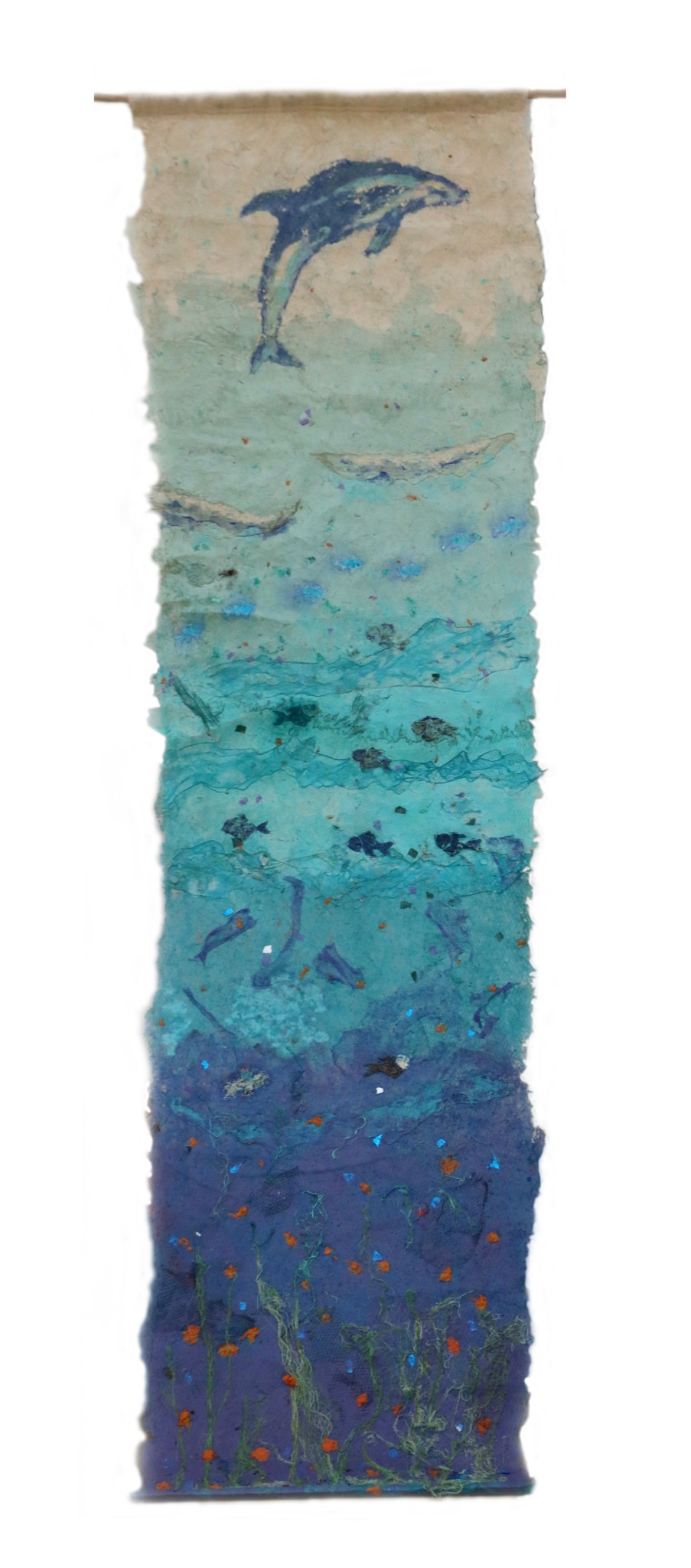
Image Credits
Sandra Hansen for all except the tall paper with the dolphin at the top. That was taken by Patti Sevensma.