

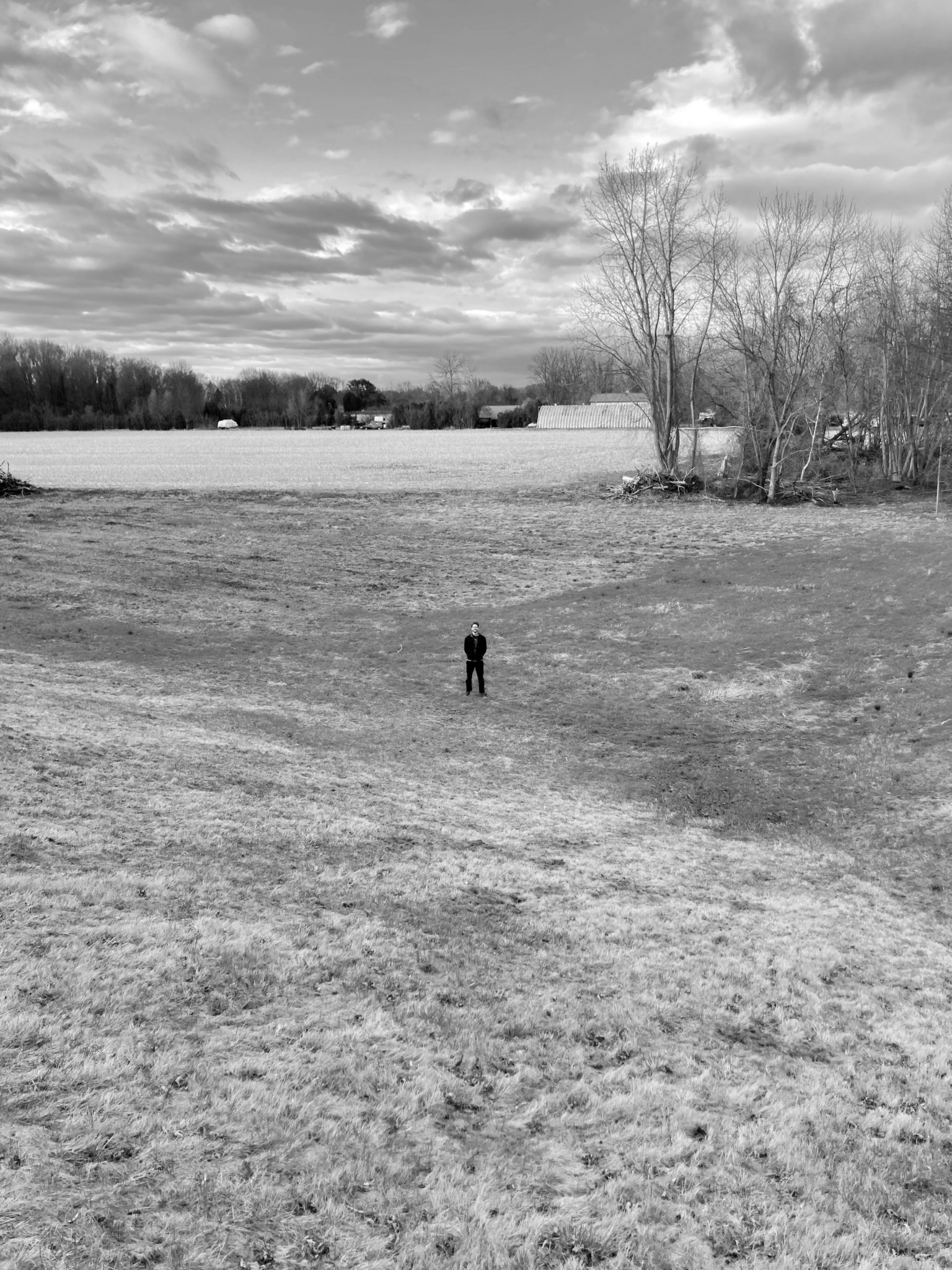

We’re excited to introduce you to the always interesting and insightful Samuel Dunnington. We hope you’ll enjoy our conversation with Samuel below.
Samuel, appreciate you joining us today. Can you talk to us about how you learned to do what you do?
I think all dedicated writers start as dedicated readers. I read a ton as a kid, and then there was a lull in high school before I picked it back up in college. I went to a tiny college, where I got to work with a couple really terrific professors who were writers themselves, one an essayist and the other a novelist. They suggested a lot of terrific reading material to me, and they also brought a lot of amazing writers to campus. I got to meet the editor of the New York Times Book Review, for example, who reviewed one of my stories. He recommended cutting about 90% of it, but said what was left wasn’t bad. I wrote off and on through my early twenties, and then went to the MFA program at the University of Montana.
I wish I’d read more, and read more rigorously, when I was in my early twenties. I wrote a lot, but a lot of it wasn’t very good. I don’t think I wrote anything that was reasonably good until a ways into the MFA program. You obviously don’t need an MFA to be a writer, but I think you do need time, some resources so you’re not miserable from working long hours at bad jobs, and people who are going to push you to get the best version of your writing down on the page. An MFA is one way to do that. Living somewhere cheap and trying to connect with interesting, artistically engaged people is another. Moving to a country, city, or state that supports its writers and artists is another.
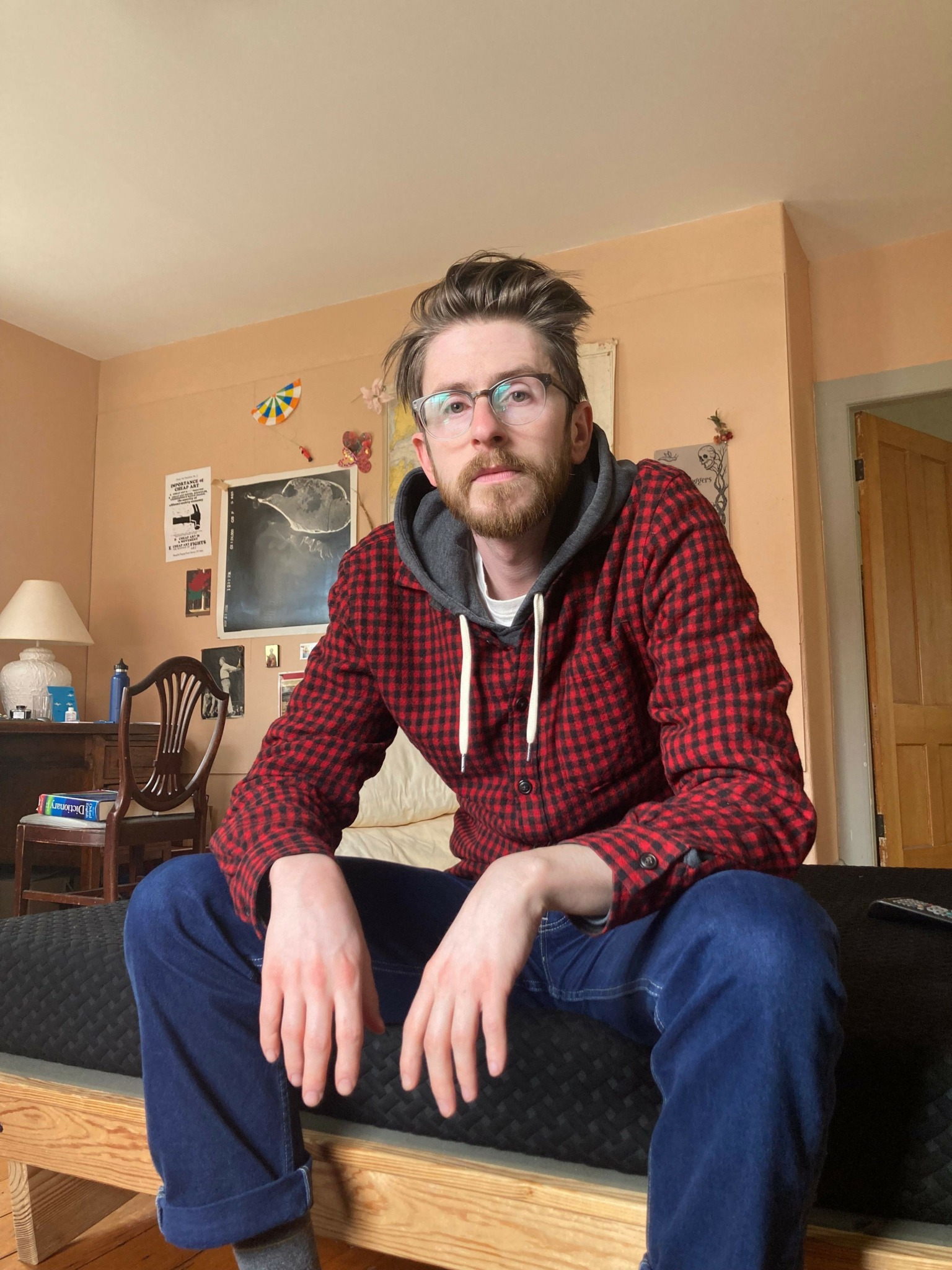
As always, we appreciate you sharing your insights and we’ve got a few more questions for you, but before we get to all of that can you take a minute to introduce yourself and give our readers some of your back background and context?
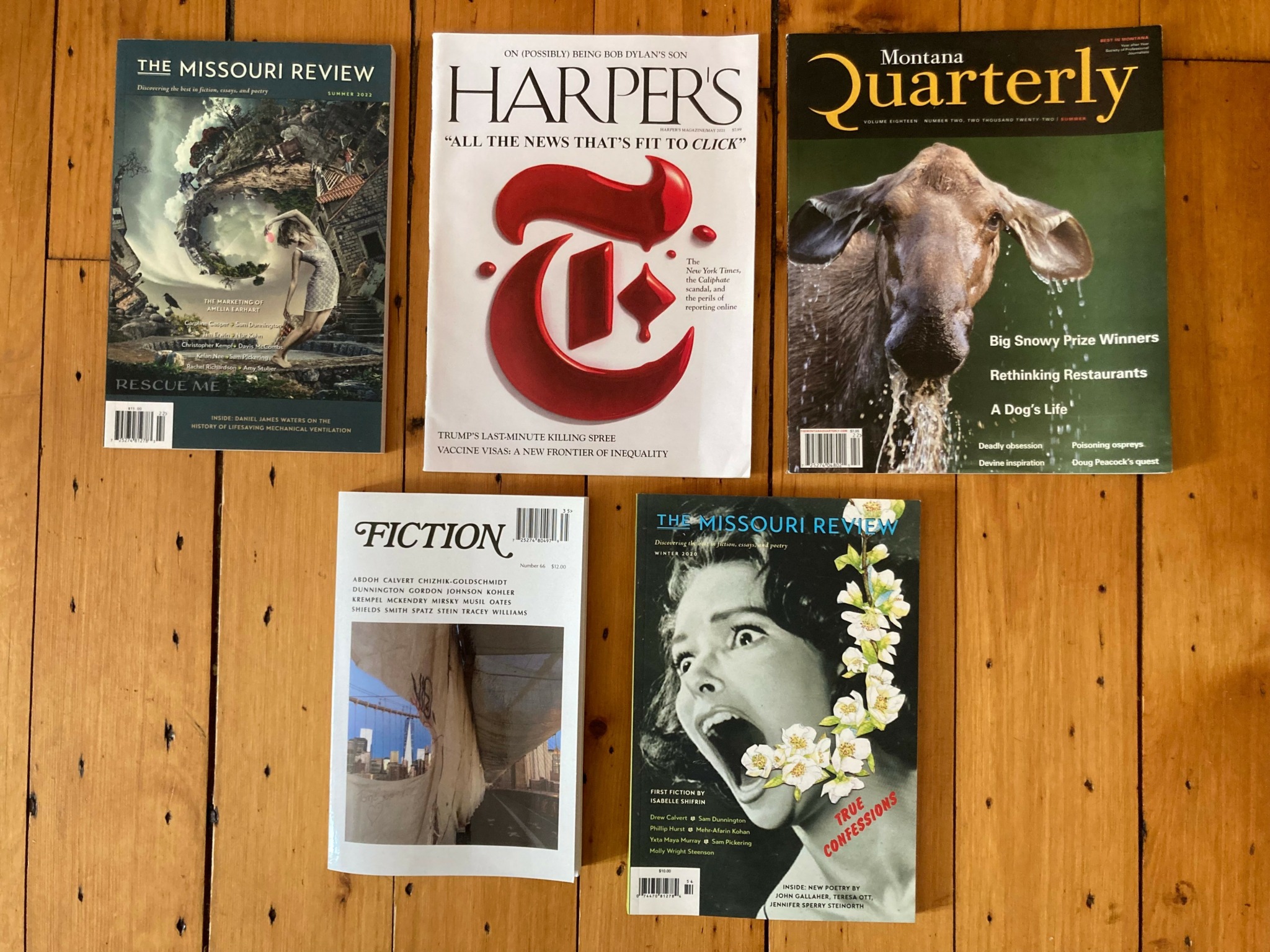
I’m a writer, primarily of fiction. I got into it through reading, and through the encouragement of a couple professors I had during college. I particularly love reading fiction that pays great attention to language and asks big existential questions in the context of lives headed for disaster, and I try to write fiction like this, too. Writers who mean a lot to me include Joy Williams, Denis Johnson, James Welch, and Barry Hannah. I’ve published short fiction in a handful of really great publications, and I’m currently trying to sell a story collection and my first novel.
Can you tell us about a time you’ve had to pivot?
When I got to the MFA at Montana, I wrote a knock-off of a George Saunders story about a robot who teaches college kids to avoid the dangers of alcohol consumption. That story got into some cool magazines, and so I decided that I needed to write a dozen more just like it, sort of light speculative fiction. They weren’t as good, but I had decided that was my style, so I kept cranking them out.
A visiting professor, a writer and critic named Justin Taylor, had a meeting with me. He called me out on the mediocrity of these stories, and he asked me if I actually cared about the speculative elements I was cramming into them. He said I mostly seemed to like writing about self-aware dirtbags, and I didn’t need to put random sci-fi shit into my stories if I didn’t want to. He gave me a list of six or seven writers to check out. Those writers became the models and inspiration for all the writing I’ve done since. That conversation changed my writing, and by extension, my life.
What can society do to ensure an environment that’s helpful to artists and creatives?
What is good for artists and creatives is good for everyone. Time, affordable housing, and decent food are the required circumstances for creating art. The time you can dedicate to your craft is subject to your personal situational, but housing and food can be socially supported in so many ways. Advocate for housing policies in your town that support people without much money. Support and use benefits programs that engage local farmers and give you good things to eat. Be honest about your needs. Fight government action that makes people scared. All else follows.
Contact Info:
- Website: https://www.samdunnington.com/
Image Credits
All images by the author