

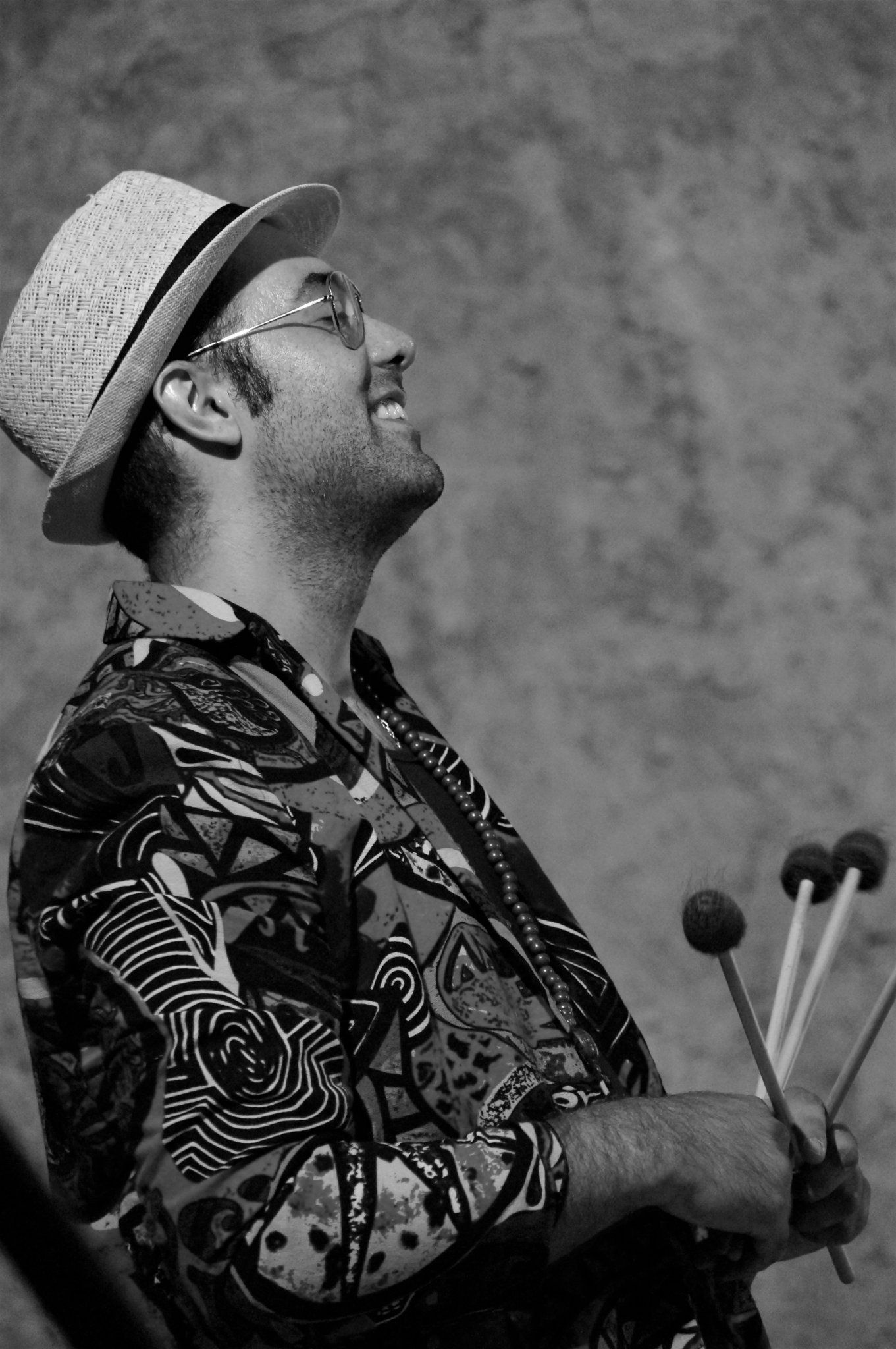

Alright – so today we’ve got the honor of introducing you to Samuel Cerra. We think you’ll enjoy our conversation, we’ve shared it below.
Hi Samuel, thanks for joining us today. How did you learn to do what you do? Knowing what you know now, what could you have done to speed up your learning process? What skills do you think were most essential? What obstacles stood in the way of learning more?
The truth, and probably the trick, is that I am still learning, and I will be in this learning mode for the rest of my life. I think it’s mainly targeting and seeing everything with the same genuine curiosity as when we were children. Sometimes, I feel like we take all the things in our lives a little too seriously, maybe because we are convinced that it will be what defines us as adults. But is it really like that? Then we start wondering about everything we do, losing the spontaneity and the genuineness we were born with. That’s when our inner child gradually starts to be substituted by the ego in all its masks. As human beings, we always tend to imitate something or someone, perhaps those who we consider our heroes, or the things that we know, or simply follow trends… I believe this pattern keeps happening when we grow up. We put aside our essence to imitate what we see as adult people, letting them define things for ourselves. The art field is no exception for it: as musicians, we want to follow and imitate what we consider the best ones. By doing so, although we will have our way to make art, we will end up being just a copy of them, and, of course, as we can imagine, we will never sound like them nor like ourselves.
If there’s something I could have done differently to speed up the creation of my artistic image, it would have been trying to avoid the useless pretension of being what or who I am not, rather than focusing on myself and my own voice. That for sure would have saved me some time (hahaha). I certainly believe that not doing so is an obstacle to evolution, both as a musician and as a human being. If we don’t allow ourselves to be permeated by our inner child and start believing that we have mastered something, what else then do we have to learn? When it happens, we become our own ceiling and our “safety net”, and the comfort zone starts to make us uncomfortable. It took me some time to understand and realize that, and I wish I could have done it sooner.
I would like to end this reflection with an anecdote that a famous trumpet player once told me while we were playing together: He told me that he used to be a guest teacher for a class with people with autism. After some lessons, one of the students had filled several pages with the teacher’s name. When this famous trumpet player saw it, he went home in silence, reflecting on that and concluded: “Maybe he saw in me something I have missed”.
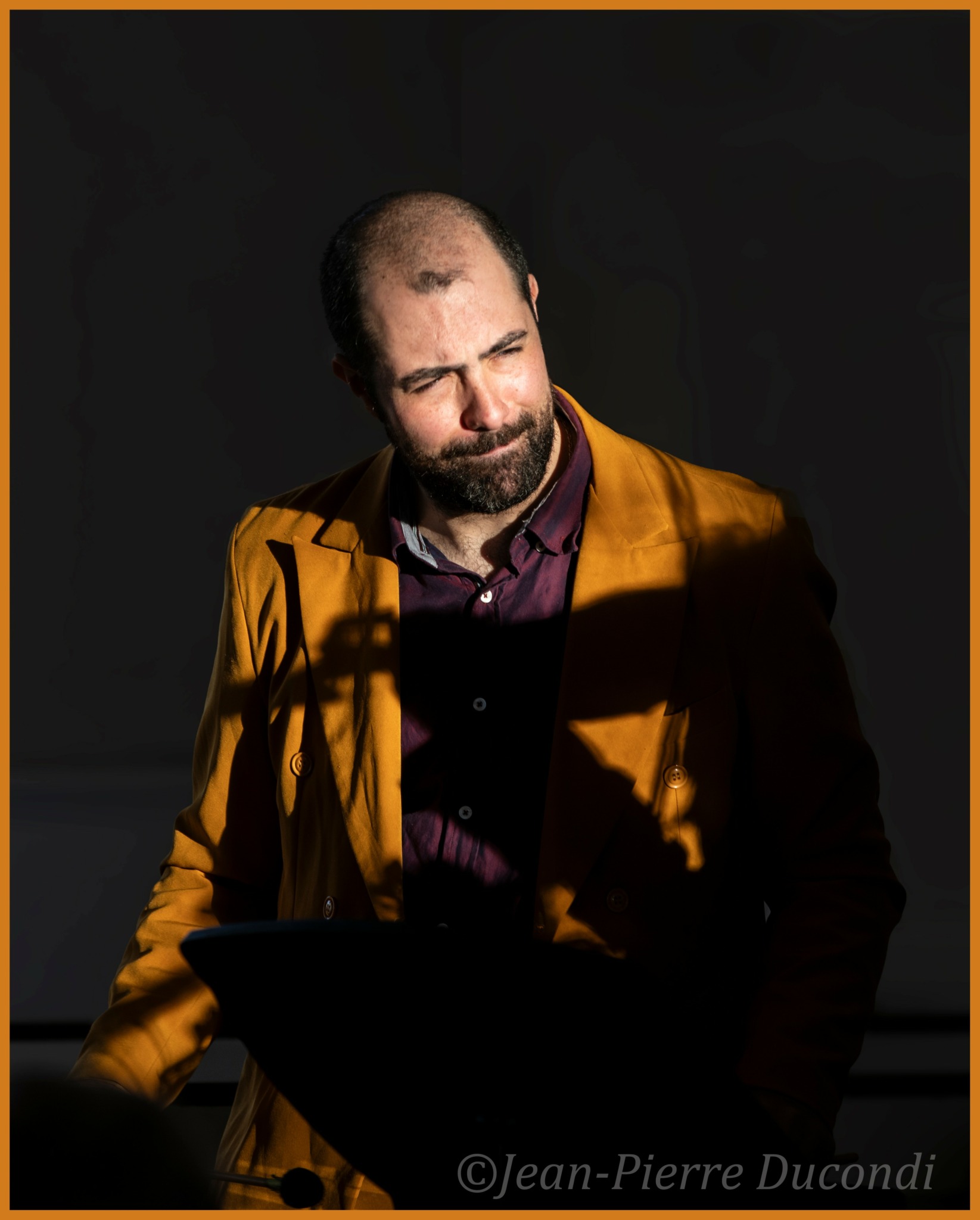
Awesome – so before we get into the rest of our questions, can you briefly introduce yourself to our readers.
Of course! I am an Italian percussionist. In my childhood, I was restless and curious: I had several instruments in my parents’ house, and I was constantly switching from one instrument to another. My mother, a professional pianist, thought it would be good to bring me to the Conservatory to audition for classical percussion since it requires playing many different instruments. Looking back, it was the first time, even though indirectly through my mother’s wisdom, that I used music as a healing tool to calm my soul down. After studying so many instruments, I gradually came to realize that those are just means to explore, communicate, and share ideas and concepts. Indeed, they are simply an extension of the human voice, and, although it may sound a bit cliché, they can reach people of different cultures in a way that words cannot.
After studying classical percussion for ten years in Italy, I came to the States to study jazz and to expand my knowledge. This new chapter, as well as being in a different country immersed in a melting pot of different cultures, helped me see things from other perspectives. It pushed me to find common ground among different cultures, awoke a “patriotic” aspect of me, and helped me (or at least contributed a lot) in finding my voice as an artist. Now I want to reconnect with my culture and deeply research it. I like to make music with a greater awareness of my roots and include them in the music I do, regardless of the music genre. As a matter of fact, I am currently working on two projects; one includes transcribing, arranging, and playing some traditional southern Italian melodies in different styles to enhance tradition while using it as a tool for dialogue. The other project is about merging elements of traditional music and rhythms with people from other cultures and letting them add their own twist to it. About this project, I want to add a short reflection and realization:
We mistakenly tend to wrap ourselves up in a box, saying and convincing ourselves that we can only communicate with the people who play in the same style. It’s almost like we forgot that music is a universal language, not a linguistic family. I kind of experienced it when I saw that, even if I could not speak other people’s language, I recorded in their hip-hop albums using my voice as an artist; I did some electro swing, some traditional Korean music as well as a lot of traditional Latin American music; I performed in a pop show and still being able to be myself ─without losing my artistic and personal integrity. And while doing all that, I wasn’t really thinking: “Am I in the style? Am I doing well enough to be included in their classification of pop/hip-hop/jazz instrumentalists?” I was looking for a way to be understood by them and still be able to express myself and all my ideas.
I realized that, although there are some elements that define a particular style, it’s not about the language, which, by the way, is constantly evolving; it is about finding a way to communicate with each other and trusting our instincts.
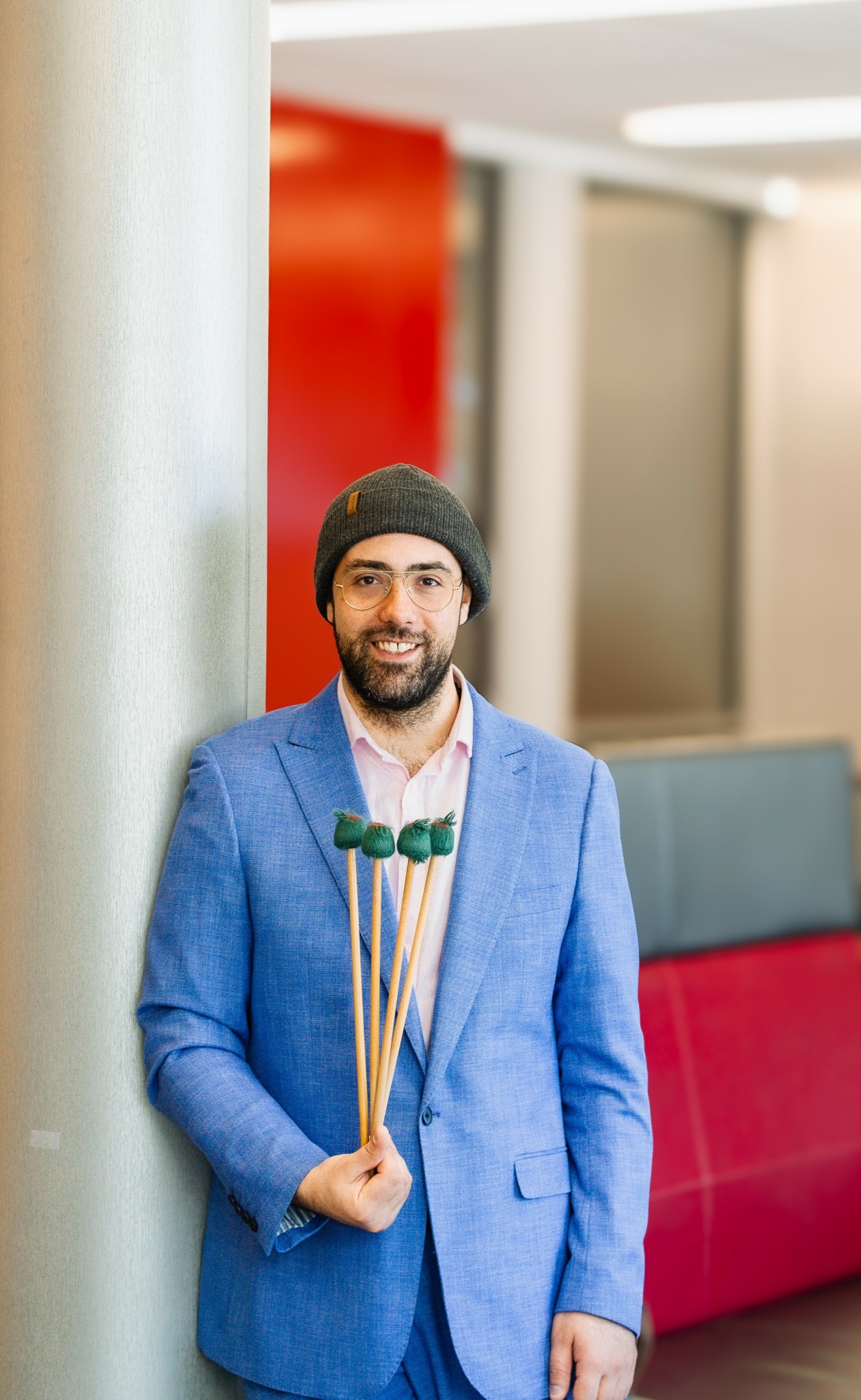
What do you find most rewarding about being a creative?
I believe that being an artist has many different “rewarding aspects” to it, so it is quite impossible to mention a single one since they are all different faces of the same figure. It’s like looking at a dice and trying to figure out which one is its main face. I could briefly talk about each one. An aspect is that it’s a form of meditation. My mind has a constant flow of ideas and thoughts, and putting them down in the form of composition, performance, or improvisation helps me clean up and make space in my head – sort of keeping the riverbed clean. Another rewarding aspect is sharing stories through music and compositions and seeing that, truly, many people resonate with it. You not only see that, surprisingly, you are not the only one, but you end up representing many other people, and eventually, some of them will get inspired by what you do and will find the courage and the stream of thought to do the same. Finally, another aspect that I love is that, by sharing something with an audience, you will also learn from them, maybe finding different and fresh ways of looking at your same piece… because like a dice, a composition (or an artistic creation in general) has perhaps more than one face and one way to be looked at, and there is not a right or a main one but they all are part of the same creation.
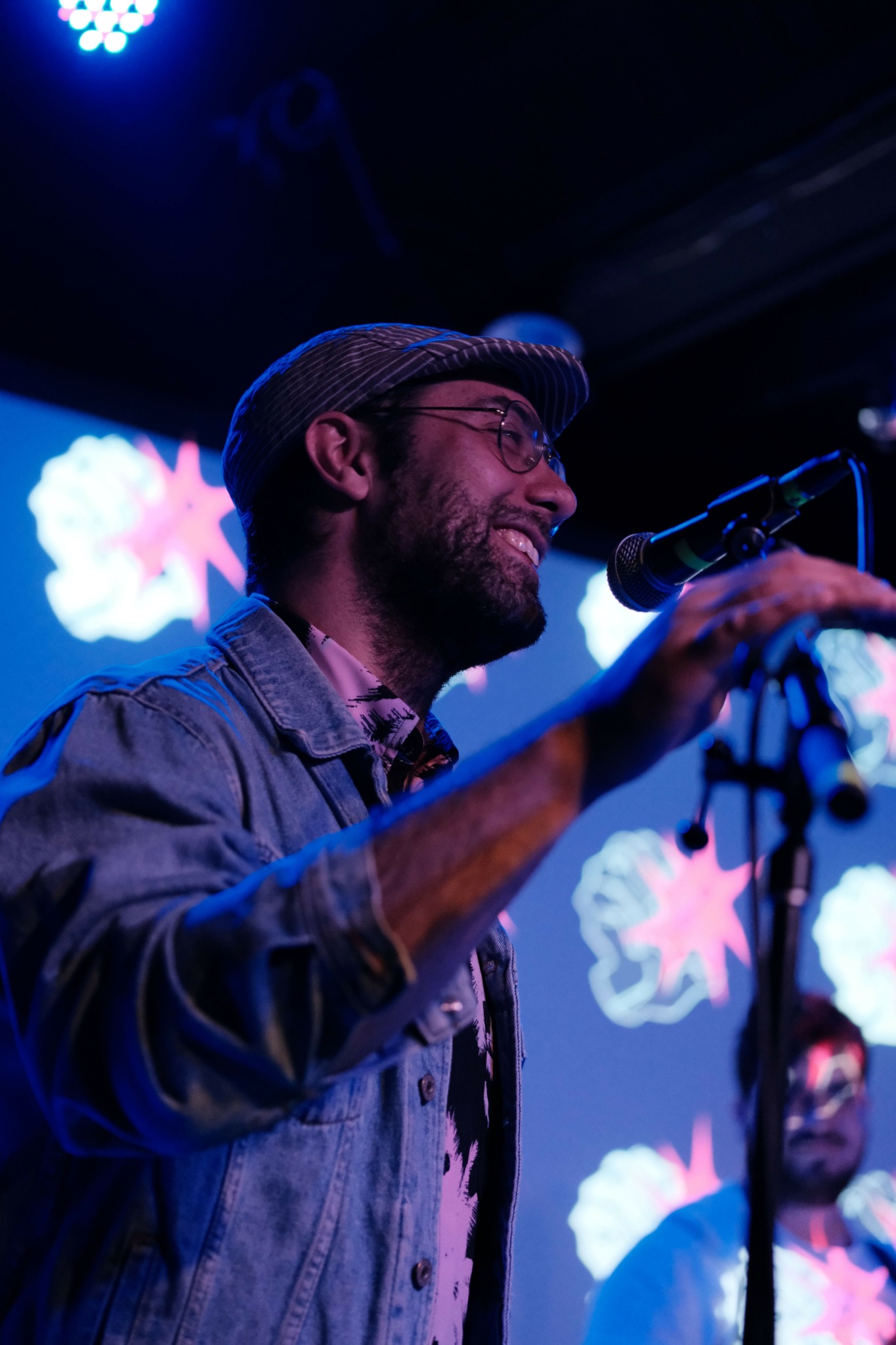
Are there any books, videos, essays or other resources that have significantly impacted your management and entrepreneurial thinking and philosophy?
Something that represented a switching point in my artistic perspective and the beginning of an introspective journey came through someone whom I met at Berklee. While a student there, in 2020, I was taking a class called “Effortless Mastery” by Kenny Werner when we transitioned to remote classes during the Spring semester. The class impacted me so much that I immediately went to read his (homonymous) book; strongly recommended! In it, the author invites all artists to be more aware of themselves, to learn how to recognize their ego, and to create art from a space without it. Kenny uses the word ” space ” a lot, and he refers to it as a dimension to enter into; it refers to a state of awareness in which the music, and art in general, flows freely without judgment: almost as if a river of ideas would pass through us and we randomly grab some of them and create something from them. The book speaks of topics that directly affect every artist and their creative process, such as self-judgment, the fear of making mistakes, the comparison of oneself with others, and performance anxiety. Honestly, I saw myself reflected in many of those points, and, as we all know, the pandemic was a very introspective period. I always bring with me a phrase from that book: “Fear of not becoming great has kept you from becoming great.”
As a recap, one of the questions asked before was “What is one of the most rewarding aspects of being an artist?” Well, frankly, I would also include the joy of simply making art. I will leave you with a quote from Kenny Werner: “You’d better just need to do it. It does not make any sense if you envision yourself as a star, and then you will be unhappy if you are not a star. The people who will survive are the ones who really do not think about that; they think about the music and about what they are trying to say. Focus on that, and if you come to life around your and other people’s music and nothing else really satisfies, then you are probably in the right place.”
Contact Info:
- Website: https://cerrasamuel93.wixsite.com/samuelcerra
- Instagram: https://www.instagram.com/samuelcerra/
- Facebook: https://www.facebook.com/samuel.cerra
- Youtube: https://www.youtube.com/@samuelcerra
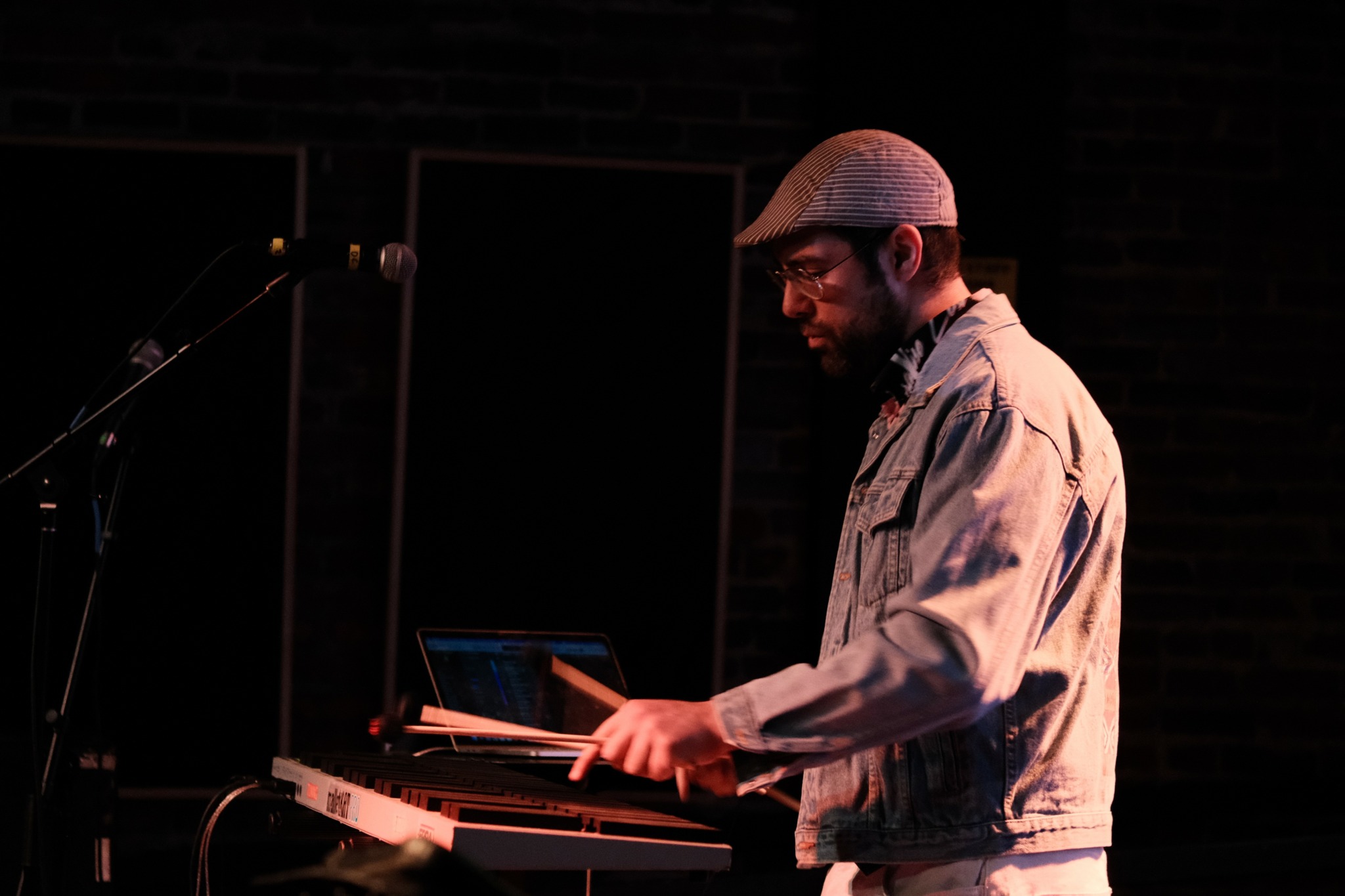
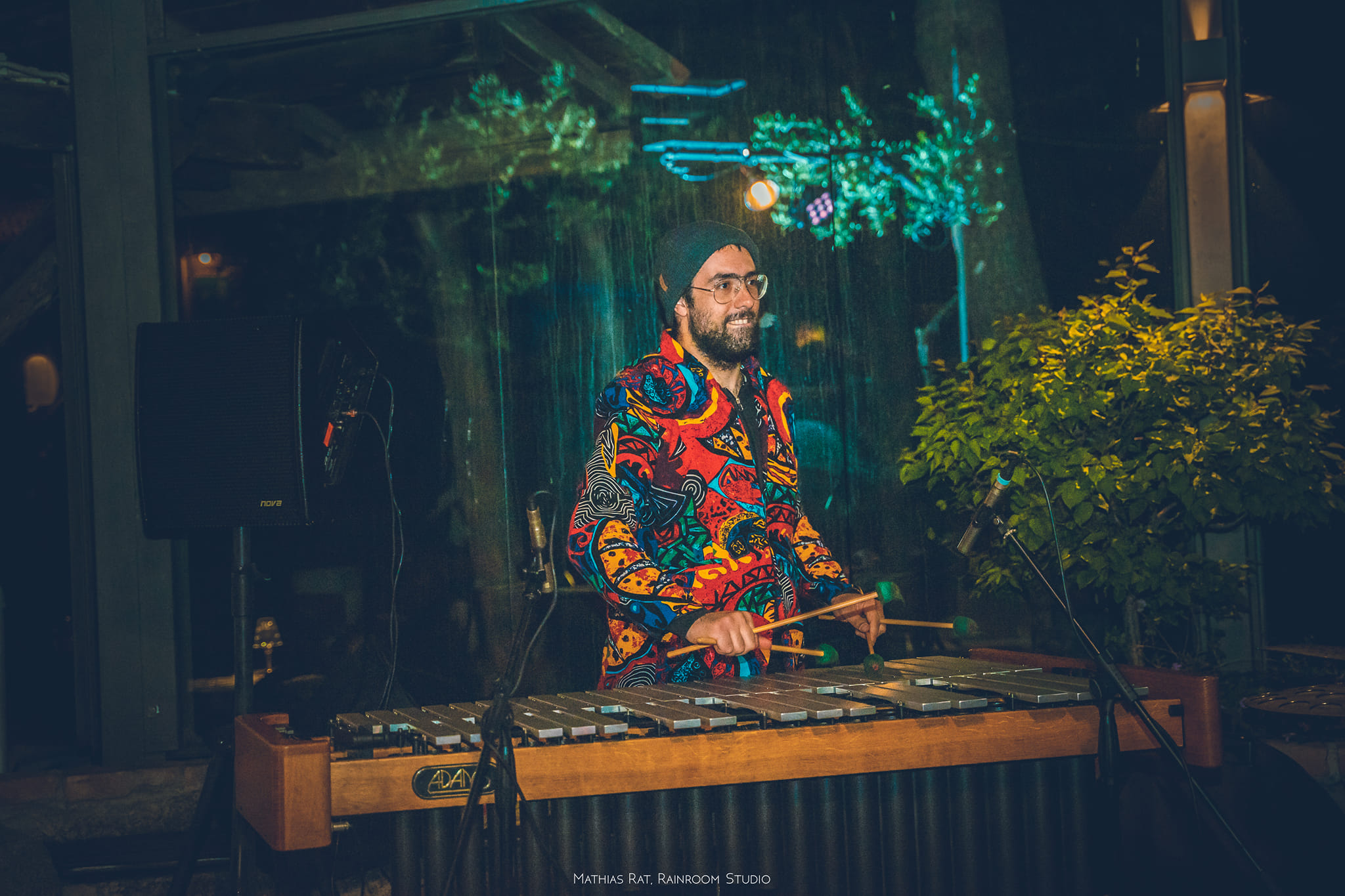
Image Credits
Rosangela Longo,
Jean-Pierre Ducondi,
Mathias Rat,
Andrew Choi