



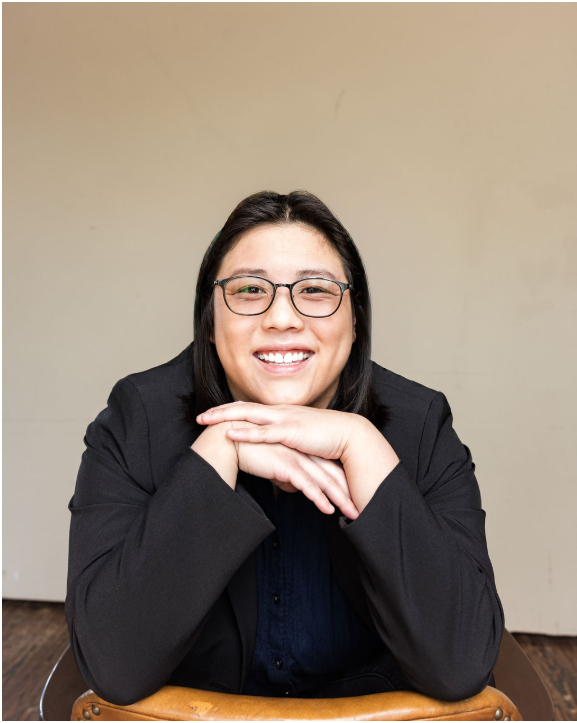
We’re excited to introduce you to the always interesting and insightful Samantha Wong. We hope you’ll enjoy our conversation with Samantha below.
Samantha, thanks for joining us, excited to have you contributing your stories and insights. Can you recount a time when the advice you provided to a client was really spot on? (Please note this response is for education/entertainment purposes only and shouldn’t be construed as advice for the reader)
The best advice I’ve ever given to my clients is the same advice I once received: *take things one baby step at a time.*
In today’s fast-paced society, it’s easy to feel like we should always be doing something—whether it’s working, scrolling through social media, or filling every spare moment with distractions. Life can quickly become overwhelming. At times, it feels like an insurmountable mountain, leaving us paralyzed by worries about the future—our jobs, insurance, benefits, retirement, emergencies, and so much more.
However, when we break tasks down into smaller, manageable pieces, they become less intimidating. Taking things step by step not only makes progress feel more attainable but also helps build confidence and resilience. It allows us to set realistic expectations and focus on what we *can* do rather than getting lost in a sea of worries.
Many of my clients, particularly working women juggling demanding careers and personal relationships, have found this approach incredibly helpful. At first, they’re often skeptical. But once they begin applying the concept of baby steps, they start to feel more hopeful and optimistic about their future.
The results speak for themselves—these women have been able to gradually improve their relationships at home and in the workplace. By taking small, intentional steps, they’ve enhanced their communication, adjusted their attitudes, and built stronger connections with colleagues, supervisors, and loved ones.
Success isn’t about making huge leaps overnight; it’s about steady, continuous progress. And sometimes, all it takes is that first small step forward.

As always, we appreciate you sharing your insights and we’ve got a few more questions for you, but before we get to all of that can you take a minute to introduce yourself and give our readers some of your back background and context?
I’ve always had a deep passion for helping people, but there was a time when I didn’t know how to truly support others when they shared their struggles. I often felt helpless, wishing I could do more. Over time, I realized that simply listening, motivating, and encouraging others could make a profound impact. What continues to inspire me in my work is witnessing the transformation of my clients—from the first session, when they may feel lost or overwhelmed, to the moment they gain confidence and clarity in their journey. Seeing their resilience and growth is truly rewarding.
I primarily work with individuals dealing with anxiety, depression, self-esteem issues, trauma, and intergenerational trauma. My approach is highly integrative, utilizing various therapy modalities tailored to each client’s needs. These include:
-Cognitive Behavioral Therapy (CBT)
-Dialectical Behavioral Therapy (DBT)
-Eye Movement Desensitization and Reprocessing (EMDR)
-Therapy intensives
-Other evidence-based practices as needed
What sets me apart is my cultural background and understanding of bicultural identity struggles. As someone from an East Asian background, I recognize the stigma that still surrounds mental health treatment in many communities. This perspective allows me to connect with clients who feel caught between two cultures, struggling with identity, societal expectations, and a sense of belonging.
Ultimately, my goal is to create a safe, supportive space where clients can navigate their challenges, heal from past experiences, and gain the tools they need to thrive.

Putting training and knowledge aside, what else do you think really matters in terms of succeeding in your field?
While education and clinical training are essential in the mental health field, I believe empathy, patience, and adaptability are just as crucial. Being a successful counselor isn’t just about knowing the right techniques—it’s about truly listening, understanding, and meeting clients where they are. The ability to build trust, create a safe space, and offer support without judgment makes all the difference in a client’s healing journey. Additionally, self-awareness and personal growth are key. Therapists need to do their own inner work to avoid burnout and ensure they show up fully for their clients.
Let’s talk about resilience next – do you have a story you can share with us?
Early in my career, I worked with a client who had experienced deep trauma and was extremely hesitant about therapy. Every session felt like an uphill battle, and there were moments I questioned whether I was making any difference at all. Instead of giving up, I reminded myself to trust the process—to be patient, present, and consistent in offering support.
Over time, small breakthroughs started happening. The client gradually opened up, began implementing coping strategies, and started seeing positive changes. By the end of our time together, they told me that therapy had given them hope for the first time in years. That experience reinforced my belief in the power of persistence, compassion, and the importance of never underestimating the impact of simply showing up for someone.
This field is not always easy, but moments like these remind me why I do what I do.
Contact Info:
- Website: https://www.intentionaltherapypllc.com/samanthawong
- Instagram: https://www.instagram.com/intentionaltherapypllc/
- Facebook: https://www.facebook.com/IntentionalTherapypllc
Image Credits
Shanelle at Have Hope Photography