

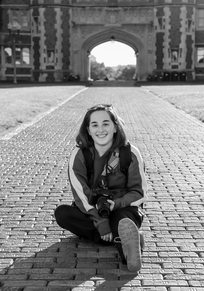

We’re excited to introduce you to the always interesting and insightful Samantha Pearlman. We hope you’ll enjoy our conversation with Samantha below.
Samantha, thanks for taking the time to share your stories with us today If you had a defining moment that you feel really changed the trajectory of your career, we’d love to hear the story and details.
Yes, there was a defining moment, though it didn’t arrive as a dramatic epiphany. A few years ago, Erick Greene — who has since passed away gave me the opportunity / chance to photograph a Wallows concert at The Factory in Chesterfield. That moment mattered not just because it opened a door, but because someone established gave me a shot. Standing in a photo pit for the first time, camera in hand, I realized I wasn’t just documenting music — I was learning how to anticipate emotion, movement, and meaning in real time. That experience fundamentally changed how I understood storytelling. It shifted photography from something I enjoyed into something I took seriously as a craft and a responsibility. Later, through networking — opportunities like photographing St. Louis CITY SC matches for STL Review reinforced that lesson: access is earned through consistency, respect, and showing up prepared every time.
What makes that moment even more defining is how clearly it mirrors my work as a mental health therapist. During the day, I’m an LCSW at Pearlman & Associates with my family, sitting with people in their most vulnerable moments. In both therapy and photography, I’m trusted with something personal, whether it’s a story, a feeling, or a fleeting moment that will never happen again. Concert photography taught me how to read a room without interrupting it. Therapy taught me how to listen without needing to fix. Each career sharpened the other. I learned that presence matters more than perfection, and that the most meaningful work often happens when you’re paying close attention, not when you’re trying to control the outcome.
The lesson I carry forward is this: trajectories don’t always change because of one bold decision — they change because someone gives you a chance, and you take it seriously. I’ve learned to honor opportunities by doing the work, staying humble, and remembering that whether I’m holding a camera or sitting across from a client, my job is the same – to witness, to respect, and to tell the truth as clearly as I can.
Awesome – so before we get into the rest of our questions, can you briefly introduce yourself to our readers.
I’m a photographer and a Licensed Clinical Social Worker (LCSW), which might sound like two separate paths, but for me, they’ve always been deeply connected. During the day, I work as an LCSW at Pearlman & Associates alongside my family, providing mental health therapy to children, teens, and adolescence navigating anxiety, peer relations, relationships, and major life transitions.
Outside of that space, I’m behind the camera photographing concerts, professional sports, and intimate moments like engagements. At the core of everything I do is the same discipline: paying close attention to people and honoring their stories.
I got into photography through curiosity and persistence. It started with taking pictures of the world around me and then evolved into concert photography. Being allowed into fast-paced, high-stakes environments like concert pits taught me how to work under pressure, anticipate emotion, and capture moments that exist for only a fraction of a second. That skillset continued to grow through opportunities like photographing St. Louis CITY SC matches with STL Review, where precision, timing, and respect for the game and the space are everything. Alongside that work, I photograph engagement sessions, which require a completely different energy—slowing things down, helping people feel comfortable, and capturing genuine connection rather than performance.
What I provide, whether it’s a concert image, a match photo, or an engagement session, is storytelling that feels honest. I’m not interested in overly manufactured moments. I focus on emotion, movement, and presence—the things that make an image feel alive rather than staged. For my clients, that often solves a core problem: they want photos that actually feel like them. Not stiff. Not forced. Not trendy for the sake of trend. Just real.
What sets me apart is that I come to photography with a therapist’s brain. I read people well. I notice subtle shifts in energy. I know when to step in and when to disappear. Years of sitting with people in vulnerable moments have made me deeply respectful of trust—especially when someone allows me to document something meaningful to them. I don’t rush the process, and I don’t treat moments as disposable content. That shows up in my work.
What I’m most proud of isn’t a single shoot or credential — it’s consistency and continual growth. Showing up prepared. Taking every opportunity seriously, whether it’s a packed venue, a professional stadium, or a quiet session with two people who are nervous in front of the camera. I’m proud that my work reflects care, restraint, and intention.
What I want potential clients, followers, and collaborators to know is this: thank you for trusting me & I will give it my all. If you’re looking for imagery that captures real emotion, real connection, and real moments as they actually unfold, that’s where I do my best work.
You can find my photography at @spphotography365 on Instagram.
Other than training/knowledge, what do you think is most helpful for succeeding in your field?
The most helpful factors for success in the photography field are networking, kindness, and trust. Talent matters, but access is built on relationships, and relationships are built on how you treat people when there’s nothing obvious to gain. In concert photography and professional sports — especially environments like MLS matches — your reputation travels faster than your work. People remember whether you were respectful of the space, easy to work with, and reliable under pressure.
Networking, for me, isn’t about self-promotion or collecting contacts. It’s about showing up consistently, doing what you say you’ll do, and being someone others feel comfortable vouching for. Kindness plays a big role, being patient, collaborative, and aware of the larger team makes a real difference in whether opportunities continue. And trust is everything. When someone gives you access to an artist, a venue, or a professional match, they’re trusting you to represent them well, follow the rules, and deliver work that reflects care and professionalism.
In both concert photography and MLS environments, opportunities don’t usually come from a single standout image — they come from being known as someone who can be counted on. When people trust you, doors open. And when you protect that trust, they stay open.
If you could go back in time, do you think you would have chosen a different profession or specialty?
If I could go back in time, I wouldn’t change careers. Becoming an LCSW and working as a mental health therapist with my family at Pearlman & Associates has shaped not only my professional life, but who I am as a person. Working with kids, teens, and young adults means being invited into formative moments — times when identity, confidence, and coping skills are still being built. That’s not something I take lightly.
This work is challenging. It asks for patience, emotional endurance, and a willingness to sit with uncertainty. But it’s also deeply meaningful. Helping a young person find language for their emotions, watching someone slowly trust themselves again, or seeing a family shift toward healthier patterns—those moments matter. They don’t always show up as big breakthroughs, but over time they add up to real change.
Working alongside my family adds another layer of purpose. Pearlman & Associates isn’t just a workplace, its a family, a shared commitment to care, ethics, and doing right by the people who trust us. Being part of that has reinforced the importance of integrity, collaboration, and staying grounded, even in a field that can be emotionally demanding.
If anything, I’d choose this path again because it’s taught me how to listen, how to slow down, and how to respect the complexity of people’s lives. Those lessons carry into everything else I do. I don’t see this career as something I might have replaced — I see it as the foundation that makes all my other work possible.
Contact Info:
- Website: www.spphotography365.com // www.stlmentalhealth.com
- Instagram: @spphotography365
- Facebook: Pearlman & Associates
- Other: (I post most of my work on Instagram)
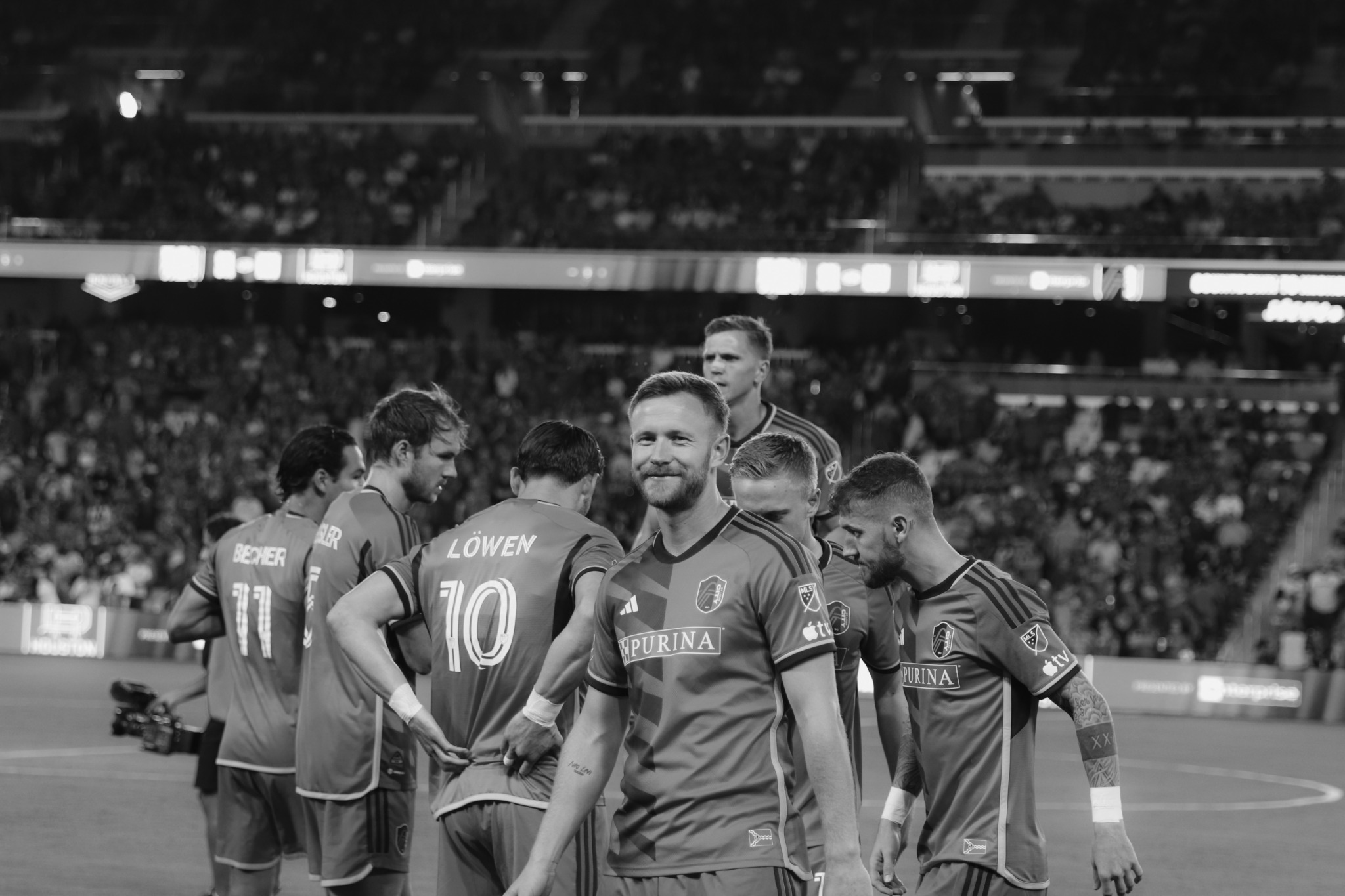


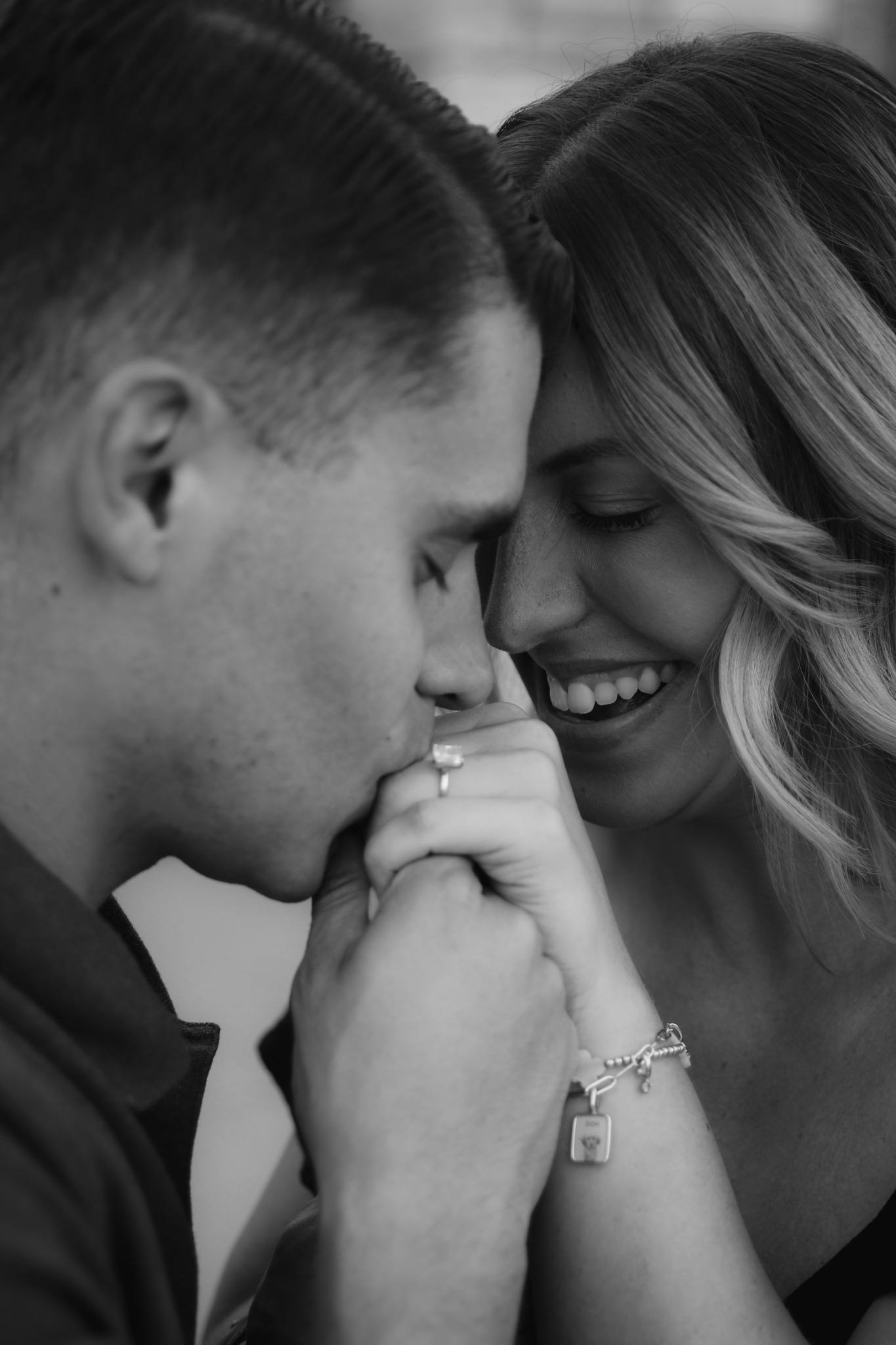
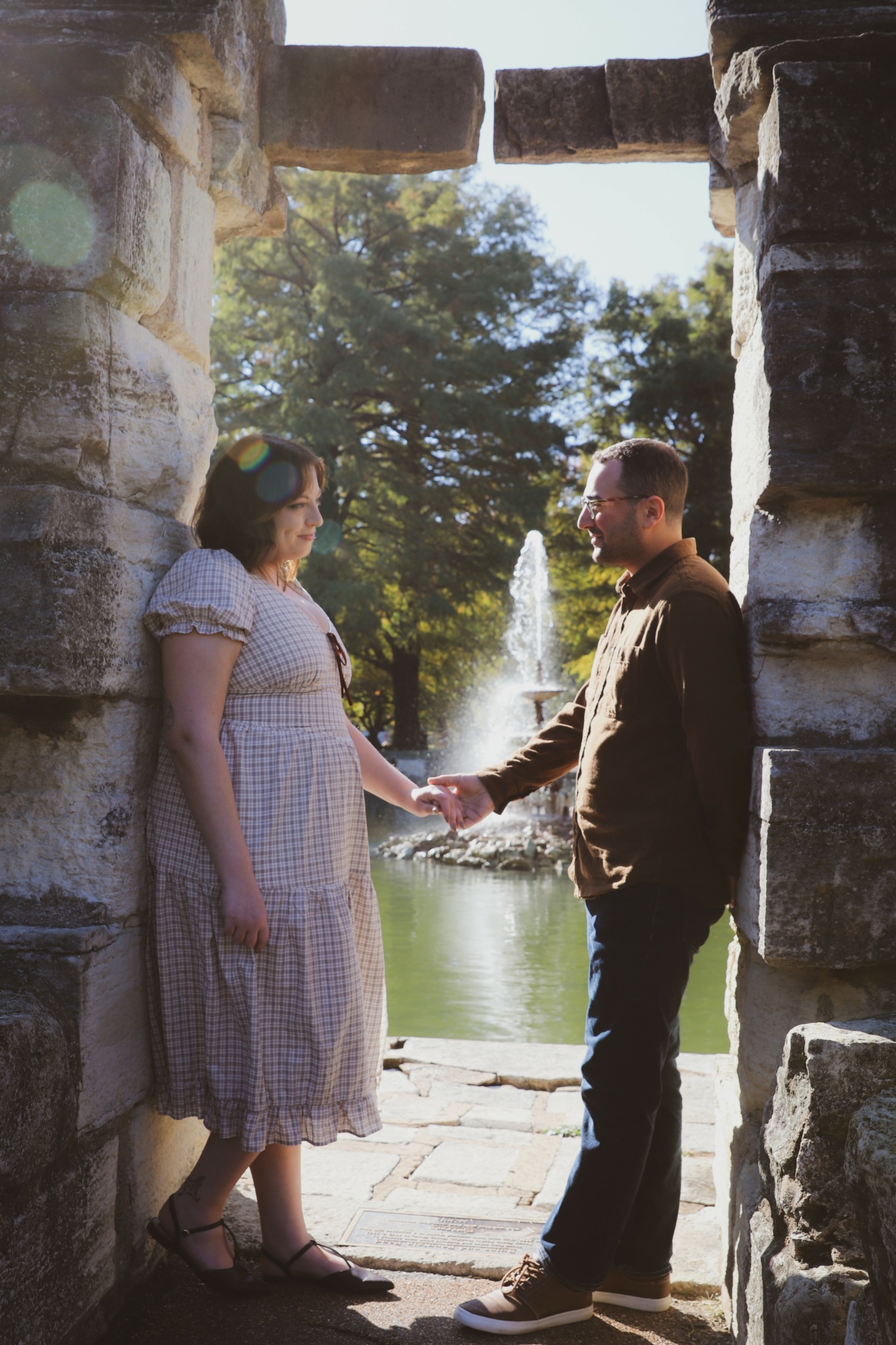
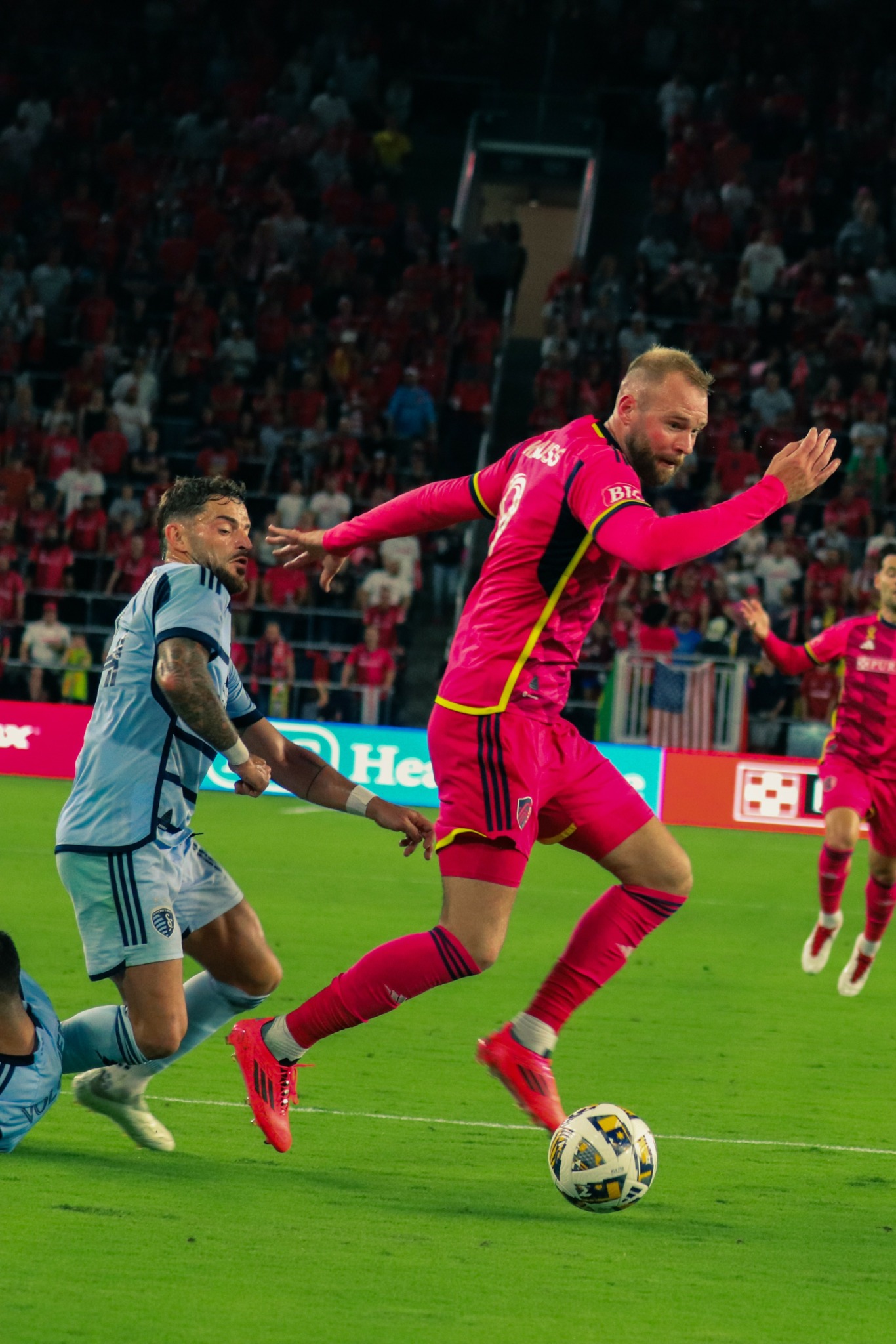


Image Credits
Samantha Pearlman