

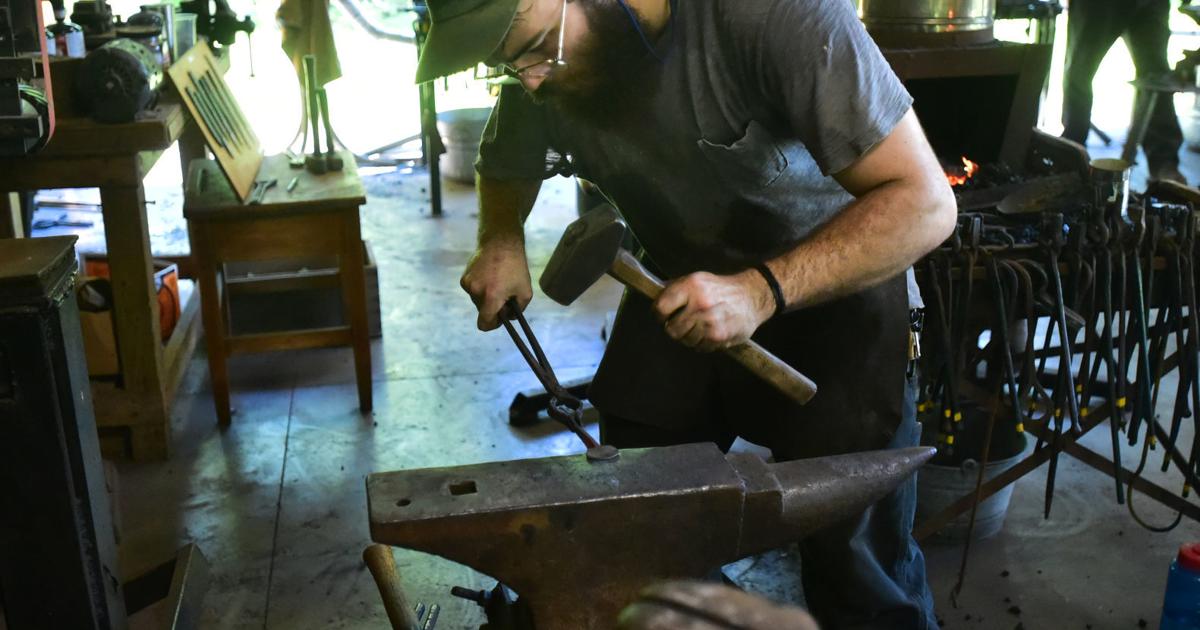

We recently connected with Sam Perakis and have shared our conversation below.
Alright, Sam thanks for taking the time to share your stories and insights with us today. Learning the craft is often a unique journey from every creative – we’d love to hear about your journey and if knowing what you know now, you would have done anything differently to speed up the learning process.
I got started in blacksmithing because I wanted to learn woodworking with hand tools. I was in college and didn’t have any money for tools, so I figured I could make my own. I got on YouTube and quickly fell into a blacksmithing rabbit hole from which I still haven’t emerged! I was self-taught for a couple years but quickly found my local blacksmithing organization: New England Blacksmiths. After I got connected with the local community, things took off. Like a lot of people my age,
I learned a lot from the internet, but there really is no replacement for live demos, taking classes, or just talking to an experienced smith about a problem you’re having. I always was (and still am) on the introverted side, but I forced myself to learn the skills of socializing, making friends quickly, and asking followup questions. A big part of the reason that crafts die is that there aren’t young people taking them on. Most old-timers are full of knowledge and itching to pass it along, and I found that once I got someone started, they often didn’t stop!
I’m a big proponent of always being curious as well as being agnostic about learning. I try to learn as much as I can from as many types of craftspeople as I can; weavers, woodturners, potters, masons, boatbuilders, glassblowers, autobody workers, mechanics, even bodybuilders. You’d be surprised how much crossover there is between different disciplines and I think it’s a big mistake to get into the habit of saying “oh I can’t learn anything from this person, their work is so different from mine.” Everyone has some little tidbit of knowledge they can offer and if you stay curious and try to connect, you’ll learn something if you don’t make a friend first.
On blacksmithing, I think there were two skills that were most important for me to learn, one technical and one philosophical. The technical one is learning how to measure, something I’m always learning how to do better. Even if you’re not building something to fit in a specific place, blacksmithing is the transformation of metal from one shape into another. Measuring (even crude measurements without using a ruler) is a critical skill for the smith to understand where and how the metal moves. The old saying goes something like “an artist can make a beautiful object, but a craftsman can make two.” The other essential skill I learned is how to fail quickly. Most of the time, if you want to try something, you’re not going to nail it the first time. So learning how to make quick-and-dirty prototypes is a great skill to learn what you need to learn quickly and move onto making the real thing. Being scared to fail is a huge hinderance to learning, so making a test piece that’s designed to be a failure (a learning opportunity!) is a great way to get over that.
Great, appreciate you sharing that with us. Before we ask you to share more of your insights, can you take a moment to introduce yourself and how you got to where you are today to our readers.
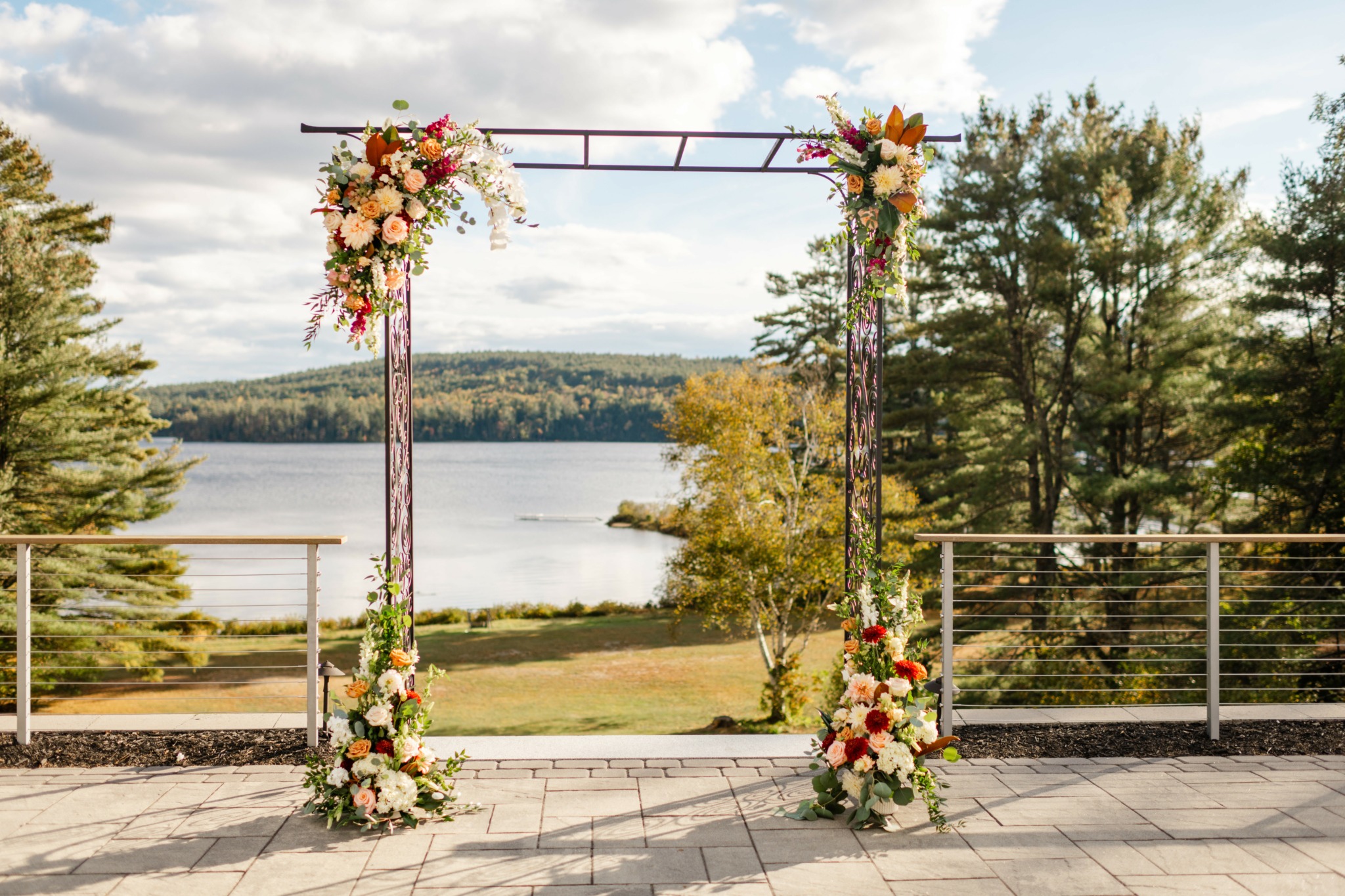
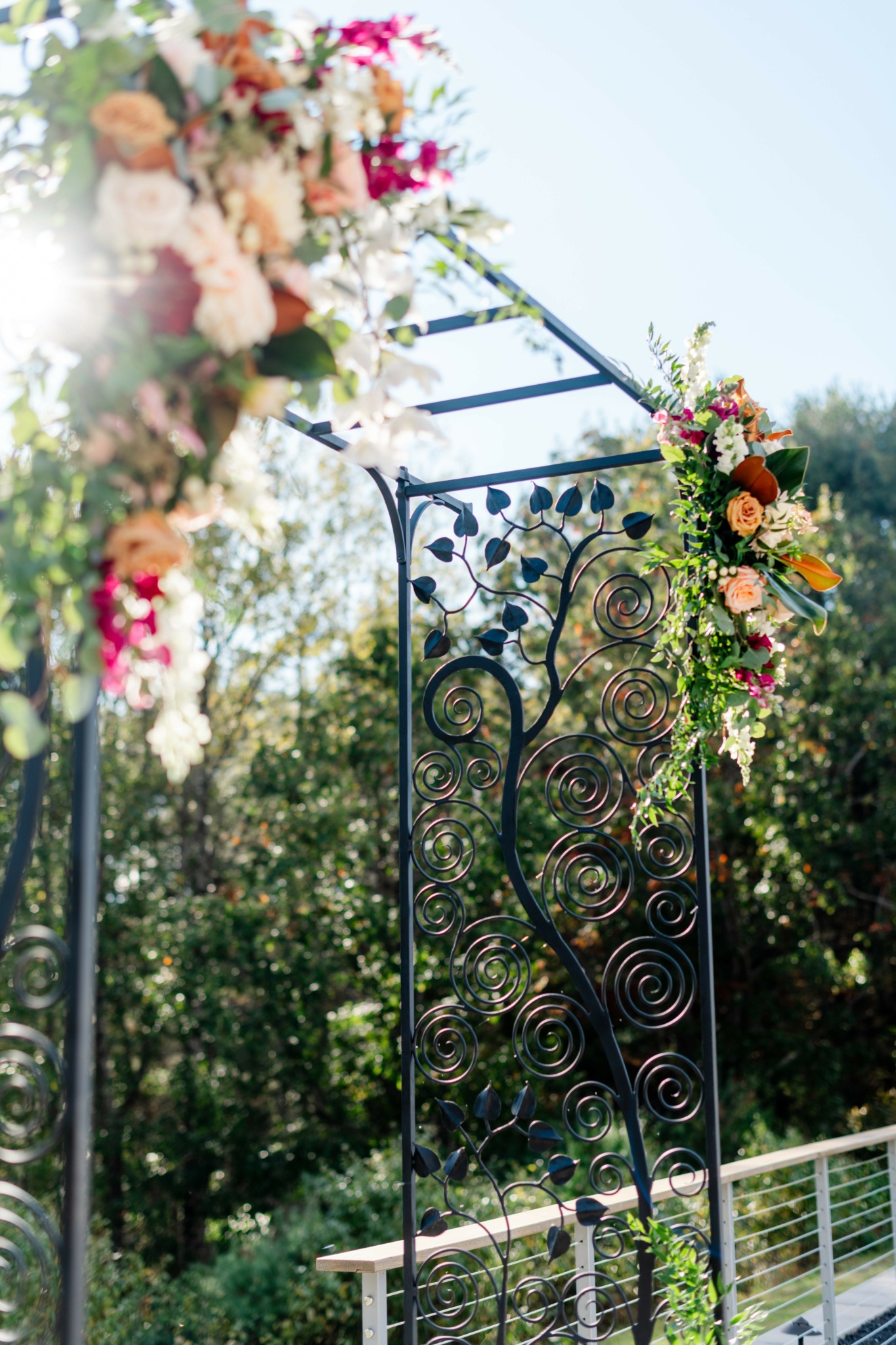
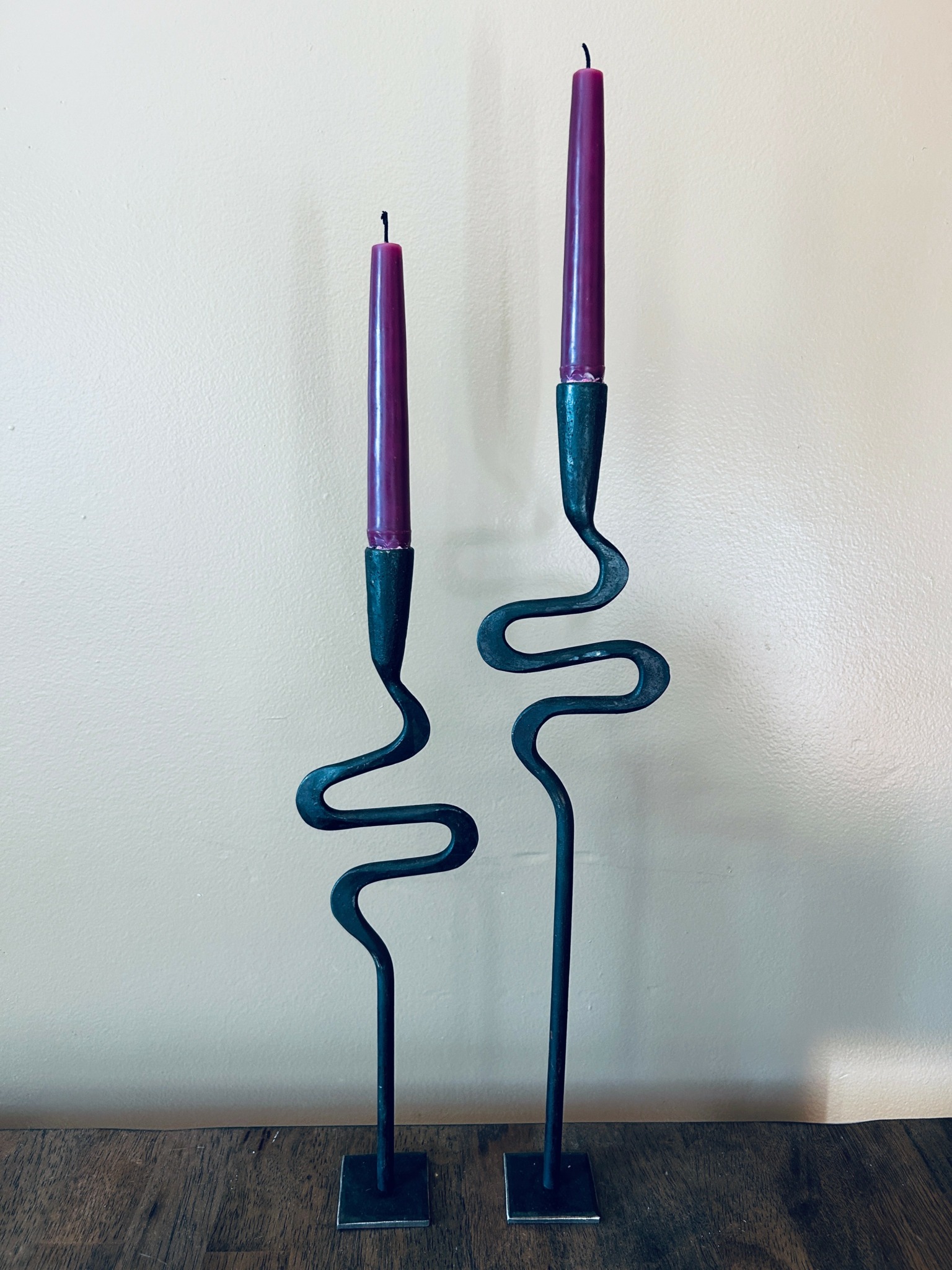
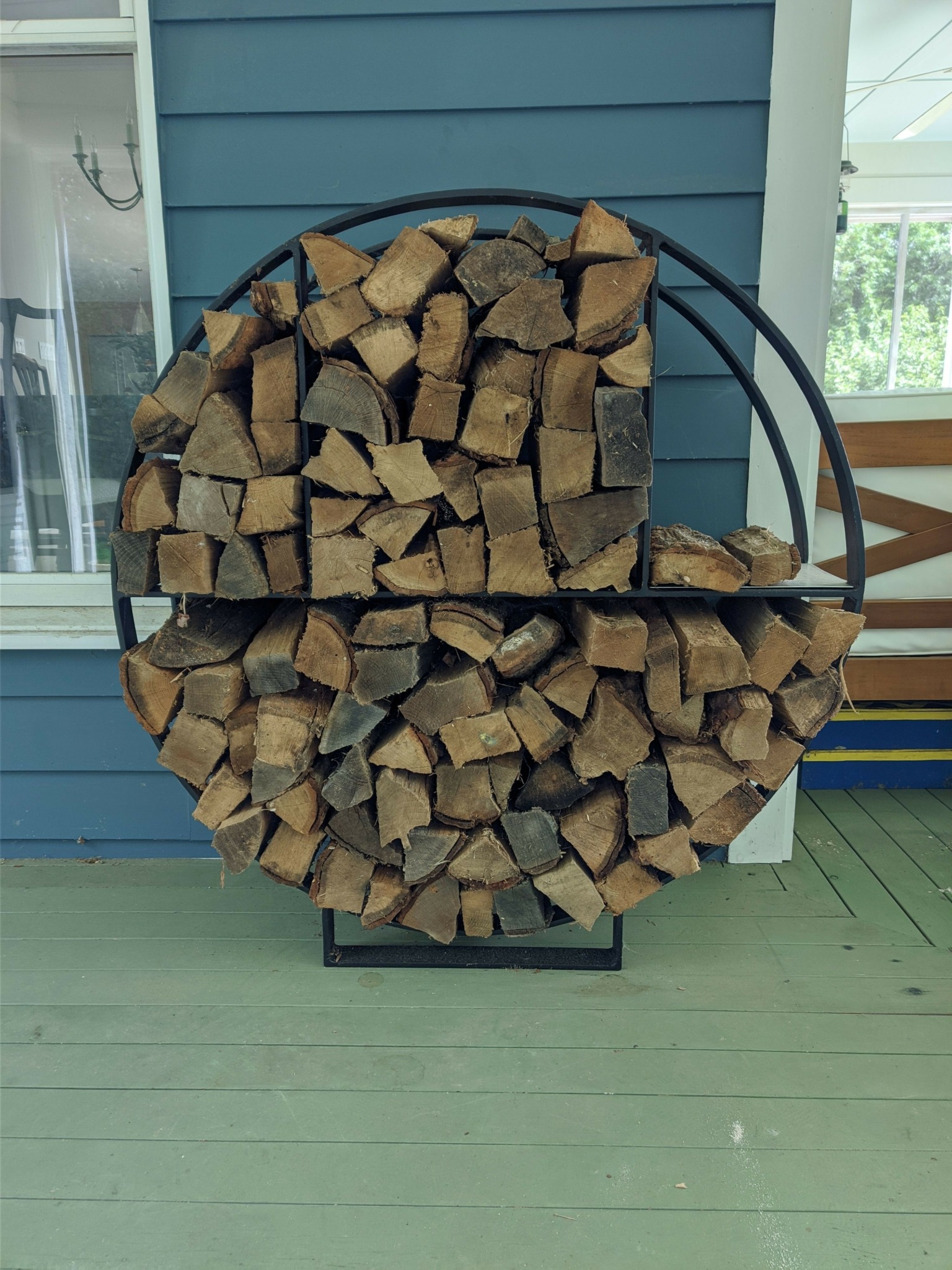
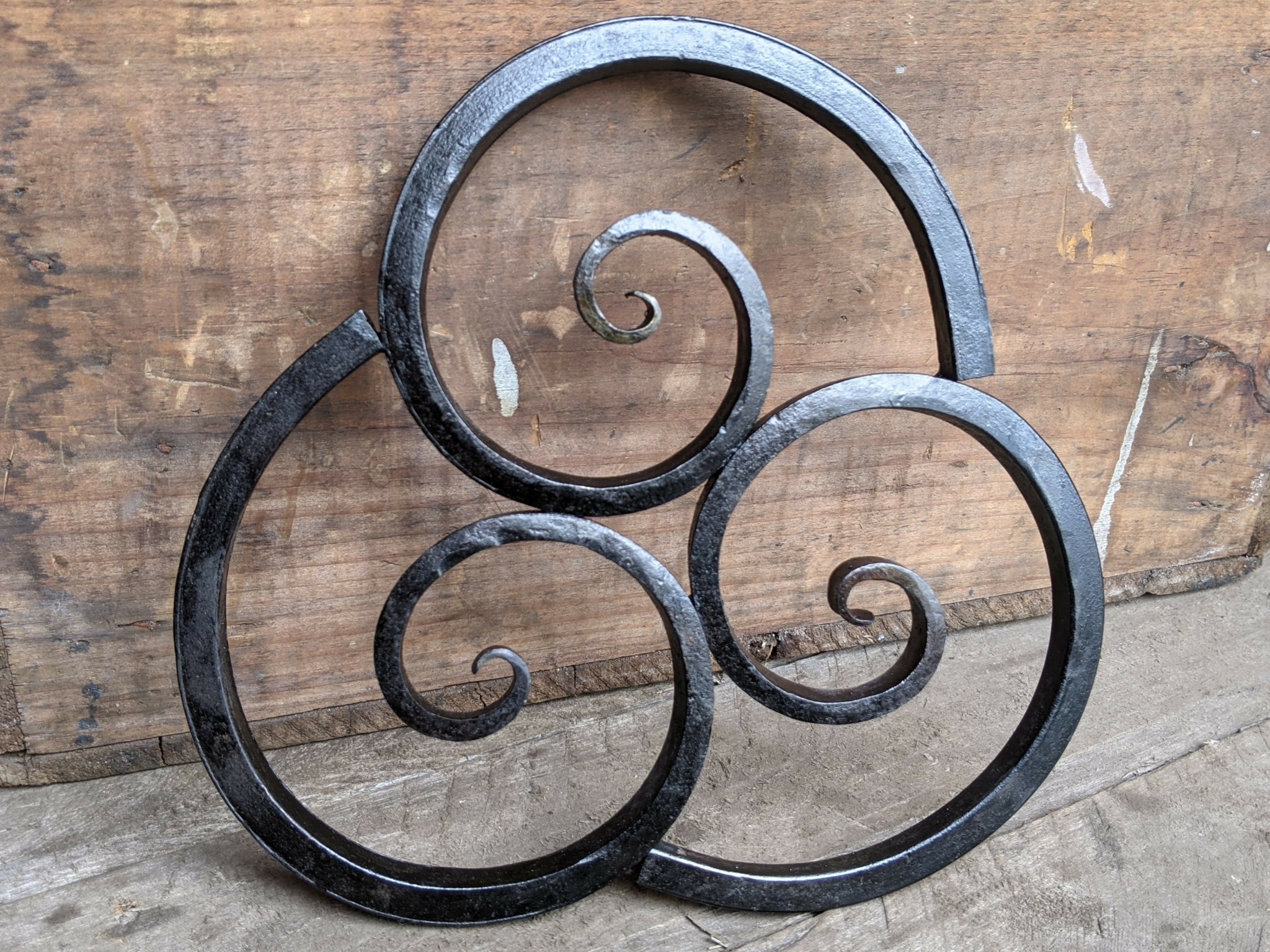
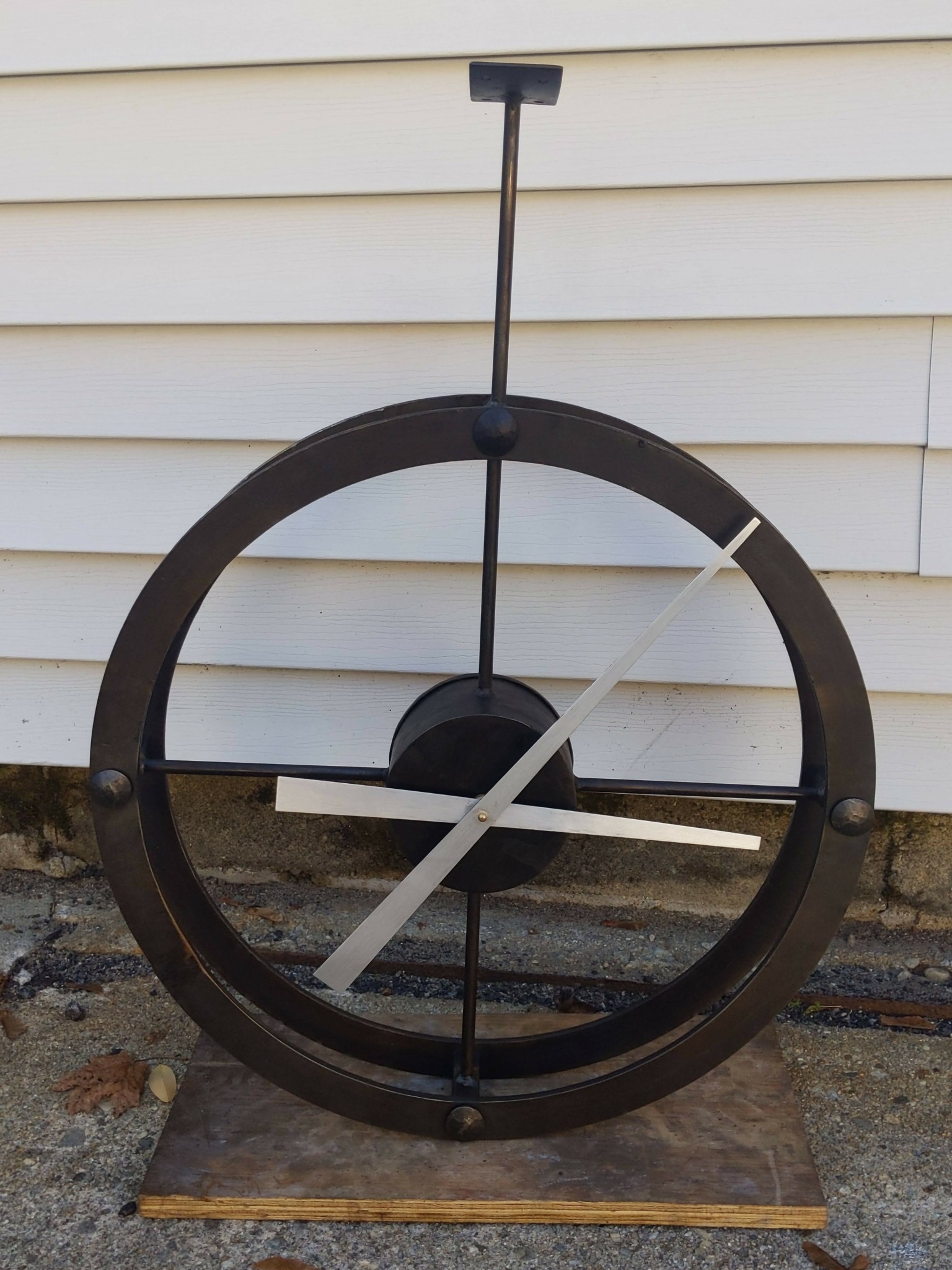
My name is Sam Perakis, I’ve been blacksmithing for about 10 years, and I produce architectural ironwork in Portland, Maine. I moved my business from Massachusetts to Maine in May of 2024 when I agreed to take over the location of The Ball and Chain Forge when my mentor, Bob Menard, retired. I produce things like railings, fences, screens, gates, and other ironwork in my shop as well as produce hand forged articles like hardware, kitchen utensils and tools.
Like most blacksmiths, I’m a jack of many trades; my goal is to turn a client’s vision into metal and I try to incorporate as many metalworking techniques and as much technology into my repertoire as possible. A huge part of this process is building custom tooling to produce work. Often, I need to make tools to make tools to make tools to make tools… The result being a workshop that houses a wealth of metalworking ability and experience. Between the skills I continue to practice and the capabilities of my shop itself, I’m confident that I can build almost any thing that a customer might ask for when they come through the door.
Is there something you think non-creatives will struggle to understand about your journey as a creative? Maybe you can provide some insight – you never know who might benefit from the enlightenment.
Blacksmithing has a lot of misconceptions! I get these all the time from people who hear I’m a blacksmith and ask a question or offer up a tidbit out of curiosity!
*Most blacksmiths don’t make swords (or knives!). Swordmaking is intensely difficult and specialized, and even knifemaking can become its own discipline. I’ve made knives before, but that doesn’t make me a knifemaker. And no, I’ve never made a sword (I won’t rule it out though.)
*Blacksmiths don’t shoe horses, that’s a farrier. When the Industrial Revolution took a lot of work away from the country blacksmiths, a lot of them re-specialized in shoeing horses as that was the work they could get. Today someone who shoes horses is a farrier, sort of a halfway between a vet for hooved animals and a blacksmith.
*I’ve never seen Forged in Fire. See “swords.” However, part of an episode was filmed in front of my shop!
Any resources you can share with us that might be helpful to other creatives?
Yes! I wish I knew about my local blacksmithing club, New England Blacksmiths, right away. I found them pretty early in my career, but there’s no such thing as too early when it comes to connecting with other likeminded people. Social media can be a source of inspiration and motivation but it can just as easily be a source of the opposite. There’s no substitute for actual in-real-life interaction with people who you can ask questions, work with, teach, and learn from. Every time I go to an NEB meet (we have them twice a year), I find myself refreshed and full of cool ideas to take back to my own shop to try out. Community building is an important part of being a craftsman, a business owner, an a plain ol’ human being.
Contact Info:
- Website: https://perakisironworksgroup.com
- Instagram: @perakisironworksgroup
- Facebook: https://www.facebook.com/p/Perakis-Ironworks-Group-61560605642869/
- Other: Personal IG: @_scald
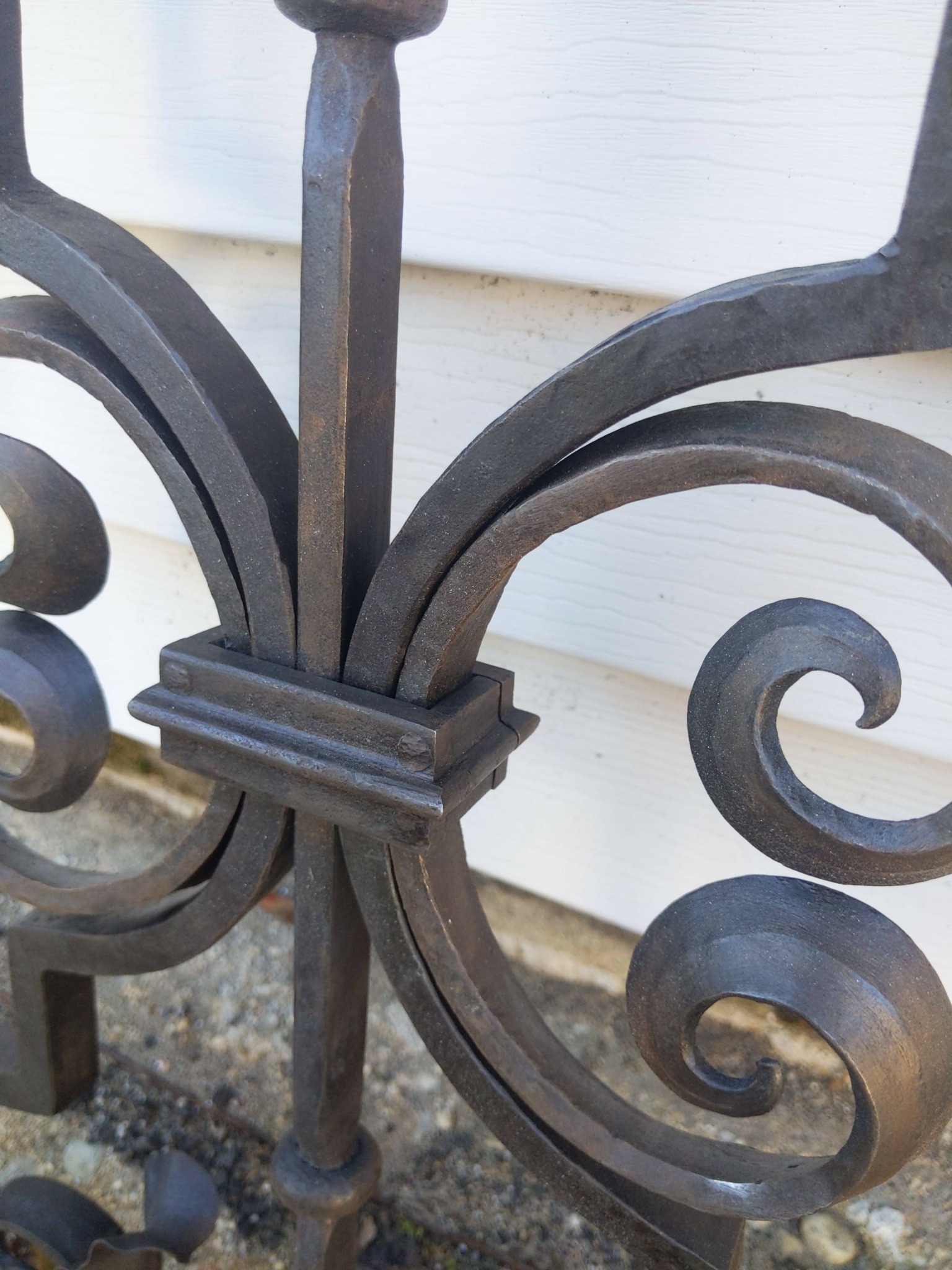
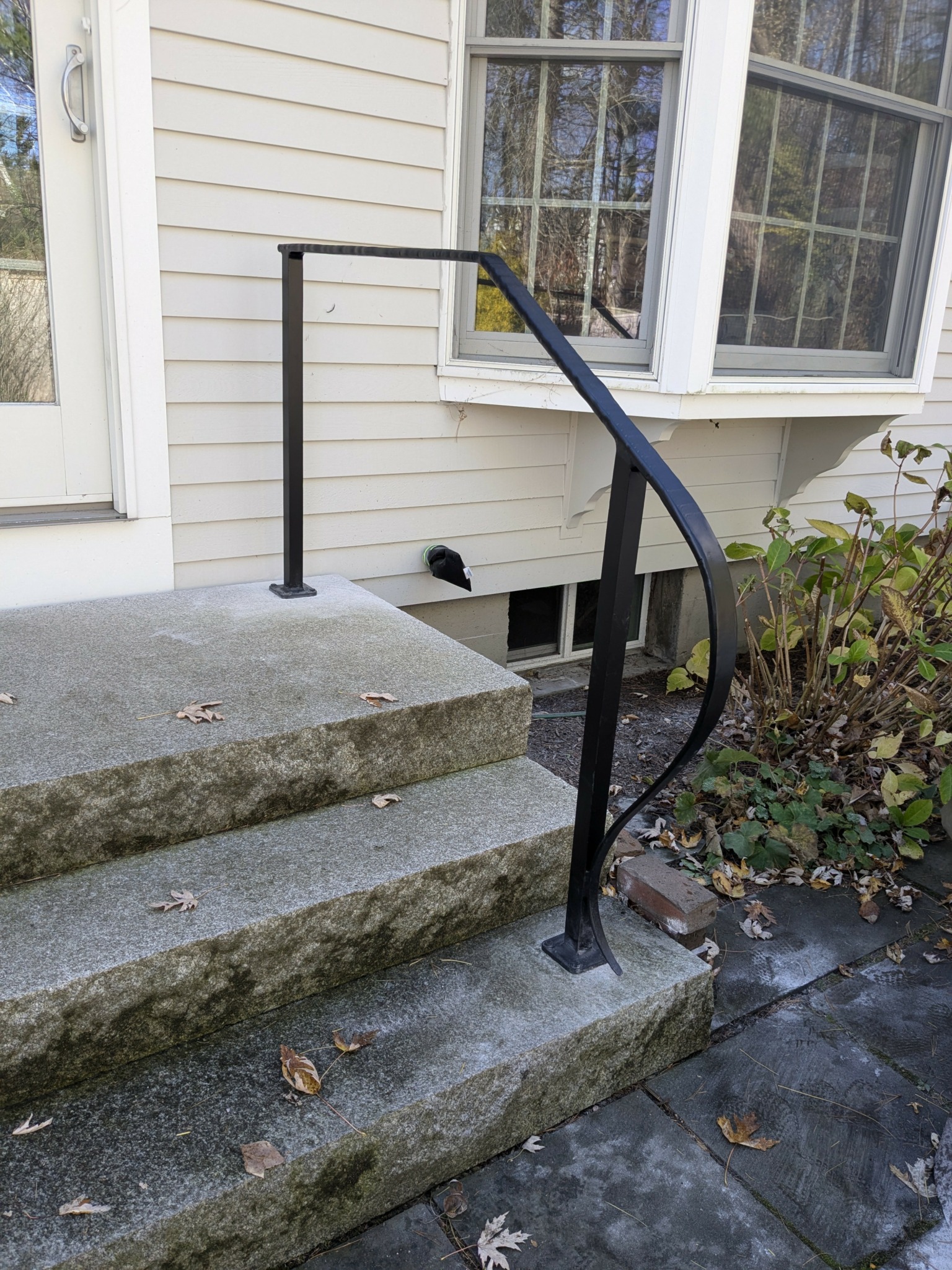
Image Credits
Samuel Northrop