

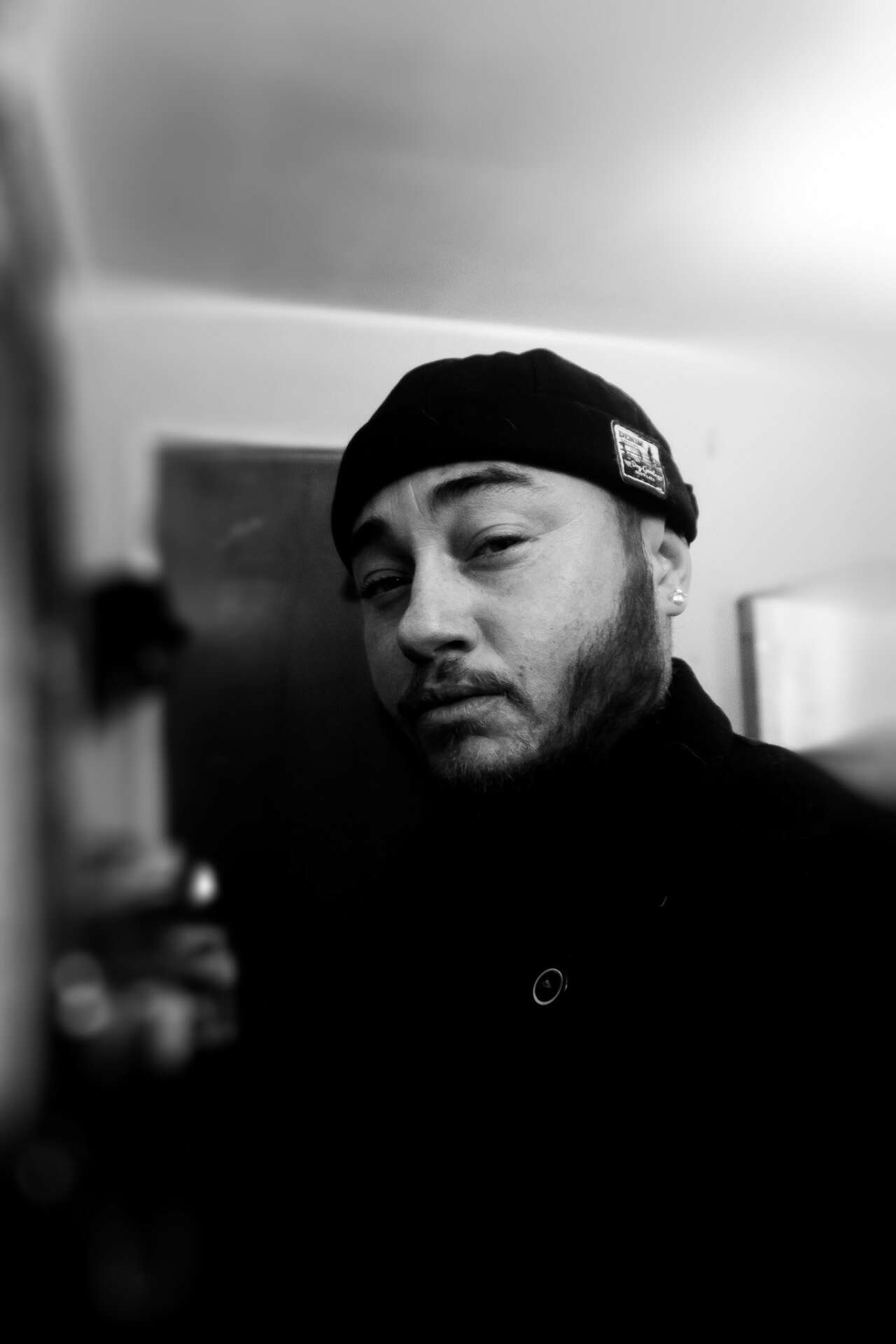

We’re excited to introduce you to the always interesting and insightful Sam Hewitt. We hope you’ll enjoy our conversation with Sam below.
Alright, Sam thanks for taking the time to share your stories and insights with us today. It’s always helpful to hear about times when someone’s had to take a risk – how did they think through the decision, why did they take the risk, and what ended up happening. We’d love to hear about a risk you’ve taken.
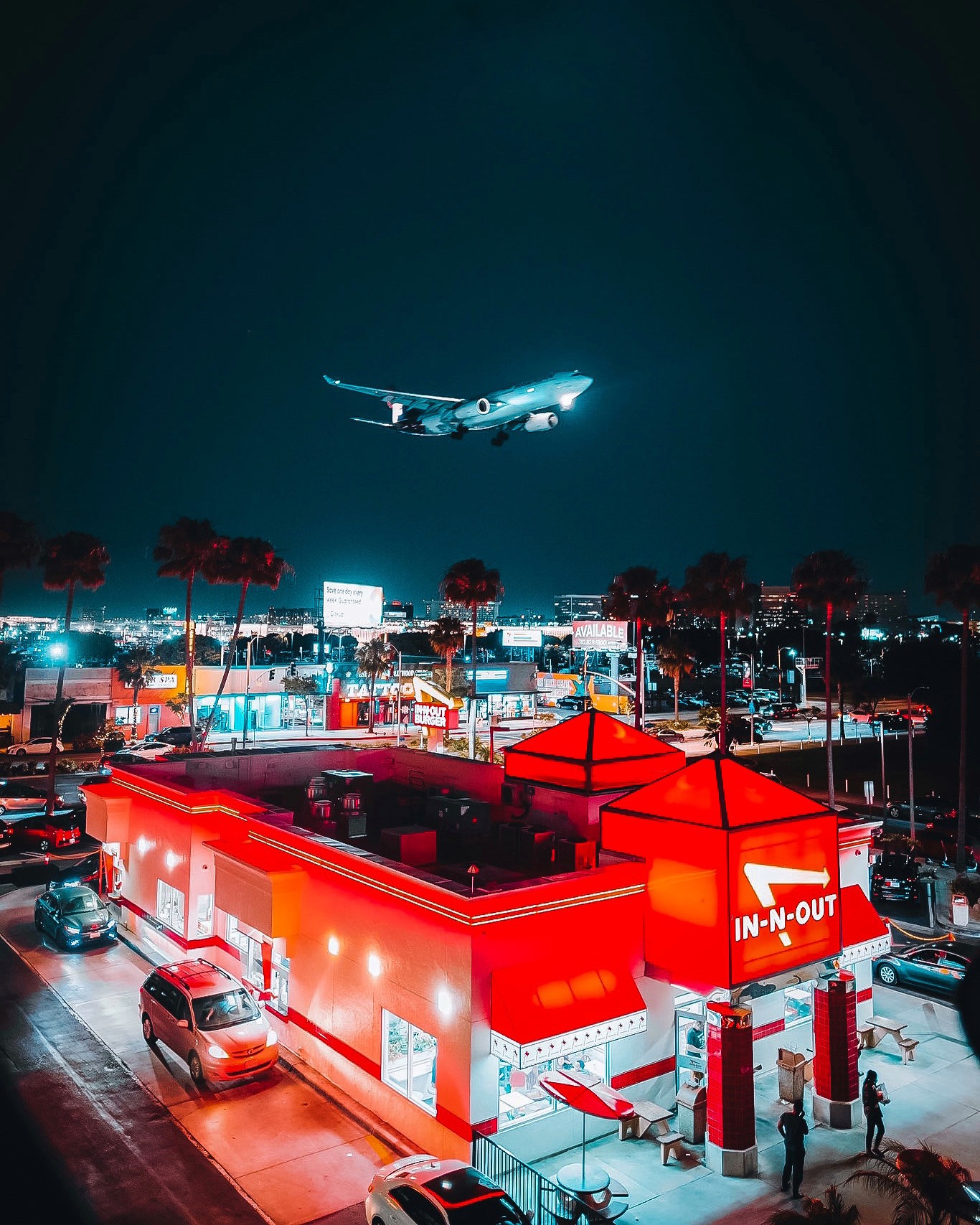
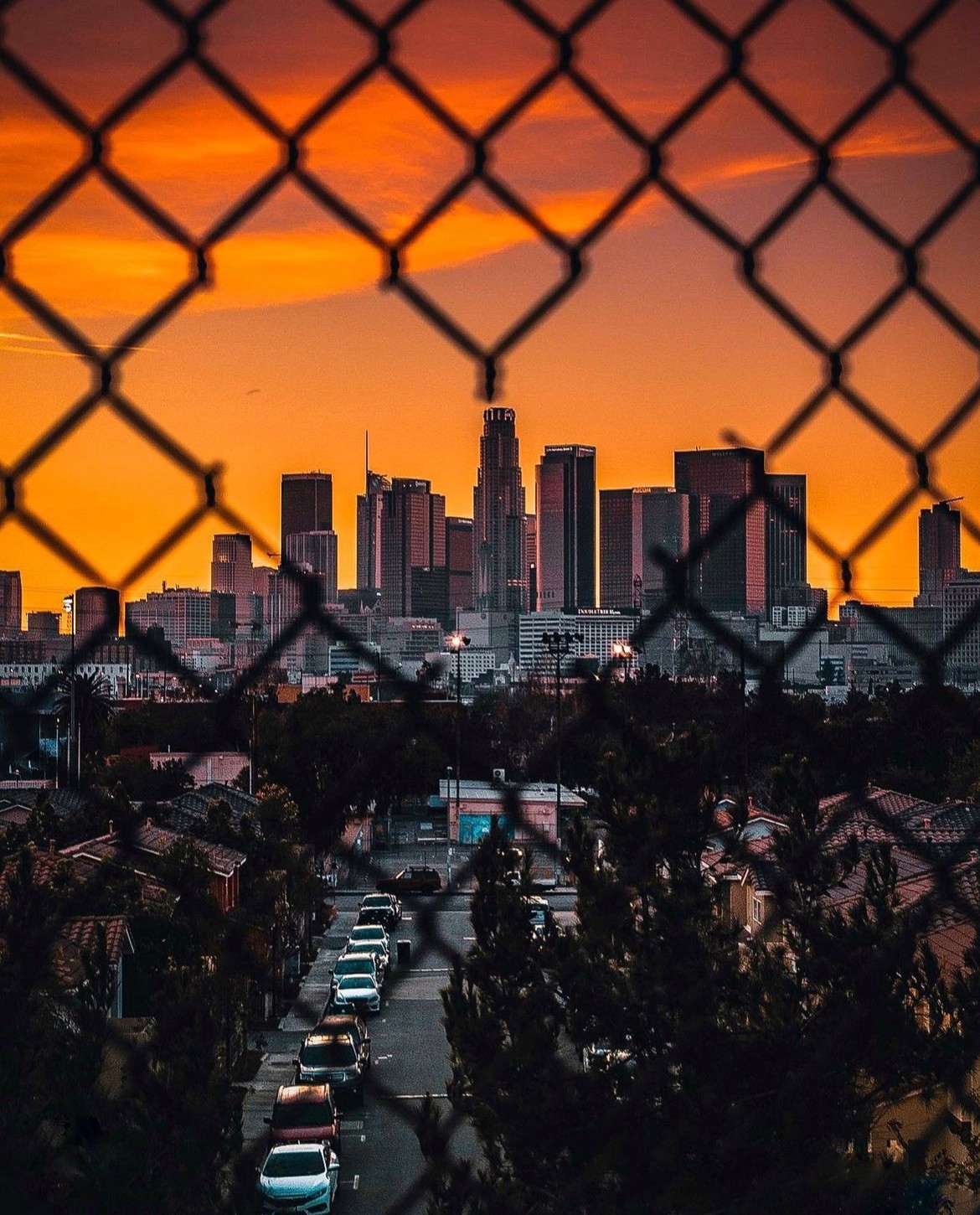
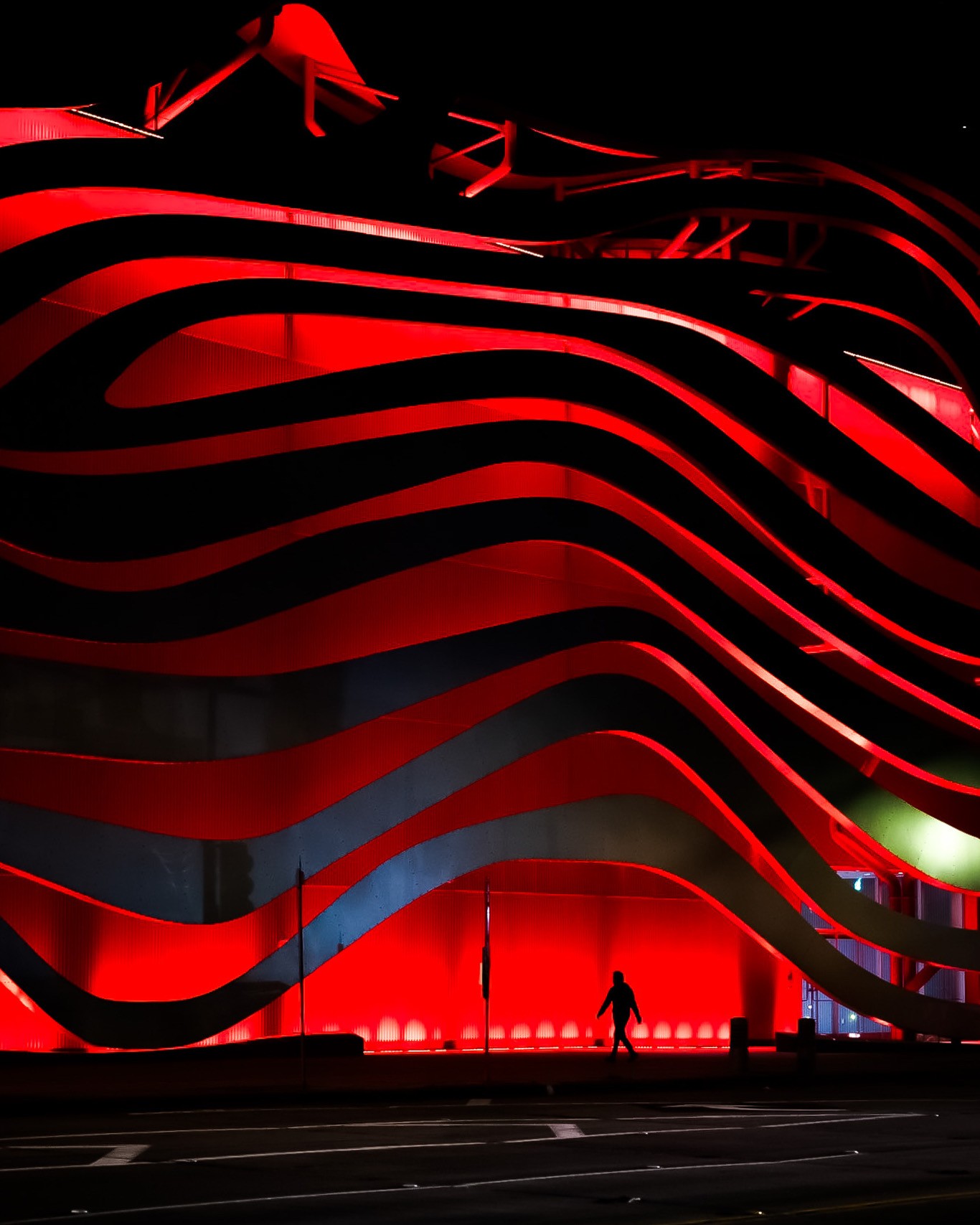
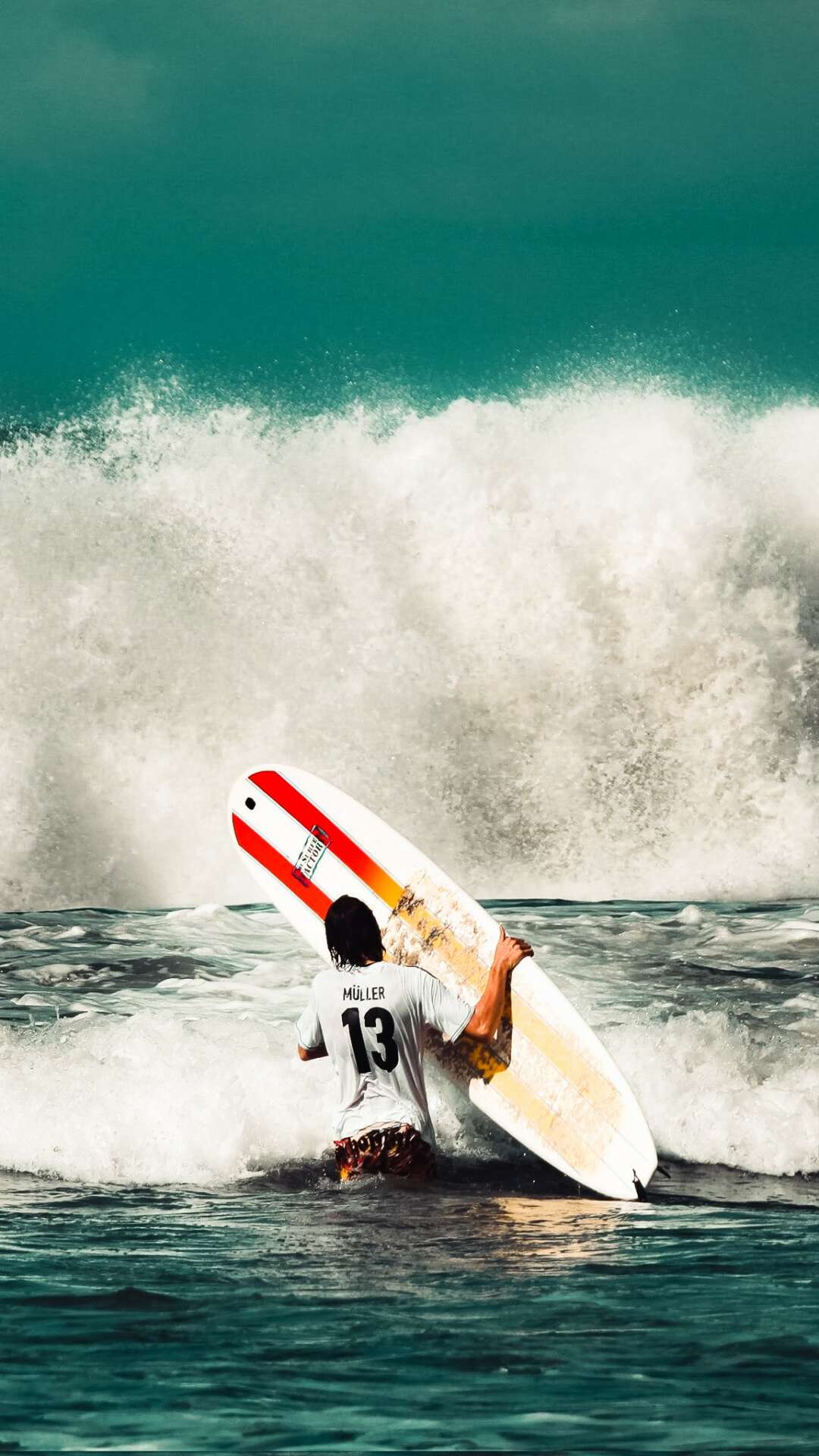
Street photography comes with some degree of risk. Because photographers often seek to capture life in its purest form, they do not typically warn people or obtain consent before pressing the shutter.
I’ve always thought of street photography as a subcategory of documentary photography and to some extent photojournalism. Where documentary photography and photojournalism can be defined as non-fiction visual storytelling employed to chronicle important events in history or document the human condition, street photography is more an art form without constraint.
Street photography is usually random, candid, and somewhat incoherent. It’s often ambiguous. It suggests rather than insists. Its focus is more on the capturing of eye-pleasing, compelling compositions than the need to tell a story.
It can include people but does not have to. It can be honest and it can be deceitful, and sometimes both at once. It defies any attempt to define or label it since its interpretation is ever-evolving. Simply, it is free verse poetry in a visual format.
Good street photography, like good poetry, evokes an emotional response, which ignites the imagination of its viewers inviting them to create their own story out of nothing. Not always, of course. Some street photography does suggest a story, but unlike documentary photography and photojournalism, it’s not the cornerstone of the craft.
When it works, when all the compositional elements come together, along with just the right play of light and shadow, and you have a compelling, visually strong subject matter, the resulting image will usually draw attention, will demand to be considered and explored, and hopefully revisited.
It looks easy enough, but looks can be deceiving. There’s more to street photography than simply taking pictures in an urban setting. Experienced street photographers are able to pre-visualize that decisive moment as it is still coalescing in their viewfinder. They are also fearless when it comes to getting in close to their subjects.
Learning to overcome your fears is one of the most important aspects of becoming a good street photographer and that’s what I’m hoping to explore here.
Sometimes your best and most rewarding work is born out of that which is most difficult to achieve. If producing good street photography was easy, everybody would be doing it.
With street photography, it’s up to you to determine the level of risk with which you are comfortable. Just know that in many cases comfort and quality are, to an extent, mutually exclusive. I know, because like most street shooters I, too, have spent my fair share of time avoiding risk and my photos suffered for it.
For me, the act of trying to capture that decisive moment on the street is a difficult endeavor made exciting by pushing myself outside of my comfort zone.
When in doubt, just shoot it.
Generally speaking, the higher the risk you take in shooting the scene, the higher the chance you have of making a great photo.

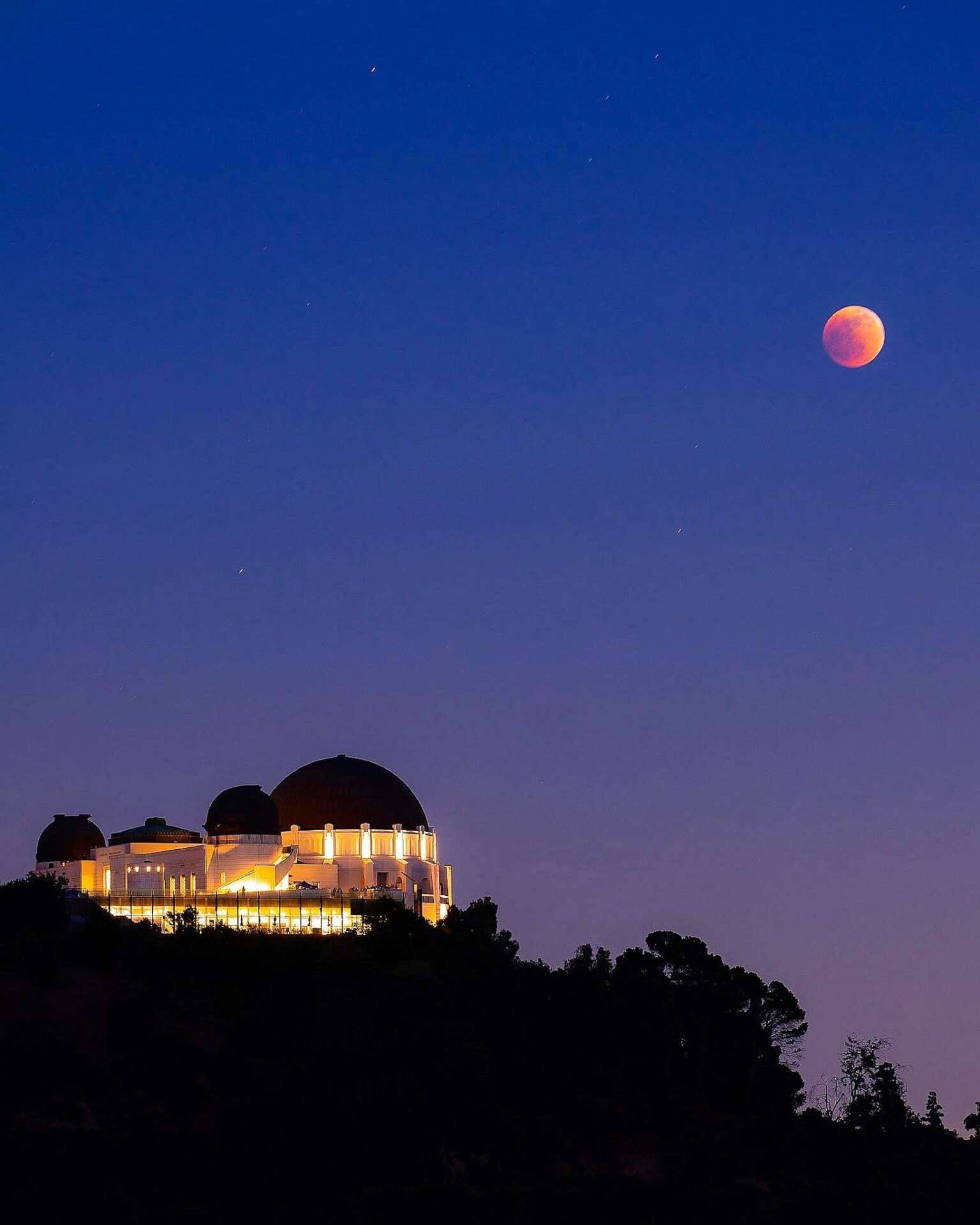
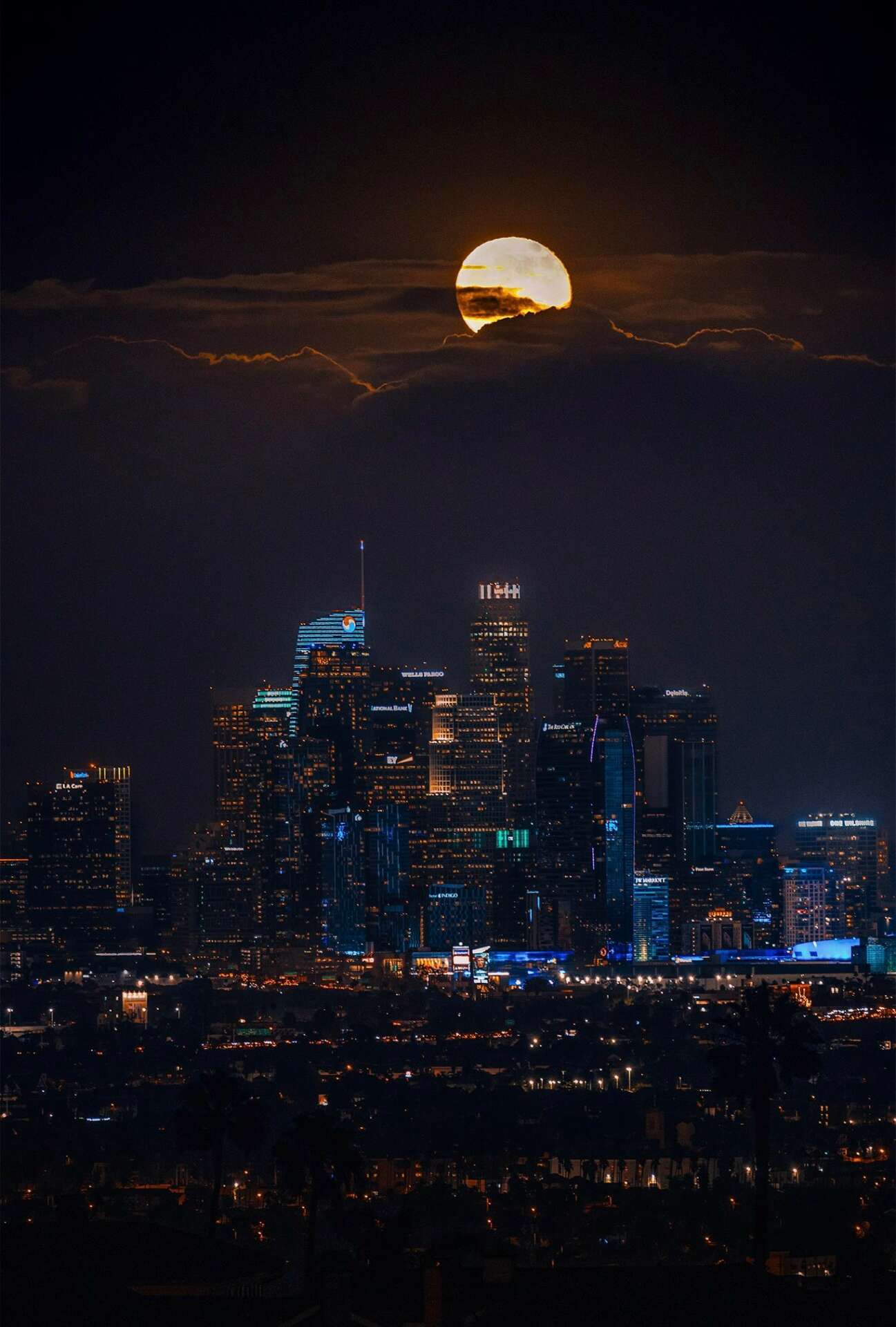
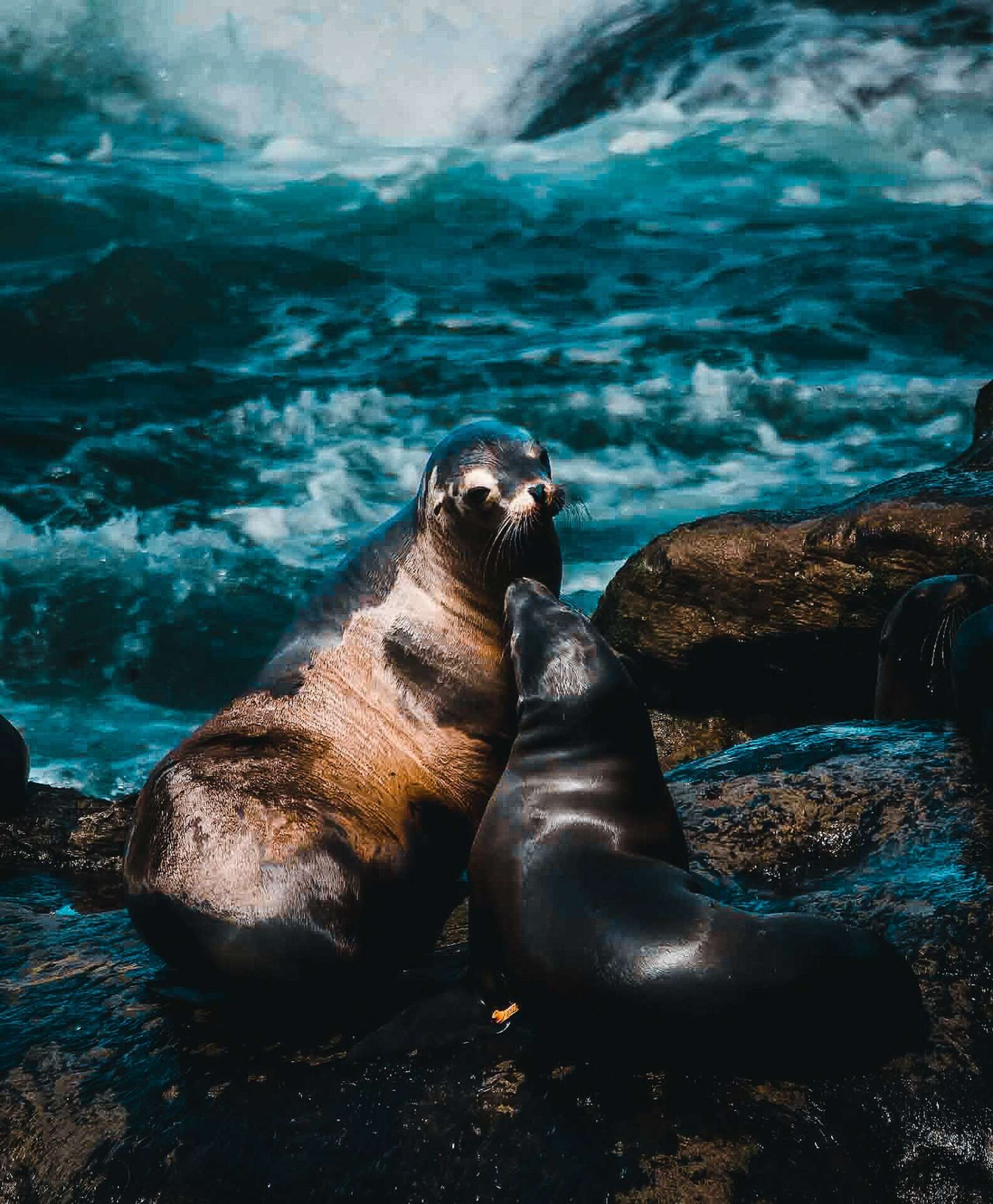
Sam, love having you share your insights with us. Before we ask you more questions, maybe you can take a moment to introduce yourself to our readers who might have missed our earlier conversations?
I never knew how much I loved photography until I got an iPhone.
Having a camera on my phone gave me the ability to shoot anything and everything I saw.
It helped me transmute my feelings and express myself through my art.
I remember in high school I had to decide between two electives. It was human physiology and or photography and I chose human physiology. Looking back I wish I would have taken photography and pursued it earlier.
I started to take photography more seriously in my late 20s after a break up. I had always loved photography and taking photos but I had never quite had the confidence to take the leap and pursue it further.
A couple years later I bought myself a used DSLR and haven’t looked back since.
What do you find most rewarding about being a creative?
Perhaps one the most salient rewards of being a photographer is the chance to capture unique moments and images and share them with the world.
Another one of the best benefits of being a photographer is seeing beauty in everything and appreciating the little things in life, especially light. When you become a photographer, you become aware of apertures, shutter speed, and exposure—to name a few. You will notice how light is positioned and how it hits the subject, as well as how to compensate for little light.
Life is such a constant onslaught of information and experiences that it can be difficult or even impossible to truly appreciate moments that deserve more attention than we might be able to give them in real-time. Photography gives us a chance to preserve those for later appreciation, both by ourselves and others.
Is there a particular goal or mission driving your creative journey?
Being creative means being vulnerable. It means exposing your soul to others knowing fully well that others may not be kind to you. And yet you need to bare your soul to fulfill the need to create.
Contact Info:
- Instagram: Seamoneyyy