

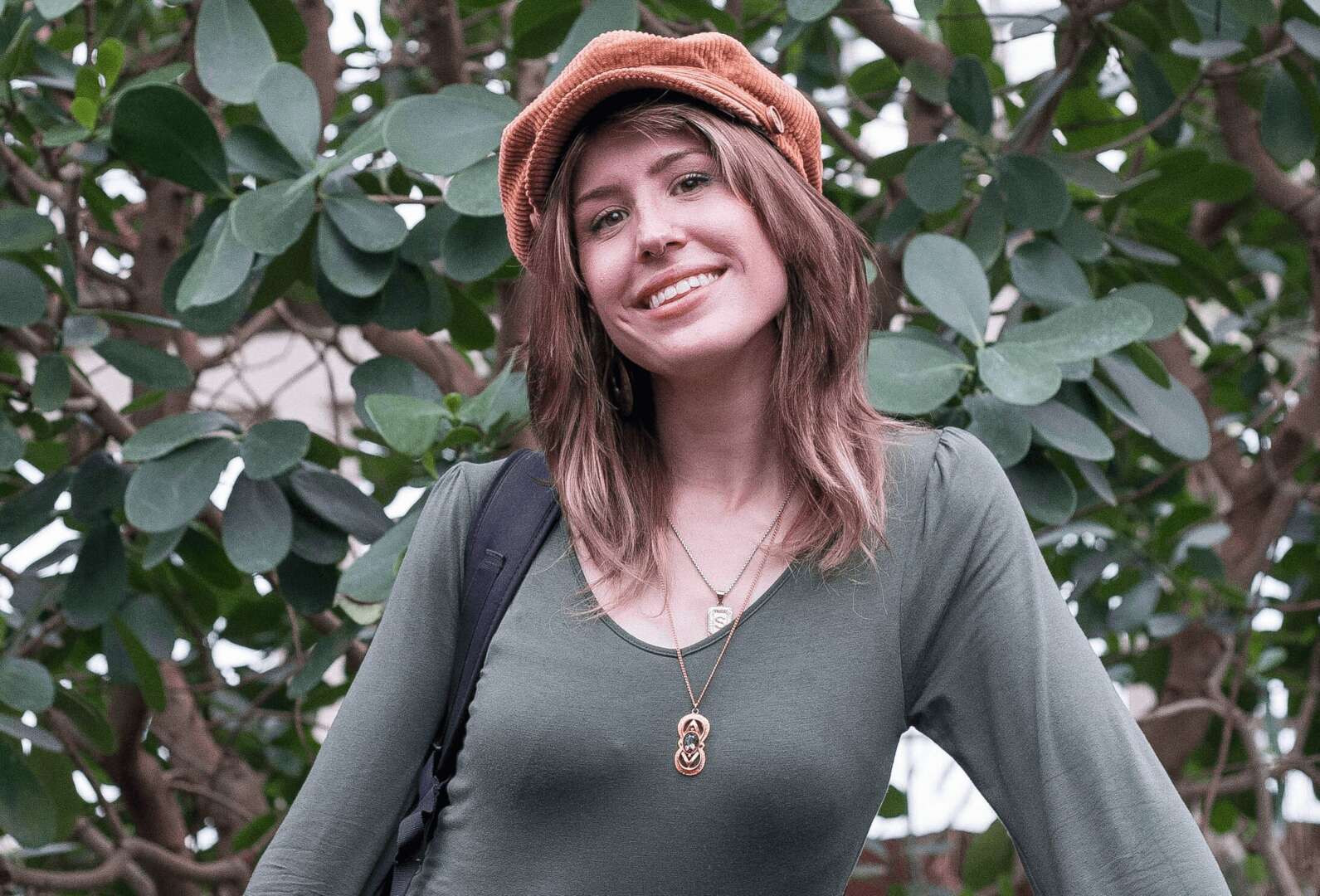

We caught up with the brilliant and insightful Sam George a few weeks ago and have shared our conversation below.
Sam, looking forward to hearing all of your stories today. We’d love to hear the backstory behind a risk you’ve taken – whether big or small, walk us through what it was like and how it ultimately turned out.
My biggest risk was grounded in a delusional (and perhaps more appropriately named, desperate) attempt to keep my first, long-term relationship alive. As devastating as the inevitable breakup felt at the time, it’s that optimism that lead me to a more authentic, creative, & passionate life. But for some context –
Having grown up in various neighborhoods & colorful communities around Indianapolis, I was intensely familiar with it’s geography, but not much else outside of it. Family vacations were limited to “The Nightcrawler” (our houseboat that was docked more times than it was ever out on the lake), and the singular time we visited Holiday World (in Santa Claus, Indiana if you can believe it). While notable trips, they didn’t exactly offer a broad world-view of life outside of the Midwest. I craved adventure and stories, similar to the ones I grew up watching. As a kid, I’d turned to writing, drawing, and recruiting friends to reinvent our favorite film scenes, and as I got older, I was fortunate enough to become a member of an internationally-known, champion dance team. Regardless of form, communication became an integral part of my identity. It was often the only thing I had that helped me navigate the throes of emerging adulthood, depression, & trauma. Beyond self-expression, it was a catalyst for connection, curiosity, and play. Even if just for a second, I loved the high of stepping outside of myself. Getting to share that experience with someone else was even better.
Eventually, I took that hunger for storytelling and pursued a media & communications degree, and it was there that I met someone who I uprooted my life for. He was entertaining and had life experiences so different from my own, but he shared the same passion & interests I had. His presence offered a reprieve from difficult things that I had trouble working through, and that’s likely the reason I bulldozed into that first relationship so fiercely; I felt I could build a genuine romantic relationship from the foundation of our friendship, and from there we would live a future of expressive & exciting stories.
Not too long after our Year 1 mark, he was offered a job that took him to Chicago. At the time, I was working as a film programmer at the local film festival (which remains my most fulfilling job), but new management came in, pushing many of us out. It was incredibly bittersweet, but it felt as if this were a sign. I felt the distance between Chicago & Indiana was just long enough to strain our growing relationship, and if I were ever to take a risk, it would be now. Chicago had far more opportunities in media production than Indiana, and not too long into the job hunt, I received an offer as well as linked up with an old high school friend who had been looking for a roommate near Chicago. As far as I’m concerned, there were no signs telling me this was a dumb risk. An scary risk? Absolutely. But dumb? No. If anything, my intuition was so clocked out on antidepressants, that it was quiet with hope. I latched onto that hope, optimistic that safety nets would present themselves when I needed them, and moved to Chicago chasing love that had taken priority over everything else.
Throughout our (more or less) two & a half years together, the rose-colored lenses wore off and the realities of my depression, maladaptive daydreaming, and anxiety added had added stress onto our relationship. If you factor in the stereotypical relationship woes in addition to growing differences in finances, family expectations, and our stances on a “we” future vs. a “me” future, it was clear that our relationship was not built to last. Though the breakdown was felt quite overwhelming at the time, looking back it was just a scenario of two different people at a crossroad, both needing to move towards a future they couldn’t figure out unless they explored it independently.
Despite having lived in Chicago for a decent chunk of time at that point, I hadn’t become familiar with it. If I’m being completely honest, I hadn’t even tried. Everything was so exhausting. Coming from a city of (maybe) 5 high-rise buildings in downtown Indianapolis and a public transit system I keep forgetting about, Chicago’s multitude of skyscrapers, bus lines, train lines, and traffic congestion was a beast I was too intimidated to understand. My hope of a safety net seemed to be fraying fast. Corporate job with benefits: gone. A familiar face in an unfamiliar city to split rent with: gone. Healthy Savings: going. Companionship: gone. Mental health: going going GONE. My last bits of rope came down to the best thing my mom could offer at the time: “you can always come home.” She said this to me while I was eating one of only two foods I had in my fridge (for months, I was so strapped for cash, I could only comfortably afford eggs, yogurt, and some fruit). She said it with so much love in her heart, and it was a warm invite during a cold time. I had two options: return to Indiana and start over, or build a relationship with Chicago and see what happens.
It’s been almost 9 years since I chose to stay in Chicago, and because of that risk, storytelling has come back in my life with a powerful emphasis. I’ve had my share of globe-trotting adventures trekking a myriad of landscapes (one of which won me two Emmy’s). I’ve spear-headed highly-rated television shows and independant films, and lost & found & lost & found myself in many healthy (and unhealthy) ways. I own two companies and have made it my business to prioritize authenticity over profits – celebrating human connection over monetary gain.
Moving here was not my biggest risk, but I do believe that choosing to stay & keep going and make a life here was. I’ve learned that while trauma never really goes away (there are still days I relive it), depression is not as easy as praying it to God (though I’ve tried), and life will always have a plot twist on standby, sometimes all I can do is root myself in curious optimism and see how it serves me. The pedestal I’ve often put romantic relationships on is something I’ve become more self aware of. Being here has gifted me the perspective on what my priorities really are, and I’ve become so intimately familiar with this city that it’s rewarded me with a richer relationship to myself.
Awesome – so before we get into the rest of our questions, can you briefly introduce yourself to our readers.
I was always the artsy kid. Always drawing, writing, performing, role playing – I absolutely loved stepping into someone else’s story. That desire to understand and connect drove me pursue filmmaking, but coming from the Midwest with two very practical parents, not having a job with benefits is the same as not having a job. So I had started a trajectory to study archaeology, specifically death & memory in art. It’s always fascinated me how as humans, we celebrate life & death, but ultimately, I realized that I was more fascinated with how we tell stories, what kind of stories, and how those narratives take shape to shape us.
Before Chicago, I worked at a film festival for a little over 4 and half years, as both their lead programmer for short films & documentaries, and their filmmaker & hospitality coordinator. It was a great foundation for understanding what effective communication looked like, the impact & transformative power of films, and producing work that is engaging & effective. Once I left the festival (and it was a very difficult decision to make; to this day I firmly believe it’s the best job I’ve ever had), I came to Chicago to get my hands dirty as a freelancer Producer. It’s been a wild ride. Since being here, I’ve had incredible opportunities to produce Emmy-winning documentaries, spear head TV shows & independant films, work for some of the world’s largest ad agencies, and bring attention to talented people who are forces for good; whether they are storytellers in their own right or fighting for a cause bigger than themselves, it’s been an honor to connect and highlight individuals who bring so much color to the world. It’s a humbling reminder that so much exists outside of what we are familiar with.
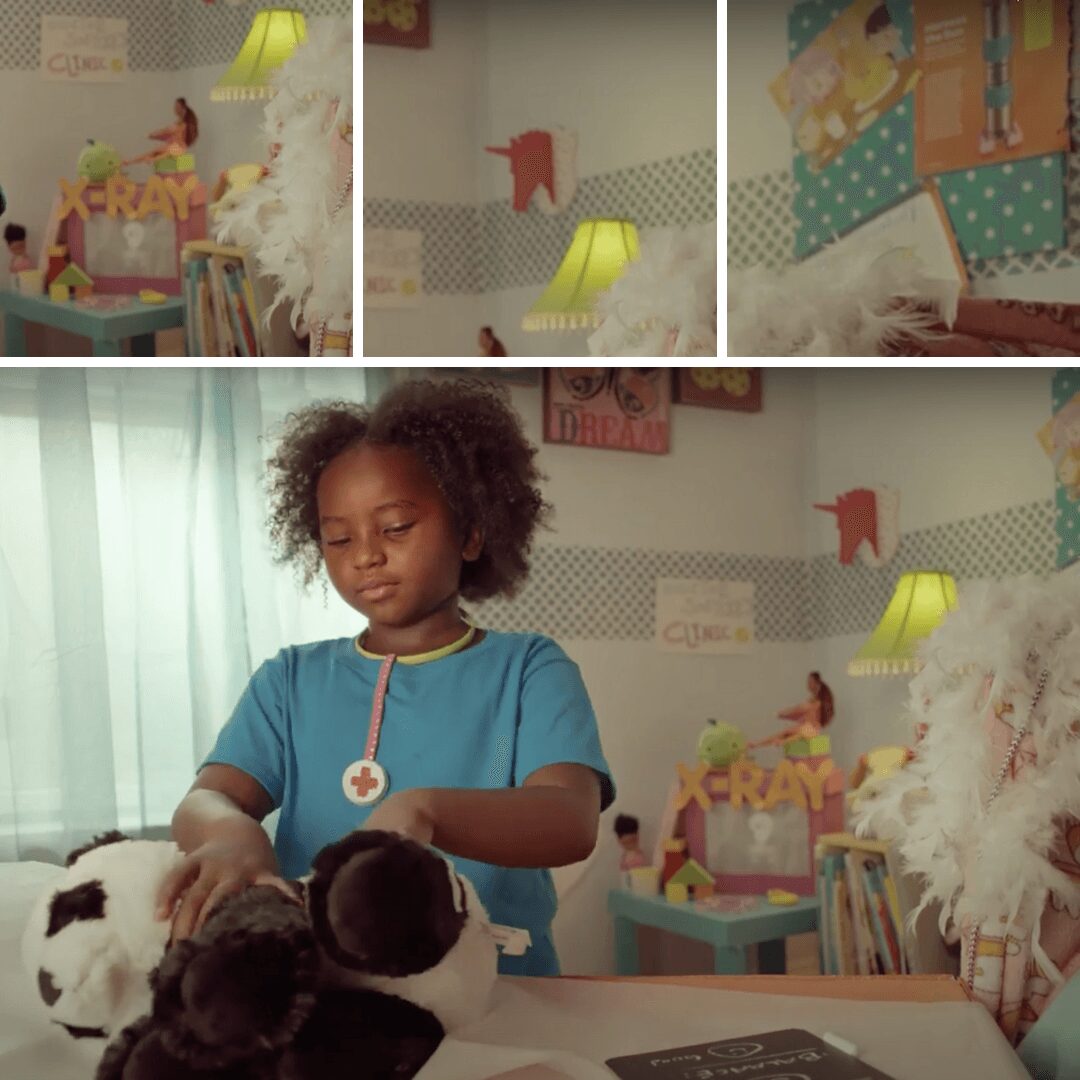
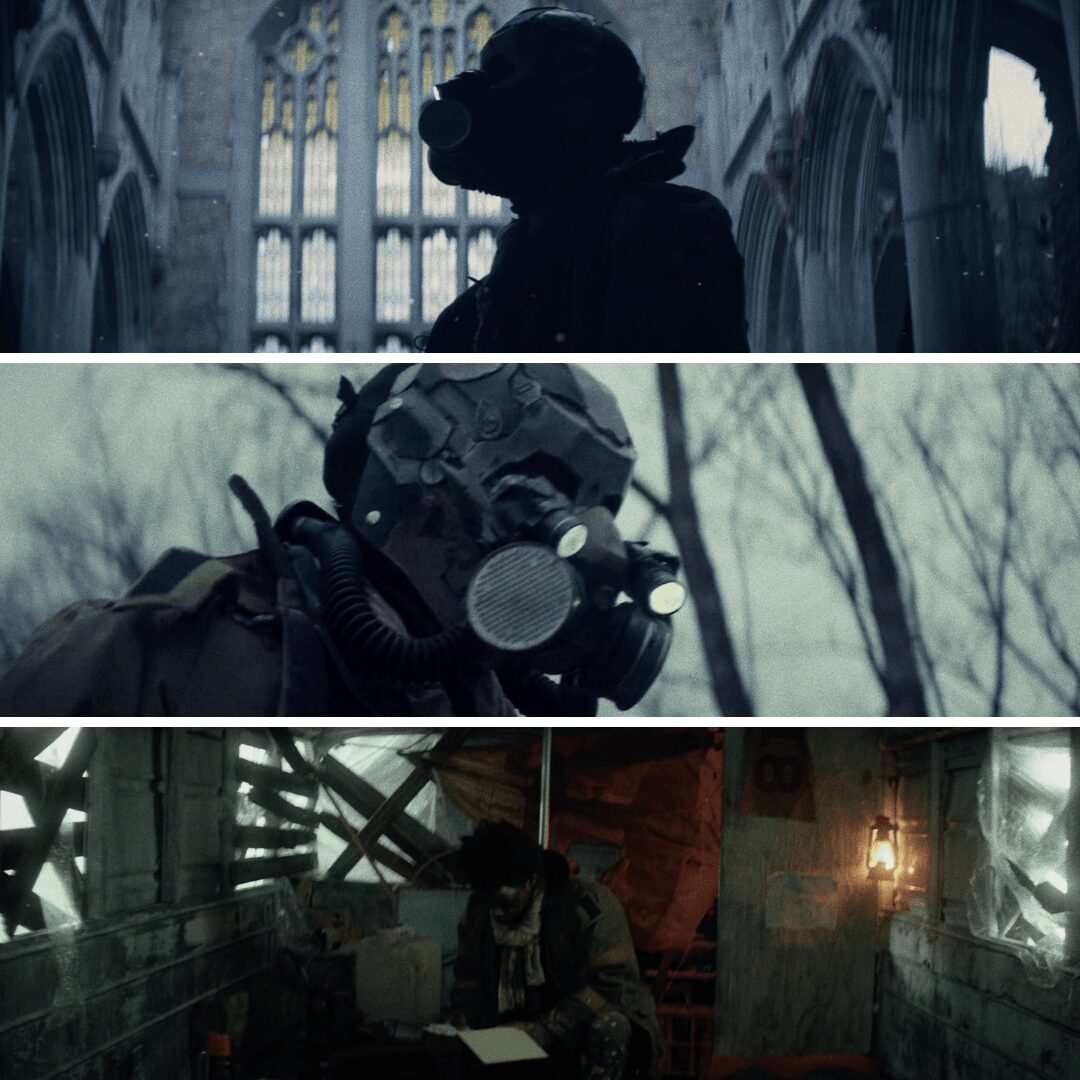
Eventually, I started Luna Mojo, which is a Chicago-based production design (art department. Think set design, props, and overall visual elements) & production company (think managers. The folks who hire the crew, schedule the meetings, and manage logistics & money). We primarily focus on narrative projects (short and long form, documentary as well) that are rooted in the myth, lore, and/or the stories we (human beings) have been told and/or tell ourselves (whether good or bad). Our projects tend to lean heavily into surrealist, magical realism, horror, and thriller-based genres, but it’s our belief that those genres are some of the best crossroads when it comes to the exploration & engagement of characters & audience.
When it comes to production, we’re as mindful as possible when it comes to not only inclusivity, but also authenticity of who the story is about and who the story is for. Often times there are universal commonalities in the stories we carry with us, so it’s part of our job to find the best way of sharing those experiences. A few questions we ask ourselves when looking over scripts are: what is the end game of this project? How does race, gender, and ethnicity come in to play when telling this story? Who is this story for? What is the intended impact and how to we achieve that? Having these kinds of open & transparent conversations are an integral part to the production process, and if there’s anything I am most proud of what we do, it’s communication. These foundational questions are often branches that leads to bold choices & a strong collaboration.
We’re lucky to come and play pretend for a while – make something out of nothing – and there really is no room for egos. If we can’t all collaborate, then we’ve lost sight of one of the fundamental joys of telling stories: connection. Building ideas off of ideas and making art (or sometimes just a really entertaining movie). There are so many moving parts to production and that requires a team of people with an array of talent: mathematical minds, artists, creative problem solvers, bold speakers, teachers, etc, etc. The best thing we can do is find the most talented & passionate folks we can, give them the adequate support they need, and then get together knee deep in the planning process. By the time that production rolls around, it’s as smooth as silk and the excitement of making a film hasn’t faded. Stressful things will happen, it’s inevitable, but it’s more important in how we handle it. No egos, no explosions – just communication and an occasional pivot.
On the art side of things, we really focus in on the personality of a space or object. Some questions we ask are:
– What does this room say about the character it belongs to? What does it say by itself? What time period & season are we in? Are there any celebrations that just happen (or could have happened?) What subtle hints, if any, can be added that correspond to a later event?
– How does color theory come into play?
– Taking into account objects that actors may play with (a prop), how can they best reflect those personalities? How can this object be broken down further? What is the overall function of this prop – for show or practical use? For example, if our character is riding a bike, are they the kind to be reckless and ride sans helmet? If they ride with a helmet, does it have dents & scratches, indicating our character is klutzy (or has had a run of misfortune)? Are there stickers on the helmet? What about the bike – is there a basket, a horn, etc, etc? Does the object ever get thrown and break?
It can be overwhelming at first, but we’ve developed templates that help us hone in a script and better inform our final look books before production. Again, communication is key, along with quick & creative thinking. We will likely not have everything we need (often times something will get thrown in that was never discussed). We prepare kits and do our best to anticipate what may be asked, and try every avenue we can at making something happen. We’ve had to think pretty quick on our feet with solutions (one example being we needed a handkerchief to rip repeatedly, so we made a cut and put hot glue dots on the edges for an easy tear & quick repair). When it comes to specific style, however, I would have to say that we do “lived in” very well. The more flexible a set or prop is, the more we can play with it and find its character and give life to it.
Outside of film & TV, I’ve been fortunate that my company & I have produced, coordinated, & art directed projects for several brands. When it coms to corporate and agency work, the focus is very much on understanding the clients needs: what is the end-game and what really is the product? Who is our audience? Most recently, I’ve had the pleasure of working with KitchenAid, Adobe, GrubHub, Second City, Cars.com, and Charles Schwab. While they do not fall under Luna Mojo’s mission, I’m able to take these on independently of my company. At the moment, a good friend of mine (and someone I admire so deeply; fellow creative, casting aficionado and director extraordinaire, Sarah Cayce) and I are in the beginning stages opening Patina Creative, our own commercial production company. It’s been an absolute pleasure coming together and seeing how we can best utilize our talents and resources to take out the stress of commercial production, and bring back authentic storytelling.
Are there any resources you wish you knew about earlier in your creative journey?
I wish I understood that networking and taking colleagues out for coffee can sometimes be the best resource. There is no way of really timing out which network events are beneficial and which ones are not, and often times there are so many people there that it can be hard to connect. However, coffee dates are great ways to build relationships, strengthen the ones you have, or find confidants who you didn’t realize were going through the same things as you are (perhaps they have even have advice on navigating the choppy waters you’re currently swimming).
Coffee datws can be incredibly powerful for getting out of your own head and in touch with what’s happening outside of your bubble. Someone may know someone who can aid you on a problem, or perhaps they tried something you are currently attempting and can encourage you to keep going (or knock sense in you to redirect), or maybe they have an app recommendation that they believe can positively impact your life – whatever the case may be, if not for anything more than your mental health, I strongly encourage putting yourself out there, be as open and authentic as you can, and see where a cup of coffee takes you.
What’s the most rewarding aspect of being a creative in your experience?
I love, so very very much, that being a creative has meant I remain a student. My technical skills may get stronger and the relationships I build with my clients grow, but the curiosity and the act of experimenting never changes. I don’t aim to be the smartest person in the room, and while I used to be embarrassed of “failed experiments” and “ugly attempts”, especially in front of peers, I’ve come to understand that the heart of creativity is the act of doing. It’s by doing that eventually leads us to new discoveries and bolder choices.
Contact Info:
- Website: https://www.lunamojo.com
- Instagram: @hello.lunamojo, @samxgeorge
- Other: Just a quick note – social media is not my forte! My personal instagram has a whopping 1 photo on it and my company insta is in the process of a rebrand. Happy to share, but didn’t want anyone to think it was hacked, ha.
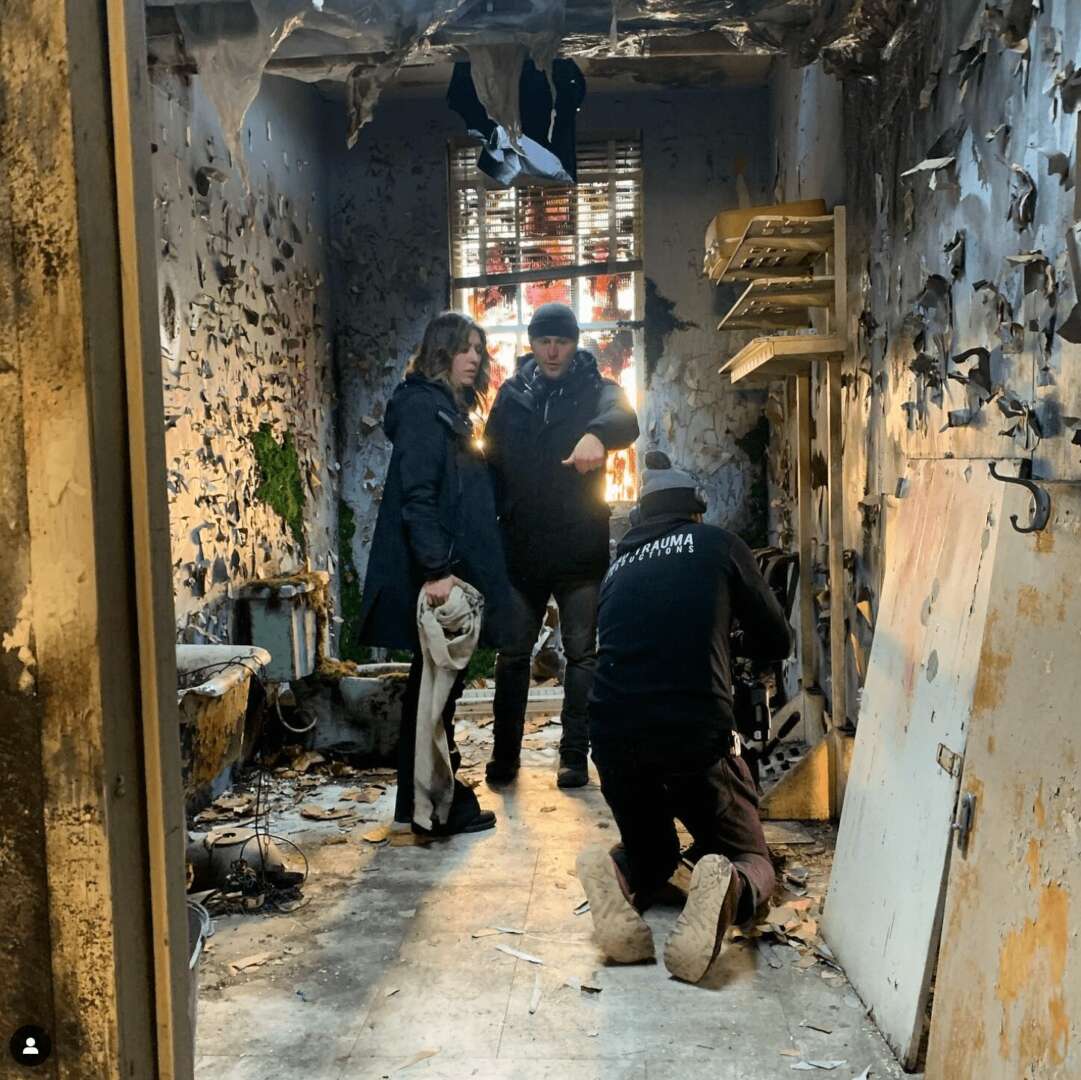
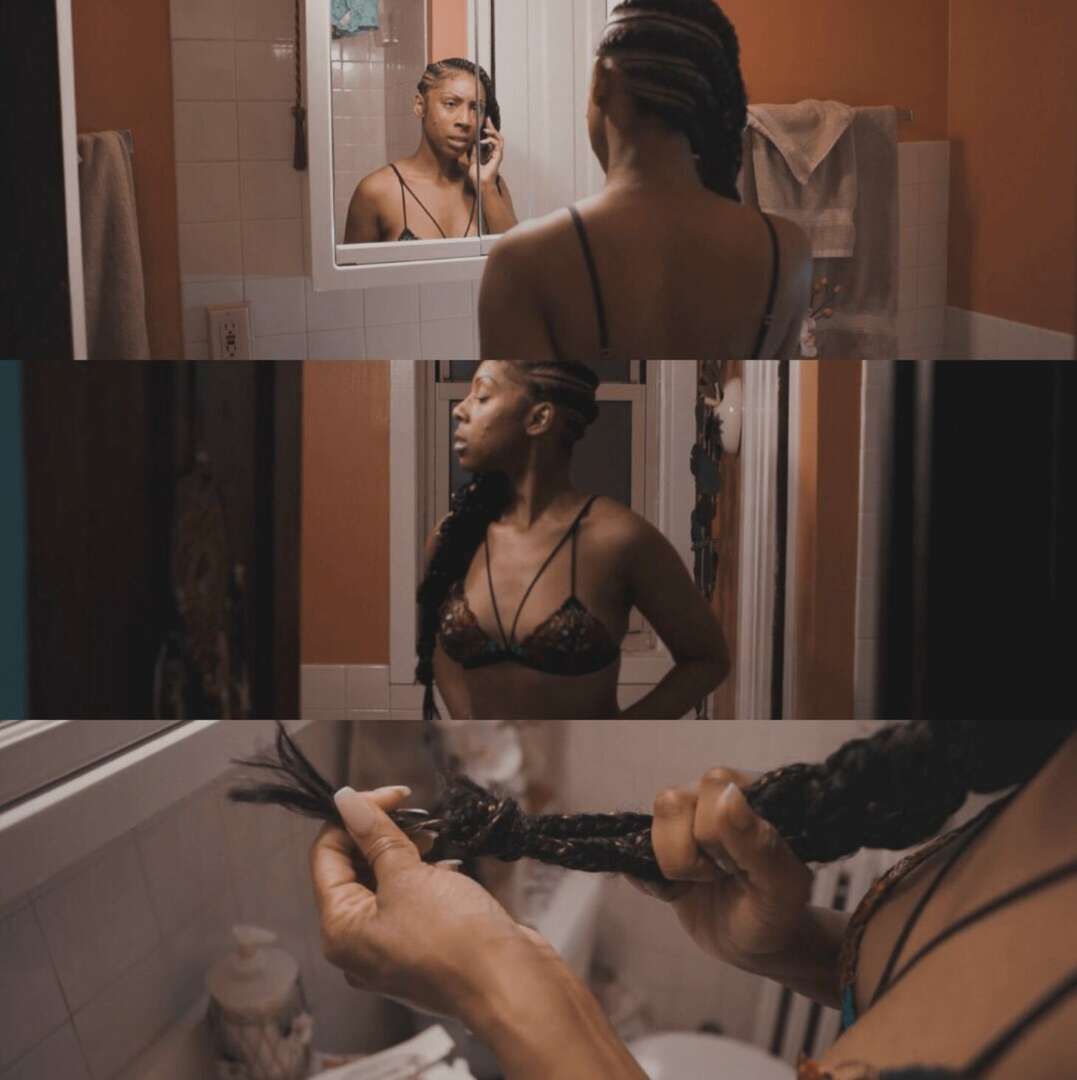
Image Credits
Dave Burke, David Bradburn, Christopher Saint Martin