

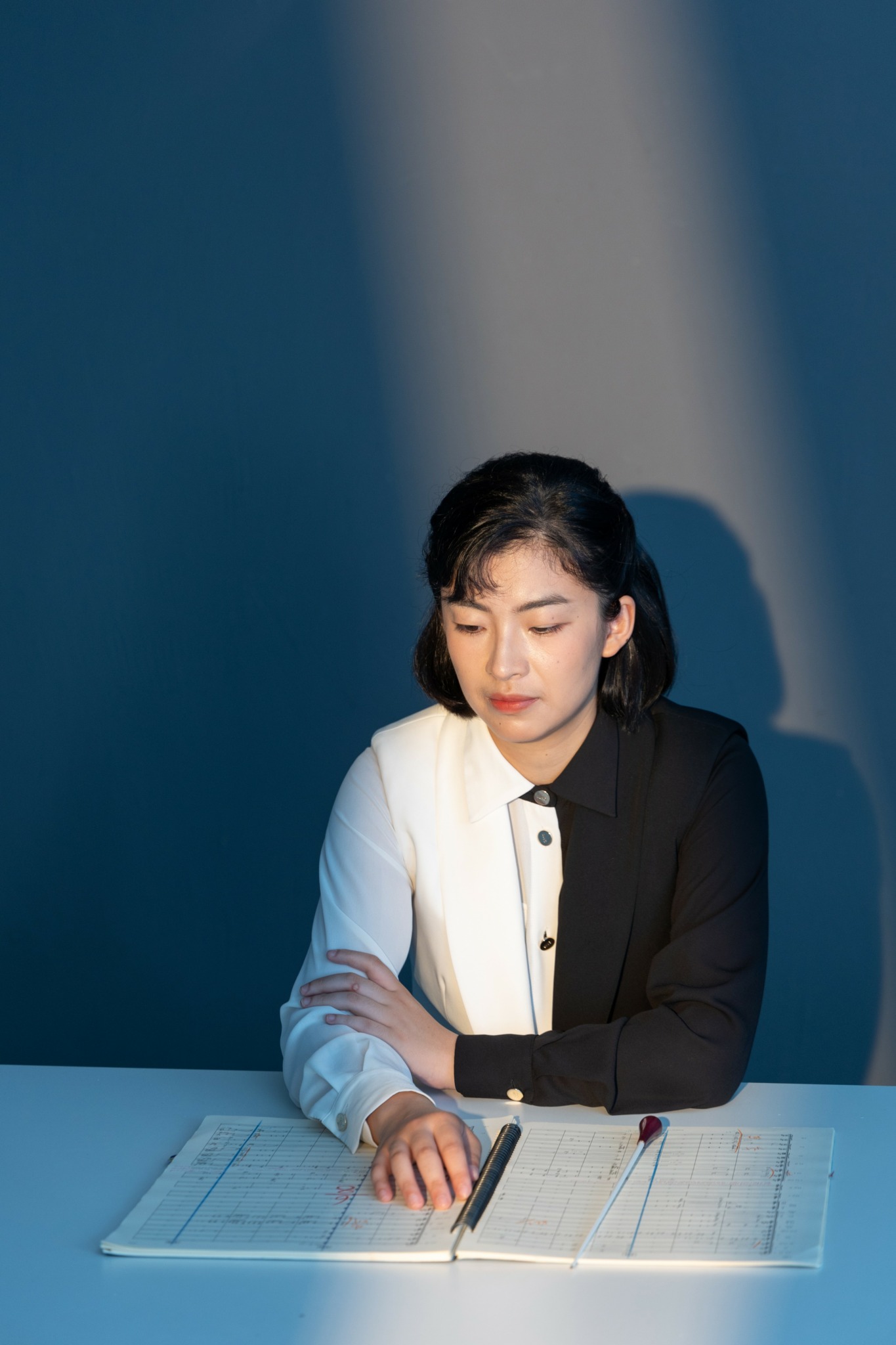

Alright – so today we’ve got the honor of introducing you to Sally Yu. We think you’ll enjoy our conversation, we’ve shared it below.
Sally, appreciate you joining us today. Do you wish you had waited to pursue your creative career or do you wish you had started sooner?
I decided to become a conductor at the age of 24. As I see more and more conducting opportunities with age constraints—some masterclasses under 30, most competitions under 35 — I sometimes wish I had started conducting a bit sooner, so I wouldn’t constantly feel that I am behind. However, this is a paradox, because if I had been younger, I wouldn’t have known what to choose for my life. I wasn’t born into a musical family; I only slowly discovered conducting as I grew up.
After earning my first master’s degree in electrical engineering from Columbia University, I worked as a Radio-Frequency Integrated Circuit designer for almost two years before deciding to become a professional conductor. Now it has been almost six years sinceI started studying conducting and appearing in concerts and activities around the world. It may seem like a long time, but in the world of performing arts, it is actually quite short.
On the one hand, I give myself credit for having made significant progress in changing careers. On the other hand, I also see colleagues my age, or even younger, who began conducting much earlier and have already advanced very far in their careers. I cannot help feeling that I need to catch up. If there is anything I have learned in this line of work, it is that one must be patient and always prepared.
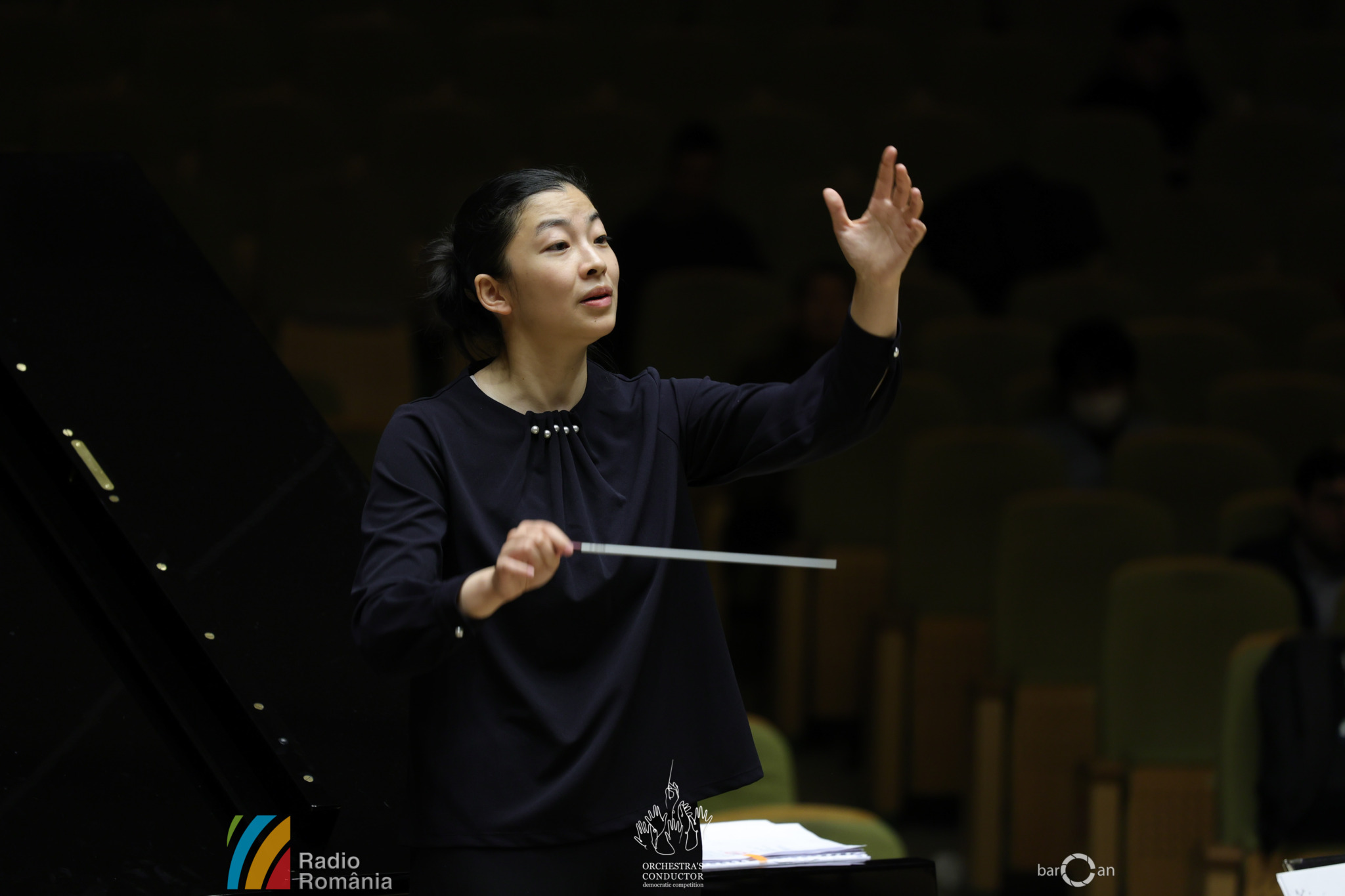
Great, appreciate you sharing that with us. Before we ask you to share more of your insights, can you take a moment to introduce yourself and how you got to where you are today to our readers.
As I have mentioned previously, I decided to become a conductor at the age of 24. Before that, I had a quite ‘normal’ life. I was born and raised in Kunming, China, which is also known as the ‘Spring City’ for its mild climate. I went to a normal primary school and secondary school and then came to the United States for high school. I was always quite good at math and science and decided to major in Electrical and Computer Engineering in college. On the other hand, I started playing piano at the age of 5 under the influence of my mother, who briefly learned piano before I was born. I never enjoyed playing piano until I slowly fell in love with classical music in high school. Music was the strongest bond I had to cope with the anxiety and loneliness I felt while studying abroad alone at the age of 15. I even learned to play double bass in my junior and senior year so I could be part of the school ensemble. Music started to become a sanctuary. As I was studying engineering at Cornell University, I also kept on taking piano lessons and even got a music minor, even though I had to figure out problem sets or stayed up in lab many times. I had my first master’s degree from Columbia University, studying electrical and computer engineering, while also taking piano lessons and other music classes from the Juilliard School. I then moved to Boston for my first job as an RFIC (Radio Frequency Integrated Circuit) Designer, while taking my first conducting lesson from Prof. Charles Peltz at the New England Conservatory. That’s when I knew that I would like to spend the rest of my life becoming a conductor.
I then went back to school for conducting and got my second master’s degree in conducting from New England Conservatory. I am currently a doctoral candidate in orchestral conducting at Michigan State University and am finishing up a post-graduate diploma program at the Universität für Musik und darstellende Kunst (mdw) in Vienna, Austria. So far I have appeared in Asia, North America, and Europe, conducting orchestras such as the Hiroshima Symphony Orchestra, Stavanger Symphony Orchestra, Orquestra Filarmonia das Beiras, Sofia Philharmonic, Stara Zagora State Opera, Czech Chamber Philharmonic Orchestra, PRSIMA Festival Orchestra, and Denver Philharmonic, among others. I was one of the twelve participants at the prestigious 2nd Hiroshima International Conducting Competition in 2024, runner-up at the 2023 Denver International Conducting Competition, semi-finalist of the 2025 Orchestra’s Conductor Competition in Romania, and won second prize at the Sixth Opera de Baugé Conducting Competition.
Outside music, I also have a deep passion for the nature and am a landscape photographer and a rescue diver. I have travelled to more than 35 states in the US, 40 countries in 6 continents, and dove in over 30 diving sites around the world. I consider traveling a very important aspect for me to not only learn about the local music culture, but also the different natural sceneries and civilizations of different parts of the world. When I am making music, I try to incorporate all the wonder and beauty that I have seen into my music making, and I hope to inspire my audience to live for their passion. I am sharing a few photos that I took recently in the United States and in Europe at the end.
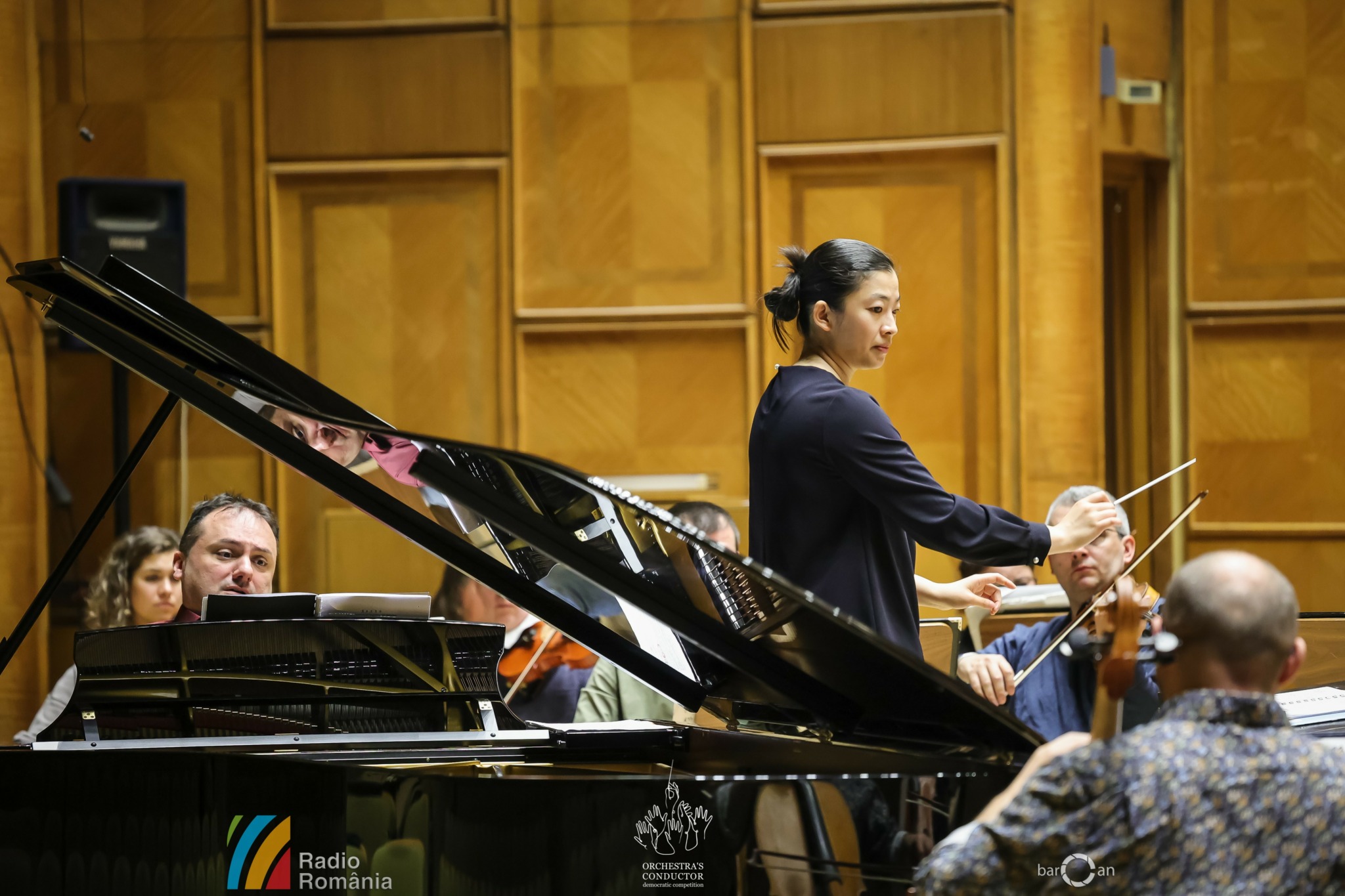
For you, what’s the most rewarding aspect of being a creative?
The most rewarding aspect of being a conductor is that I get to explore a masterwork created by master composers with the orchestra and the audience in real time. One of my favorite filmmakers Andrei Tarkovsky describes filmmaking as ‘Sculpting in Time.” I think music is also an art of time, and one cannot reproduce the feeling upon hearing a certain musical work. My work is a way to turn one’s knowledge of the work, the inner emotions, and the vision of the world into something tangible that others can hear and feel. The bond through music with other people creates a sense of shared humanity and consensual understanding that’s much stronger and more powerful than goes beyond words.
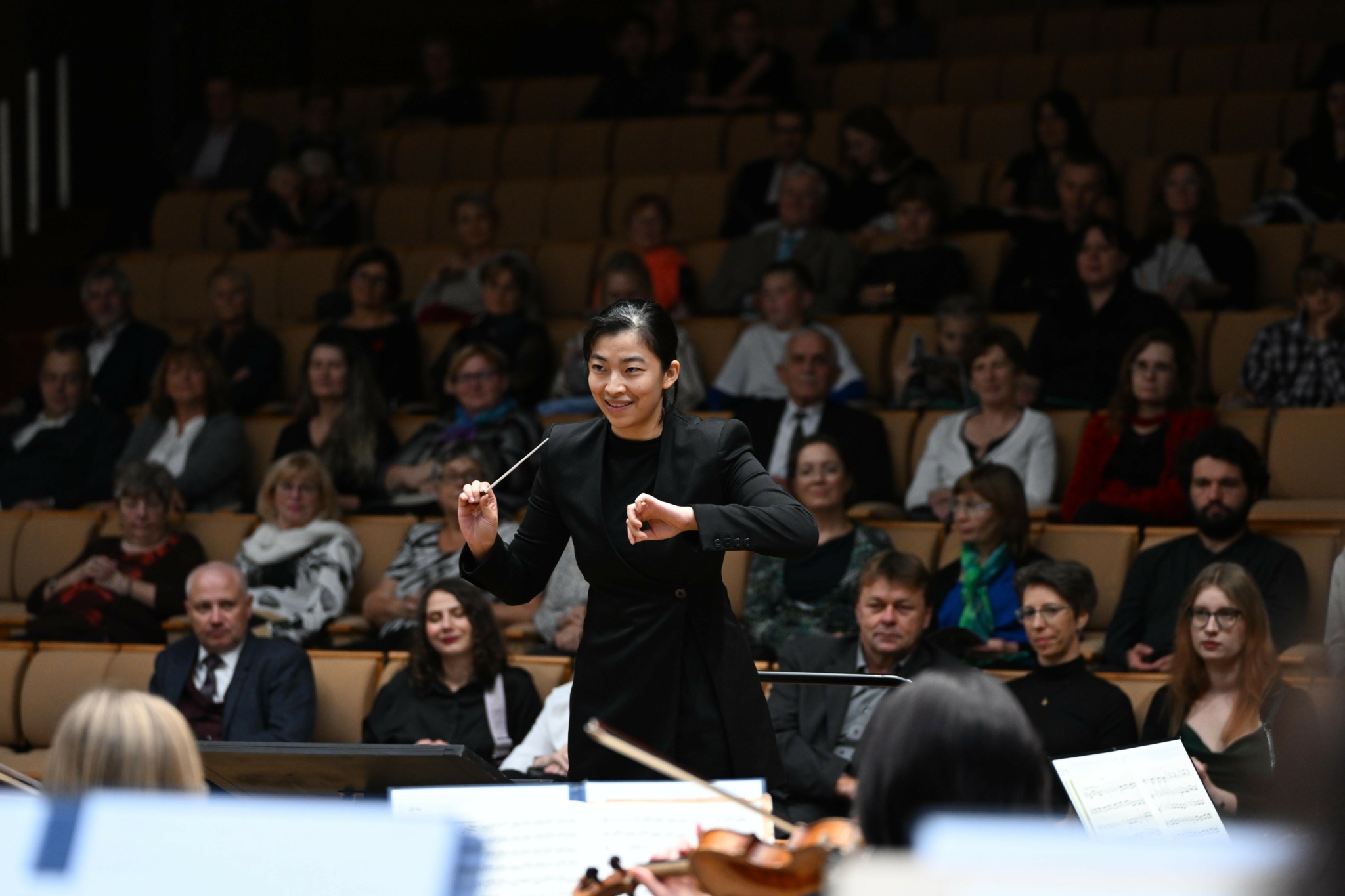
Do you think there is something that non-creatives might struggle to understand about your journey as a creative? Maybe you can shed some light?
The concept of practicing conducting has always intrigued—and sometimes confused—my non-musician friends. Unlike other musicians in the orchestra, we do not actually produce sound. Conductors make no sound; our instrument is either the baton or our hands. The only time a conductor truly gets the opportunity to “play” is when standing in front of an orchestra. So, outside these short periods, what do we do to practice conducting?
The answer is simple: we do what other musicians do when they are not performing—and more. We spend most of our time studying the score: what is written, what is implied (such as performance practice and composer-specific notation), and the background of the piece. We consider the work’s place within the composer’s oeuvre and within the broader span of music history. We learn each instrumental line, and if there is a vocal line, we learn the words—whatever the language—and sing the pitches. We practice techniques so that our gestures are universally understandable, ideally from every angle, whether from the last chair of the first violins or the tuba section. We do this through video analysis of our rehearsals and concerts, or by waving our hands in front of a mirror to see whether our hands, facial expressions, and body language clearly convey what we want to express.
Beyond these preparations, there are many other aspects of the job: programming, recruiting, auditioning, socializing, fundraising, negotiating, and more. What the audience sees us do on the podium is just the tip of the iceberg—but it is a beautiful tip through which we can convey our vision and hopes.
Contact Info:
- Website: https://www.sallymyu.com/
- Instagram: @sallymyu17
- Facebook: https://www.facebook.com/sallyu17
- Youtube: https://www.youtube.com/@sallyu17
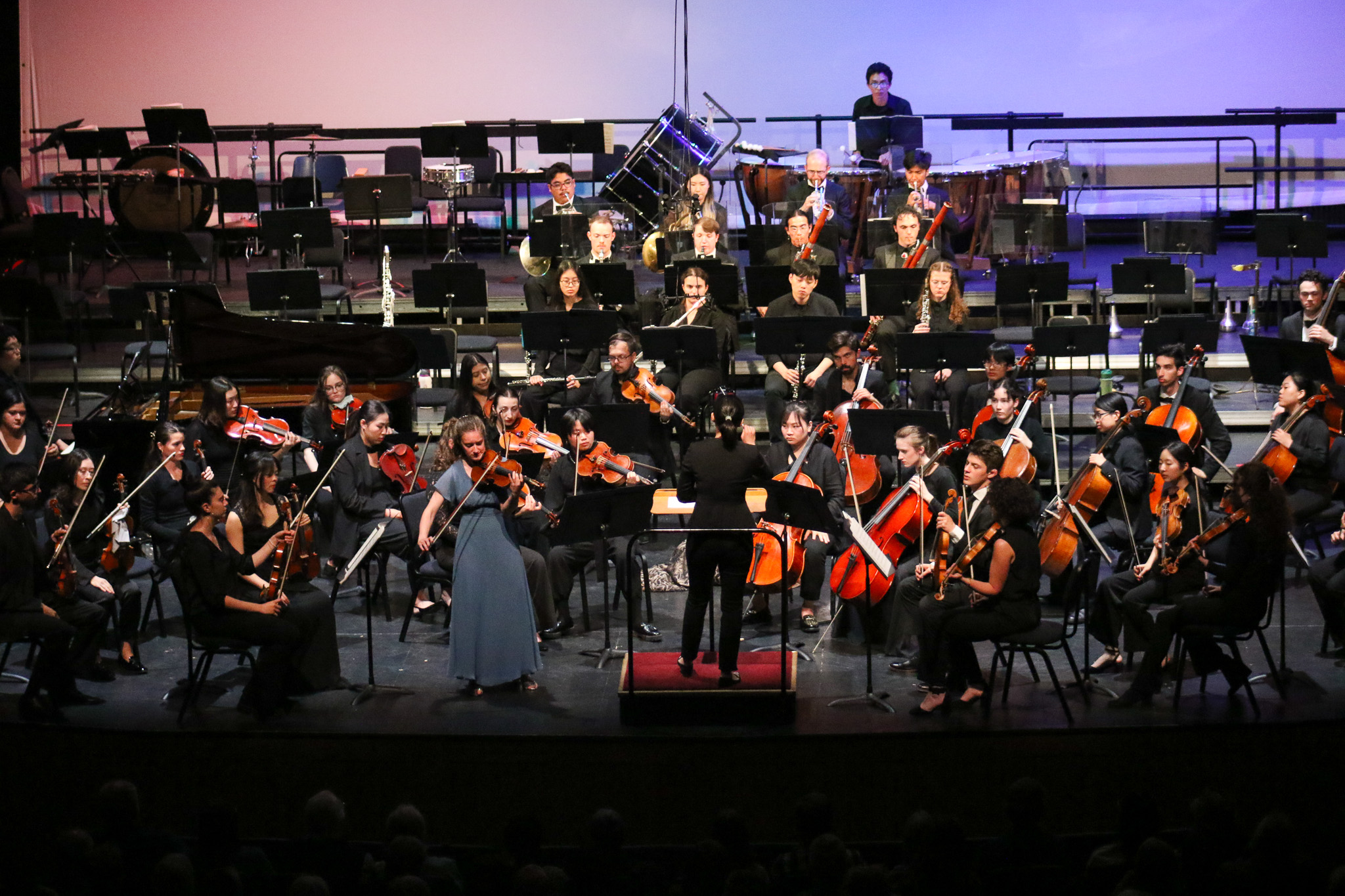


Image Credits
Sally Yu Photography
Jura Tros Photography
PRISMA Festival
Orchestra’s Conductor Romania
Abyss Dubrovnik Diving Shop