

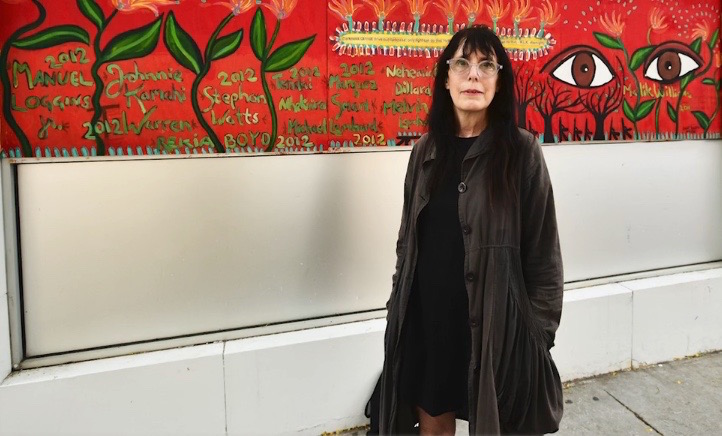

We caught up with the brilliant and insightful Sally Young a few weeks ago and have shared our conversation below.
Sally , looking forward to hearing all of your stories today. Are you happy as a creative professional? Do you sometimes wonder what it would be like to work for someone else?
I have done many things in my life to survive. I was a single mom and an artist who landed in the East village in 1980 with a 2 year old. I left the Cass Corridor in Detroit for NYC not knowing what the future would bring and also had a solo show scheduled at the Feigenson-Rosenstein Gallery in Detroit the following Spring. I was very young and went blindly into the future making the art in an unheated Bowery loft with no hot water throughout the winter with a young child. I worked construction jobs to make money, built all the crates to ship my art and had a successful show. After that I moved eastward towards Ave B and C. It was hard to make art, raise a child, and make a living all at the same time. Survival and my child came first, then my art, and I did both, but the gallery wanted what I couldn’t give. If I had stayed in Detroit I could have probably given them what they wanted but I needed to grow and moving to NYC regardless of how difficult it was was the best thing I could have done.
A job was a problem. My mom sent me a briefcase and my young daughter fantasized me picking her up from daycare, a professional carrying a briefcase, to bring her home after a day at the office. That fantasy didn’t last for long as I took on construction and carpentry jobs in the Theatrical Scenery business. The East Village art scene erupted and I dragged her along to openings and performances that engulfed both our worlds as she became part of films and performance events that needed a child, and she loved it. Life in the East Village was fun and it was tough at the same time. We had fires spread from a neighboring empty building twice, and life without heat and hot water. I did only small work in those days, mostly collages that are still really special that survive and also some mechanized sculptures that for the most part didn’t survive. I fell into designing costumes for dancers while running a Theatrical Sewing business, Armadillo Design that I started in 1983, and also designed hats. I had another child, a son, in 1994, and opened a store to survive. Started teaching children at Children’s Aid Society where my son went to Afterschool and eventually left the store to teach. The Theatrical Sewing business was successful until it wasn’t. Most of my work was with the fashion industry and when the AIDs crisis hit in the late 1980’s everything changed. Jobs that sustained me for a year disappeared due a total re-organization of the fashion show industry. The 1990’s really changed my direction into being more creative with design which is when I started a Hat design business when hats were big. I’ve shared finances with a partner since 1996 which has made life as an artist easier but I work at a job all the time. I have run a business, currently co-chair an Events Program with my community garden and am also the treasurer. We are flourishing as an arts hub that delivers free programs and pays it performers and facilitators. I do not get paid because I am a garden member, but participate in fundraising events that pay artists. This is a job that in the outside world could pay six figures, but I don’t know where I would fit in in a real world setting. Right now it all comes down to making my art. Since my younger child left to become a successful person in his own right, I have used what had been the children’s bedroom in my apartment as my studio, which was life changing. I work on my art every day. My day starts with reading the Guardian, then the NYTimes, cooking for the evening meal, and cleaning the apartment with the help of one of those robot vacuum cleaners. I work teaching children in the afternoon which I love to do. At night, after the kitchen is cleaned and the coffee started for the morning, I draw, paint, write, or edit photographs when the day and its obligations are behind me, much as I did when I had small children. That is when my mind is free. It is my space then. I own it. Even when I go out at night, I try to at least end the evening with a drawing if I can. The ritual is important to my creative life.
Anytime I ever considered a job I knew I could do-I didn’t have the credentials to back it up-just the experience, and probably more than the person who got the job. Then after that I thought, that job would take over my life-when could I make my art? So making art wins and I have no regrets. It will eventually pay off and if it doesn’t, that’s OK too.
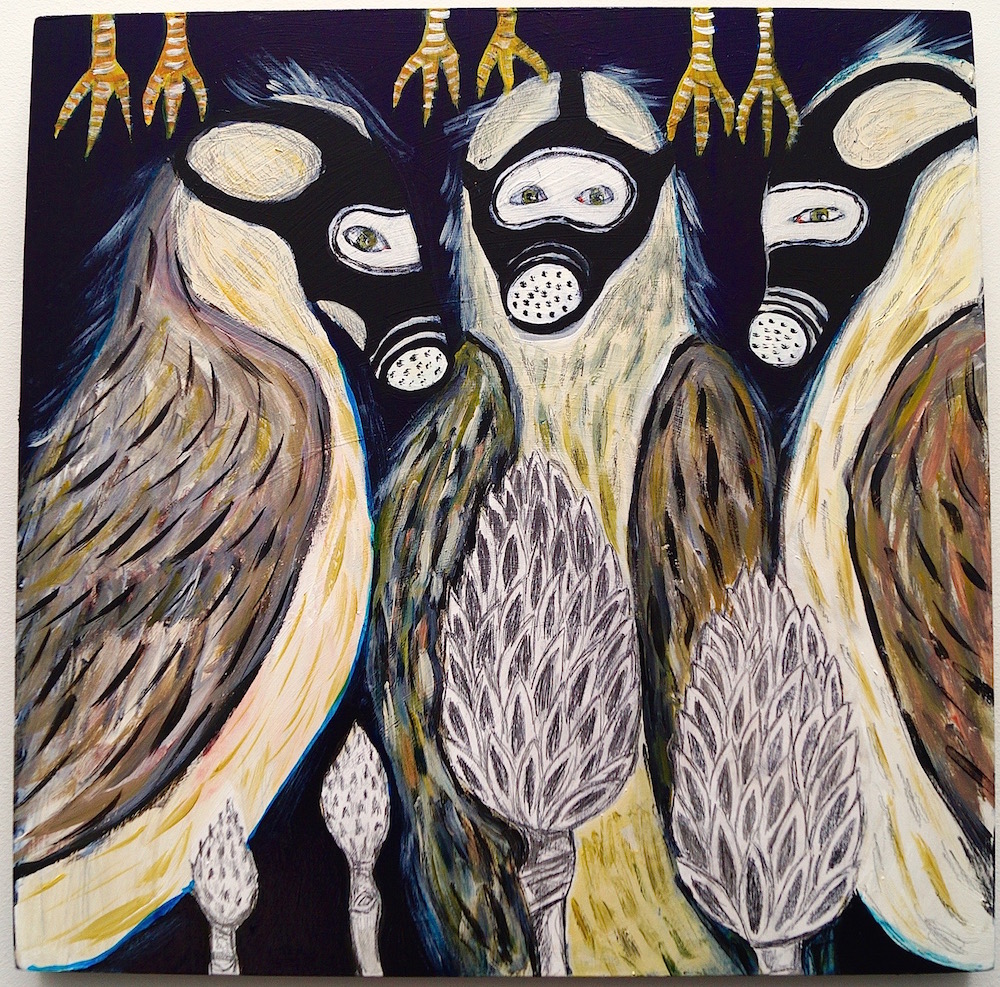
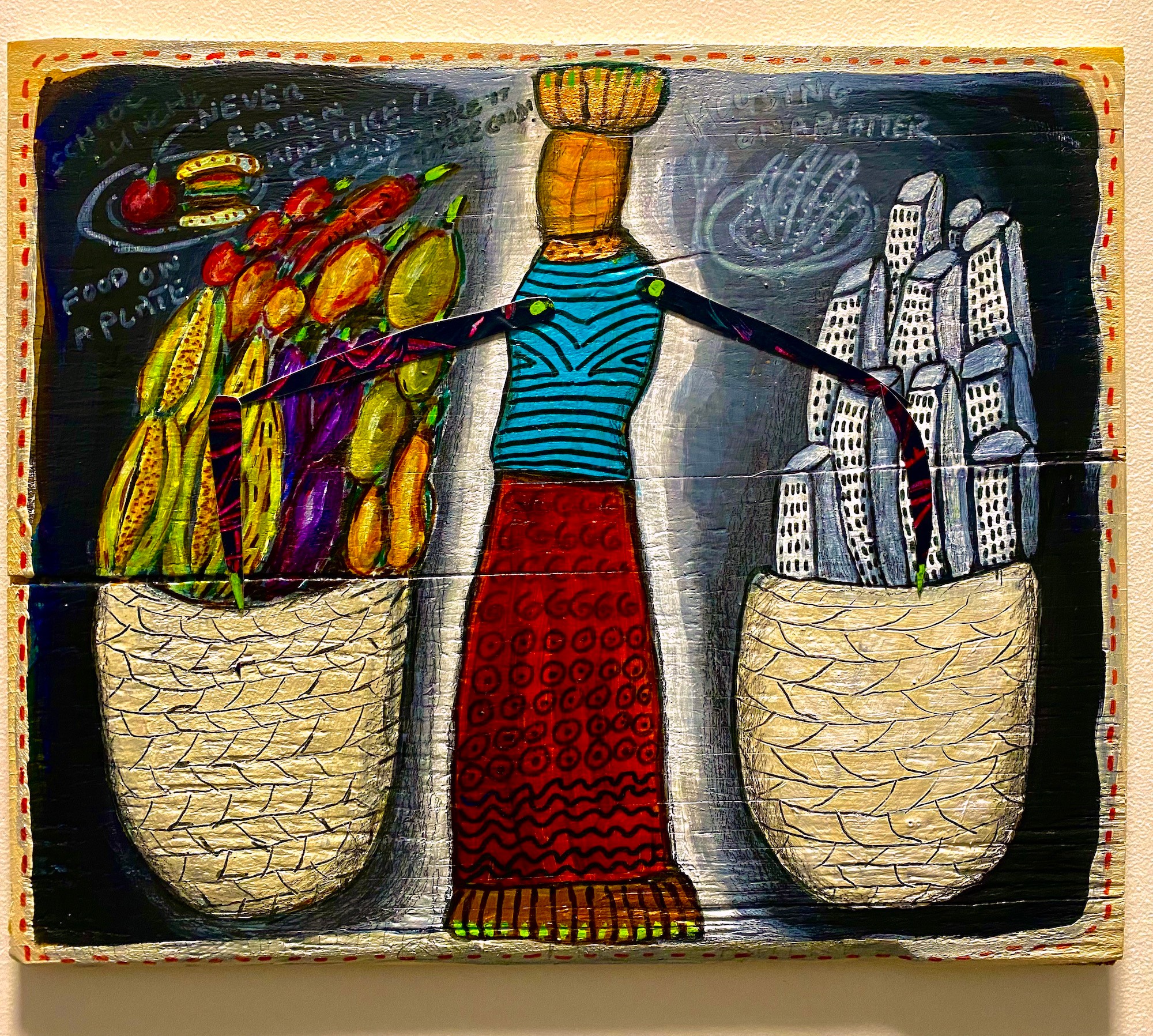
As always, we appreciate you sharing your insights and we’ve got a few more questions for you, but before we get to all of that can you take a minute to introduce yourself and give our readers some of your back background and context?
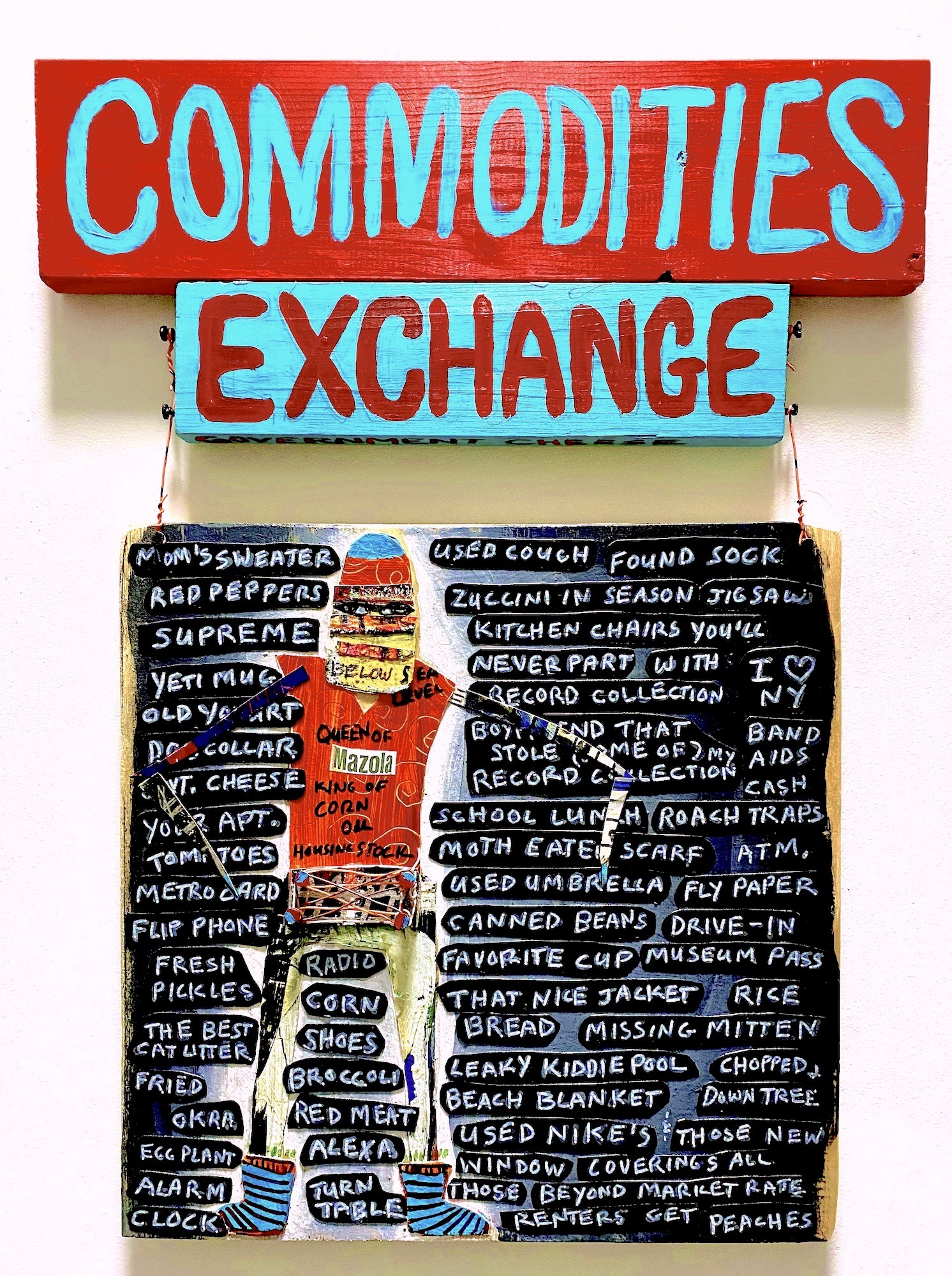
First and foremost at this point in my life, I am an artist. Primarily a painter/constructivist, although I also work with photography that has at times worked as a basis for paintings and constructions, but also works on its own in its own right. Words have also played a big part in my life as well in memoir writing and poetry. My favorite writing though is collage poems, that I’ve been doing since I was 18. Collages and collage poems were the bulk of the artwork I did while raising children. They were small pieces of work that could be made at the kitchen table, late into the night when children sleep, which also functioned as a studio for many years. For around twenty five years I actively ran a sewing business, that had a wide range of endeavors during its time as most active, from theatrical props and costumes, fashion show runways and draperies, to hat design and eventually children’s clothing design. I still design T-shirts but screen them on a pro-bono basis to raise money to support the Events Programming at my community garden.
I can’t say I have a brand, and am not affiliated with a particular gallery although I regularly show my work and have had several solo shows.
What I do is work on my art consistently. I particularly like to work at night when the day and its demands are done. That is when I can completely work on my art and focus on what I am doing. I work every night or day with very few exceptions, even if it is just to do some quick drawings in a notebook or write a few words. I don’t stop. This is how to grow your work and find out about who you are and what you are doing and how it is to be expressed. I’ve always worked a job because I need to. If I could support myself off of my work it would be great, but it’s not an option now. I also like working, which in this case now, is teaching children, It keeps my mind open and I learn a lot from children and I hope they learn a lot from me as well.
If I could give any piece of wisdom, it would be to keep working at what you do, work every day or night at something. A lot can be learned from repetition, one day you’re doing something that you’ve been doing for a long time and something changes and evolves into something else, but you won’t get there without working at something everyday.
It’s also important to just create things and enjoy the process: make stuff, grow plants, cook, bake, mend your clothes, tidy your house, express yourself through your clothing choices…the list is endless but whatever you do is not to forget you and spend part of your day on your expression of yourself and getting to know yourself and a great way to do this is to find out what you are capable of doing, making, or facilitating in your life.
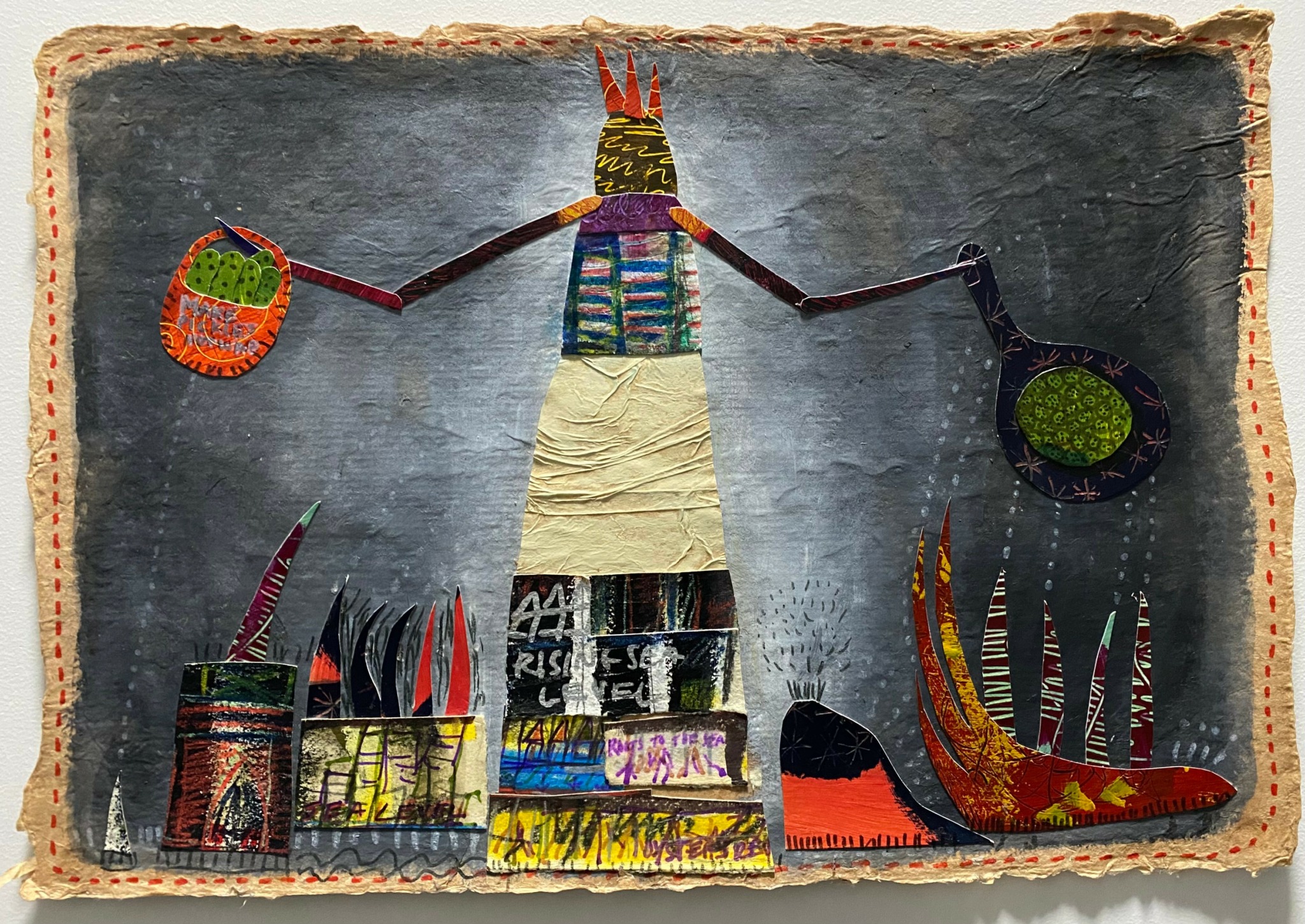
We’d love to hear a story of resilience from your journey.
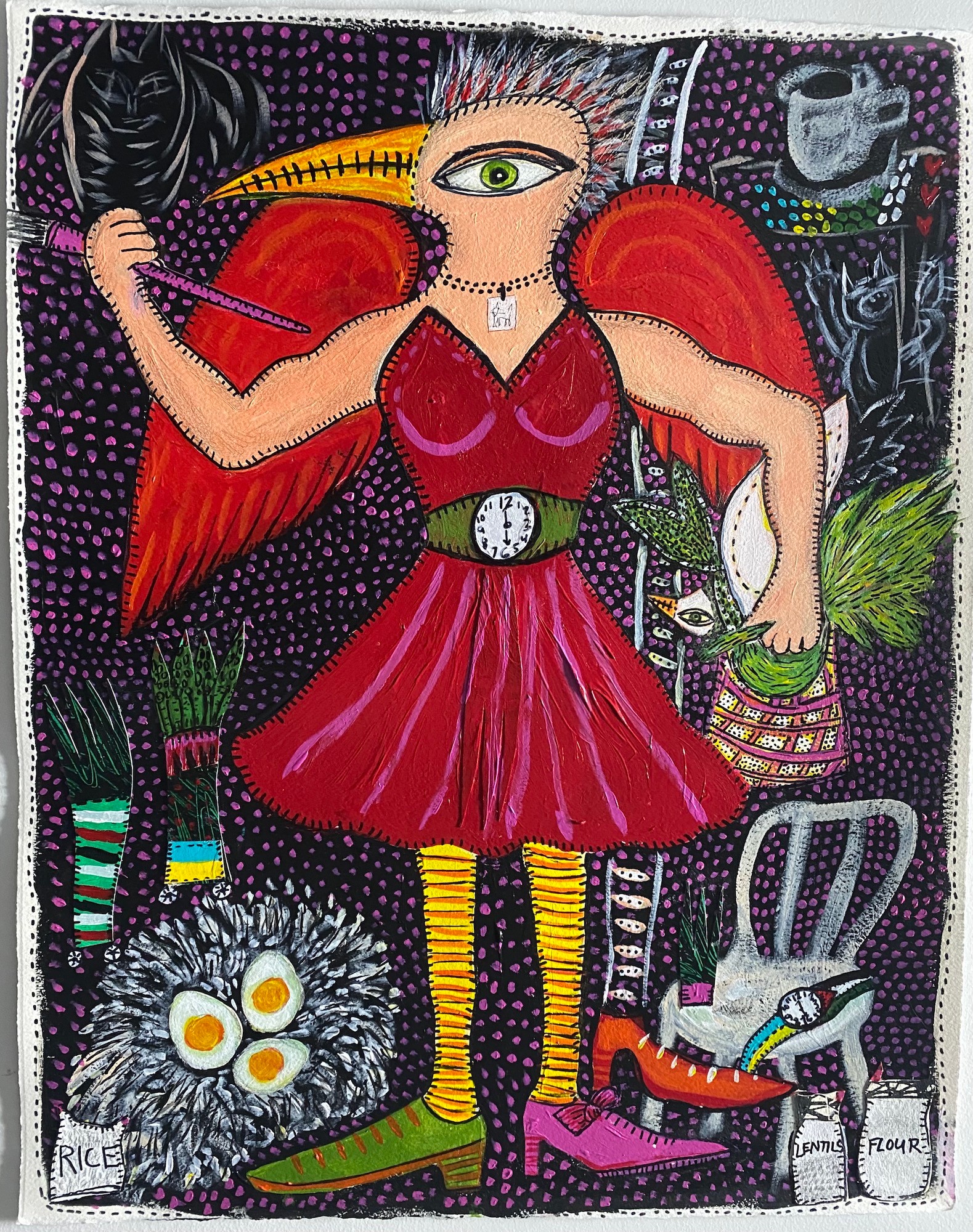
I moved to NYC in 1980 with a 2 year old and as a new single mom. I was from Detroit’s Cass Corridor, in itself a haven for artists and locals alike, and probably would have done great there if I had stayed. I was already with a gallery, had a big apartment and studio space, but I was very young, newly divorced and knew I had some growing to do. I just didn’t know how much. I landed in Tribeca for 6 months, then the Bowery for about 9 months where I put together a solo show and then moved to Ave. B in the East Village/LES. For the first 10 years I raised my daughter in various tenements and a loft mostly without heat or hot water. We went through two fires on 6th Street spread from the adjacent empty building, and I was mugged and beaten, on East 10th Street, playing dead to get my assailant, who I never saw, to leave, ironically in front of one of the only buildings that actually gave me heat and hot water. None of this is in chronological order, but it all happened in the middle of the most amazing explosion of art and expression that could be imagined. The East Village thrived with art, performance, music, galleries, as well as an already thriving Hispanic, Latino, Ukrainian, and Jewish community. Artists made art, developed photos, played music, performed in “uninhabitable” spaces. We ate food in the restaurants that sometimes introduced us to new foods that became widely accepted and loved, and nourished us for less money that it would have cost us to make it. In one of my blocks, one that was particularly important to me, and I’ve written many memoirs on it, East 6th Street between Ave. B and C, was the scene of fires but also the scene of children from the block that played on the street with toys made of cardboard boxes. Later many congregated in my apartment with my daughter for spaghetti dinners, kids of drug dealers who also protected me because I took care of their kids. Break dancing had travelled to the East village and large sheets of cardboard was spread on the street for a makeshift dance floor. Music was provided via boom boxes and the street was alive. East 6th Street between B&C was a small village that many of its inhabitants rarely strayed far from. During this time, the community gardens sprung up throughout the whole neighborhood because so many buildings were demolished leaving vacant lots. I was part of one on E. 6th Street that was sold because it was a private lot. After that I moved to the big 6th Street and Ave. B garden in 1985, that I am still a part of. I now Co-Chair the Events Program which provides music, workshops, cooking with kids, poetry, etc throughout the outdoor season. We pay our participants via fundraising. My garden is a beautiful space that countless people visit throughout the year and is maintained entirely by volunteer garden members. It’s one of the many Community Gardens that still survive as a result of the 1980’s garden movement. I still live in the East Village but in 1990 moved from the Ave. B’s and C’s, back to the Bowery area that I started in and continue to live in my rent-stabilized apartment. What I love about the East village/LES/Bowery area is its diversity of cultures, races, and ethnic groups that all compliment each other and reside together. We all learn from each other and the diversity has played a big part in my life as well as my children’s life especially in those early years. In 1994 I had a son that grew up from birth in the Bowery area apartment, and also with the garden movement further east.. All these experiences shaped not only my life but my children’s lives in a positive way. I might add they are both thriving, and growing up in the East Village was an incredible and positive experience.

What do you find most rewarding about being a creative?
This is in part from a conversation I had recently with a fellow artist. What we talked about was that the greatest thing about being an artist is that you always have something to do, something to work on, to discover, and it never ends. Make art/make something/write something.
I’ve been doing some “Make Art in the Garden” workshops at my community garden, the 6&B. We supply watercolors, paper, and pencils, all for free. An amazing amount of people come to these workshops and are so happy to make art. All their phones disappear except when they want to document their creations. It’s amazing. Everyone is so chill and so happy. Nothing is judged and I think it is the best therapy for life. Most of the participants are Gen Z, although we do span all age groups. I love doing this!
Contact Info:
- Website: https://sallyonegun.squarespace.com
- Instagram: sallysonegun
- Facebook: Sally Young
- Other: “Women Artists of the Rivington School” is a group of women that made art in the 1980s that were never included with the male artists of the “Rivington School” of artists.Co-chair and Treasurer of the 6th Street and Avenue B Garden Events Programming that brings 50+ music, cooking, workshops, spoken word , etc. events throughout the Spring, Summer, and Fall, all for Free, but performers are paid due to fundraising.
Co-Coordinator with Anna Adler, of Typewritten Tales, a writing event where participants write using typewriters. A Zine is published the following year that incorporates all the writing collected. It has become a historical document of the East Village since it began in 2015. The writing session is followed by a poetry reading and then concludes with more writing on typewriters.
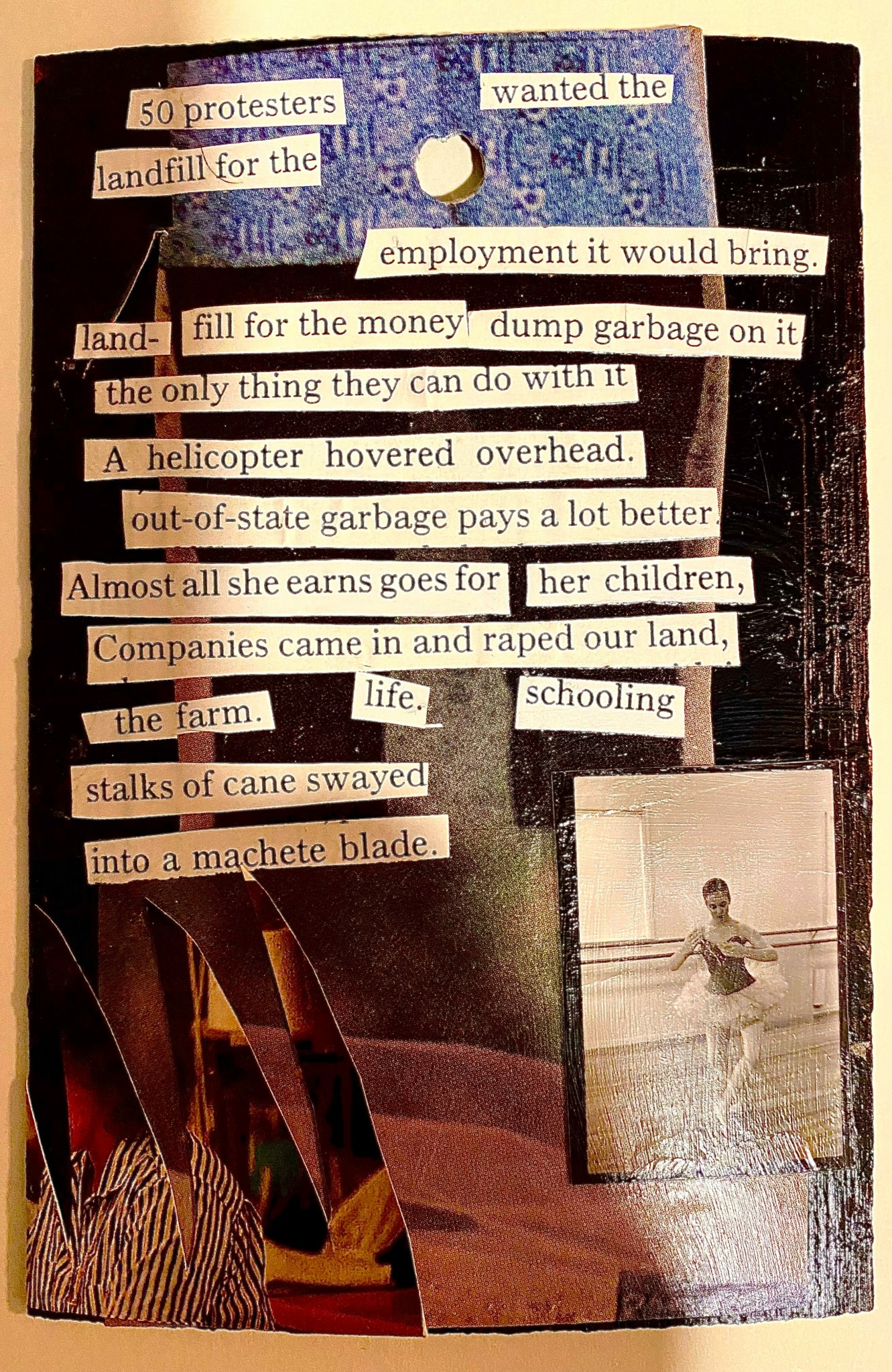
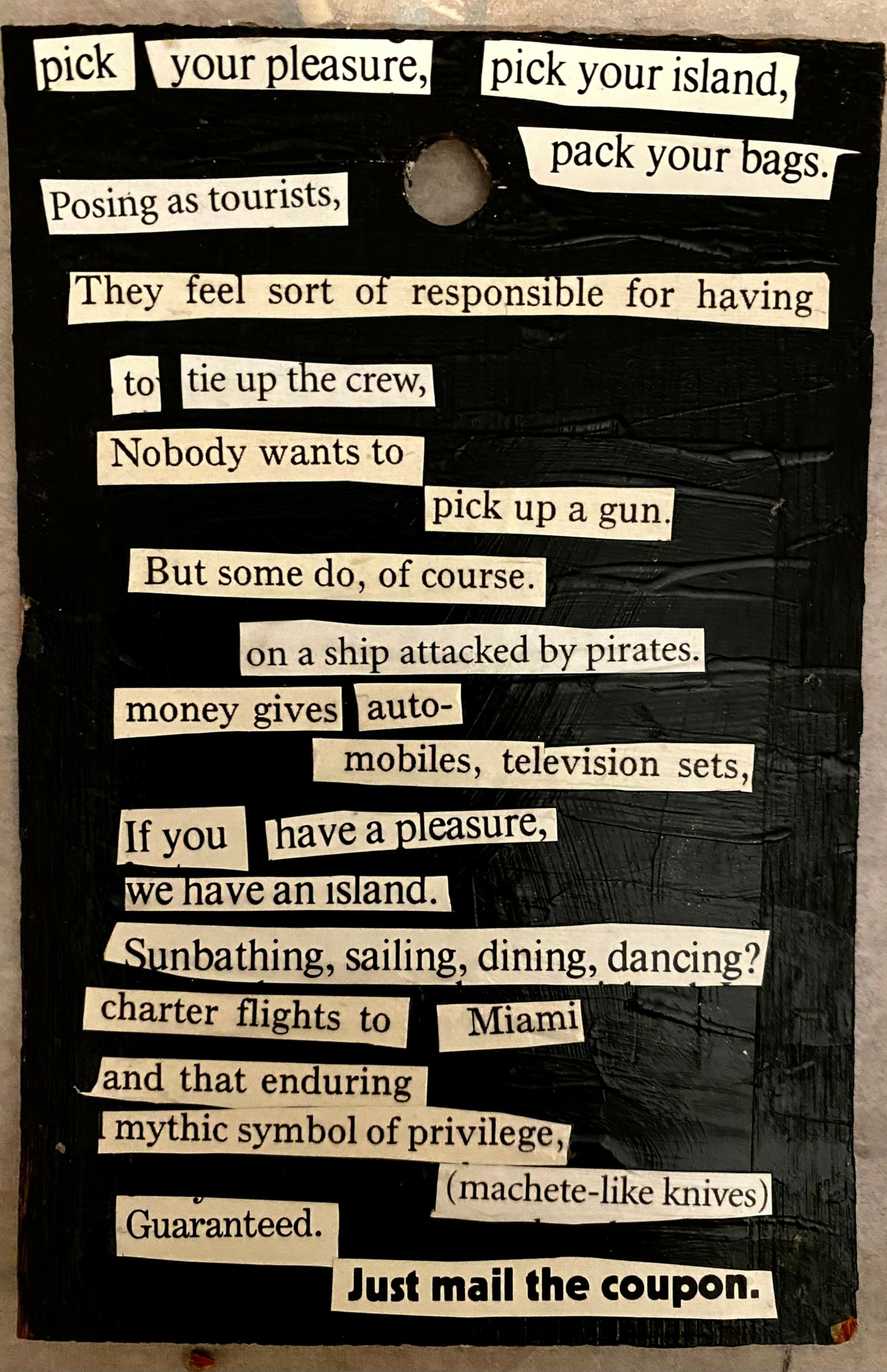
Image Credits
Portrait of myself in front of my BLM mural on East 4th Street, NYC, Summer of 2020, was taken by Tom Pich, portrait photographer for the Smithsonian. He did portraits of the artists as part of City Lore documentation, and it was not part of the Smithsonian. He told us we could use the photos as we wanted which I deeply appreciate.