



We caught up with the brilliant and insightful Salenah Cartier a few weeks ago and have shared our conversation below.
Salenah, looking forward to hearing all of your stories today. Let’s kick things off with a hypothetical question – if it were up to you, what would you change about the school or education system to better prepare students for a more fulfilling life and career?
Currently, I am a first-year Ph.D. student in a curriculum and instruction program. Prior to beginning this program, I completed a Masters’s Degree of Education in Curriculum and Instruction with an emphasis in Learning, Design, and Technology. A major factor in my decision to pursue an education track in technology was because I knew that I wanted to find a way to have a positive worldwide impact in the field of education. I know that technology holds the power to make learning more accessible, usable, and adaptive to fit the learning preferences and needs of all students. Through technology, we can teach students how to teach themselves, and by giving them that power, we’re giving them the key to a lifetime of unlimited growth. Effectively integrating technology into all lesson plans, and teaching k-12 and higher education students essential career-building technology skills is one of the changes that I would implement in the educational system.

Salenah, before we move on to more of these sorts of questions, can you take some time to bring our readers up to speed on you and what you do?
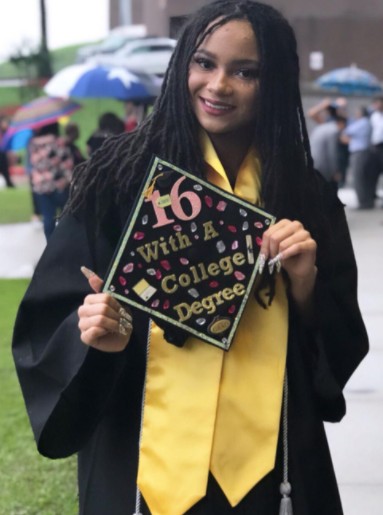
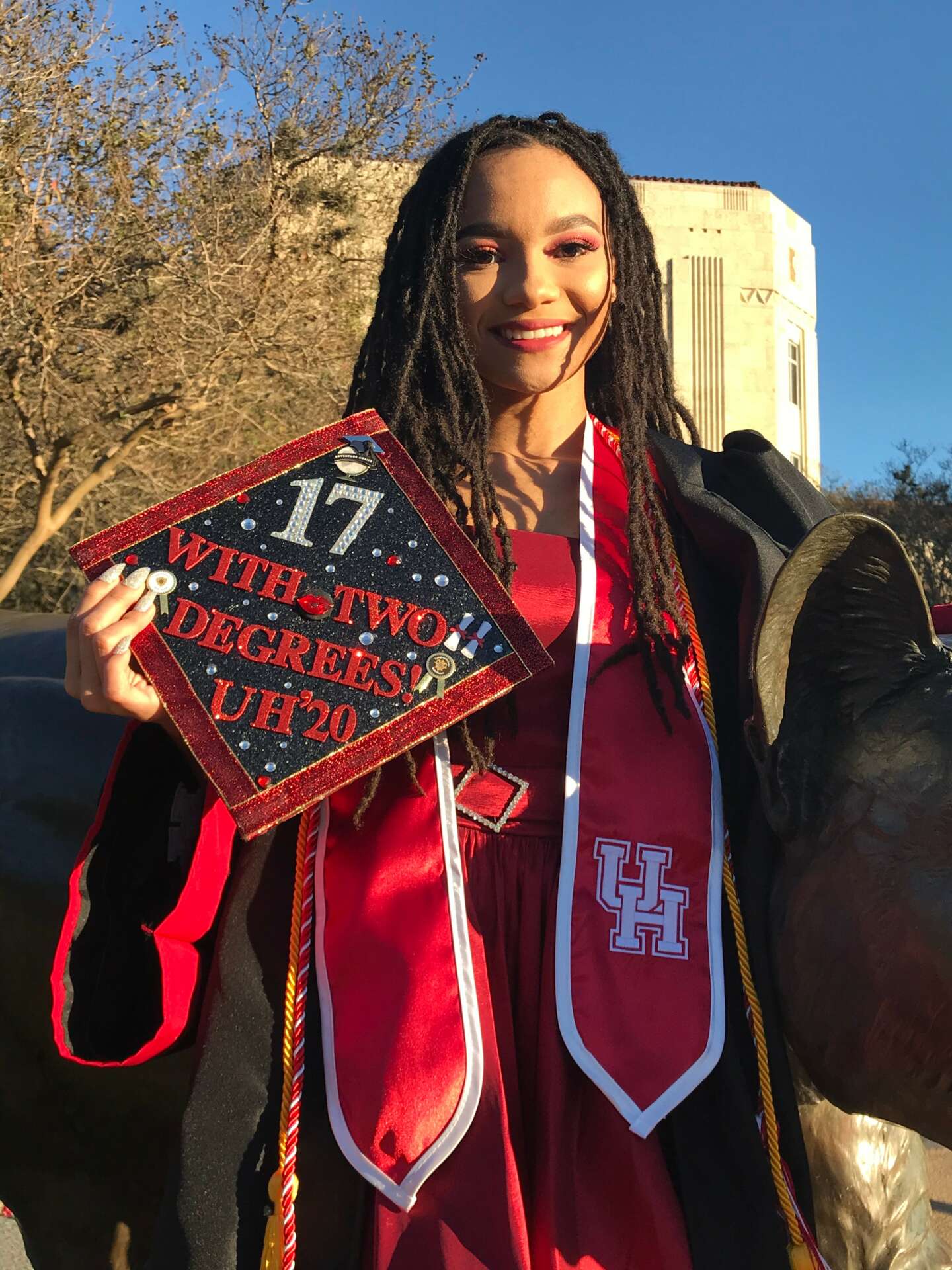
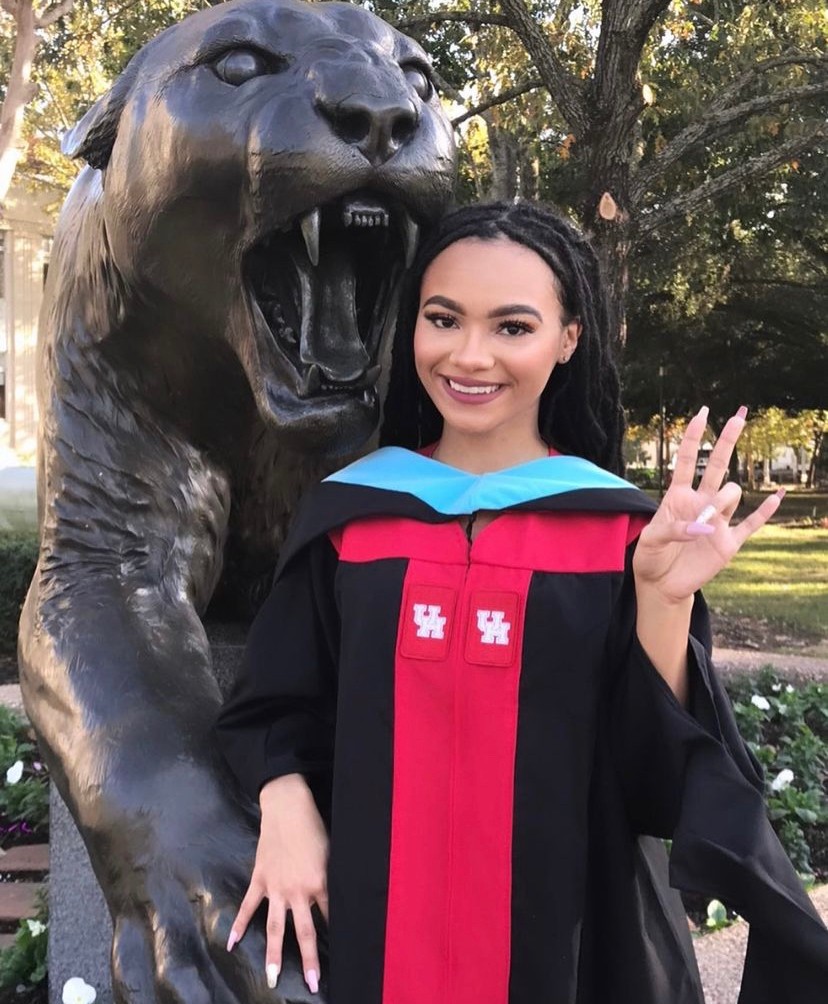
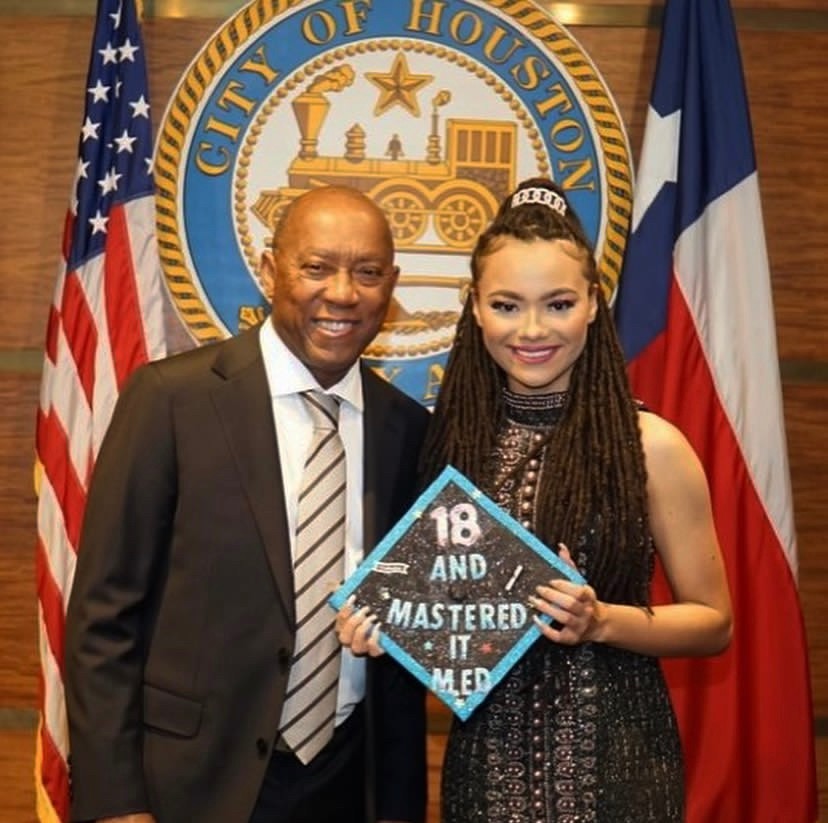
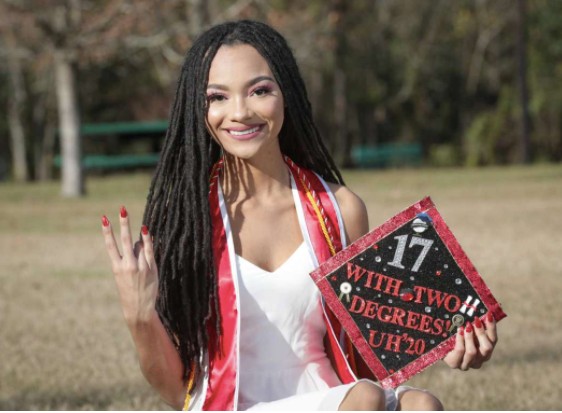
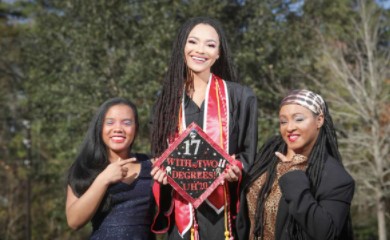
At the age of 14, I began my pursuit of higher education and enrolled at Lonestar College. At the age of 16, I graduated with an Associate’s Degree of Science. Then I transferred to the University of Houston and pursued a Bachelor’s Degree of Science in Psychology. At the age of 17, I graduated as the youngest 2020 graduate from the University of Houston with high honors. A few weeks following the completion of my Bachelor’s degree, I began to pursue a Masters’s Degree of Education in Curriculum and Instruction with an emphasis on learning, design, and technology. At the age of 18, I graduated from my Master’s program with a 4.0 GPA. Currently, I am 19 and a first-year Ph.D. Students pursuing a career in instructional design, research, and education policy.
Let’s talk about resilience next – do you have a story you can share with us?
After completing my bachelors degree in 2020, I knew that pursuing a doctoral degree was the next goal on my list. I received immense support and encouragement from my academic advisors and professors to go through with the application cycle. I felt confident and hopeful going into the application cycle, however, I knew that I needed to have a back up plan as the average acceptance rates for the programs that I was applying to was in the 3-6% area. I was told by my advisors that I had a high likelihood of getting in to multiple programs considering my GPA, test scores, professional experience, and network. While I did receive multiple interviews from various programs, ultimately, I did not receive an acceptance that round. This was saddening, I felt like I did my best and it still wasn’t enough. Of course, I hadn’t considered the impact that COVID-19 had on graduate funding and how increasingly competitive the already competitive admissions cycle had become as a result. I did receive a lot of positive feedback from the faculty that I interviewed with that I was able to utilize going forward. Instead of allowing myself to feel bad about the setback that I experienced, I decided to use the experience and feedback that I gained throughout the admissions cycle to become an undeniable applicant during the next application cycle. That year, I accepted an offer to a masters program, maintained a 4.0 graduate GPA, I balanced a research assistantship and a graduate assistantship, I volunteered every weekend, and I maintained strong communication with faculty from the programs that I was interested in attending. This application cycle, I received interviews from every program that I applied to. Additionally, I received 3 fully funded doctoral offers with 2 programs offering me the most prestigious scholarship packages offered by their university. Looking back, I am very grateful that things worked out this way and that I allowed my temporary setback to motivate me to train for a stronger comeback.
Have any books or other resources had a big impact on you?
A book given to me by a mentor that truly changed my life is The Happiness Advantage. I’ve read it multiple times, I reference it quite frequently, and I’ve gifted it numerous times. As someone who believes in the power of mindset and the impact that our outlook can have on the outcome of every area of our lives, reading The Happiness Advantage confirmed my beliefs. I am a firm believer in positive psychology, and I implement those practices every day.
Contact Info:
- Website: www.increasingeducationalaccessibility.com
- Instagram: https://www.instagram.com/salenahcartier/?hl=en