

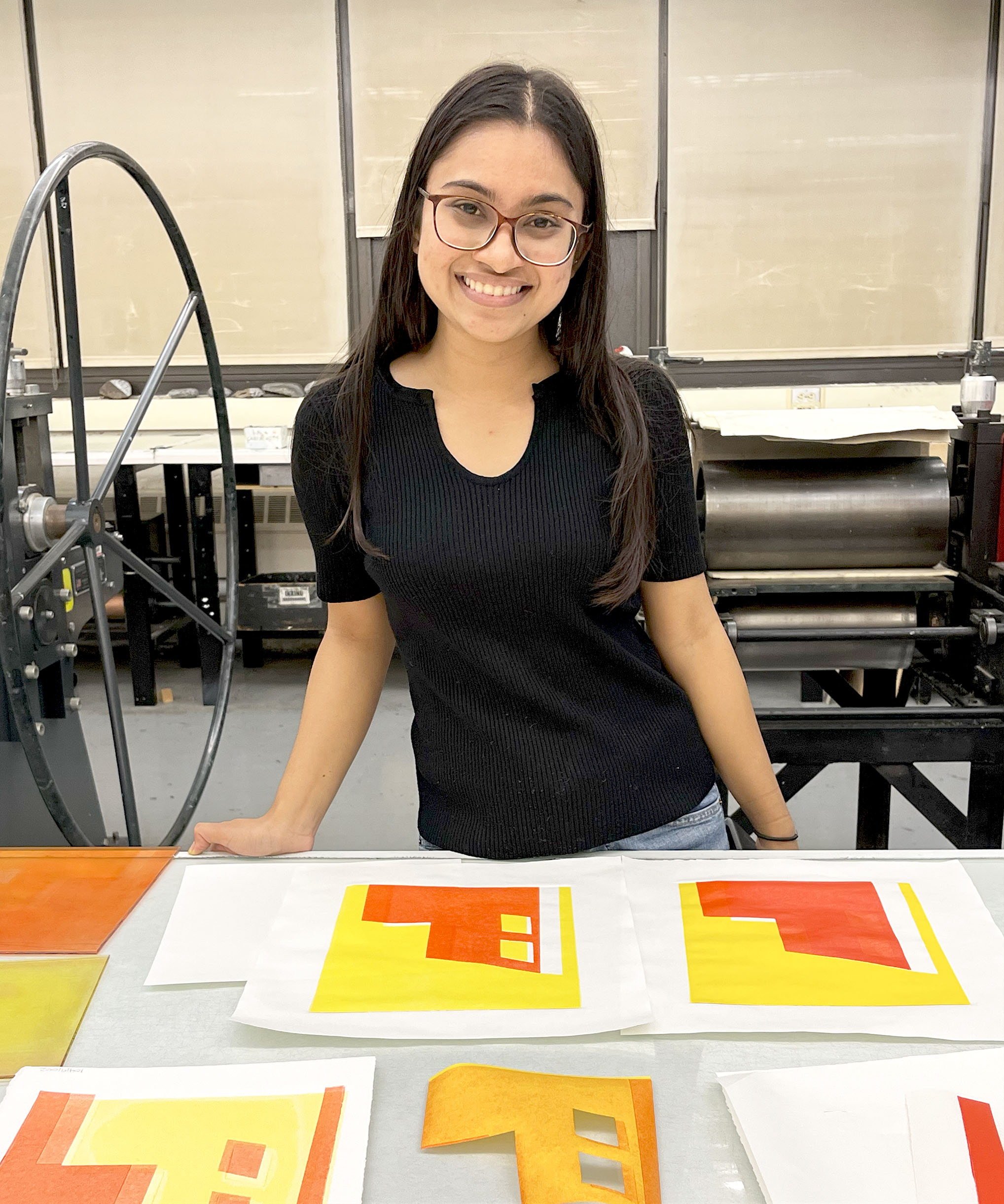

We recently connected with Sakshi Doshi and have shared our conversation below.
Alright, Sakshi thanks for taking the time to share your stories and insights with us today. Can you talk to us about how you learned to do what you do?
How did you learn to do what you do?
I first learned printmaking during my undergraduate studies in India, where studio practice introduced me to the craft and its possibilities. My foundation came through hands-on experimentation and guided exploration within the university setting.
Knowing what you know now, what could you have done to speed up your learning process?
Printmaking always needs more time for exploration and consistent repetition. More focused experimentation with different techniques and materials would have helped me enhance my skills.
What skills do you think were most essential?
The most essential skills in printmaking are technical precision, a thorough understanding of tools, and openness to experimentation. Process itself is a skill—the ability to work through layers, adjust to outcomes, and remain present in each stage of making.
What obstacles stood in the way of learning more?
The greatest obstacle was limited access to Printmaking press. Printmaking presses and studio facilities are often available in academic or institutional settings, making it difficult to practice independently outside of the university. This lack of accessibility can slow the pace of learning and limit experimentation.
Sakshi, love having you share your insights with us. Before we ask you more questions, maybe you can take a moment to introduce yourself to our readers who might have missed our earlier conversations?
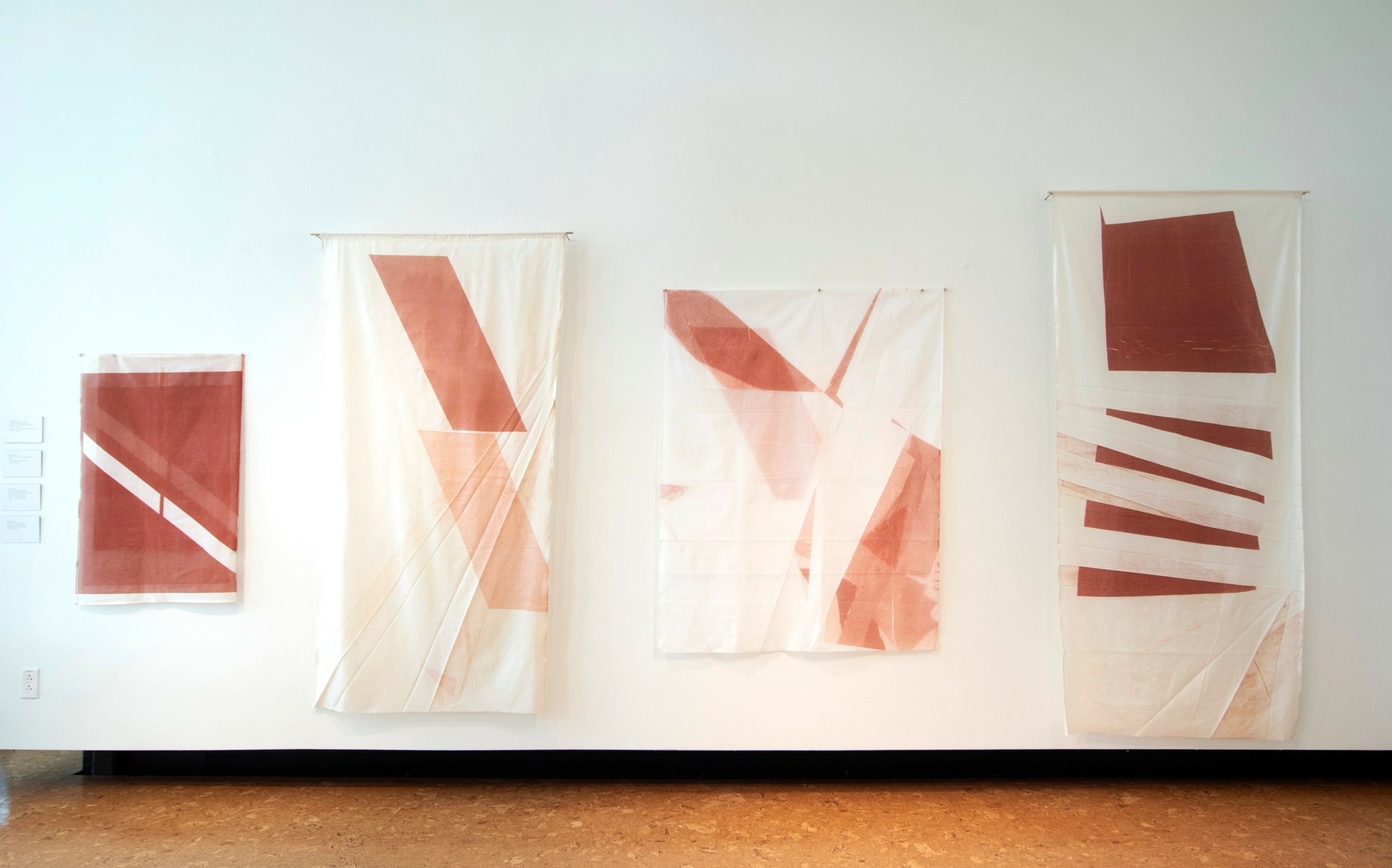
My name is Sakshi Doshi (she/her), and I am a New York-based visual artist, educator, and curriculum developer. I hold a BFA in Painting from Maharaja Sayajirao University of Baroda in India and an MFA in Painting from Boston University. My practice spans painting, printmaking, and photography, guided by a deep curiosity about how light and shadow shape the world around us.
I began my journey with painting and later discovered printmaking, which allowed me to merge precision with risk-taking. These two mediums continue to influence and expand one another within my practice. Much of my inspiration comes from walking explorations—observing how light transforms architecture, how shadows shift across surfaces, and how fleeting shapes form what I call “timestamps.” For me, certain architectural forms feel like home—spaces where memory and emotion freely reside.
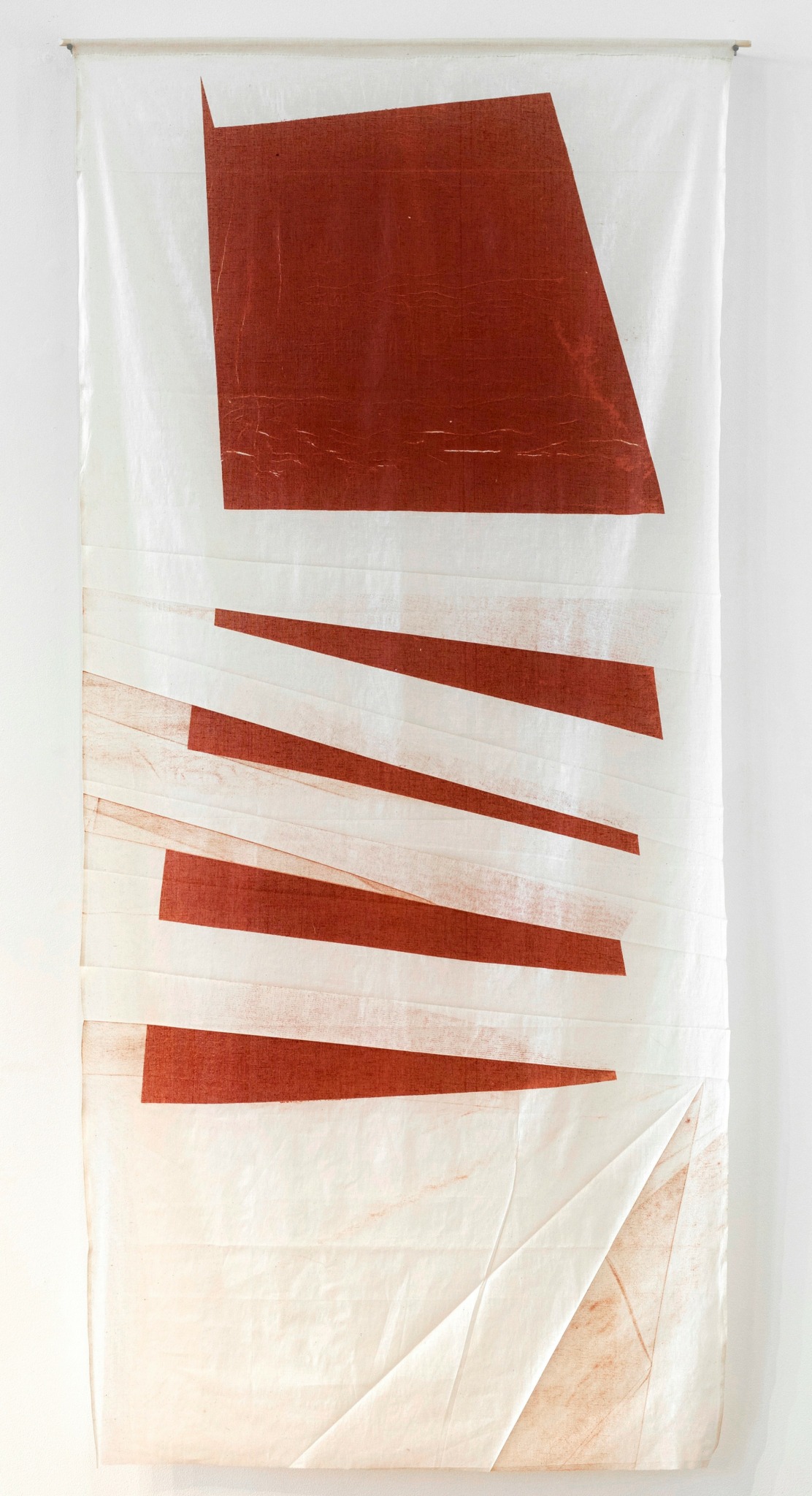
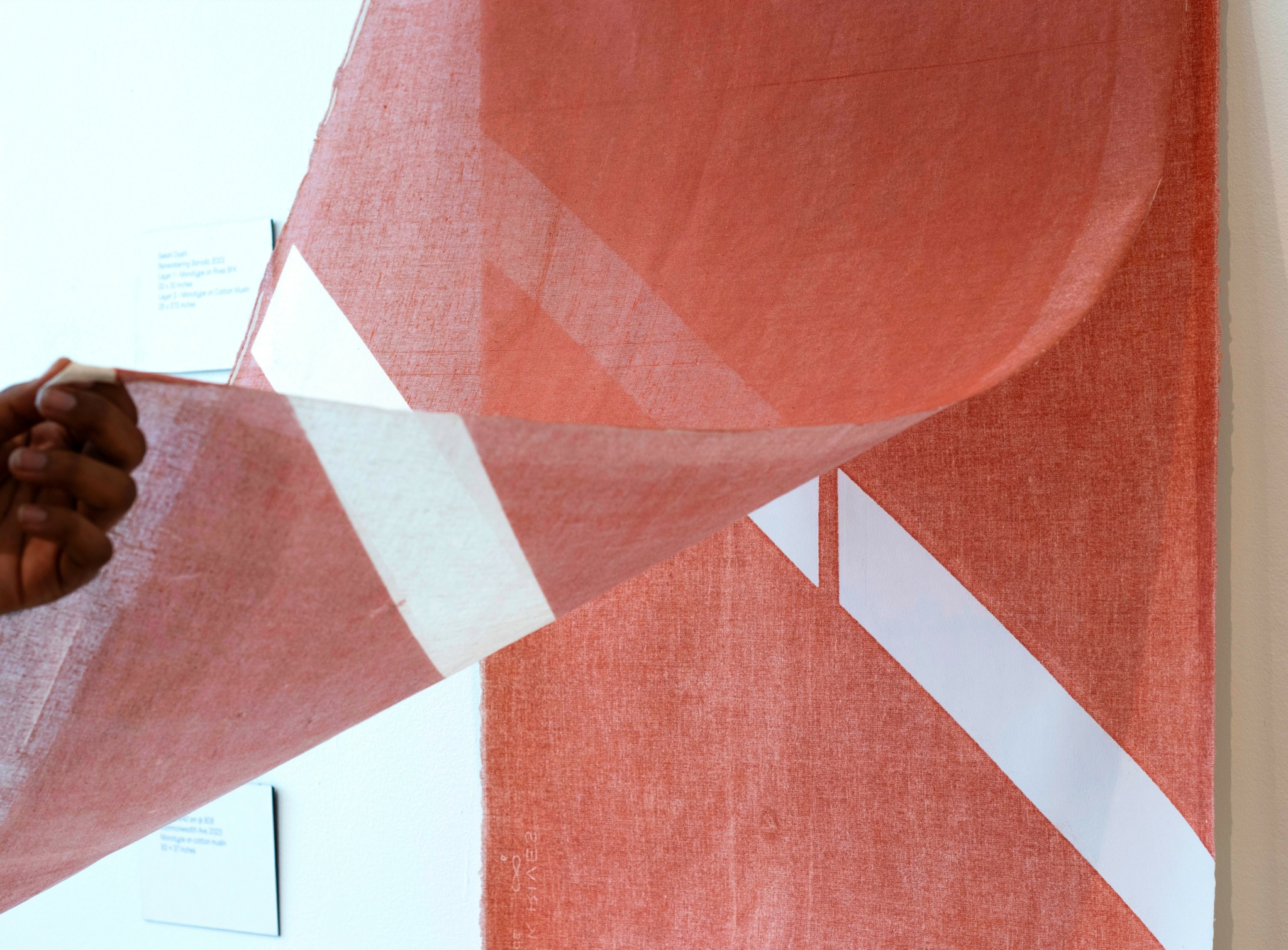
Currently, I am exploring cotton muslin, a translucent fabric I brought back from India. Using fresh ink, stencils, plexiglass, and the warmth of an iron, I create layered works that breathe, revealing subtle traces and inviting viewers to experience the quiet play of transparency and depth.
What sets my work apart is its process-based approach. Each piece carries the marks of repetition, subtlety, and presence. I am drawn to the delicate balance between control and unpredictability, whether through painterly gestures, printmaking techniques, or the intimate study of surfaces and materials.
I have exhibited my work in New York, Boston, and Mumbai, as well as on digital platforms, and I continue to expand my practice through collaboration and teaching. I am most proud of how my work sparks conversations about perception, memory, and the overlooked details that shape our environments.
For those encountering my practice for the first time, I want them to know that my work is not simply about creating images—it is about process, discipline, and discovery. Each piece is an invitation to pause, to notice, and to connect with the subtle interplay of light, material, and space.
What’s the most rewarding aspect of being a creative in your experience?
For me, the most rewarding part of being a visual artist is the awareness it gives me of how I live and move through the world. My life and my practice are deeply connected – it’s all part of the same process.
I find inspiration in everyday moments. When I go for a walk, look out the window, or simply pause to observe, I notice the small details—the texture of the ground, the openness of the sky, the shapes of buildings, or the feel of different materials. These moments remind me to slow down and stay present, and they often make their way into my work.
At the core, being an artist is about presence—staying curious, noticing what surrounds me, and letting those observations guide my practice.
What can society do to ensure an environment that’s helpful to artists and creatives?
I think one of the best ways society can support artists is by offering more residencies, grants, and scholarships. These opportunities give artists the time, space, and financial support to focus on their work, try new ideas, and grow without always worrying about money.
It’s also important to have affordable studio spaces, community workshops, and places where artists can share and collaborate. When artists have both support and space to create, it helps not just them but the whole community. Supporting the arts is really about keeping culture alive and helping people see the world in new ways.
Contact Info:
- Website: https://sakshidoshi.com
- Instagram: _sakshidoshi
- Facebook: Sakshi Doshi
- Linkedin: Sakshi Doshi
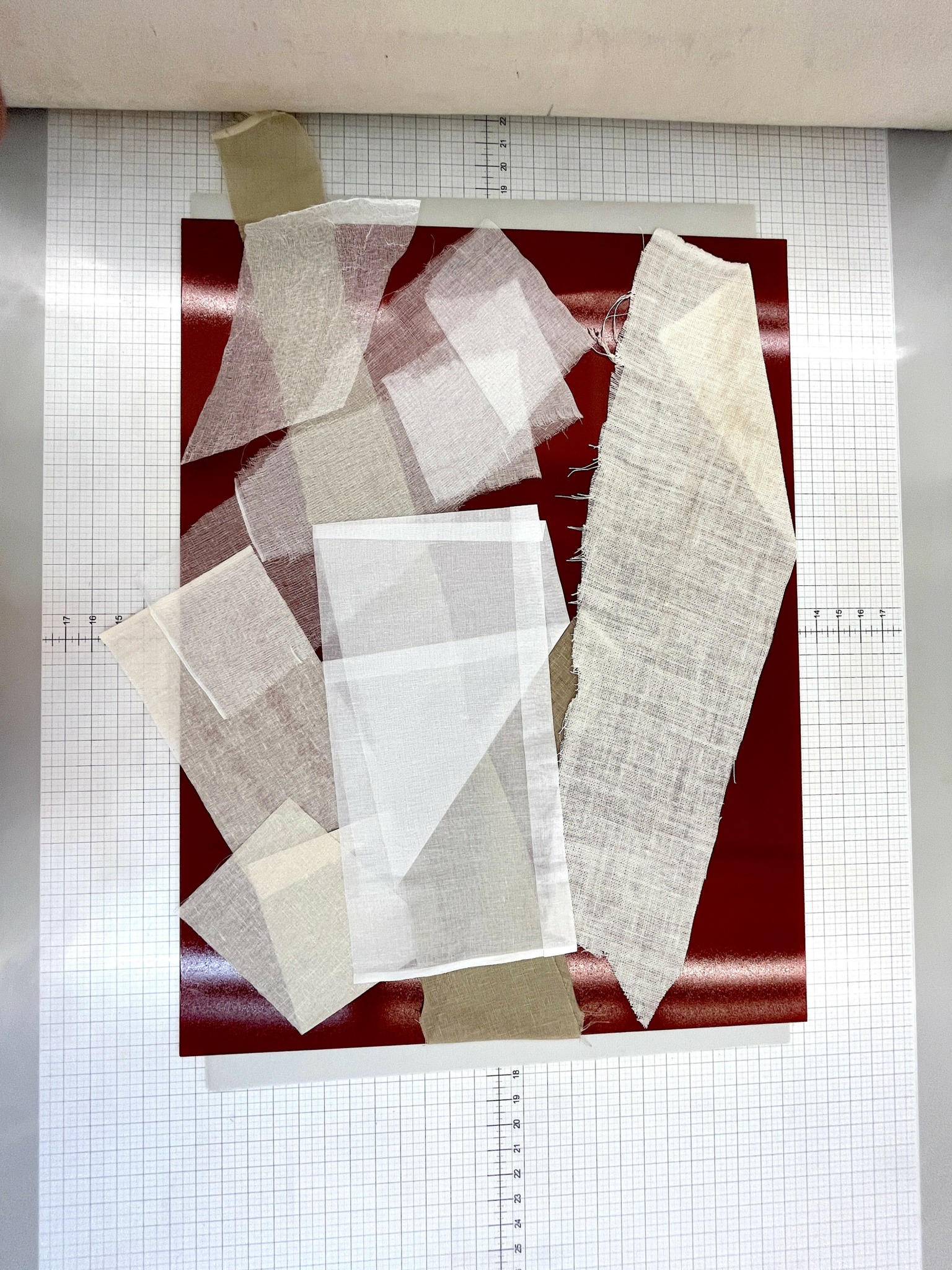
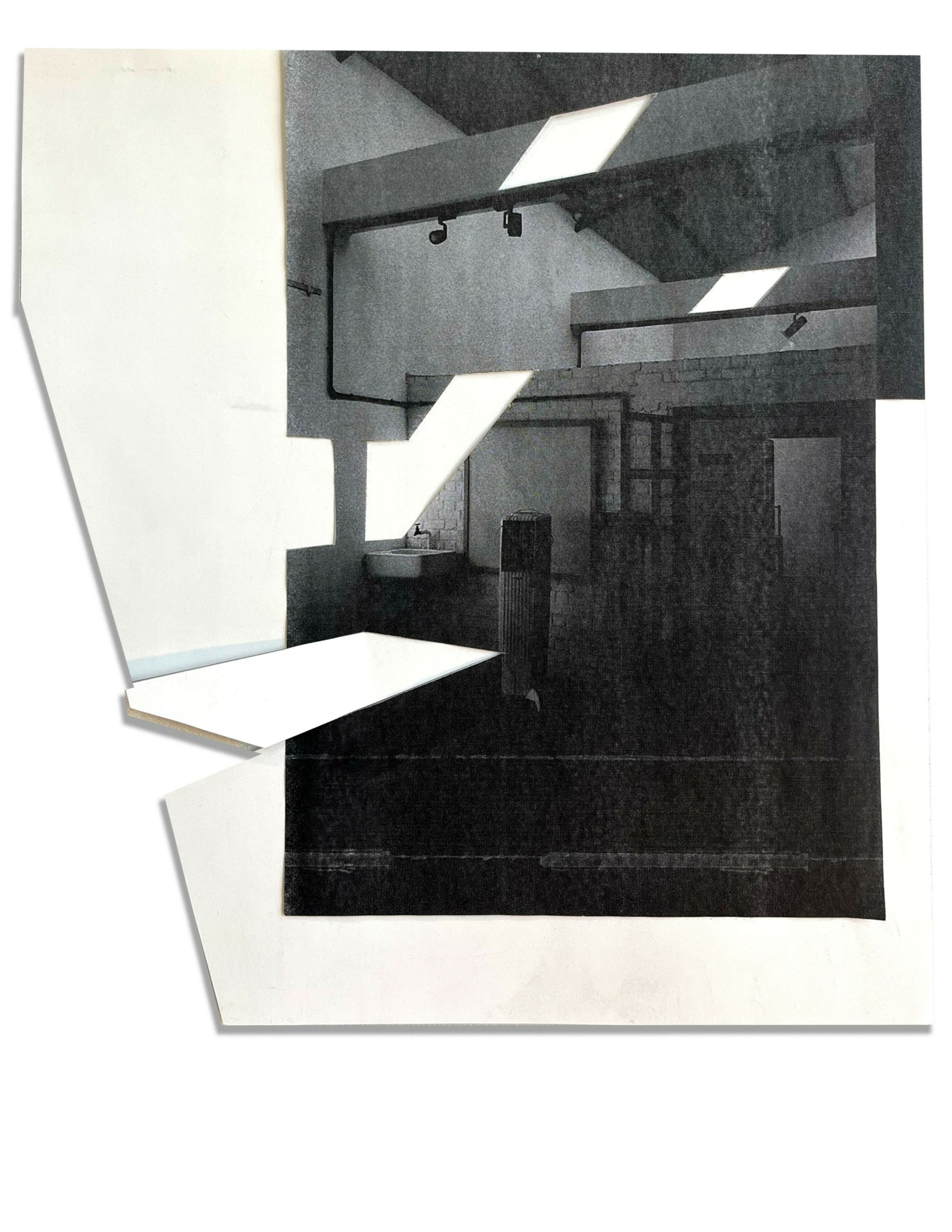


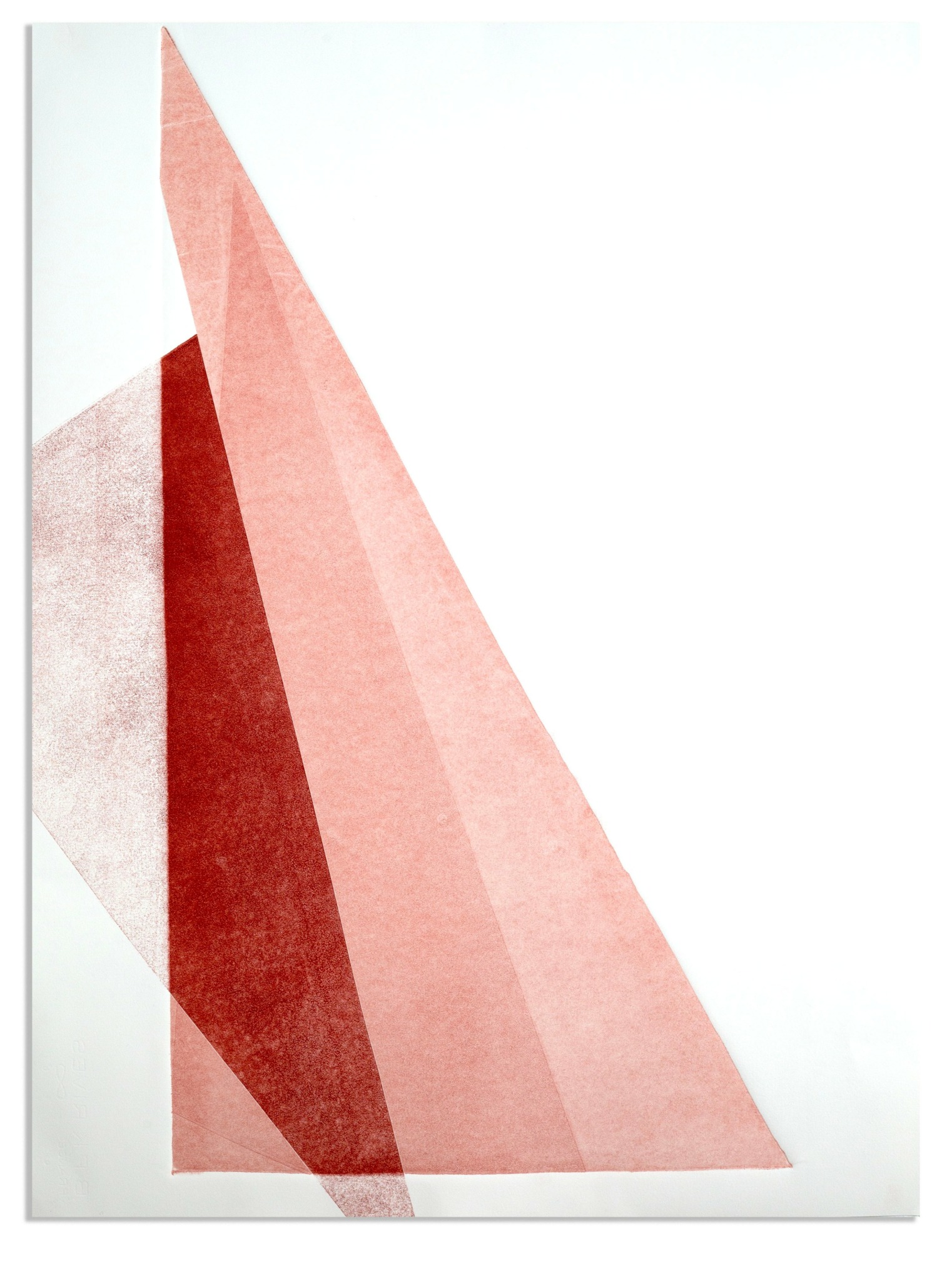
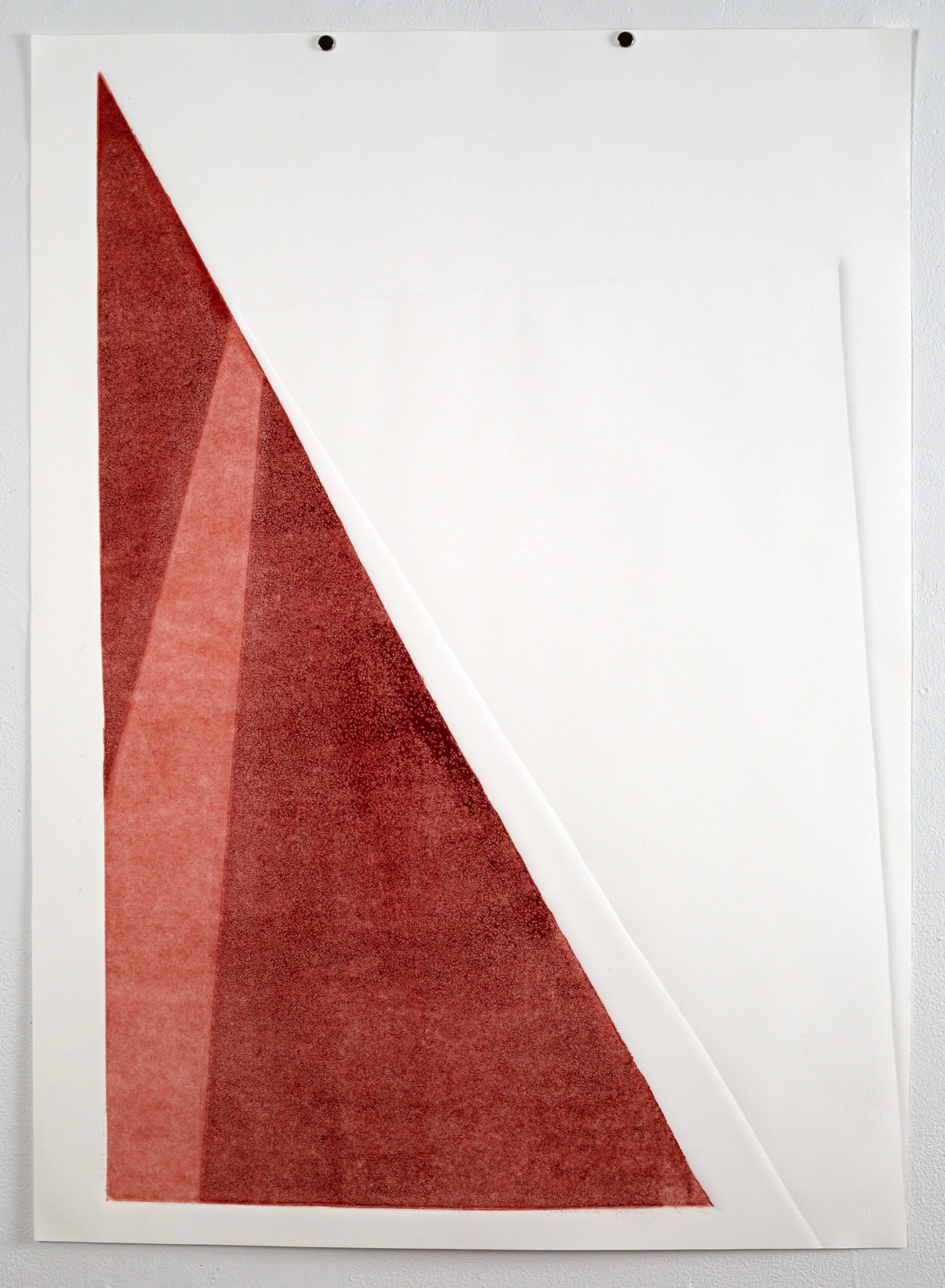
Image Credits
Picture Credits : Sakshi Doshi