
We caught up with the brilliant and insightful Sakina a few weeks ago and have shared our conversation below.
Sakina, thanks for taking the time to share your stories with us today What did your parents do right and how has that impacted you in your life and career?
My parents grew up with very little; my mother, in particular, shouldered responsibility for me & my two siblings at a very young age — something that was simply expected of her. Yet they chose differently for us. They gave me everything they could, prioritizing my education and letting me find my own voice to become independent. As with most children and their parents, we do not always see the world the same way. But, early on, I learnt from them, despite our differences, that kindness is not optional.
As caregivers for my older sister, who had Down syndrome, I watched them treat her with care and respect. They never let her feel different — instead, they changed the world around her to meet her needs, not the other way around. That’s how the world is supposed to be. The sense I carry of what is fair, of what equitable systems could be, comes from their resilience as parents and refusal to accept things as they are.
Awesome – so before we get into the rest of our questions, can you briefly introduce yourself to our readers.
I’m an Indian artist, designer, and researcher — my work lives at the intersection of visual storytelling, understanding the systems that shape our world, and human emotions. Growing up in India, in a home that was rarely still, I understood very early on that the systems we live in are not meant to fit everyone’s needs. This became one of the roots for the work that I do today.
I chose to study Visual Communication because I found myself drawn to telling stories with images. As a quiet child, drawing felt like my first language — a way to express what words couldn’t capture. Over time, my work shifted toward human-centered design. I experienced field research, behavior design, and systems thinking to identify gaps across public health, education, and accessibility, and to understand how gaps in existing systems affect vulnerable populations.
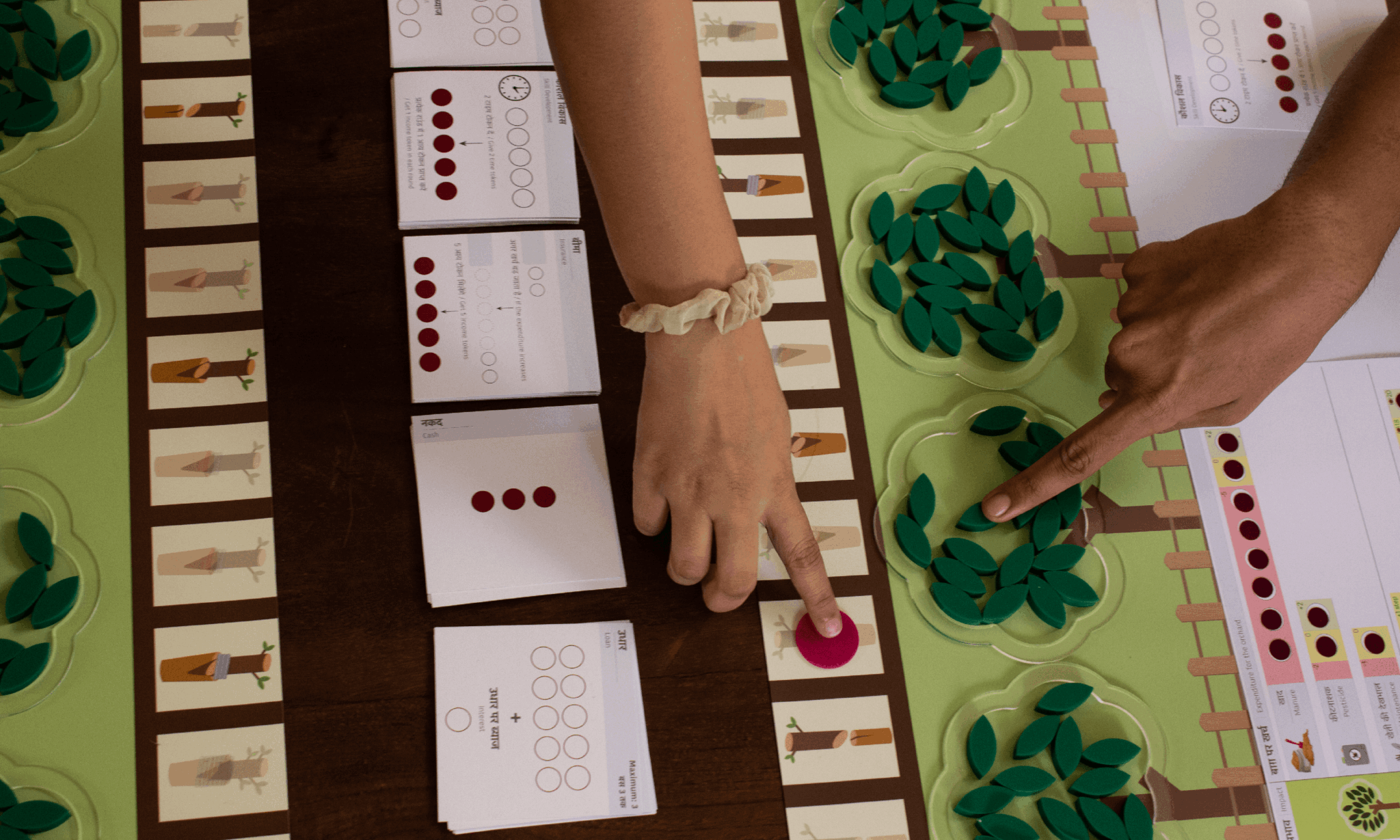
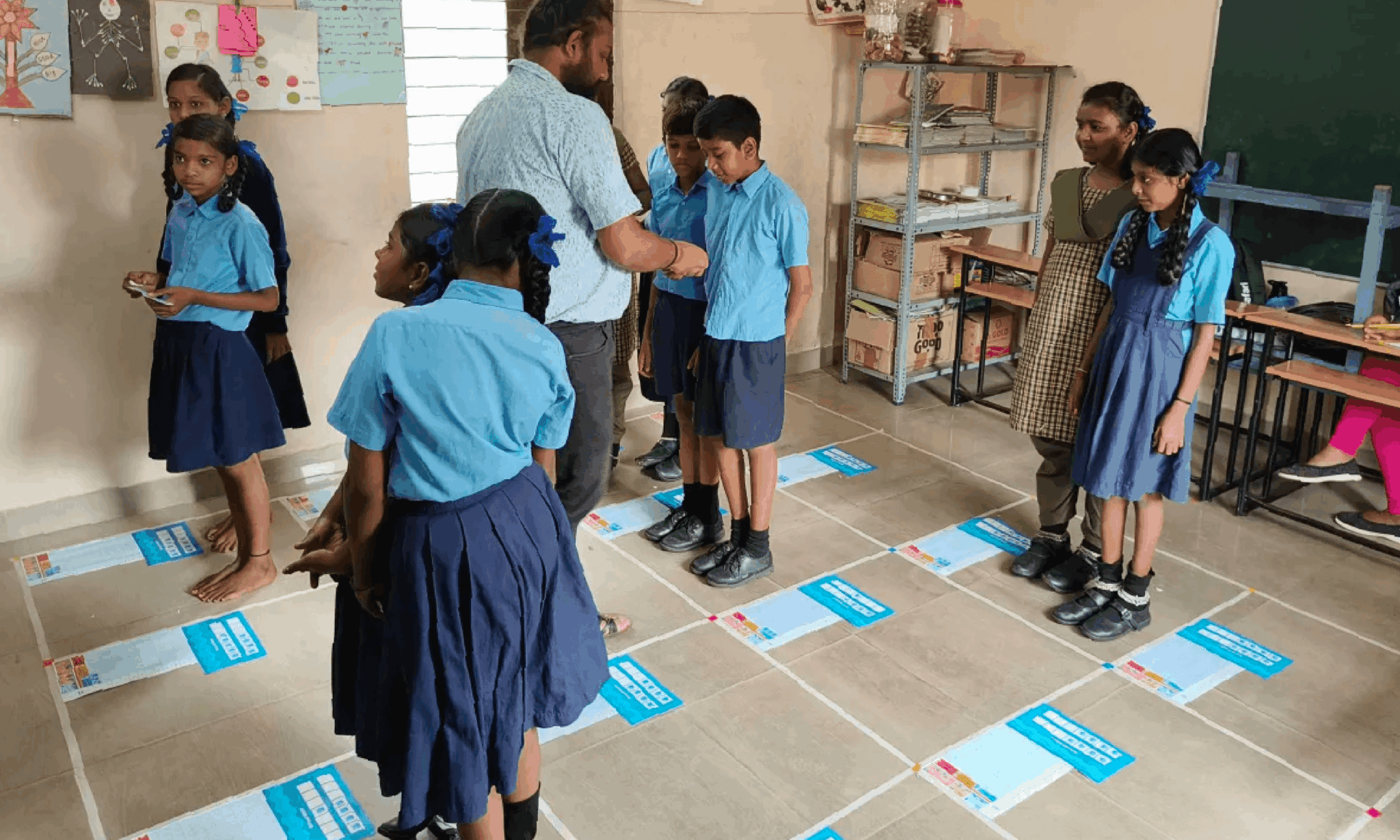
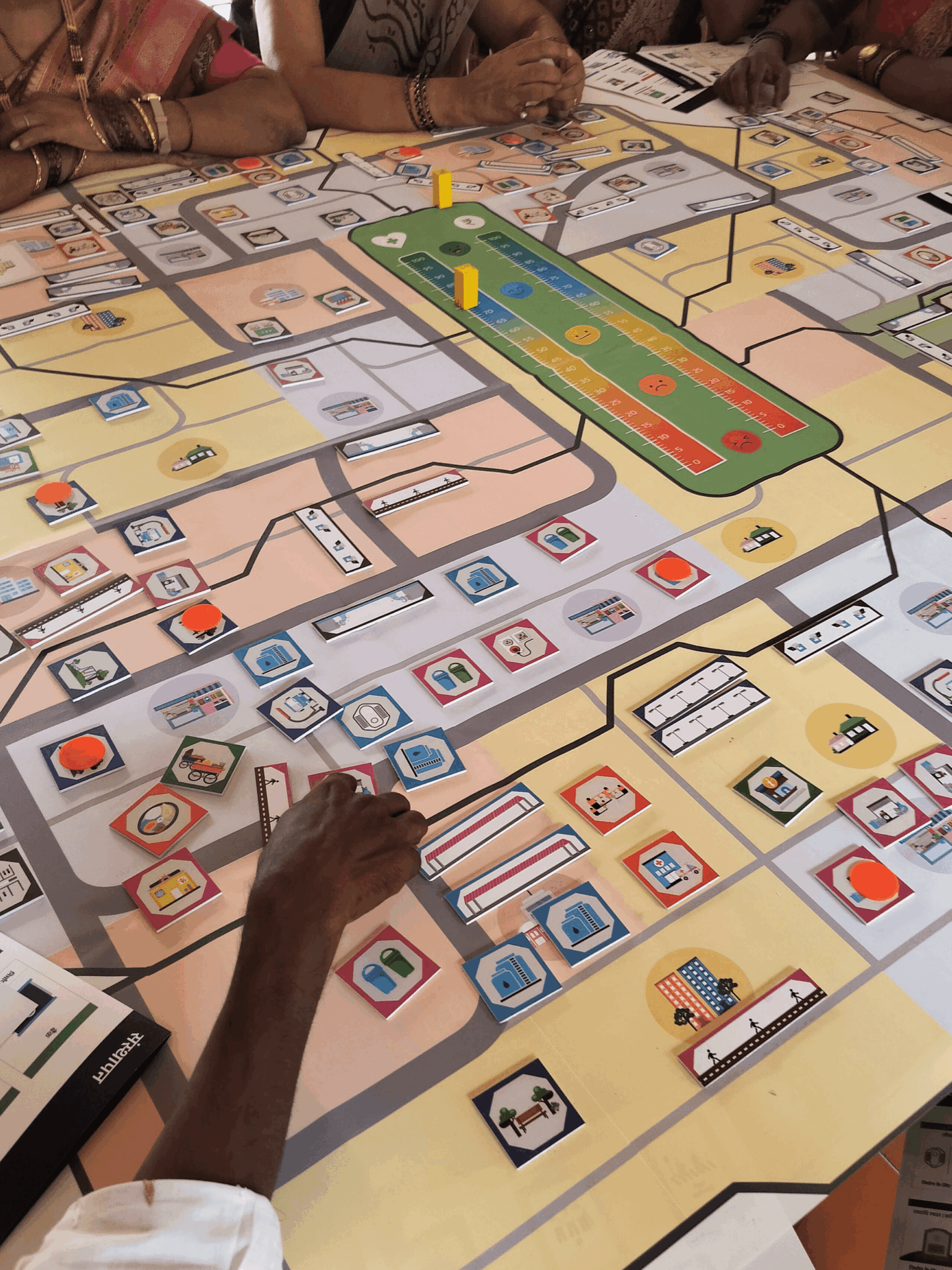
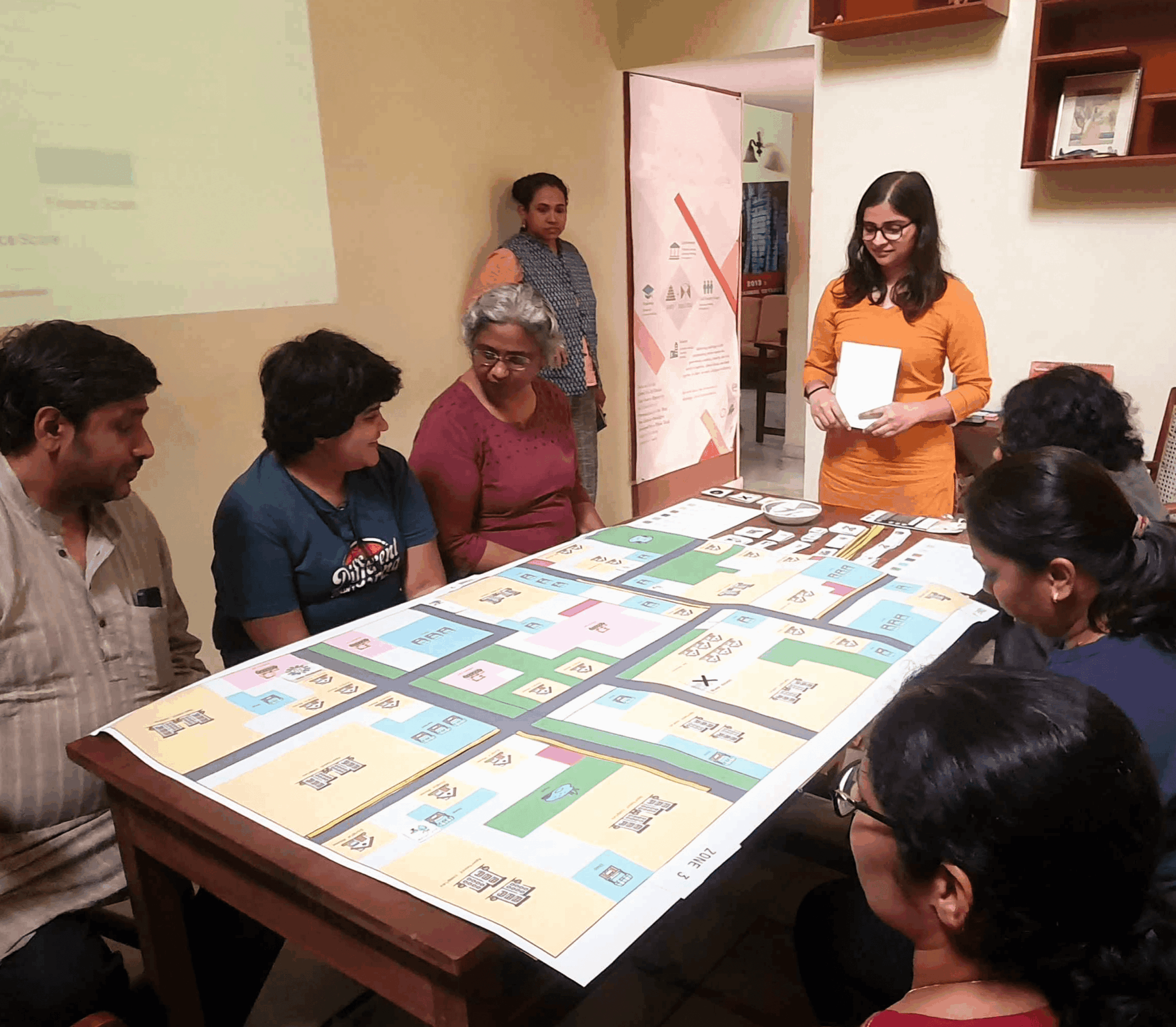
These days, I find myself building games and mixed-media tools for data collection and advocacy that try to make the complicated world of public policy a bit more hands-on. Allowing communities and decision-makers to discover frictions and co-build solutions together.

What do you think is the goal or mission that drives your creative journey?
I wouldn’t say there’s been just a single goal — rather, questions that I want to find the answers for, each shaped by a need to understand where systems falter, and how those gaps might be bridged. Much of what I do is an attempt to place people at the centre, to make things a little more accessible.
For me, the urge to make the world more accessible comes from seeing just how necessary it is. Given the times we live in, it is easy to feel dejected, but I have found that even doing a small bit—sometimes just taking the time to really understand a problem—can make a difference.
What’s a lesson you had to unlearn and what’s the backstory?
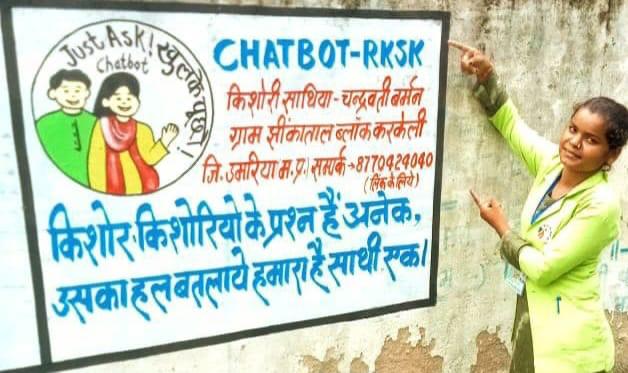
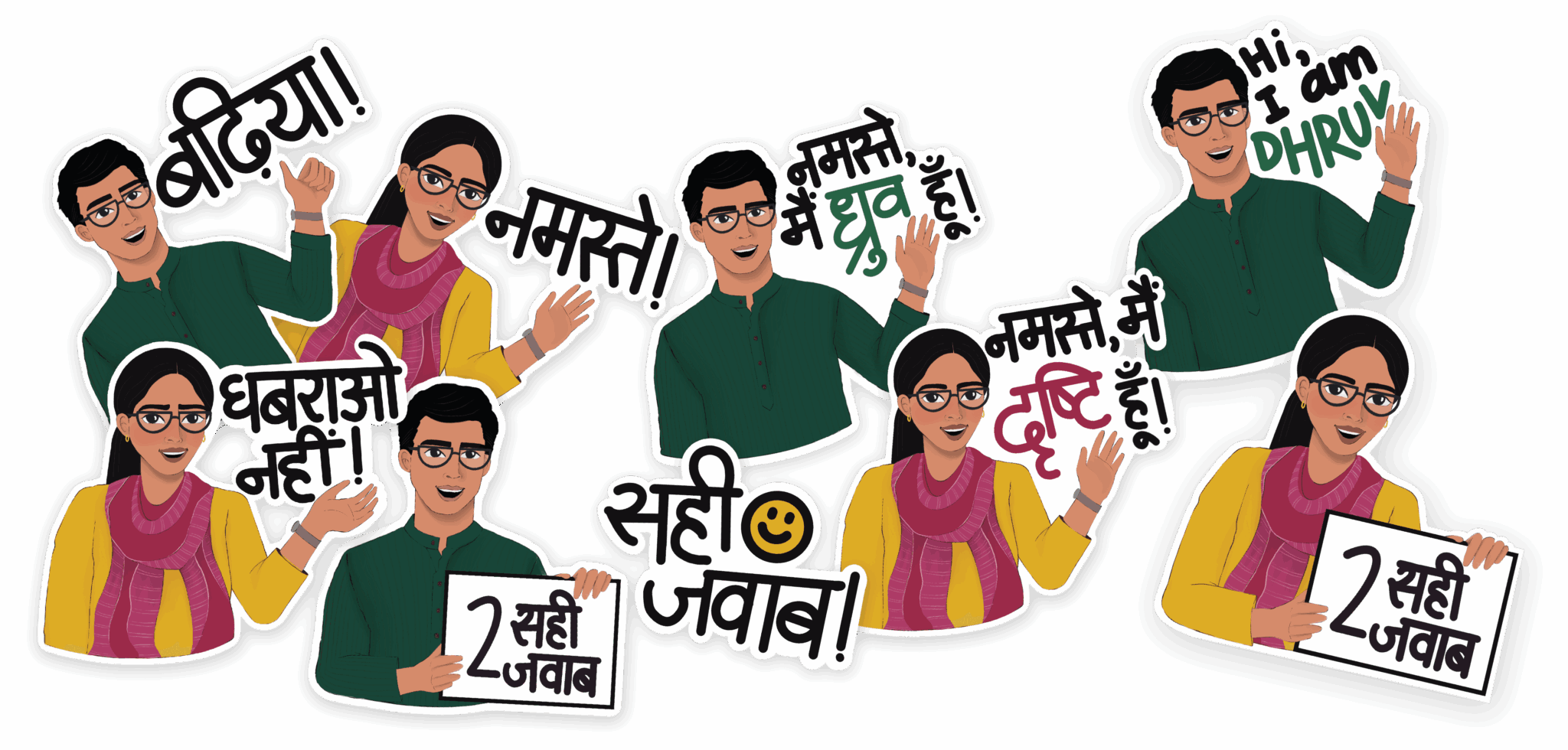
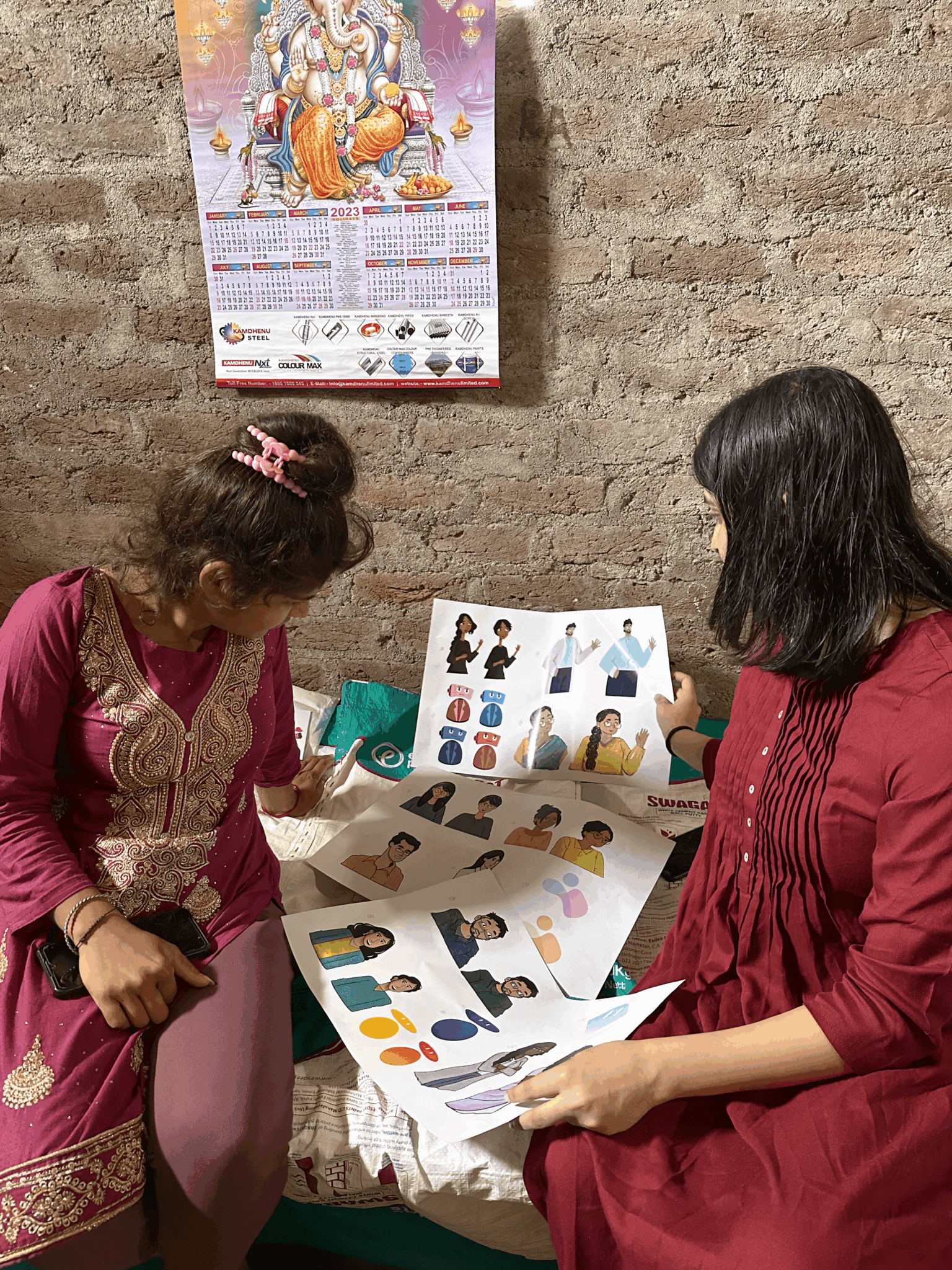
During a project in Bhopal, India, where I was leading character design for a sexual health chatbot for adolescents, I had to unlearn the tendency of projecting my own biases into the design process, assuming my notion of ‘reliable’ aesthetics would resonate universally with diverse users. In a country as culturally heterogeneous as India, these initial concepts ignored contextual differences, such as literacy levels and cultural norms, and were disconnected from users’ realities.
It was only when we sat with the users—trying to understand their thoughts on the initial character designs—that my assumptions became apparent. I learned to pause, to listen, to let the differences surface, and to rework the designs, grounding them in context. Eventually, when the chatbot was launched, I received a photo of a girl standing beside a community-painted mural of the characters I had designed. It was a reminder that design only works when it is shaped with people and not for them.
Contact Info:
- Website: https://sakinaattarwala.cargo.site/
- Instagram: https://www.instagram.com/sakinaaaaaaa/
- Linkedin: https://www.linkedin.com/in/sakina-attarwala-887358188/?originalSubdomain=in