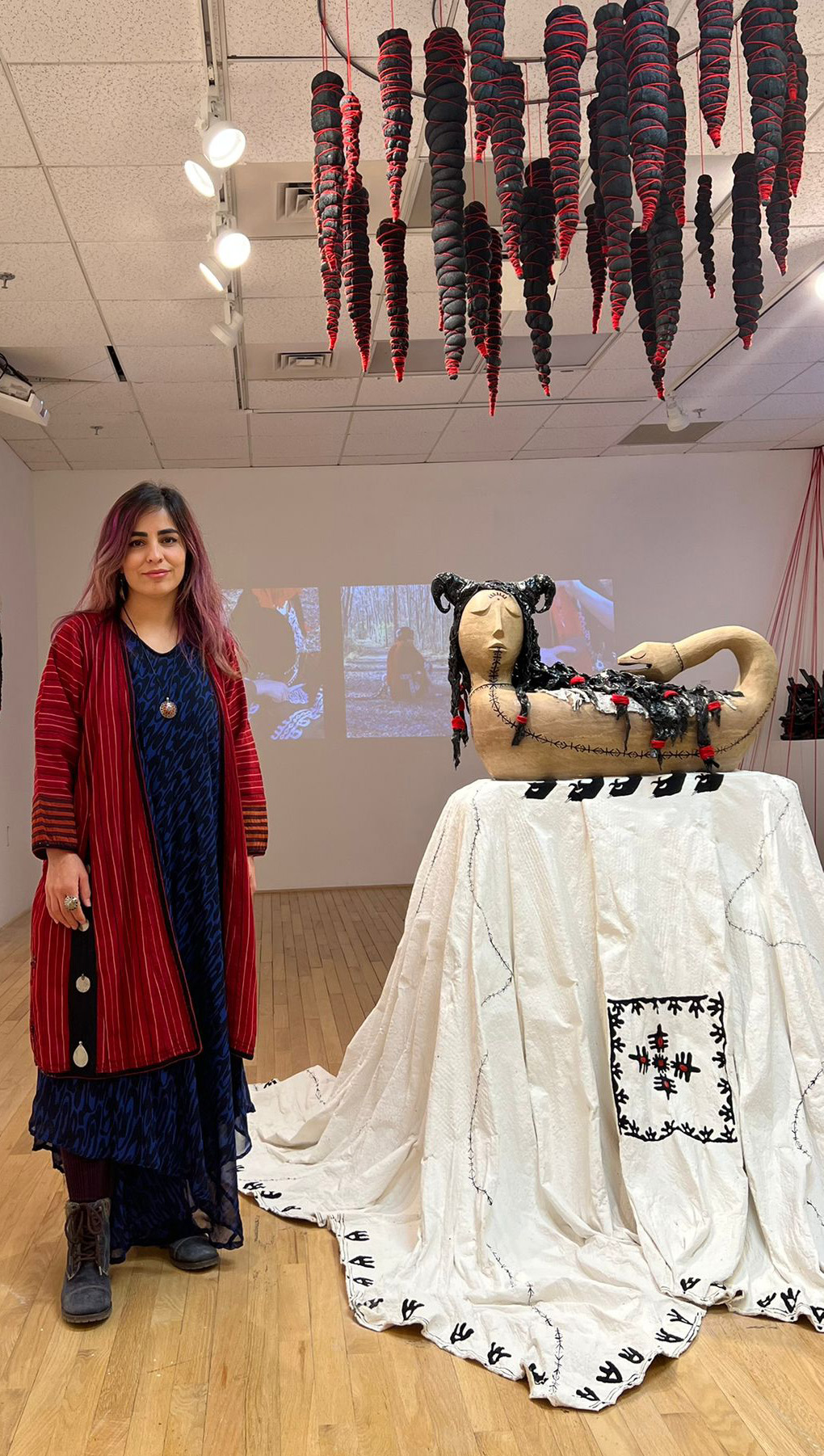

We’re excited to introduce you to the always interesting and insightful Sahar Tarighi. We hope you’ll enjoy our conversation with Sahar below.
Hi Sahar, thanks for joining us today. Can you talk to us about a project that’s meant a lot to you?
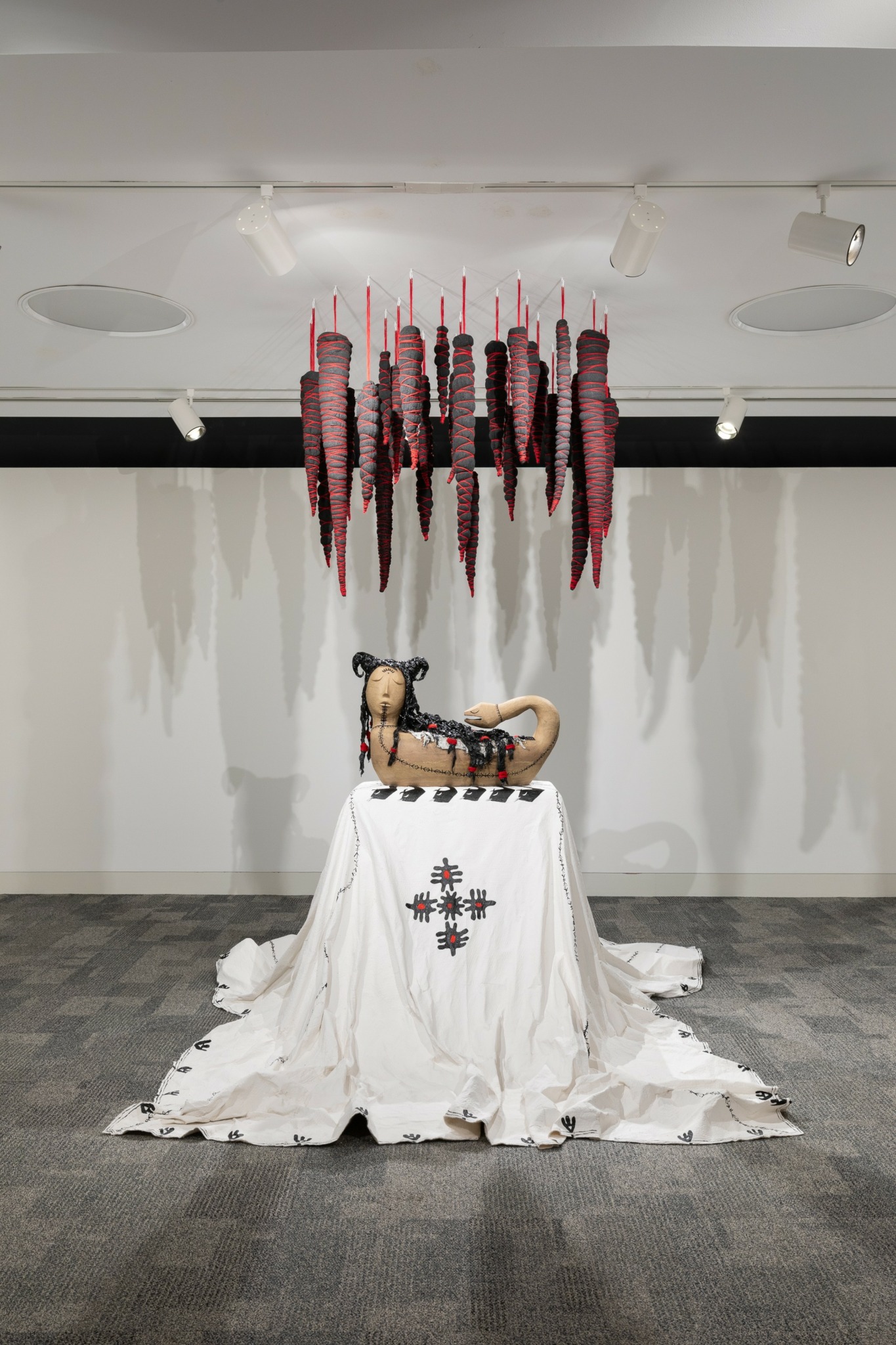
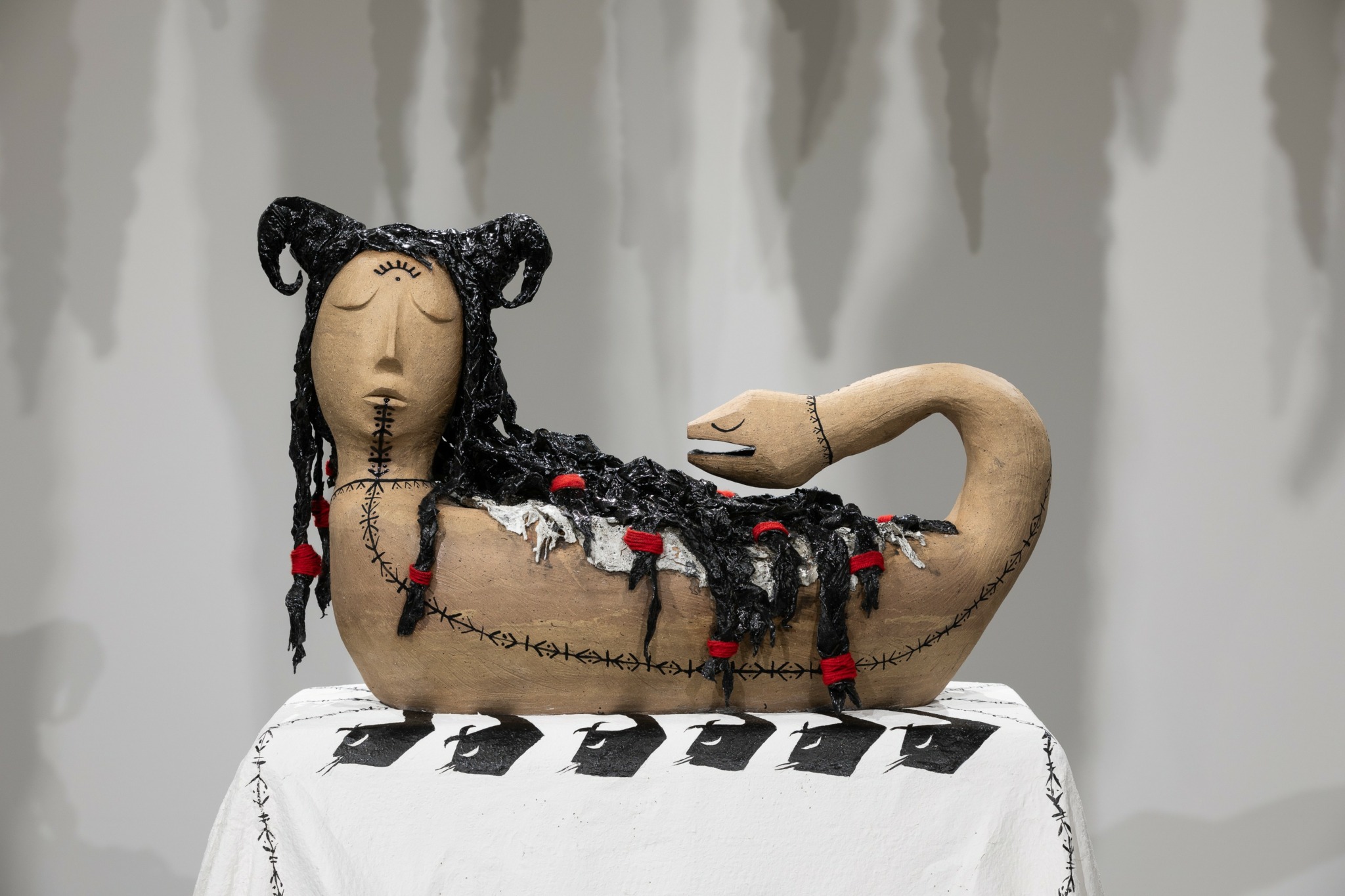
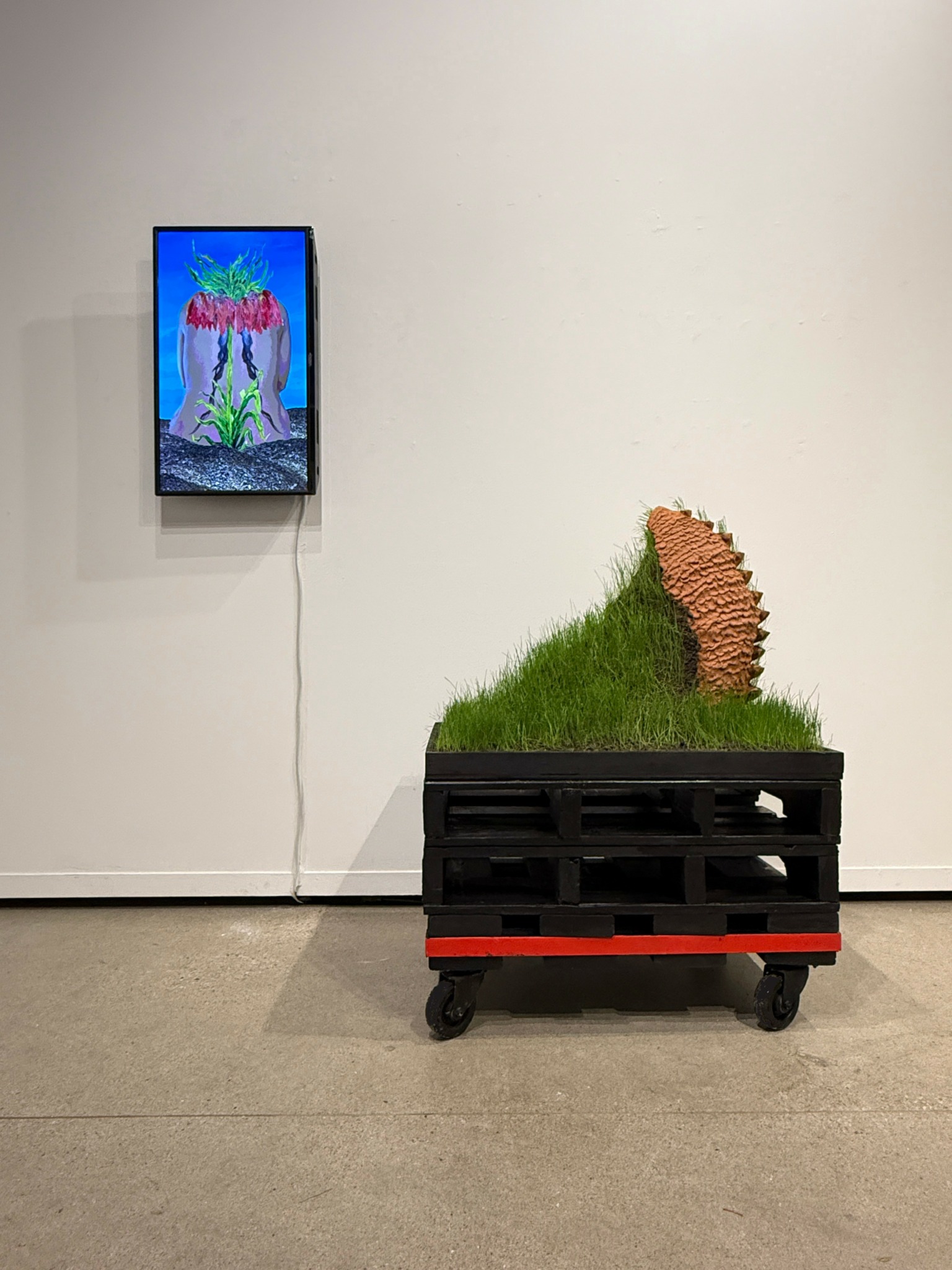
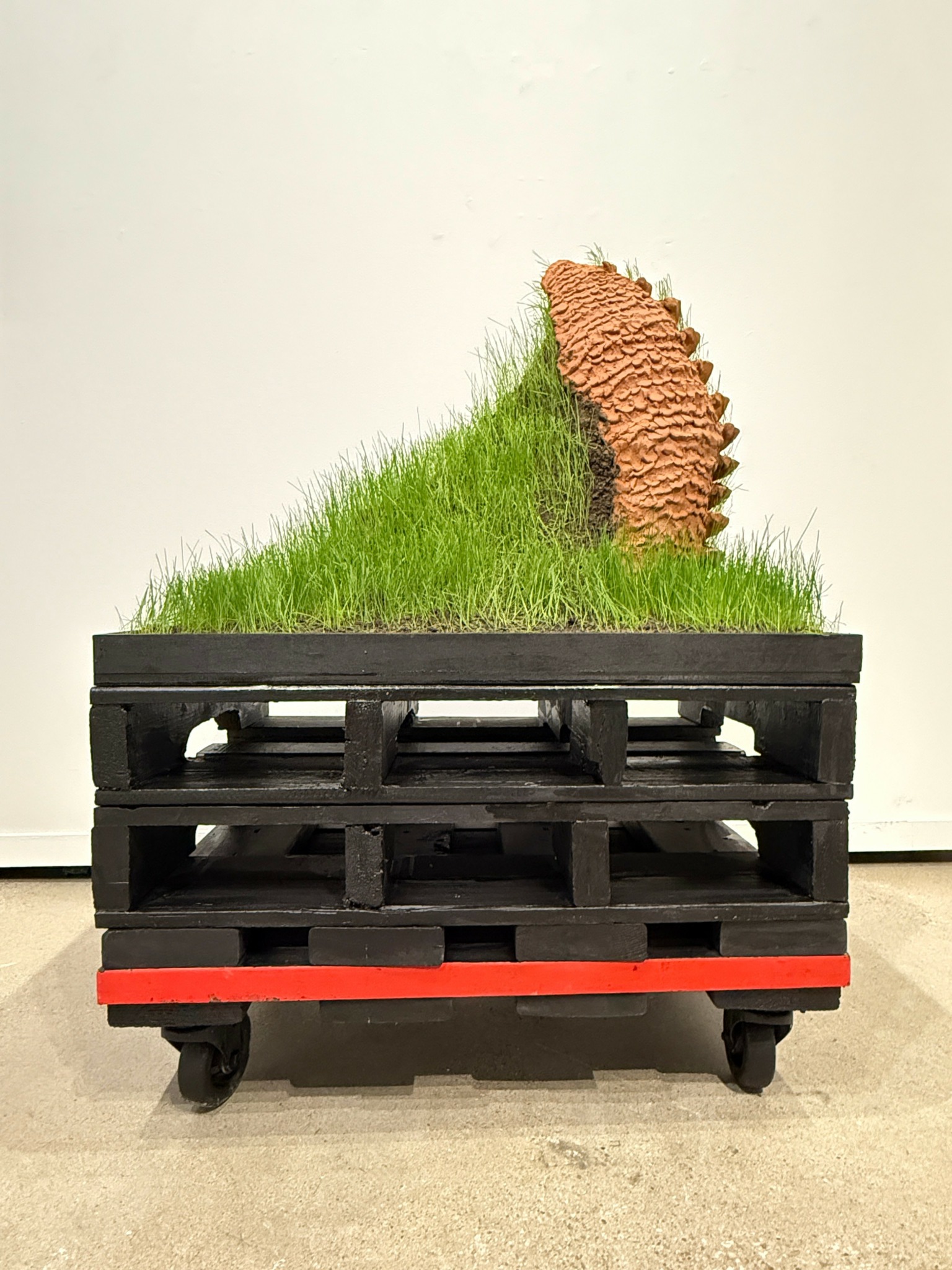
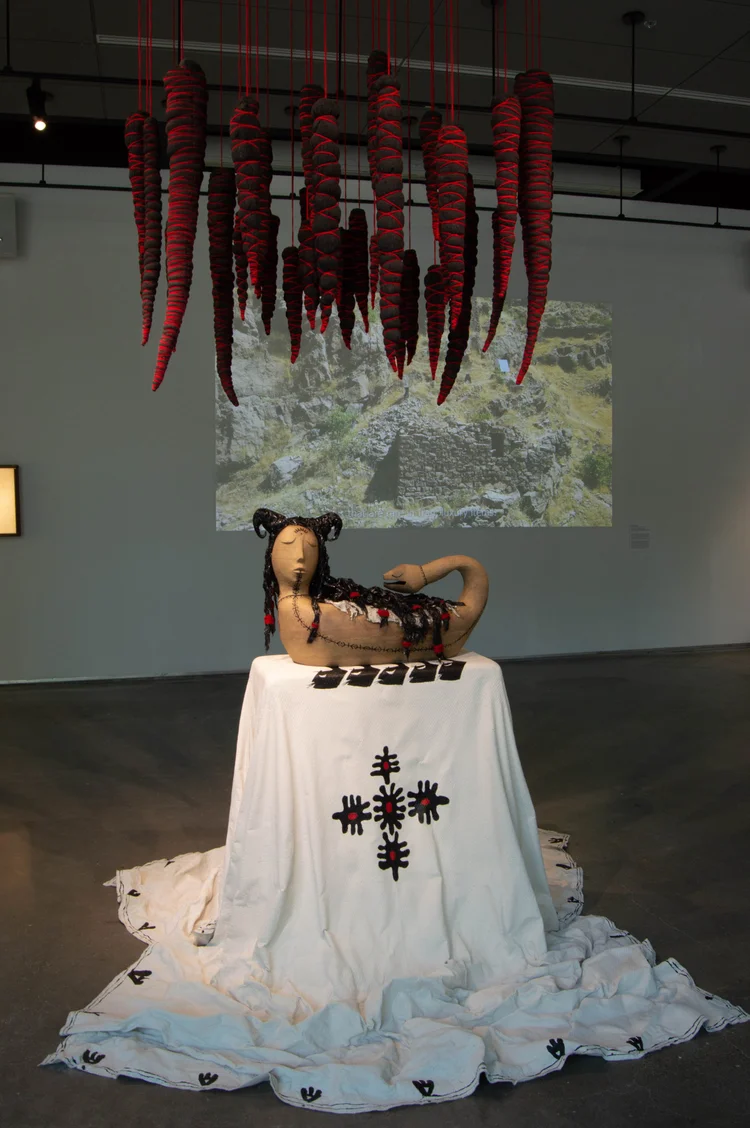
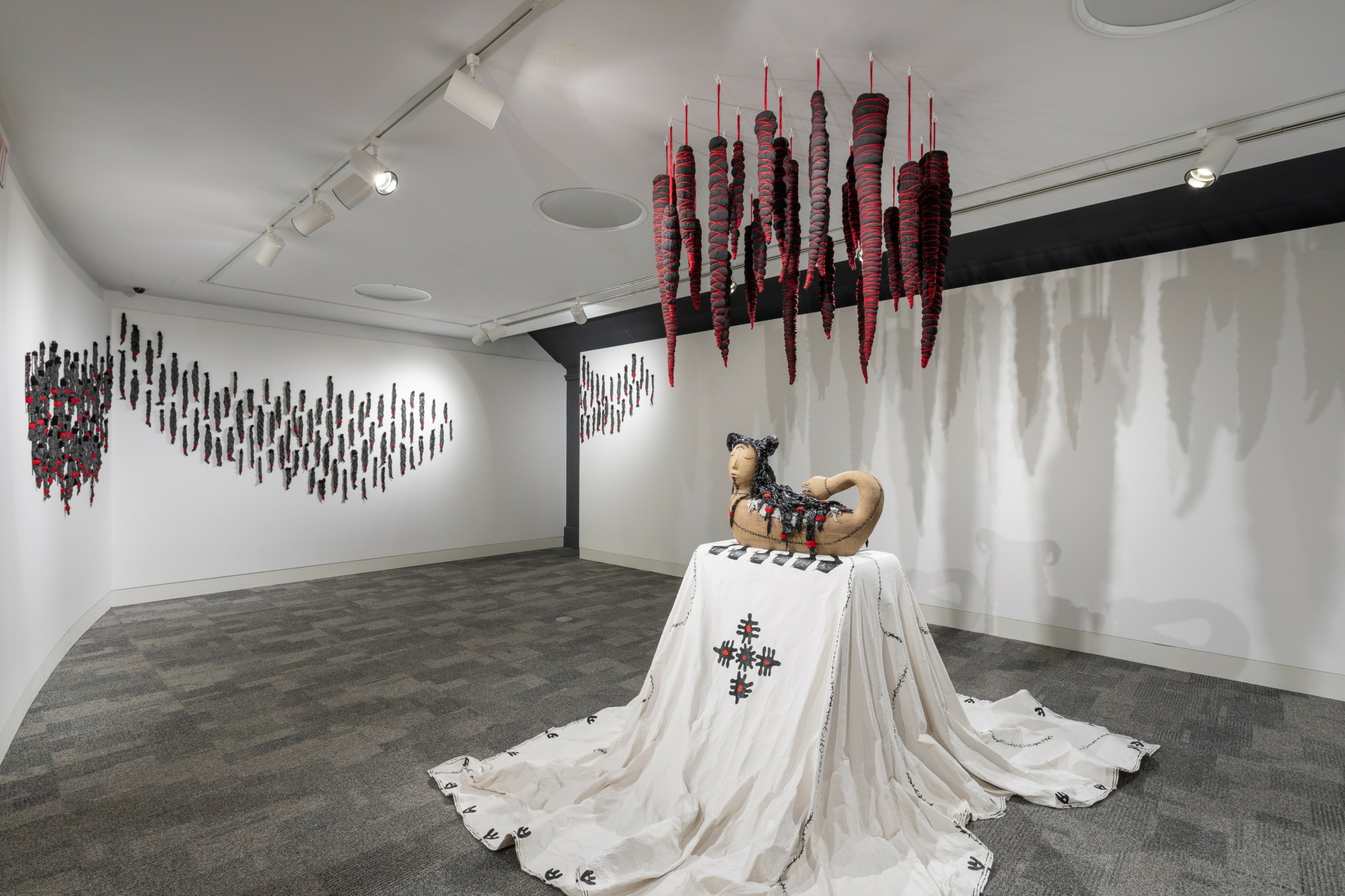
One of the most important projects I have created is my Şamaran body of work, which recontextualizes a Kurdish mythological figure—the half-snake, half-woman deity of wisdom and healing—through a decolonial feminist lens. I first encountered Şamaran as a child in Kurdistan, where her image hung on a neighbor’s wall. I didn’t know her story then, but that image belonged to a Kurdish oral archive carried, protected and passed down—particularly by women—for thousands of years.
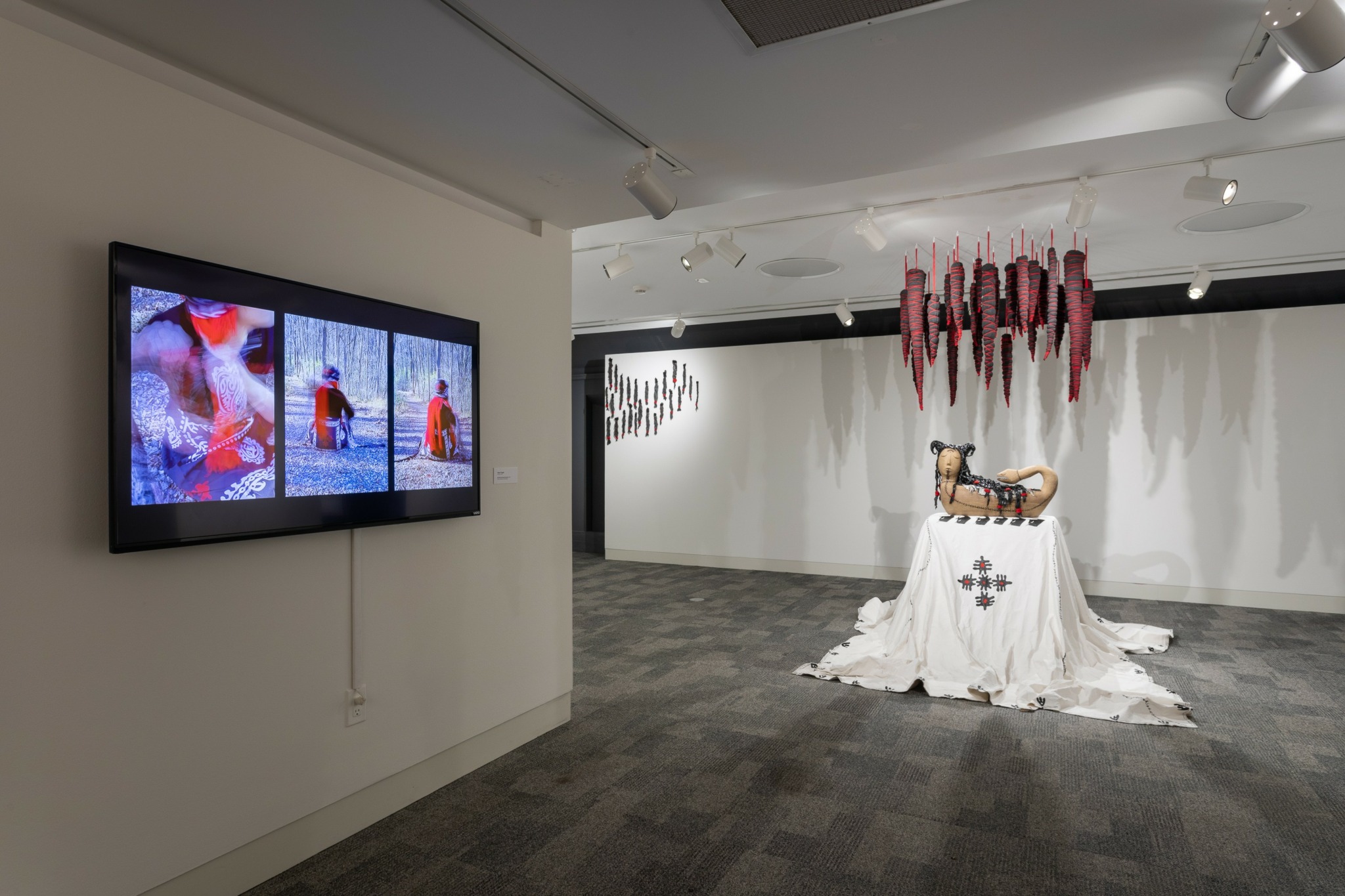
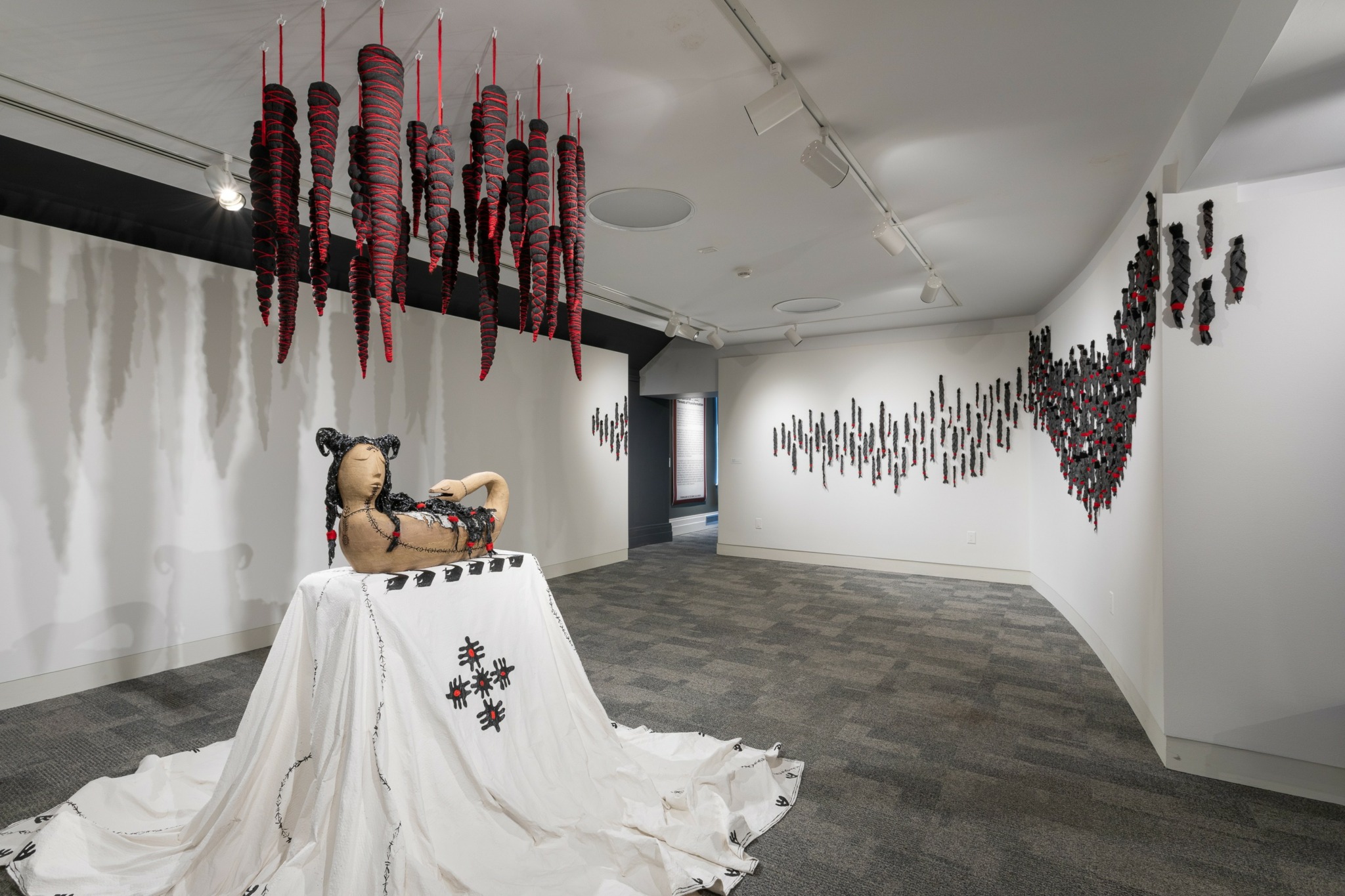
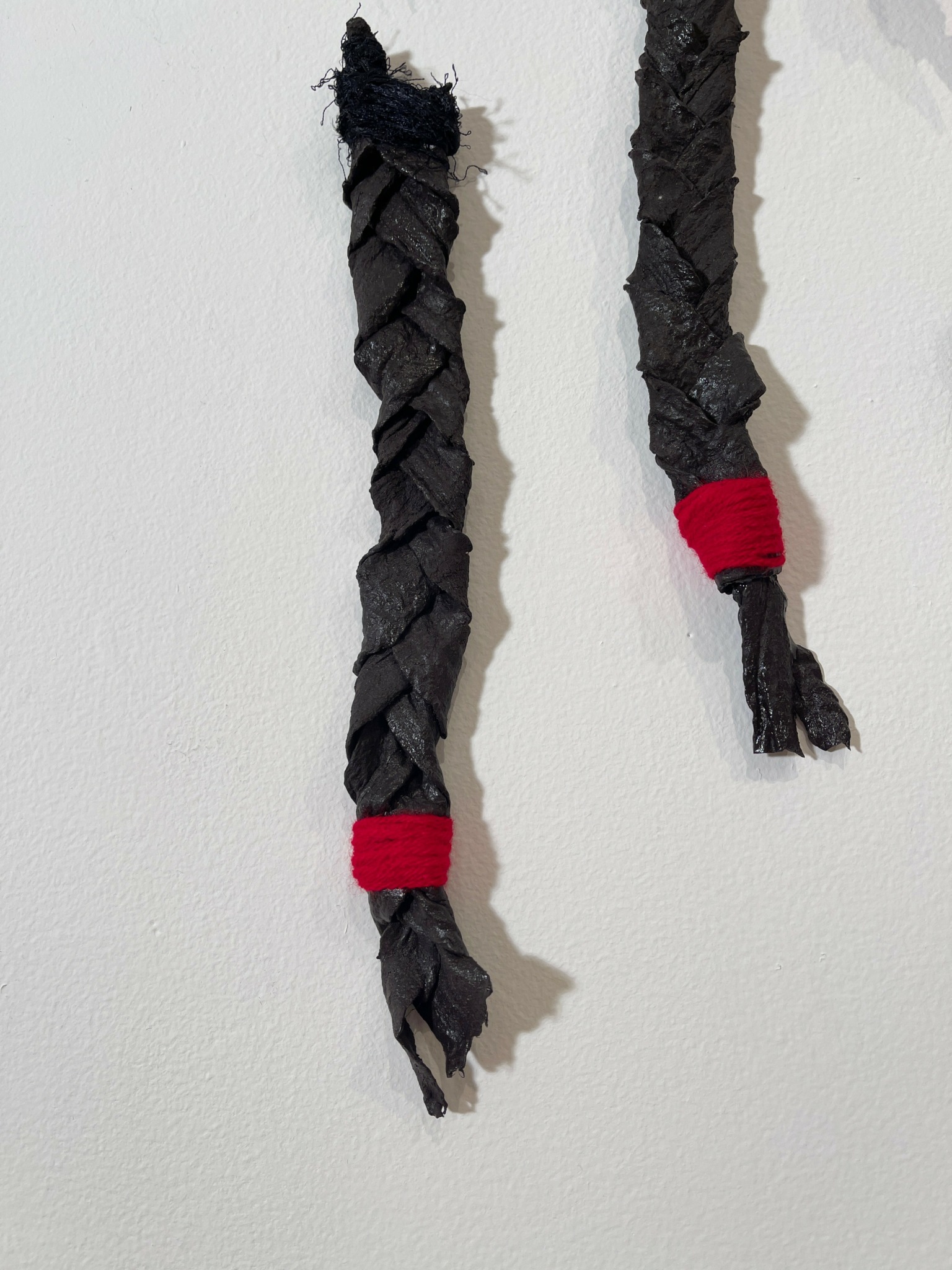
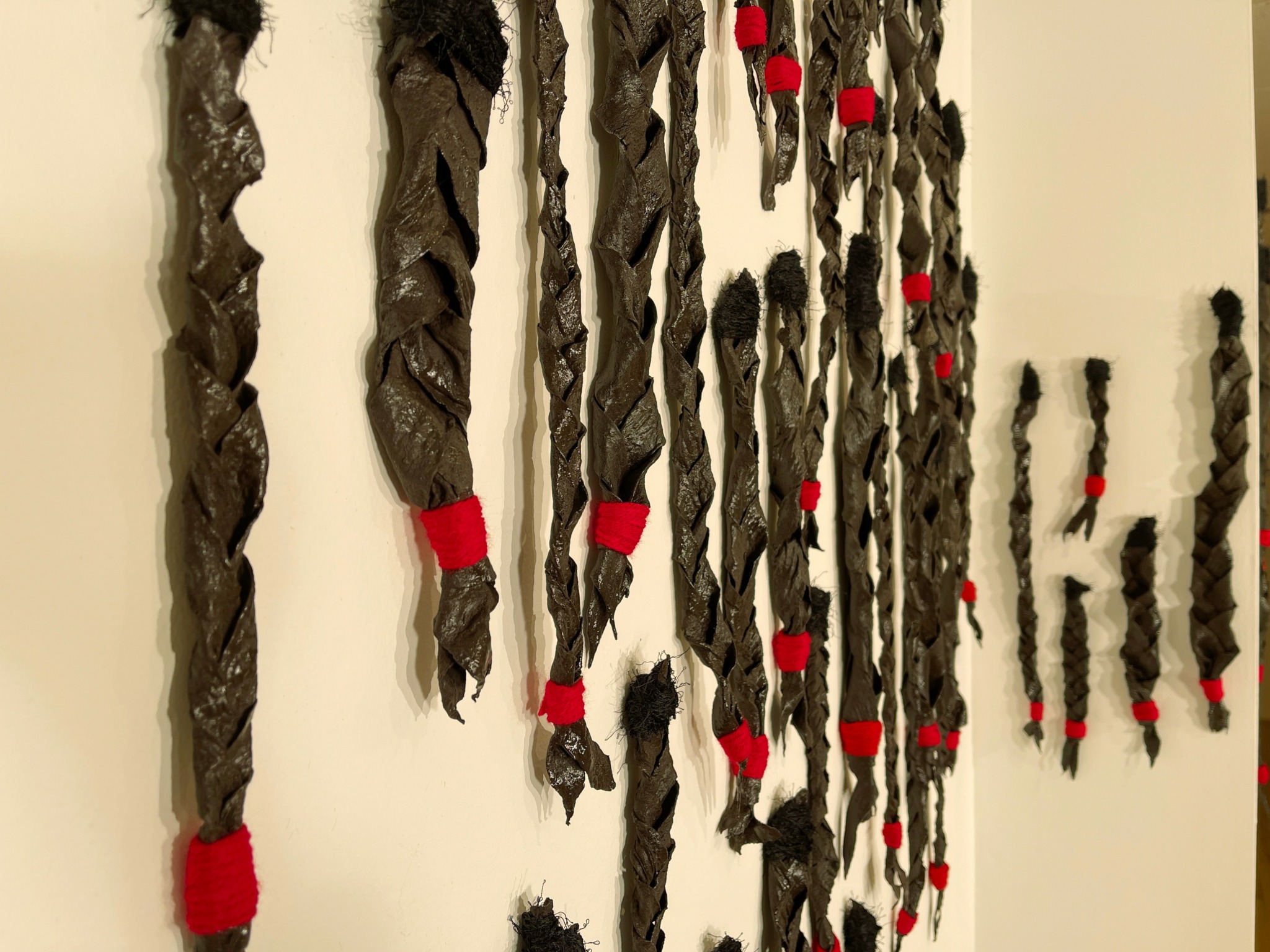
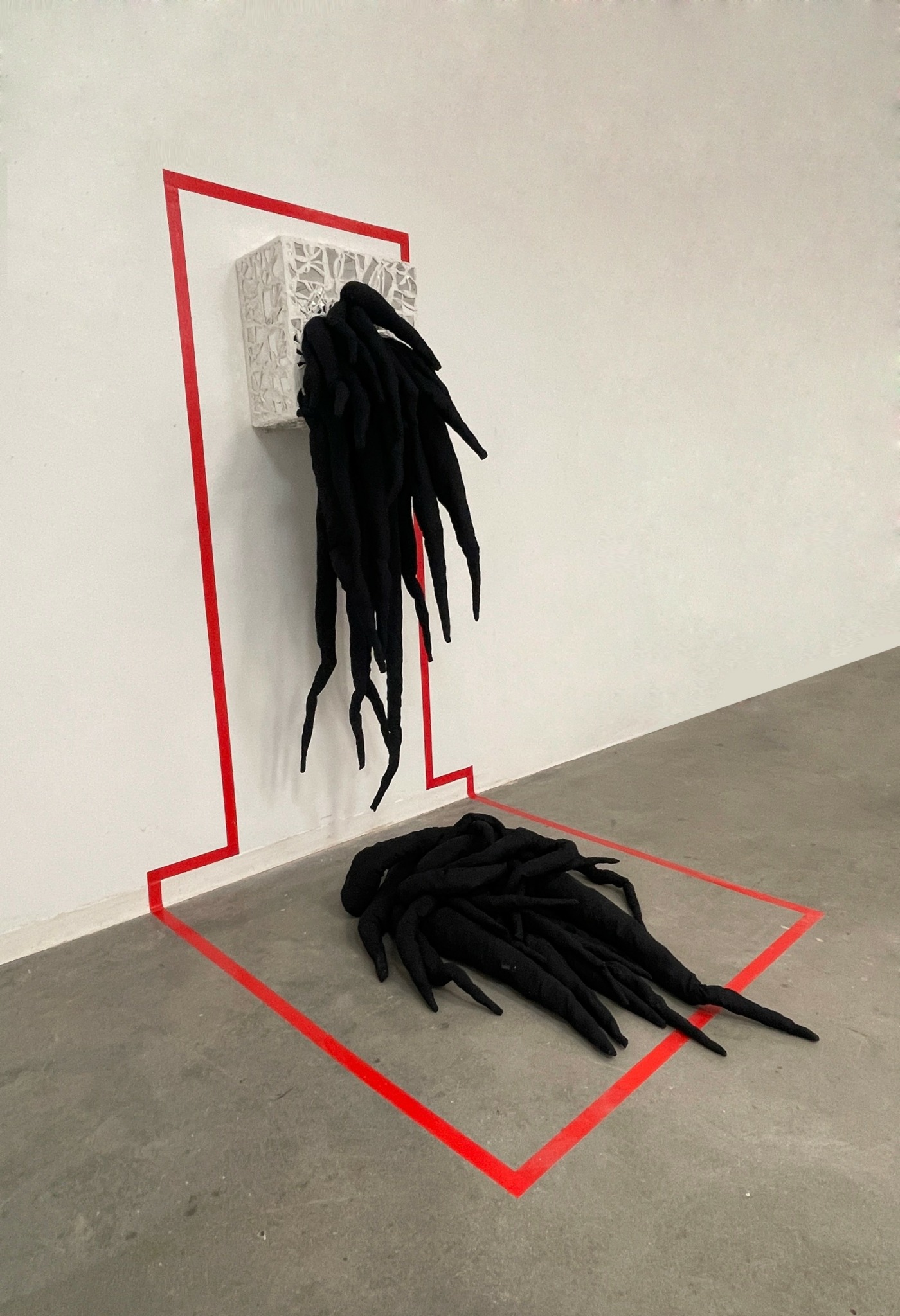
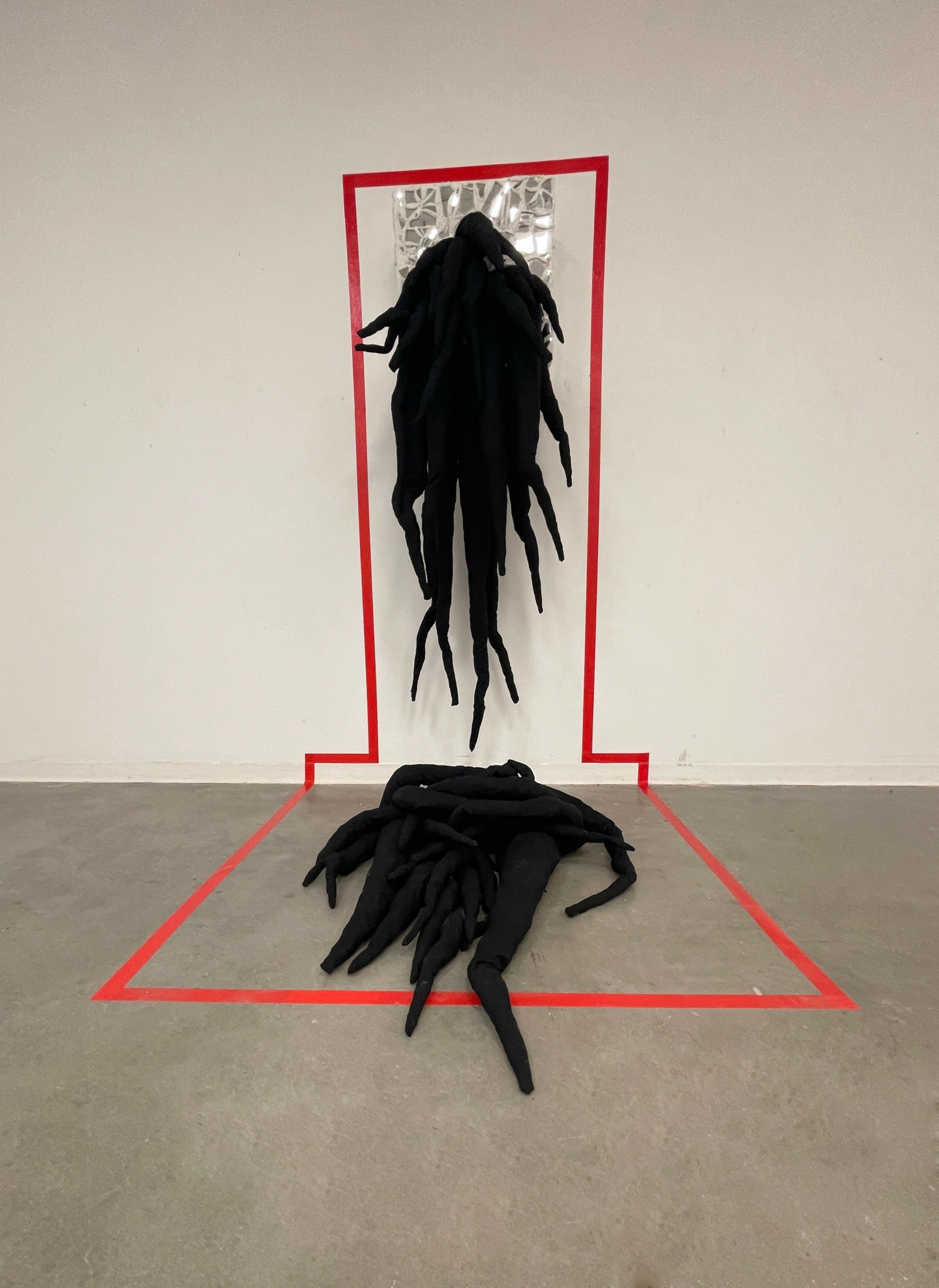
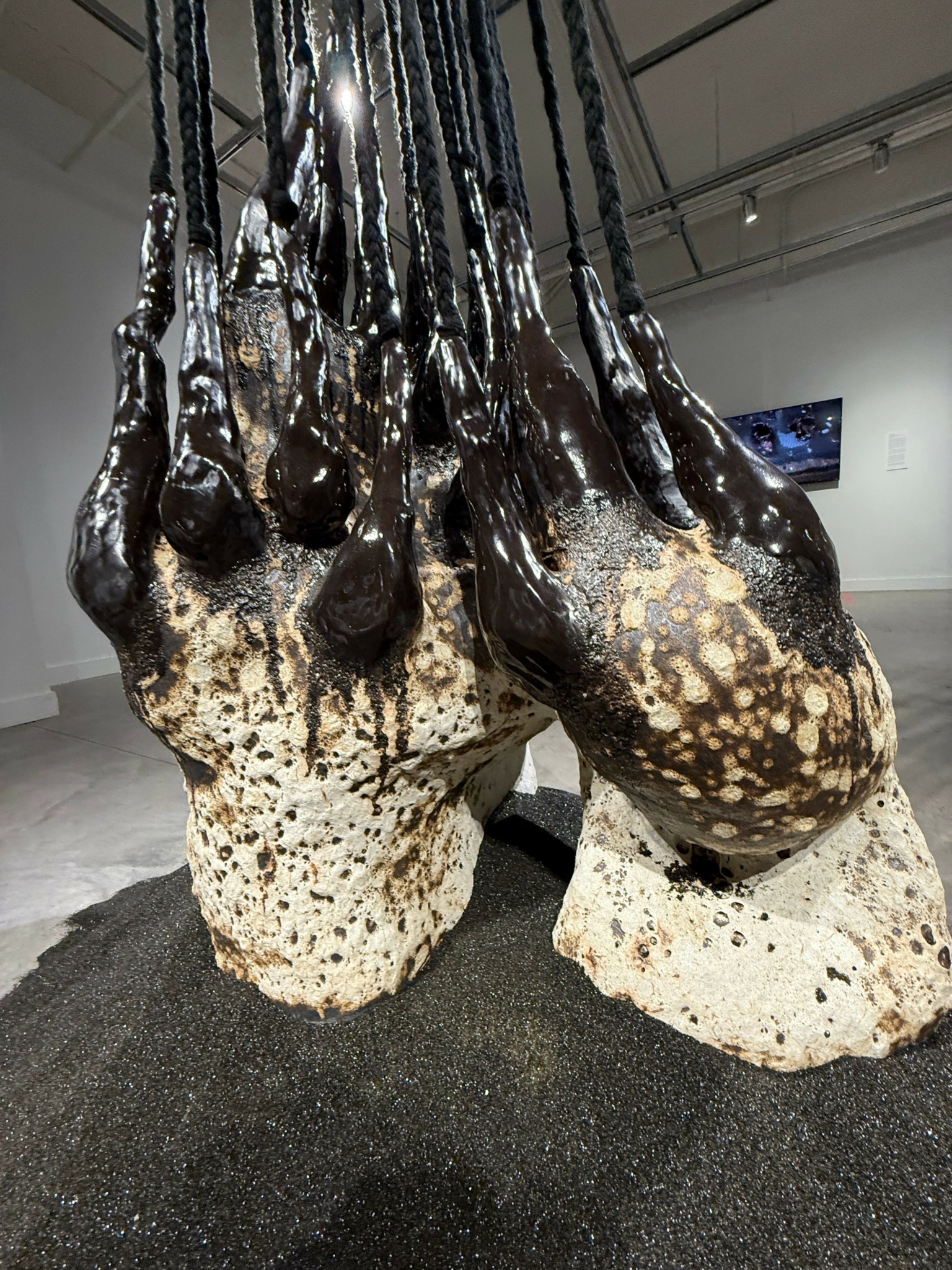
I began developing this project in 2021. I worked with ceramics, textiles, fabric casting, and braiding. I sculpted her body in clay and created her braids—an essential Kurdish hairstyle—through fabric casting. During firing, the fabric burns away, leaving behind fragile ceramic impressions: traces of what once held the braid together. This material process captures a tension between extinction and persistence, loss and survival. I also embedded deq/xal (Kurdish tattoo) patterns on Şamaran body —traditionally seen on women’s faces and hands—as ancestral markings of identity.
Şamaran’s story is not merely a myth—it is an epistemology rooted in land, body, and memory. She lives underground, knowledgeable about the earth and medicine, embodying a worldview that values ecological understanding and feminine power. In my studio, she became a framework for reclaiming suppressed histories and imagining a future where feminine knowledge stands at the center rather than the margins.
What struck me most was how Şamaran’s story directly challenges patriarchy and totalitarian authority. In the oral narrative, she is betrayed by men seeking power, yet she remains calm and sovereign. In her final act, she subverts their violence: her body brings death to the corrupt vizier, healing to the king, and immortal wisdom to the young man she once trusted and loved. Her resistance is intellectual, spiritual, and ethical.
This project allowed me to weave personal memory, cultural history, and material research into a unified body of work. Through this work, Şamaran reclaims her presence—transforming from a traditionally two-dimensional painted or embroidered figure into a three-dimensional installation rooted in clay, fabric, and the textures of cultural memory.
This Neolithic mother-goddess functions as a counter-archive, preserving histories that have long resisted colonization and dominant narratives. Through her, I found a way to speak about feminine power, survival, and the endurance of a people who have faced continual erasure. Şamaran embodies both what has been lost and what continues to resist forgetting, which is why this project remains one of the most meaningful in my practice.
Awesome – so before we get into the rest of our questions, can you briefly introduce yourself to our readers.
My name is Sahar Tarighi, and I am an interdisciplinary Kurdish artist working across ceramics, sculpture, installation, textiles, and social practice. I grew up in Kurdistan—a place where art, land, and memory are deeply intertwined, and where creative expression becomes a form of resistance. My early training was in music, painting, and ceramics, and my artistic language has continued to evolve as I navigate my feelings and experiences through migration.
I entered the art world because it runs in my family, and growing up with my older artist sibling deeply shaped me during my formative years. At the same time, art was the only space where I felt free and truly myself.
What happens to a culture when its history is suppressed?
How do stories survive?
How does the body carry inherited trauma—and inherited memory and healing?
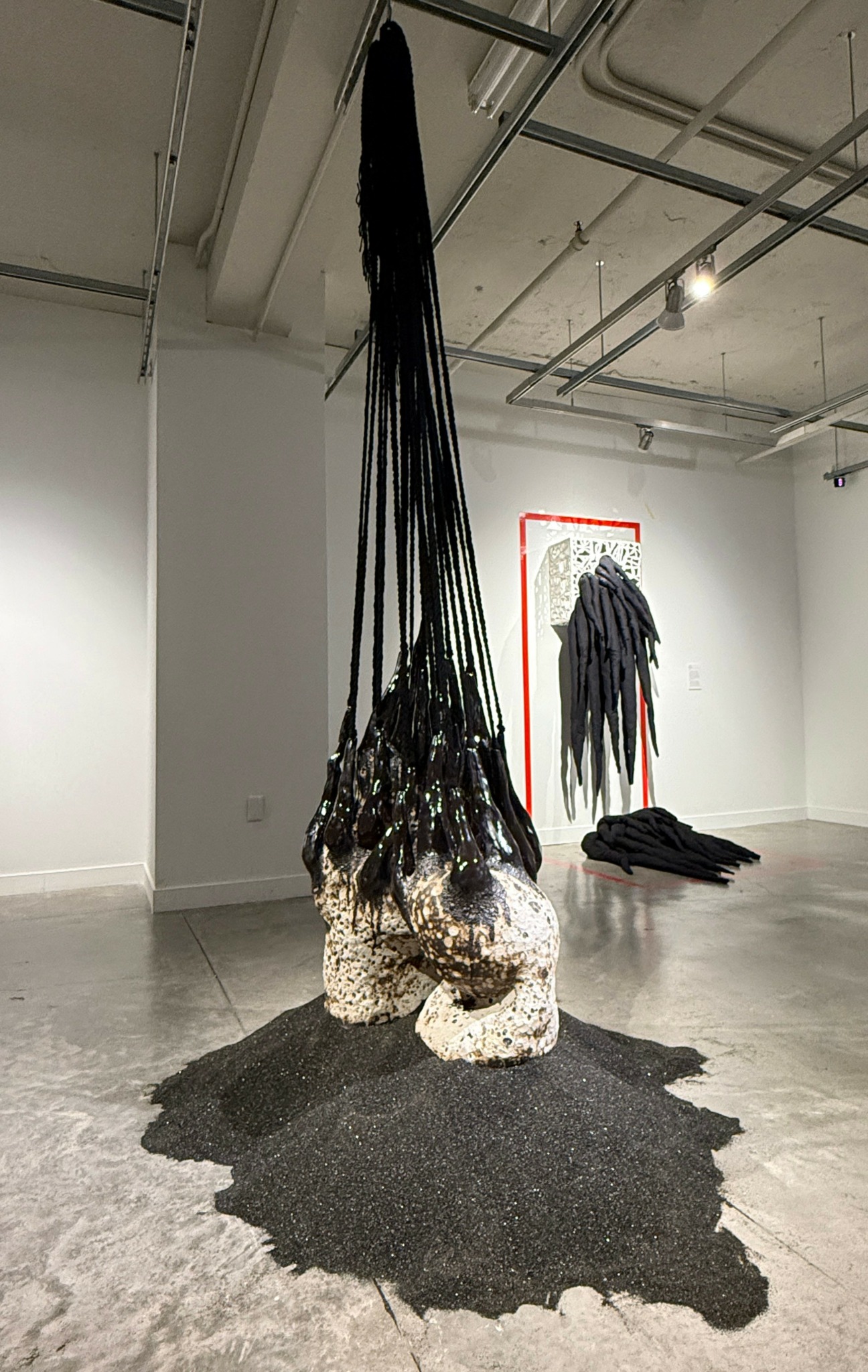
These questions guide my practice. Today, I create work that explores the relationship between body, land, memory, and identity, focusing on Kurdish histories shaped by genocide, ecocide, displacement, assimilation, and ethnic cleansing. I treat materials—ceramics, fabric, yarn, hair, found objects—as active repositories of knowledge. These materials hold cultural intelligence, ecological memory, and embodied ways of knowing.
My practice ranges from large-scale installations and small ceramic forms to social practice. I am also an educator, bringing decolonial and feminist approaches into the studio and helping students connect their lived experiences with material inquiry.
I am particularly drawn to embodied knowledge—stories held in women’s hands, in the land itself, in braids, textiles, and oral traditions. I strive to create spaces where suppressed histories can be remembered, honored, and transformed into acts of collective imagination, resistance, and healing.
We’d love to hear a story of resilience from your journey.
For me, resilience has always been tied to learning, adapting, and insisting on having a voice. I grew up speaking Kurdish, my first language. Later, when I decided to continue my education abroad, English became my third language. Each shift in language asked more of me than vocabulary—it asked me to find new ways of expressing myself, thinking, understanding other cultures, and advocating for my work. Over time, I began to see communication not just as a skill but as a form of survival, creativity, and quiet resistance.
Before coming to the U.S., I taught and worked as an artist in Kurdistan and later in Tehran. Each environment had its own dynamics and expectations. Continuing to make work, teach, and carve out space for feminist and decolonial perspectives required a steady, grounded kind of resilience—a persistent refusal to shrink.
When I moved to the U.S., I began again: a new language, new systems, new cultural frameworks. But instead of seeing these changes as obstacles, I used them to expand my artistic vocabulary and to understand more deeply how identity might shift, evolve or grow across geographies.
Over time, I realized that my resilience is not tied to a single event—it is the ongoing commitment to remain myself in every place I inhabit. To speak, teach, and create from the core of who I am, even when the structures around me were not built for voices like mine.
That, for me, is resilience: a continuous act of remaining true to myself through movement, translation, and transformation. And it is the force that continues to shape my practice today.
Is there mission driving your creative journey?
My creative journey is driven by a commitment to preserving, reimagining, and giving visibility to my culture and art—traditions that have been historically marginalized. As an interdisciplinary Kurdish artist, I work with materials like ceramics, fabric, yarn, and cultural motifs such as hair and xal (tattoo) because they hold memory. They have resisted assimilation and ethnic cleansing. Through them, I explore how identity, culture, and history survive even in the face of erasure. My hope is to create artworks that function as living archives—spaces where suppressed stories have endured across centuries.
Another driving force in my practice is the belief that art can challenge dominant power structures through care, embodiment, and community. Whether I am building installations, leading workshops, or teaching in the classroom, I approach creative work as a process of making room—for voices, narratives, and epistemologies that have long been pushed to the margins.
Ultimately, my goal is to create work that not only remembers but also restores, offering viewers new ways of understanding land, body, and belonging. I hope my practice opens pathways for healing and collective imagination—for anyone who has experienced displacement, erasure, or the struggle to keep memory alive.
Contact Info:
- Website: https://www.sahartarighi.com/
- Instagram: https://www.instagram.com/sahar_tarighi/