



We caught up with the brilliant and insightful Sabrina Culver a few weeks ago and have shared our conversation below.
Sabrina , thanks for joining us, excited to have you contributing your stories and insights. Did you always know you wanted to pursue a creative or artistic career? When did you first know?
As a child whenever all of my friends wanted to build a fort or a tree house, I always wanted to build a dressing room out of blocks. I liked to adapt short stories from books to create scripts for plays. My father took me to see Annie on Broadway and that was my moment when I realized, 100 percent, that this was my dream.
Awesome – so before we get into the rest of our questions, can you briefly introduce yourself to our readers.
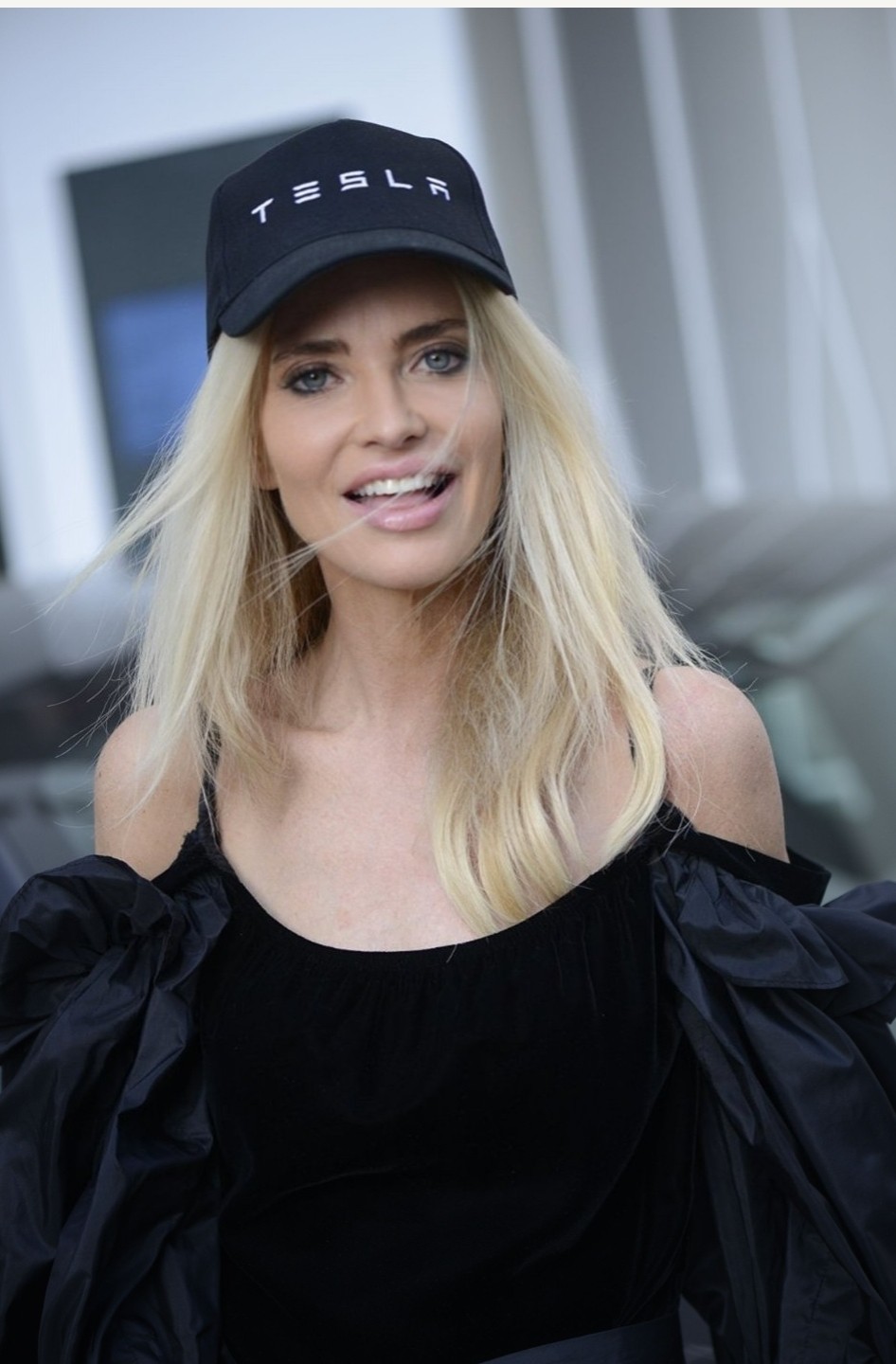
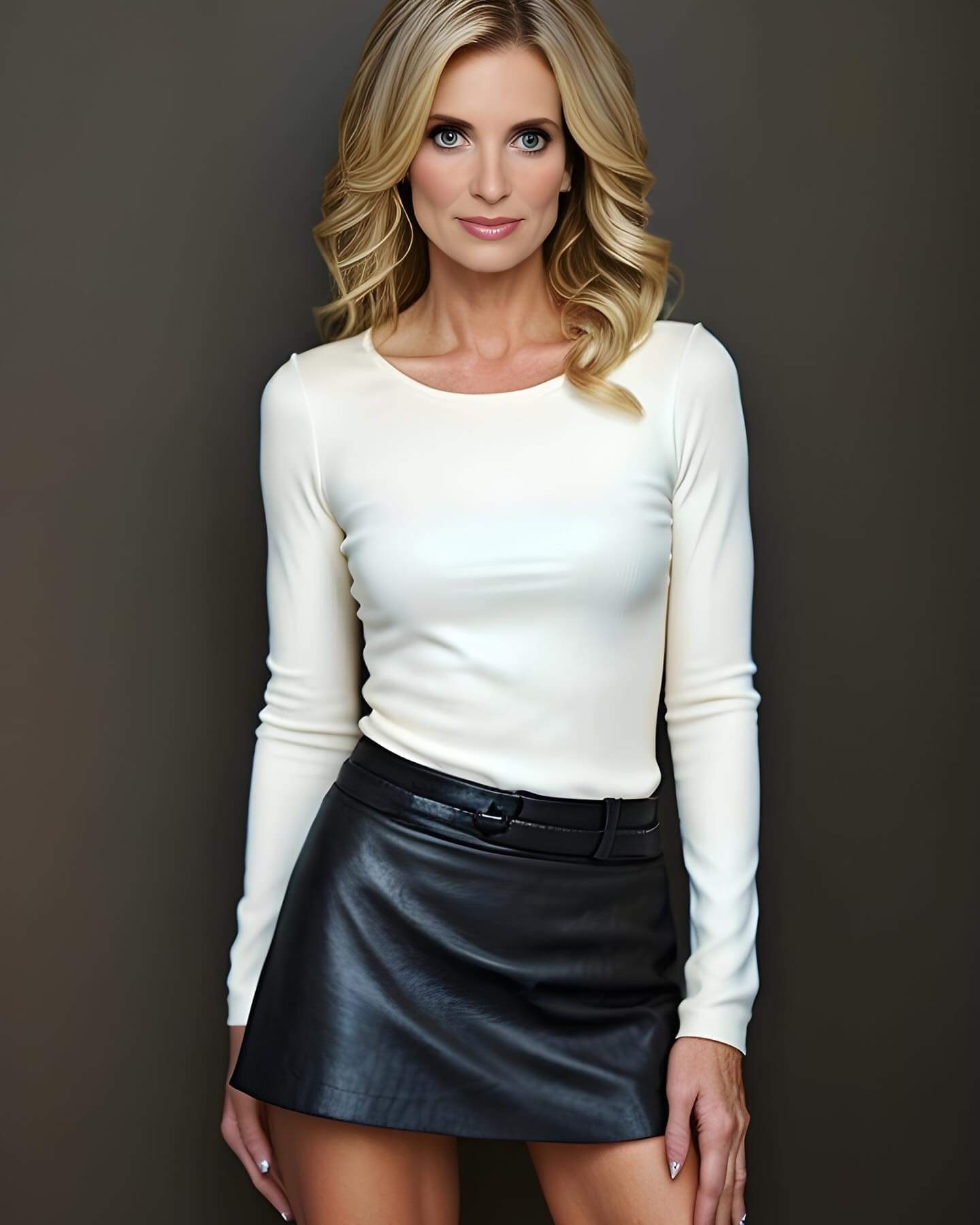
For as long as I can remember, I have been captivated by the world of performing arts. Fueling my passion, I relentlessly persuaded my parents to allow me to participate in community theatre, starting locally and eventually gaining an agent in NYC at the tender age of 15. I loved being able to leave high school occasionally to travel into the city to work on a commercial or for auditions.
As the years went by, my devotion to performing never wavered. I studied acting at some very prestigious studios like HB Studios and Meisner Technique with Fred Kareman and pursued a degree in theatre at Emerson College in Boston. It was during my senior year of college at Emerson when I secured my first significant role as a young Marilyn Monroe in ‘Broken Dreams’ after a nationwide search. To date, I am proud to say that I have appeared in more than 100 film, television roles, soap operas, and commercials, several of which have strong social messages. ‘ReMoved Film’ and ‘Remember My Story’ have been implemented into school systems globally to provide awareness to teachers and caregivers alike about the foster care system in America.
I can be seen on platforms such as Vudu, Fandango, Apple TV, and Amazon Prime in the series ‘The Window’ and in the post-apocalyptic TV series ‘Feel The Dead,’ directed by John Real and shot in Sicily. I play the role of Helen, opposite William McNamara and Estella Warren (Planet of The Apes). I will be on the jury at Muscat International Film festival 2024, I go on March 2nd.

What can society do to ensure an environment that’s helpful to artists and creatives?
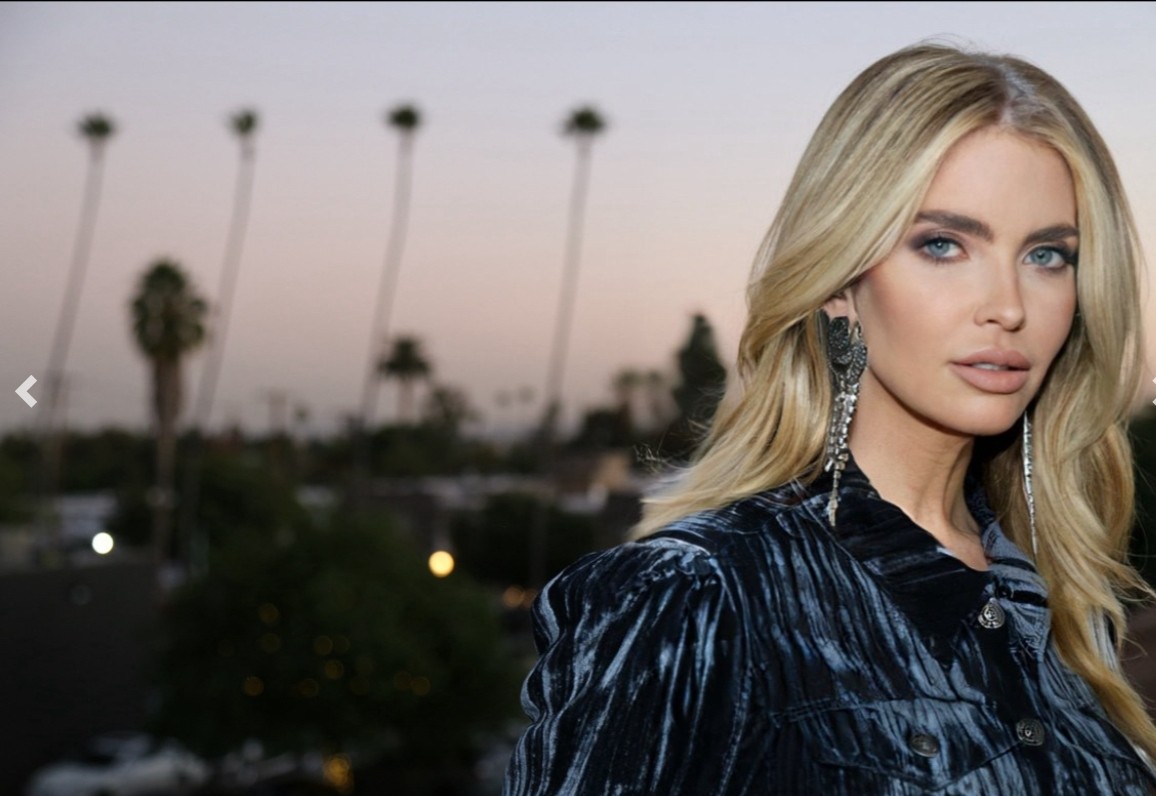
I believe that society can do several things to best support artists, creatives, and a thriving creative ecosystem.
1. Provide financial support: One of the most important factors for artists and creatives is funding. Society can support us by allocating more resources to arts organizations, granting agencies, and funding initiatives that specifically support sustainable filmmaking. This can enable us to bring our ideas to life without compromising on our commitment to sustainability.
2. Prioritize education and awareness: Society must recognize the importance of arts education and promote it at all levels, from schools to universities. By encouraging the next generations to appreciate and engage with the arts, we can ensure the continuity of a creative ecosystem. Additionally, increasing awareness about the environmental impact of the entertainment industry can inspire changes in practices and create opportunities for sustainable filmmaking.
3. Foster collaborations and partnerships: Cooperation between artists, creatives, and individuals from different disciplines is vital to promoting sustainability in film. Society can facilitate networking events, conferences, and programs that bring together artists, environmental experts, and sustainability advocates to exchange ideas, form collaborations, and create projects that address environmental issues through film.
4. Create sustainable infrastructure: Society can invest in the development of sustainable infrastructure that supports filmmakers in their efforts towards sustainability. This includes facilities that provide eco-friendly production equipment and materials, as well as green energy sources and eco-conscious post-production facilities. Supporting the infrastructure necessary for sustainable filmmaking will empower artists and creatives to achieve their goals while minimizing their environmental footprint.
5. Encourage green initiatives: Society can incentivize and reward green initiatives in the film industry. This can be done through awards, recognition, and public support for projects that demonstrate a commitment to sustainability. By celebrating and promoting environmentally conscious films, society can encourage more artists and creatives to embrace sustainable practices and contribute to a thriving creative ecosystem centered around sustainability.
Overall, by providing financial support, prioritizing education and awareness, fostering collaborations, creating sustainable infrastructure, and encouraging green initiatives, society can best support artists, creatives, and a thriving creative ecosystem focused on promoting sustainability through film.
What’s the most rewarding aspect of being a creative in your experience?
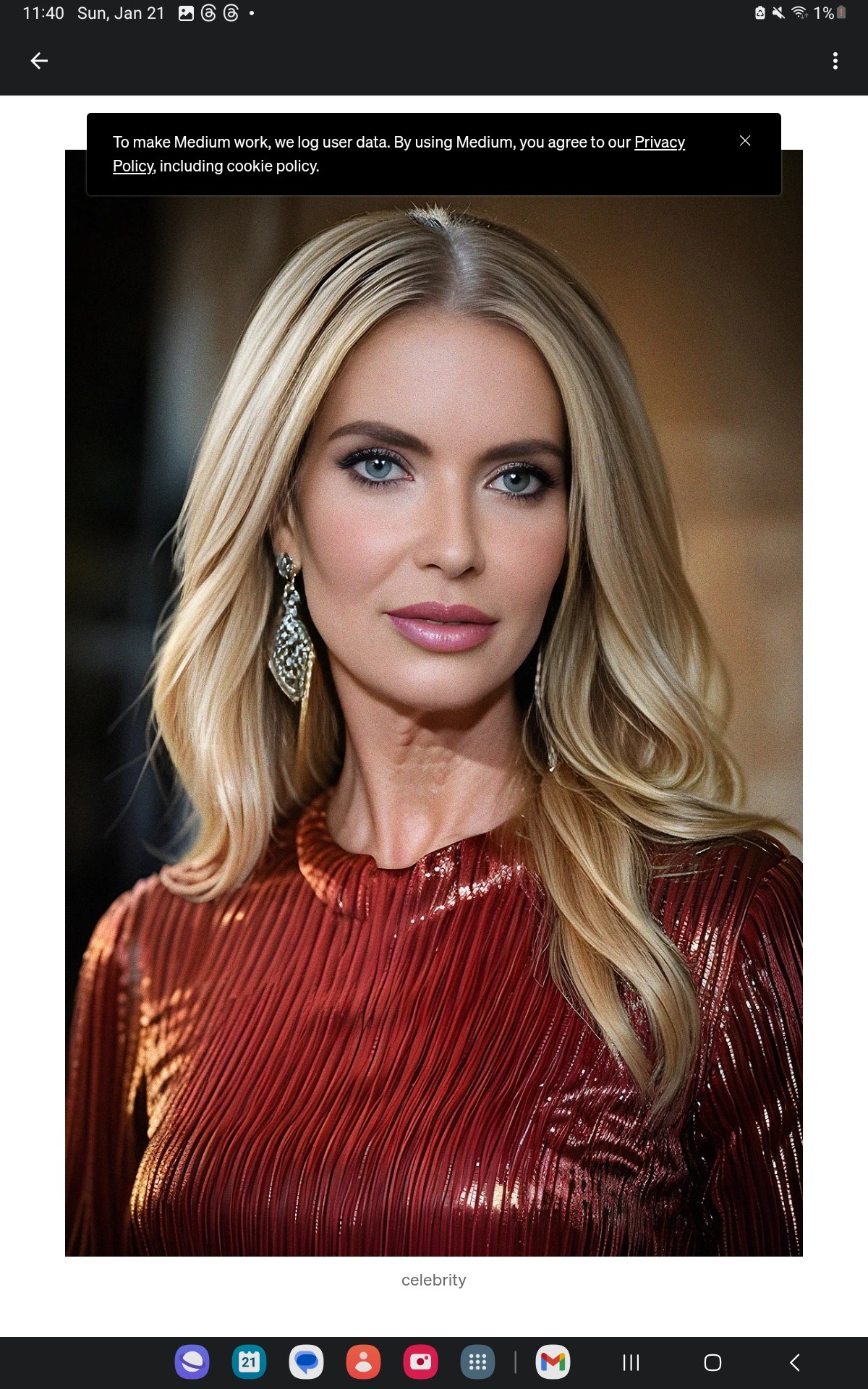
As an artist, the most rewarding thing for me is the opportunity to use my platform, whether as an actress or ambassador for sustainability, to teach empathy and spread messages of peace, love, and compassion. I find immense satisfaction in knowing that through my work, I can inspire others to feel more connected and compassionate towards one another and our planet. Seeing the positive impact that my art has on individuals and communities is truly fulfilling, as it reinforces the belief that art has the power to bring about positive change and create a more harmonious and empathetic world.
Contact Info:
- Website: https://www.imdb.com/name/nm0191747/?ref_=ext_shr
- Instagram: https://www.instagram.com/sabrinaculver33?igsh=MWo1czJ1eXNhcDk0bw==
- Facebook: https://m.facebook.com/SabrinaCulverActress
- Youtube: https://youtube.com/playlist?list=PLC_WFVOH2WJQvp_zzdlfouve5Z4USuWaH&si=u9Ib4_sprV_AmAdI
Image Credits
Rob Van Petten photography Cannes Film Festival