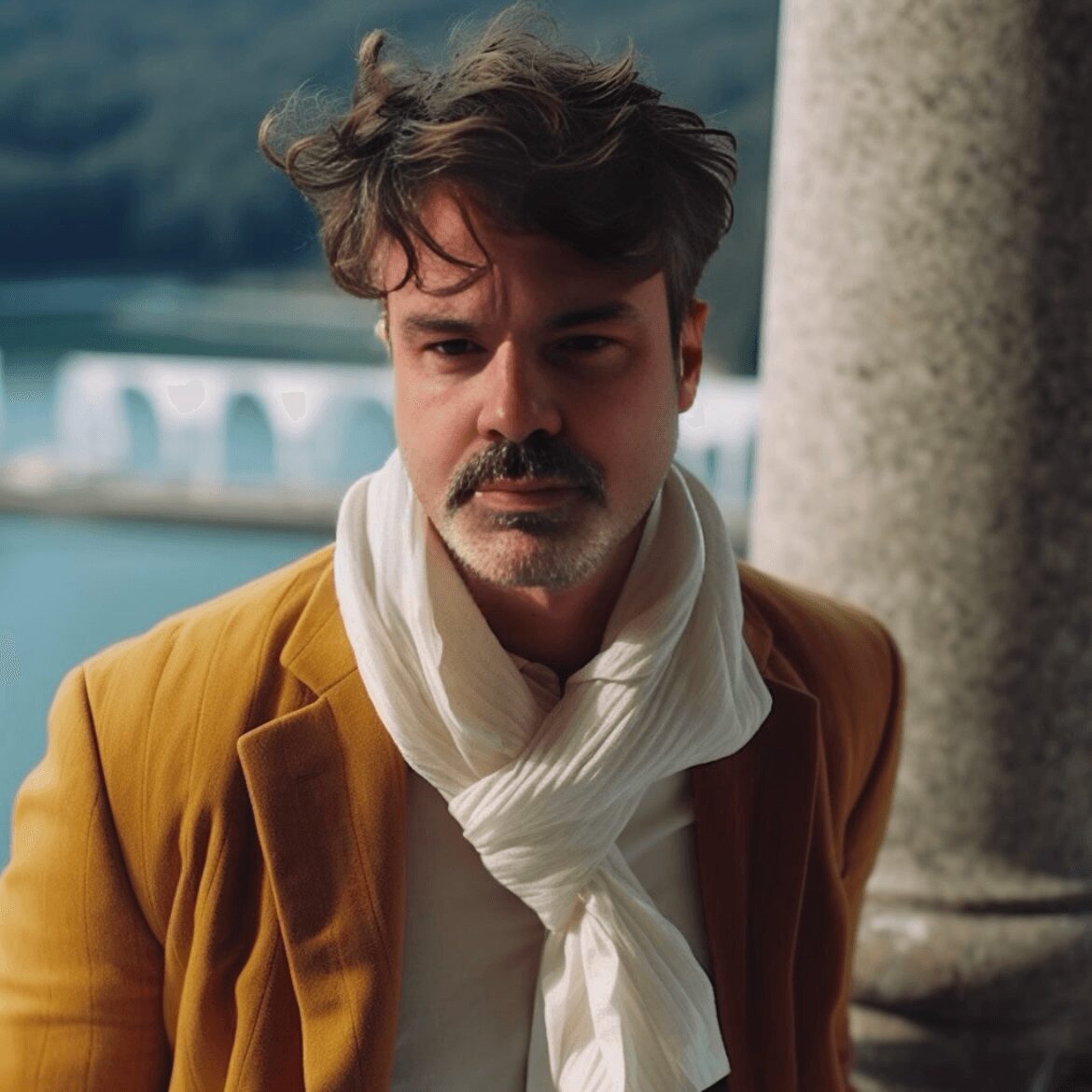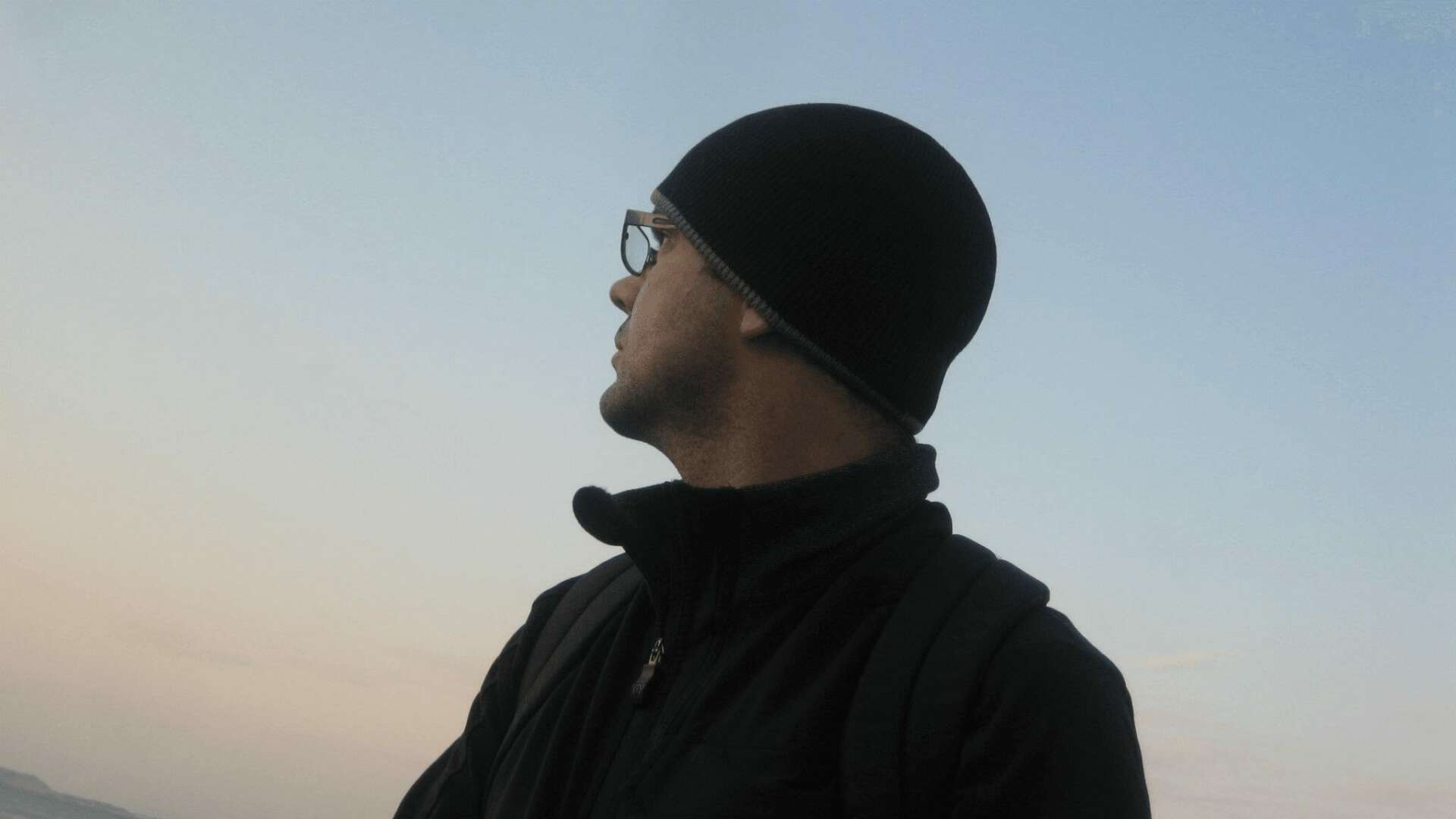

We were lucky to catch up with Ryan Watts recently and have shared our conversation below.
Ryan, thanks for joining us, excited to have you contributing your stories and insights. If you could go back in time do you wish you had started your creative career sooner or later?
While I began my current career effectively in my 20s as a side hustle, I really began focusing on it around 2018 in a full time manner. At the time, life-wise, I was in between projects, closing down a collective-based project that I had led, running strong for around a decade prior, and not quite into my solo works that I’m more known for today.
Around that time I shifted career paths from working a day job (well, night job, really) as a Sommelier in Michelin-starred restaurants in the San Francisco area, and shifting focus to direct-to-consumer sales in the wine world online.
In parallel, my day job skyrocketed my opportunities while my music simultaneously began catching overseas, eventually spreading back to the US markets. Today, I’m the Chief Marketing Officer of an online wine company, and I have over 2 million streams globally on my music over all trackable platforms (working towards the 3mm+ mark).
While some days I wish I had started sooner, most days I believe everything happened at just the right times based on where I was at on my personal and professional journey, and I’ve never thought I should have waited any longer – we’re not getting any younger, you know!?
Great, appreciate you sharing that with us. Before we ask you to share more of your insights, can you take a moment to introduce yourself and how you got to where you are today to our readers.
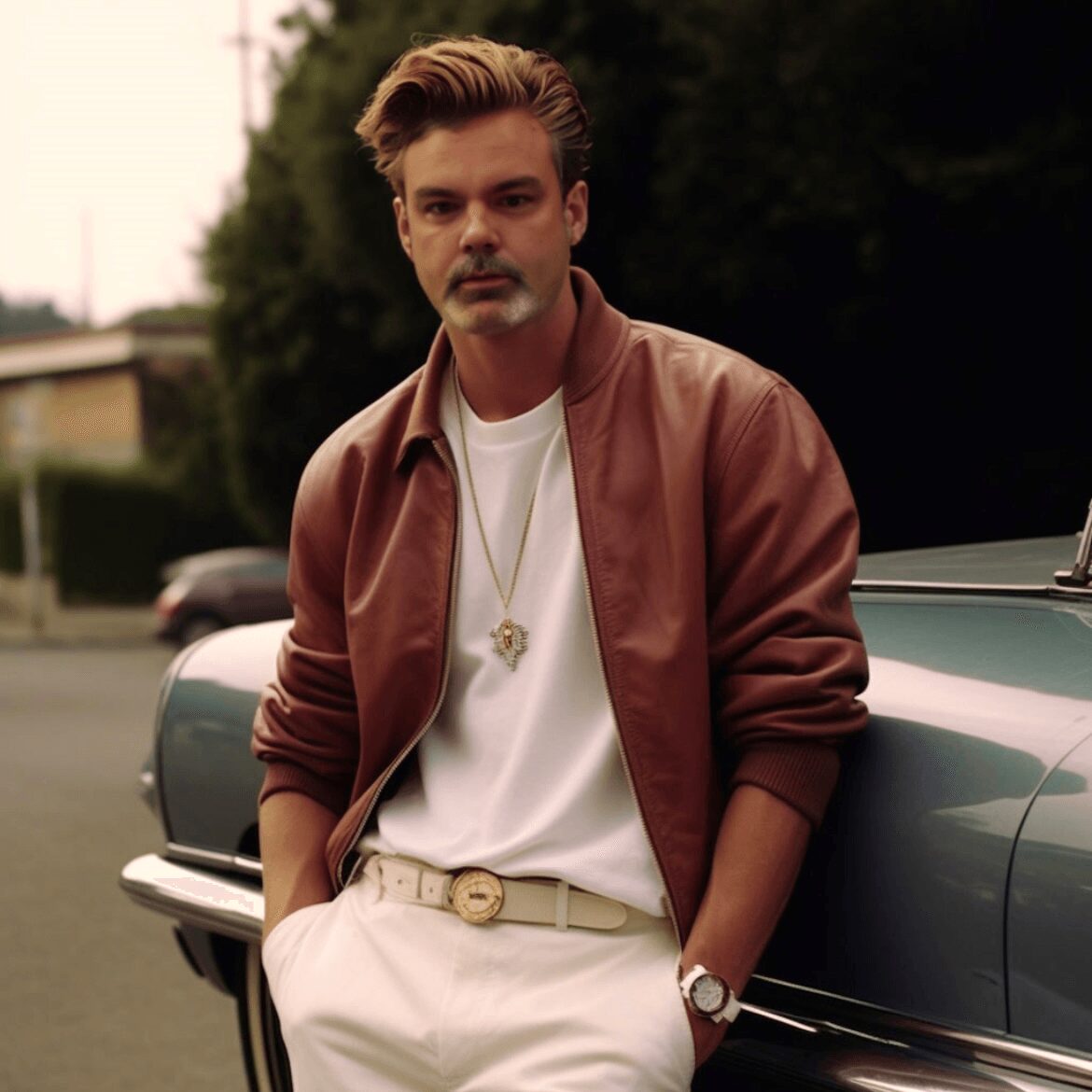
Hello, my name is Ryan Watts, better known as Akira Film Script (akirafilmscript.bandcamp.com) and my musical beginnings started as most 90s suburban kids’ do: playing in garage bands, recording 4-track demos to cassettes, playing house parties and local gigs and the like, however, I had a very unique opportunity in the bustling pre-tech explosion Silicon Valley in California; an elective class in high school called Digital Audio.
The idea was to use the locally accessible Macintosh computers of the time and teach kids about music theory through applications like sequencing, MIDI, and other technology-driven musical applications. So, instead of spending sophomore and junior years playing in the marching band, my friends and I learned how to “make beats” and trigger/sequence school-owned Korg synths via MIDI through an early version of the Cubase software suite. We were taught about DAW effects, compression, limiters, parametric EQs, recording techniques and theories, and at the time, granular math to warp, adjust, or simply find the BPM of a sampled loop. I assume this wasn’t too dissimilar to today’s classes that teach early advanced coding or things of the like.
After high school, I pursued visual arts by way of the Academy of Ary University in San Francisco, with a focus on visual effects and 3D animation. During this time, it was recognized by an employer of mine that I was very advanced with wines (I come from a Northern Italian winemaking family), and they offered to pay for my studies as a burgeoning Sommelier (or, professional wine steward). As a bit of a deviation, after university, I focused on the wine world via Michelin-starred restaurants by night, freeing up my days to pursue creative audio projects. I started with an electronic music collective that essentially acted as a live house and techno band, then shifted focus after the aughts to a 90s hip-hop revivalist project through a collective of artists with a series of mixtapes and albums that caught local steam, ultimately launching a few of the artists we supported to full time creative careers that still operate nominally to this day.
My learnings from this period were enormous, and invaluable. A few years before the global 2020 pandemic hit, one of the artists I supported asked if I was ever going to focus on my own solo project, as he’d been privy to some of the ambient and electronic recordings I’d created during the previous period, mainly for myself and close friends. Concurrently, my wife wanted to move away from the big city and cultural center that was San Francisco at the time to focus on starting a family – something that required me to transition into becoming what folks in the restaurant industry call a ‘daywalker’ i.e. someone who ends work at 5pm, not starts it then.
I was quick to climb the corporate ladder in the wine industry as a ‘daywalker’ by leveraging my learnings in the physical and digital music spaces, sharp marketing chops from years of creative output and consumption, and deep knowledge of wine, leveraging all this experience against selling wine online; a new space in an honestly ancient, and slow-to-the-party industry.
Folding my newfound knowledge from the online wine space back on my musical and artistic experience, I began seeing parallels in the communication strategies between the two industries. Taking time to apply these learnings, I decided to tap into overseas markets where electronic music is more prevalent, and supported by localized industries, moreso than the small, unsupported, cottage industry of local electronic music in, and around, the San Francisco Bay Area (which by and large focuses on DJs and/or pop-dance acts, or electronic-infused indie rock bands when looking solely at the electronic space).
New markets in Asia and Europe began to open for me. I signed for ambient music to a up-and-coming label out of India, reset networks (reset93.net), and for my beat-driven electronic music, I signed to Honk Kong’s Acidchicken Records (acidchicken.bandcamp.com) – a home for some of the Rephlex Records artists (and die-hard 303 enthusiasts) from Aphex Twin’s personal record label after it dissolved a few years back. In addition, I took a bunch of distribution into my own hands, self-releasing on my own imprint, Green Chair Music, which was a hold over from my days in San Francisco; the final days of our expanding collective at the time.
With little to no marketing budget, strategic playlist placements, working the algorithms a bit via digital streaming platforms, regional segmentation and outreach, strong project SEO, strategic social media posts and presence, and a little bit of luck backed by 25+ years of experience in the space, I’ve now amassed over 2 million streams globally without any major label deal or distribution support (basically, less hands in the pile at the end of the day, cutting into my margins). I own all my masters, my labels are support systems, and I do not sign “360 deals” for any project or upcoming release. I’m able to manage my music career with simultaneously operating in the Chief Marketing Officer role for my still-growing online wine company.
Today, I’m seeing the rewards for all my efforts. My day career is going strong, and via online listener heat maps, I’ve watched my music make it’s way back home westward across the Atlantic, crawling back to my home on the West Coast via the strongest marketing tool known to man – word of mouth. Playlists, online shares, Shazam searches, continued streaming via DSPs and indie sites like our local (once startup) Bandcamp (currently owned by Epic Games), all have provided me the data to make strategic decisions and connections, including what regional or national terrestrial or online radio shows I should reach out to, what additional labels I should look to for support with strong regional or national listenership, and more from granular data available to myself as an artist.
What’s the most rewarding aspect of being a creative in your experience?
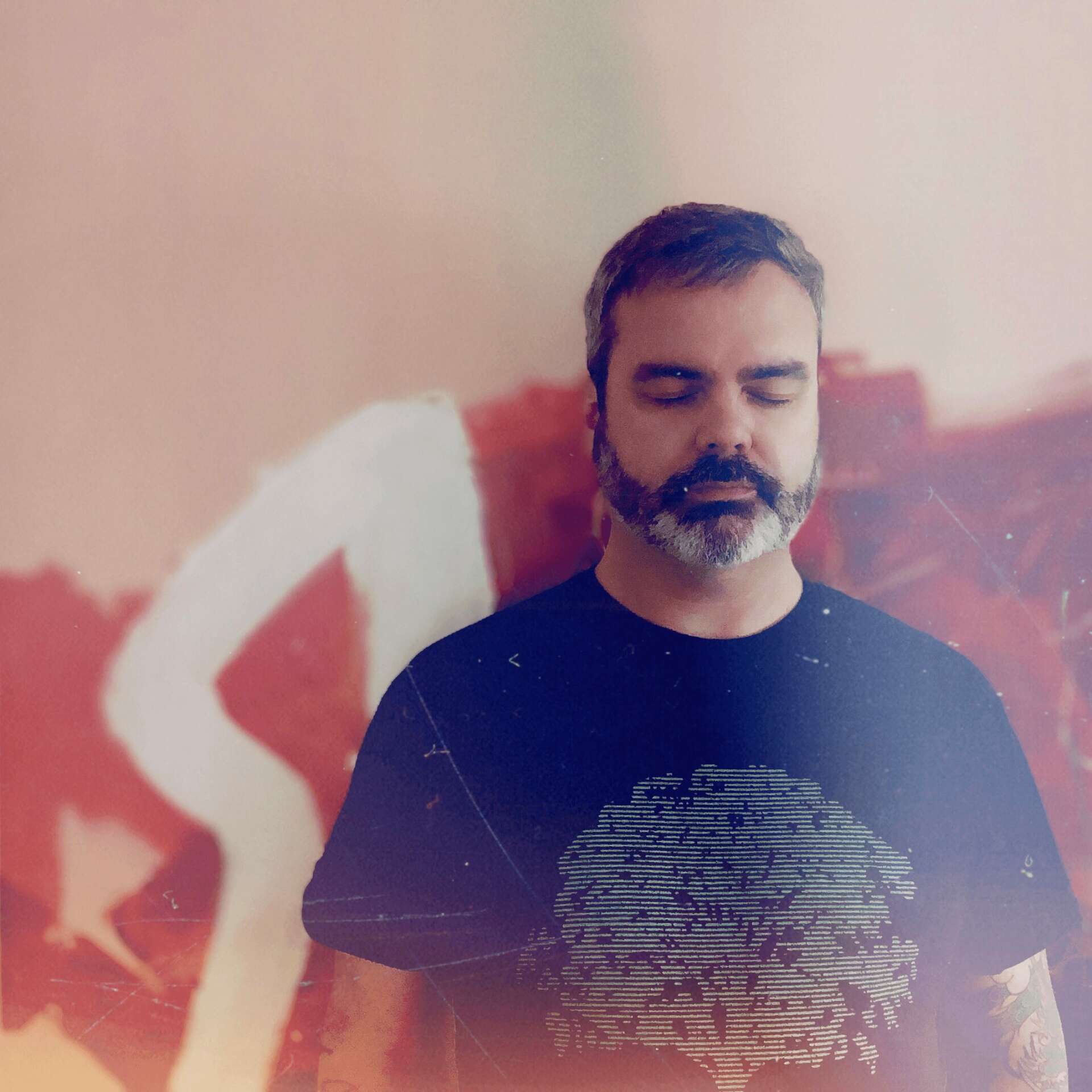
Freedom of expression. As an artist, visual or audio, there are rules, and you need learn them, so you can ultimately break them. Anyone can just throw paint at a canvas, or make all sorts of noise under the guise of art, but once you inherently understand the rules and systems, then you begin to strategically color outside of the lines. You begin to find your own new boundaries, and ultimately your own space, that you’ve created, to express yourself freely within.
How can we best help foster a strong, supportive environment for artists and creatives?
Become patrons of the arts in physical or digital media by way of purchases. Streaming is nice and all from a convenience perspective, but your paying the host (Apple Music, Spotify, Tidal, etc.), being bombarded by their advertisers, and giving power to the systems that own your access to music. We’ve all but forgotten buying a record, CD, tape, or even a digital copy directly from the artist puts the money directly in the artists hands, gives you ownership of the music as an investor of the arts, and takes the power of access away from large companies who don’t treat, nor pay, artists fairly while raking in money hand over fist for executive payroll and bonuses.
Contact Info:
- Website: https://akirafilmscript.bandcamp.com
- Instagram: https://www.instagram.com/akirafilmscript/
- Linkedin: https://www.linkedin.com/in/ryanmichaelwatts/
- Youtube: https://www.youtube.com/@akirafilmscript
- Soundcloud: https://soundcloud.com/user-914942099
- Other: https://reset93.bandcamp.com/music
https://reset93.net/akira-film-script-ryanwatts
https://acidchicken.bandcamp.com/music