



We were lucky to catch up with Ryan Wardell recently and have shared our conversation below.
Ryan , looking forward to hearing all of your stories today. So, let’s start with trends – what are some of the largest or more impactful trends you are seeing in the industry?
I have some really interesting insights to share about how AI is affecting SaaS startups – both positively and negatively – and what SaaS businesses are doing to adapt.
Some examples:
1 – The Startup Accelerator model is dead and Venture Capital is dying, at least for SaaS
Traditionally, software startups needed to raise a lot of money from venture capitalists, and accelerator programs like Y-Combinator sprang up to help early stage founders raise capital and scale their business.
But the costs of launching a software startup have been falling for the past decade – thanks to cloud computing (AWS) vs having to buy servers, being able to access offshore talent and build a remote team, and now finally due to AI boosting productivity you can build a very profitable, global scale business with a tiny team.
For example, messaging app Telegram generated $1 billion in revenue in 2024, has over 1 billion users – and has a team of just 30 people. VCs are begging them to invest, but they don’t need or want VC money.
I detailed in the video and interview below why I think the accelerator model is no longer relevant. Even the best – Y-Combinator – has a 50% failure rate.
https://www.youtube.com/watch?v=DR8InpwM1gg?sub_confirmation=1
https://www.fastcompany.com/91279425/y-combinator-startup-accelerator-identity-crisis
2 – Everyone wants to use AI, but nobody wants to engage with it
Some of the earliest use cases for AI were in marketing and customer comms – being able to write and publish more blog posts to help with SEO, or write and send more cold emails to potential customers, or sticking a chatbot on your website or LinkedIn profile to handle conversations at scale.
The problem with all of this is that while people are enthusiastically using AI to GENERATE content, increasingly people are refusing to ENGAGE with AI-generated content. The internet is now awash with crappy AI-written blog posts that often contain incorrect information. Our inboxes are overflowing with AI generated spam emails. Every second website seems to have replaced human support with a chatbot – which is a vastly inferior user experience. A huge amount of social media “conversations” are now bots talking to other bots.
Reddit’s search traffic has surged over the past year, in no small part because of a massive uptick in people adding “+ reddit” to their search queries in an effort to get information from humans, not bots.
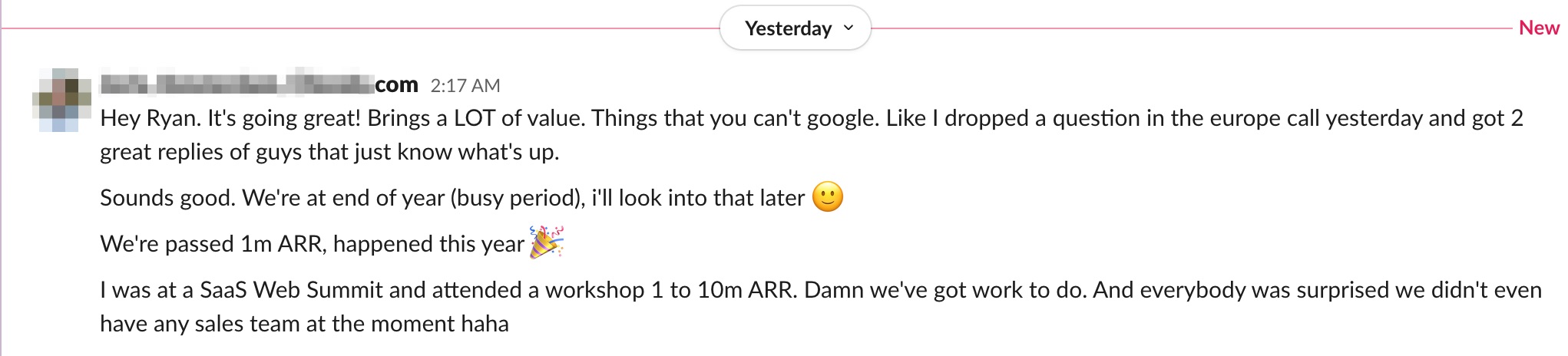
People are increasingly skeptical of information that could be AI-Generated and are turning to more human forms of communication that are harder to AI to infiltrate – like podcasts, video, thought leadership, and community. One of the things many of our StartupSauce members praise about our community is the fact they can get advice from other founders who are a few steps ahead of them – there are a lot of things that you just can’t Google or ask ChatGPT, and human connection is more important than ever in the age of AI.
As always, we appreciate you sharing your insights and we’ve got a few more questions for you, but before we get to all of that can you take a minute to introduce yourself and give our readers some of your back background and context?
I’ve been in the tech startup world for the past 15 years or so, having sold my previous startup in 2012 and being a growth marketing consultant for tech startups and mentor at several startup accelerators since then.
I was running a marketing agency for startups in London for a few years, but was feeling burned out by the rollercoaster nature of project-based work and wanted to start a software business instead with recurring revenue.
My cofounder and I were both marketers and had a good handle on that aspect of the business, but we needed to learn more about the tech side of things and so we started a community for SaaS founders to learn from each other.
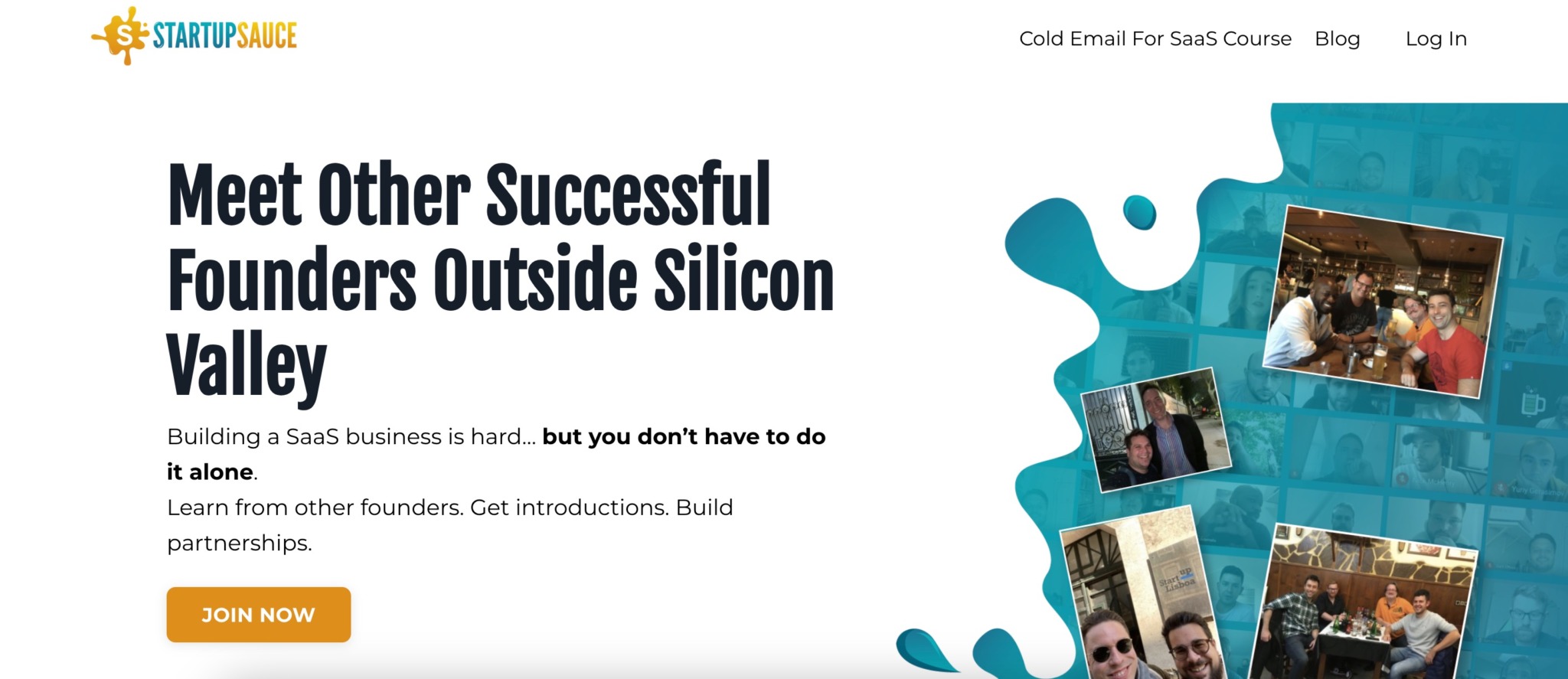
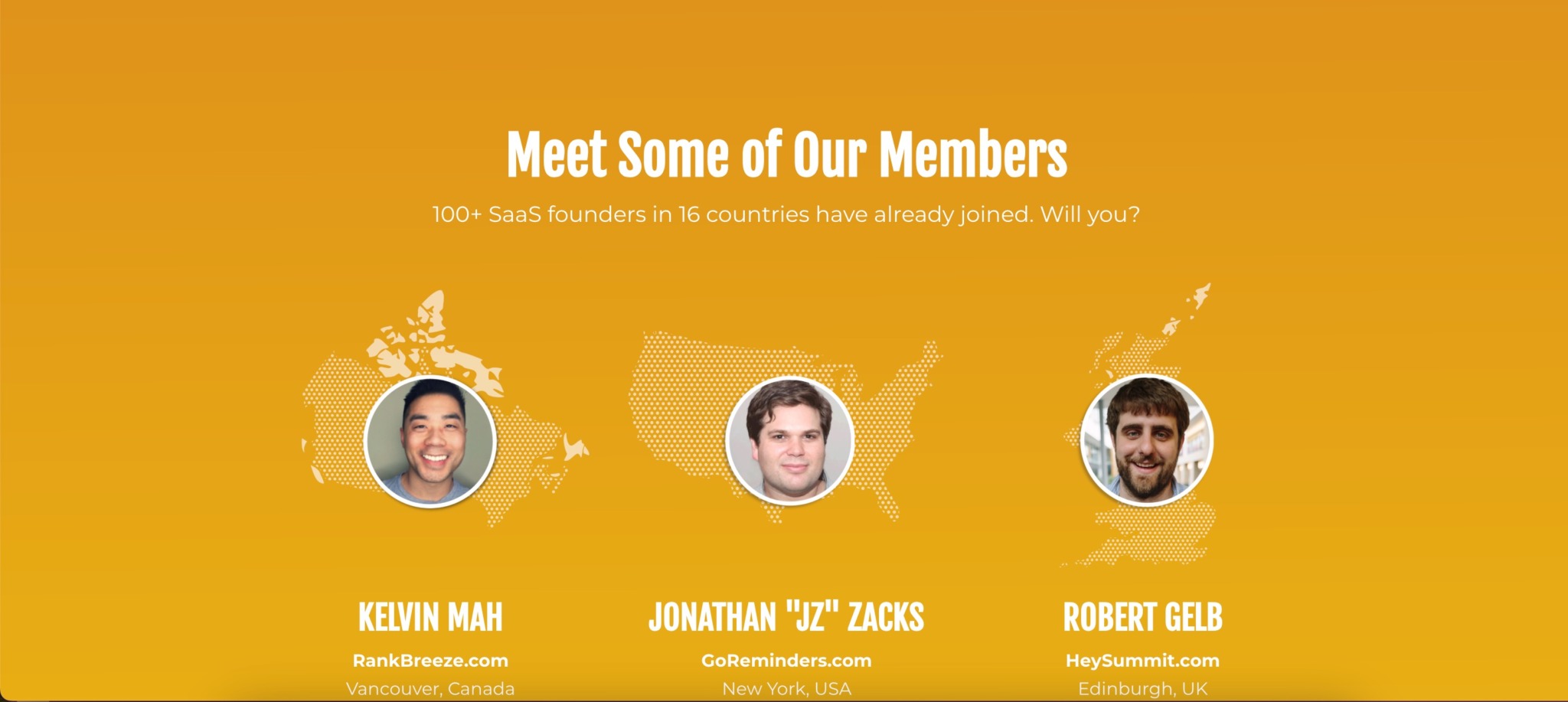
That eventually turned into StartupSauce, a private learning and mastermind community for SaaS founders based outside Silicon Valley. We basically offer all the best things about an accelerator (community, vetted connections) without any of the negatives (heavy emphasis on pitching instead of building a successful business, forcing you to relocate to an expensive city like SF, taking a big chunk of equity etc)
– We pre-screen members to ensure all our members are past the idea stage (members must have a minimum of $5K MRR to join)
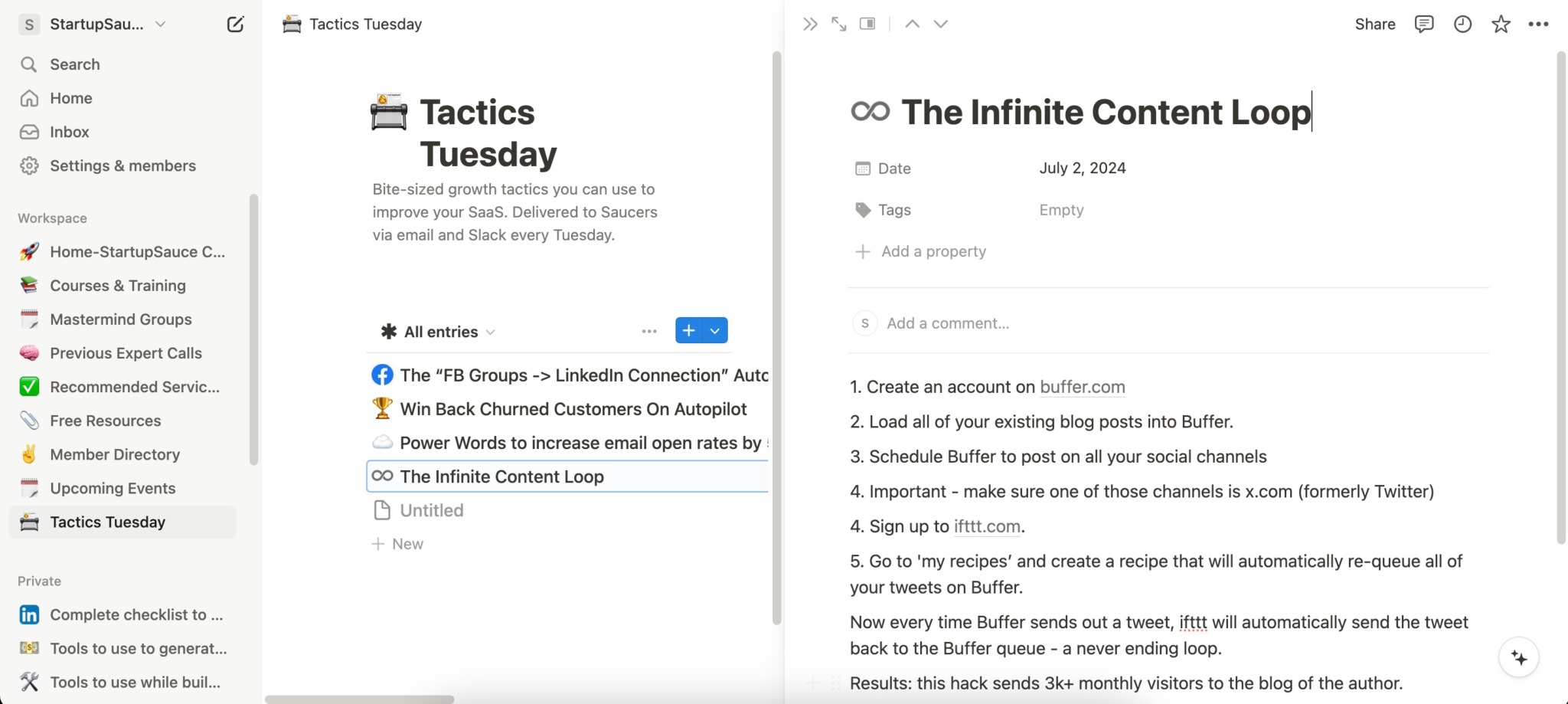
– We have a private Slack group where founders can ask each other questions and share advice and learnings
– We run biweekly mastermind calls where founders can discuss business challenges and get feedback directly
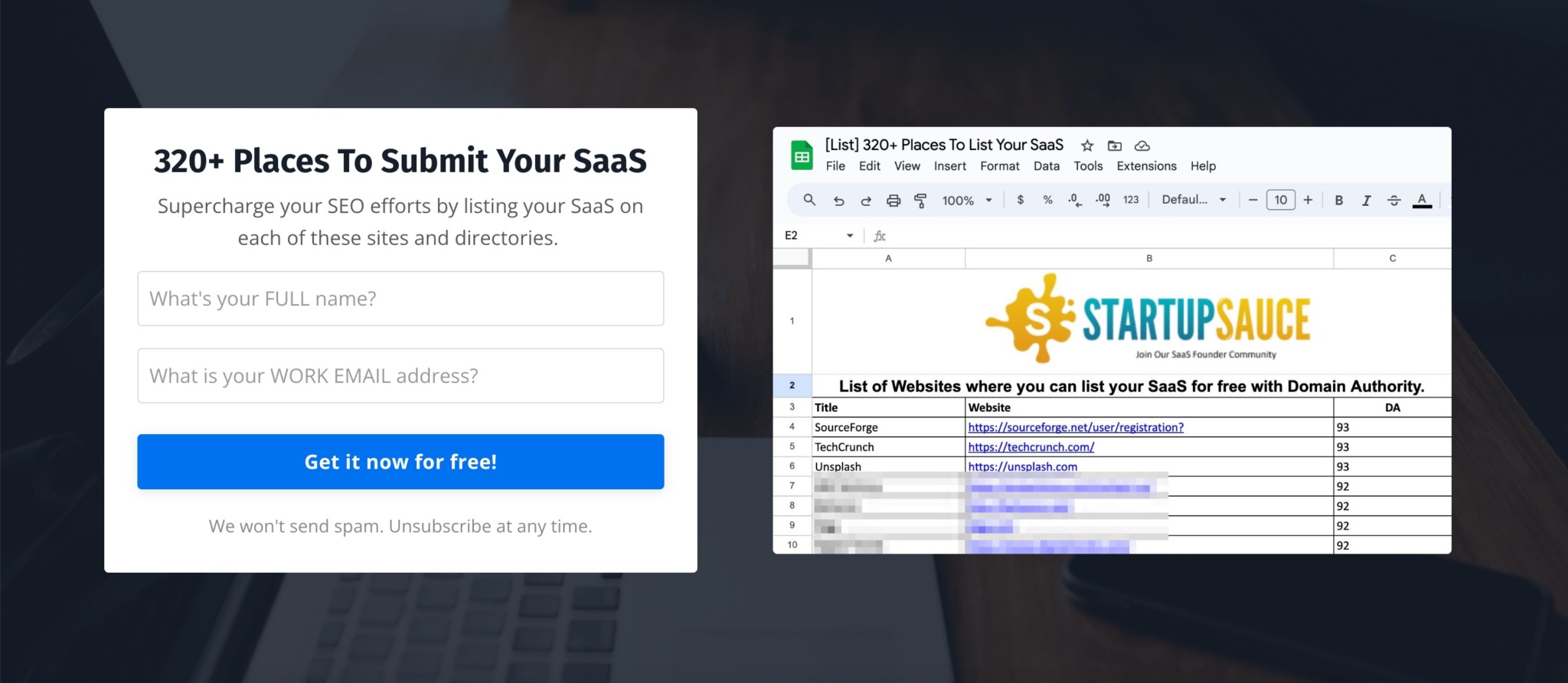
– We provide a whole host of helpful resources, including a list of 31,000 SaaS investors around the world and a list of directories where SaaS businesses can list and build backlinks
– We maintain a list of recommended service providers, vouched for by other Saucers. Think SEO agencies, video editors, startup-friendly lawyers, recruitment services etc
– Basically, the idea is if you join StartupSauce you’ll get access to all the people and resources you need to grow faster, avoid mistakes, and accelerate you towards eventually selling your business successfully.
We also have a special subgroup for founders making over $1m ARR and approx 30% of our members are in this group.
Any thoughts, advice, or strategies you can share for fostering brand loyalty?
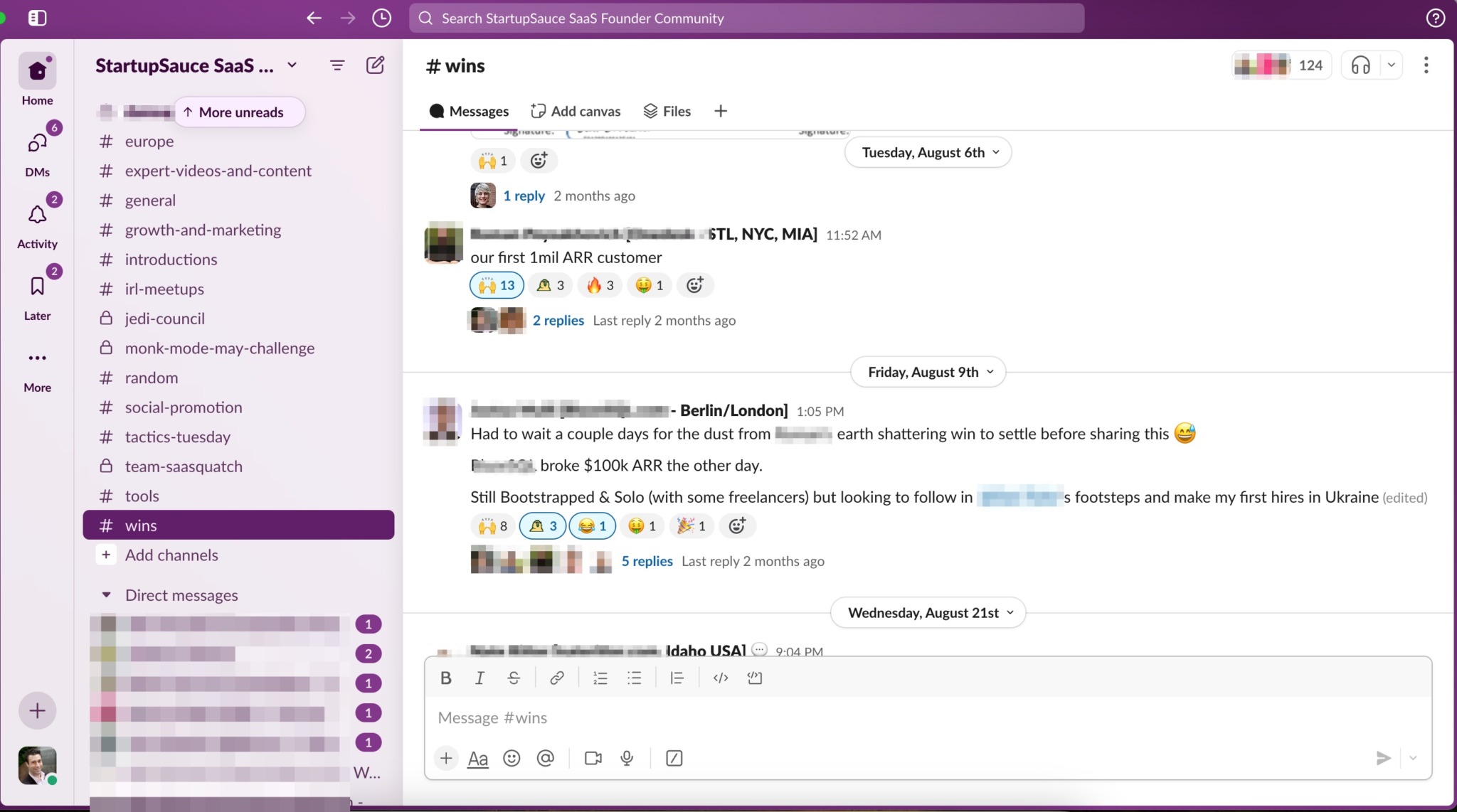
We have an unofficial tradition of sending a gift to our members when they cross the magic $1m ARR threshold. only 4% of SaaS businesses ever reach this milestone – yet 30% of StartupSauce members have – so it’s a major achievement.
We’ve sent nice bottles of whiskey, wine etc – even some very ritzy sparkling water to members who don’t drink alcohol.
One of the things about entrepreneurs is that we’re often so focused on fighting fires and solving problems that we don’t take enough time to celebrate the wins.
And when you hit a major, life-changing milestone like reaching $1m ARR – something you’ve spent years working toward – it feels really good to get a reward and some recognition from your peers in a community that has helped you get there.
We often hear about learning lessons – but just as important is unlearning lessons. Have you ever had to unlearn a lesson?
In the tech startup world, the mainstream advice is to prove as quickly as possible that people will pay for your product – so try to sell it or even pre-sell it as early as possible. Nothing proves that your idea is viable like money in the bank.
When I launched StartupSauce, I pre-sold it for $95 per year, and told the first few members I would grandfather them in at that price for as long as they remained a member.
I got 5 members, launched the slack group and mastermind calls and thought I was off to the races!
HOWEVER, here’s the big learning for me – communities are either growing or dying; they never remain stable. New members breathe new life into your group and keep it fresh and interesting for existing members. So unless you have a marketing machine in place that is going to constantly bring in new members, your community will eventually stagnate and die.
Most other paid communities build in this order: first, they start with content. A blog. A YouTube channel. A podcast. An email newsletter. Whatever.
Then they use that content to build up an audience, an email list of loyal fans who regularly consume their content.
Then they launch a free community – often a facebook group, although increasingly I’ve seen Discord, Slack and even subreddits being used for this as well. So now their loyal fans have a place to meet and interact and – crucially – the community owner has a free group that is discoverable and will grow organically over time.
Finally, they launch a paid group.
Conversely, we started with the paid group without building all the marketing layers on top of it so that we had a steady stream of new members constantly coming in.
I had to eat some humble pie, put that conventional startup wisdom about getting paid customers ASAP to one side, and start building the content, email and free community layers from scratch – 3 years after I actually launched the paid community.
Now, I have a podcast and YouTube channel where I interview 7-figure SaaS founders and experts and get tactical insights from them. I’m one of the moderators of the r/SaaSMarketing subreddit, with over 6000 members where I share content and some of these people end up on my email list and eventually joining the StartupSauce community.
https://www.youtube.com/@ryan-wardell?sub_confirmation=1
https://www.reddit.com/r/SaaSMarketing/
But if I had my time over again, I would have done everything in the right order – started with the content layer, built up an email list, launched a free community and only then would I have launched a paid community.
Contact Info:
- Website: https://www.startupsauce.com/
- Linkedin: https://www.linkedin.com/in/ryanwardell/
- Youtube: https://www.youtube.com/@ryan-wardell?sub_confirmation=1
- Other: I also have a free resource for SaaS entrepreneurs who want to list their website on a over 320+ directories to boost their SEO efforts.
https://www.startupsauce.com/list
Your readers might find this super valuable.
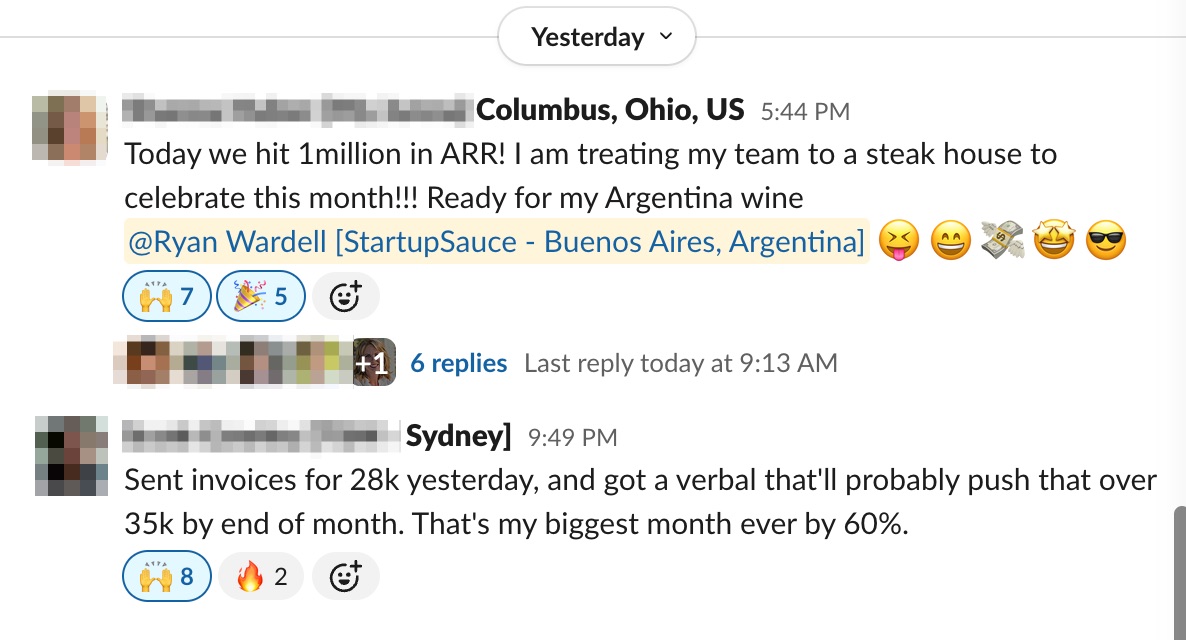
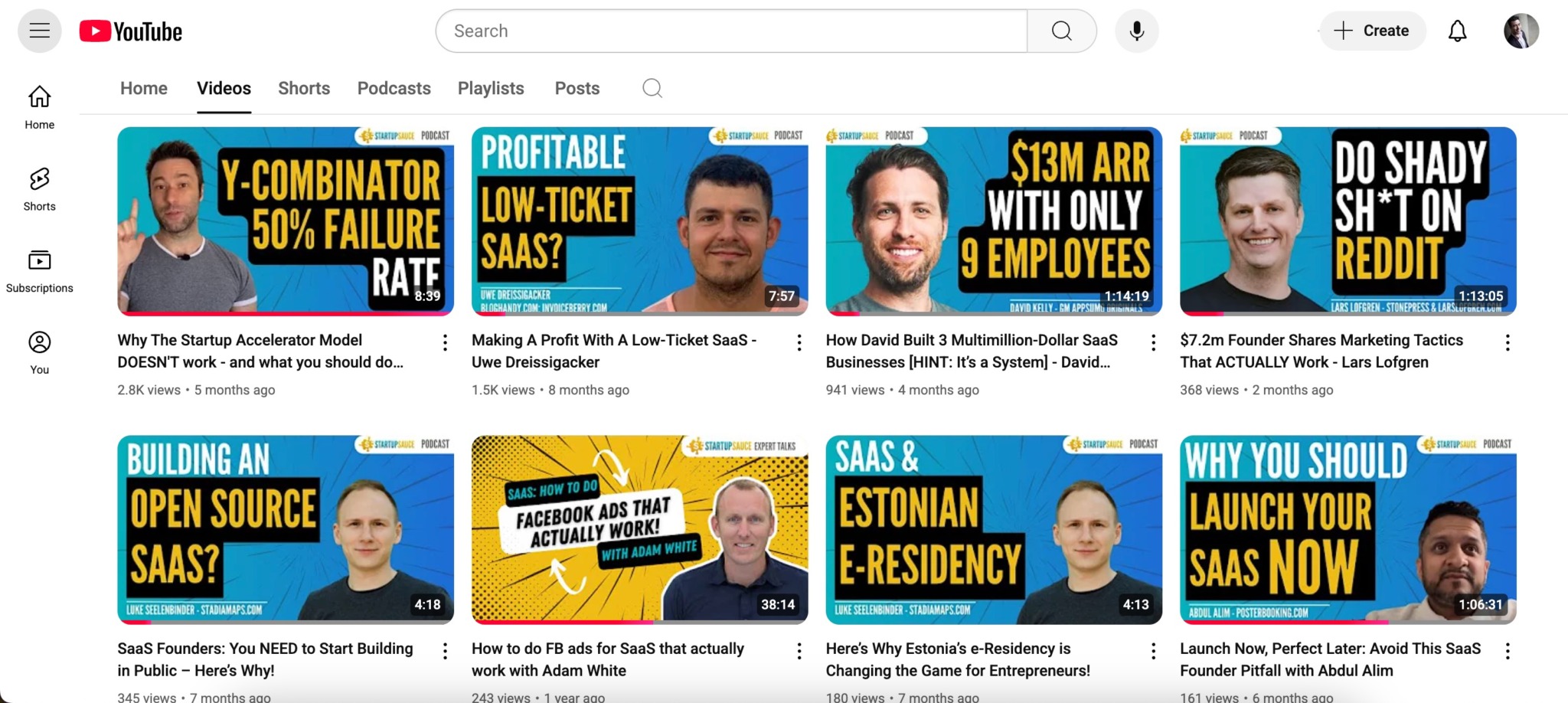
Image Credits
Ryan Wardell
StartupSauce.com
StartupSauce Community