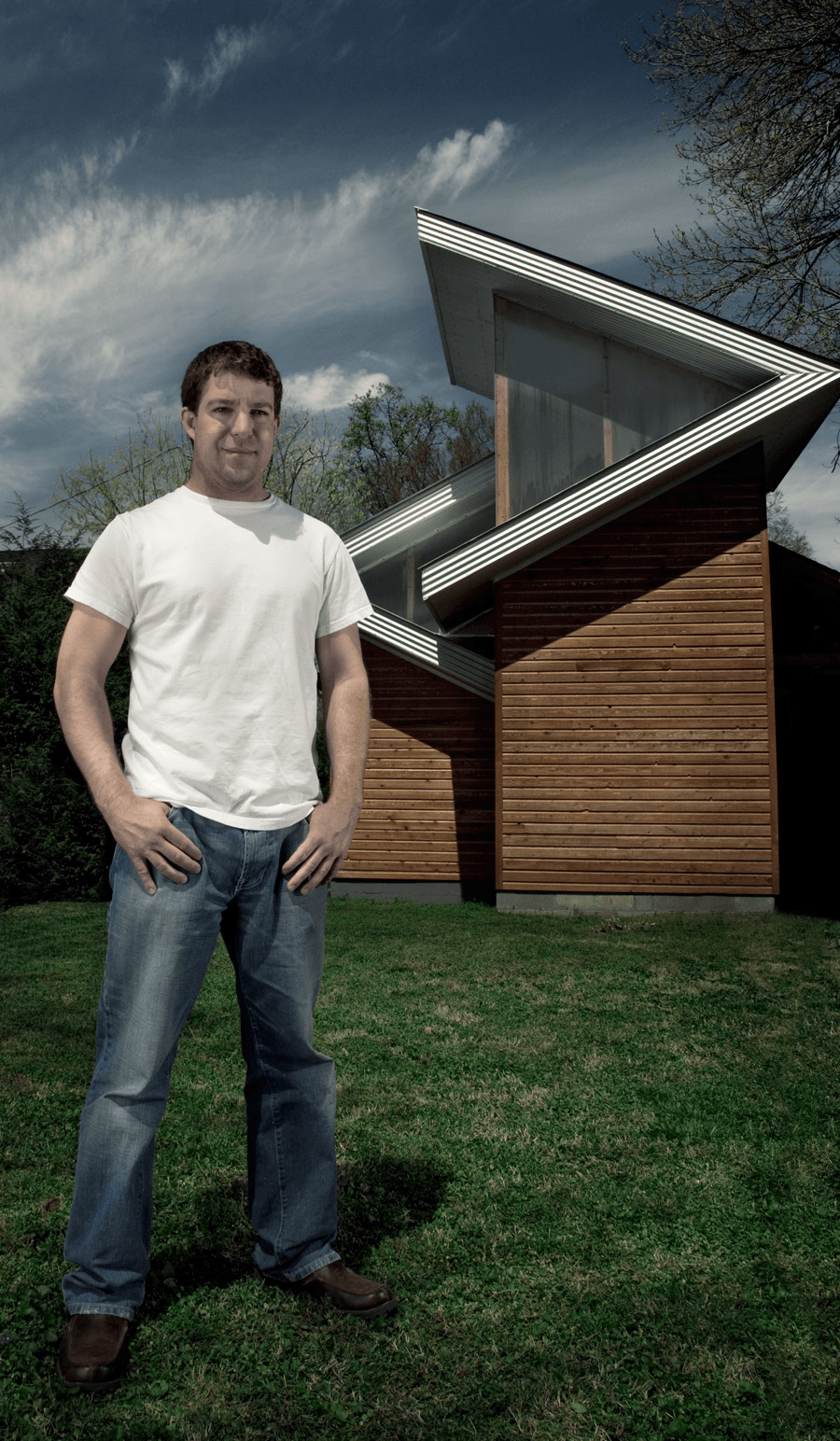

Alright – so today we’ve got the honor of introducing you to Ryan Thewes. We think you’ll enjoy our conversation, we’ve shared it below.
Ryan, looking forward to hearing all of your stories today. How did you learn to do what you do? Knowing what you know now, what could you have done to speed up your learning process? What skills do you think were most essential? What obstacles stood in the way of learning more?
Growing up in a small town in Indiana, architecture really wasn’t a part of our everyday lives. Our only exposure to it really was from television (Family Ties and The Brady Bunch). However, I excelled at drawing and art, so it was repeatedly suggested to me that I become an architect, as that was what people thought architects did.
Taking their advice, I attended Ball State University in Indiana and began my career. That first year was an eye-opening experience as I quickly realized that the skill of drawing wasn’t what was important, but rather the ability to think and be creative. Creativity was something I didn’t regularly exercise, and I immediately questioned if it was something that I possessed. The architecture program was instrumental in setting the stage for figuring this out, but ultimately, it was what I did after school that guided me to where I am today. During school, I became fascinated with the work of Frank Lloyd Wright. Specifically, how his buildings weren’t immediately understood. You couldn’t look at a building from the exterior and know what was going on inside. It was a mystery and entering into the buildings was an experience. I was very interested how someone could think like this and come up with these ideas. So, I set out to find architects that were still practicing and that has worked for and learned directly from Frank Lloyd Wright. I was fortunate enough to work for two. Don Erickson in Barrington, Illinois and Robert Green in Atlanta. Both were successful architects who took Wright’s principles and made them their own. It was these apprenticeships that shaped who I am today and that have progressively become lost in our professions. Not only architecture, but other crafts. COVID didn’t help this as it promoted remote working. There is knowledge and skills that are learned and passed down that can only come from day-to-day interaction and contact. A majority of architecture students take the highest paying jobs out of school or jobs with the best benefits. I took a risk and sought out architects that best reflected the direction I wanted to go with my career and chose to learn from them. Often with little to no pay. But this path led me to being my own boss and allowing me to work on projects that represent my creative outlook of the profession.
Awesome – so before we get into the rest of our questions, can you briefly introduce yourself to our readers.
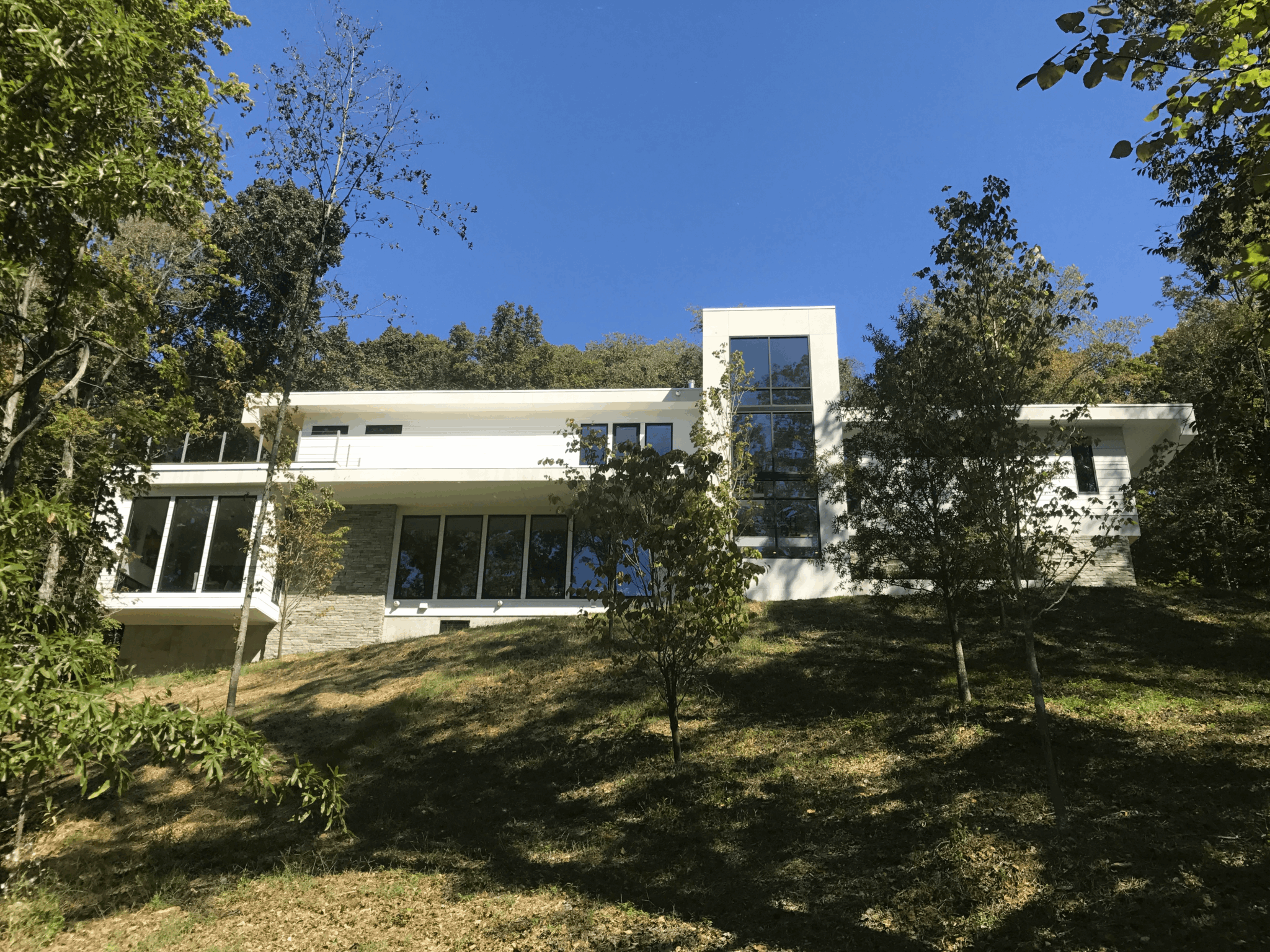
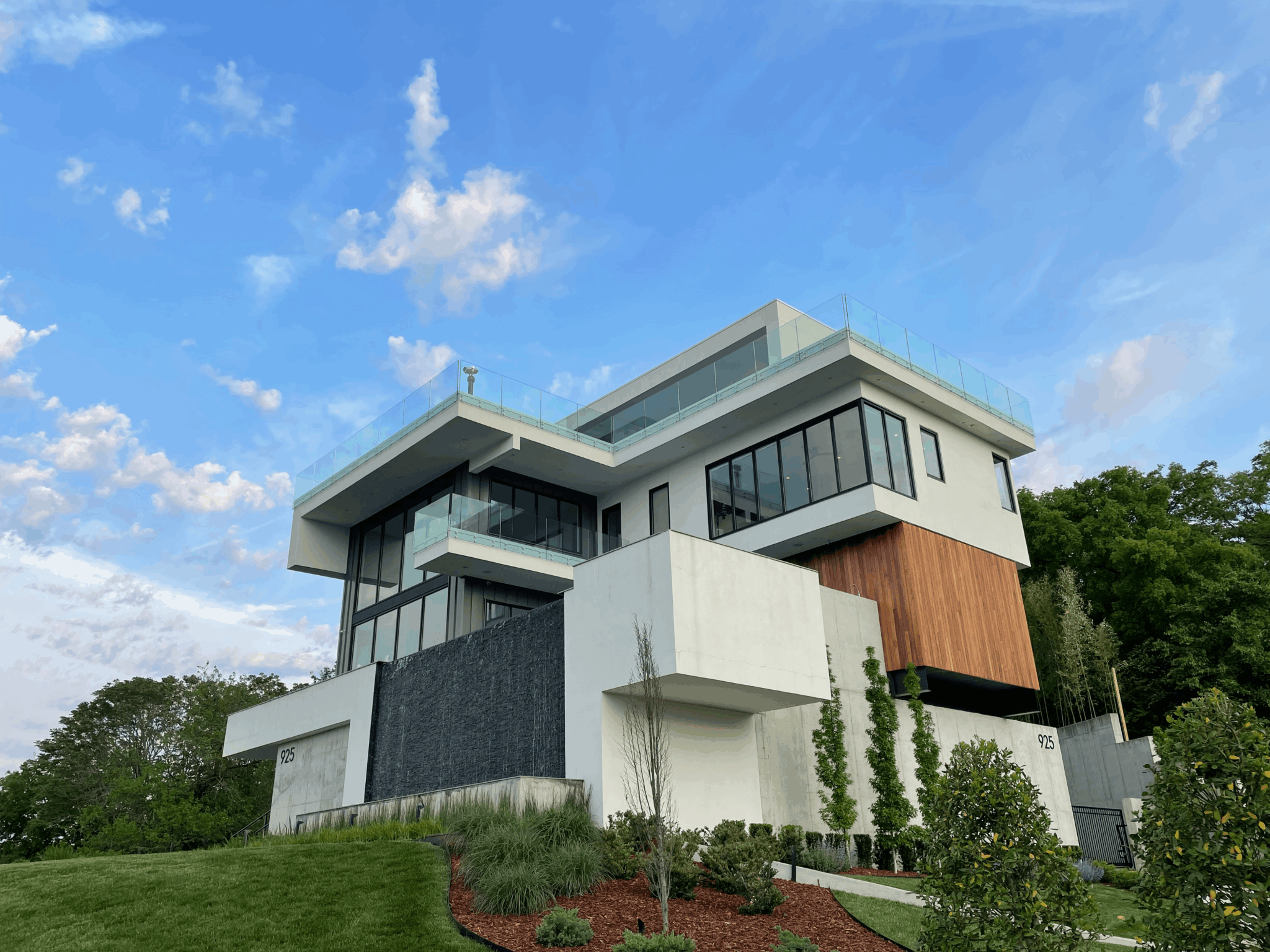
My name is Ryan Thewes. I am an architect in Nashville, Tennessee and I specialize in modern or creative architecture. This tends to be largely single family residential, but I work on any size or any project that fits within my creative style. I am currently working on different projects across the country and in different states and have been expanding my business while still keeping creative control with being a small firm.

What do you find most rewarding about being a creative?
My work doesn’t always appeal to everyone and that is ok, but the greatest reward is when someone trusts me to execute my vision and they are able to finally see and experience it when it is done. So many clients love their spaces and the little things that they don’t even realize they are getting, like how light and shadow move across a space at certain times of the year or how they feel in a specific space compared to other locations in their house. It is something that can’t be conveyed or explained until it is experienced.

Is there something you think non-creatives will struggle to understand about your journey as a creative?
Too often, architecture is overlooked due to the financial aspect of it. Building houses is a very large business and people make money and careers from it. So trying to convince someone to spend money on certain things for the aesthetics or the creativity is a very difficult task. It isn’t until someone trusts you and lets the vision come together fully, that they understand the value of it.
Contact Info:
- Website: https://www.ryanthewes.com
- Instagram: @thewes_architect
- Facebook: https://www.facebook.com/RyanThewesArchitect
- Linkedin: https://www.linkedin.com/in/ryan-thewes-b9509b9/
- Twitter: @ThewesArchitect