



We recently connected with Ryan Renteria and have shared our conversation below.
Ryan, looking forward to hearing all of your stories today. Can you share a customer success story with us?
One of my clients is a high performing CEO who created a fantastic culture for his employees. Despite this, he was seeing a tough labor market and concerned about holding onto his top talent and attracting new A players. I helped him involve his employees in creating extensive cultural bylaws. These are much more effective than traditional values and mission statements, as research shows most employees don’t know theirs or are not motivated by them. With employee input, these bylaws conveyed the company’s specific why, what and how in clear language. We put processes in place so employees would actually follow them every day. Since then, the company has experienced very little turnover and he was able to use the bylaws as a differentiated recruiting tool to sell a major A player executive on coming to them over a competitor.
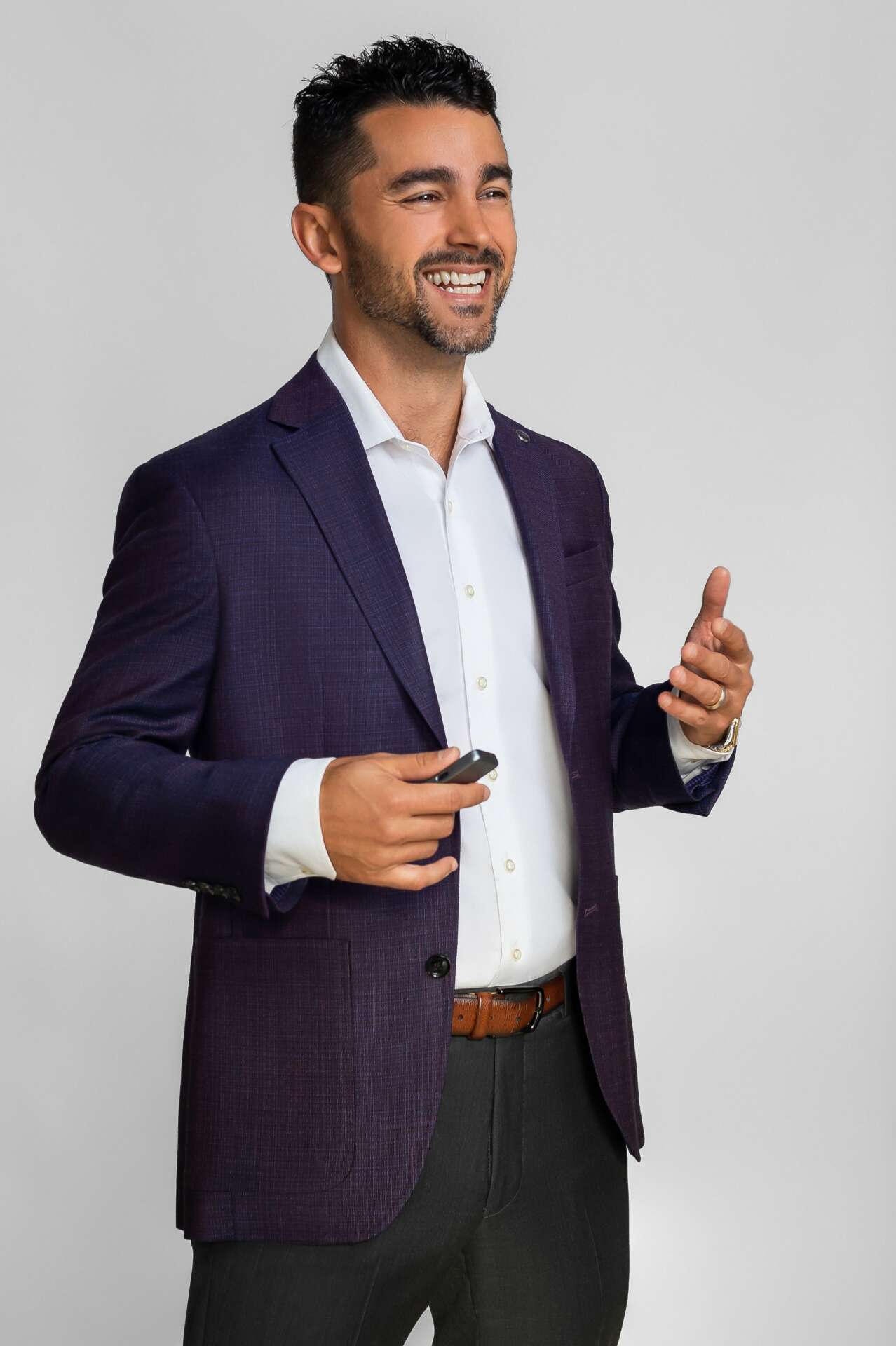
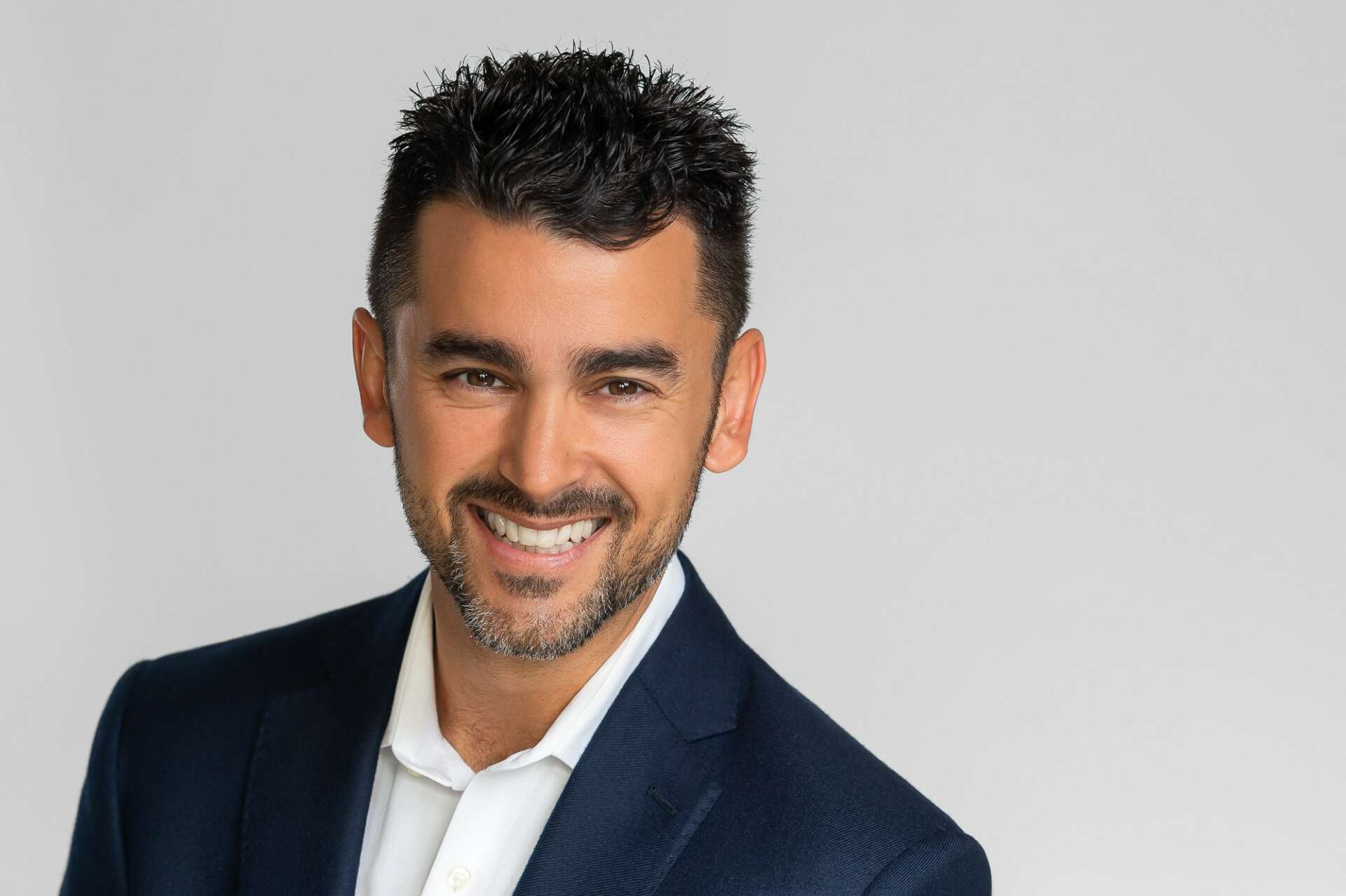
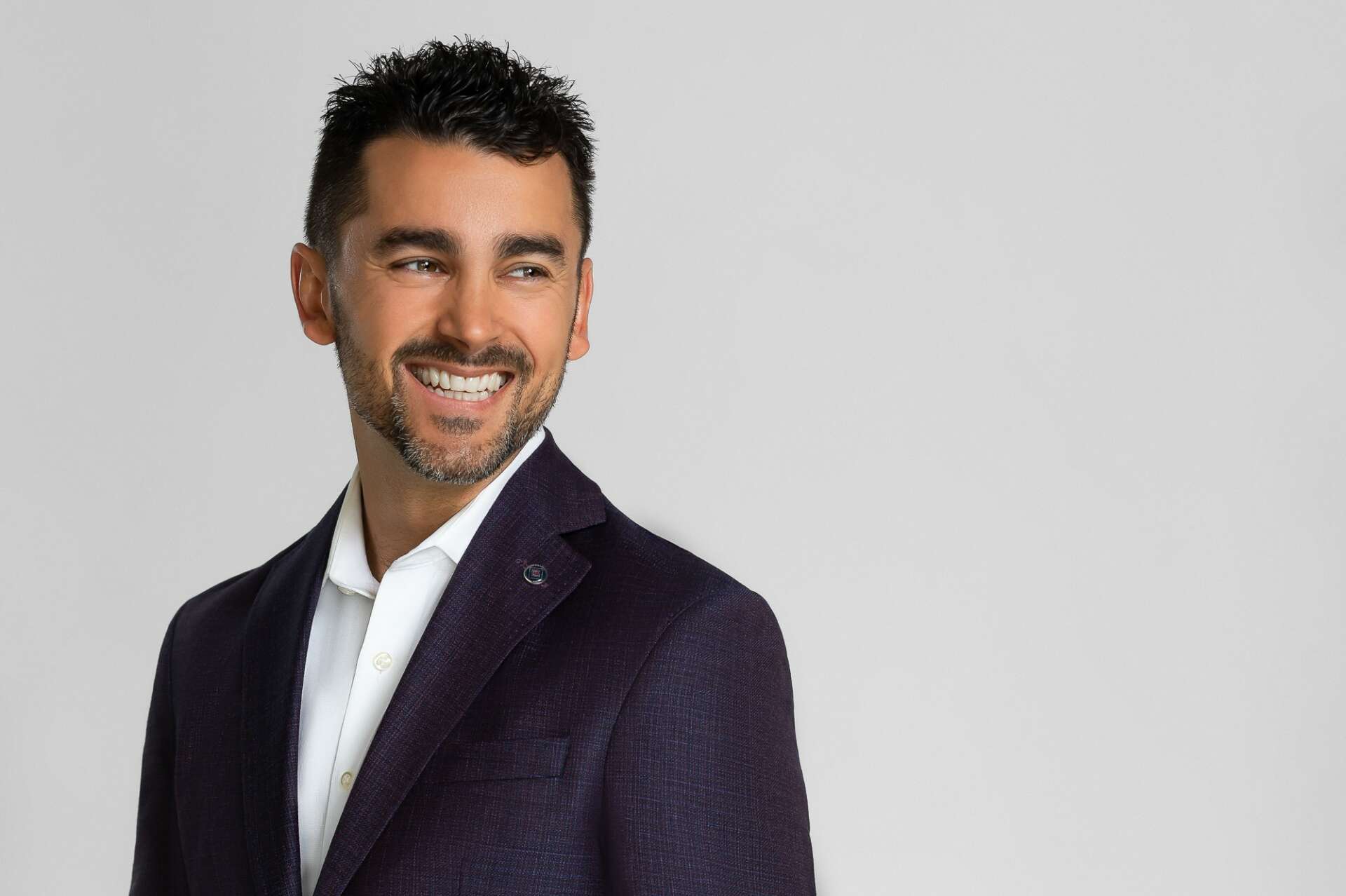
Awesome – so before we get into the rest of our questions, can you briefly introduce yourself to our readers.
I provide executive coaching to CEOs and founders. As their experienced ally and sounding board, I help leaders reduce overwhelm, overcome challenges, and maximize professional and personal growth and performance.
I spent 9 years on Wall Street at Goldman Sachs and 2 hedge funds and was a partner and managing director of consumer investments. Then I spent 9 seasons as a data science advisor to the Indiana Pacers where I worked with Presidents/GMs on personnel and coaches on game strategies. Over those 18 years, I studied a lot of executives and literature on what makes great leaders and coaches. I took all that experience and research and developed a proprietary process for high-performance coaching.
Clients seek my guidance on a wide range of professional issues including leadership and shaping culture, communication, strategy, negotiating, and scaling through hiring, developing and retaining A+ talent. As their trust in me solidifies, they ask for my counsel on personal issues such as relationships, health, stress reduction and wealth management.
Since I coach a group of 11 CEOs from a variety of industries, I get constant exposure to a diverse range of CEO challenges. Clients like that my counsel is evidence based. I carve out extensive time for reading and use a large dossier from years of experience and research to help clients avoid mistakes and develop pragmatic action steps. Since I show empathy and vulnerability in sharing mistakes and lessons from facing similar challenges, clients find it easy to trust and open up to me.
I’m proud to have helped clients improve work-life balance and family relationships, scale their businesses, and get more purpose and meaning from improving mental-health friendly cultures for their employees. Nearly every one of my clients has chosen to stay in an ongoing coaching relationship.

Can you tell us about what’s worked well for you in terms of growing your clientele?
Nearly all our clients come to us from referrals. I believe this stems from genuinely caring deeply about your client’s dreams, goals, and challenges in business and personal areas. If you’re truly passionate about your line of work, this will feel natural to you and not forced. Show authentic curiosity in getting to know them as humans and helping them in any way you possibly can. I’ve offered counsel to clients’ fathers on wealth management and kids on getting into great colleges and jobs, and clients feel ours is truly a family-like relationship. Also, everyone wants to feel heard so understanding the scientific process for empathetic listening is crucial to building deep relationships with them. Lastly, if you can do these same things with your employees, you’ll build a world-class culture for attracting and retaining talent.


Do you have any insights you can share related to maintaining high team morale?
First, create a culture of two-way trust. Stop micromanaging and empower others with the autonomy to own projects. When employees make mistakes, assume positive intent, and empathize with the common ground of your own mistakes. It’s vital to admit mistakes to model responsibility and vulnerability, and to praise others who do the same. This kind of culture bolsters retention in a world of resignations and labor shortages.
Second, create a safe environment for high candor. Say it’s our duty to our employees and customers to have truthful feedback and open debate. Have meetings where employees can challenge executives. Mention that you don’t have everything figured out and you’re completely open-minded to learning from their ideas even if they disagree with yours. Ask open-ended questions that model this curiosity. Encourage and praise proactive speaking up when there is bad news and difficult feedback. Few “quiet quit” when they feel heard and understood.
Finally, recognize their achievements with surprise specific compliments. Thank them with handwritten thank you notes and customized gifts.
Contact Info:
- Website: thestretchfive.com
- Linkedin: https://www.linkedin.com/in/ryan-renteria/
Image Credits
Stacey Doyle Photography