

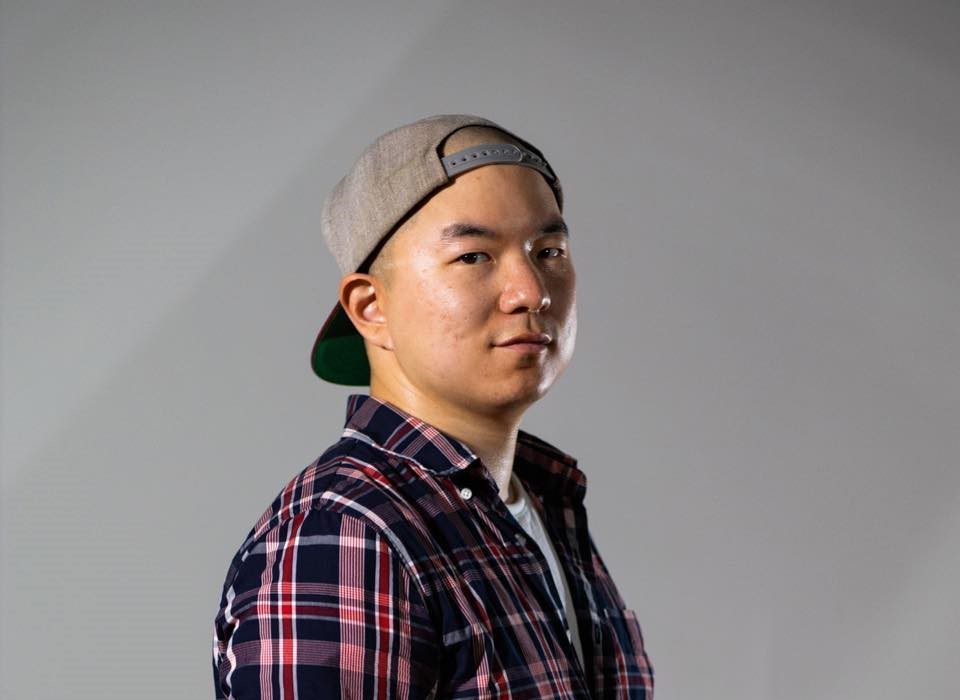

We recently connected with Ryan Pak and have shared our conversation below.
Ryan, thanks for joining us, excited to have you contributing your stories and insights. Is there a historical figure you look up to? Who are they and what lessons or values have you learned from them?
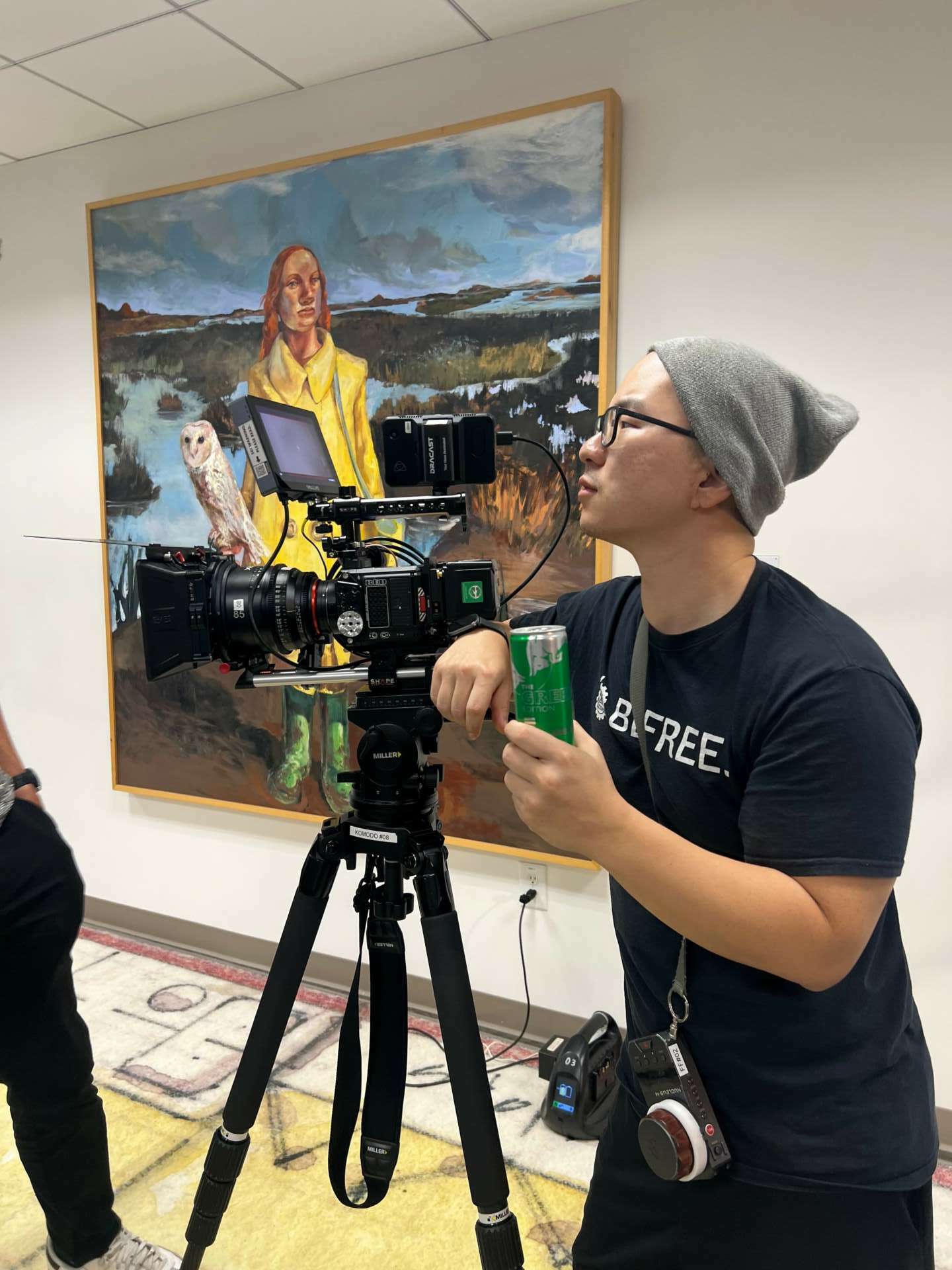
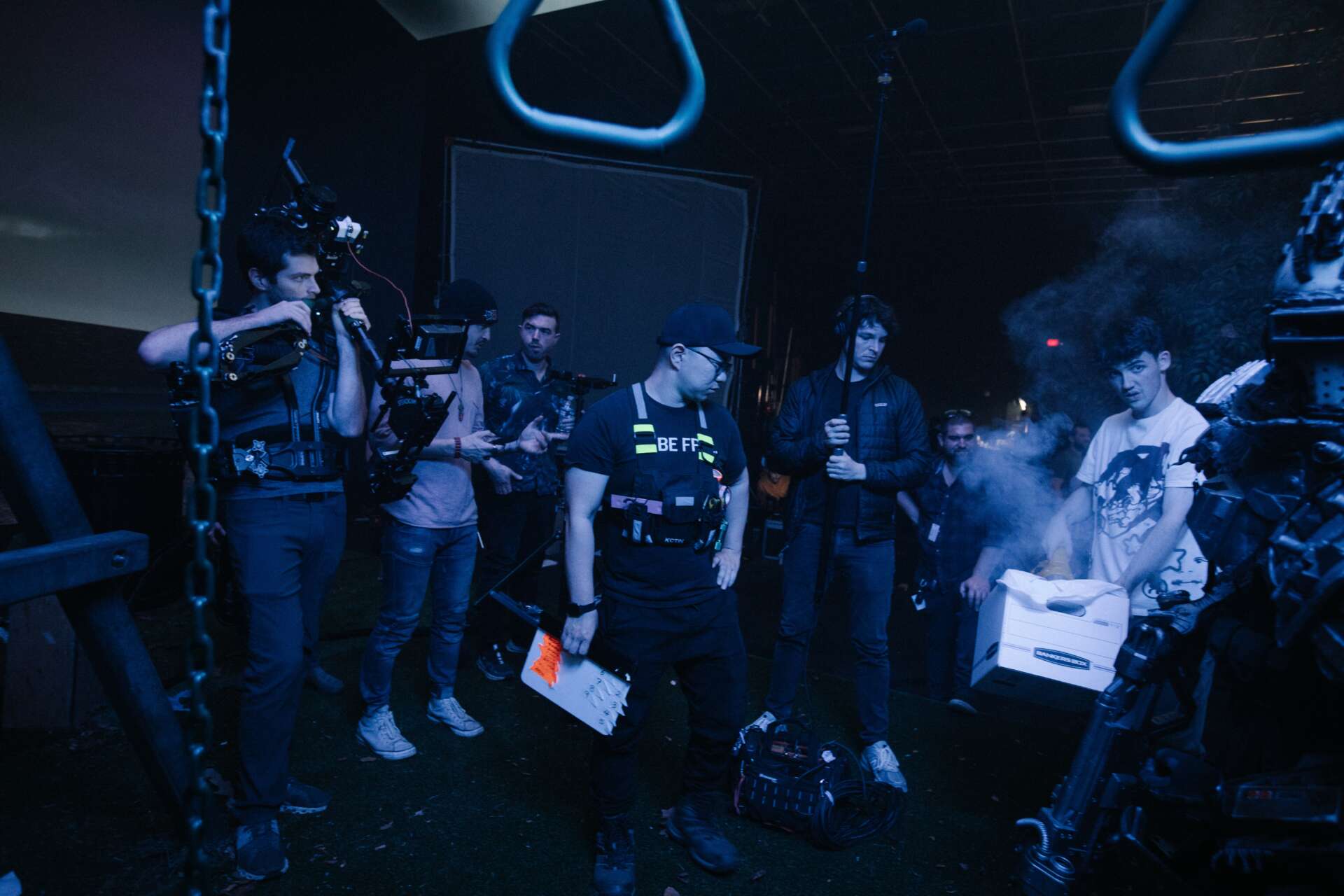
A historical figure that I look up to is Richard Winters who was a decorated veteran officer and served during World War II. Some of you might know him as Major Winters from the HBO hit series, “Band of Brothers.” The reason I look up to him is his exemplary leadership skills and the confidence to lead his men by example into battle which I try to apply whenever I’m a cinematographer for a project. I distinctly remember during my grad school at SCAD Atlanta when my professor told the class, “filmmaking is like a battlefield” which I could not have agreed more. There are lots of moving parts for filmmaking and things can get very hectic, real quick. Much like leading a platoon, a cinematographer is in charge of the camera, electric, and grip department. In order to achieve the vision for a project, cinematographer needs the confidence and know how to effectively communicate with the crew. In order to clearly communicate with the crew on set, I do a lot of preparation work during pre-production to better understand the vision I’m going for and the confidence to lead. I think that is what Winters leadership style is all about. Making sure you are prepared to lead with confidence and be in the trenches with your platoon. In this case, your crew.
Great, appreciate you sharing that with us. Before we ask you to share more of your insights, can you take a moment to introduce yourself and how you got to where you are today to our readers.
I got into the film industry partly by working diligently and luck to be honest with you. The feature film, Samaritan starring Sylvestor Stallone, happens to be shooting at a building my father’s friend owned. He referred me to the location manager and I got my foot in the door. That’s how I started in the location department as a location assistant. I did my very best to outwork and prove myself because I didn’t want people to think that I got the job through nepotism. From there, the higher ups noticed and referred me to other location managers which led me to other film productions. I’ve realized in the film business, as long as you work hard, people will notice and refer you to more opportunities.
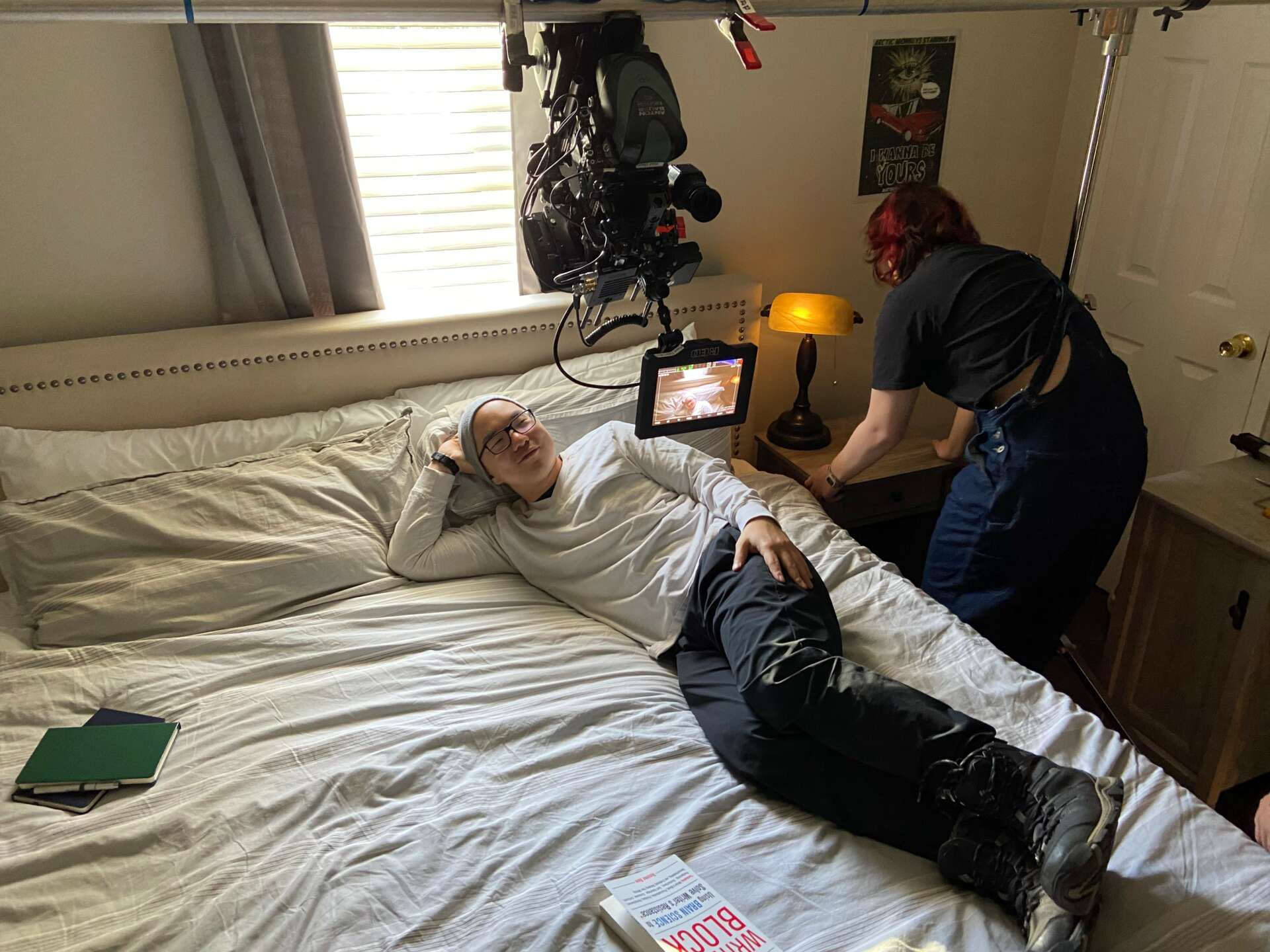
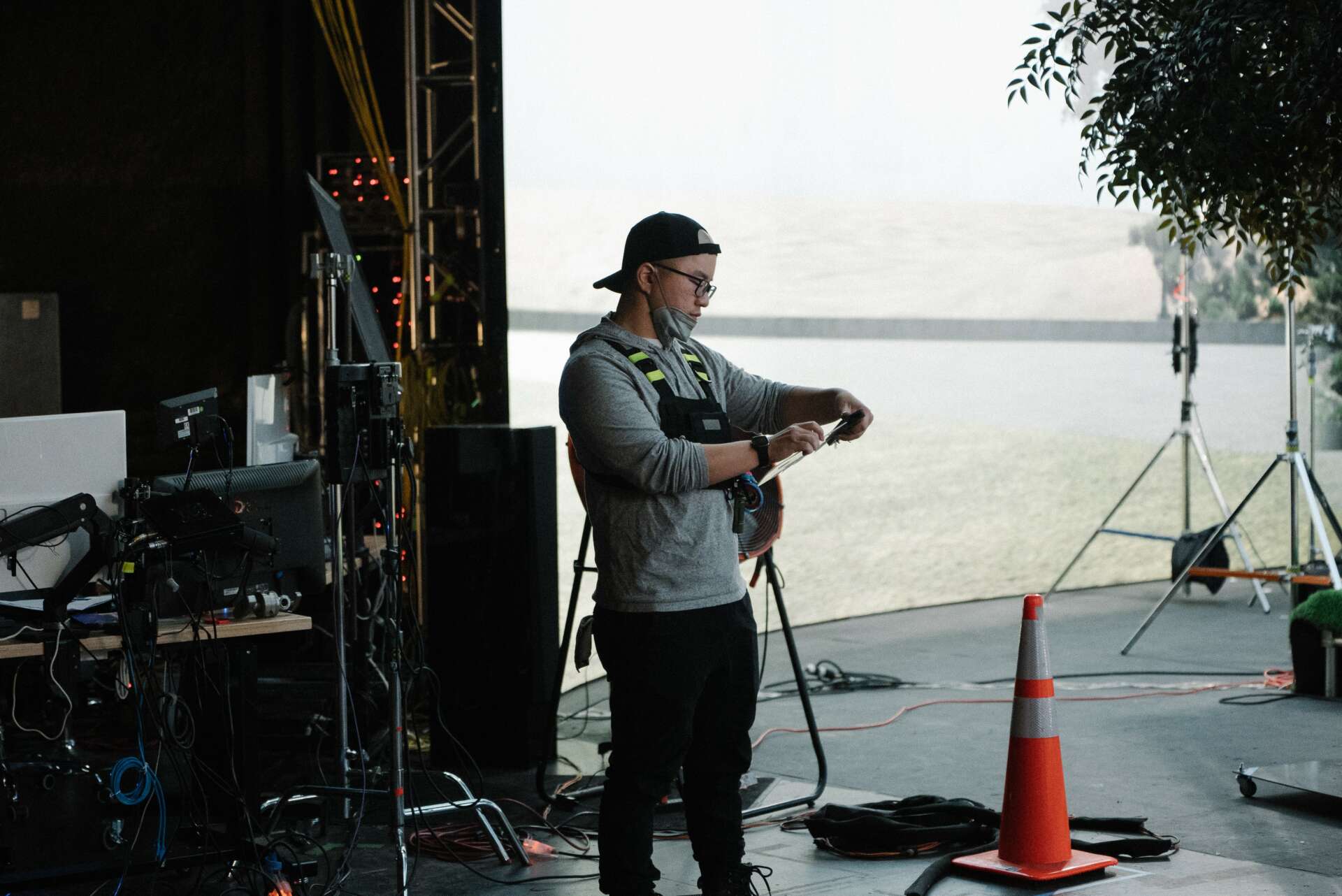
As a cinematographer, the services I provide for clients is to help create creative visual aspects of filmmaking for commercial, narrative, music video, and marketing. Not only cinematographers need to have extensive technical knowledge when it comes to camera operation and lighting design, but also they need to know how to efficiently collaborate with department heads. In my opinion, what differentiates from good cinematographers to great is reading the script and understanding each scene. For me, after listening to my director and going over the script, it helps me which composition, framing, and lighting options to go with in order to elevate the storytelling.
I feel the most proud when it comes to helping my clients get more traction for their business. In this digital age, clients want to promote their business, whether it is for social media, television, or their website. When we help businesses get more traffic through the services we provide, it is satisfying to hear their positive responses.


We often hear about learning lessons – but just as important is unlearning lessons. Have you ever had to unlearn a lesson?
The lesson I needed to unlearn during my journey as a filmmaker is doing everything by myself. I was so used to working by myself that I wasn’t able to delegate work and often got overwhelmed when it came to bigger projects. It was unhealthy for me because every end of the projects led me to get burned out. I was afraid that asking for help or delegating work was a sign of incompetence but I’ve realized that was quite the opposite. But after working on multiple projects, it helped me to realize that delegating work is a big part of collaboration in filmmaking and it helps production to run smoothly.

How’d you build such a strong reputation within your market?
I believe what helped me build my reputation within my market is my work ethic and helping others. Whenever I take on projects, I try to go above and beyond because the community of filmmakers are joining together to create beautiful art. It would be a shame if we didn’t give our hundred percent. Also, I believe helping others on set and being kind to others goes a long way in raising morale. When it comes to helping others, I’ve heard stories where fellow filmmakers intentionally did not help because they were afraid of competition. I am a firm believer that what goes around comes back around. For example, whenever I help out a novice filmmaker, not only will the filmmaker be more efficient on set, but he or she will possibly refer me to more opportunities which have happened before. So to keep it short, don’t be afraid to help others on set, let go of your ego, and be kind because what goes around comes back around.
Contact Info:
- Instagram: https://www.instagram.com/2wolvesandstag/