



We recently connected with Ryan Lanzel and have shared our conversation below.
Ryan, appreciate you joining us today. Earning a full time living from one’s creative career can be incredibly difficult. Have you been able to do so and if so, can you share some of the key parts of your journey and any important advice or lessons that might help creatives who haven’t been able to yet?
Making a full-time living from your creative work may seem daunting. From a young age I always thought of the stereotypical struggling artist in their endless pursuit of entering fine art galleries or publications to earn a paycheck. Although my artistic career certainly started with its fair share of struggles, my journey has led me to a newfound perspective on the possibilities of a fruitful artistic career. Growing up in a family business of industrial manufacturing I had the opportunity to observe and participate in a wide variety of jobs from the initial concept to the fabrication of a product. Working in this traditional factory atmosphere was the opposite of what I had in mind for my future. Therefore, in high school, I decided to become as well rounded in the arts as I could by taking courses ranging from oil painting and digital graphics to pottery and traditional photography. For my higher education I selected graphic design and photography as my focus. With a bachelor’s degree in hand, I moved to an area of the country I always thought of as a beacon of creativity: Savannah, Georgia the home of Savannah College of Art and Design. It was here that I met a like-minded individual who initially saw a more traditional future for himself but left it behind to sell photographs on the beach. His business was expanding, and he needed a trained photographer to take it to the next level. Fortunately, we agreed I was the man for the job. We successfully grew the small photography business together for many years which allowed us to branch out into other artistic endeavors. We have since opened two additional businesses: one that focuses on wood engraved maps and the other on uniquely elevated and textured art prints. The more we expanded the more employees, locations, machinery, and complex production was required. This has required me to shift focus from the artistic mindset to efficient production, management, sales, and business decisions. With this shift in responsibilities, I have come to realize that sometimes I am at my most creative not when I have a paintbrush or camera in hand, but when I am tasked with creative problem solving. How do we create a truly unique user experience in our showroom? What type of automated process can we establish in order to better execute our artwork on a larger scale? How can we utilize scrap material for new and creative products? How do we establish a fun and inviting atmosphere for our team? It may not be the traditional concept of a creative career, but if you consider yourself a creative individual and want to find a path in life that utilizes your unique mindset, I suggest looking at various jobs such as sales and engineering as a potential for an innovative and imaginative way to solve problems. Looking back at the family business, I have a renewed respect for the factory setting and can easily draw comparisons between fabricating industrial components and producing unique artwork. Creative work to me can be so much more than expressing oneself through traditional forms of art. I now believe that a creative career is not just engaging in traditional art forms but rather any career that allows you to think outside of the box and solve problems in unique and imaginative ways.
Ryan, before we move on to more of these sorts of questions, can you take some time to bring our readers up to speed on you and what you do?
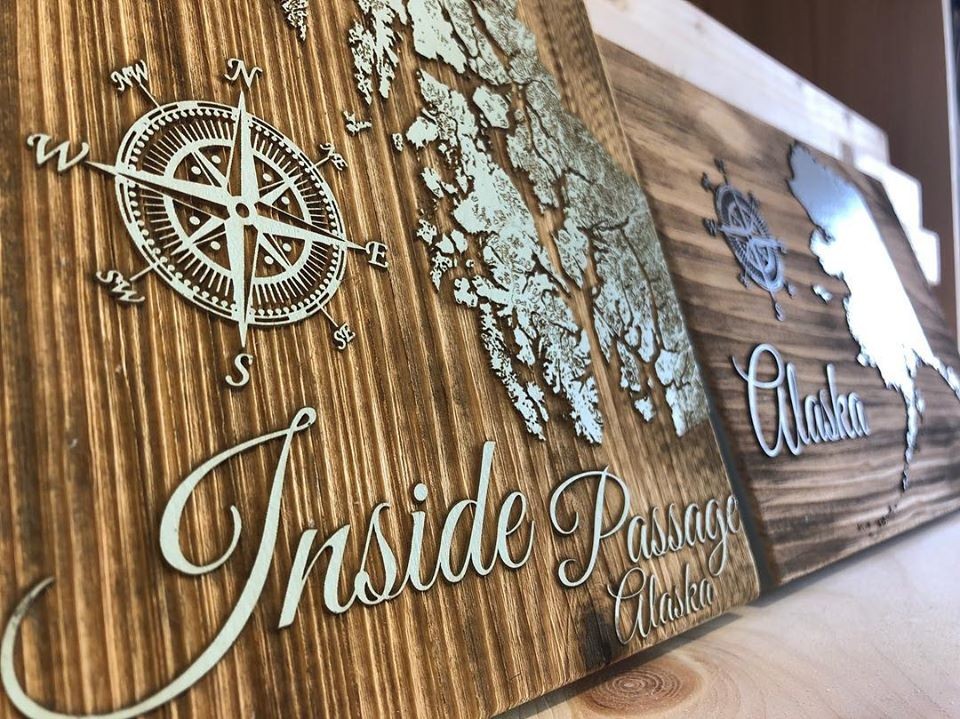
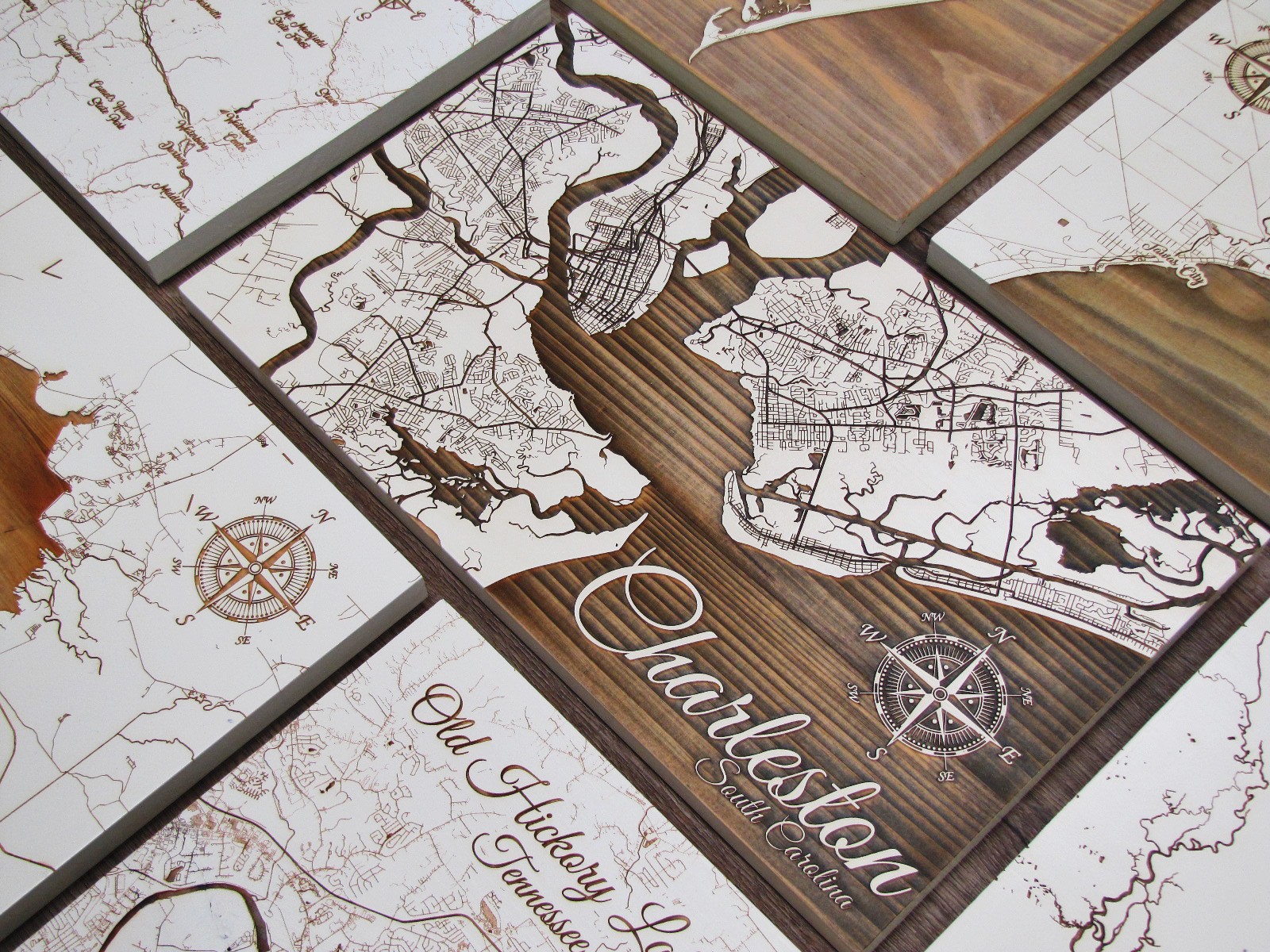
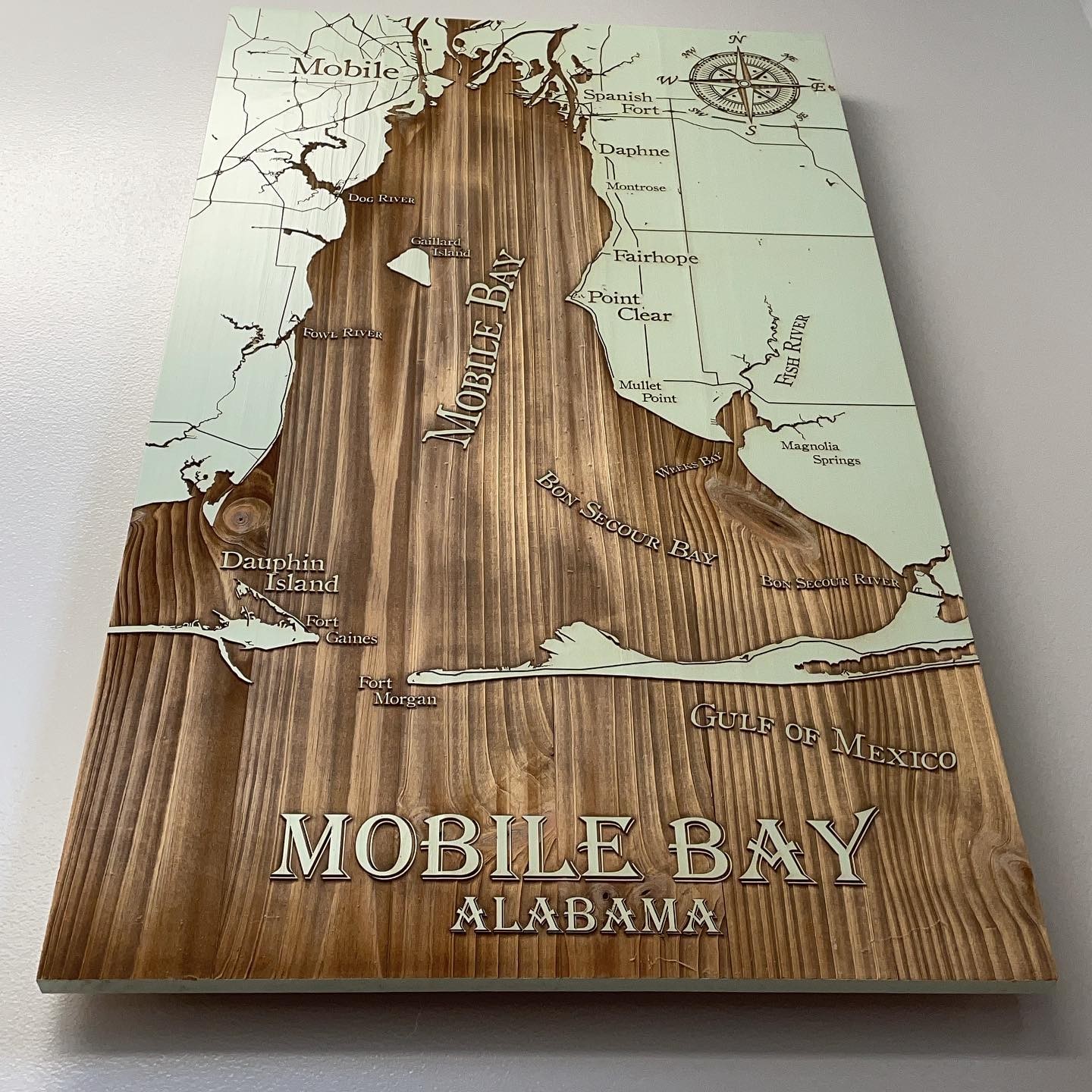
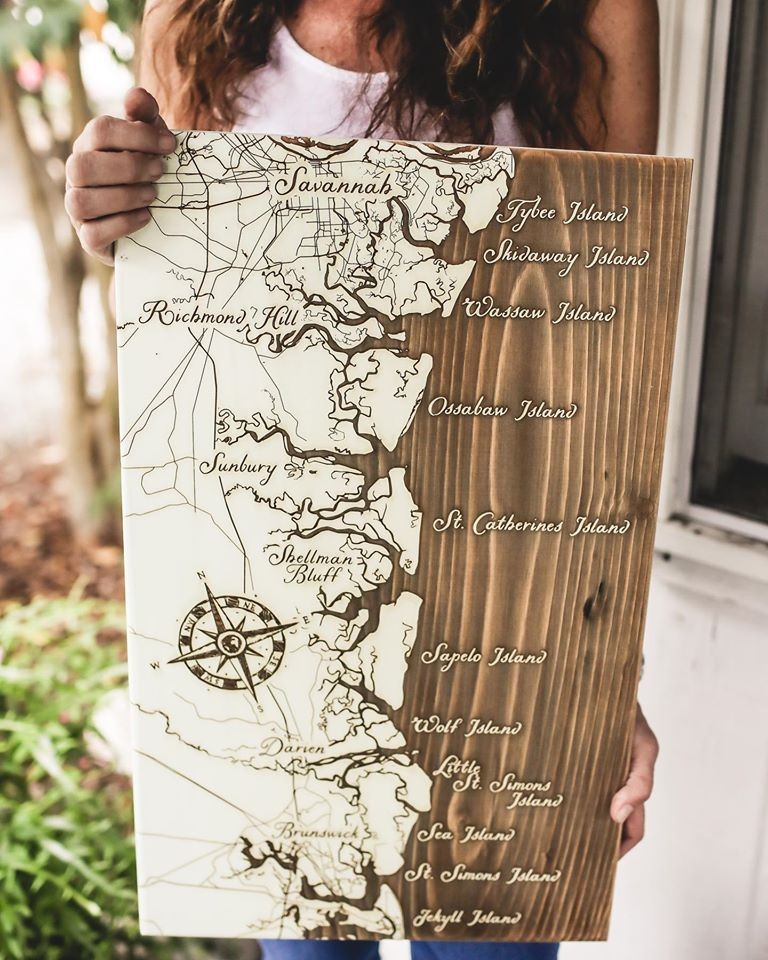
My name is Ryan Lanzel. I am originally from Saint Marys PA and received my bachelors degree in Graphic Design and Photography from Mercyhurst College in Erie, PA. (I gave some insight how I got into my industry and my background in the last answer, feel free to edit as you see fit.) I am the Executive Vice President and Creative Director for our companies: Best Gift Idea Ever, Fire and Pine, and our newest business, Print and Pine. Each company focuses on a different art form ranging from photography, cartography, and fine art. With Fire and Pine, we have set ourselves apart by creating our own distinct aesthetic. We use solid pine wood as our base media and utilize our collection of over 45 laser engravers to burn custom designed maps into it, giving each piece a distinctive tone and wood grain. We have been making custom artwork for over 6 years now, and we feel like we have just scratched the surface of what we can create. With our new sister company Print and Pine, we have the tools to create truly unique elevated and textured prints on wood, giving the artwork a distinguishing look and feel. Not only are we capable of creating maps and artwork for homes around the world, but we also have the ability to manufacture or customize a wide range of products from golf ball markers, tumblers, wood post cards, signage, and even fully customized product displays for storefronts. It is our goal to provide our customers with exclusive and exceptionally localized artwork that they can be proud to display and sell in their stores.
How about pivoting – can you share the story of a time you’ve had to pivot?
I believe it is true to say the majority of people had to pivot in 2020 during COVID, and our business was not unlike most others. Materials for our product line became difficult to source and what we could get our hands on were very expensive. On top of that, most of our customers were throttling back their orders due to financial and environmental restrictions. This made our production come to a stand still and gave our team nothing to do. This was very early on during the uncertainty of the nature of COVID-19, so we decided to cease production of our wood engraved artwork and utilize our tools to create PPE in the form of face shields. I sourced rolls of plastic, brow foam, and elastic banding from across the United States and we developed a way to manufacture protective face shields quickly and efficiently. When PPE was expensive and difficult to find, we kept our staff working and ended up donating thousands of shields to local schools and hospitals as well as hospitals across the United States.
Are there any books, videos or other content that you feel have meaningfully impacted your thinking?
There are two books that I highly recommend to anybody interested in management and entrepreneurial thinking and philosophy. Extreme Ownership: How U.S. Navy SEALs Lead and Win by Jocko Willink and Leif Babin is a highly decorated book describing first hand accounts of intense military situations and relates those lessons and experiences to everyday life and business practices. The structure of the book and the gripping storytelling has changed my mindset on how to not only lead a team through accountability, but how to approach communication and decision making in general. The other book is called The Goal: A Process of Ongoing Improvement by Eliyahu Goldratt and Jeff Cox. This book reads like a fast paced novel and illustrates in depth situations of the trials and misconceptions of running a manufacturing plant. I drew many parallels between the circumstances in the book and our operations at Fire and Pine. These lessons taught me the Theory of Constraints, effective problem solving, and how to outline plans for ongoing improvement.
Contact Info:
- Website: www.fireandpine.com
- Instagram: https://www.instagram.com/fire_pine/
- Facebook: https://www.facebook.com/firepine
- Other: Pinterest – https://www.pinterest.com/fireandpine/_created/ TikTok – https://www.tiktok.com/@fireandpine?