

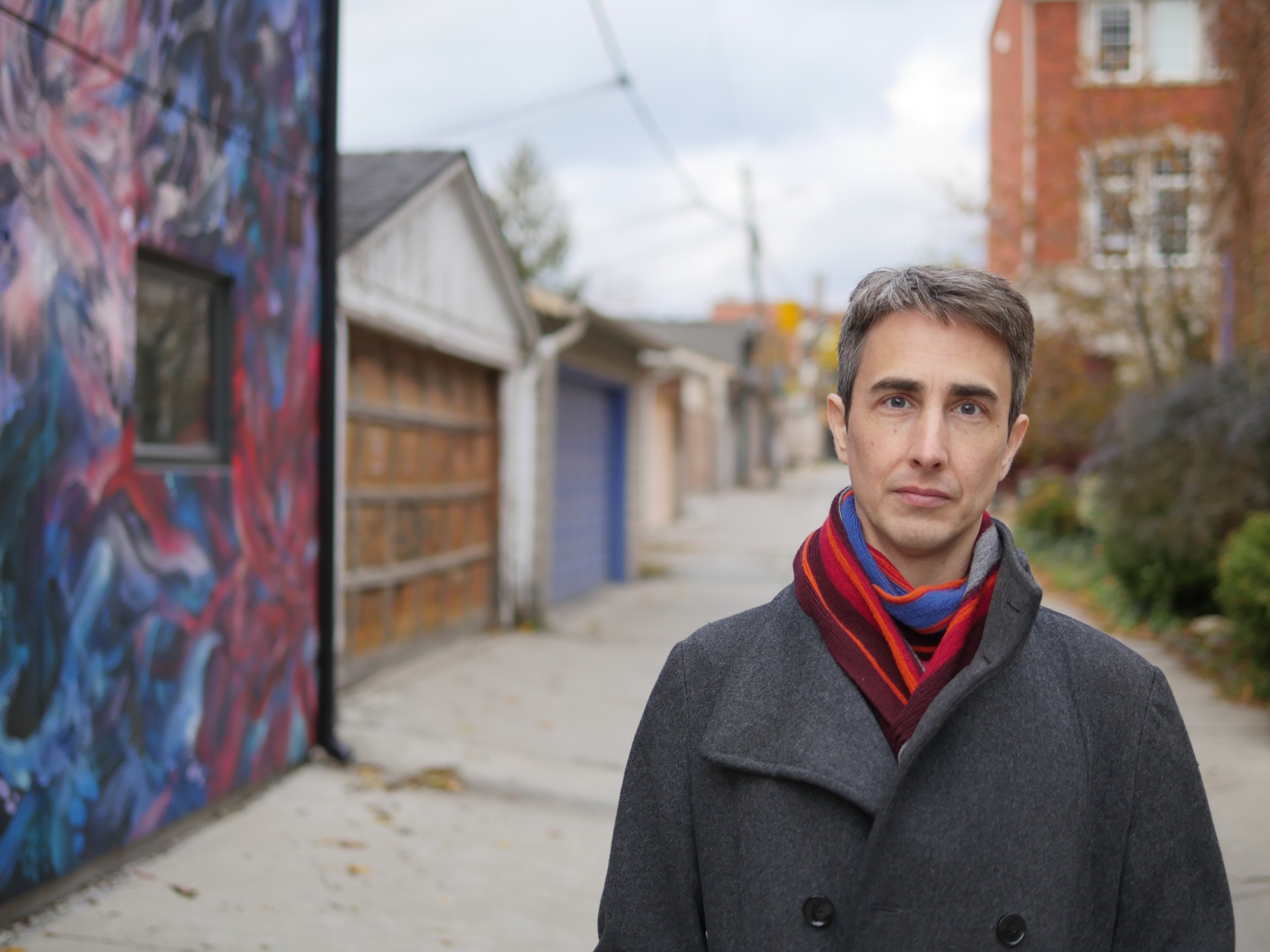

Alright – so today we’ve got the honor of introducing you to Ryan Kelln. We think you’ll enjoy our conversation, we’ve shared it below.
Ryan, thanks for taking the time to share your stories with us today When did you first know you wanted to pursue a creative/artistic path professionally?
Straight out of university, I was incredibly fortunate to land a job as a game developer at Disney Interactive, working on children’s educational games. I had studied Computer Science but had also accumulated enough credits to nearly complete a Visual Arts degree. My dream had always been to make games—a dream that wasn’t a degree option back in 1995. So, when I secured what seemed like an impossible opportunity, life felt pretty good.
My first business trip took me to New York City, where a group of us had lunch at the top of the World Trade Center. A month later, the towers were gone, and the shock of 9/11 hit us hard. Not long after, I encountered my first taste of corporate upheaval; a change in leadership led to the dismantling of the game studio I worked at. Suddenly, I was jobless, reeling from the impact of 9/11, and holding a small severance package. So, I packed up my desktop computer and flew to Thailand, where a close friend was teaching English. I planned to stay as long as possible, uncertain of my next move.
In Thailand, I immersed myself in politics, history, and economics—particularly the origins of copyright and intellectual property—spurred by the rise and fall of Napster and the growing free and open-source software movement. Ray Kurzweil’s books on the future of technology and artificial intelligence made me realize that my life would look very different from that of my parents. During this period of self-education, I began to ask myself, “If I could die at any moment, what should I do to feel that my life wasn’t wasted?”
I had seen how easily everything I worked for could be taken away by the whims of corporate princelings. My experience as a student and working in academia ruled that out as well. Instead, I was inspired by the early Internet’s ethos of possibility and driven by a fear of a wasted life to finally consider that I could be an artist. I envisioned my art focusing on digital economics because Kurzweil’s predictions might come true: that we would all lose our jobs but gain much more meaningful lives—at least, that was my hope for my own story. I began dreaming of a world where people could freely create, share, and still be supported financially, embracing the reality of digital networks and the possibilities they would bring: digital currencies and digital intelligence.
Then, out of the blue, I received an email from one of my former professors, asking for help with creating software for an interactive art installation. Another friend and I took on the project, enjoying life on a tropical island while developing my first piece of custom art software. The installation was a success, and getting paid an artist’s fee in Canadian dollars while living cheaply in Thailand solidified that my new life had begun.
Great, appreciate you sharing that with us. Before we ask you to share more of your insights, can you take a moment to introduce yourself and how you got to where you are today to our readers.
Trying to build an art career focused on digital economics while being distrustful of corporate and institutional power—social media included—is nearly impossible. Maybe someone more outgoing or a better writer could pull it off, but I’m a bit of a software hermit philosopher. I own a rather large collection of failed grant applications, but at least the funders eventually started recognizing me as an artist, so that’s progress. I was able to survive by alternating years of industry work and art practice.
My big break came in 2015, thanks to the amateur choir I sang with. Each year, the choir invites a guest artist—usually a musician or dancer—to collaborate on a special concert. That year, they invited me. I had big plans, including getting as many choir members involved in making art as possible. The result was a two-hour show where each song was accompanied by a video created by a choir member, interspersed with mini-TED talks from me, all aimed at describing what life might look like over the next 20 years if my dreams came true. It was the first time I truly did what I wanted—sharing my dreams and nightmares about the future. I was incredibly proud of how my friends and choir mates embraced the project, supported me, and made art alongside me. This experience became a foundational model of how I envisioned the future of labor: creating things that are just beyond your reach, together with friends and soon-to-be-friends, because both the art and the people matter to you.
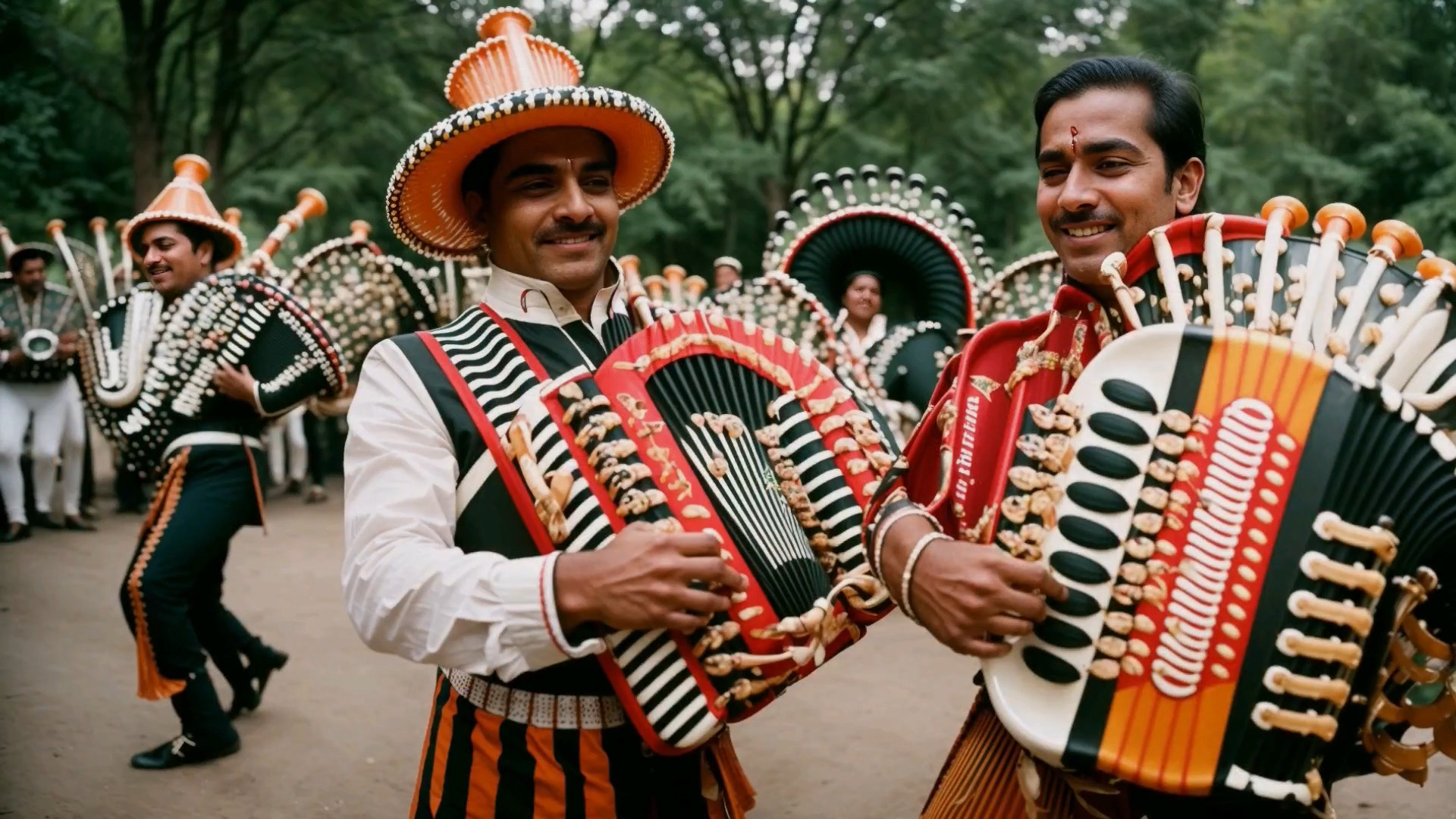
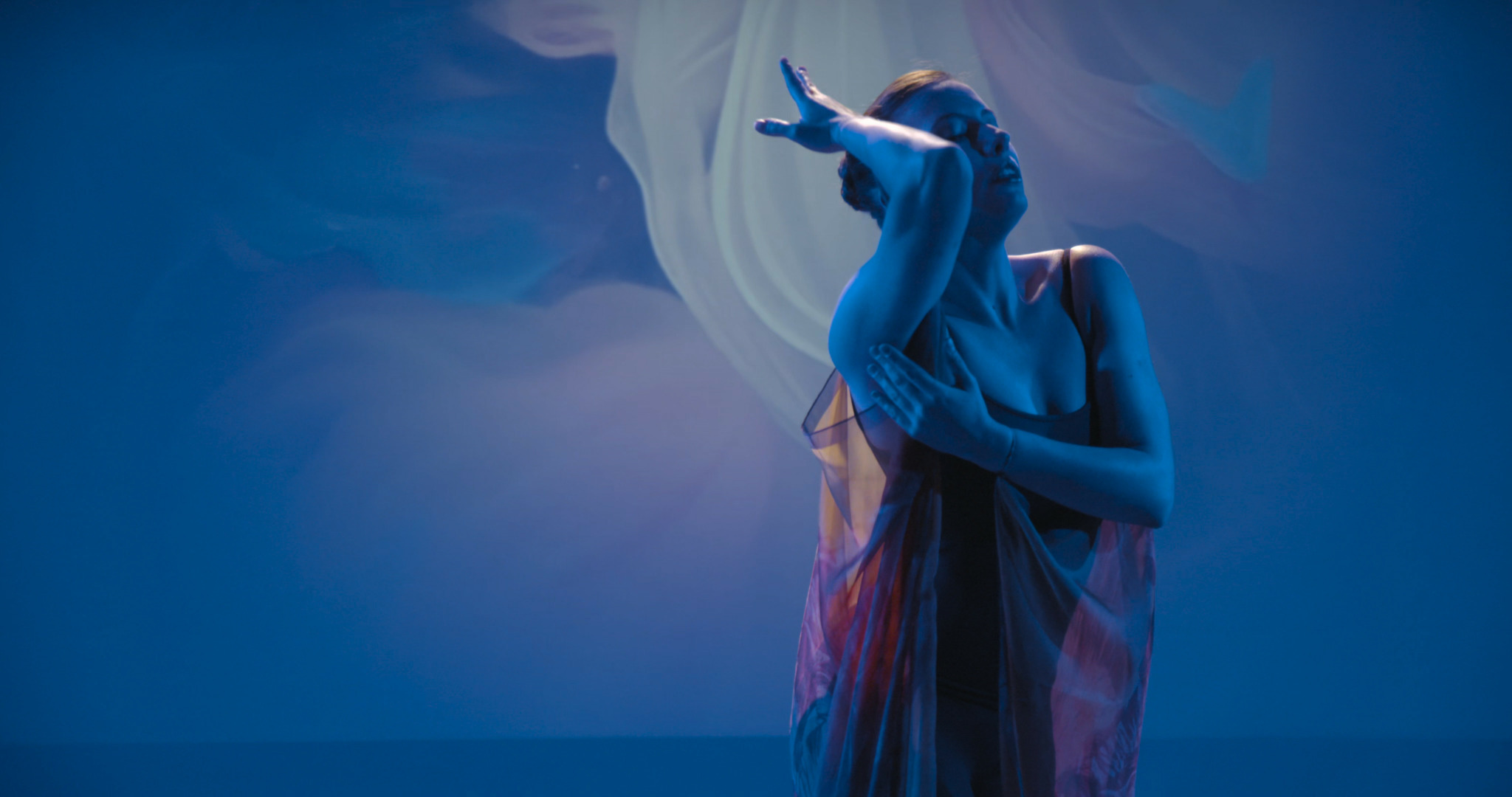
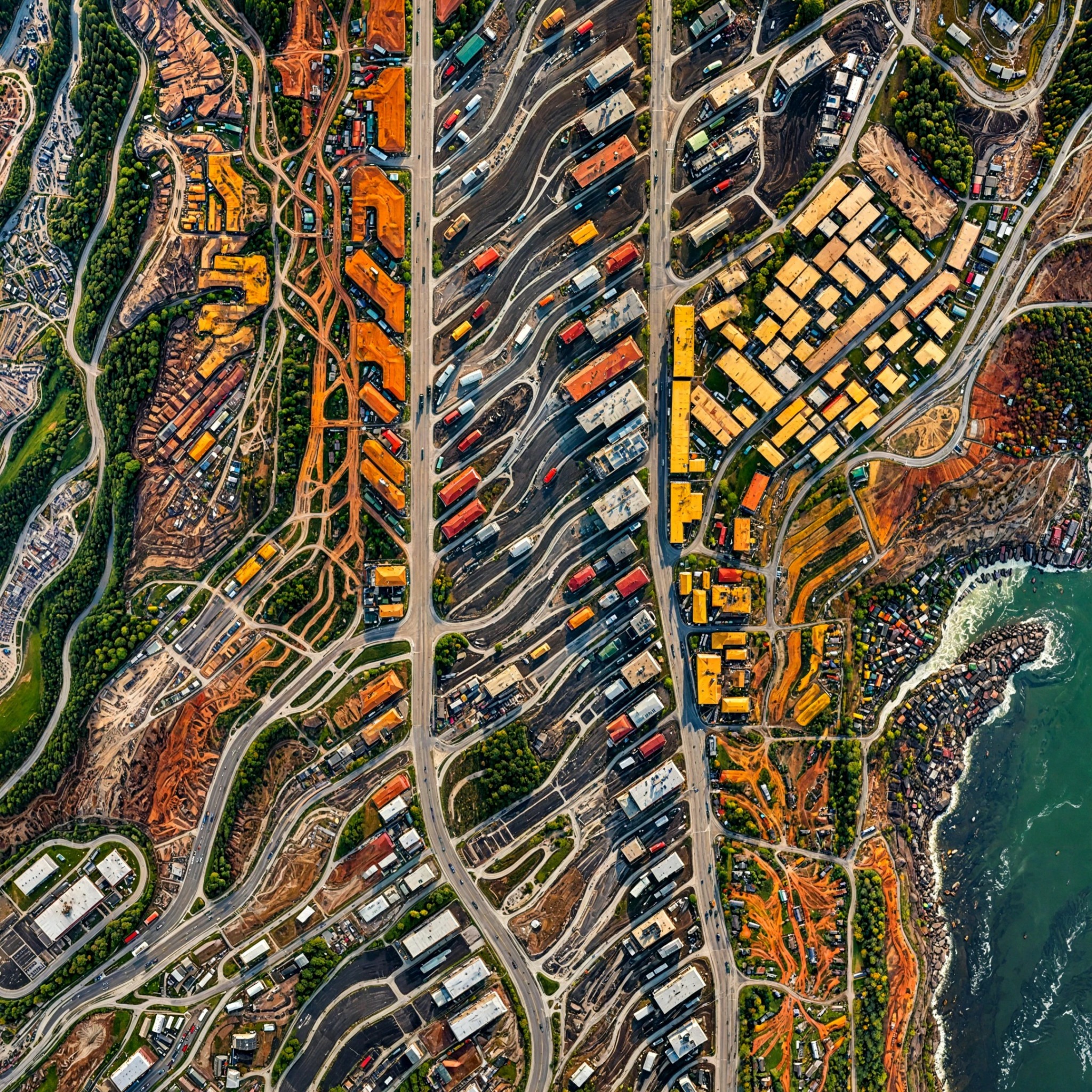
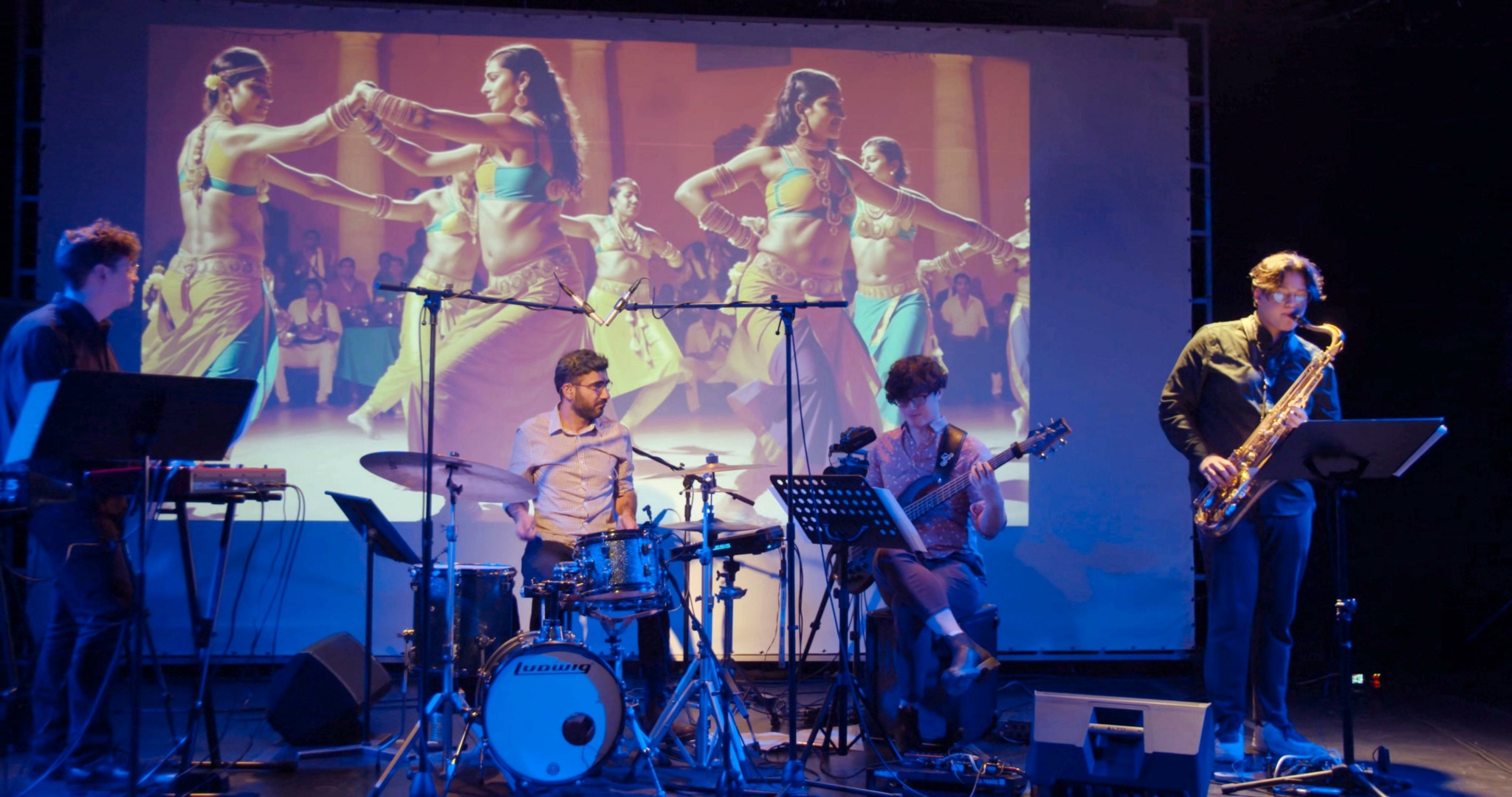
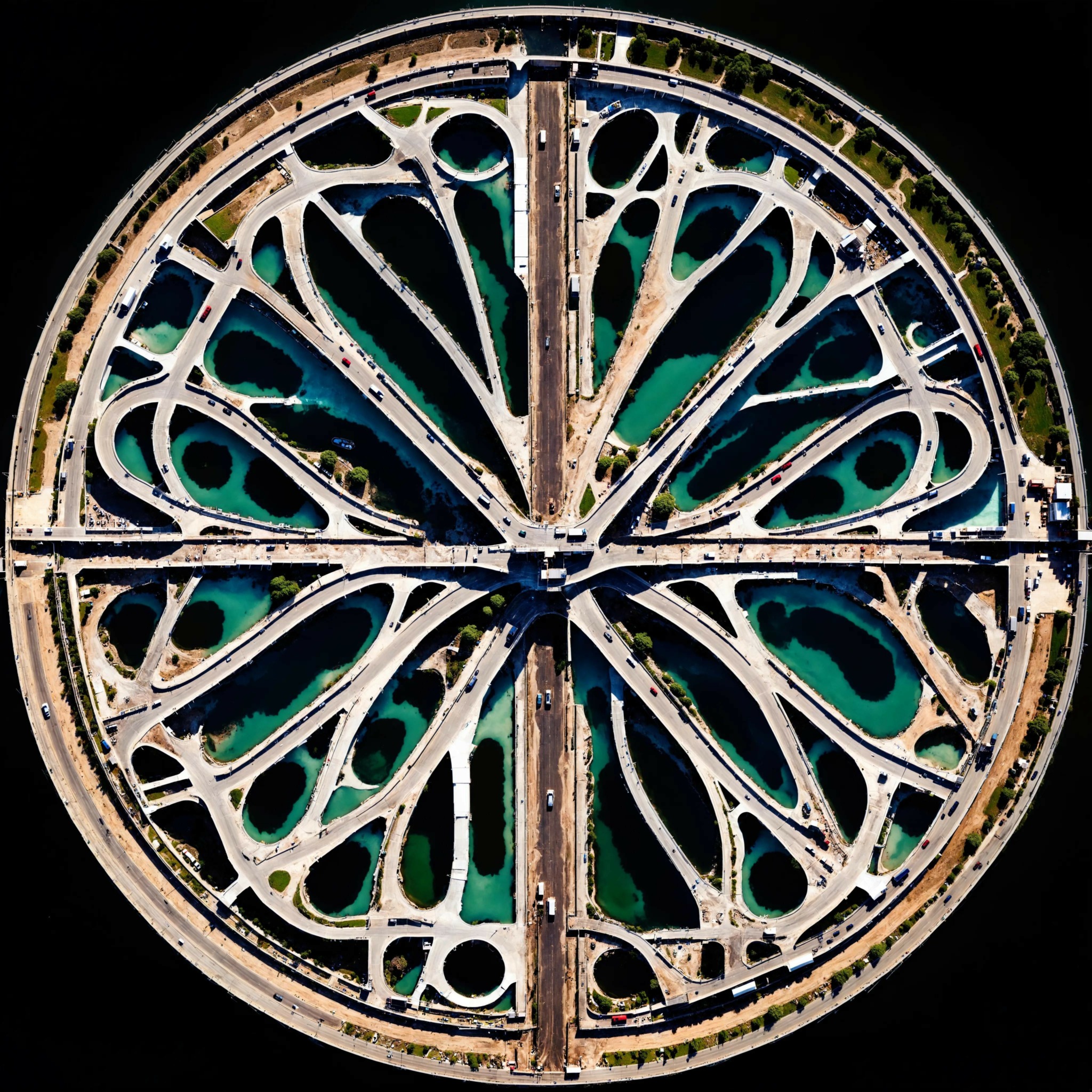
As part of that concert, which focused on automation, I collaborated with another coder in the choir and a local composer to create a piece featuring an “AI soloist,” whose voice was a blend of multiple choir members. It was a relatively simple piece, but it sparked something in me—I realized that AI was going to dramatically change how people make art. Since then, I’ve been learning about and working with machine learning and AI tools. My focus has gradually shifted away from digital economics, particularly as the rise of surveillance capitalism and subscription services has shown how badly the good guys lost that battle. Instead, I’ve come to see machine intelligence as the most impactful technological development in recent history, and my question for myself has evolved, into the theme of the concert: “If the machine aliens are arriving in 20 years, what am I going to do with my life?”
Now with 10 years to go (if we’re lucky) I’m still doing my best to learn as much as I can about machine intelligence, making art with it to share what I’ve learned, and creating more opportunities for others to ask themselves that same question.
What can society do to ensure an environment that’s helpful to artists and creatives?
If you believe in libraries, as I do, then the simplest and most economical change we can make is to build a global digital library where everything digital is freely available to everyone. Since the invention of the internet (and BitTorrent), the real challenge hasn’t been distribution—that’s already solved—but rather how to re-engineer our economy to give people the economic freedom to pursue meaningful lives while contributing to and benefiting from the commons. Unfortunately, we’ve chosen to pay gatekeepers for access to things we could get for free from our libraries, instead of paying the people who actually create them. This has been disastrous for artists, who now face impossible choices imposed by these gatekeepers: how much privacy to cede, how much audience to build, how much “content” to produce without pay, how much money to make from advertising, or how to climb to the top of the crypto pyramid scheme.
Another practical step is for creatives to abandon proprietary software (including online services). Use free, open-source software and stop supporting monopolies! Instead, invest in your friends and neighbors who build open software. There’s no real freedom when you rely on the master’s tools—especially those that can include secret surveillance and that you don’t truly own or control. This applies to AI as well. It’s perversely normal for anti-colonial, anti-big corp artists to regularly pay Apple and Adobe, even though the alternatives are free, uncensored, and as underfunded as the artists themselves. You can start small: install the Firefox browser with an ad-blocker and use Signal messaging on your phone, then start looking for open alternatives to your other tools.
Is there mission driving your creative journey?
I’ve touched on this already, but three guiding questions help keep me on track, especially when I find myself chasing popular rabbits down holes:
1. Who decides what gets made and how?
2. Who gets to make it?
3. Who gets access to what has been made?
There’s still a long way to go before the answers to these questions are “anyone and everyone.” The arts community, in particular, has a lot to learn from the open-source software community about making those answers as universal as possible. In principle, there’s no reason why the internet and open-source AI can’t be used to dramatically increase participation and access, breaking down financial, educational, and intellectual barriers. This would bring us closer to universal economic emancipation, whether through your efforts or those of open-source AI agents representing your interests (and yours alone).
Lately, I’ve been focused on pushing back against the narrative that artists should reject AI outright. We need to be punk rock about AI—this is our tool, to use as we see fit. Artists are the ones who can explore AI in interesting ways, carefully critique it, and, by the way, f*ck the corporates. They are going to exploit every new technology and continue to exploit artists regardless of the tools, so fighting back means taking on the responsibility of developing and using non-exploitative tools.
There are many definitions of art, but one that resonates with me is this: craft is when you build what you had in mind, but art happens when you change your mind. When the thing you’re making becomes art, whether purposefully or by accident, you’re saying “yes” to something you’ve never said yes to before. You’re no longer the same person. And that can happen to audiences too when they experience art. Thus, there’s nothing about AI that prevents art from changing people, and AI might even help more people experience those changes. There’s no tool or medium that can’t offer a chance to grow, and there are no skill or knowledge requirements—just an openness to learning and appreciation. So let’s get to it.
Contact Info:
- Website: https://ryankelln.com
- Youtube: https://www.youtube.com/@RyanKelln
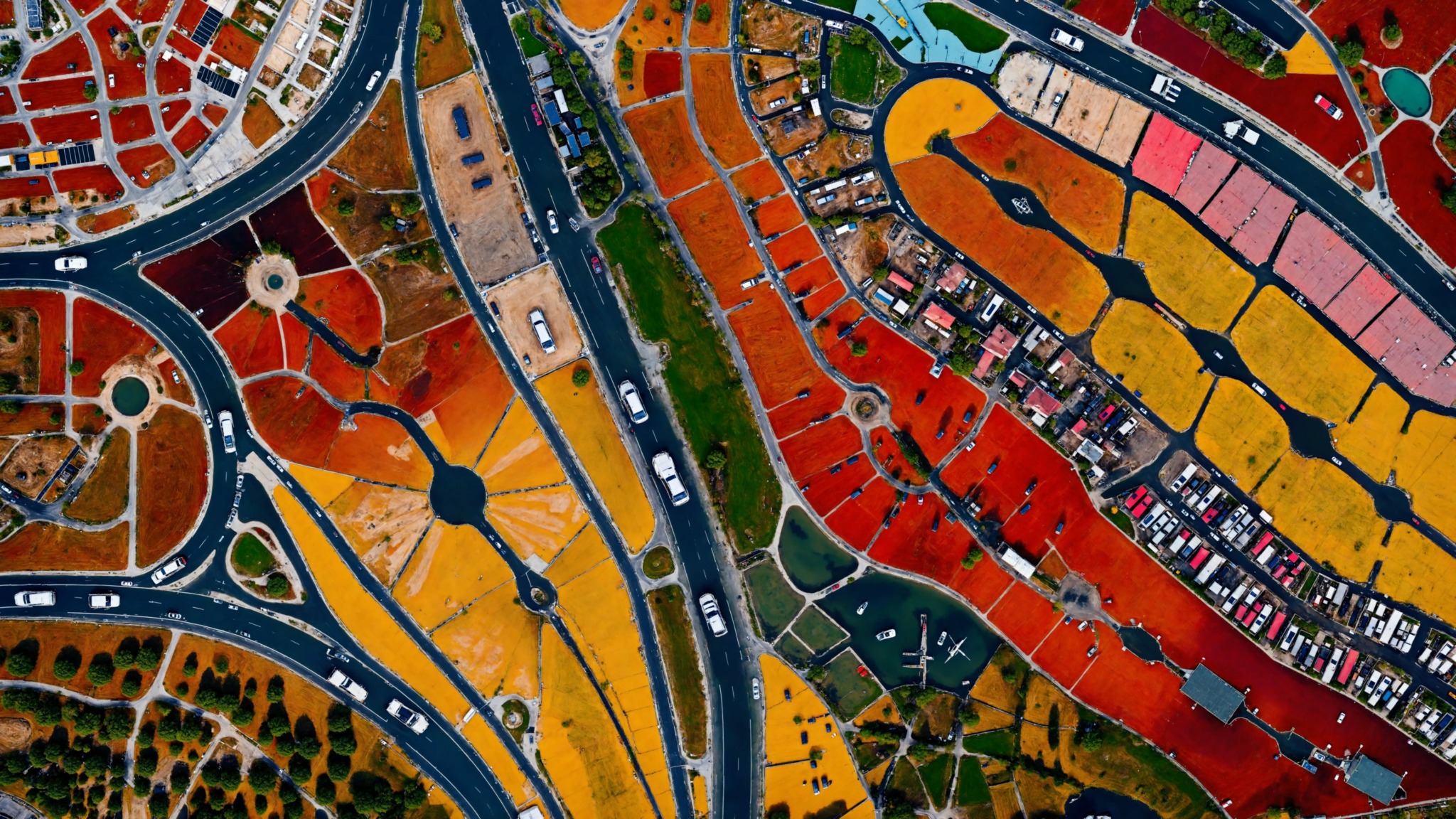
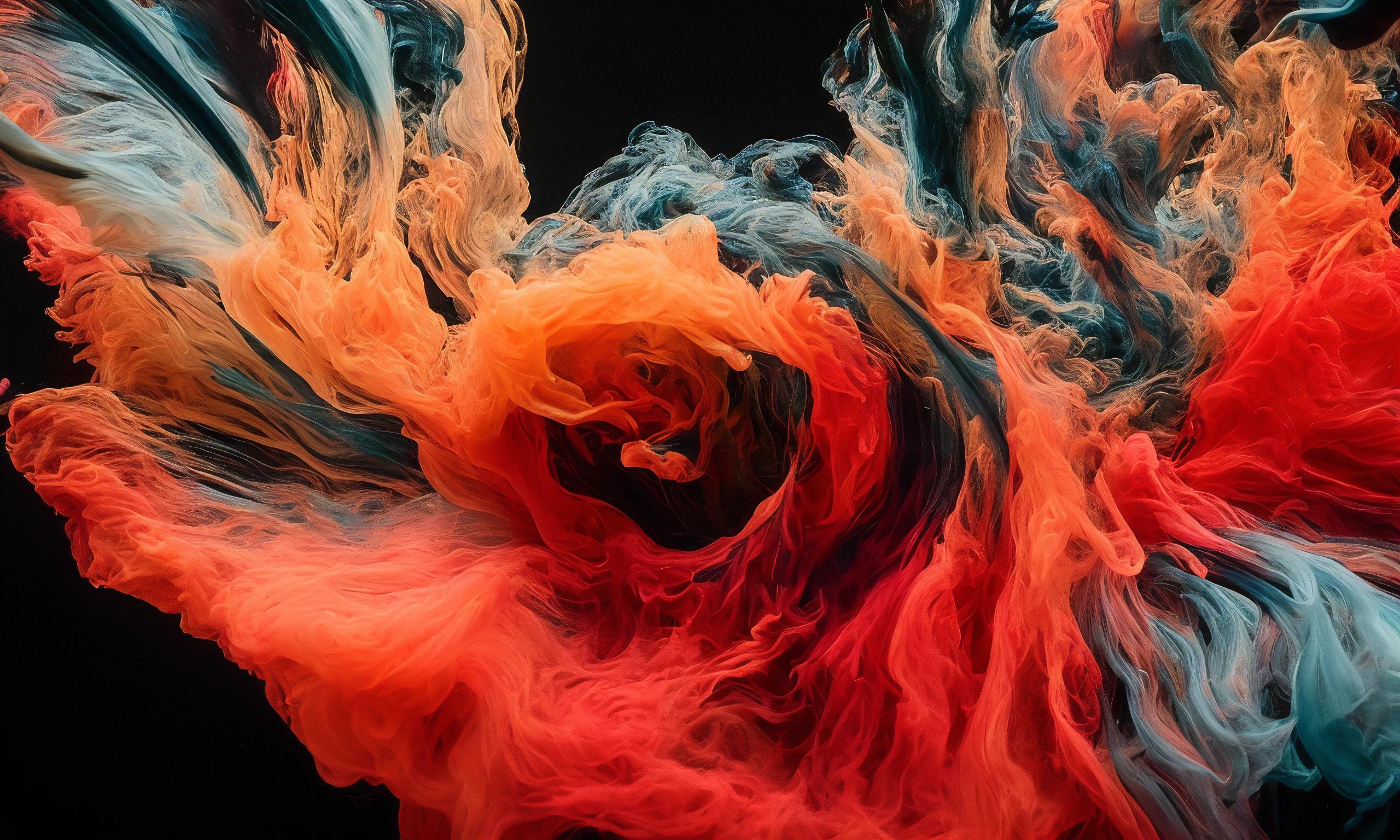
Image Credits
Ryan Kelln
RyanKelln_Transmigrations_Nov_2024_4k.jpg: Michael Fisher
RyanKelln_Neural_Ballet_2024_Fade_4k.jpg: Michael Fisher