



We caught up with the brilliant and insightful Ryan Glovna a few weeks ago and have shared our conversation below.
Ryan , looking forward to hearing all of your stories today. Can you talk to us about a project that’s meant a lot to you?
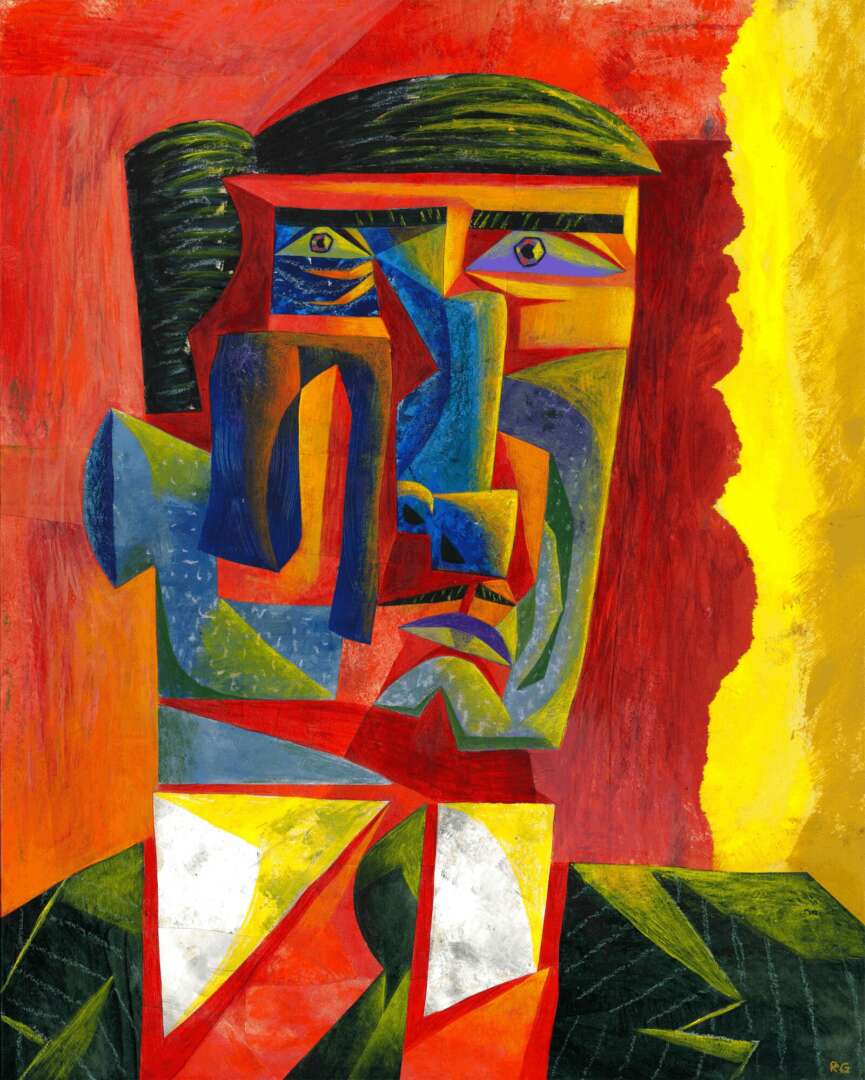
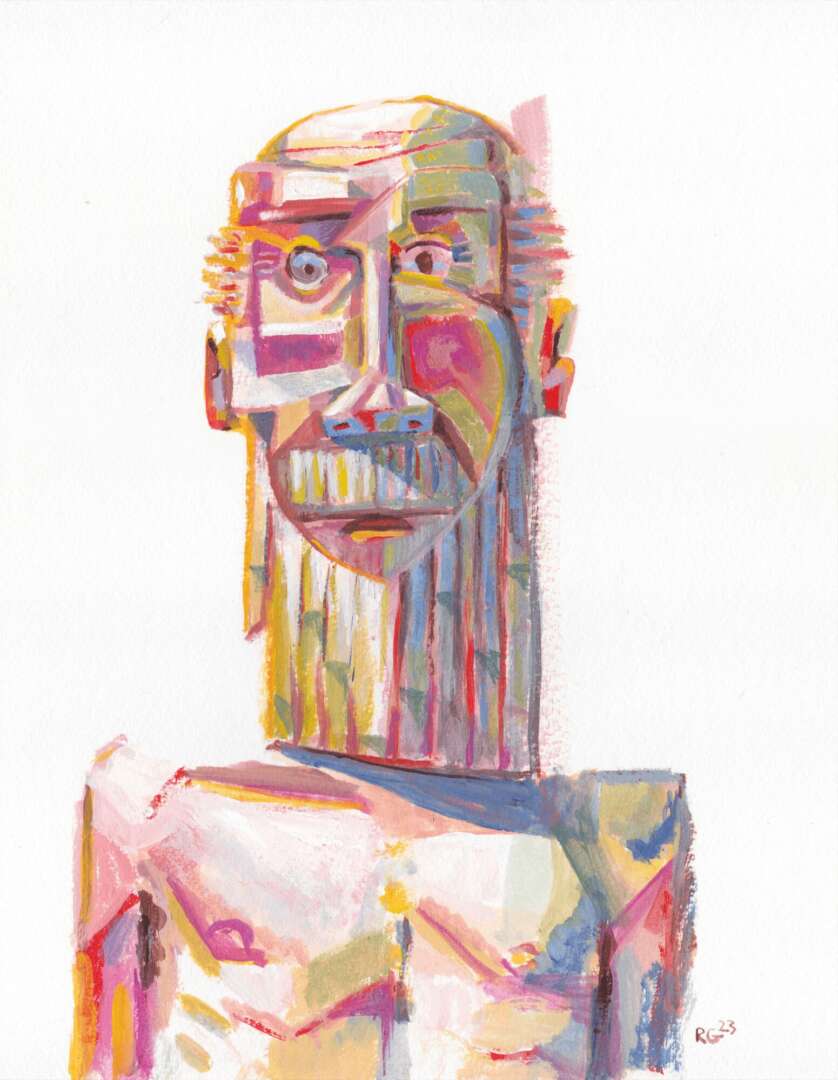
That’s a tough choice, but what comes to mind would be the Found Object series I started working on in 2019. That was a clear marker for when my interests started to grow beyond what I was focusing on in school, which was character design for animation. While there were several people and events that had an impact on me, I’d like to talk about three people, specifically, that helped develop my perspective.
Jon Nguyen, my Design 2: Structure and Color teacher, changed how I thought about color, 3D structures, materials, and how to give feedback on work. He encouraged students to value thoughtful design over using flashy materials or “smoke and mirrors” as he’d say. To emphasize this point, he told the class a story about a student from years earlier who couldn’t afford materials for their final project. As he’s telling the story, he carefully pulls out these three ancient-looking tapestries and lays them on the floor. They were about 3’ x 4’ each, decorated with these beautiful shapes and geometric patterns. The paint was chipping and cracking all over, but you can tell the pieces got better with age. It was difficult to tell where or when they were made, they looked like they were just unearthed at some historical site. It turned out to be that student’s final project. They’d found some old house paints and a few burlap sections in a dumpster and created one of the coolest things I’d ever seen. That story is a reminder that value can be found in any material.
The second person I want to mention would be my character design instructor and now close friend, Adam Dix. His approach to teaching is special. The first week of class was more like a psychology course. Adam would have one-on-one discussions with each student to get a sense of who they were so they could later design a character based on themselves. The purpose of this exercise comes from the belief that to design a character, you have to understand them truly, so it helps to understand yourself first. I’ve had countless conversations with Adam in and out of class about life and art, and every time we talk I learn something new. He changed the way I thought about characters and the way I thought about myself, for the better. He is a thoughtful, caring person with immense talent and I was very fortunate to have been his student.
Finally, I’d like to mention Peter Emmerich, who has become a close friend of mine, but whom I admired as an artist for years prior. I met him when he was invited as a guest artist in Adam’s class. He started his lecture by talking about his professional work and his background. We saw illustrations he had worked on for Disney along with his iconic ink drawings and caricatures, and he even gave us a demo of his drawing process. Then, he pivoted and started talking about a personal project he had been working on for years. It caught my interest because I could tell it was something that meant a lot to him. It was this dark, haunting story and nothing like what I was used to seeing in animation at that point. It made me think that there was more to animation than what I typically saw in theaters. After class, he stayed late to review a bunch of student’s portfolios. He turned to me and said something like, “ Well, what about you?” in his Brooklyn accent. I was so nervous but couldn’t pass up the opportunity. He looked through my work and didn’t say much until he saw one particular drawing that didn’t fit with the rest. It was a simple, personal drawing, and it was outside of the realm of artwork that I thought animation studios wanted to see when hiring. He said that the drawing felt more like me than any of the others and that I shouldn’t be afraid to make what I like out of fear of what others think. It felt like he had given me permission, which was something I think I needed to hear at the time. I’m very grateful to have him in my life and he continues to serve as an inspiration to this day.
The combination of these lessons led me to experiment in ways I hadn’t before, and the Found Object series was a direct result of that. So, it’s meaningful to me because it marks a moment in time when I started creating art that felt true to me rather than creating it for the approval of others. Don’t get me wrong, I love it when my work resonates with people and that’s still important. This series just reminds me that above anything, it’s important to push yourself to try new things and make honest work.
Ryan , love having you share your insights with us. Before we ask you more questions, maybe you can take a moment to introduce yourself to our readers who might have missed our earlier conversations?
For the folks at home! My name is Ryan Glovna, I’m 30 years old and married to my best friend, Elyse. We have an orange tabby cat, who runs both of our lives. I was born and raised in Derby, Connecticut, home to the best pizza in the country at Roseland Apizza. (I’m confident about this and I’m not confident about much.) My earliest memories of art involve looking up to my Uncle Peter who is a graphic designer and illustrator, and showing him my drawings every chance I got. I work at NBCUniversal as a character artist with a kind and highly skilled team. On the weekends, I volunteer at an equine therapy organization called Ahead with Horses and I look forward to that all week. I also have a small business on Etsy selling some of my work. In my spare time, I sculpt, paint, draw, design logos, play guitar, spend time with my wife, nap with my cat, pretend to be good at video games with my friends, and watch hockey. I guess I’m most proud of myself for continuing to pursue art despite the many challenges that I’ve faced along the way. I just feel very grateful for my life, my family, my friends and that I can do something I love so often.
Is there a particular goal or mission driving your creative journey?
Right now, I’m trying to find my place in the world and hopefully do my part. It seems like that’s the case for everyone on some level. I think a piece of my life’s purpose is found in creating art, and so that’s been a huge driving factor. I often find myself thinking about the future of art and my place in that world. There are enough posts online talking about whether AI is beneficial or harmful, but I think the biggest question is how people will define their purpose in a world where most things are automated. If that ends up being the case, I think it will be important to remember why humans started making art in the first place. I imagine our ancestors painting in a cave by firelight, carving a wooden toy for their child, or painting a sign for their shop. These things were made out of love, to tell a story, or for practical utility, and we shouldn’t lose sight of that. We might not be able to control the world and where it’s heading, but we can continue to pursue what we love and what we find meaning in doing.
What do you find most rewarding about being a creative?
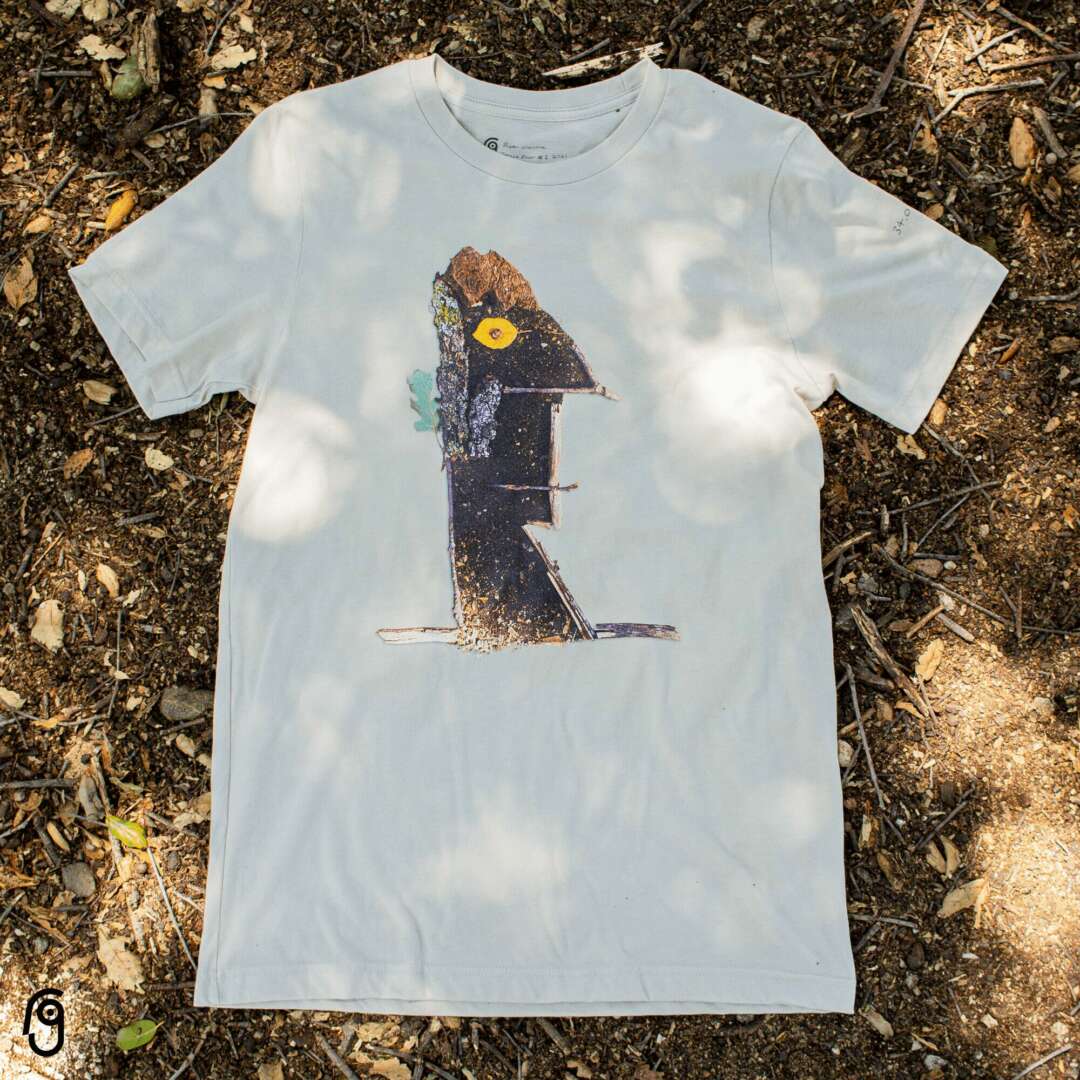
The most rewarding aspect of art for me has been the profound impact the pursuit of it has had on my life. I think the things we’re passionate about are meant to be a gateway for us to experience the world. There have been times in my life when I’ve been very lost, but art has taken me places I’d never thought I’d be – like doing this interview, for example. Being a somewhat shy and introverted person, art has allowed me to take an interest and get involved in things that might otherwise scare me. Going back to the Found Object series, I remember feeling like I was spending too much time indoors and having a tough time leaving the house. My wife, who was my girlfriend at the time, was working part-time on a farm to be more involved in nature. One morning, I decided to head out and spend the day working out in the woods while she was at the farm. I spent the day hiking and looking for spots that interested me. I’d set my stuff down and search for materials in the immediate area to create portraits. I took photos of the portraits and when I was finished, I returned the twigs, leaves, and small stones to their places. Those photos became the “Forest Floor” t-shirt series and the exact coordinates of where the designs were made are written on the sleeves. Later that night, I went back to the farm and cooked food with everyone around a fire. It was one of the best nights of my life. I encourage everyone to find one thing they genuinely care about and pursue it. You never know where it will lead you.
Contact Info:
- Instagram: https://www.instagram.com/ryanglovna/
- Other: https://www.etsy.com/shop/ryanglovna
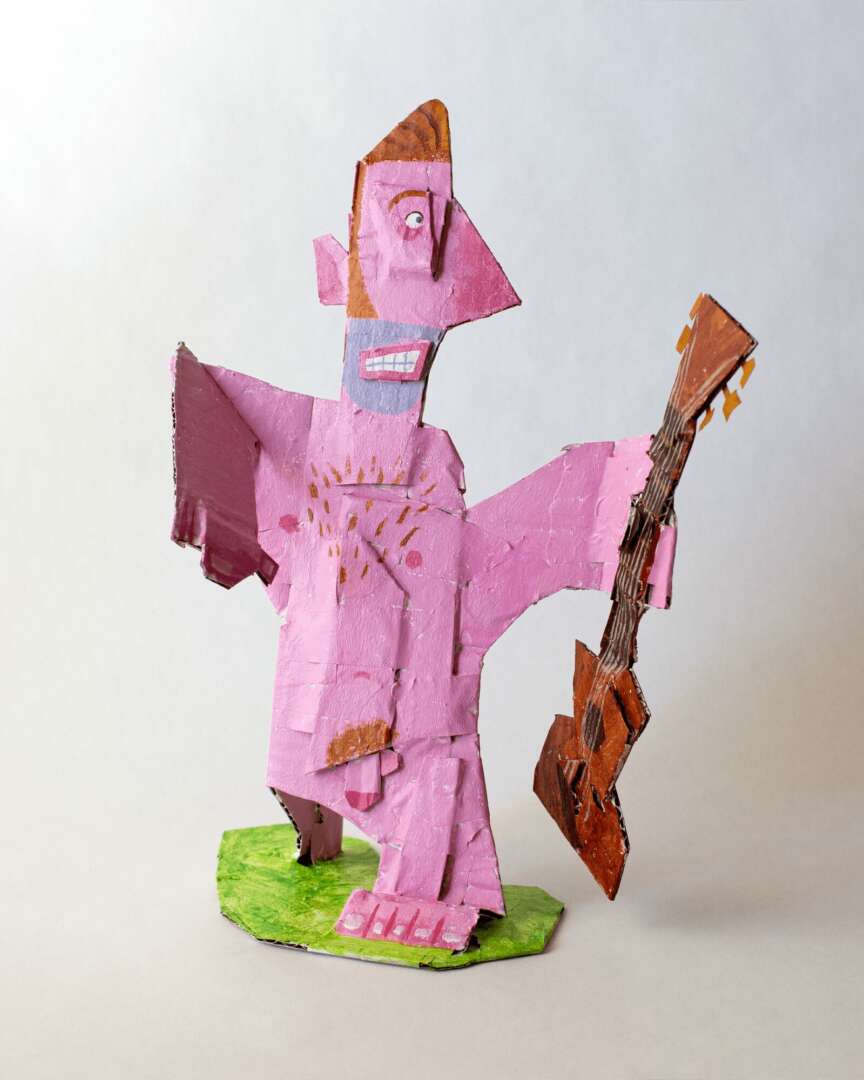
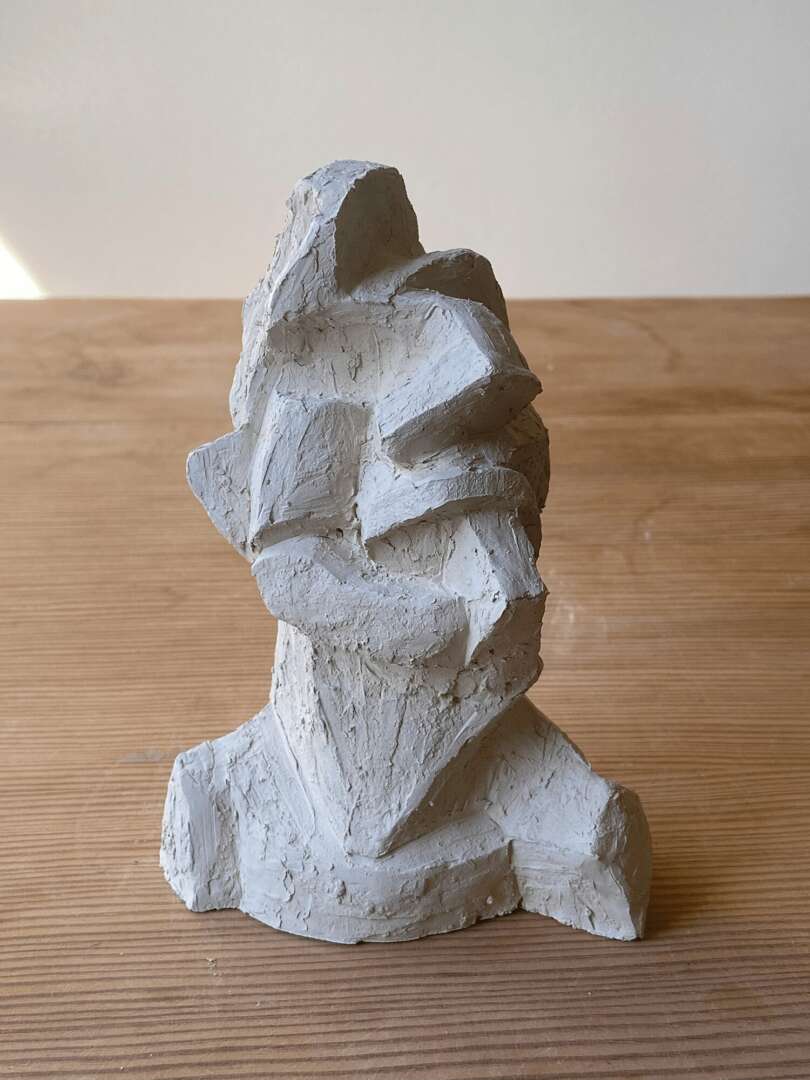
Image Credits
Ryan Glovna