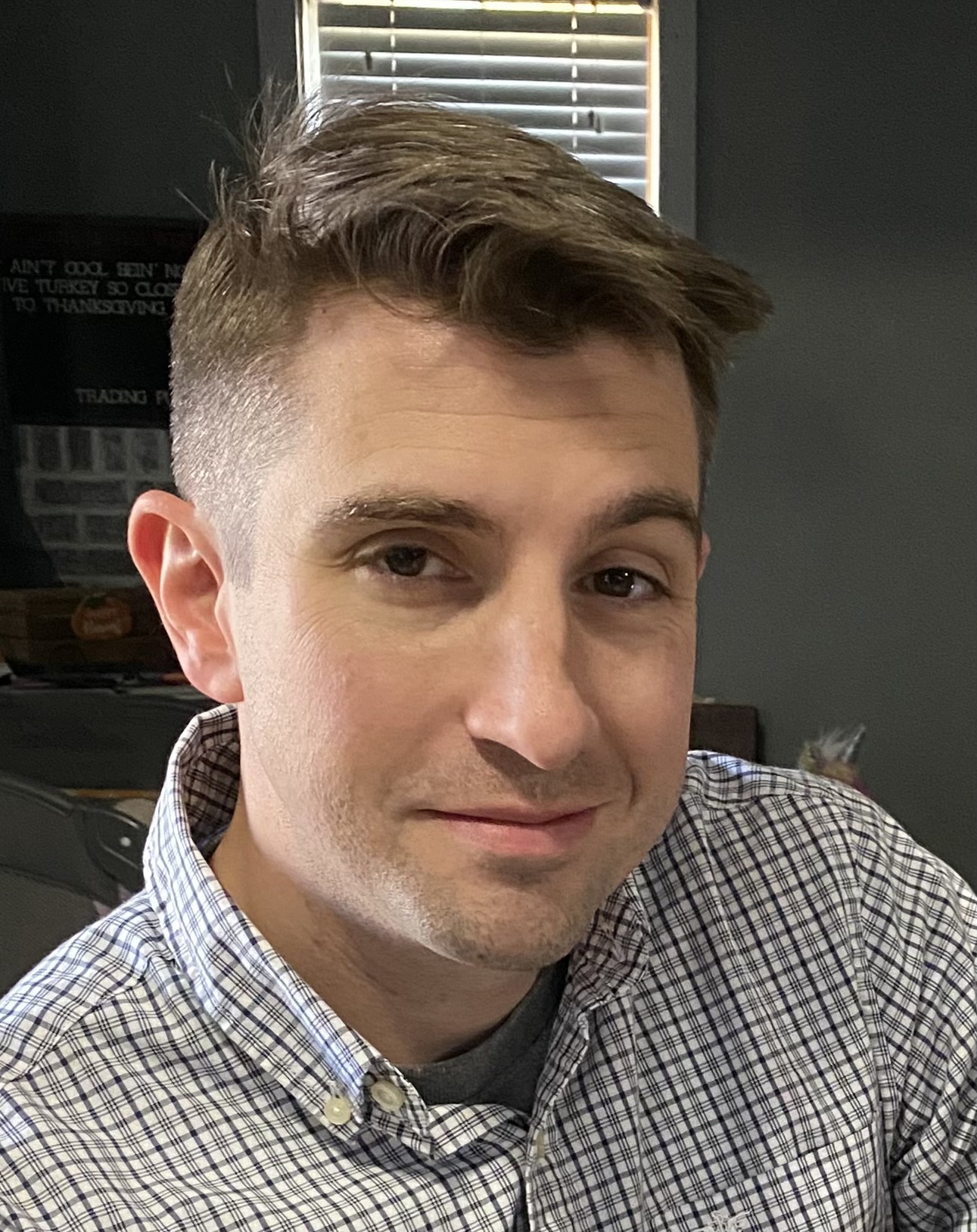

We recently connected with Ryan Brady and have shared our conversation below.
Ryan , thanks for joining us, excited to have you contributing your stories and insights. Learning the craft is often a unique journey from every creative – we’d love to hear about your journey and if knowing what you know now, you would have done anything differently to speed up the learning process.
There are several roles in comic book creation: writing, penciling, inking, and coloring being the main ones. Any comic book you pick up today will usually have one person specializing in one area. I, however, do it all.
I’ve been drawing since I was a kid and I always had the dream of being a comic book artist, but I did not know how to accomplish it. It seemed so huge, so beyond me. Youtube tutorials were nonexistent, so it was down to anything I could glean from magazines or comic books themselves. I would buy “How-to-Draw Comics” books and try to work things out for myself; perspective, anatomy, foreshortening. I made little comics for myself where I played with plotting: the layout of the panels to tell a story sequentially. I felt writing stories and penciling were my strong suits, but inking was difficult to master. I fashioned my first light-box (a plate of glass held over a desk lamp) to practice inking over my pencils. It worked well until the glass heated up and burned my hand.
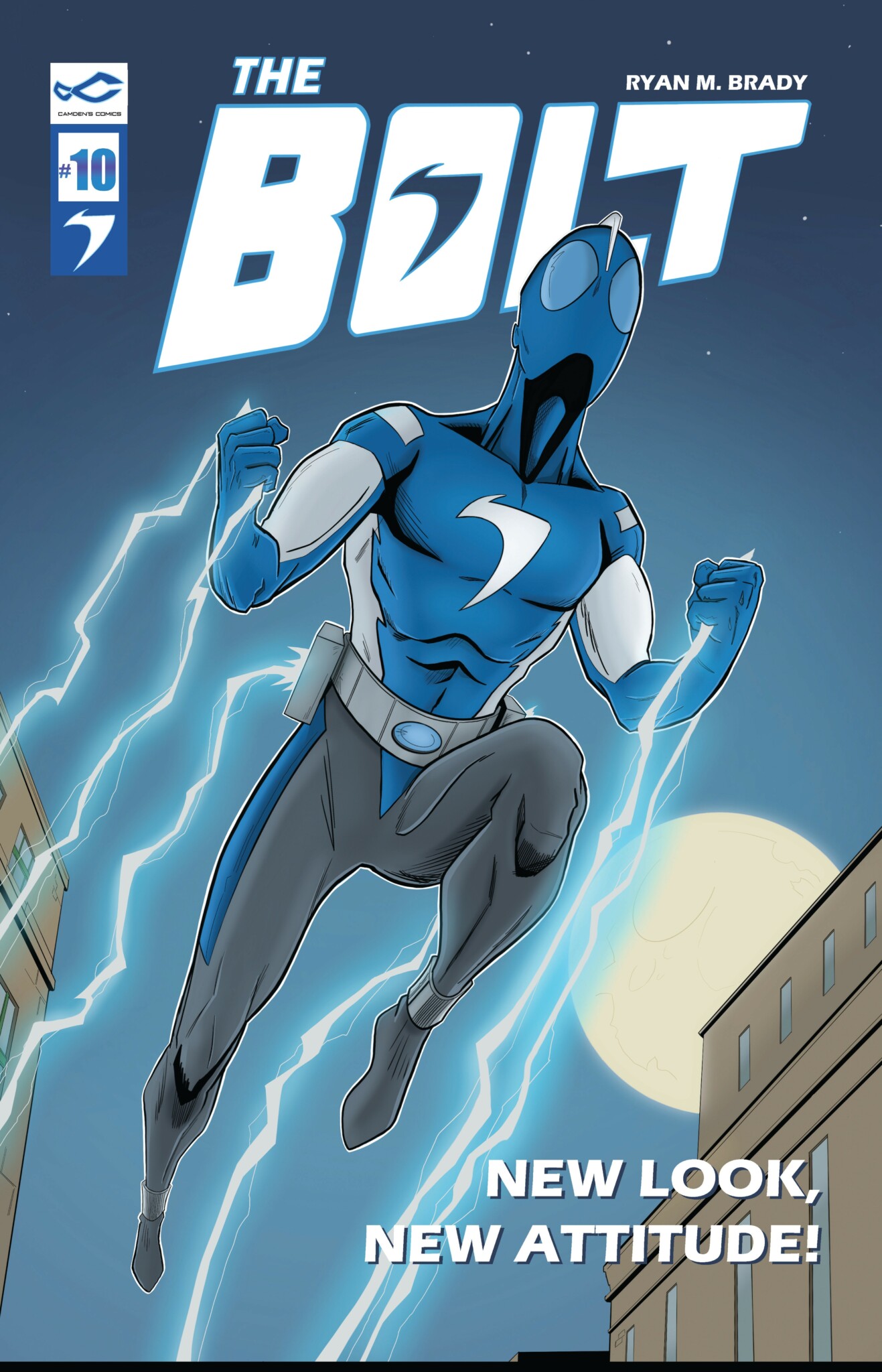
In 2013, I published my first comic book, THE BOLT #1. I wrote, penciled, inked, and colored the book myself. It was only eight pages long and it took me six months to complete, but I was so proud to be a real comic book artist. The interesting thing that happened when I held the book in my hands, is that it lit a fire inside me. I wanted to make more comics, but I also wanted to improve on everything. My goal, at the time, was to make a full-length comic book, about 20-24 pages long. I kept pushing myself to write better stories, to draw better character poses, to ink dynamic scenes and in 2016, I finally achieved my goal of a full 20 page comic book with THE BOLT #6.
Looking back on it, some eleven years later, I think the skill that is most essential for comic book creating is passion. You can be a great storyteller, or an impressive penciler but if you don’t devote the time to the work, no one will ever see it. You are always your hardest critic. I know my initial efforts were not the strongest, but if that guy in 2013 hadn’t sacrificed the time and effort and done his best, then I never would have grown as an artist and my comics would not be what they are today. If someone out there wants to write/draw/ink comics, don’t listen to that voice that says you’re not good enough. Do the work. Chase the passion.
Great, appreciate you sharing that with us. Before we ask you to share more of your insights, can you take a moment to introduce yourself and how you got to where you are today to our readers.
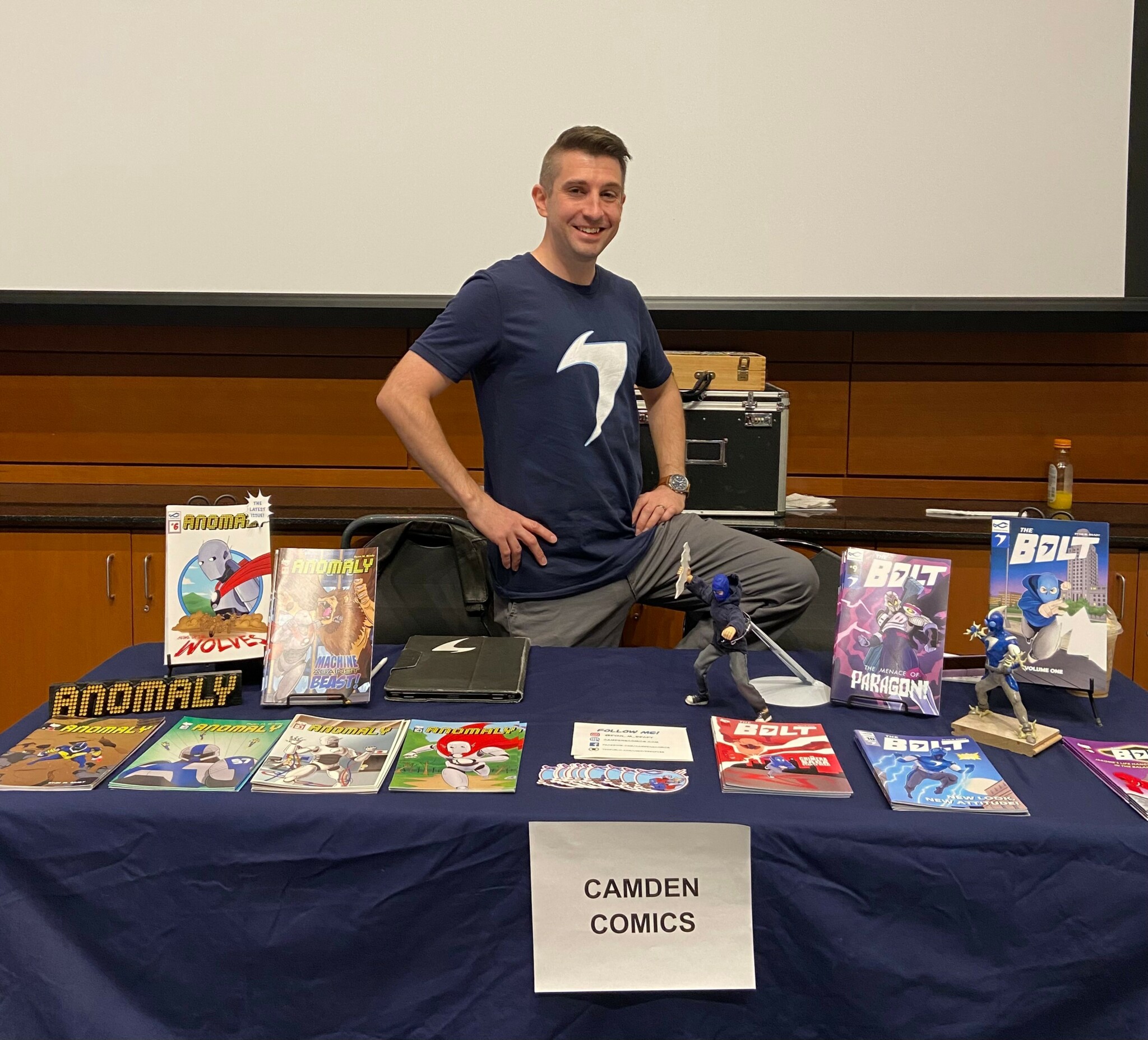
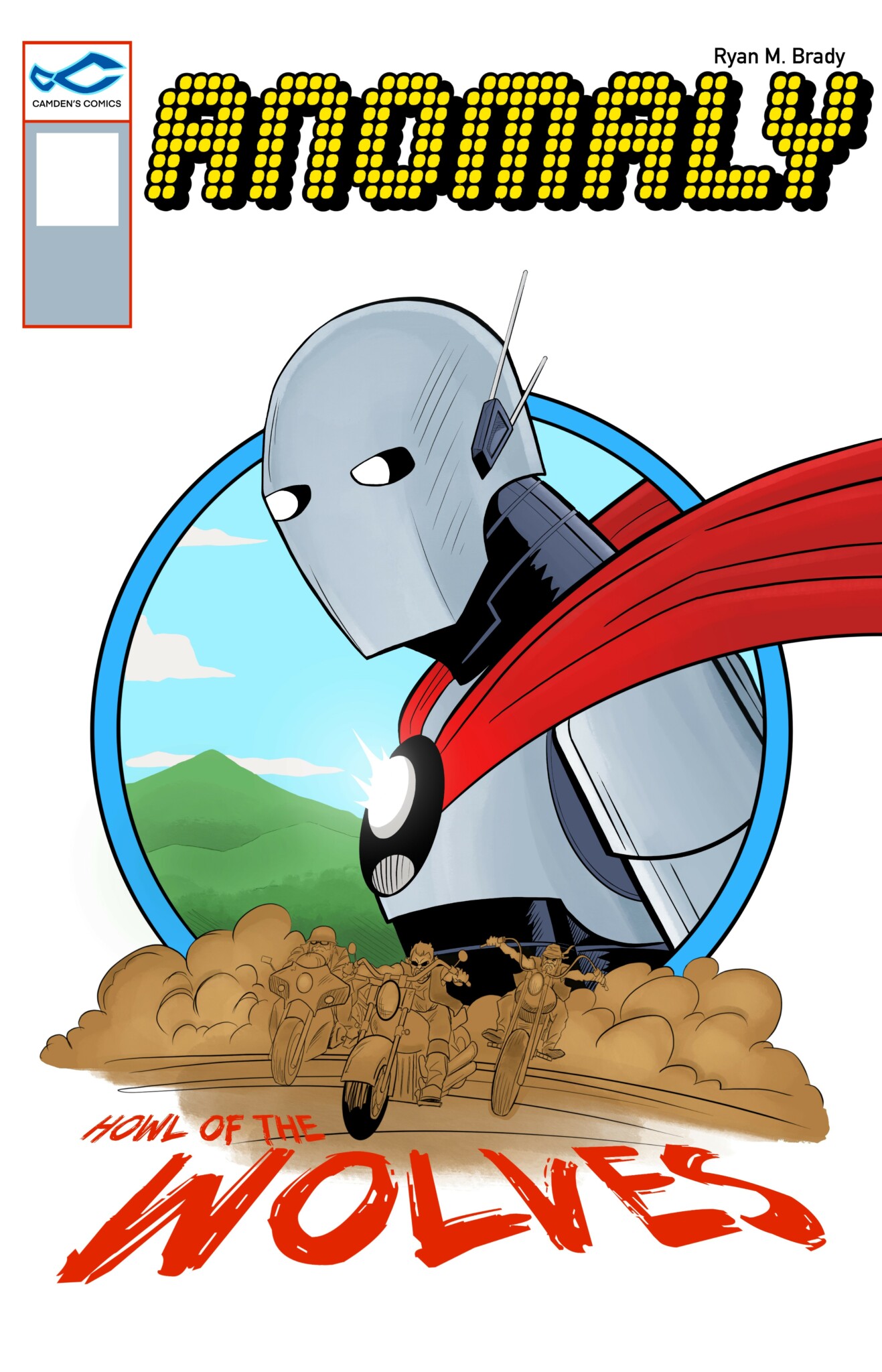
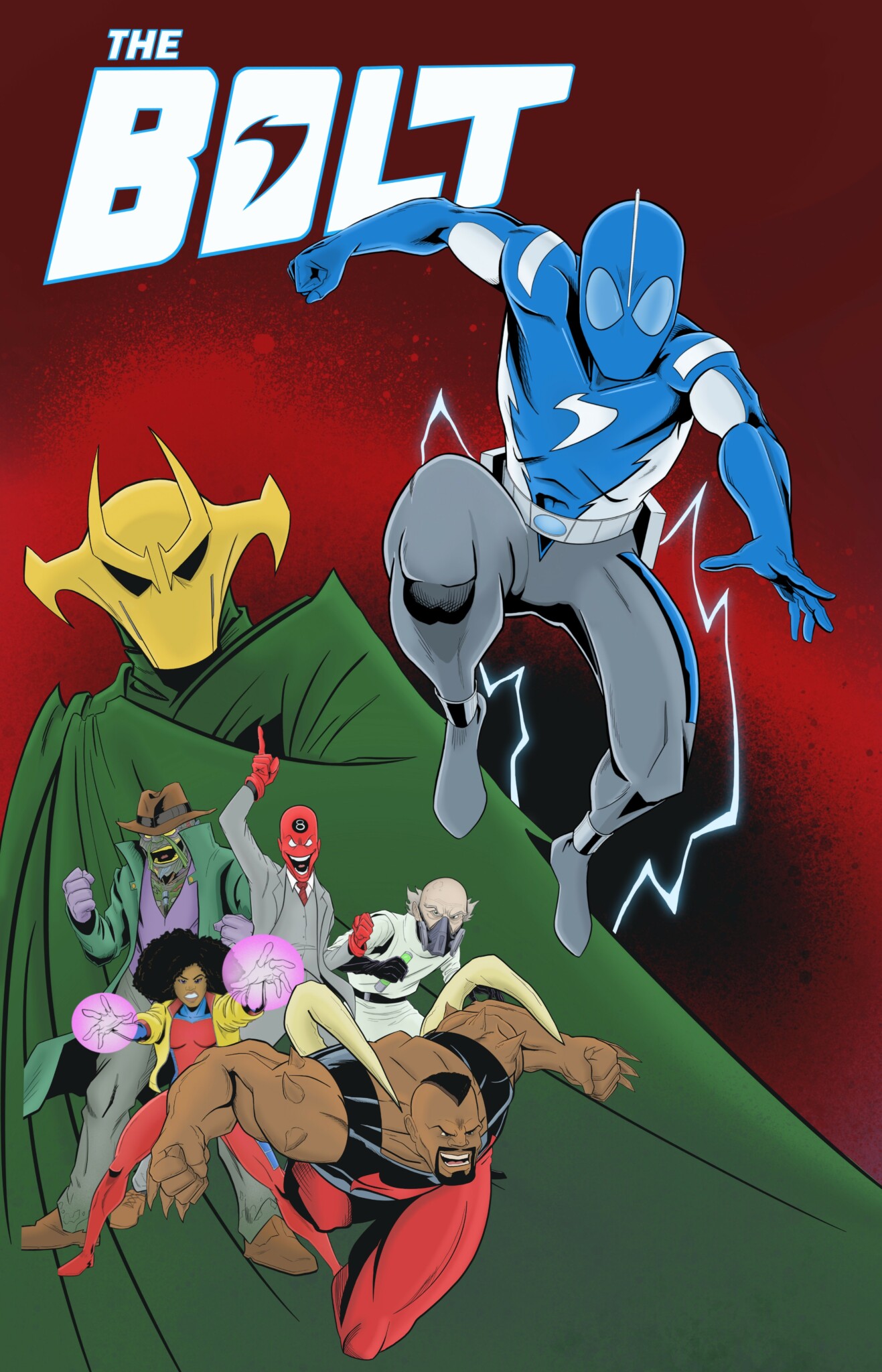
My name is Ryan Brady and I am a comic book geek. I love comic books with an intense passion, so much that I taught myself how to create my own. Since 2013, I have been publishing two titles “The Bolt” and “Anomaly”. I wrote, penciled, inked and colored these books myself. The books are kid-friendly adventures about two different superheroes.
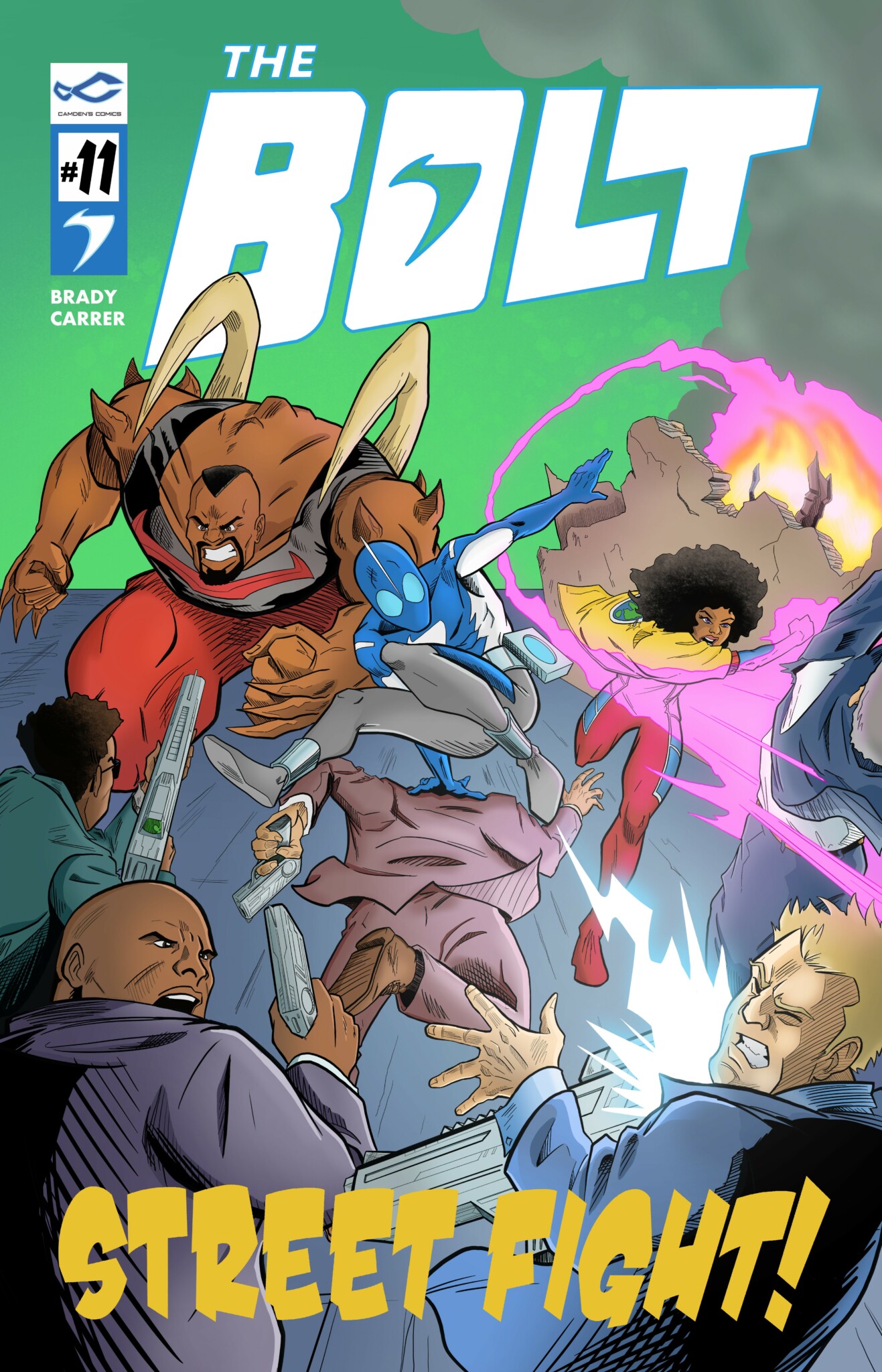
The Bolt is an electrically-charged superhero in Camden, NJ. His superpower is his ability to throw lightning bolts. In the book, two villainous gangs are vying for control of the city, while the Bolt is caught in the middle, fighting both of them.
There are currently 11 issues of The Bolt in print. The Bolt #11 is also the first time working with a colorist, and it’s been a nice experience relinquishing some of the work.
Anomaly is a sci-fi comic about a robot designed to be a weapon. It is developed with the ability to think and dream like a human. As such, Anomaly falls in love with superheroes and soon decides that it does not want to be a weapon. Instead, it wants to be a superhero! There are currently 6 issues of Anomaly in print, with #7 coming soon.
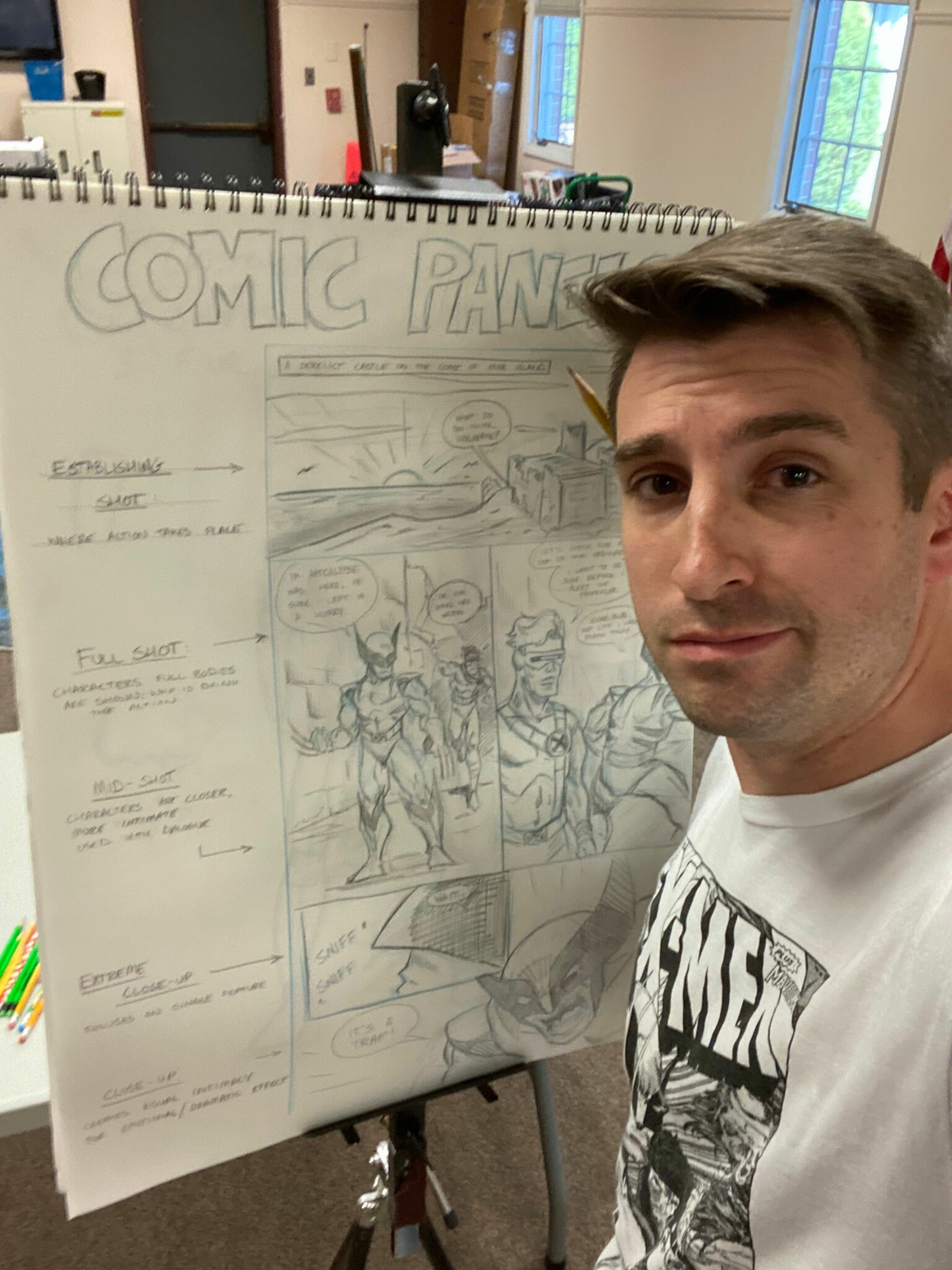
I created these comics while I was attending Rutgers University in the late 2000s. I would volunteer at the local middle school and I really enjoyed hanging out the kids and talking superheroes. I think that Camden gets a bad rep, but the children of Camden are supremely imaginative. I love sharing my passion for comics and I have taught several comic book programs in Camden middle schools. I also frequently do comic book lessons at libraries.
I hope what sets me apart is my complete love and passion for comic books. I believe that comic books are for everyone. I am always open to talk about comic books, teach comic books, and share what I love about it. I’m always open to help anyone who wants to get started on their own comic as well. Seriously, DM me, email me, whatever. I will always help a fellow comic book creator!
For you, what’s the most rewarding aspect of being a creative?
Honestly, the most rewarding aspect of being an artist is helping someone who wants to be an artist too, find their footing. We all know it’s not an easy thing to take that leap and pursue art. In my own life, I’ve felt like society has labeled art “superfluous”. A thing to be admired but only for a select few to actually engage in. (Don’t get me started on AI.) Over the years, at conventions or libraries, I have met people who have comic ideas and they’re unsure how to start. There is no greater feeling than being able to help a fellow creative with advice whether it’s what materials to use, where to show off their work, or how to self-publish.
What do you think is the goal or mission that drives your creative journey?
The mission statement behind my comics is happiness. Creating these books is essential to who I am as a person. I don’t make them for money and I don’t make them for fame. To be able, at the end of my life, to say I stayed true to myself and my work is the most important thing to me.
Contact Info:
- Website: https://www.camdenscomics.com
- Instagram: camdens_comics
- Facebook: https://www.facebook.com/camdenscomics/