

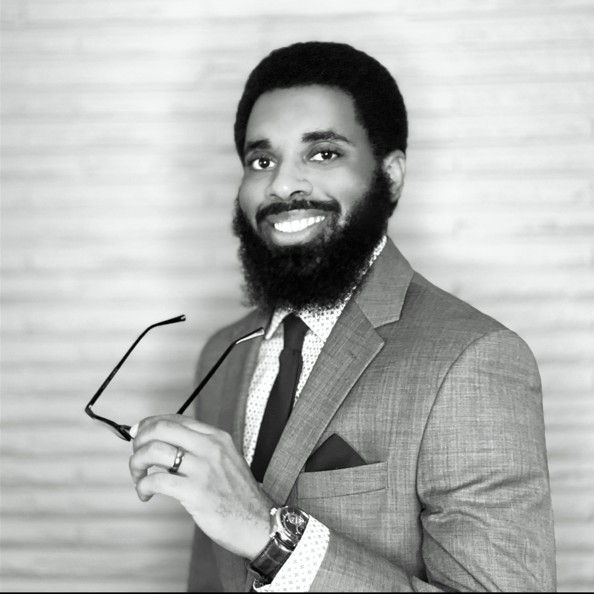

We’re excited to introduce you to the always interesting and insightful Ryan-Alexander Thomas. We hope you’ll enjoy our conversation with Ryan-Alexander below.
Alright, Ryan-Alexander thanks for taking the time to share your stories and insights with us today. Let’s start with education – we’d love to hear your thoughts about how we can better prepare students for a more fulfilling life and career
Although we have made strides in the education system, in many ways, we have yet to scratch the surface when it comes to unearthing the potential of today’s youth. I grew up learning what was in the book in order to take a test; there always was an emphasis on memorization first and comprehension second. Today, having a supercomputer in the pocket of nearly every individual over the age of 10 is mind-boggling. There should be less of an emphasis on memorization and a direct investment on comprehension and utility.
I’m not the first person to say this but of course we should include more practical skills in K-12 schools including renting versus owning a home, starting a business, going directly to college versus entering the workforce, filing taxes, mental health, applying for jobs, the list goes on…
Preparing students for the future means teaching them how to utilize the information they have at their fingertips. You see it everyday, kids that are under the age of 16 are marketing and social media gurus only to then not know how to use that potential to do more for society than simply inducing a chuckle from their audience.
Awesome – so before we get into the rest of our questions, can you briefly introduce yourself to our readers.
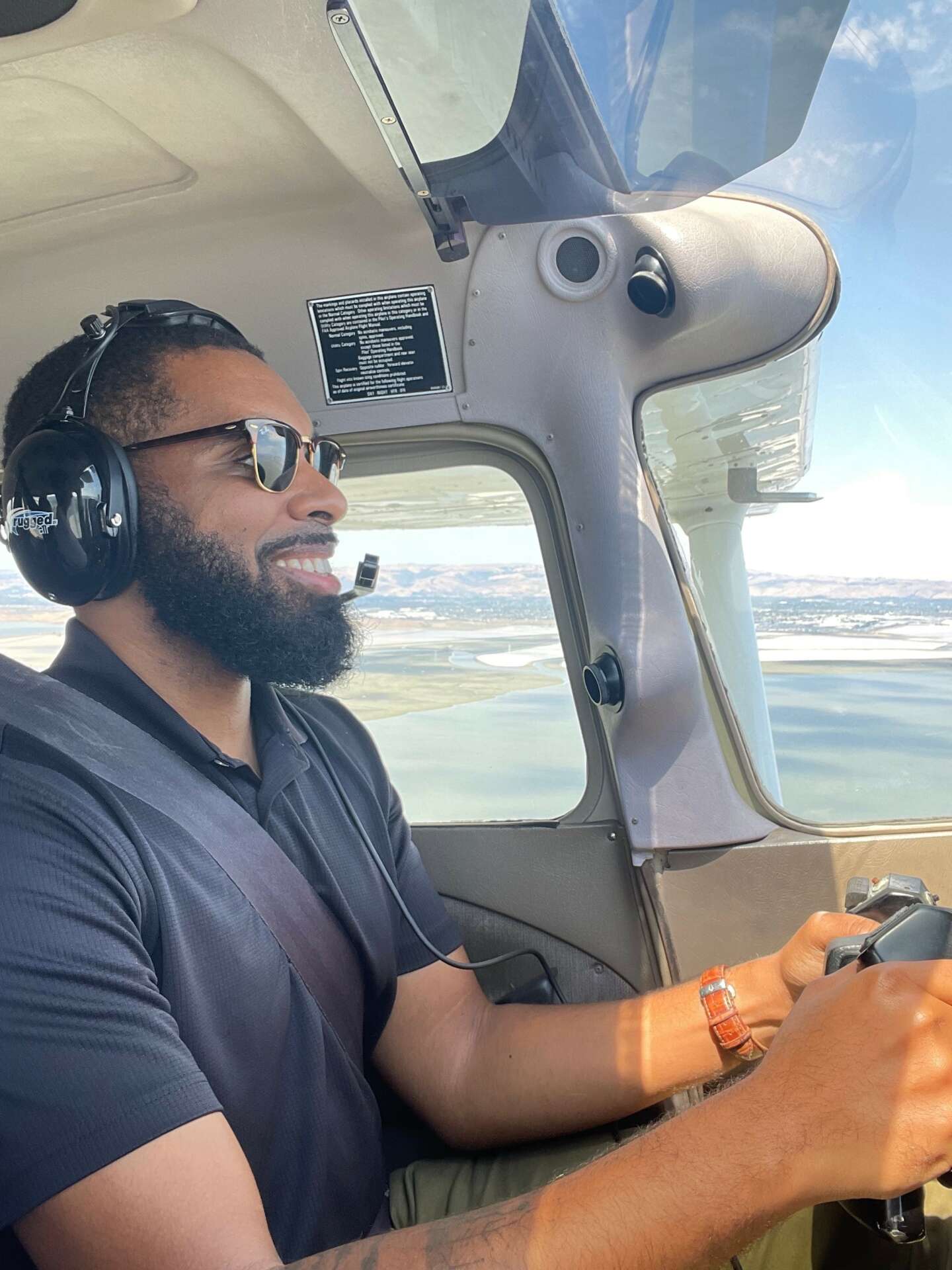
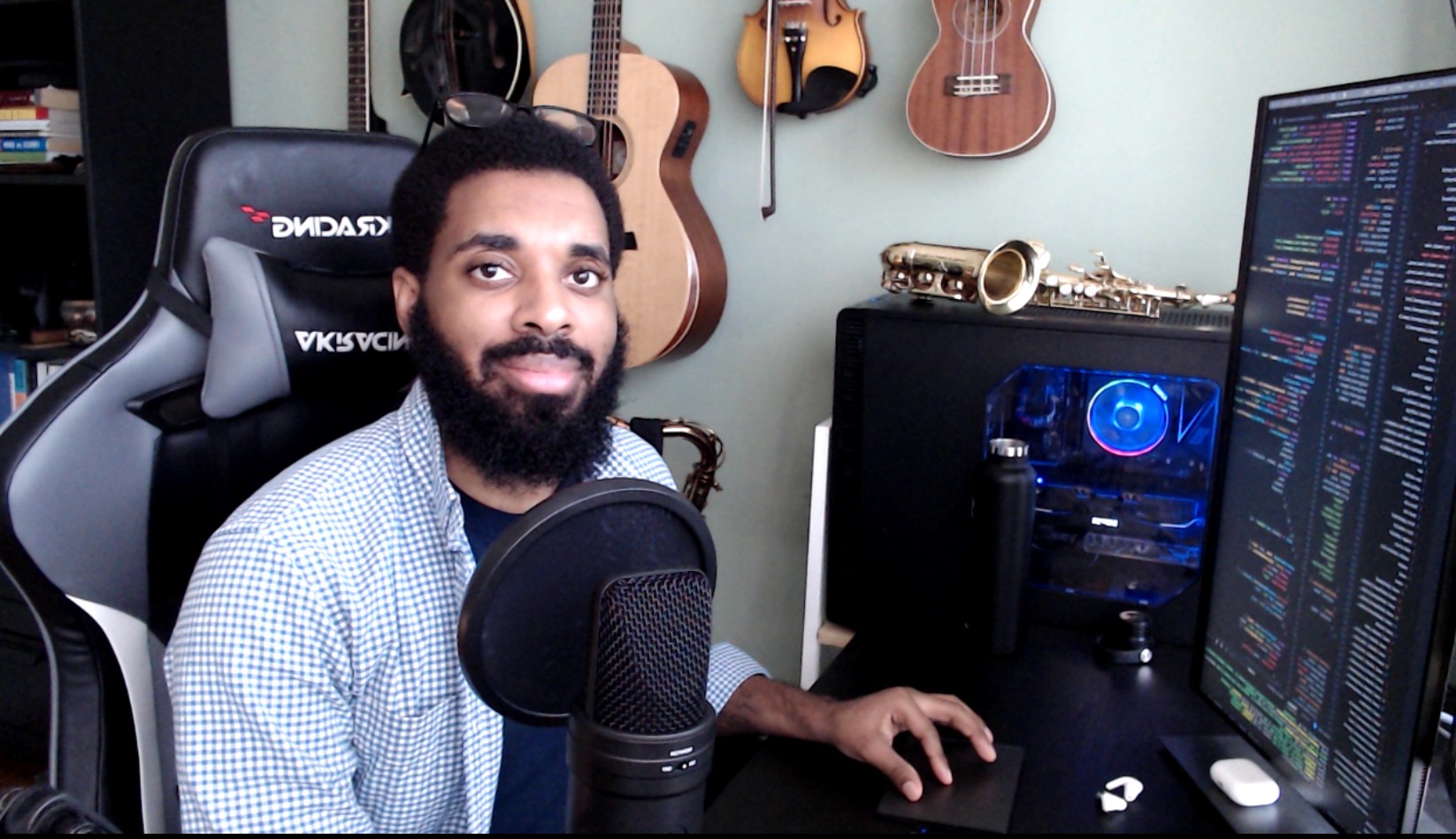
I never imagined myself getting into computer science; I went to school in Houston, TX for music theory and composition paying for college by DJ’ing on the weekends. Before long, I became a Catholic school music teacher and band director while playing the tenor sax in jazz bands on the side. I loved teaching and helping others to the point where I was trying to figure out was to scale-up my community service. I turned to mobile applications; surely I could figure out how to make an app to teach kids music, right?
I taught myself to code and within a year of my first C++ class, I started working for MIT as a programmer in 2015 focusing on philanthropic platforms. My supervisor told me I should probably study CS because I might be good at it and eventually made my way to Columbus, OH where I entered the data science/analytics space working for a startup founded by my physics professor.
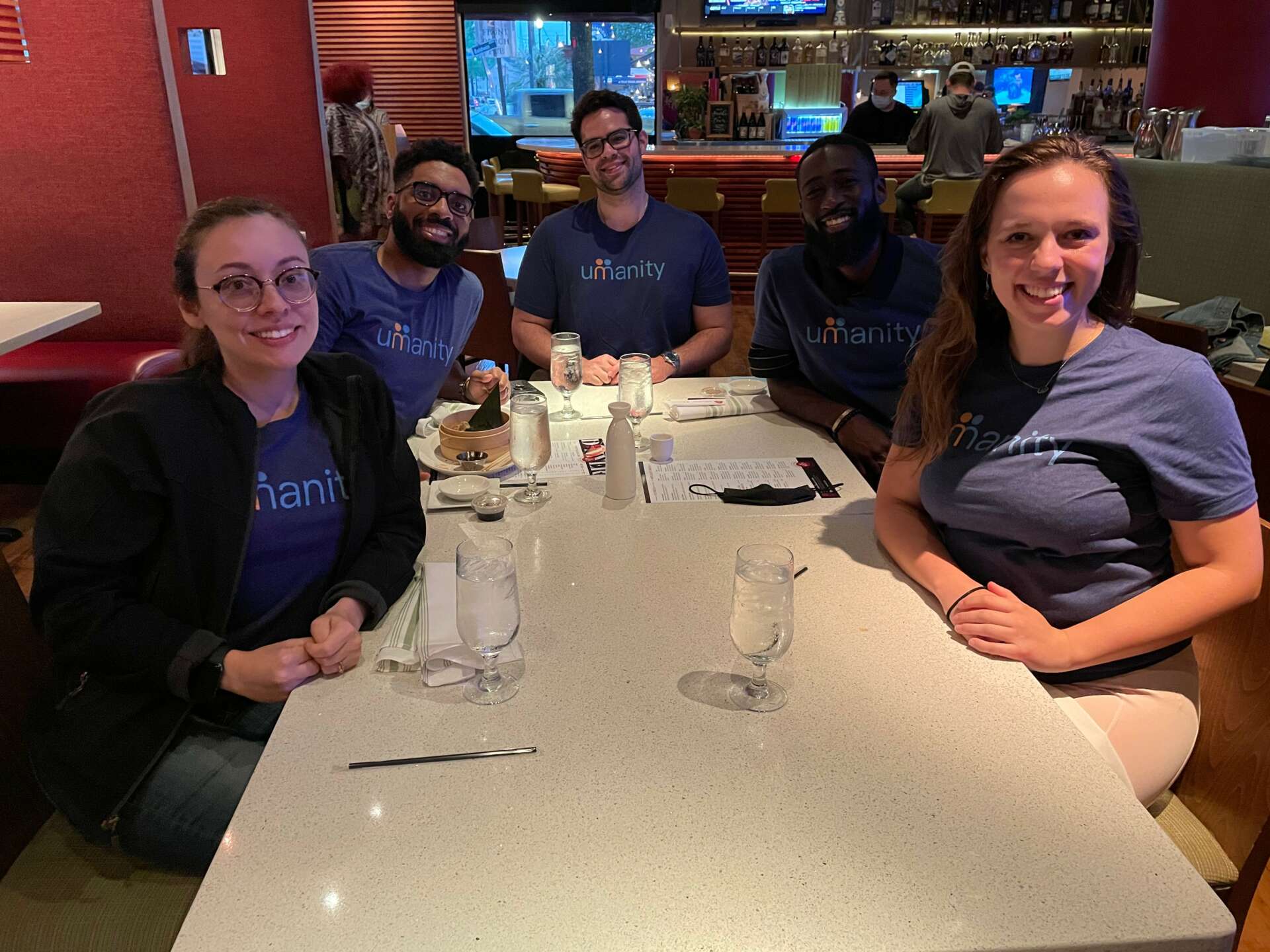
It was at this point my three passions collided: community service, software engineering, and startups. I started working on a project to connect community needs and resources in the wake of Harvey that ravaged my hometown and the surrounding areas. Eventually, it became an actual company in 2020 where the pandemic exacerbated the need for knowing who has what, who needs what, and who is doing what. Umanity started to take off.
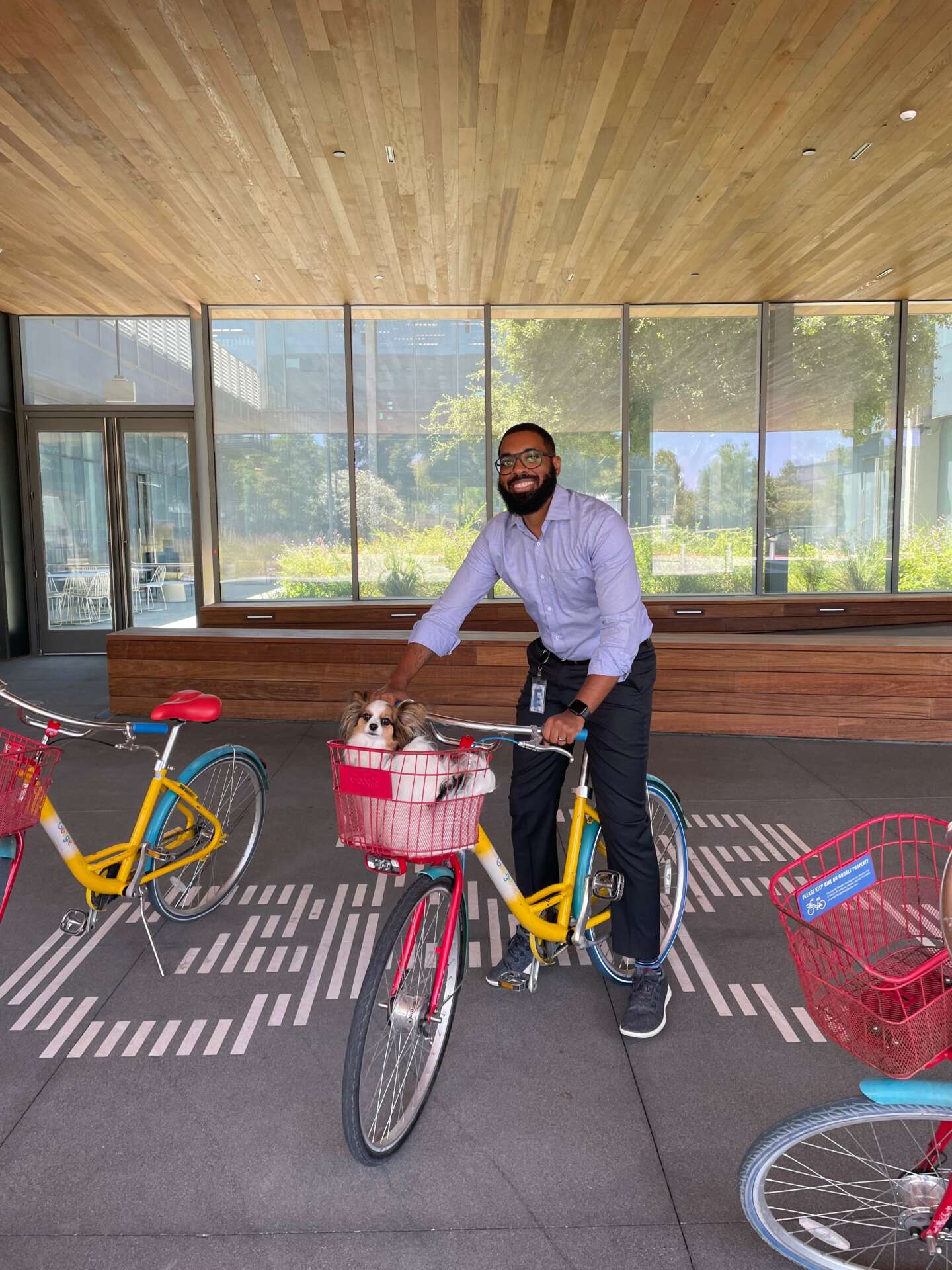
As the company grew, so did our mission. Having very little experience in global technology and turning a company from less than 10 employees to tens of thousands, I felt I needed to expand my toolkit and decided to take an offer to work for Google as a Software Engineer focusing on Global Networking technology. My goal is to leverage my experience to connect more people to more resources as the world’s most pressing philanthropic challenges worsen.
Can you tell us about what’s worked well for you in terms of growing your clientele?
Solving a problem. Consider the last time you shared a piece of technology or a business/brand with a friend or colleague. It was most likely because the product you are so enthusiastic about solved a problem you either did or didn’t know you had. For our team, word of mouth is essential and growing our clientele fundamentally relies on us delivering a quality product that they can’t wait to tell someone about.
We’d love to hear about you met your business partner.
When I meet other startup founders, one of their biggest challenges is finding a technical co-founder. Many people have great ides, few have great ways of implementing them. I was fortunate enough to have some capability in bringing my idea to life. I was introduced to Alec as my new coworker at startup in Columbus, OH. Over the next couple of years, we had developed a professional relationship having to rely on each other to develop end-to-end data analytic solutions for a plethora of clientele. Eventually, I introduced him to a side project of mine that I pitched as a way for people to better serve their community. The rest is history.
If you can show you’re willing to put in just as much, if not more, than your co-founder, you should have no problem finding a partner to achieve both of your dreams.
Contact Info:
- Website: https://umanity.io
- Linkedin: https://www.linkedin.com/in/ryan-alexander-thomas/