

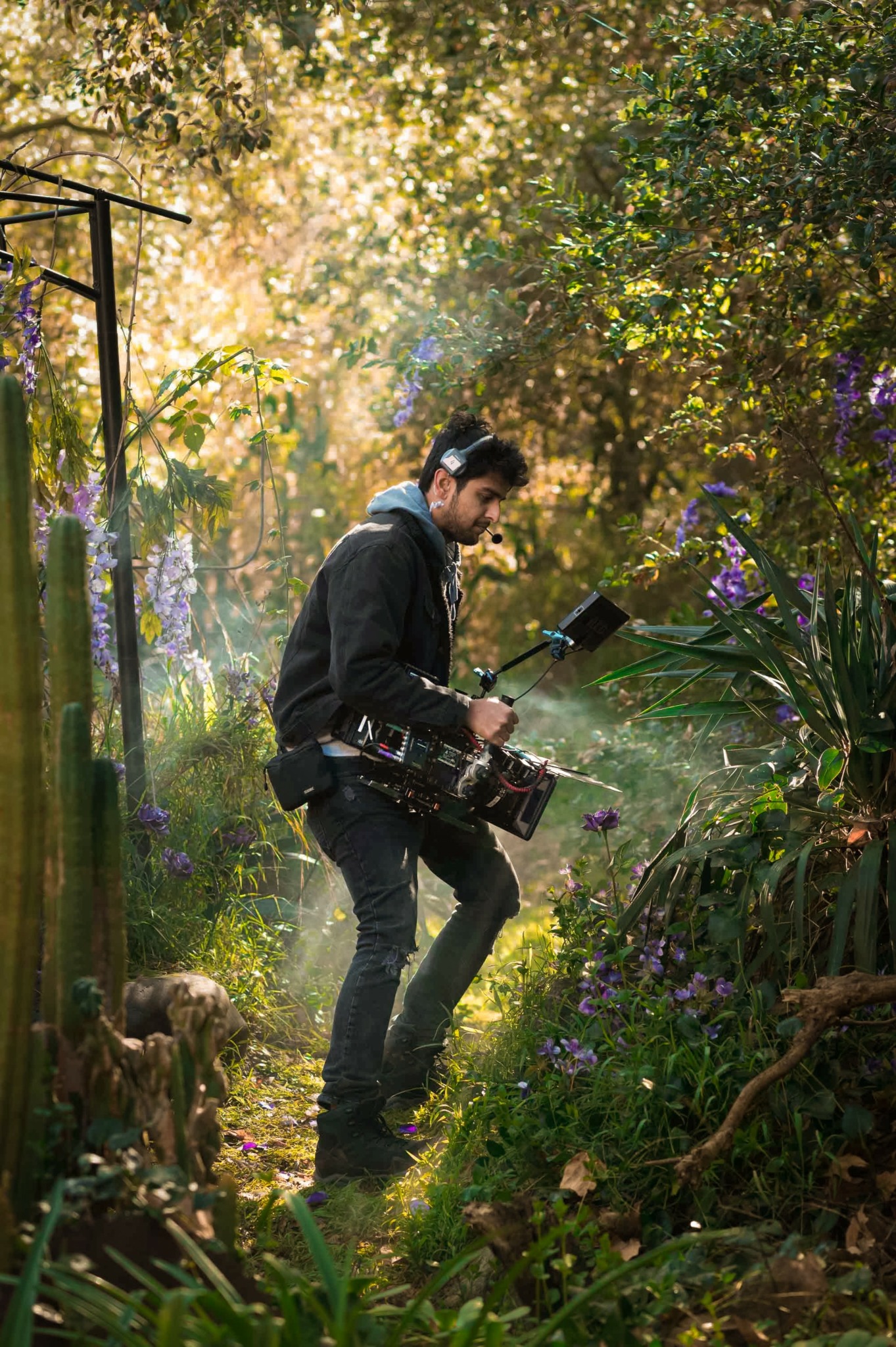

We were lucky to catch up with Rutvij Reddy Seelam recently and have shared our conversation below.
Hi Rutvij Reddy, thanks for joining us today. Let’s start with a fun one – what’s something you believe that most people in your industry (or in general) disagree with?
As someone early in my career as a cinematographer, I’ve noticed something that not everyone agrees with: Cinematography isn’t all about the camera.
Don’t get me wrong, the camera matters. I understand the power of the tools we use; I’m constantly learning about sensors, lens choices, color science, lighting, and how all of that fits into different workflows. On certain projects, the right camera setup is essential, especially when working with VFX, low light, or a very specific visual style. But even with that, I’ve come to believe something that becomes clearer the deeper you engage with the craft: The most resonant images often come from a sense of intention, not defined by technical specifications. And that’s what sticks with people. Not the gear, but what the image made them feel.
In my experience, what really makes a difference is the thought behind each shot, how we shape light, how we frame emotion, and how we use movement to serve THE STORY. It’s easy to obsess over specs. But the deeper skill, the one I’m working to build, is knowing why you’re making each choice. Some of my most effective images didn’t come from one of the best cameras; they came from the director’s intention and vision of what the story needed in that moment.
Finally, I still have a lot to learn, both technically and artistically. But this is something I’ve come to believe: Cinematography isn’t just defined by sensors, it is defined by what you choose to see, and how you choose to show it.
Great, appreciate you sharing that with us. Before we ask you to share more of your insights, can you take a moment to introduce yourself and how you got to where you are today to our readers.
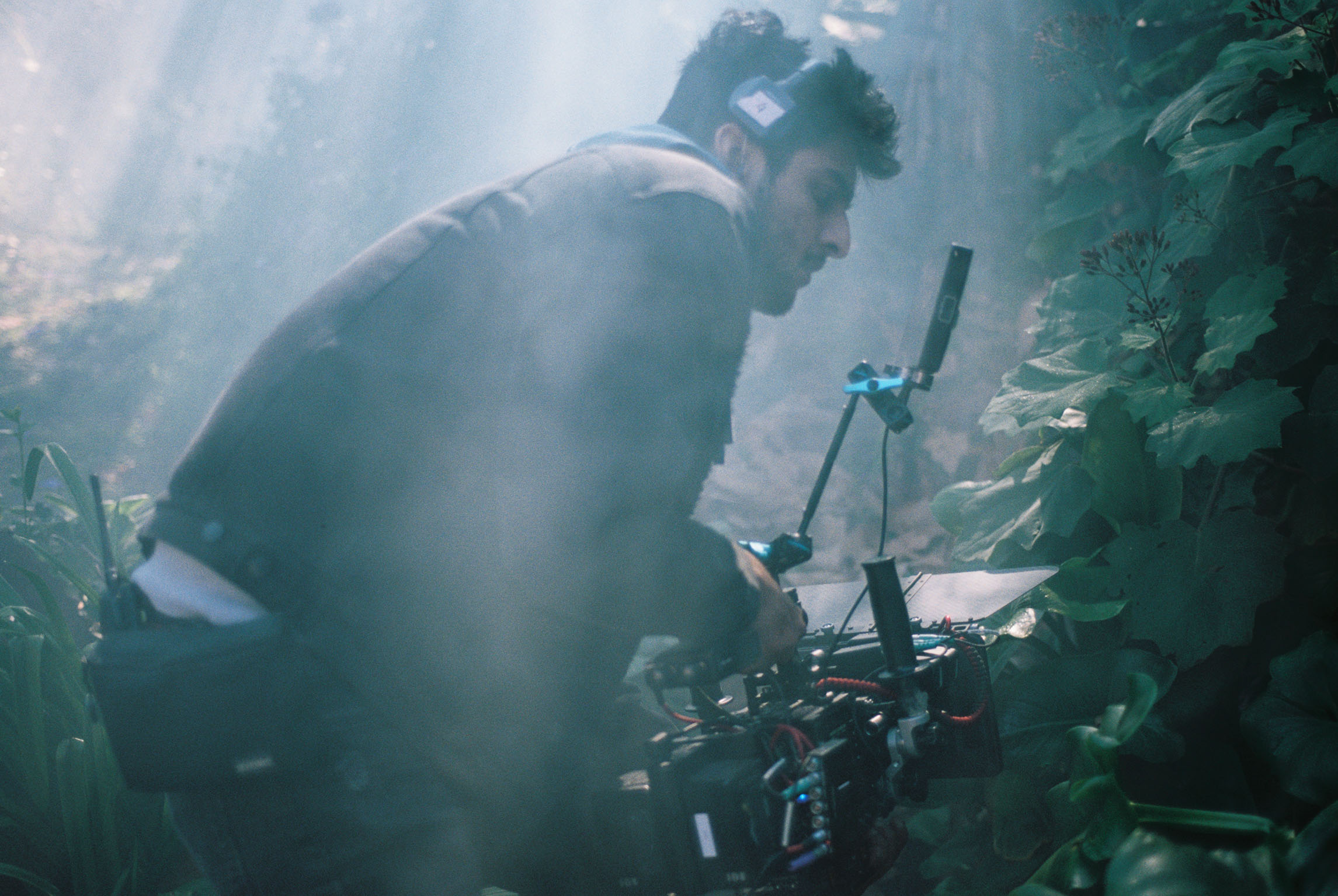
I’m a Cinematographer and Photographer focused on visual storytelling that’s intentional, emotionally driven, and built on strong collaboration. I work across narrative, branded content, music videos, and short-form vertical formats. I’m especially interested in projects that are conceptually clear and visually expressive, where camera movement, light, and composition aren’t just technical choices, but integral to the storytelling language.
I work closely with directors and other key crew from the early stages of pre-production, helping shape the visual tone, creating references, designing lighting setups, and choosing the right tools for the job. As mentioned earlier, cinematography for me isn’t just about making things look good; it is about giving directors, producers, and creators the visual language they need to tell their story.
What do you find most rewarding about being a creative?
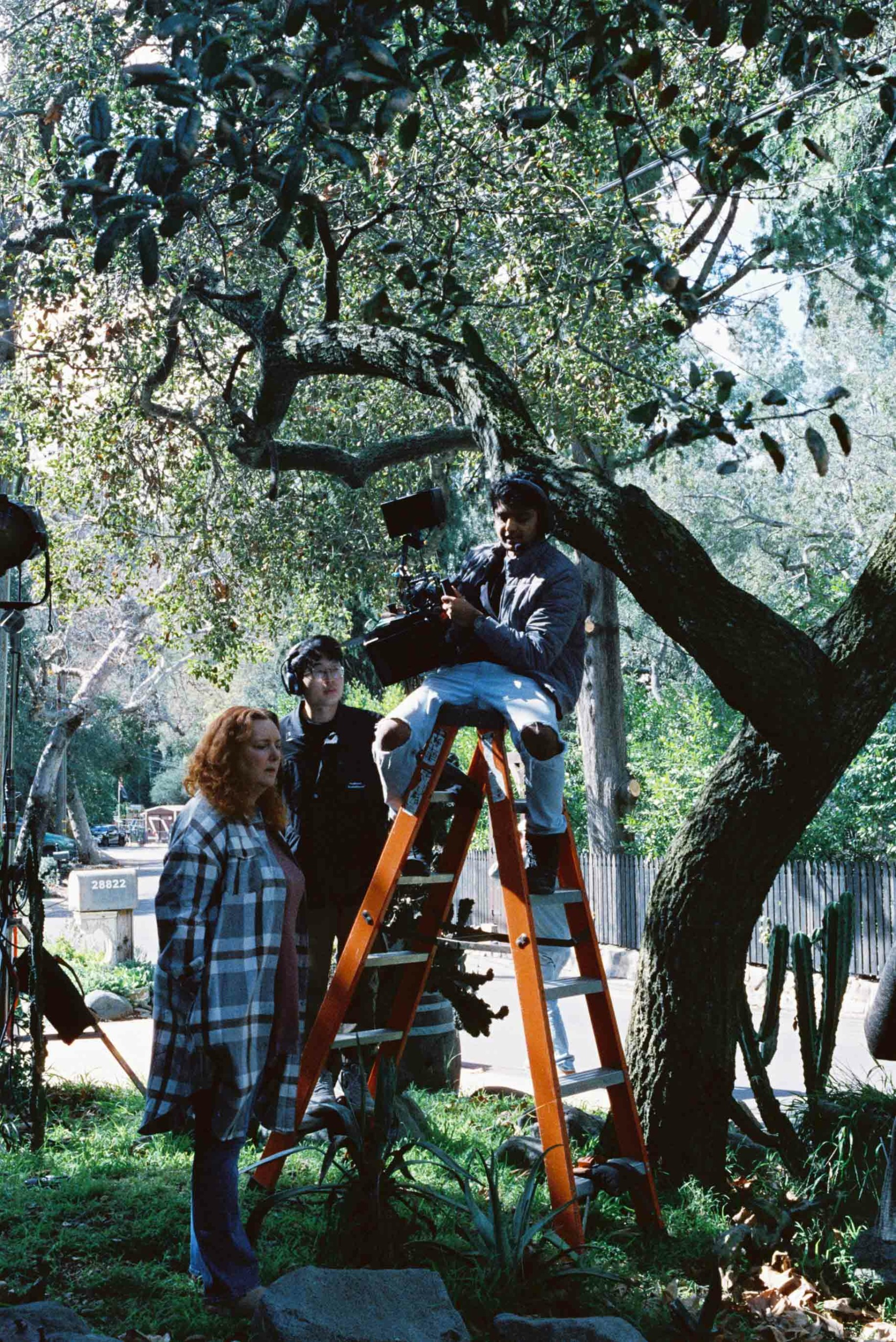
For me, it’s all about the experiences. The stories I come across, the people I meet, the places I visit, the emotions shared on set, the long hours that turn into unforgettable memories, and even the unexpected challenges that push me to grow — all of it is part of what makes this work so rewarding. Every project brings a new perspective, a new way of seeing the world, and that constant change keeps me inspired. As a cinematographer, I feel lucky that my work allows me to be present in so many different lives and moments, capturing stories that matter and learning something new each time
How about pivoting – can you share the story of a time you’ve had to pivot?
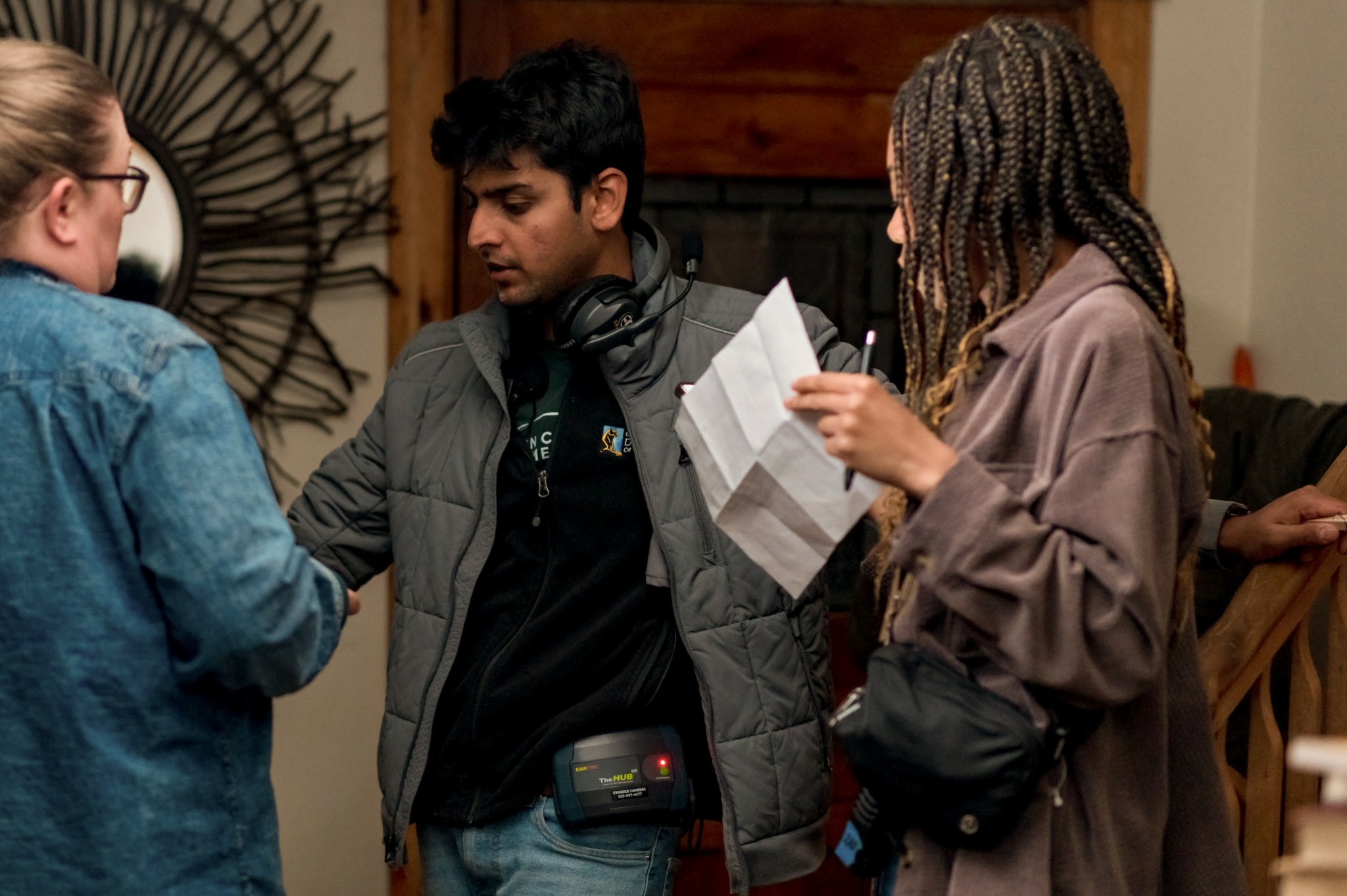
I pivoted from engineering to filmmaking after realizing I was more interested in the camera and images we create. Despite having no formal background in film, I followed my instinct and applied to film schools. It was a big leap into the unknown, but one that felt right. That decision led me to Los Angeles and shaped the creative path I’m on today.
Contact Info:
- Instagram: https://www.instagram.com/rutvij_s_reddy/
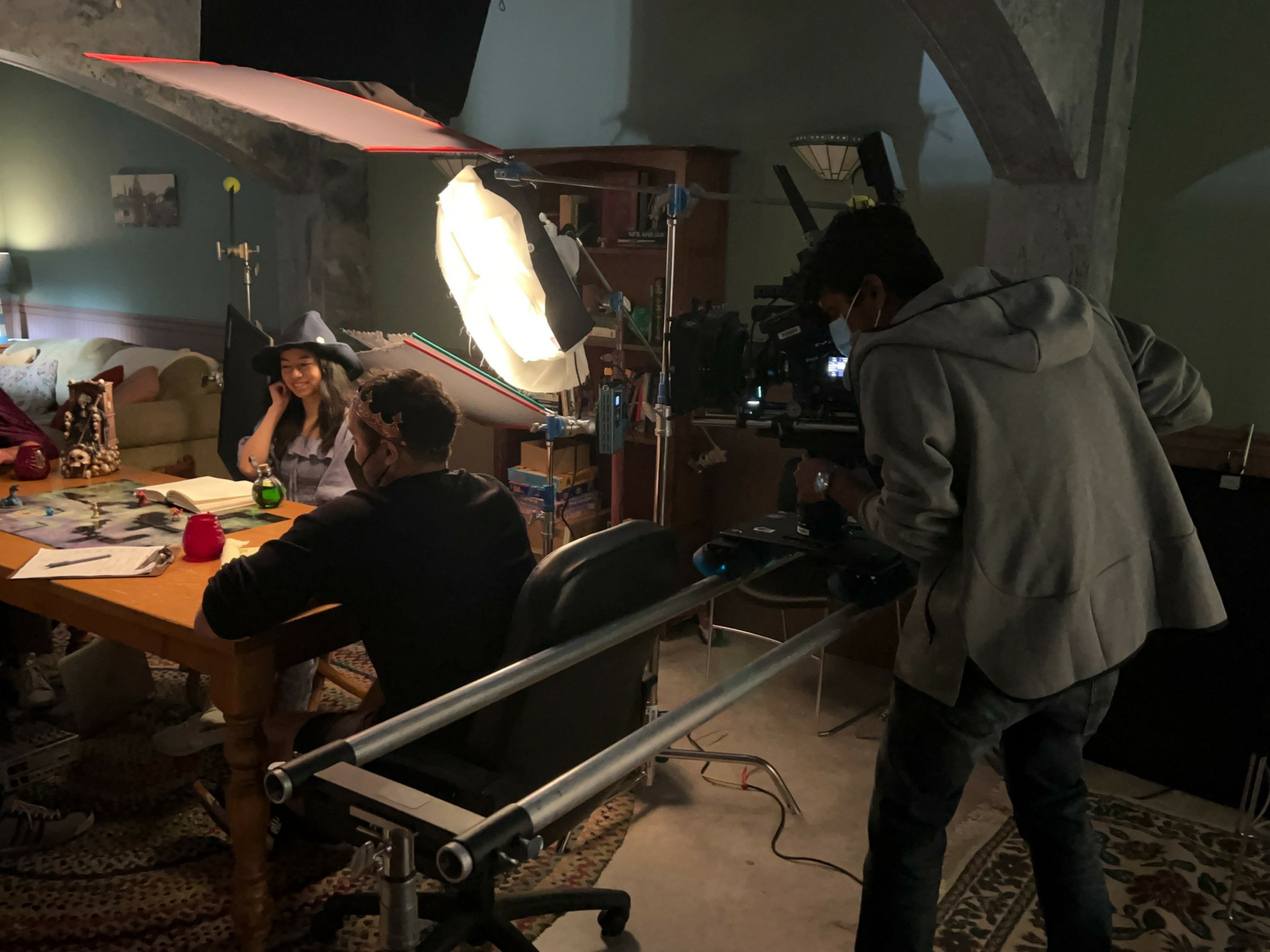
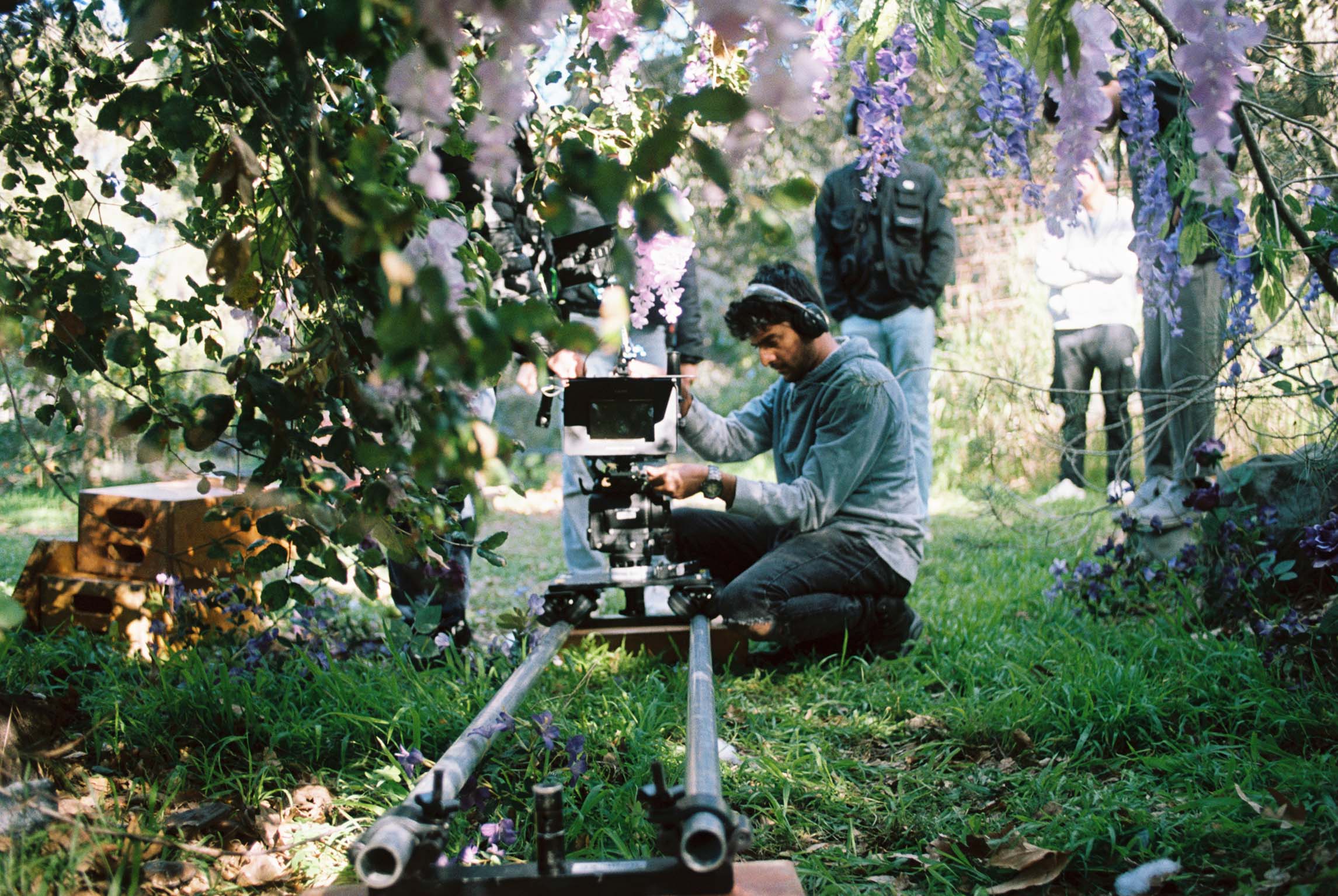
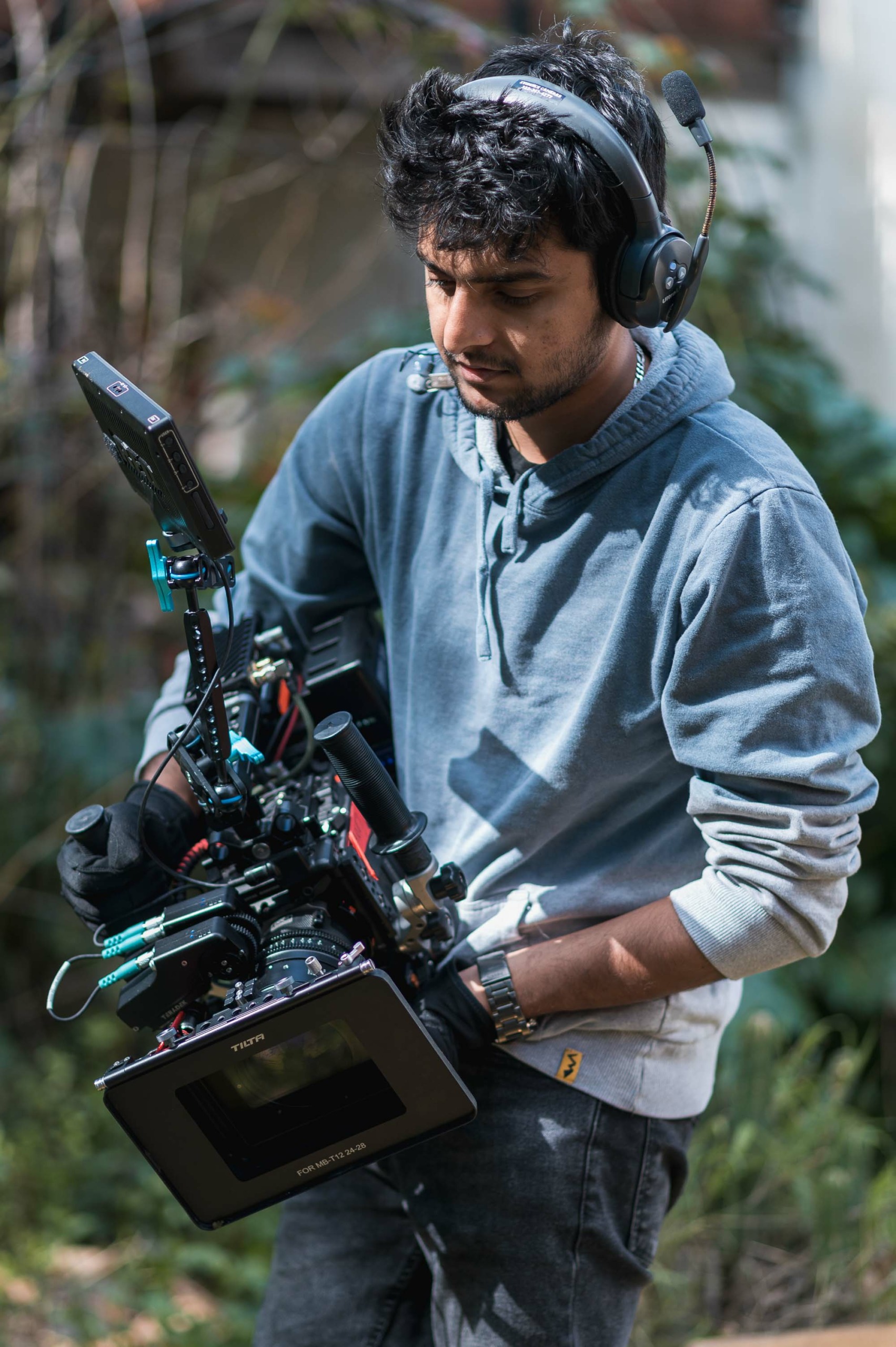
Image Credits
Mia Watanabe Miller