

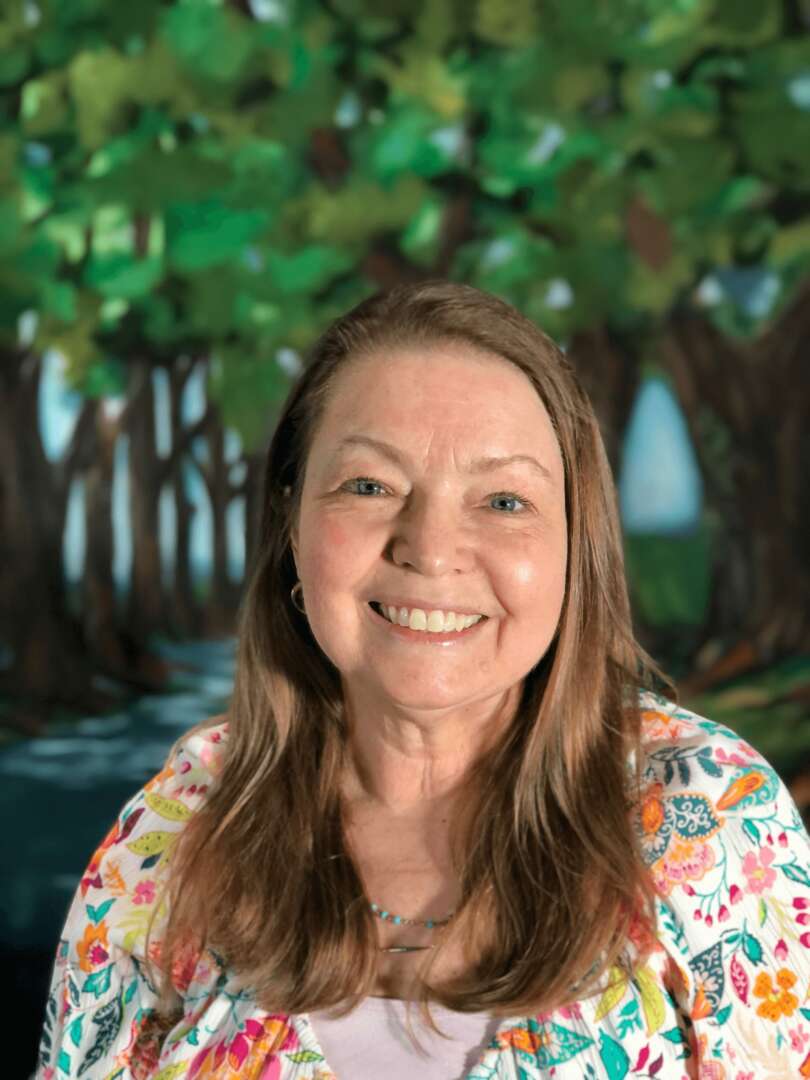

We recently connected with Ruth Wall and have shared our conversation below.
Ruth, thanks for taking the time to share your stories with us today Can you recount a story of an unexpected problem you’ve faced along the way?
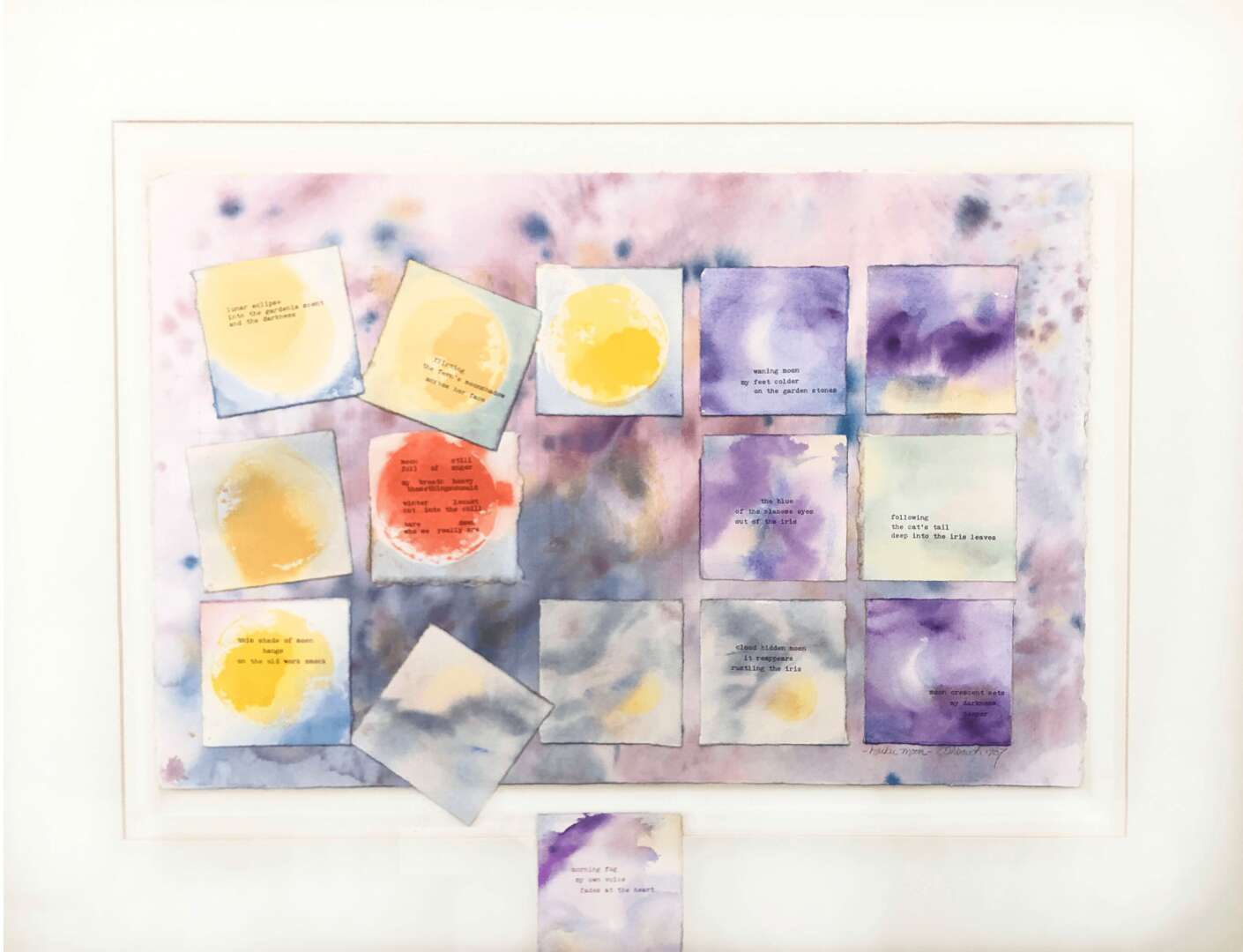
There is a funny story about a submission I made a show at the Brevard Museum many years ago. I created a watercolor collage where I typed haiku on squares of watercolor moons and clouds shapes and put them into a grid. When I got to the highly anticipated opening night, I found that some of the squares had slipped or fallen. In a panic I ran and found the museum manager and told him I could come on Monday to fix it. He laughed and said, “You can if you want, but the judge chose it because he likes it that way and thought it made it more interesting.” So, I left it that way.
Ruth, before we move on to more of these sorts of questions, can you take some time to bring our readers up to speed on you and what you do?
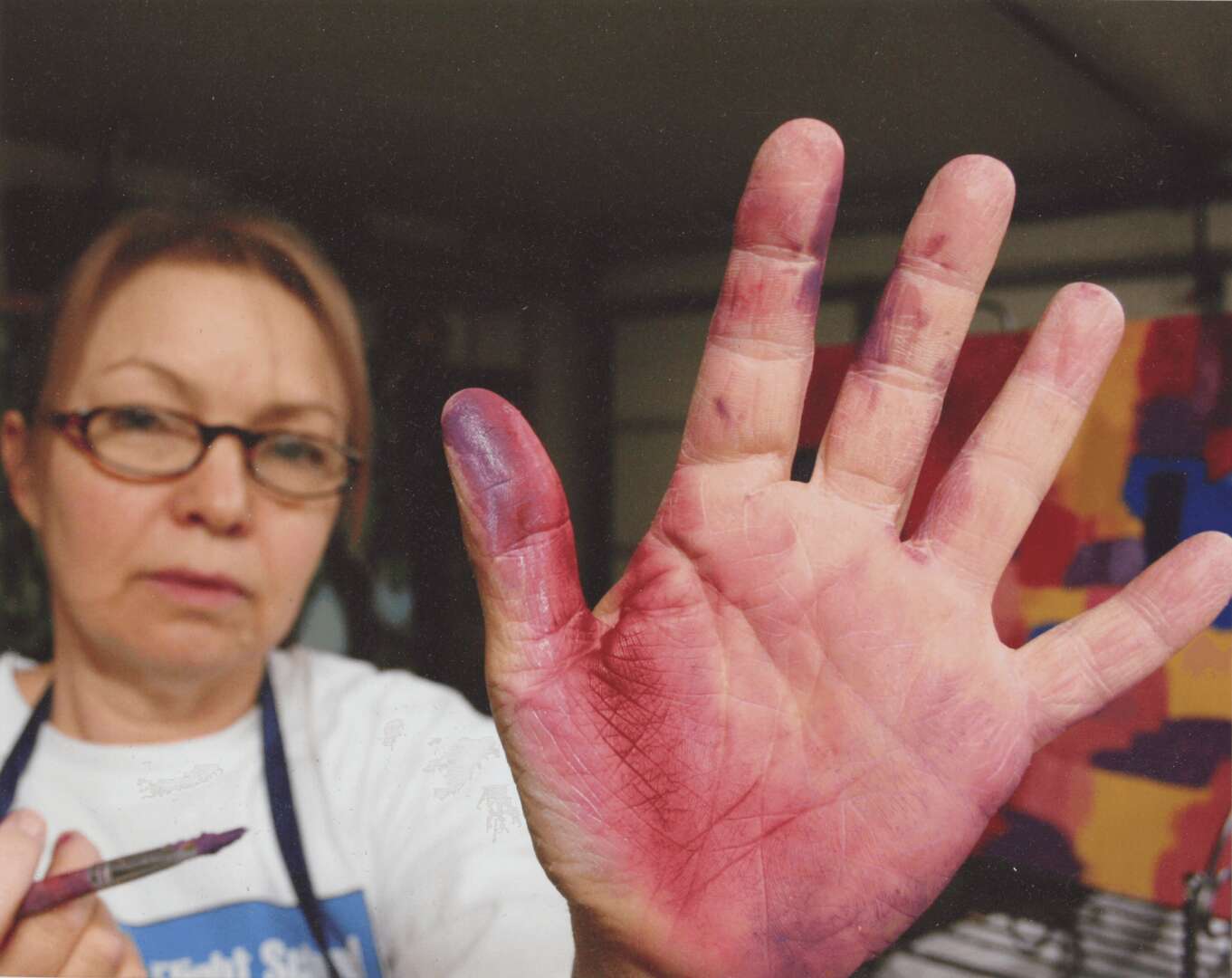
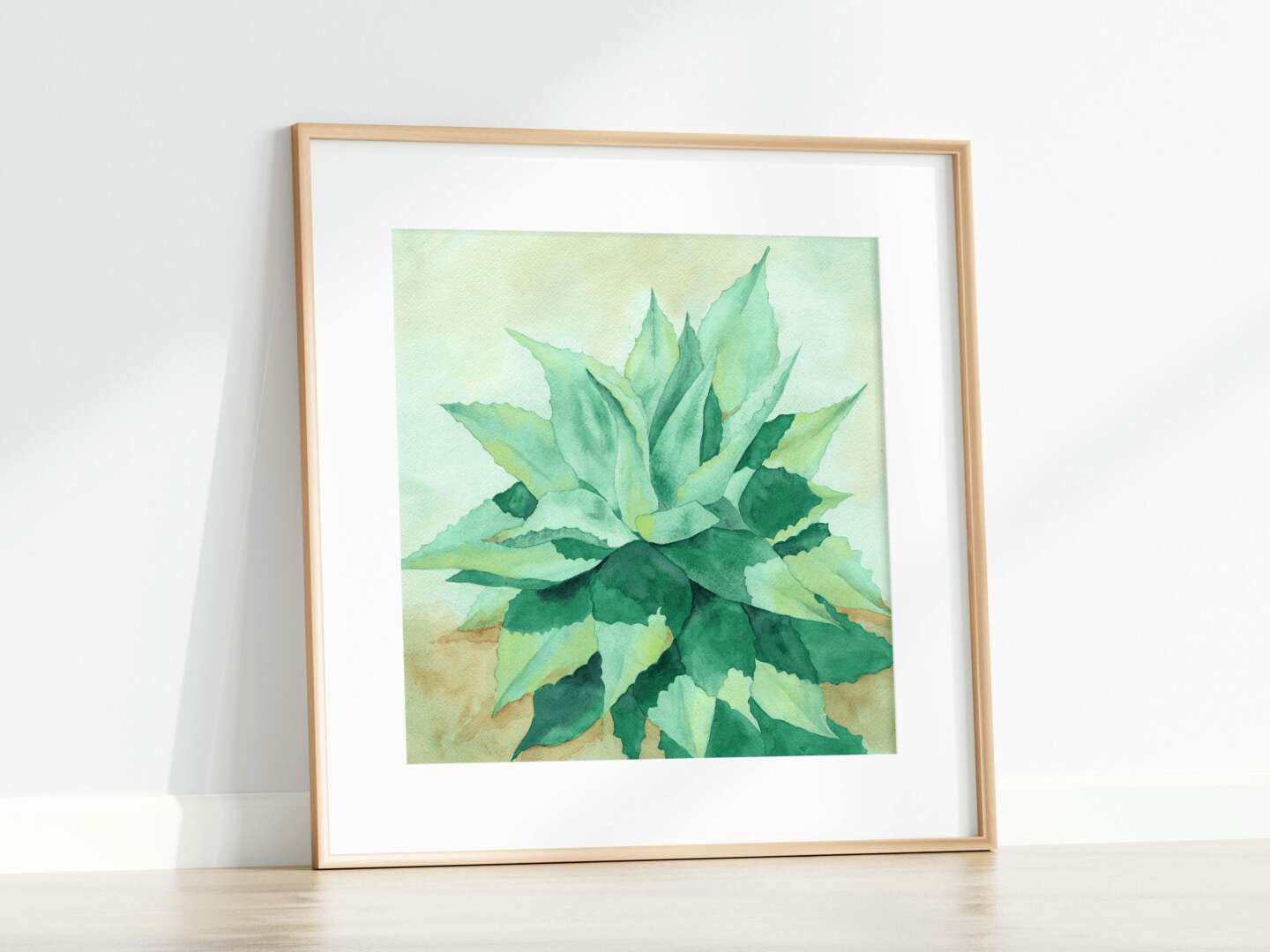
Since my favorite question is “what happens if”, and I find myself working in many media a few years back I began focusing on watercolors. For the last 20 years my vocation has been as a print designer, but I am now transitioning to surface design. You can see it is hard for me to focus and narrow what I am doing with my art. Life has so many possibilities, as does art and I want to experience it fully.
Attending UTD (University of Texas at Dallas) as an older student was the best thing to happen to me in a season of my life that included a difficult and painful divorce. Long sessions of drawing for a class called Art Concepts brought out all sorts of buried feelings. Not only did I learn to dig deeper for artist expression, but it was the beginning of a new life for me with a strong desire to pursue my passion.
Almost 15 years later I find myself in retirement from a corporate design job, ready to implement all that I have learned in the last 5 years about running a creative business. As part of an artist mentoring group called The Collective, I am committed to elevating my art and my business 1% each day. The group is run by Emily Jeffords of Greenville SC, whose motto is “Do it for the Process”. She advocates slow steady growth because after all, as a creative, if you don’t love what you are doing, why bother?
I am an emerging artist, one who has made the decision to build a business making and selling art, showing my work by letting people know what I am doing, and making a commitment to grow as an artist. I have begun to sell my work at local shows and markets, online in my Etsy shop and website, Ruthieonart Fine Art.
Watercolor is both unpredictable and unforgiving, so I take a certain satisfaction in doing it well, at least most of the time. My art tends to be simplified and colorful, painting somewhere between realism and abstraction. My son says my art is spiritual, but saying that out loud sounds pretentious, although I admit that is what I am aiming for.
Is there something you think non-creatives will struggle to understand about your journey as a creative? Maybe you can provide some insight – you never know who might benefit from the enlightenment.
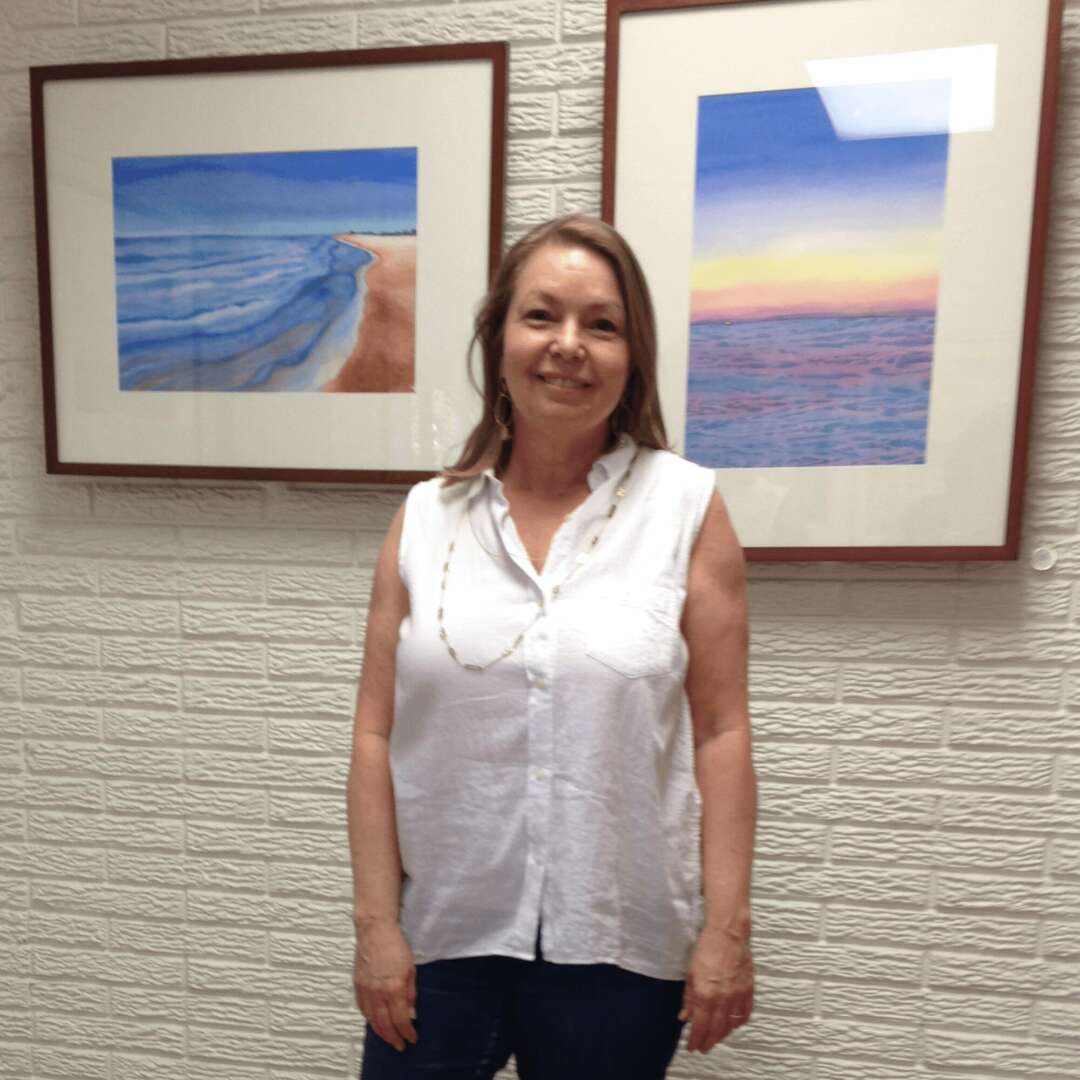
Being an older artist, I realize, artists don’t ever really get old as long as we allow playfulness in our creative process. Seeing the world differently, we allow ourselves to explore all of our “what happens if I do this”, keeping in tune to what is going on in the art world, and for me surrounding myself with beautiful and interesting things, keeps us young. And a good conversation about the creative process is always good for the soul bringing fresh burst of inspiration.
It is never too late to tap into your creative side. I learned this in my 20’s during a conversation with an amazing older woman whom I admired. She hadn’t started painting watercolors until she was in her 50s. She laughed when I said, “I feel like I had missed the boat by not taking art in college right out of high school.” She told me to never use not starting then, as an excuse to not start now. Shortly afterwards, I enrolled in the local community college in art, now Eastern Florida State University. Her words are what gave me courage to finish my degree in my 50s.
Can you share a story from your journey that illustrates your resilience?
Through the years I have always followed this principle that allows me to take risks and achieve some artistic success. “You never get into a show unless you submit.” In my early 20s I wrote and submitted haiku to scholarly publications, some of them associated with universities. This is where I learned to handle rejection on a creative level. I kept at it, I studied the art haiku writing, I listened to the critique of my work, and I kept submitting. And I got published. But I admit, I used to cry a lot at the mailbox at the end of my driveway when those rejection letters came in.
The same is true of fine art shows. There was a yearly show at a local museum, the Brevard Art Center and Museum when I lived in Florida. I faced those rejection letters for 3 years until I was finally accepted. That year neither my artist friend who encouraged me to submit, nor my watercolor instructor at the center got in.
You never know until you try, and you never know what will cause your work to be accepted.
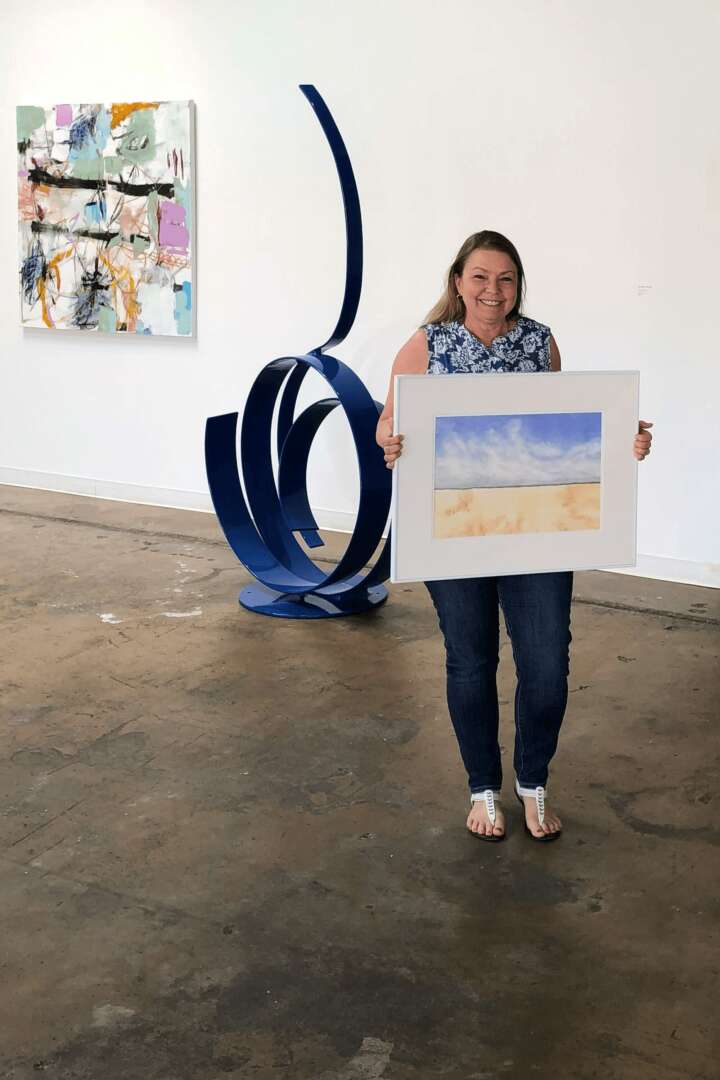
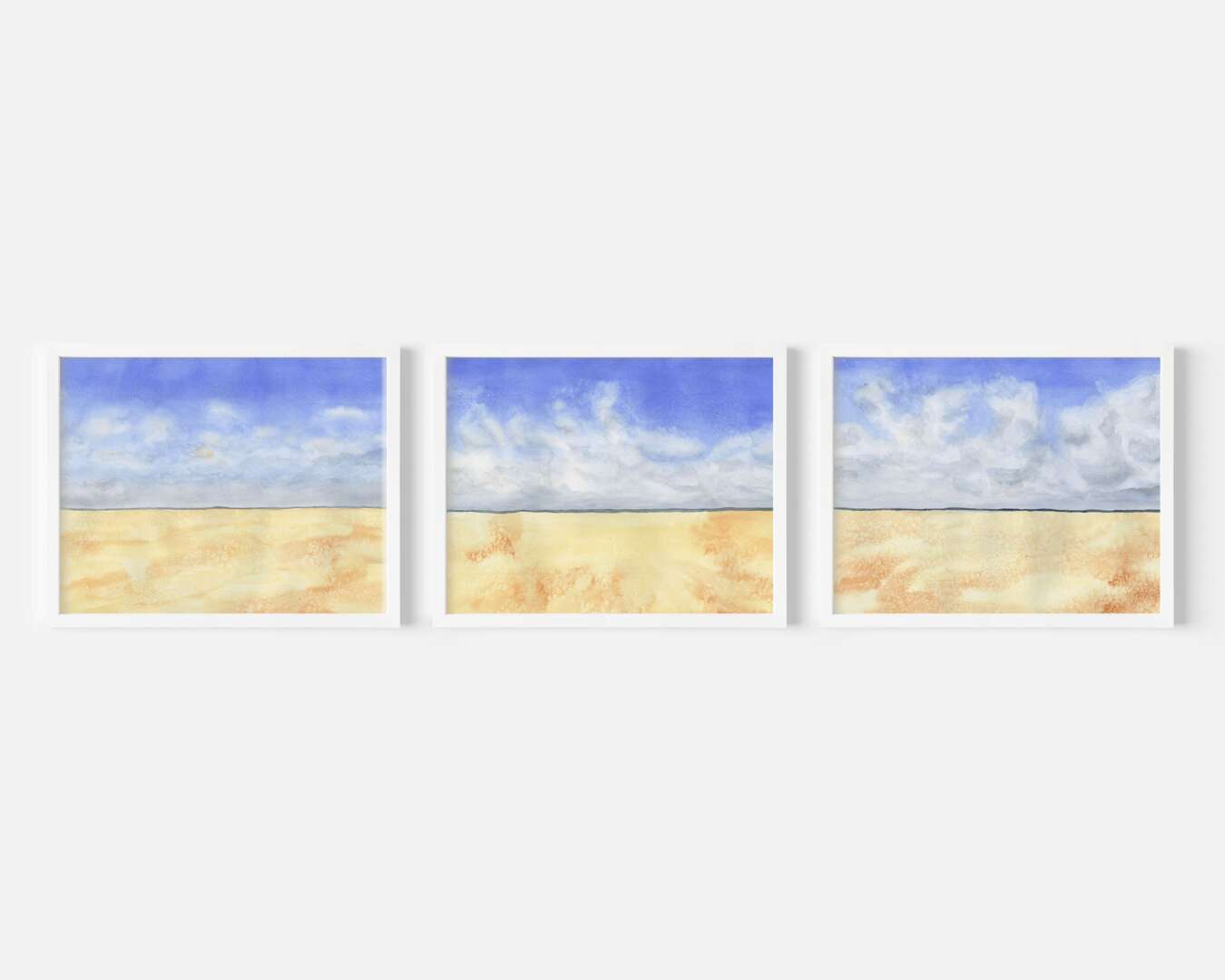
Since then, I have had craft designs in national magazines, been part of shows that I thought were beyond my reach. One of those shows was New Texas Talent put on by the Craighead Green Gallery, my favorite gallery in Dallas. It is a yearly show where the gallery identifies emerging Texas artists. One of my watercolors of the Salt Plains in Oklahoma was selected.
Always, always if there is something you want to do, some place you want to see your art, submit it and learn to react to rejection by trying again.
Contact Info:
- Website: https://www.ruthieonartfineart.com/
- Instagram: https://www.instagram.com/ruthieonart2/
- Facebook: https://www.facebook.com/ruthieonart
- Linkedin: https://www.linkedin.com/in/ruth-wall-1a50497/
- Twitter: https://x.com/ruthieonart2
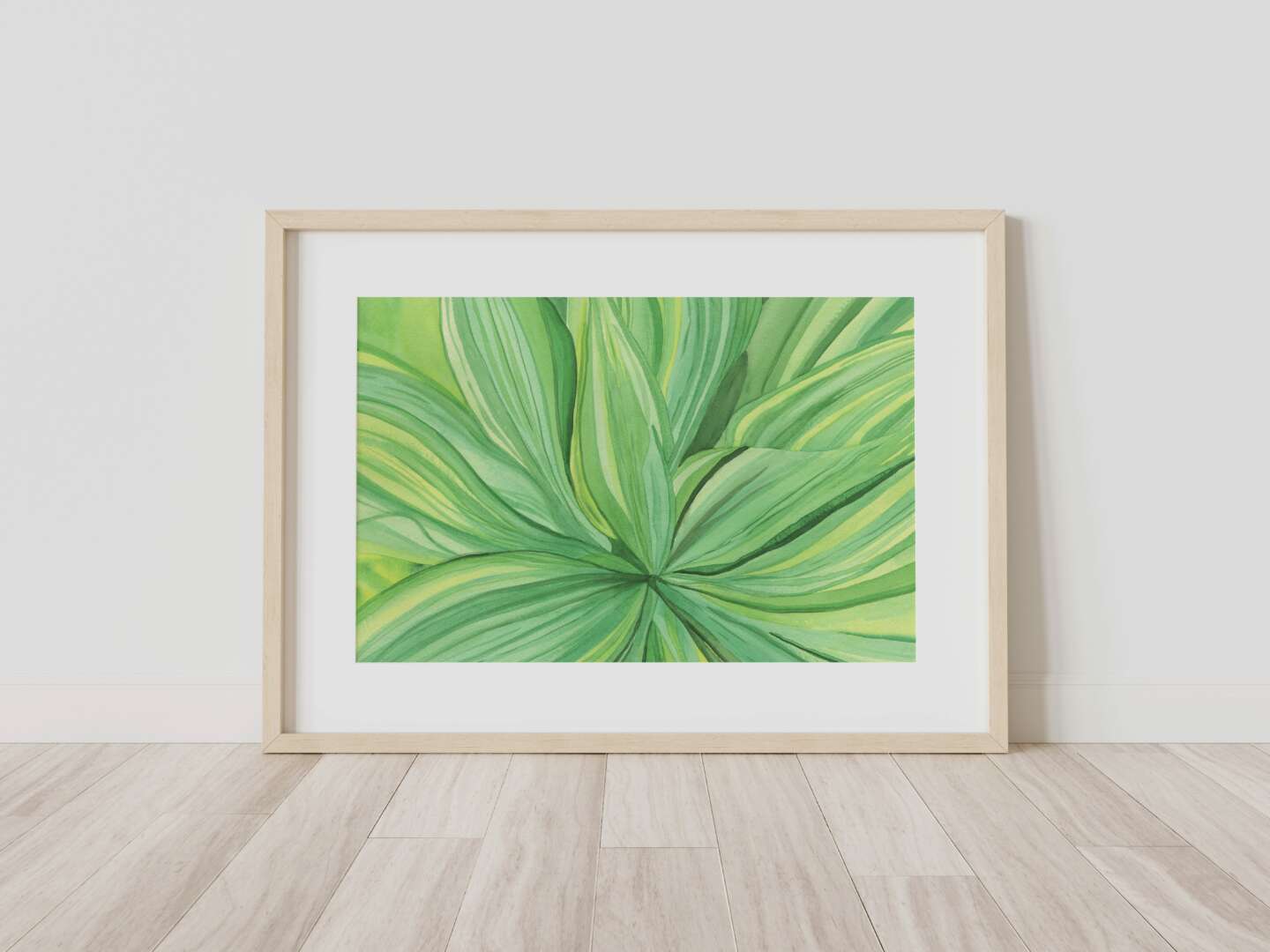
Image Credits
They are all mine, I took them.