

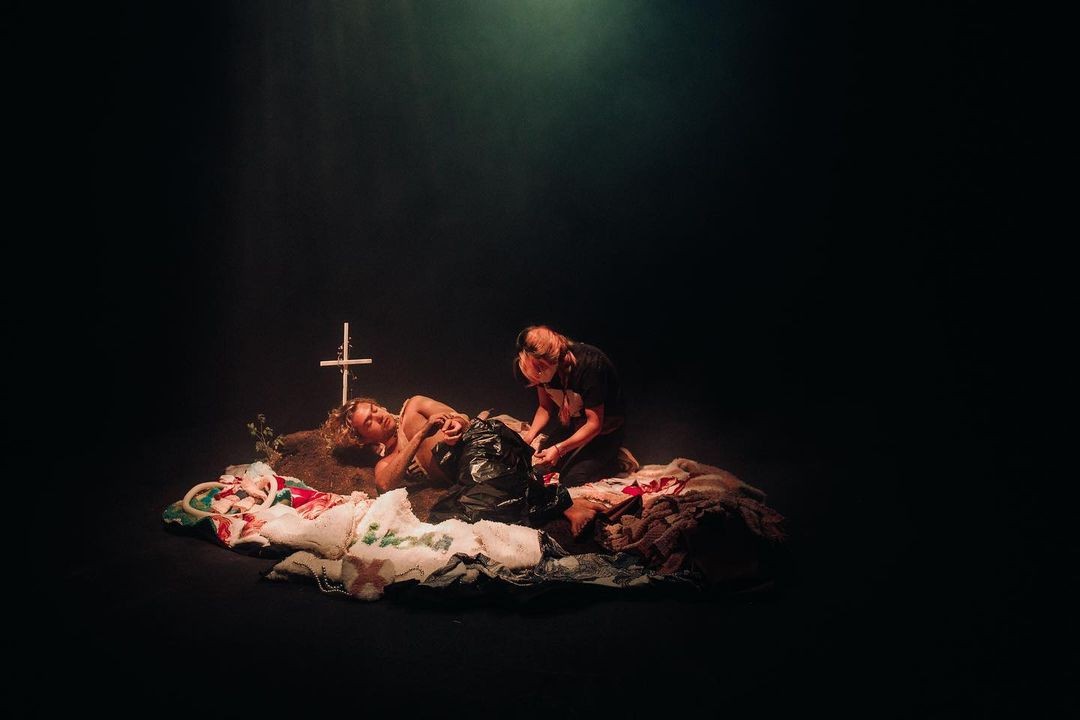

We caught up with the brilliant and insightful Ruth Araujo a few weeks ago and have shared our conversation below.
Ruth, thanks for joining us, excited to have you contributing your stories and insights. Has your work ever been misunderstood or mischaracterized?
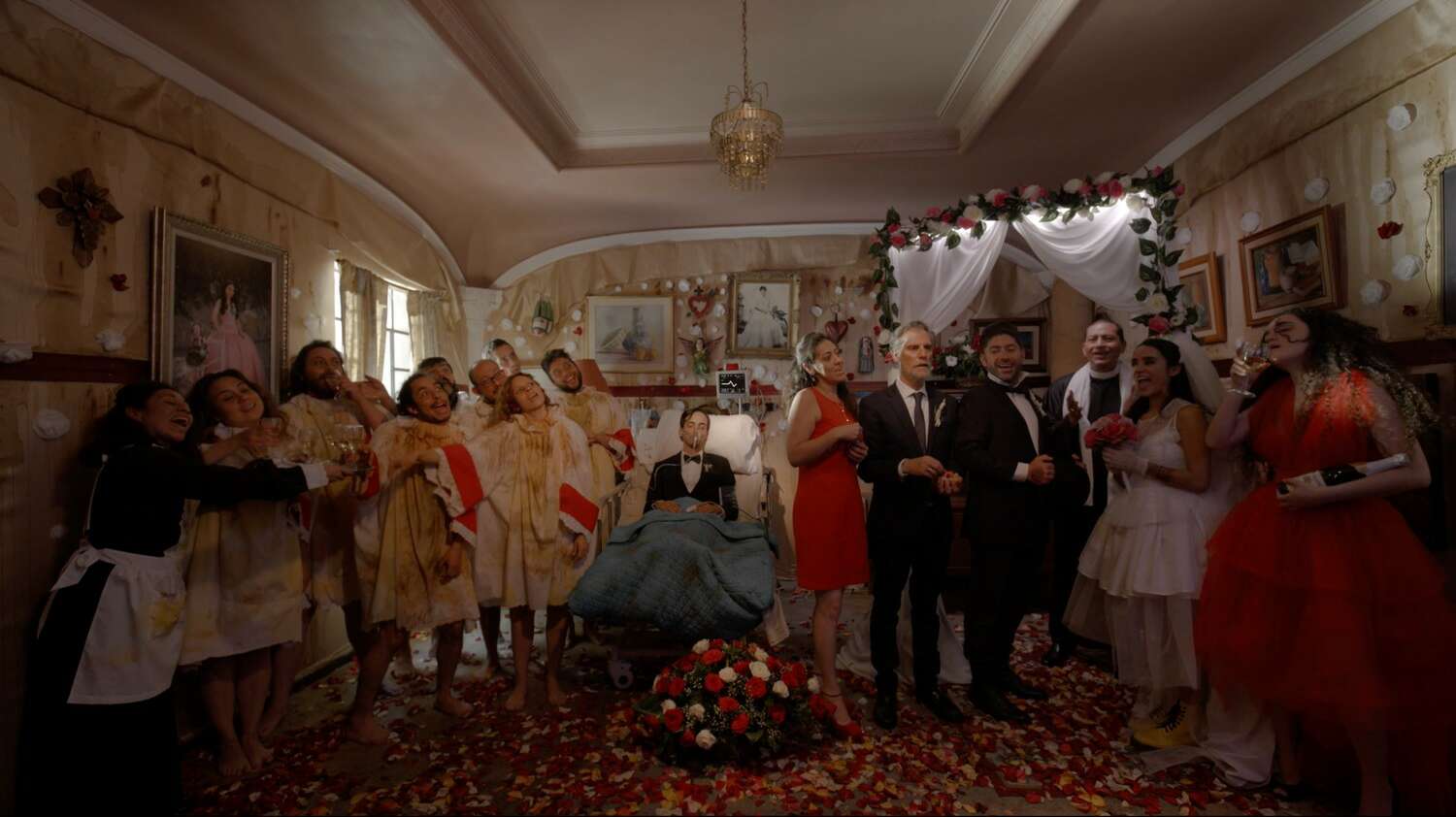
Costume Designers are constantly seen as walking closets on set, our job is reduced to buying clothes and dressing actors, our department is even incorrectly called wardrobe, a name that belittles our input to a narrative and the final frame audiences see on a screen.
Our work is also in multiple times confused with the work of fashion designers and fashion stylists, people that in most cases work in favor of their clients, based on trend systems and the zeitgeist of generations. Our work is always in service of a story, not an individual, we create characters that have been alive before and after the moments we see on screen.
We study the work of fashion designers and stylists through out history and adapt it, replicate it and modify it to fit the narratives we serve.
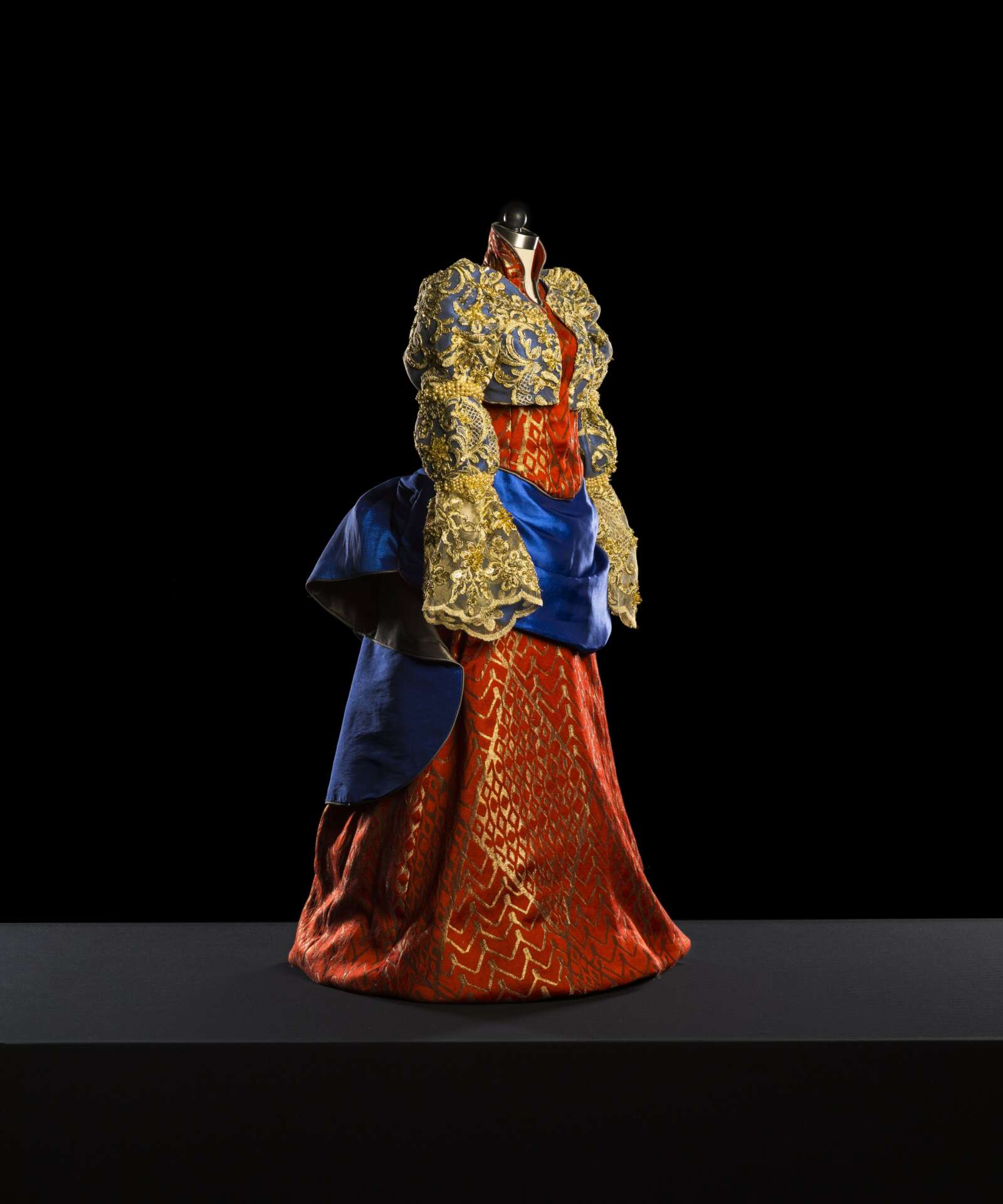
However, we also work with traditional dress, cultural elements, subcultures, social class differences, reality and fiction, we pull from every single area of life we can find. We reinterpret the past and forge the future, in many occasions flipping the script, with the designs we make being reinterpreted into trends, when the characters we help create become part of pop culture and come out of the screen into the “real world”.
Great, appreciate you sharing that with us. Before we ask you to share more of your insights, can you take a moment to introduce yourself and how you got to where you are today to our readers.
I was always interested in how a person’s personality, history and background translate into the garments in their closets and the way they wear them. I knew I wanted to create entire closets for characters in stories I could resonate with.
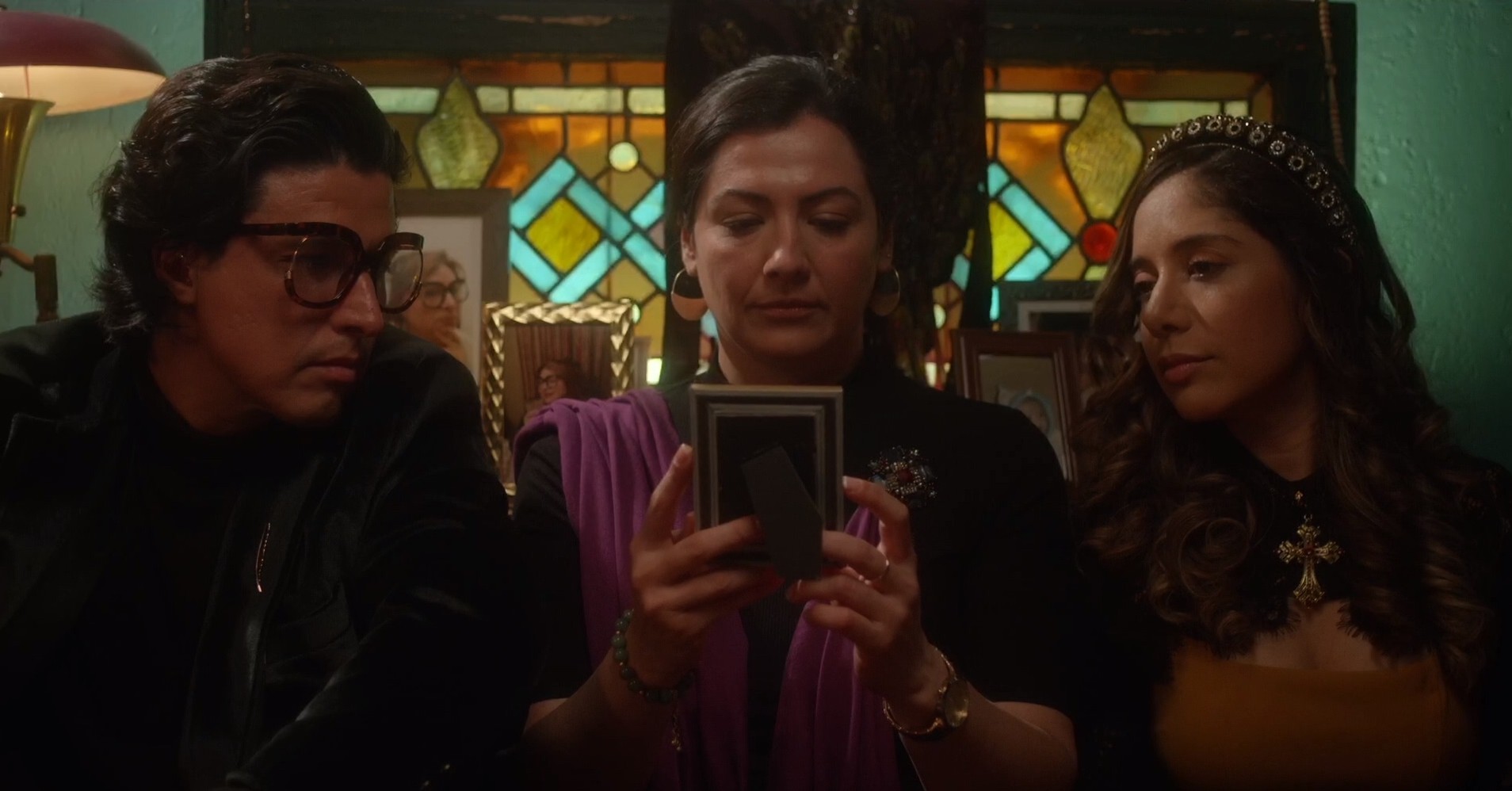
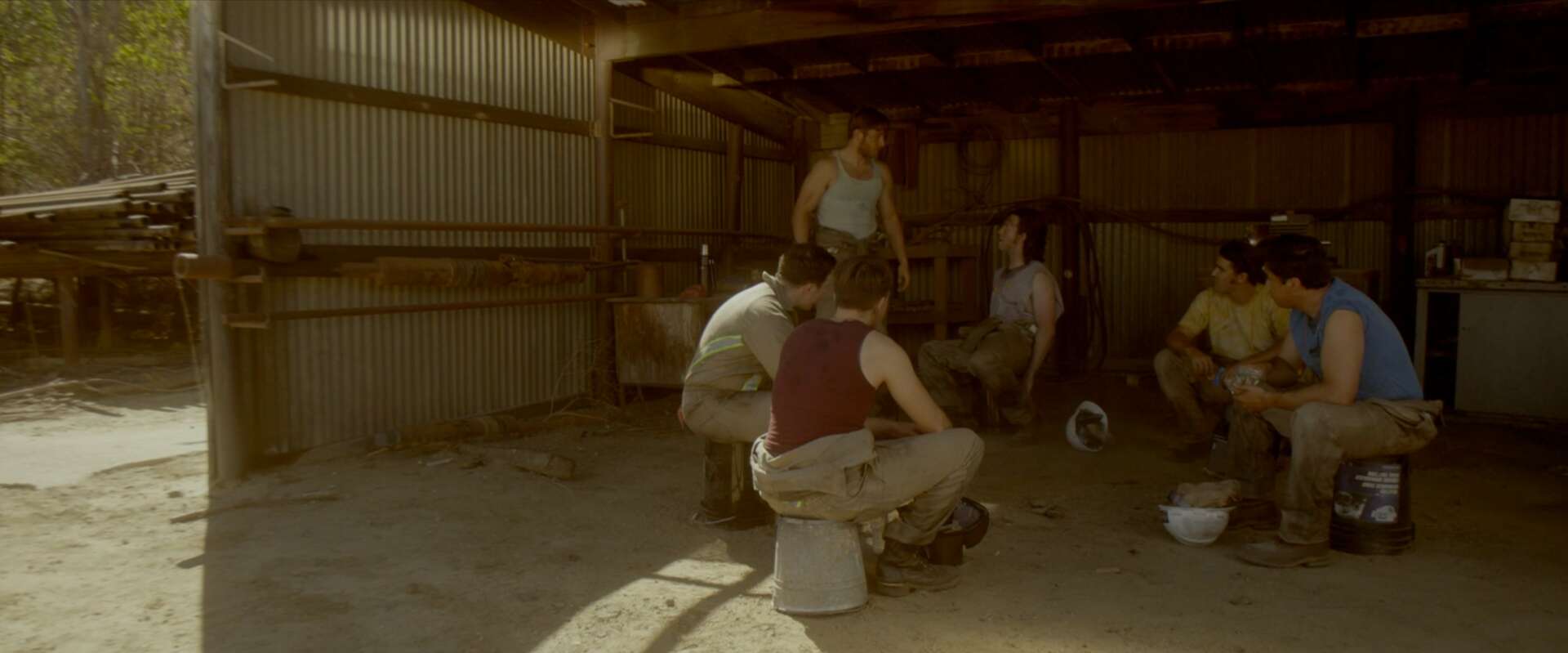
After my undergrad studies in fashion I switched to working in the film and tv industry. I have been working as head of the costume department on independent films, commercials, music videos and stage performances, always promoting collaboration, communication, gender equity and diversity . I also jump into multiple roles of the costume department, like assistant costume designer, supervisor, key costumer and more, which has given me the opportunity to work under the leadership of costume designers like Milena Canonero, Danny Glicker and Karyn Wagner.
My goal as a costume designer is to get to a point in my career where I get to work on stories that represent my ideals and background. I want to help create characters that allow me to research topics, cultures and moments in history to understand them and bring them to life alongside their stories and discourse.
What’s a lesson you had to unlearn and what’s the backstory?
I was always taught to ask as few questions as possible, on how to do things or solve problems, to my superiors , because it would make me look “green” and unprepared for the job.
Through time I have learned that even when I like to solve things on my own and do my research to be as ready as possible for every project, asking questions is a way to show your team that you are willing to learn more on the job, it is proof that you are humble enough to admit when you don’t know how to do something but you are asking for help and you don’t want to waste time and resources doing it wrong, which in the long run could be worse. I have even had superiors that became mentors to my career because they notice I asked them a lot on questions, maybe even on how they would do something differently than how I learned to do it, they saw it as me wanting to grow and do things their way.
What can society do to ensure an environment that’s helpful to artists and creatives?
Audiences as a society need to open up to new narratives. Stories from places they don’t know, in languages they can’t understand, about issues and cultures they can’t necessarily relate to. We are watching the same stories over and over, we are making remakes of the same things over and over, instead of giving minorities a chance to show us new things. Society needs to be more open to exploration, our media is dominated by what we have known for years, and now with AI we are going to get more of the same. Let new people come to the table, provide them with spaces and funds to show us new things. A thriving creative ecosystem is only possible when it is also a decolonized, diverse ecosystem, based on equality and respect, rather than on profit and power.
Contact Info:
- Website: rutharaujo.com
- Instagram: raraujog.design