


We recently connected with Russick Smith and have shared our conversation below.
Russick, looking forward to hearing all of your stories today. Are you able to earn a full-time living from your creative work? If so, can you walk us through your journey and how you made it happen?
For the past five years, I have been able to earn a full-time living from music-related endeavors. Obviously, it hasn’t always been that way. Even though I started playing cello when I was nine, added more instruments in my teens and early 20s, and went to school for audio engineering, it took me a long time to feel comfortable making the jump all-in to the creative sector. After what was essentially a trade school, I worked for a couple of years in recording studios but I got burned out and my path veered significantly from the creative sector. I worked on traditionally-rigged sailing ships, drove heavy equipment, taught snowboarding, cut grass, etc.; a winding path in which I put music on the back-burner.
Sometimes I wonder if I would’ve stayed working in recording that I would have sped up ‘the process’ somehow; achieving professional milestones ten years ago or whatever. However, knowing what I know now, I value the winding path. The things I learned about myself, the lessons that I learned, and the ways that I grew through those times (difficult though they were) have shaped me into the artist I am today with a perspective on art, and life as a whole, which is more balanced.
Somewhat begrudgingly, I have realized that ‘the process’ doesn’t need to be sped up. In the moment, it often feels like it needs to be sped up. But it works at the pace that it needs to. Everything that I’ve done that isn’t my art directly still influences me as a person and therefore as an artist; it makes me who I am. In that way, everything I’ve ever done is part of the artwork. Climbing a mast, driving a snow plow, emptying trash cans; those things all just colors on the palate now.
Awesome – so before we get into the rest of our questions, can you briefly introduce yourself to our readers.
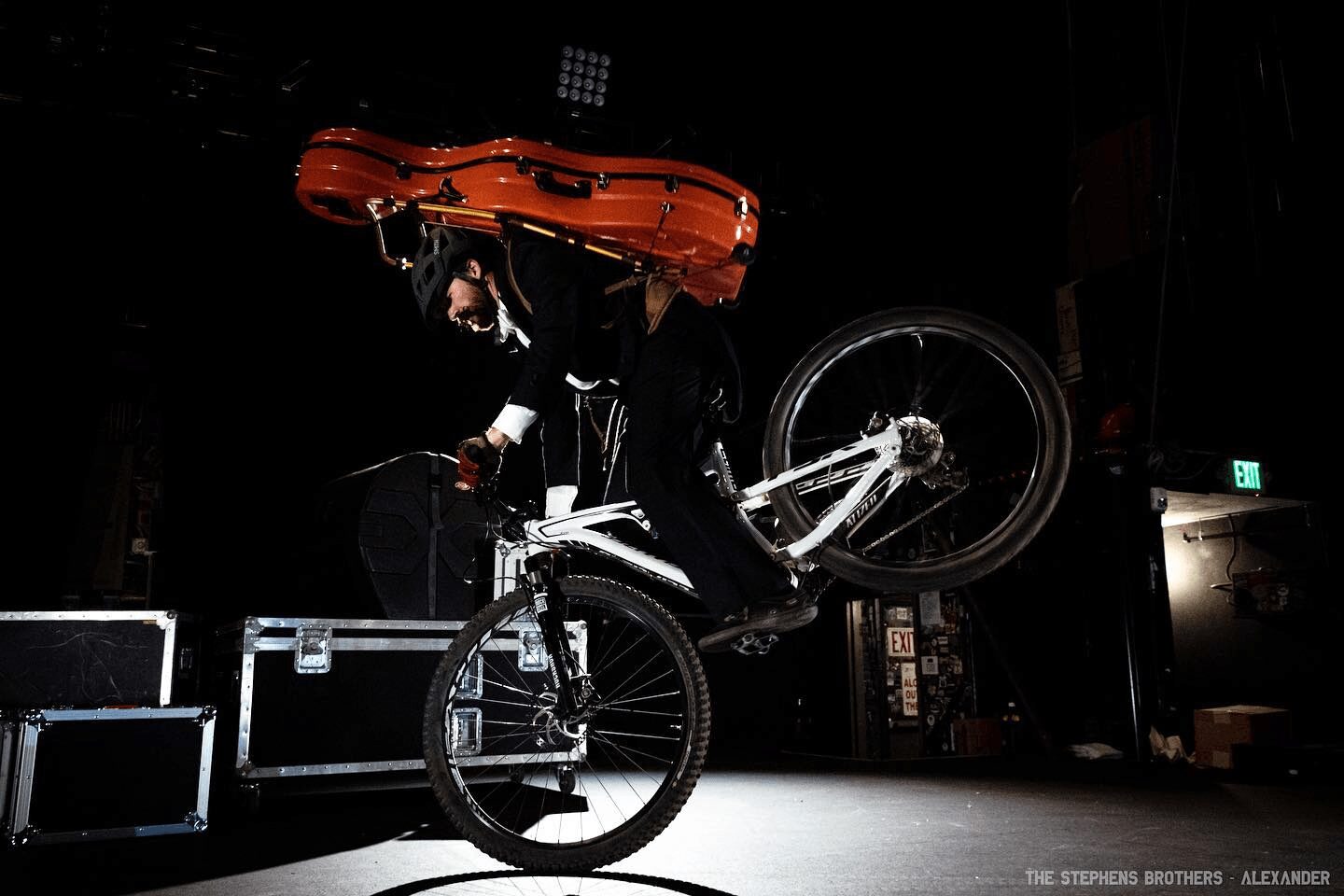
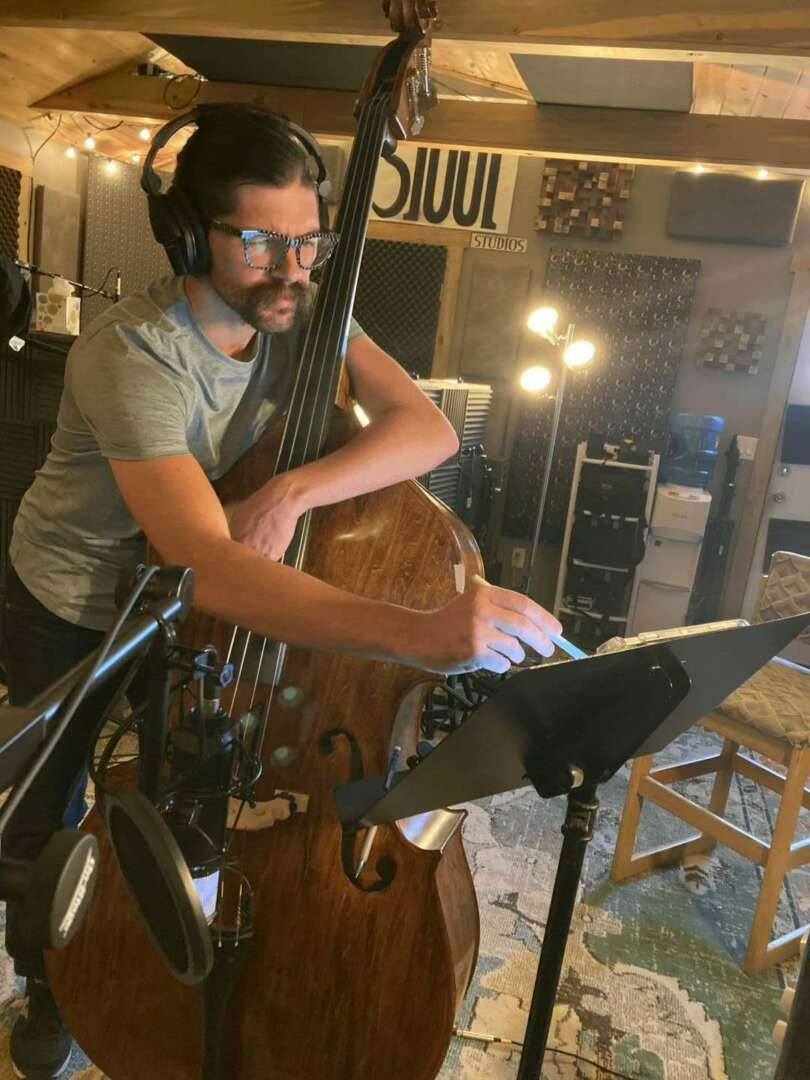
At the core of things, I’m a musician. I started when I was a kid, playing cello. Over my lifetime, that musicianship has developed into a spectrum of skills revolving around music and sound. In basic terms, performance and recording, for myself and on behalf of other artists/organizations, are my main sources of income. Playing a lot of different instruments and having a background in audio engineering gives me a broad, adaptable skill set that allows me to be dynamic in the creative sector.
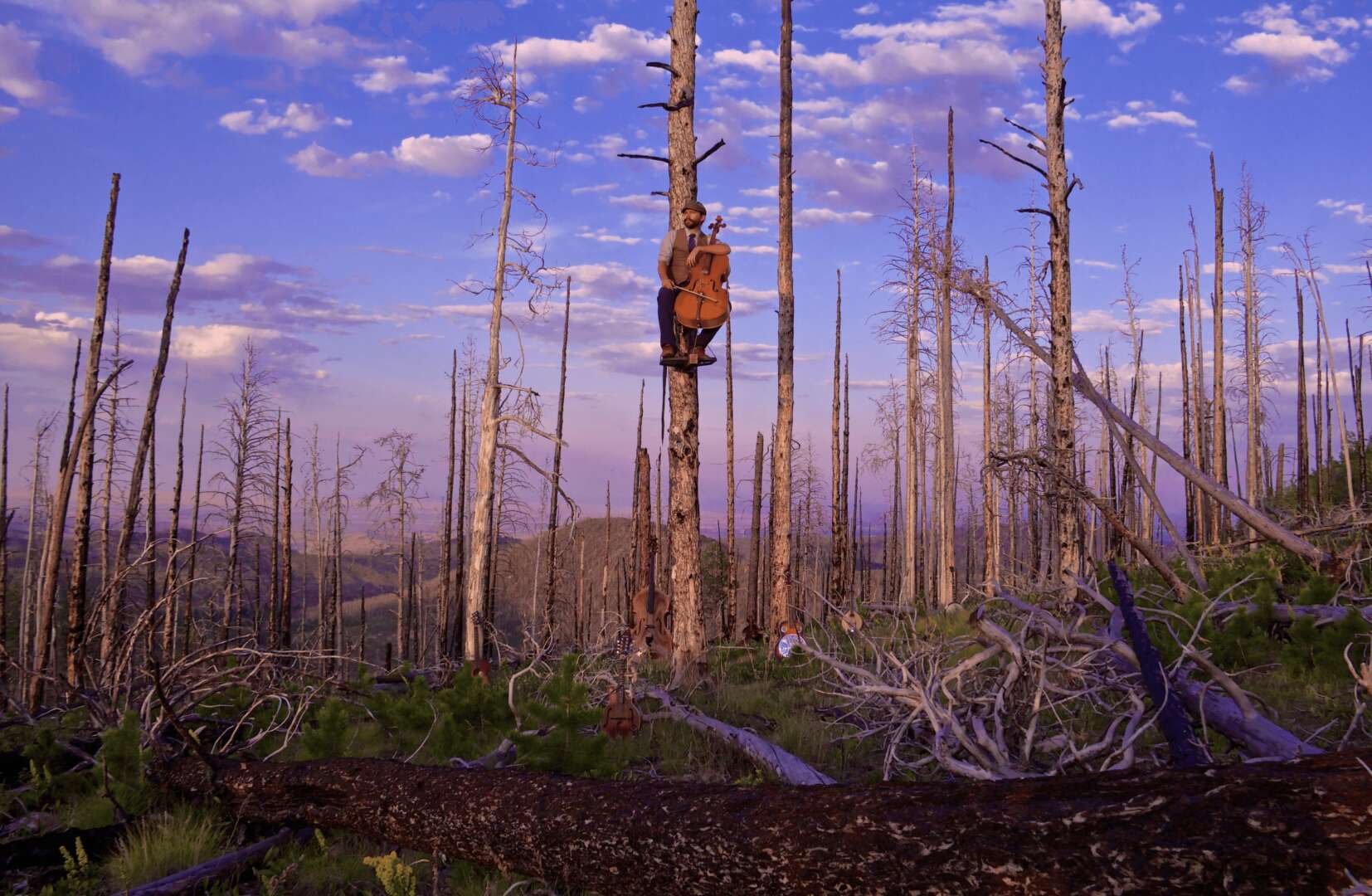
From a fan perspective, I think the thing that most people associate with me are my tree-based cello performances. Those have garnered a fair amount of attention from fans, photographers, news outlets, etc. Those performances represent a philosophical outlet for me, creatively-speaking. And the reactions that folks have had to them is well-beyond what I expected when I first started them, which I’m flattered by. But they’re also a fairly small part of what I do. I score films and documentaries, I play studio recording sessions, I sideman on different instruments in different genres; the bulk of my work, I feel, is unseen.
From a client perspective, I think the thing that sets me apart is an easy-going professionalism. Internally, I hold myself to a high professional standard. But on the flip side, as a result of the life I’ve led outside of this field, I’m not often phased by the workload in the creative realm.
At the end of the day, the thing I’m most proud of is not glamorous: sustainability through art. I’ve performed in beautiful places, had incredible experiences, met wonderful people and that’s all well and good; I’m proud of those things. But what I’m *most* proud of on a long-term is sustainability; I’m playing the long game. Someday, when I get to the end of the road and look back, I think I’ll be happiest that I kept the car on the road.
What do you think is the goal or mission that drives your creative journey?
In my personal creative journey and, in a way, life-as-a-whole I try to stick to the philosophy of ‘fight cynicism with wonder.’ It was something that I landed on after a couple of long winters behind the wheel of a snow plow working the night shift. With a lot of time alone, it gave me a lot of time to think…and think…and think. And sometimes that doesn’t lead to the healthiest thought patterns, in particular a pervasive and growing cynicism with all things. But it also made me wonder “How do I fight this feeling? What is the opposite of cynicism?” I landed on wonder; the feeling that you get when you experience something that exceeds your imagination and expectations.
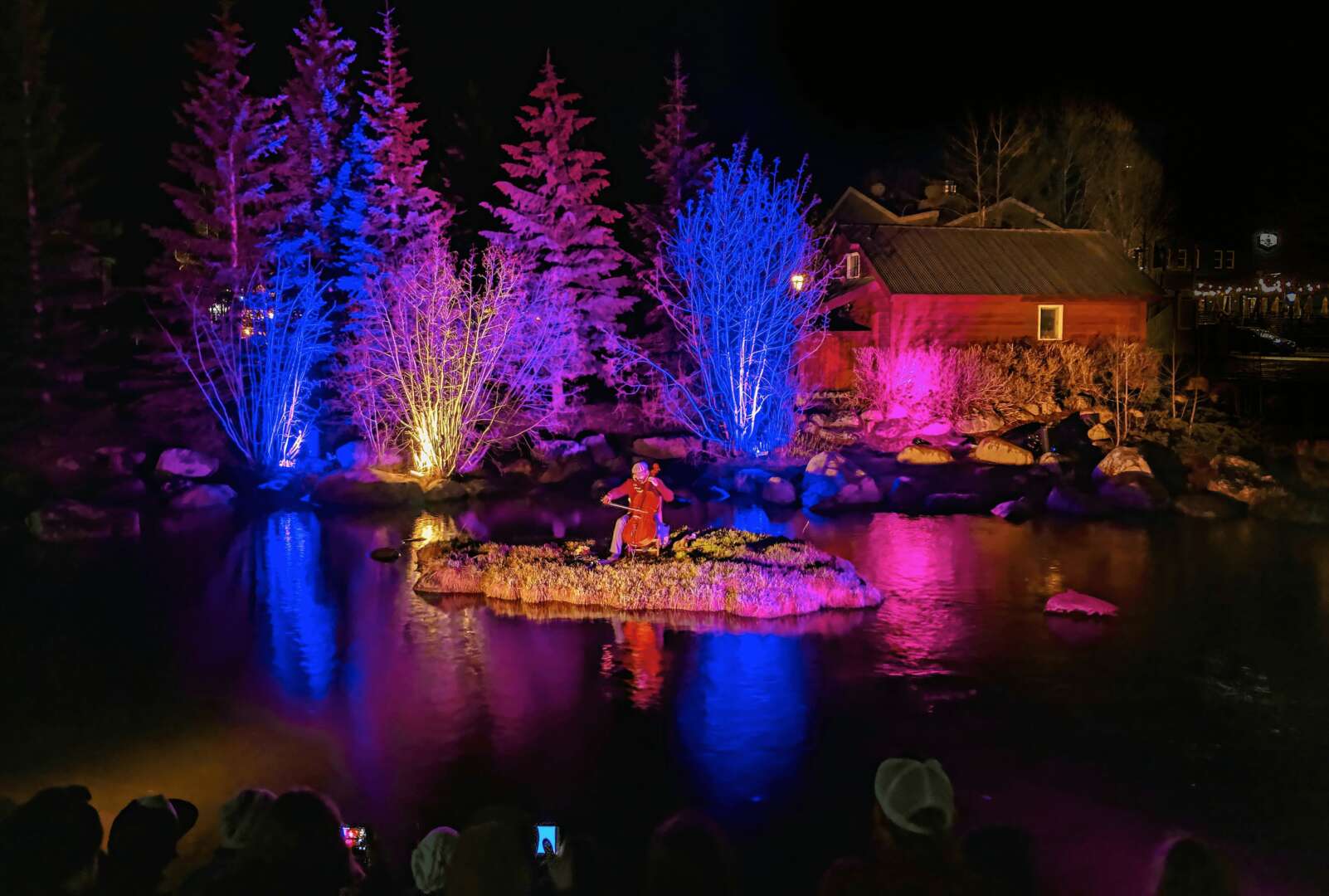
For me, fighting cynicism with wonder goes both ways through creative endeavors. At its azimuth, my hope is that the work I do gives my audience a feeling of wonder and, in return, I get to experience that feeling with them; that we fight cynicism together and for each other, a shared experience.
Learning and unlearning are both critical parts of growth – can you share a story of a time when you had to unlearn a lesson?
In a way, I am still unlearning the scarcity mindset. It’s often hard to say no to jobs/gigs that aren’t right for me. For a long time, I felt like I had to say ‘yes’ to every opportunity that came my way. It always felt like if I said ‘no’ to a gig, then there wouldn’t be one after that or that I’d lose the client. Sometimes, that’s led to overbooking myself. I love my work and I love being busy, but there is a threshold that I’ve crossed a few times unintentionally when I feel like it’s too much. Like many self-employed people, I am still un-learning the scarcity mindset and constantly learning how to keep balance in my life.
Contact Info:
- Website: https://russicksmith.com
- Instagram: @russicksmith
- Facebook: https://facebook.com/russicksmith
- Youtube: https://youtube.com/russicksmith
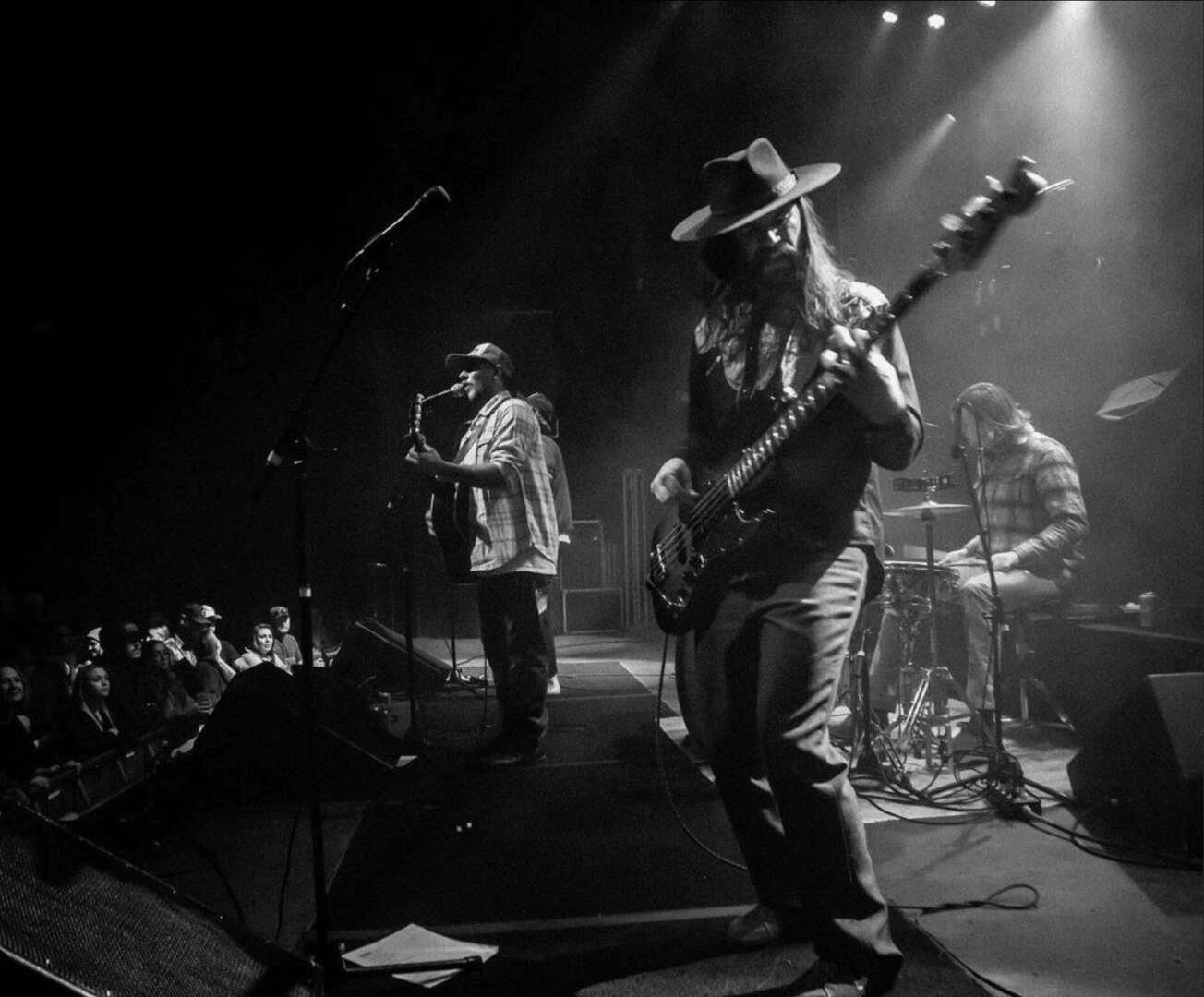
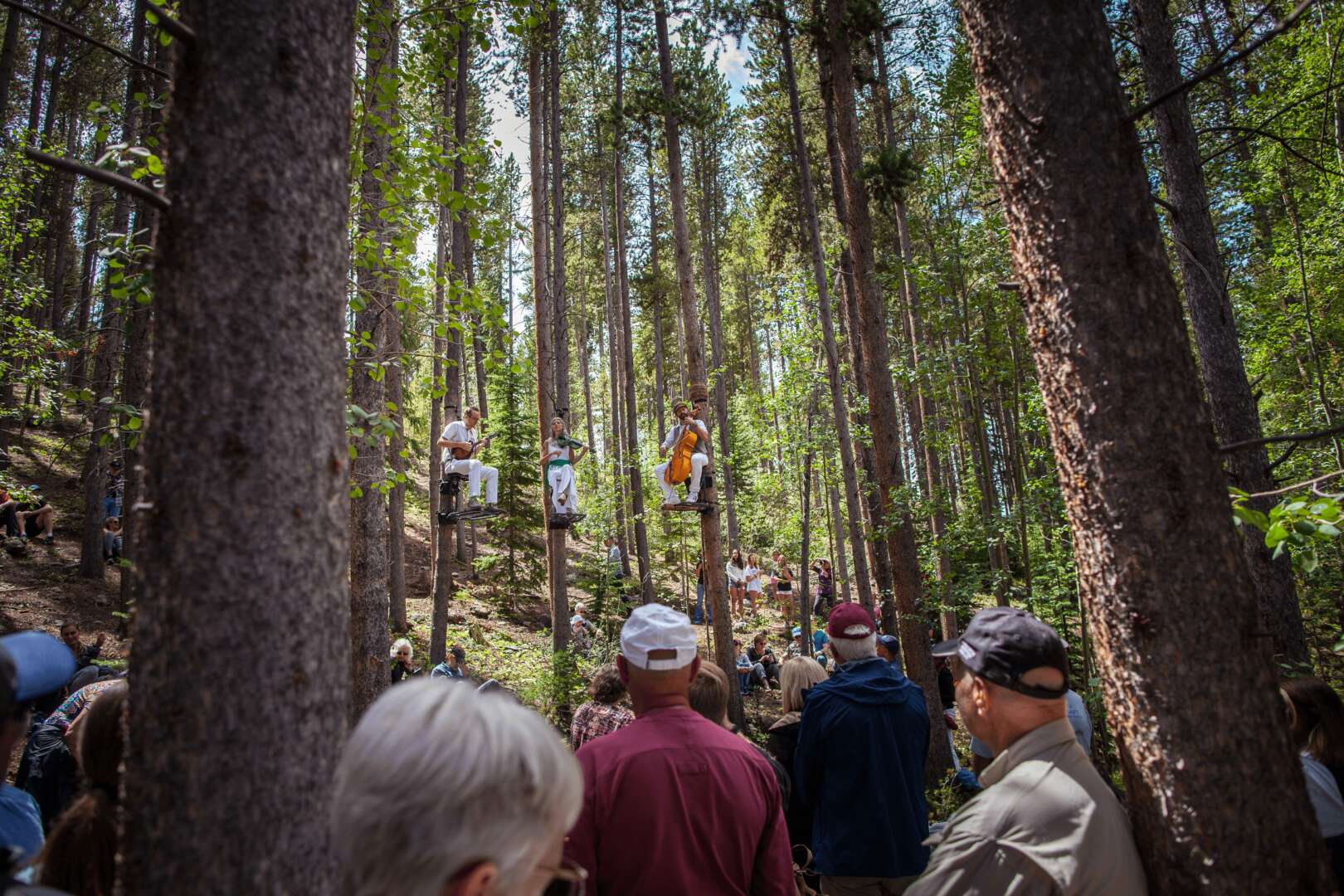
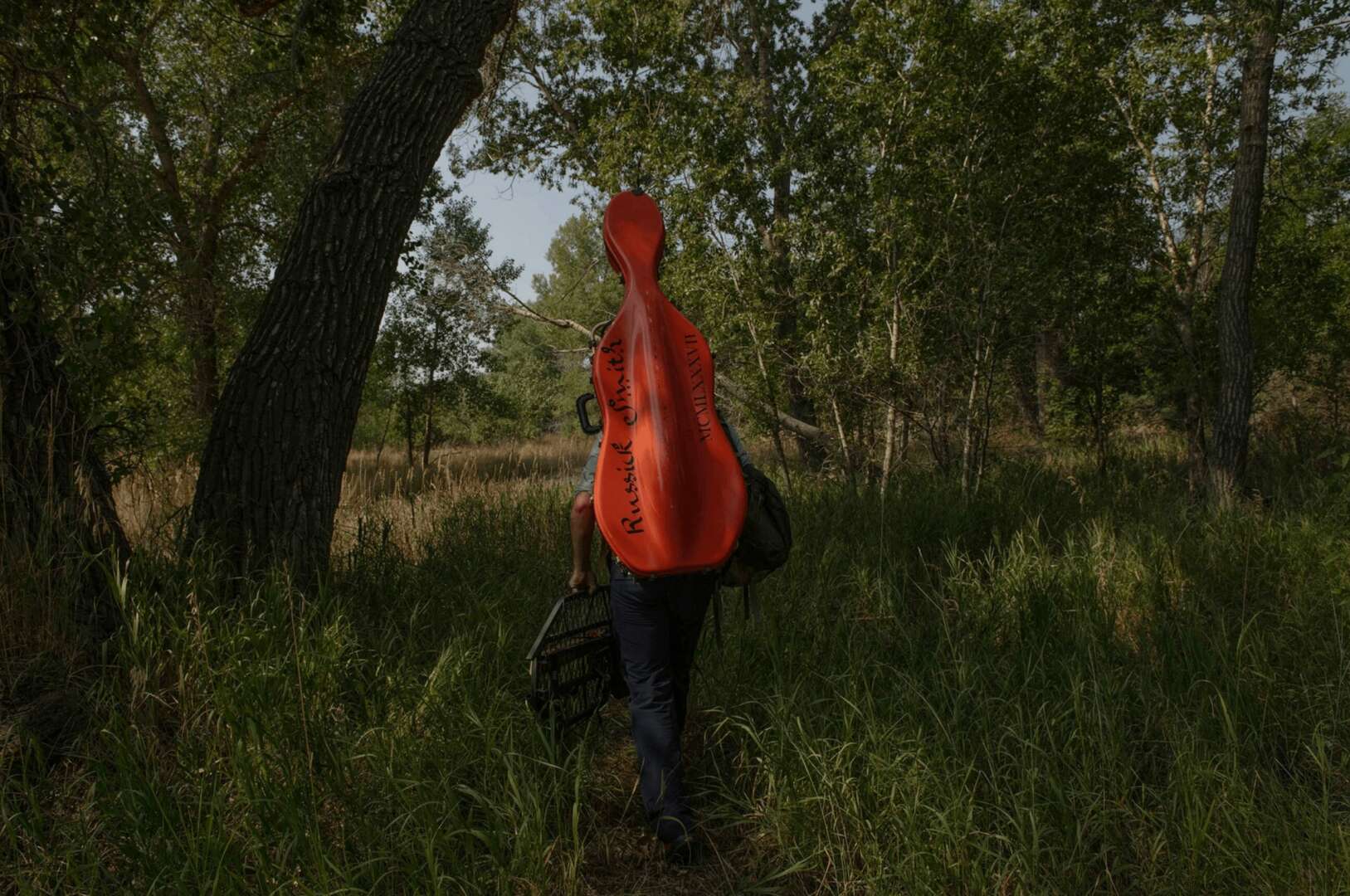
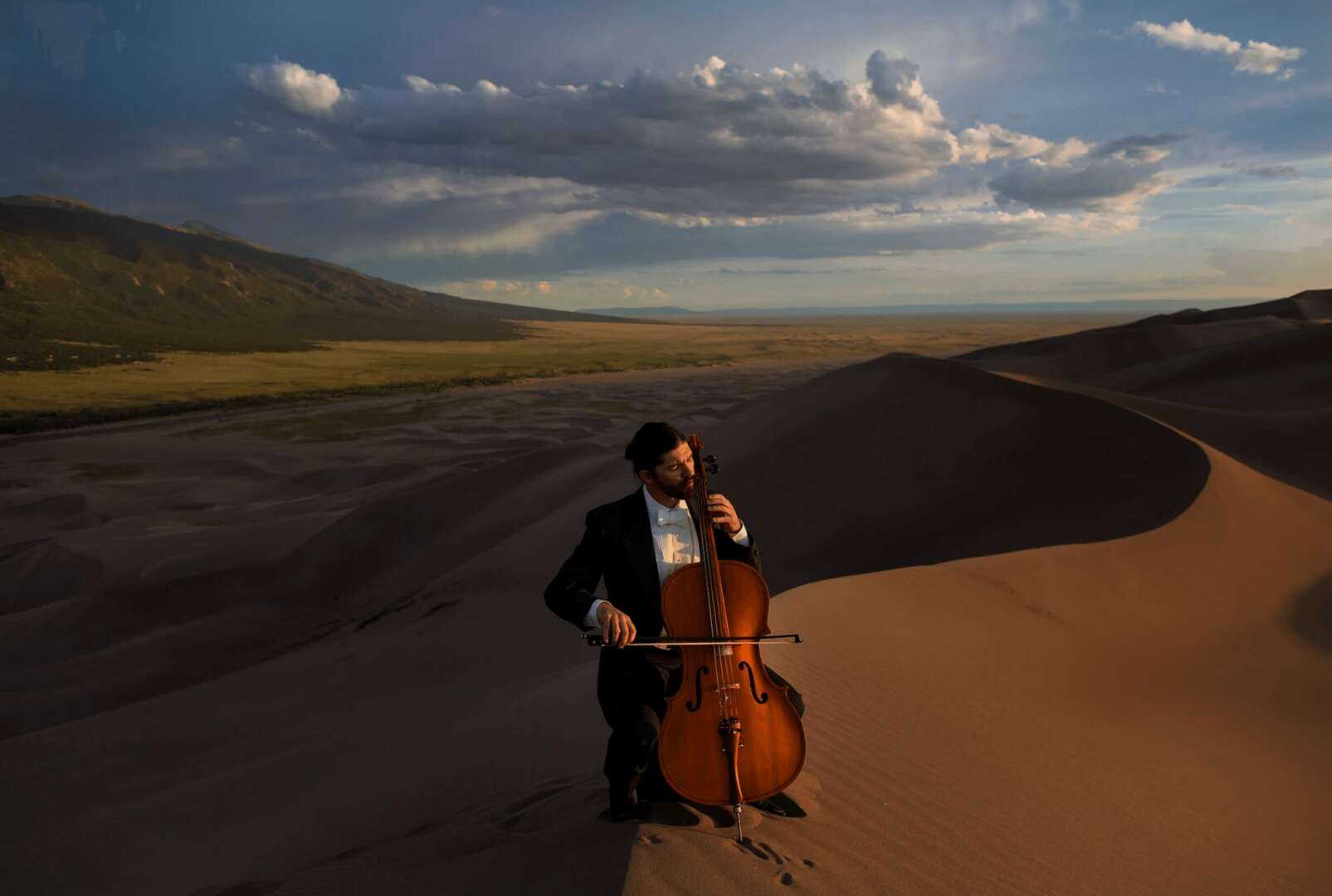
Image Credits
Alex Stephens
Laura Kotlowski
Ross Taylor