


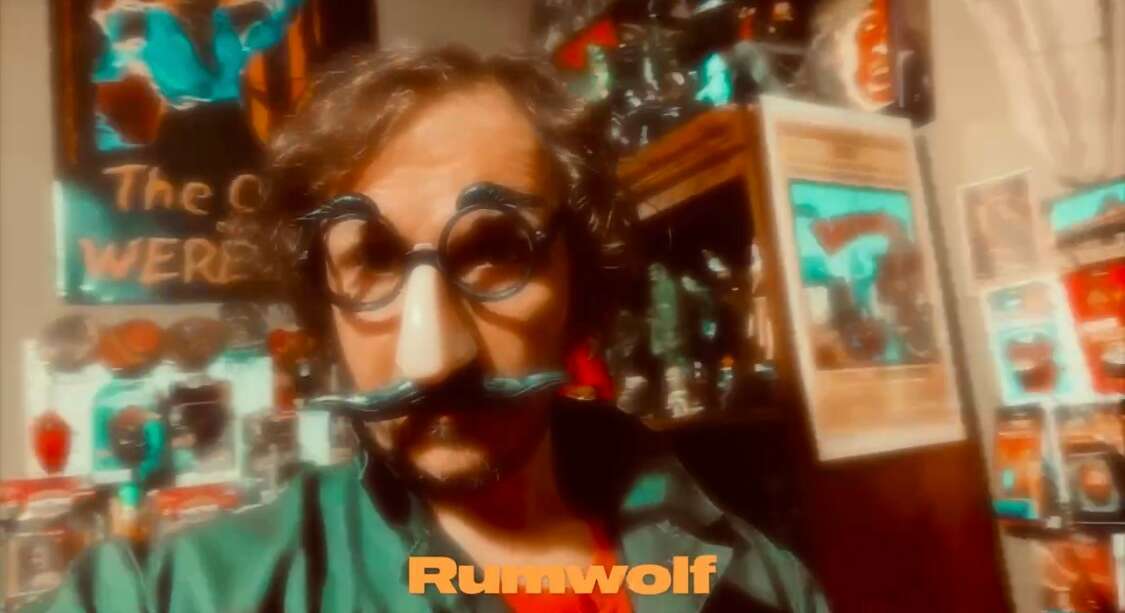
Alright – so today we’ve got the honor of introducing you to Rumwolf Rumwolf . We think you’ll enjoy our conversation, we’ve shared it below.
Rumwolf , thanks for joining us, excited to have you contributing your stories and insights. Earning a full time living from one’s creative career can be incredibly difficult. Have you been able to do so and if so, can you share some of the key parts of your journey and any important advice or lessons that might help creatives who haven’t been able to yet?
“How do I earn a full time living as a creative?”
This question was first pondered by an unknown artist about 27 seconds after money was invented. In the years since, many an overactive mind has tried to crack this existential nut. Some precious few have been wildly, famously successful. Many, many more have failed completely and totally. Most of us fall somewhere in between those extremes.
For me making money as an artist has been been obsession of mine for almost 20 years. It’s probably the defining challenge of my adult life.
I think I finally feel comfortable saying that I do indeed make a full time living as a creative.
Immediately after writing that sentence I feel that old familiar feeling in the pit of my stomach. Imposter syndrome.
I guess my belly’s allowed to have its own opinion, but it’s actually true. For the past 10 years I’ve made living predominantly through creative means.
I started making movies in my late teens and early 20s. I had a friend group of several anxious creatives. We made bad sketches and short films, shooting to tape on a Sony 8mm handi-cam. We shot in sequence and edited in camera as we went along. This made for some very bad films and some really long and fun nights. We would often begin conceiving and writing an idea in the early evening. Then shoot it through out the night, and watch the results the next morning.
During this time I was also beginning to experiment as a songwriter and home recording. I was around 20 or 21 at the time and thanks to eBay I was working with an old TAscam 4 track cassette recorder. This was already well into the early days of digital recording in the early to mid 2000’s.
To pay for my ever expensive movie and music habits I worked low paying corporate desk jobs. They paid well enough to keep an apartment and support some habits. But left precious little time or energy for creative endeavors. My ambitions for filmmaking and music composition continued getting more and more ambitious as I pushed into my late 20s. Simultaneously many of my friends and creative cohorts began to sour on the creative process. The extreme hard work and long hours, (sometimes 18 to 20 hours days on location) began to wear on my collaborators. Especially considering the lack luster quality of our final outputs. Soon it seemed I was really dragging people along on projects. Friends helping a friend, and always for free !
As I approached 30 the corporate job began to weigh very heavy on me. As many of us know, 60 hours a week at a corporate job really takes its toll after a short while. It’s stressful and high pressure and at most companies it’s clear they believe you to be easily replaceable. Beyond money, there’s no real reward for the amount of time and emotion we put into our jobs. Even the money is shockingly low considering how much of ourselves and our lives we give over to such institutions. It’s usually just enough to keep your family floating check to check.
I had a family and joint financial responsibilities so it was no longer sustainable to pour so much of my own money and time into hobbies and side projects like making bad movies.
By luck I was turned onto a job opportunity in the live event production industry. I had no background in live production or any sort of professional production beyond my own micro budget self funded projects. I put my own films (never seen by anyone outside the collaborators circle) on my resume and applied. Using my gift for bullshitery I did well in the interview process and landed a job as an “audio visual coordinator.” I took a pay cut of about 10 grand a year and left my corporate job. My partner was supportive of this decision so that made the decision to switch careers easier.
It was at this low level technician job that I discovered a previously untapped set of skills and aptitudes. I came into the job with no experience setting up and operating professional a/v equipment but I was immediately thrown into high pressure and time sensitive show and set up situations that necessitated an unreasonably fast learning process.
The global production company I worked for operated predominantly in the convention center/hotel meeting and event industry. The convention center at which I worked was the largest in the state and quite busy. We did hundreds of shows a year. Every day the nature of your work changed. One day a corporate conference for 3000 people. That would mean Oscar level professional production. Concert size line array audio systems. Miles of truss flown in the air to support stage and set lighting. 20 foot projection screens with 20,000 lumen projectors. And a whole bevy of consoles, video switchers, DMX controllers, dimmers, cables, monitors and so much professional equipment you never knew existed. The next day, a meeting for five people with a slide advancer and white board. Then a gala fundraiser with a celebrity entertainer. All of these shows required technicians to set them up but also to run the equipment and cue the shows. I learned the proper fundamentals of live audio, lighting and most significantly video and projection rather quickly.
Being exposed to so many disciplines simultaneously I discovered I had an uncanny ability to learn and retain complex information very quickly. I also learned that my creative and artistic endeavors served me well in this new kind of work. I as very good at production. It may have been the first time I was ever very good at something. I took to it so well that I advanced ridiculously fast. Within 2 years time, I advanced from the lowest level entry level employee position to the Director of the entire location. Once I was director I had decision making power and began moving the large team into a very particular direction. I took over all pitch meetings with clients and began pitching bigger and more complicated set ups. I started by changing the approach to live camera work. Many of these events are so large they require “IMAG”. That means image magnification. We’ve all seen this at large concerts. The band is so far away they put them up on a video screen. I started designing multi camera set ups and directing the shows while also operating the video switcher. It was fast paced. Like video editing but live. Then I started experimenting with adding in graphics and pitching more and more broadcast and film style elements for the productions.
In 2011 I discovered projection mapping. Because I had access to large format professional projectors and rigging, truss, and set pieces I was able to learn how to video map on a huge scale. I started pitching projection mapping to our clients and it was very popular.
I did this job for several years before I got burned out. The hours are long. Sometimes 100 a week doing show after show. In the meeting and convention center business they make money by “turning and burning” which means getting one large group out of the space and putting another group in asap. The idea is that the rooms never stay empty. Of course like all business they do this by over working a hilariously understaffed work force.
I did literally thousands of shows large and small over a decade, producing g and directing many of them myself. I learned so much and it proved invaluable for my growth as an artist and a professional but the job wrecked havoc on my health and my personal life.
When my daughter got to be junior high age and some of our financial risk was lessened, I decided to strike out as a freelancer in my regional market.
My home region is rife with corporations, museums, concert venues, theatrical play houses and large venues. I’m addition to my work as a live production specialist I had also been doing a lot of creative work in the corporate and social live event industry. Designing graphics and animations. Writing and producing content for live playback. I learned how to create a wide variety of live action and computer generated elements for use in video mapping and projection work. When I stepped out on my own I marketed myself as a creative production specialist. Yes I am a technician and live production person , but I’m also a creative writer, director and visual artist. This helped me get involved in a different style of show. At first I worked predominantly as a technical director and technician. Setting up projection, video and lighting for corporate shows and directing live imag for large concerts. Soon I was contracted to direct the live video and stage elements for a large scale fashion week. A years long relationship with that group lead to lord creative producing and directing. Then I started doing more work with the large art institutions and theatrical houses in town. Soon I started pitching my projection and video mapping as “visual art installations” this began to lead to more paid creative work. Theatrical design work. Interactive video projections for art museums. Even designing and building interactive exhibits for a children’s museum.
I happen to hit the freelance scene at a very beneficial time. My region was starting to come alive with art shows, alternative pop up galleries, performance art productions, experimental theatre and more esoteric fair in the music, film and visual art scene.
Suddenly a variety of disciplines operating outside of mainstream traditions were getting a lot of attention and I was in a position to offer services in many fields. Over my first 20 years as an adult I never stopped making art in my personal time. In fact I made art even when I didn’t have any personal time. Between 2000 and 2020 I produced and directed three feature length films, dozens of shorts. Hundreds of content for the internet including TV shows, sketches, animations, web designs, and everything. I also fronted a band for six years and released a full length album and hundreds of hours of original songs and compositions. I played live as a front man and as a back up. To make it all work I designed all of the album covers myself, all of the posters for any movie I ever made. Did all of the editing. Booked all of the shows. Cast all the movies. I also wrote and generated my own narratives and stories. Sometimes working alone and sometimes with writing partners. I even wrote prose, producing a full length novel with a partner and operating inside of a years long writing room with other writers.
As it turns out my years of experience as a jack of all creative trades, songwriter, projection specialist, filmmaker, graphic designer, animator etc turned out to be highly sought after in a variety of circles. When I combined my professional experience as a producer, director and technician with my catalog of creative experience and expression I was able to set myself apart from a lot of technicians and artists. It’s allowed me to make a living walking in both worlds. Sometimes I’m the artist. Sometimes I’m supporting the artist technically.
It may be beneficial for me to try and describe the area I live and work in. It’s somewhat unique in that it is the home to one of the richest companies on the planet. I live in Northwest Arkansas, more specifically Bentonville Arkansas. The founding city and headquarters location for Walmart.
The Waltons are literal billionaires and some of the richest people in the history of the world. Incredibly they are NOT the only billionaires in town. Tyson is the largest producer of poultry product in the world. JB Hunt transport is the 4th largest trucking company in the world, behind Fedex and UPS.
Both of these companies were family founded and are still headquartered in Northwest Arkansas.
The Walton, Tyson and Hunt families run and fund everything in the NWA region. From construction and real estate all the way down to community engagement programs. These companies are often branded as great American success stories. Scrappy little 1960s start-ups that began with little more than ambition and drive and grew into something so monstrously gigantic I doubt their respective founders would recognize them. Walmart is now a fortune 10 company. One of the 10 biggest and wealthiest entities on the face of the planet.
60 years on, these are now legacy companies with tens of thousands of employees. The heirs to these respective fortunes have little or nothing to do with the running of these businesses. What they do have is endless access to the worlds biggest pile of money and nothing really to spend it on.
With this sort of unimaginable wealth comes considerable philanthropy. Alice Walton, the daughter of Walmart founder Sam Walton, has long been a famous and sometimes controversial figure in the contemporary art collecting world. With her inherited wealth she chose to collect fine works of art and later founded and opened Crystal Bridges Museum of American Art in Bentonville AR.
In the decade that followed northwest Arkansas has been transformed by investment. There is now a thriving arts and culture scene that can support hundreds of local, working artists. It’s allowed me to make a living working in the arts. I can’t say that I’m going to get rich or famous or anything close to it, but right now it seems feasible to eek out a decent living as a working artist.
Rumwolf , before we move on to more of these sorts of questions, can you take some time to bring our readers up to speed on you and what you do?
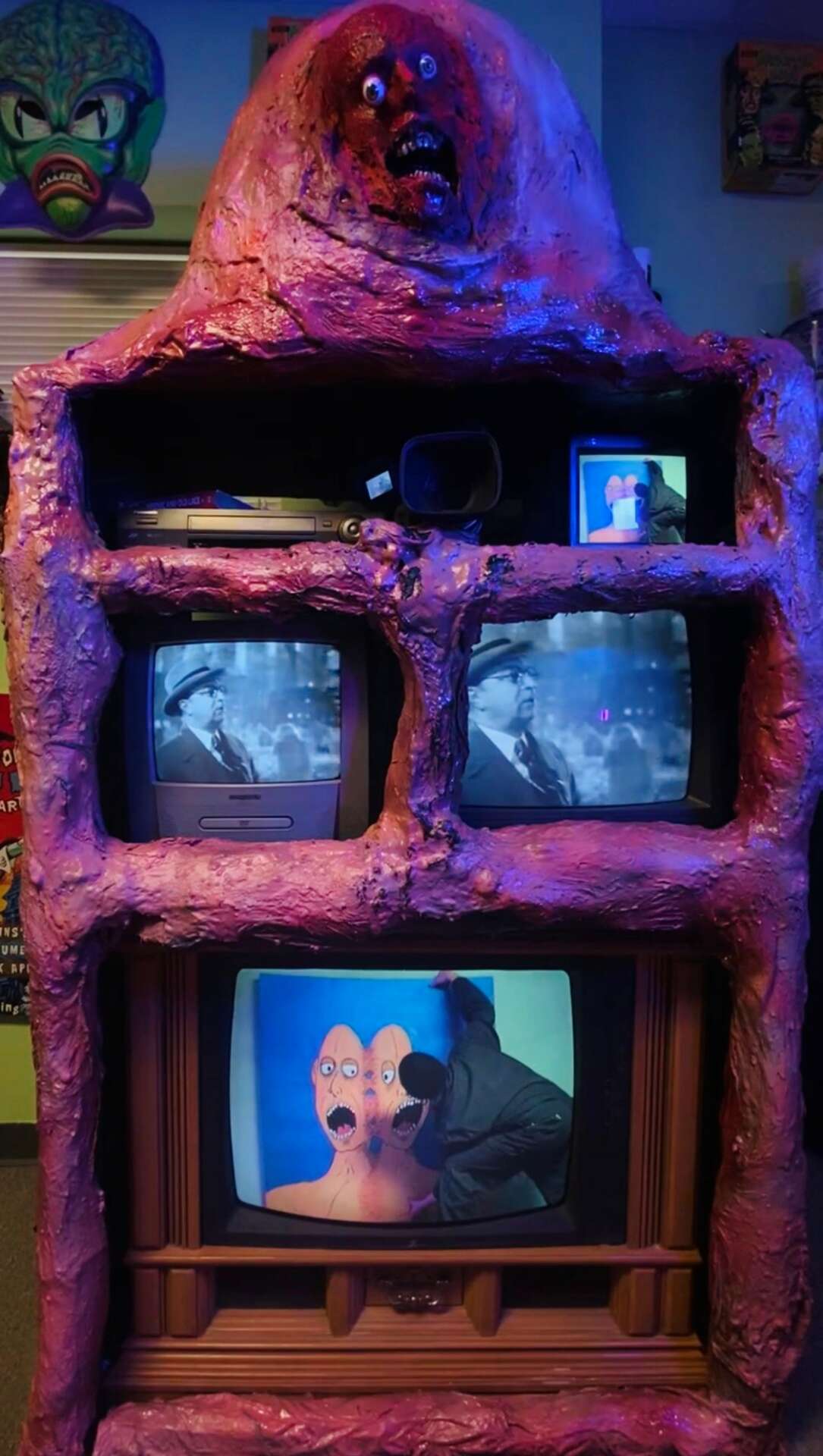
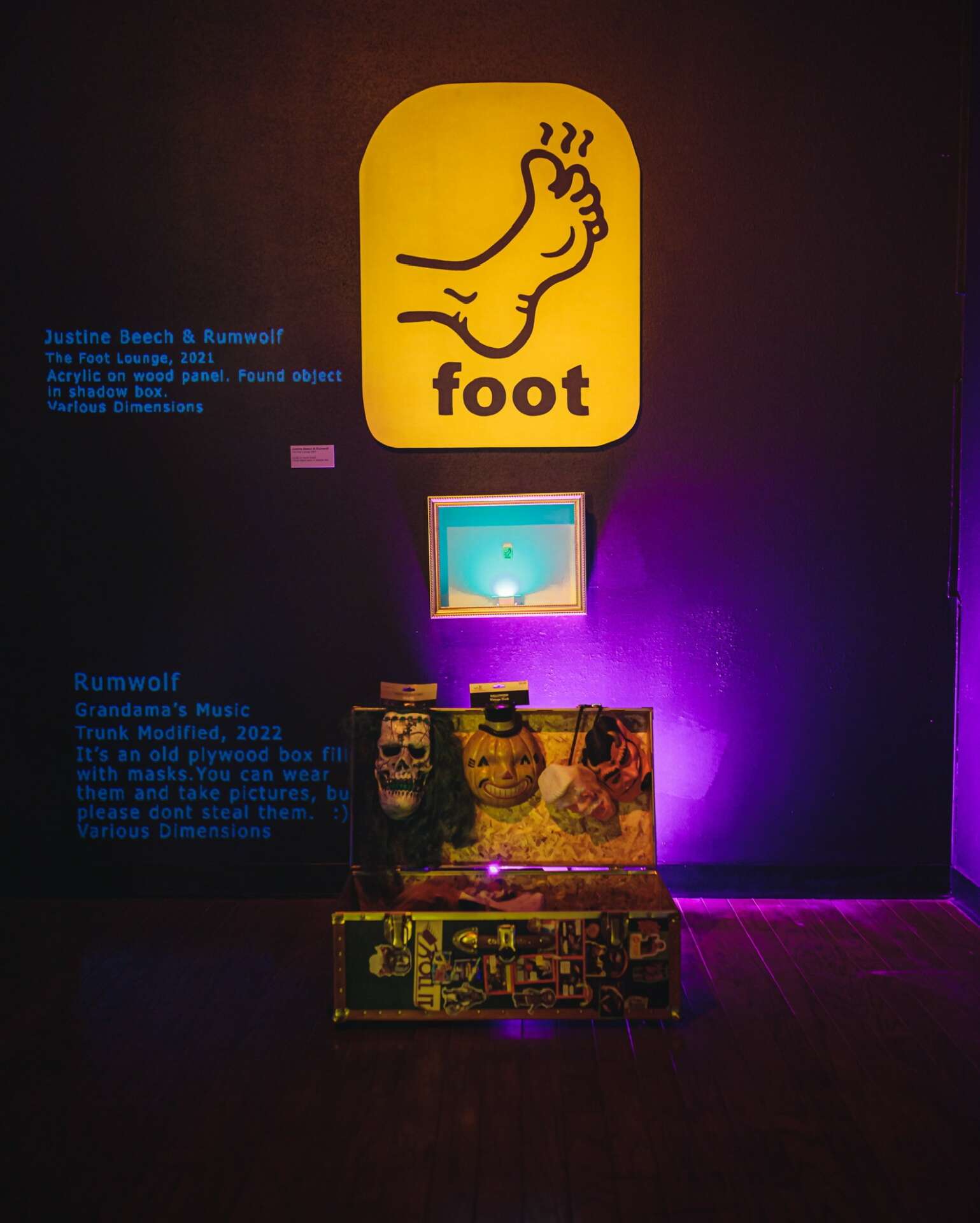
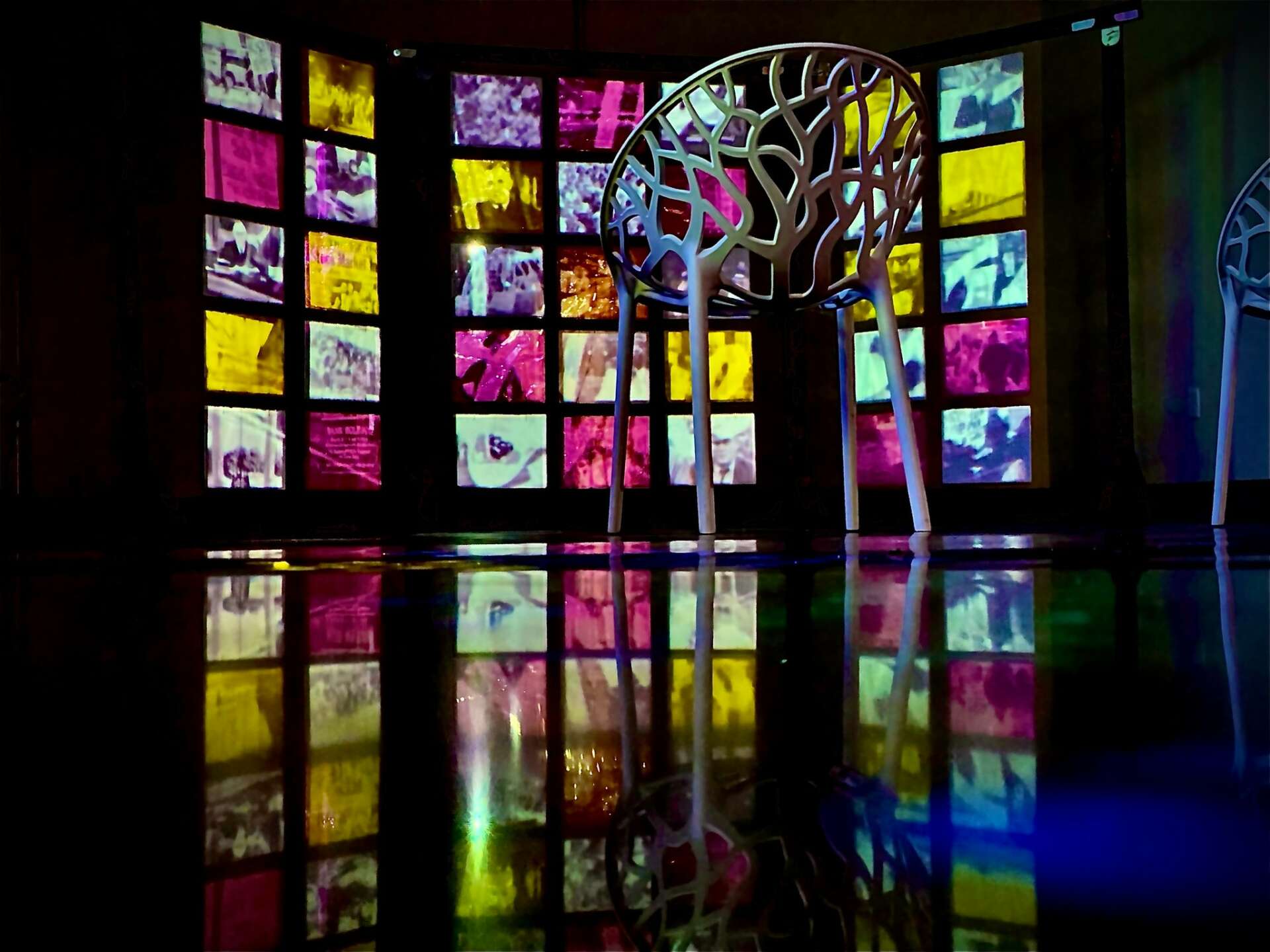
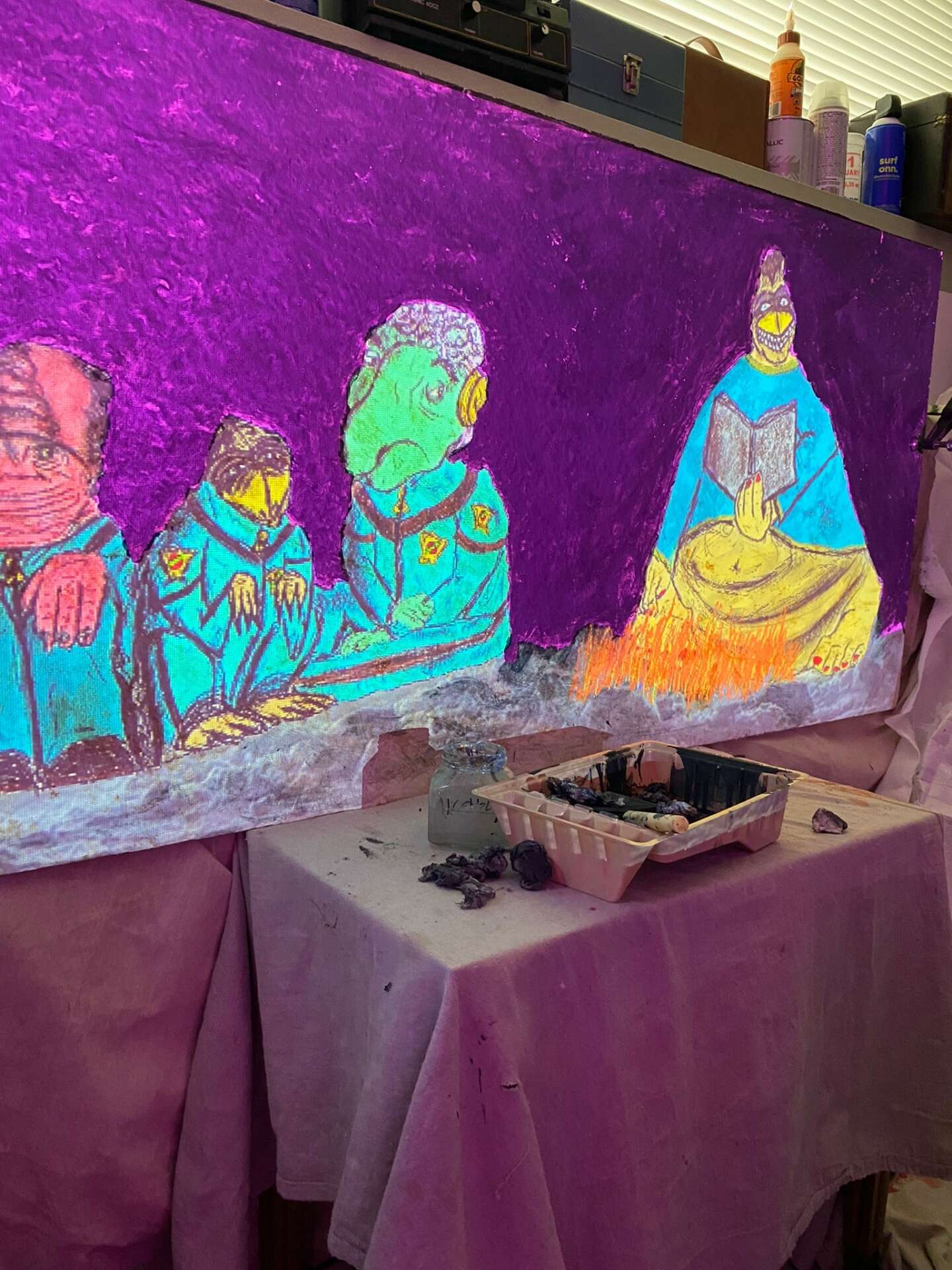
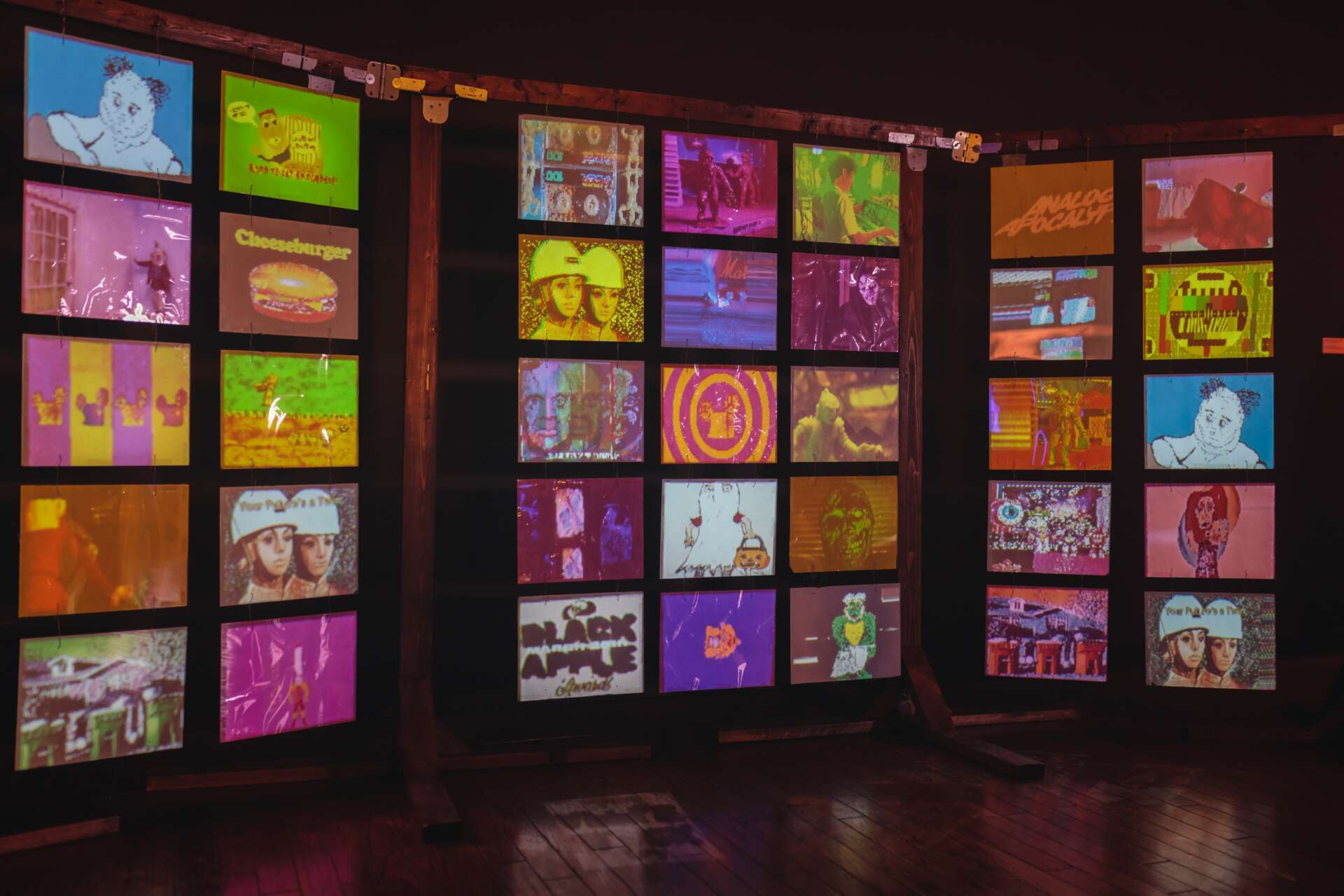
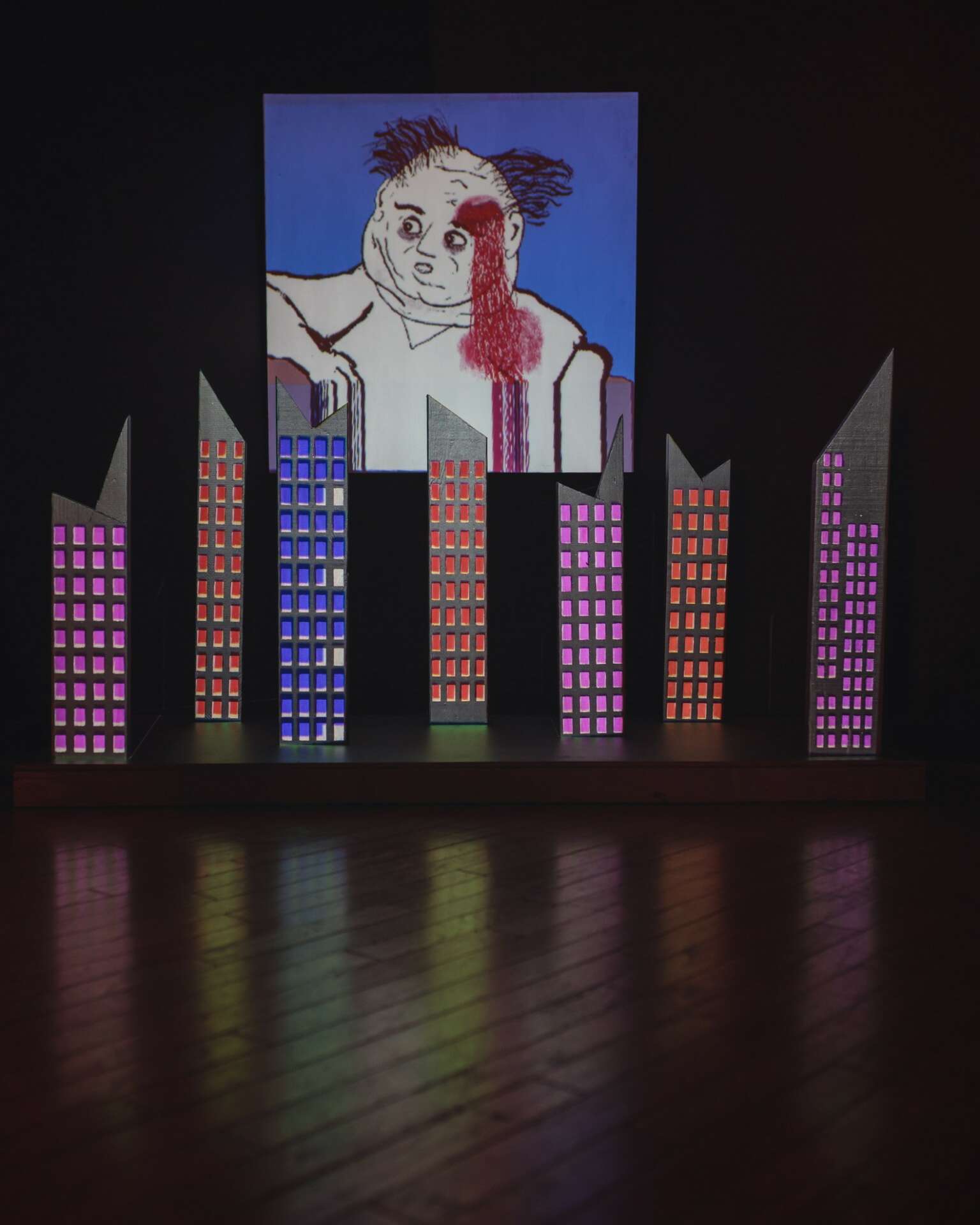
I’m an interdisciplinary artist with a specific focus on installation art with projection and video mapping. I’m also a song writer, theatrical designer, director and producer. I professionally as a visual artist, but also as a contract producer, technician, audio visual consultant, show director and video switcher. I’ve wanted to be an artist and performer since a very young age. For me it started with an early obsession with films, television and music. Specifically, ad a kid I dreamed of being on Saturday night live. In high school I began writing songs and making short films with friends. And in my 20s I continued making micro budget and self funded films as well as writing and recording music. The only problem is, the films were awful and nobody wanted to listen to the music. I thought of quitting many many times. I would frequently tell myself that I would “grow out of it”. As I progressed into my late 20s many of my friends and collaborators did stop making art. The endless work, long hours with zero pay or rewards wore on people. But I couldn’t stop. I became somewhat obsessed with figuring out how to make money as a creative. I landed in the live event production industry. In the production industry I learned a lot about what to and not to do when it came to putting on a large scale shows for all kinds of audiences. When I became director of a large production crew I started implementing creative management techniques I read about in books and interviews about SNL and Lorne Michaels. In my early 30s I discovered projection mapping which changed my life dramatically. In late 2016 at 35 years old I quit my job and began pursuing a career as a theatrical designer and visual artist. That’s when I really embraced the contempt of art world. I had never considered contemporary art or art installation. I didn’t even quite know what art installation meant. But I found it was exactly the thing missing from my. It took nearly 20 years of obsessive creative pursuits but I finally found something that utilizes all of my skill sets as a visual designer, performance artist and writer.
Much of my art practice is focused on themes of nostalgia and technology. And I very often work inside of the pop art aesthetic. I wear my influences pretty openly on my sleeve.
A lot of my clients come to me with a basic idea, and no idea how to execute it. That could be for a live stage production or a small visual art installation. I’ve become very adept at solving technical and creative problems and brain storming creative solutions.
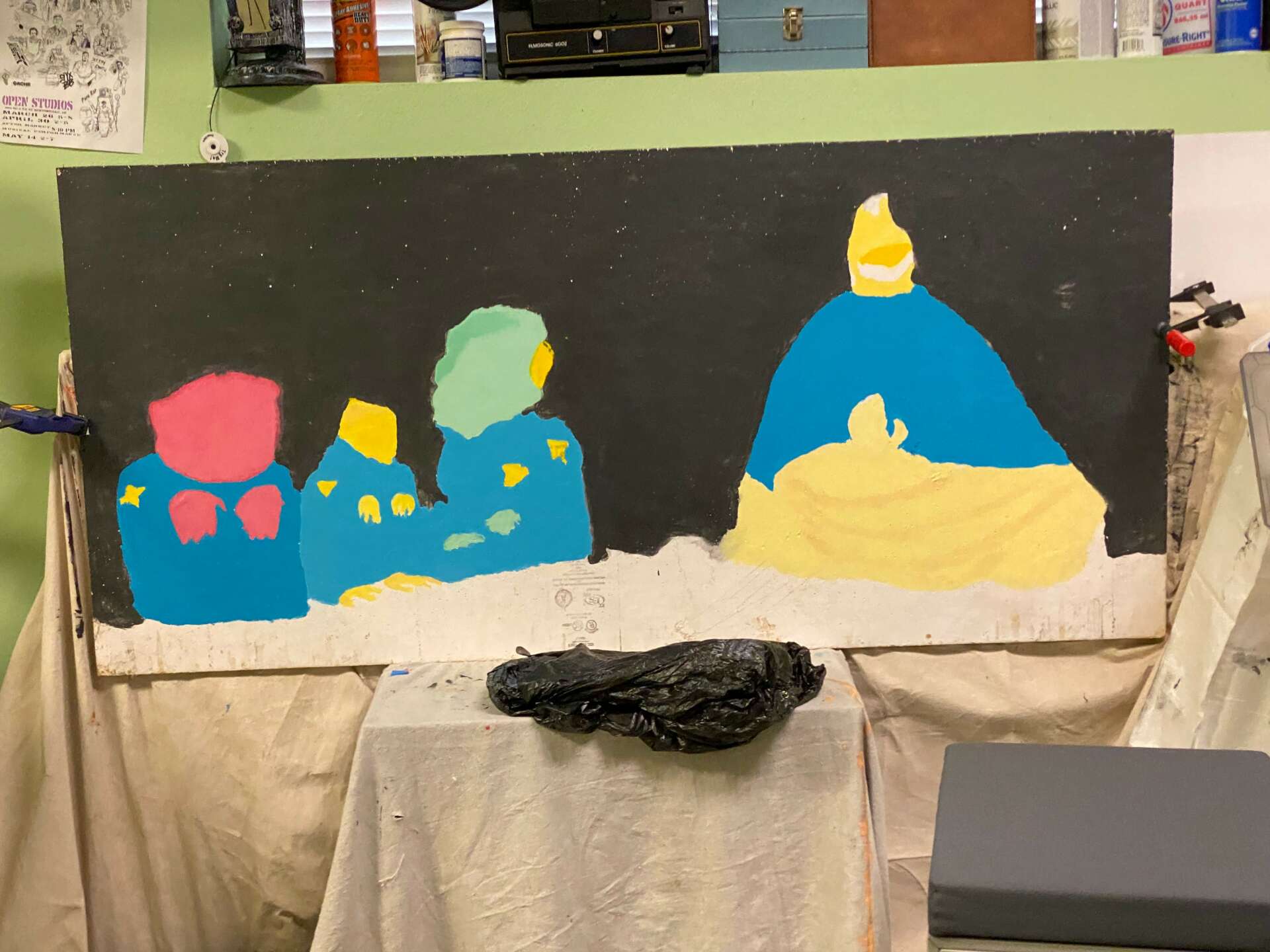
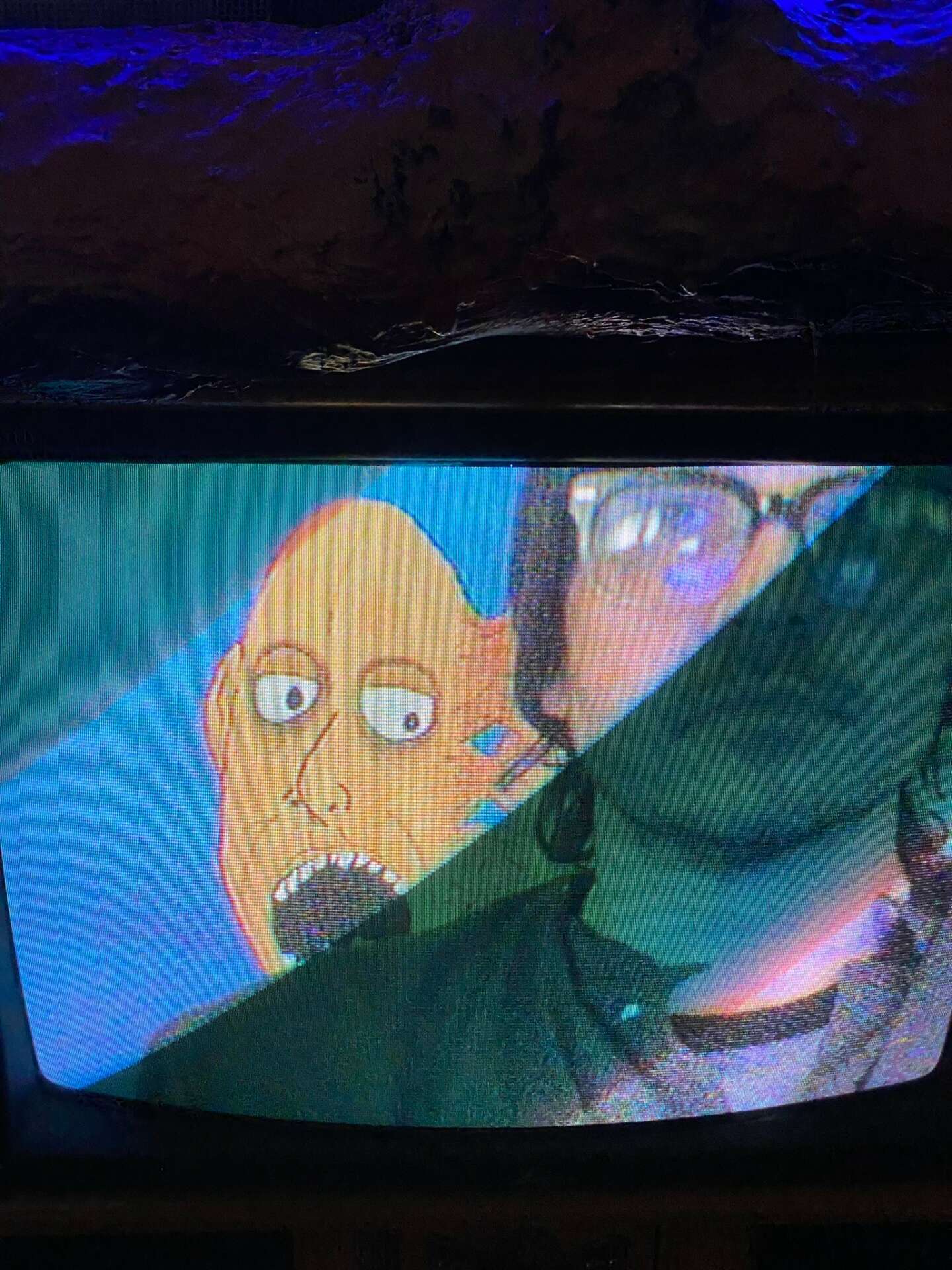
As an artist I often work with bright color pallets and large scale sculptures. I use cutting edge video tech but I also contrast the new tech with outdated technology like CRT televisions and VCRs. I think I’ve been able to continue scratching out a paid living because I’m able to offer so many services in post production, live performance, and content creation.
Any resources you can share with us that might be helpful to other creatives?
The number 1 resource I wish I had explored 2 decades ago is grants. As an artist and creative there is money available to us. Both from the government and from private finders. I knew there were such things as artists grants but I had no idea that they were so accessible. I wonder how many artists never even try to apply because the process seems so impossible and daunting.
What do you find most rewarding about being a creative?
For me, it has been watching first hand an audience interact with my work. And I don’t just mean the positive interactions. Sometimes I learn as much or more from negative reactions. Seeing someone, often a stranger, interact with an installation or piece of art that I conceived and brought into being is truly incredible. I’ve yet to find a comparable feeling.
Contact Info:
- Website: www.Rumwolfvideo.com
- Instagram: @rum_wolf
Image Credits
Rumwolf