



We recently connected with Ruiqi Zhang and have shared our conversation below.
Ruiqi, looking forward to hearing all of your stories today. We’d love to hear about a project that you’ve worked on that’s meant a lot to you.
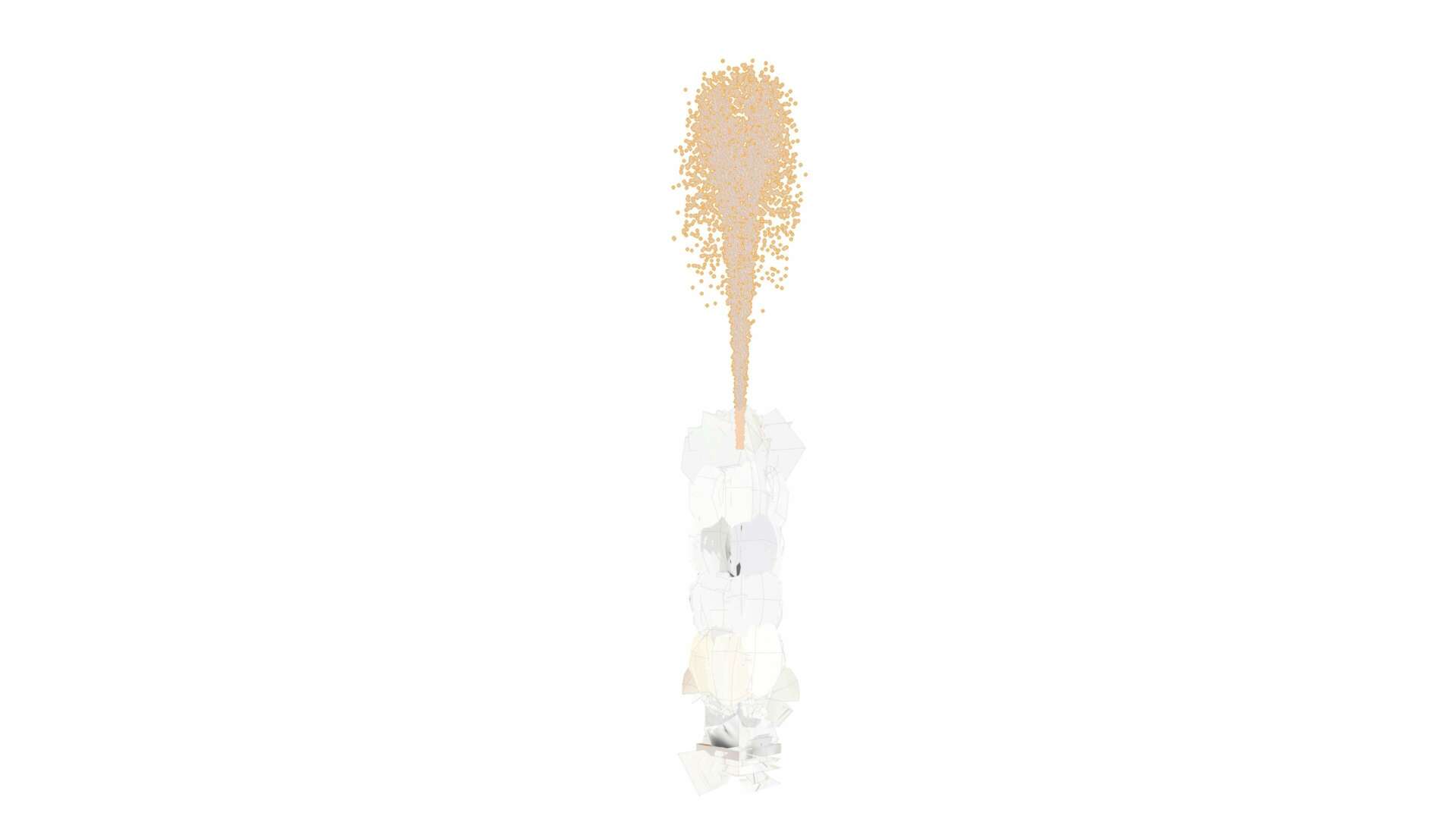
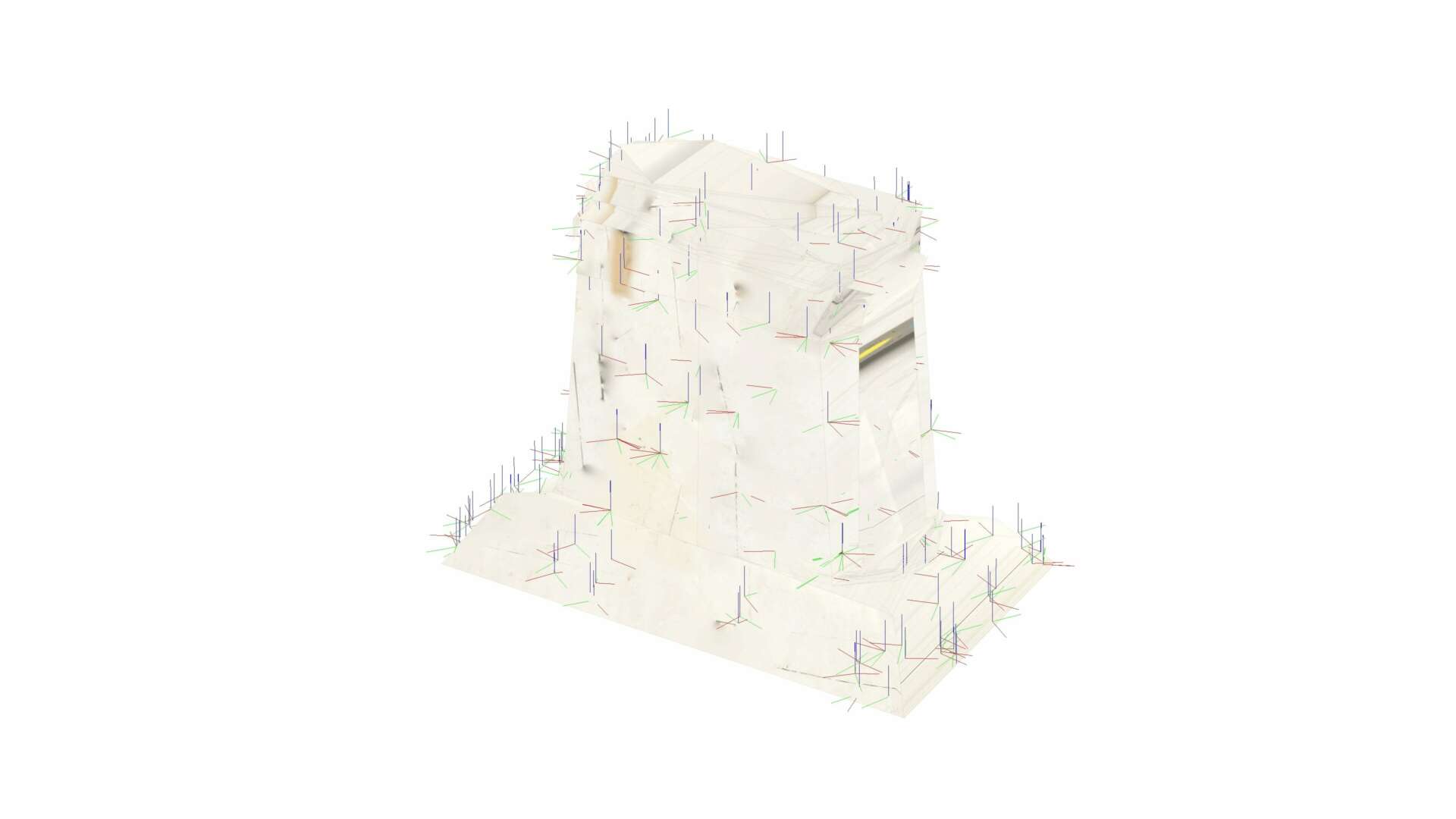
Monument Emitter, 2023
Most of my art practice focuses on the surroundings and is inspired by the social events around me. I don’t see its significance as expressing criticism of politics or emphasizing the research-based attributes of art, but rather as pointing to my experiences and reflections on living in a different cultural environment. For the past few years, I have been living in Richmond, Virginia. As I watched people gather after 2020 to scribble graffiti on the monument’s base and discuss how to remove the original statue, I tried to find a way to preserve the power of this agitation. I re-modeled the representative monument base in Blender, generated mapping textures using Dall-E 2, and incorporated them into the animation production. I created a screensaver animation that transformed the empty base model into a particle emitter, while associating it with lawn sprinklers and water droplets, thus expanding the scope of these revered objects. This work reveals the deep rooted narratives about monuments and the sense of community involved. It hints at how we should understand and discuss the historical heritage that surrounds the community.
The screensaver animation always appears unobtrusive. It provides a meditative space to consider the monument’s presence as a sustainable topic of discussion and a catalyst for social engagement.
Ruiqi, before we move on to more of these sorts of questions, can you take some time to bring our readers up to speed on you and what you do?
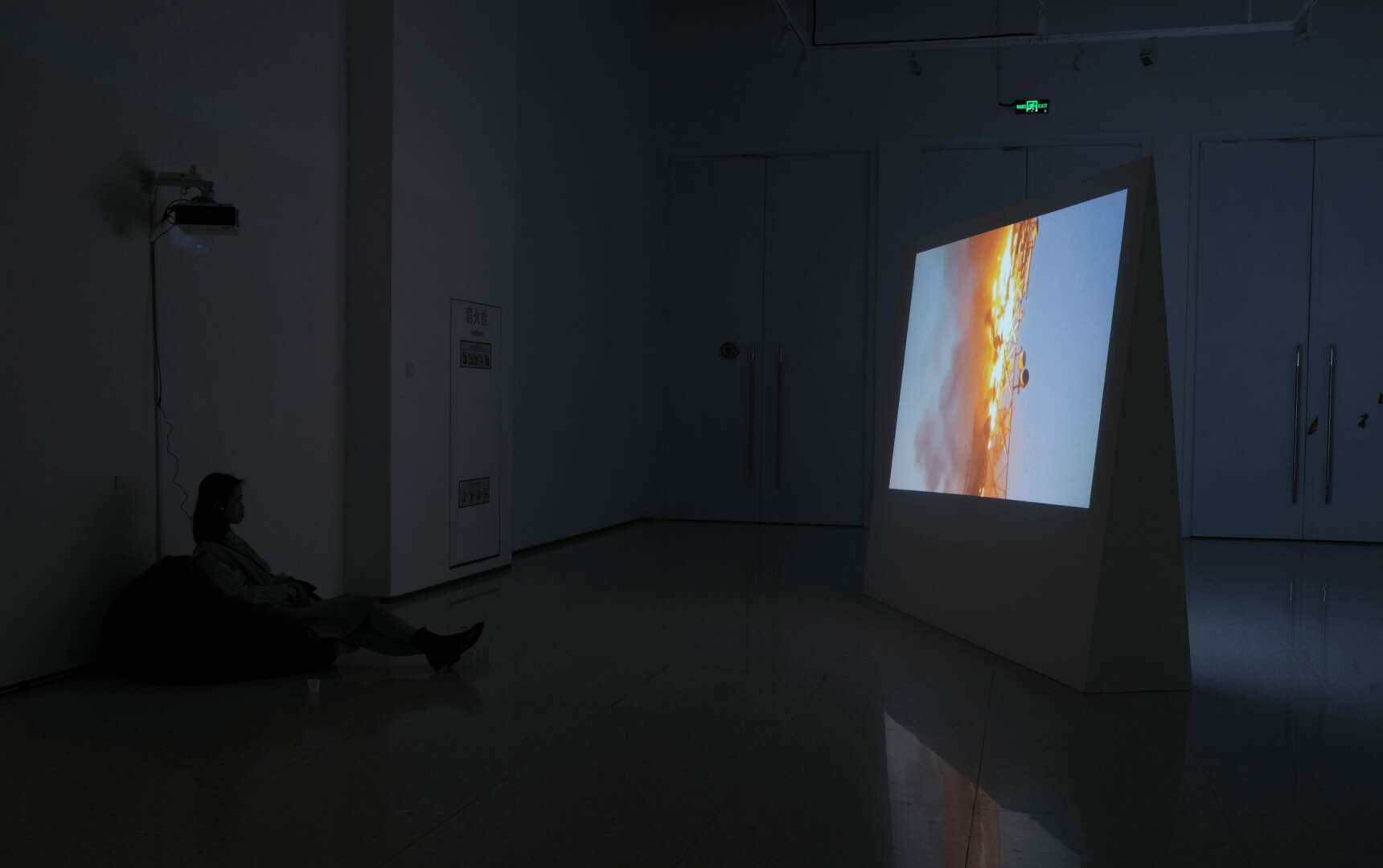
I am a multimedia artist who works with moving images, 3D software, and video installations to explore the complexities of internet culture and the potential of computing as an alternative narrative container. I completed my MFA in Kinetic Imaging at Virginia Commonwealth University and currently teach digital media art at the University of Missouri. My initial interest in media art was shaped by early video art and post-internet art. Nam June Paik predicted in the 70s that in the future, everyone would have their own video synthesizer. Today, we call this device a smartphone.
As we interact with smartphones frequently, we read information in multiple windows, watch live streams, post short videos, and kill time. People are trying to establish new identities online, using different strategies to attract attention. This is, in part, an extension of the narcissism connected to the medium of video, but it also creates a more contemporary reading habit: people are accustomed to a wide variety of stimuli. My practice involves organizing various seemingly irrelevant materials, such as 3D objects, quotes, found images, theories, and scattered elements, into random juxtapositions to form a hybrid stimulus. I prefer to employ a meandering narrative approach to redirect the focus toward the potential of configuring autonomy, confrontation, and imagination.
Is there a particular goal or mission driving your creative journey?
I have always been interested in the impact that media advances and emerging technologies have on our lives. I am looking forward to exploring the game engine as a tool for creating video game art. My recent project is a continuously generated ruin in Unity, which relies on programming and interdisciplinary collaboration.
Video game art is a relatively new medium, and even though everyone is familiar with games, artists have barely explored it. My millennial students frequently discuss video games and are willing to spend more time exploring and following their development. I see gaming in art as a trap for audiences that attracts their curiosity. The advancement of internet culture combines the language of technological accelerationism with memetic identity and gaming culture. It is undoubtedly an effective way to establish communication with future generations of audiences. While I’m not sure where this is headed at the moment, I can see its underlying mechanics are based on live rendering rather than careful editing.
What can society do to ensure an environment that’s helpful to artists and creatives?
Building more diverse support models in the art world would better help early-career artists forge their careers. The selection of most funding and related opportunities today are top-down, leading to intense competition and winner-take-all situations. Recently, I’ve seen some interesting Web3 art DAO organizations that review proposals based on community interest or adopt a lottery mechanism. These approaches broaden the construction of juries and expand the range of artists selected. While this may not be the perfect solution, it at least provides an alternative idea that perhaps we should build the art ecosystem more creatively.
Contact Info:
- Website: http://zhang-ruiqi.com
- Instagram: ruiqi_zhang_
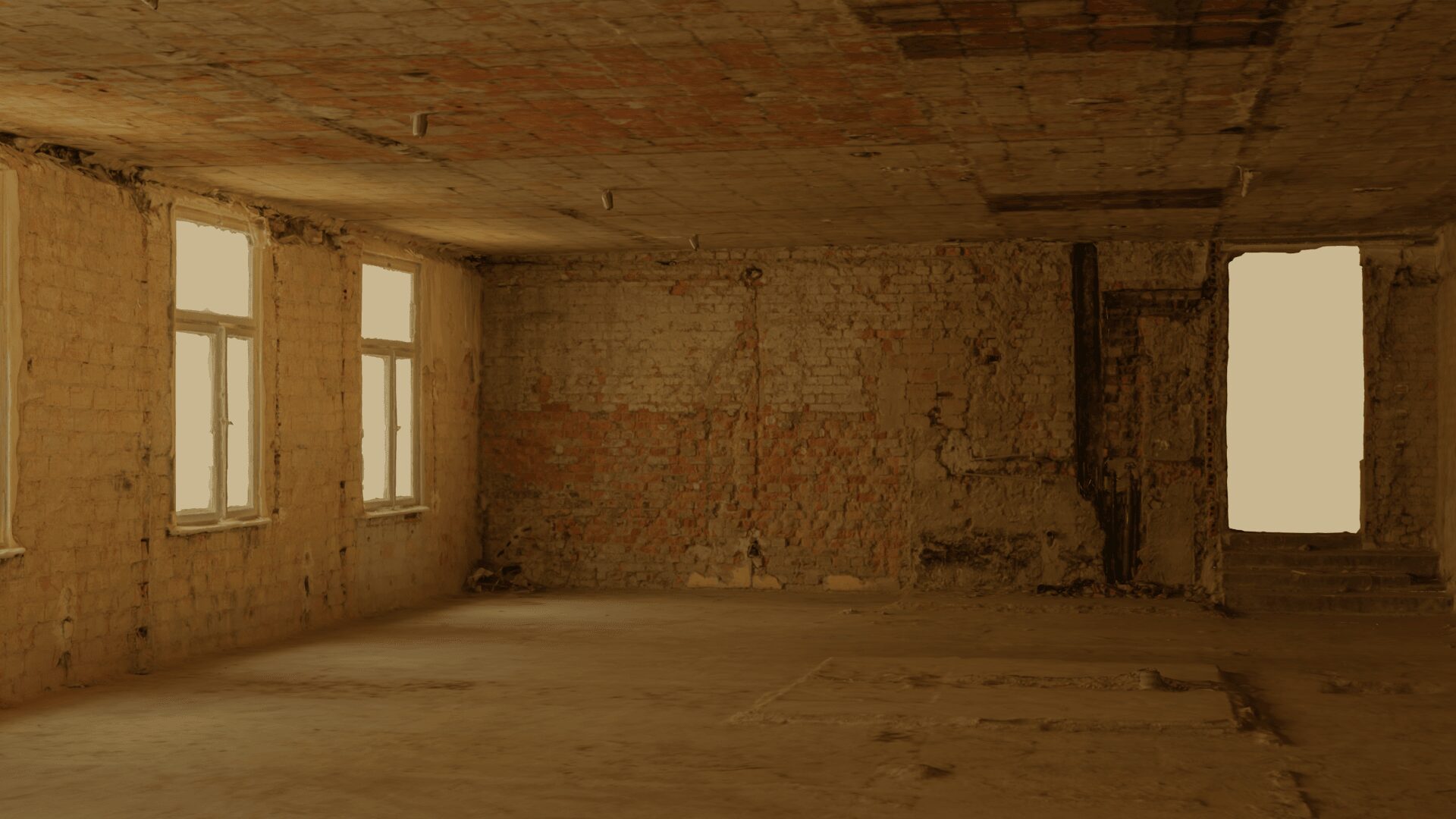
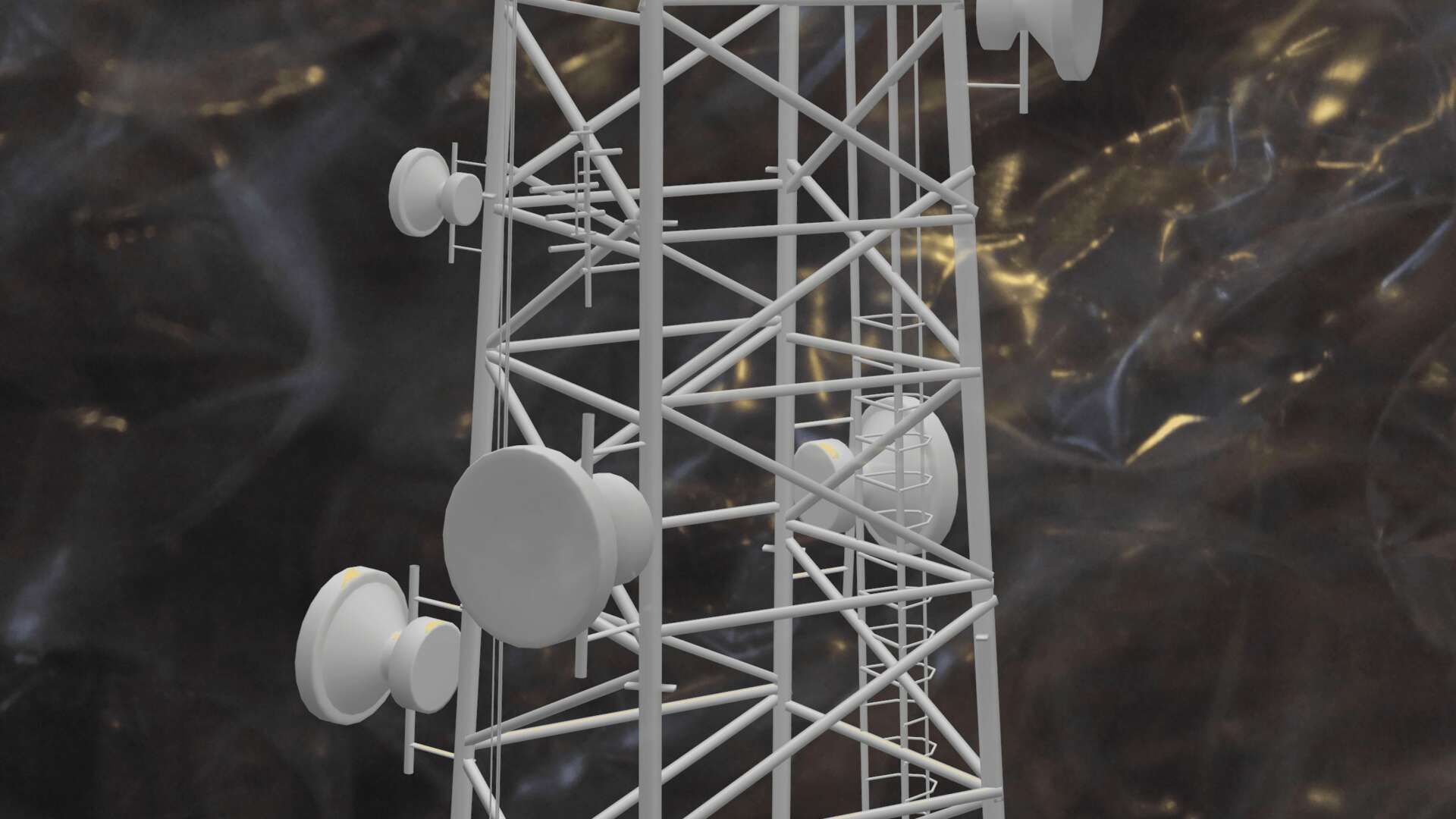
Image Credits
provided by artist