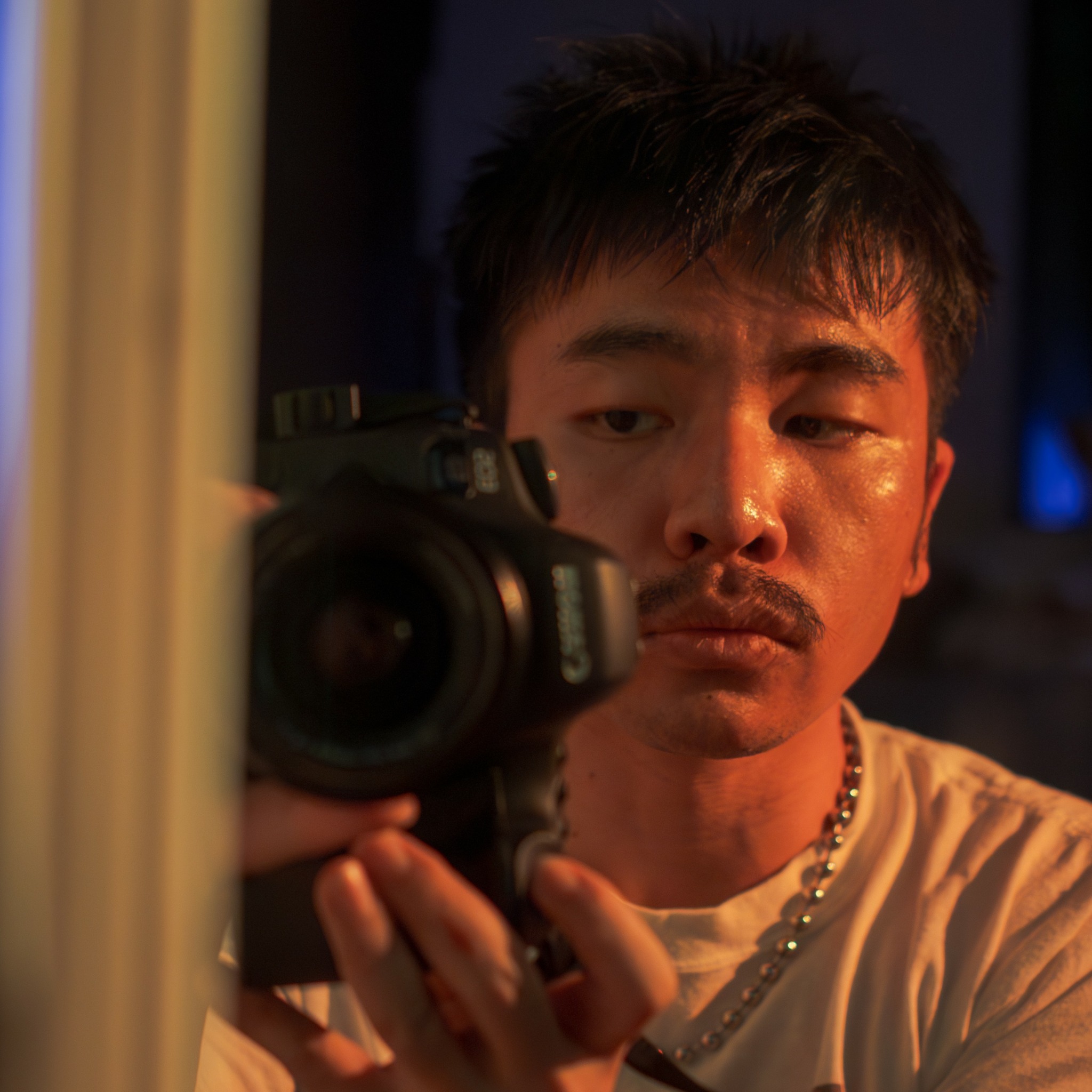

We caught up with the brilliant and insightful Rui Yang a few weeks ago and have shared our conversation below.
Rui, thanks for taking the time to share your stories with us today How did you learn to do what you do? Knowing what you know now, what could you have done to speed up your learning process? What skills do you think were most essential? What obstacles stood in the way of learning more?
I learned most of the tools back in grad school. Looking back, I think the most important thing to speed up the learning process is to have the capability and willingness to do self-research. Due to the nature of digital art, it is unrealistic to expect professors to tell you everything or to guide you through every challenge. Back in school, I realized I had to be open to exploring different solutions and combining them with my creativity.
Rui, before we move on to more of these sorts of questions, can you take some time to bring our readers up to speed on you and what you do?
Here is your text with only the minimum changes to correct grammar, spelling, and minor word misuses while keeping your exact structure and voice:
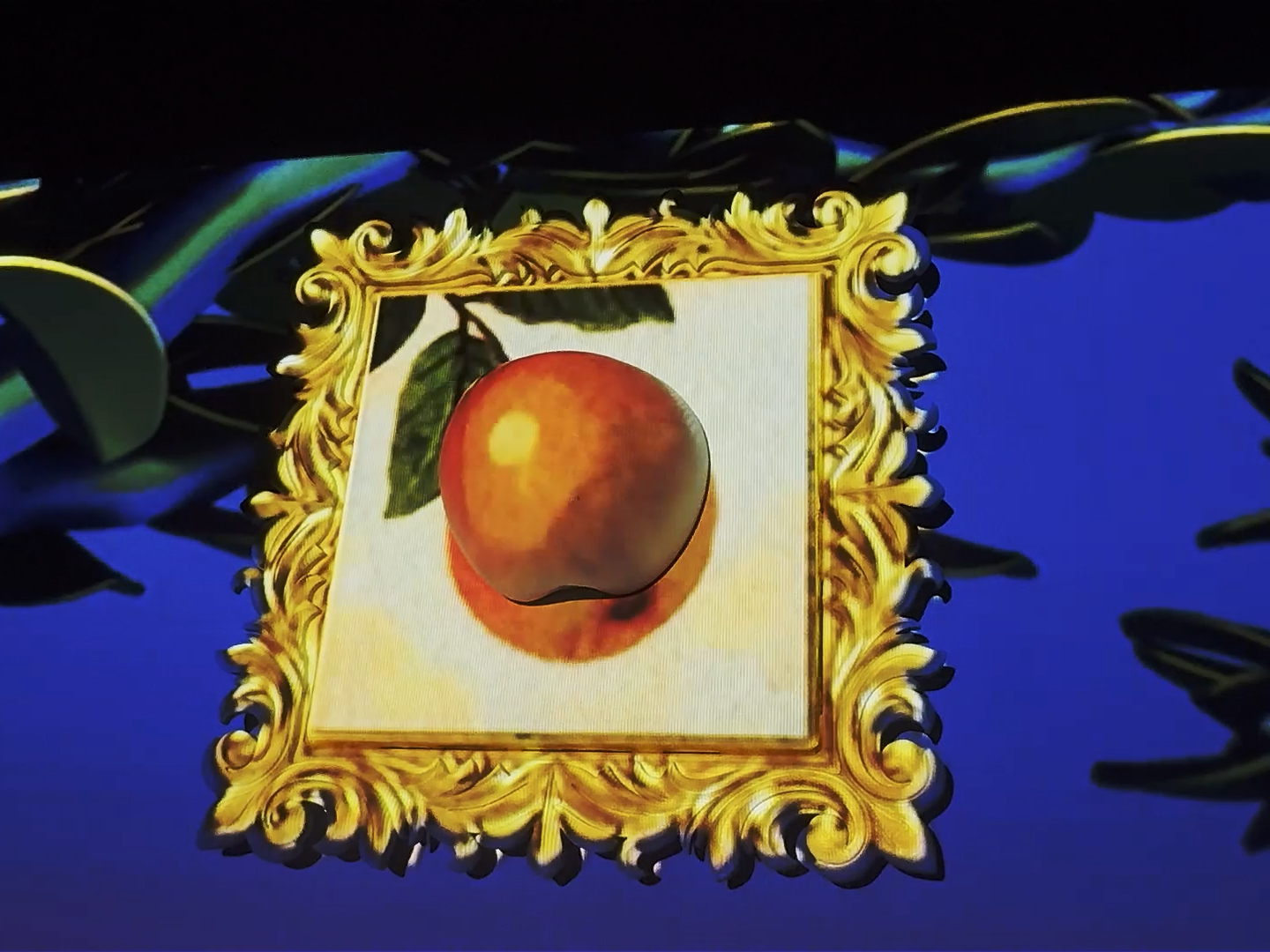
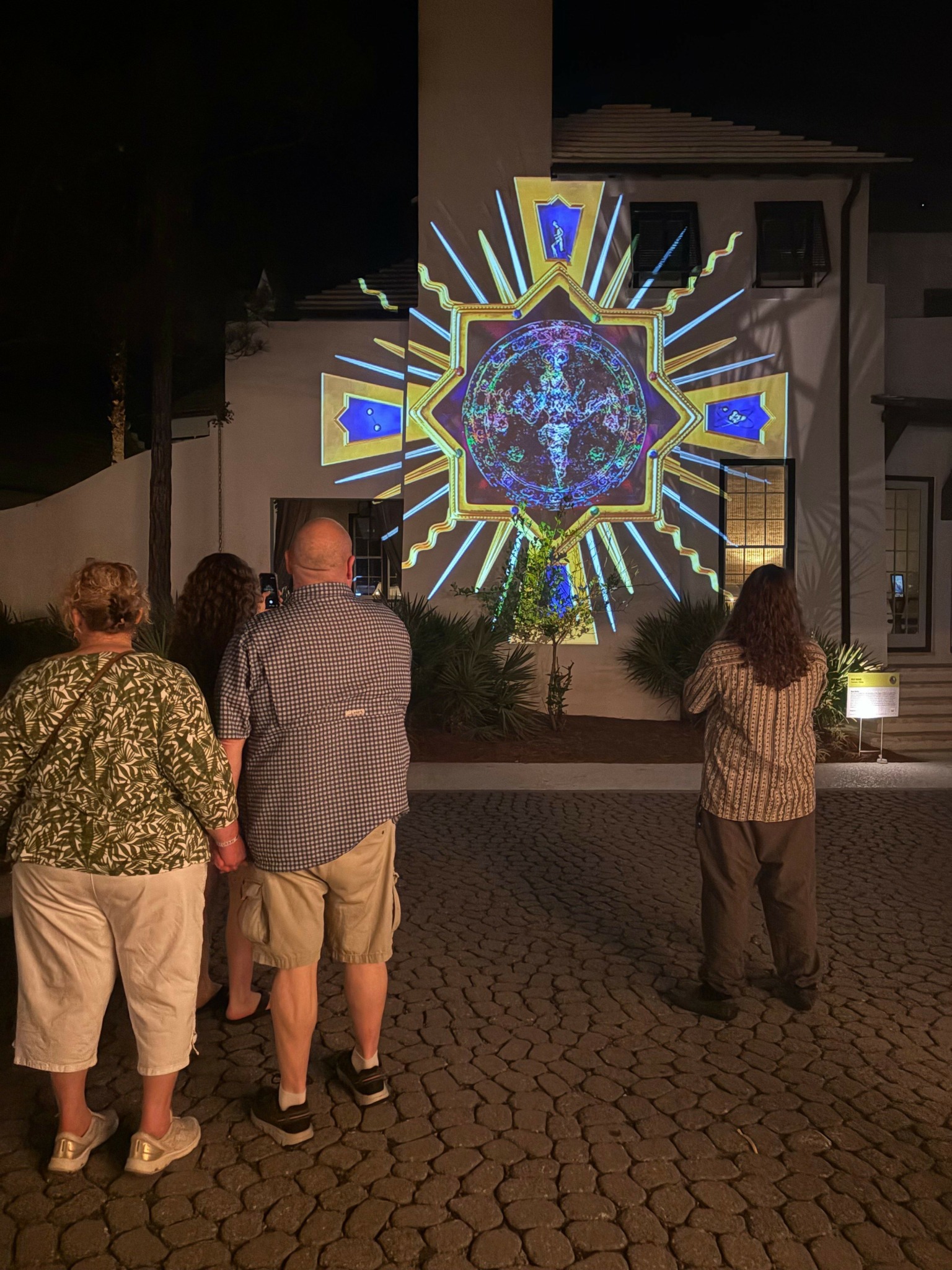
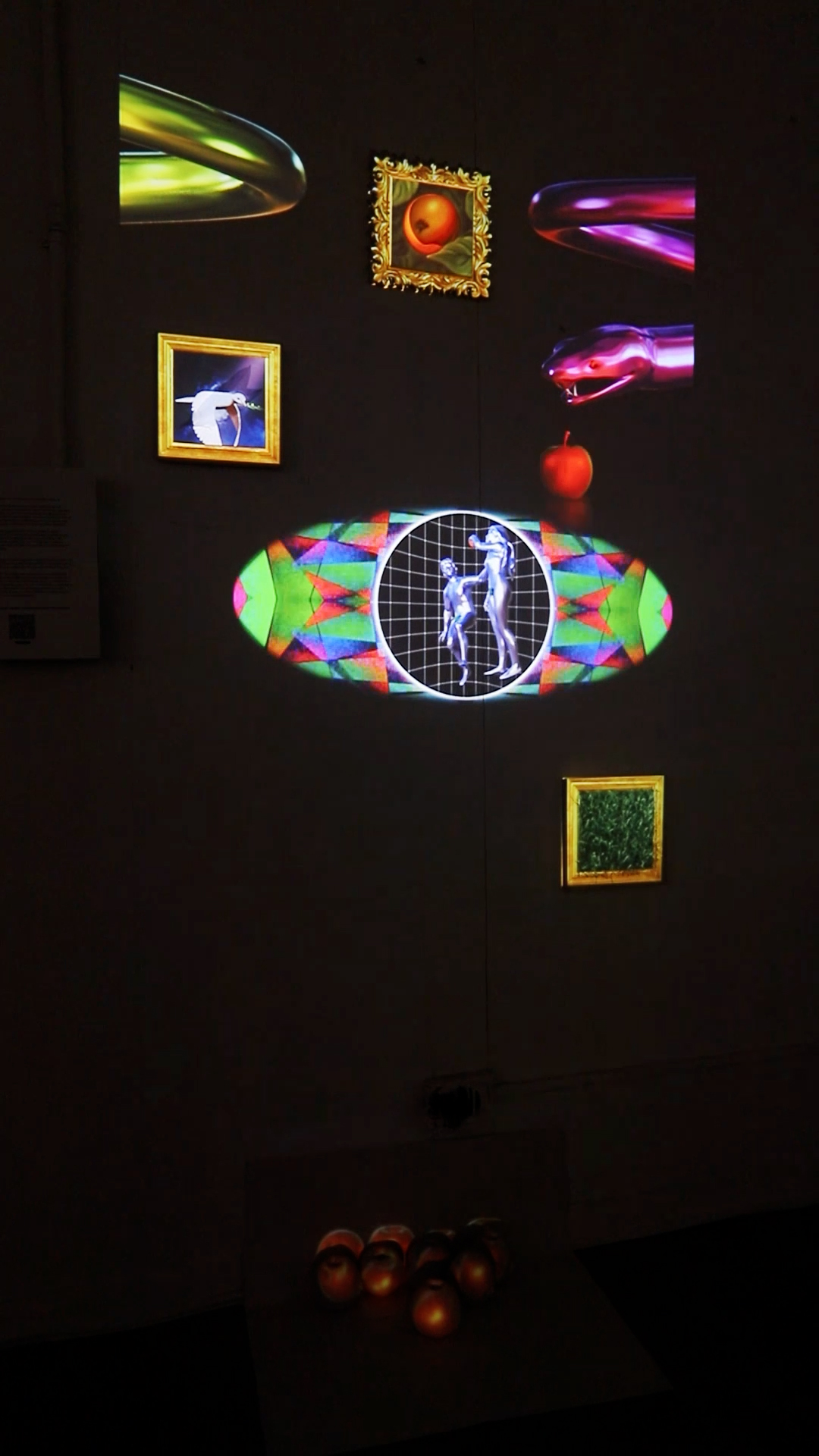
“I am a CG generalist working in the VFX & animation industry and am also a multidisciplinary artist active in exhibitions, art festivals, and art communities. I started my journey as an engineering student back in college during my first year. I didn’t really like the major, as I always wanted to do something art- or design-related. In my sophomore year, I changed my major to the art department, studying “creative technologies.” It was a new major in the undergrad school I attended, so I was kind of like an “experiment.” Very soon, I was exposed to new media art and fascinated by 3D and CGI animation. Later, I entered grad school and started actually learning 3D animation, moving toward the industry. It was quite a journey, as back then the process of making visually stunning CGI was so mysterious to me, but in grad school, I got the opportunity to unlock all the mysteries and master those techniques. In the meantime, I got the chance to read more art theory and critical essays, so I started to think more beyond the technical part of the medium.
After grad school, I was so lucky to get two internships in New York and entered the VFX industry as a full-time artist right after. Working at the VFX company, I’ve contributed to multiple Netflix shows as well as some corporate commercial campaigns. Since I moved to New York, I have spent more time reading and exploring the art world. I then started my personal multidisciplinary practice through a more contemporary lens, though there are a lot of overlaps in the tools I use for both fields.
What’s the most rewarding aspect of being a creative in your experience?
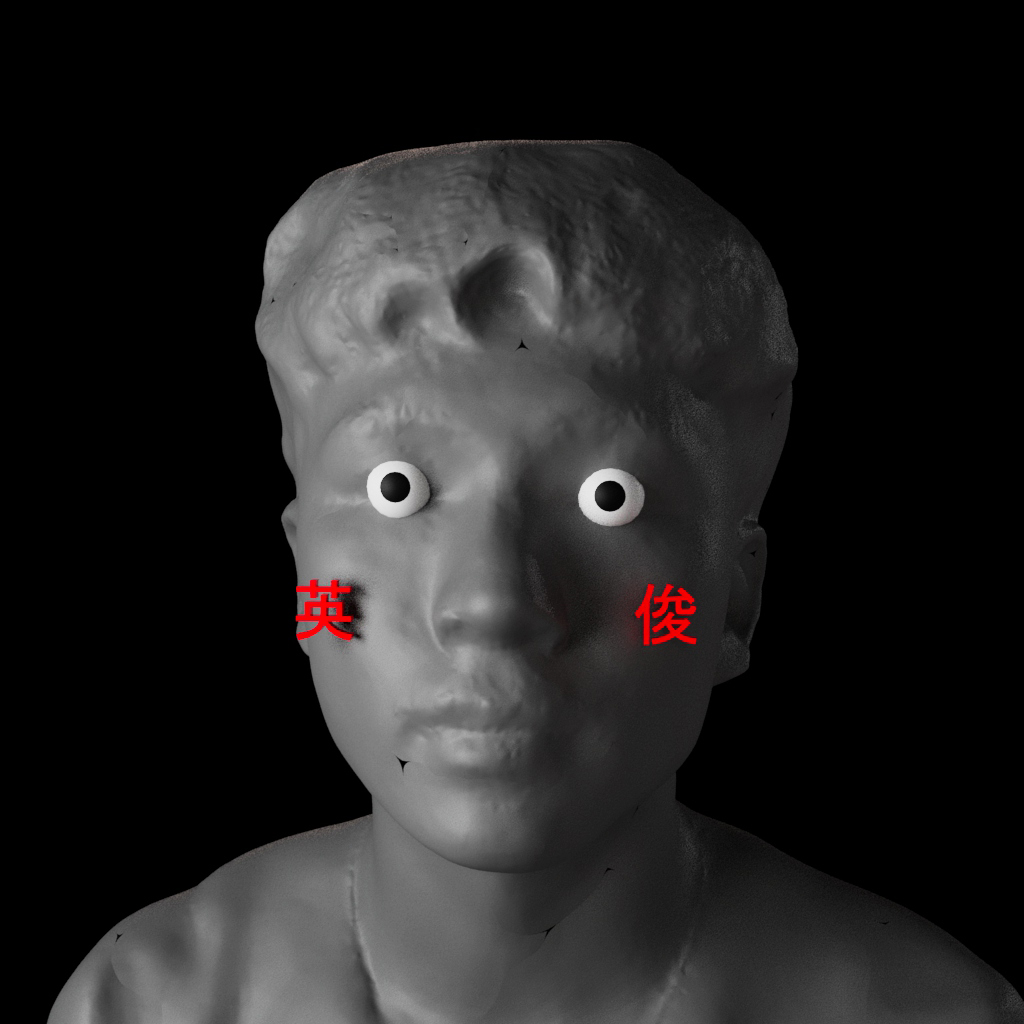
I think the most rewarding and also the luckiest aspect of being an artist is that I have the capability and tools to explore myself. I believe when people are creating, they are revealing part of themselves. I love that part of the self to be seen, and I am happy to see others’ selves in this way. It is fun.
How about pivoting – can you share the story of a time you’ve had to pivot?
The first couple of years after I transferred my major to art, I really loved photography. I went on a lot of road trips and took a lot of landscape as well as street photographs. Later on, when I learned more about art theory, I realized that form of art was probably not the kind of art I really wanted to do, even though they were visually pleasing and earned me more likes on social media. So, I started to try something more experimental and explore more tools and workflows. I still love photography, but I’m just not that into shooting landscapes or random people on the street for the ‘decisive moment’ trope.
Contact Info:
- Website: https://www.ruiwhy.com
- Instagram: @ruimyleft