

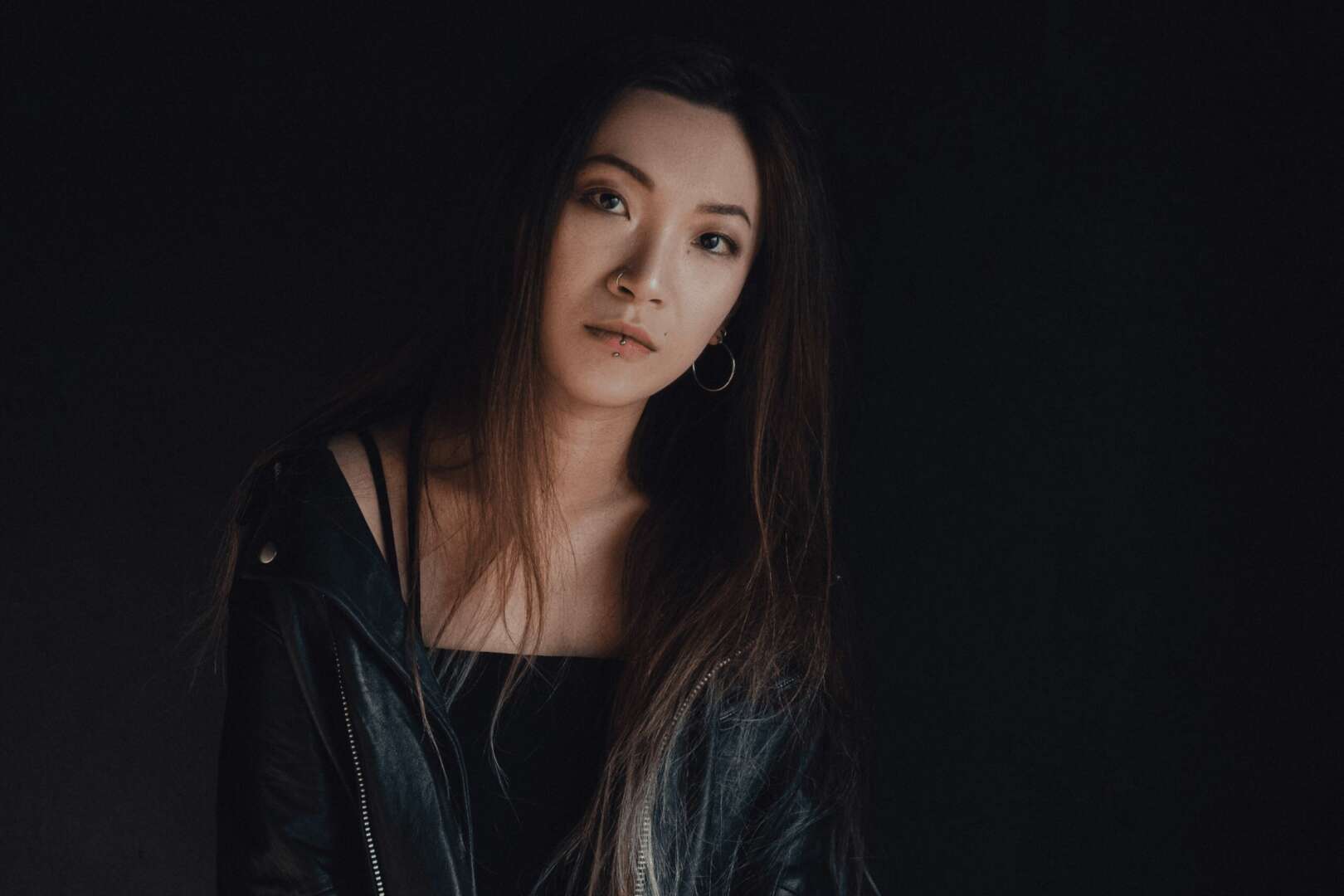

We recently connected with Ruby Leyi Yang and have shared our conversation below.
Hi Ruby Leyi, thanks for joining us today. Are you happier as a creative? Do you sometimes think about what it would be like to just have a regular job? Can you talk to us about how you think through these emotions?
I enjoy doing creative work, especially as an artist. However, the reality is that even if you work full-time as an artist, you often need part-time jobs to make ends meet. I am generally happier as an artist because the creative process brings me a sense of fulfillment and joy that I might not find in a regular job. However, there are moments when I wonder what it would be like to have a more conventional career.
The last time I had this thought was a few months ago, during a particularly challenging period. I was juggling multiple art projects with tight deadlines, and the financial instability of relying solely on my art was weighing heavily on me. Bills were piling up, and I was feeling the pressure. One evening, as I was sitting in my studio, surrounded by half-finished canvases and sketches, I found myself daydreaming about the simplicity of a 9-to-5 job. The idea of having a steady paycheck, health benefits, and a clear separation between work and personal life seemed appealing. As I reflected on this, I realized that while the stability of a regular job was tempting, it also came with its own set of challenges. I thought about the potential monotony and lack of creative freedom that might accompany such a job. I imagined feeling stifled and unfulfilled without the ability to express myself freely and pursue my passion.
Being an artist is integral to who I am. The joy and satisfaction I derive from creating art outweigh the difficulties.
Great, appreciate you sharing that with us. Before we ask you to share more of your insights, can you take a moment to introduce yourself and how you got to where you are today to our readers.
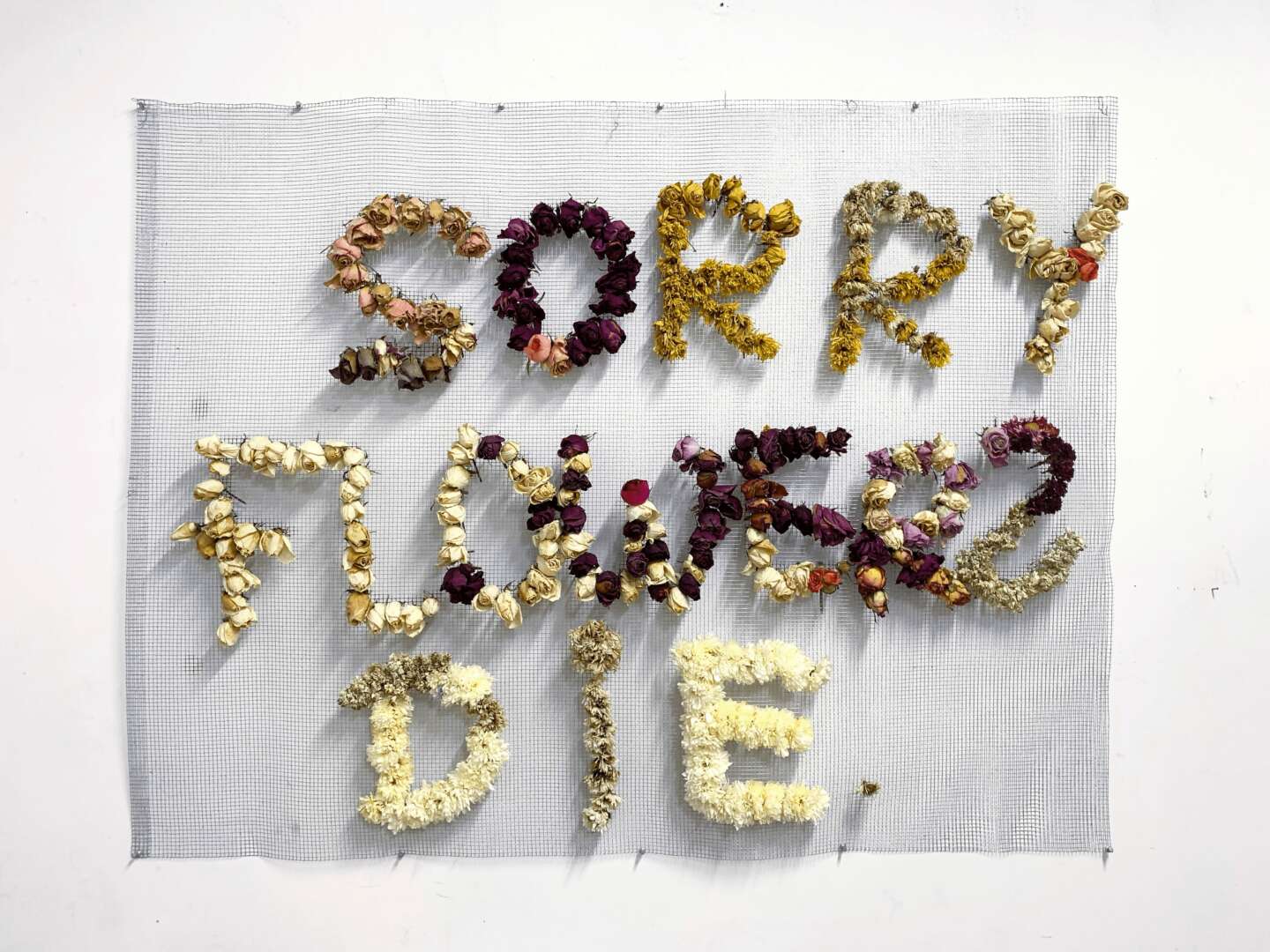
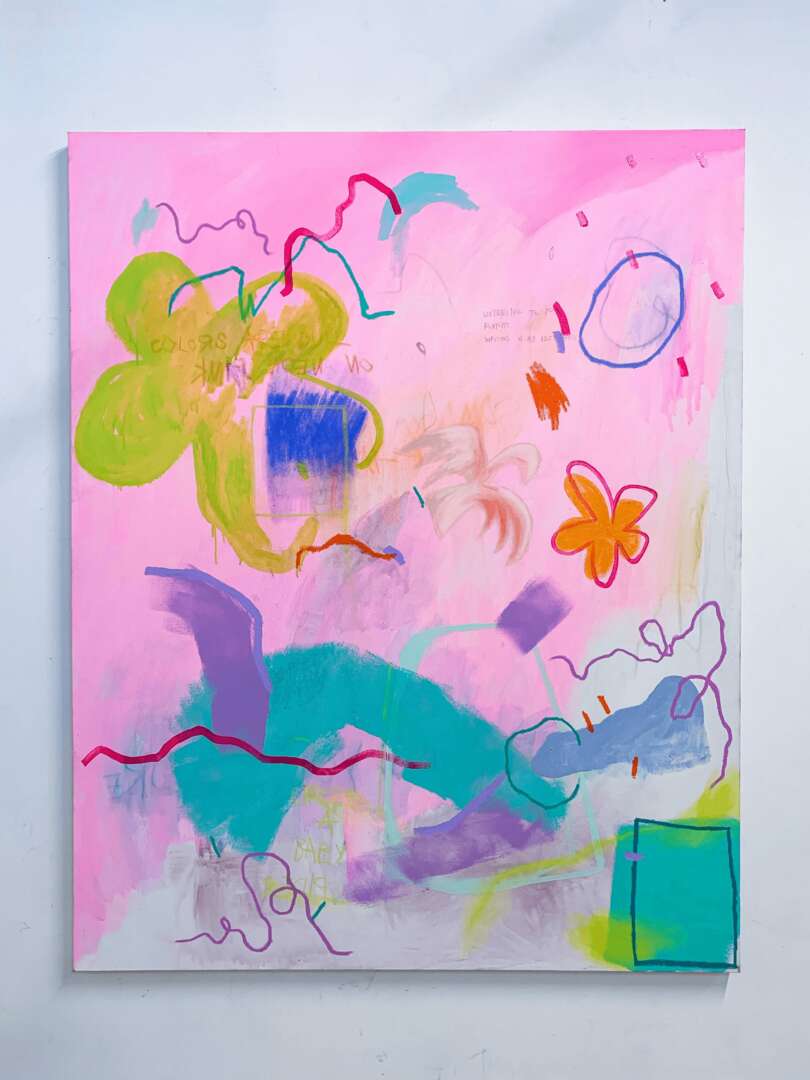
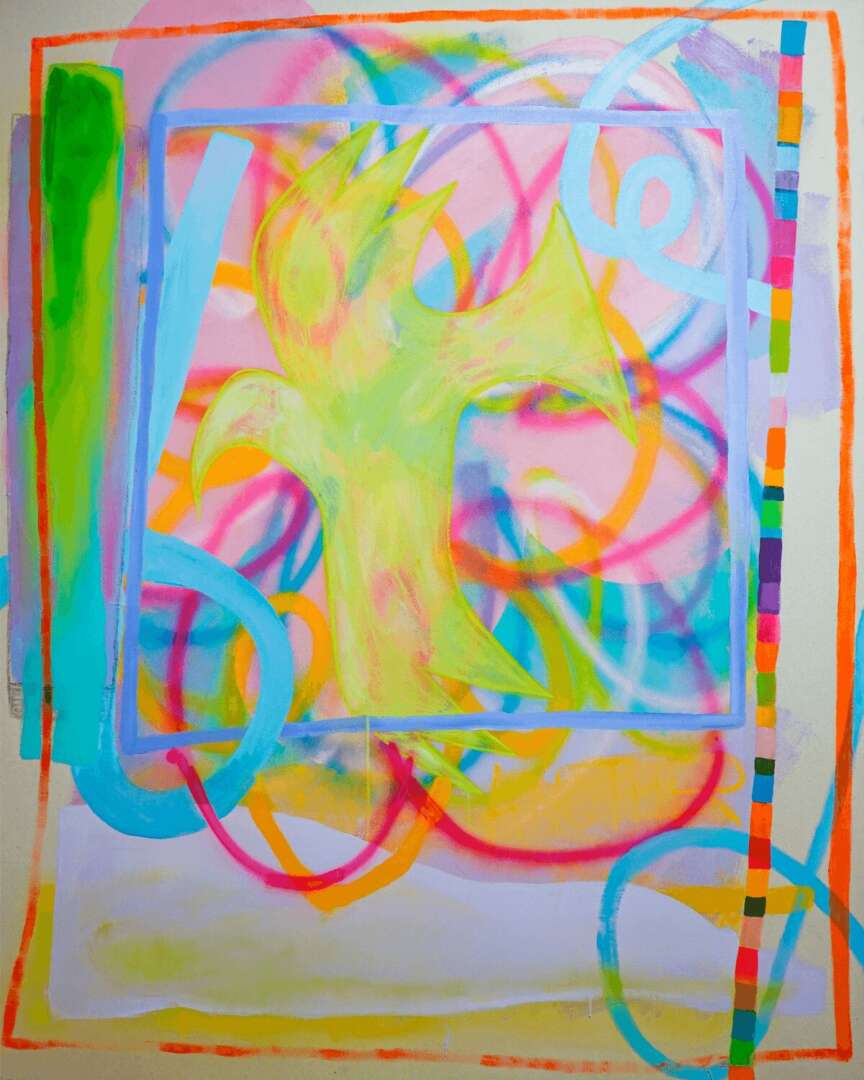
As an artist, I demonstrate a profound enthusiasm for my predominantly large-scale canvases, which are richly
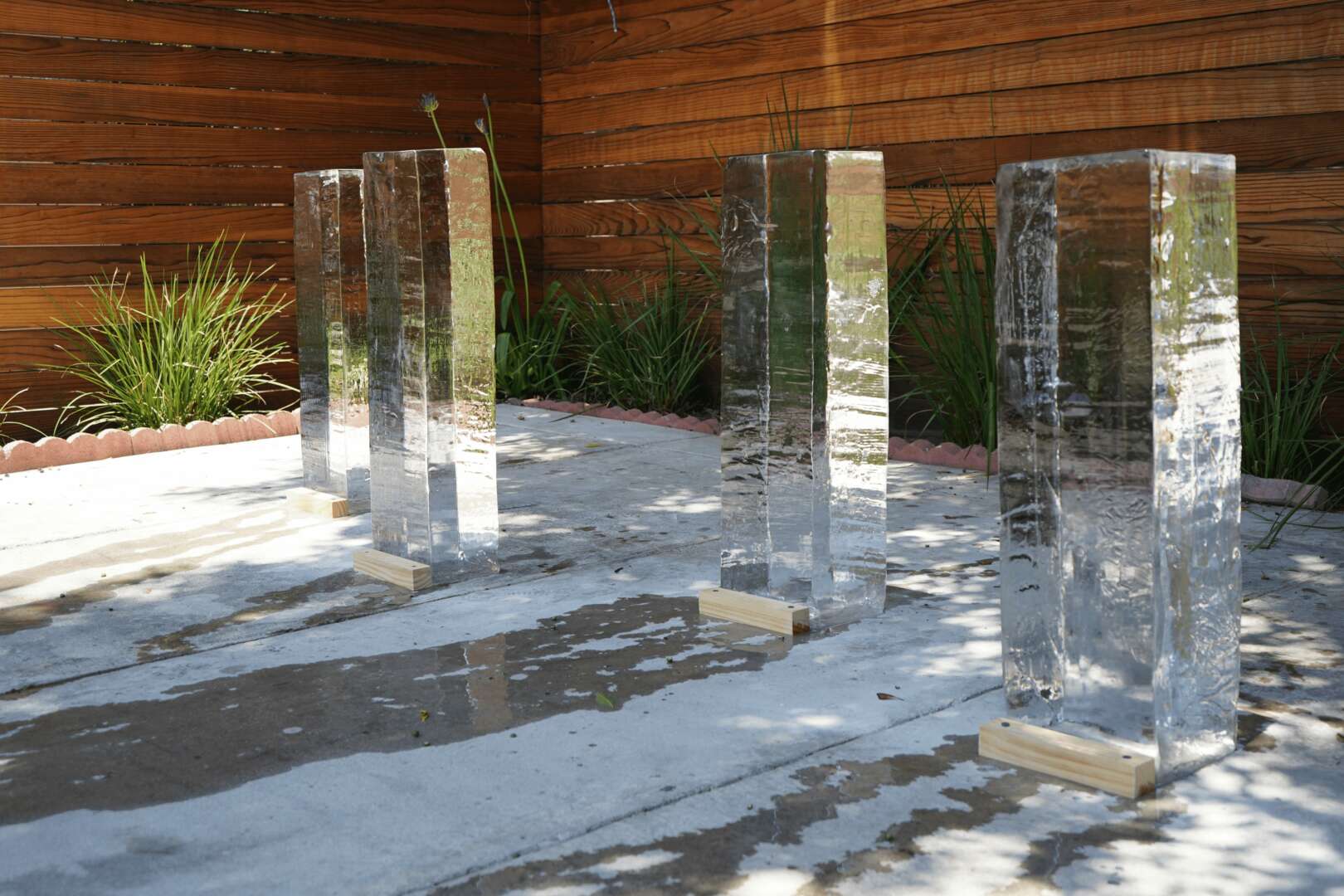
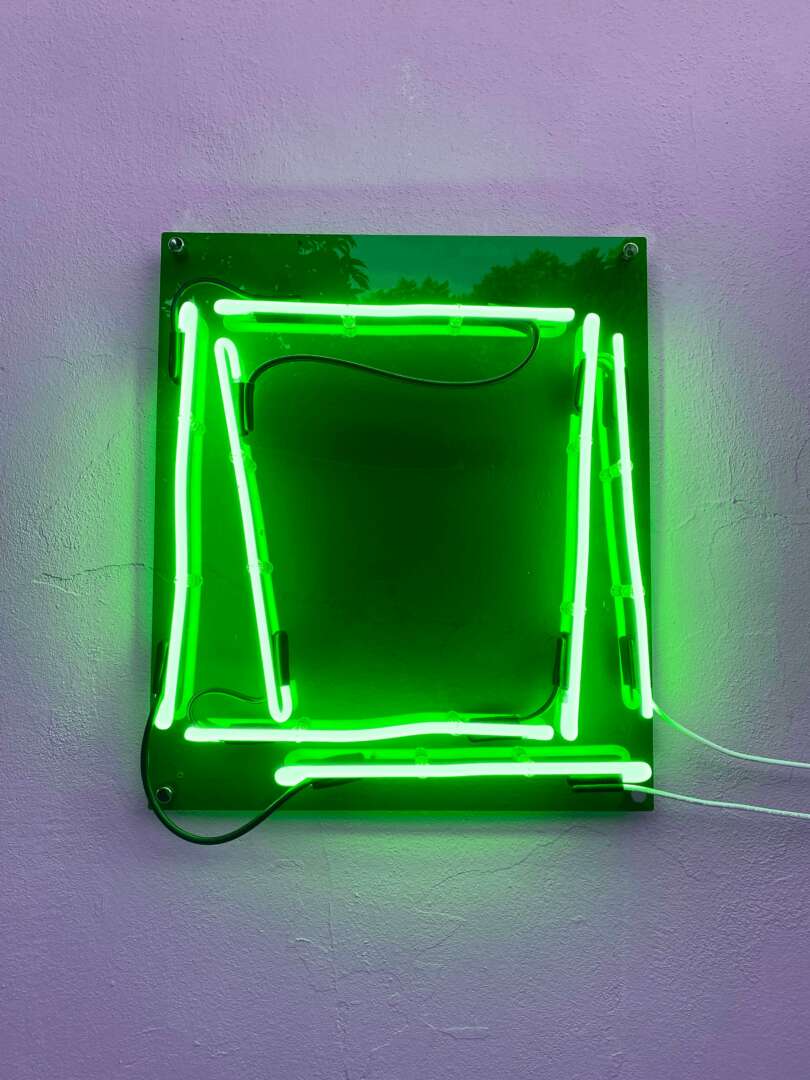
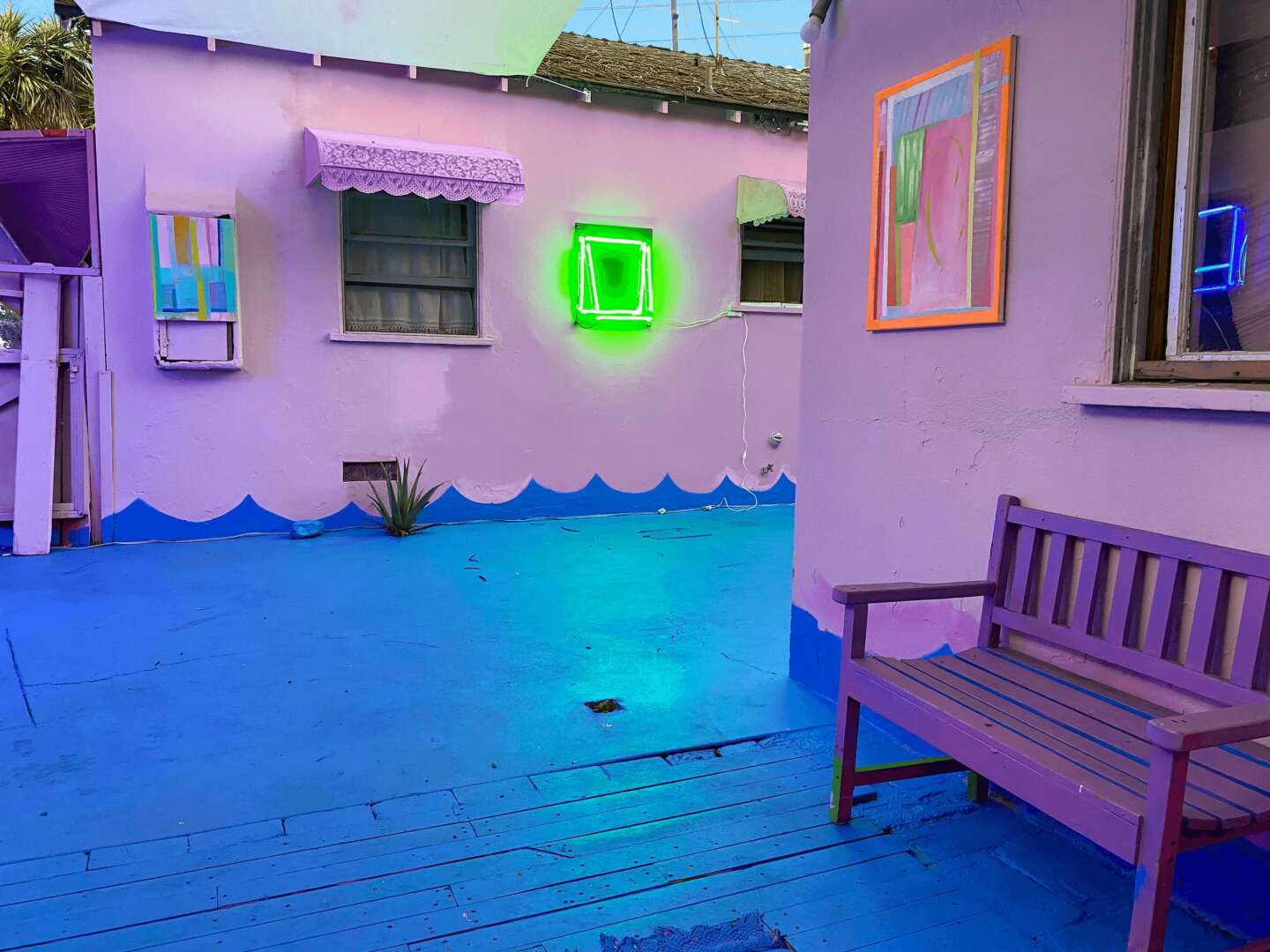
layered with vibrant colors, dynamic shapes, and fragmented text. What sets me apart from others is how my practice is multi-faceted. My body of work is characterized by a relentless exploration of painting, has evolved into a multi-media approach. This evolution allows me to extend the spatial boundaries of painting into digital media, performance art, and neon installations. My continuous inquiry delves into the essence beyond language and the significance of the meaningless. Utilizing various media has
enabled me to articulate my thoughts and understanding in my quest for essence. Deeply influenced by cubism and concrete poetry, which emphasize the deconstruction and reconstruction of forms and meanings, I’m committed to advancing her research and development in my artistic endeavors.
What’s the most rewarding aspect of being a creative in your experience?
For me, the most rewarding aspect of being an artist is the ability to express myself and connect with others through my work. Creating art is a deeply personal journey that allows me to translate my thoughts, emotions, and experiences into visual form. It’s incredibly fulfilling to see my ideas come to life and to share my unique perspective with the world. Art has the power to evoke a wide range of emotions and provoke thought. It means a lot to me seeing that my work is like an entrance or a bridge that connect my experiences with other people. The process of making is also a continual process of learning and growth. As an artist, I am constantly experimenting with new techniques, exploring different mediums, and challenging myself to improve. This ongoing development not only enhances my skills but also keeps the creative process exciting and dynamic. The freedom and flexibility that come with being an artist are immensely satisfying. I have the autonomy to pursue projects that genuinely interest me and to set my own creative direction. This independence allows me to stay true to my artistic vision and passion, which is ultimately what makes the creative journey so rewarding.
What can society do to ensure an environment that’s helpful to artists and creatives?
I think having affordable working spaces are very important. Access to affordable studio spaces and co-working environments is crucial. Cities can support this by offering subsidized rents or converting unused buildings into creative hubs. This allows artists to have dedicated spaces to create without the burden of high overhead costs. Investing in arts education at all levels ensures that future generations value and understand the importance of the arts. This includes offering specialized programs, workshops, and residencies that provide artists with opportunities to develop their skills and expand their networks. Ensuring that artists are fairly compensated for their work. This includes advocating for fair wages, royalties, and licensing agreements, as well as addressing issues of unpaid internships and exploitative practices within the creative industries. Providing access to affordable health care and social benefits for artists, many of whom are freelancers or self-employed, can help alleviate the financial and emotional stress associated with the lack of job security and benefits. Fostering a sense of community among artists through networking events, collaborative projects, and peer support groups can help artists share resources, ideas, and encouragement. This sense of solidarity can be vital for both personal and professional growth. By implementing these measures, society can create an environment where artists and creatives are valued, supported, and able to thrive, ultimately enriching the cultural fabric of our communities.
Contact Info:
- Website: https://leyi-yang.com
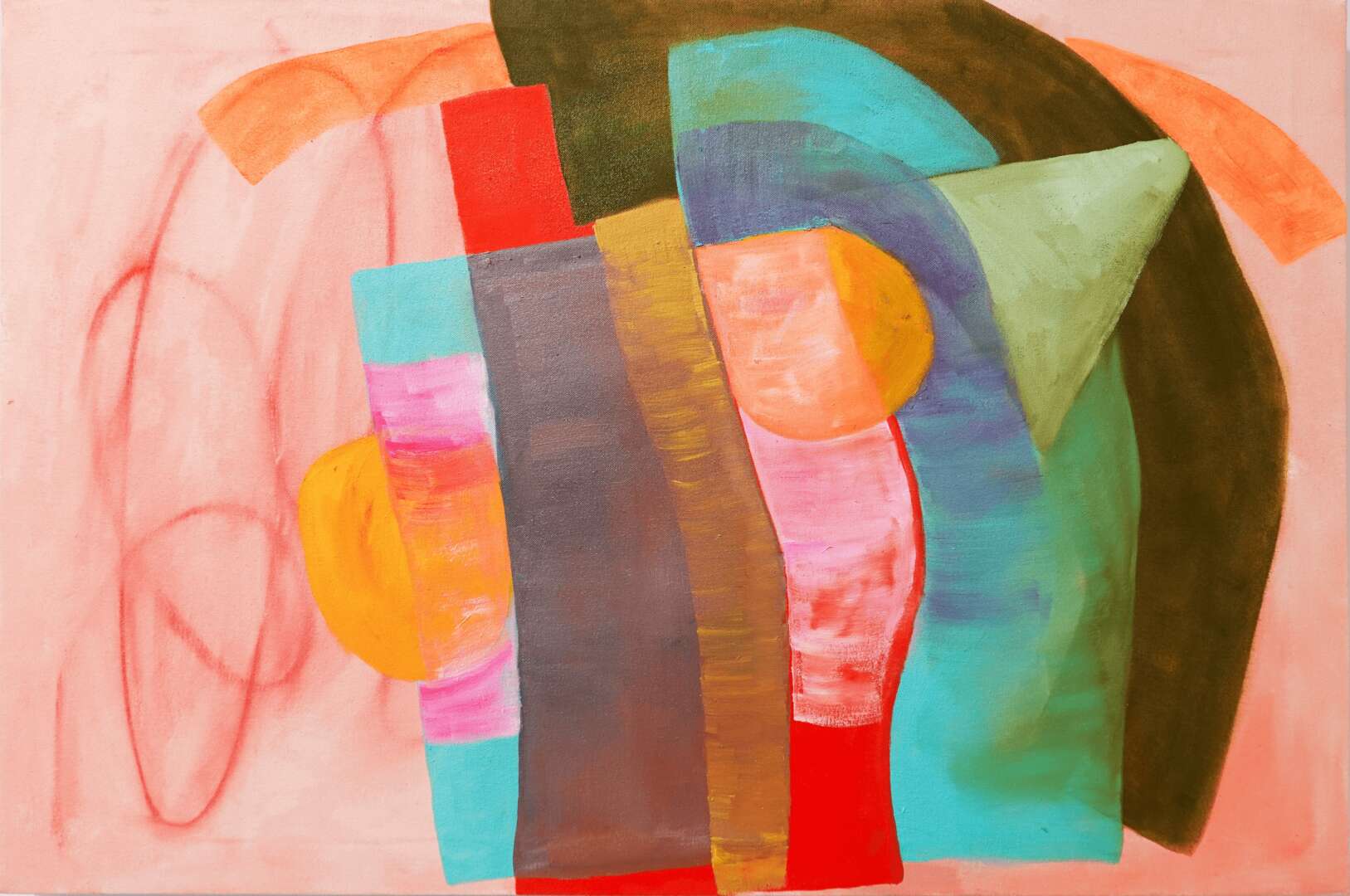
Image Credits
Ruby Leyi Yang
Jasmine Zhang