



We were lucky to catch up with Rose Thor recently and have shared our conversation below.
Hi Rose, thanks for joining us today. Are you happier as a creative? Do you sometimes think about what it would be like to just have a regular job? Can you talk to us about how you think through these emotions?
Sometimes I question my decision to pursue my creativity as a means of income. I’ve always been a multiple-job person, perhaps because I entered my working life right after the 2008 recession, and building just one reasonable income from multiple jobs & gigs was the necessity for me at the time. Finding that I could make even a small amount of money off my creative projects was both a thrill and a tease. Selling a few self-published books to friends felt so far, though, from selling to strangers and having a reliable income. Over the years, I have had a couple “regular” jobs, and I’ve been so unhappy then.
I still have a day job, but I work in a small, creative business where I feel like I have space and support to keep pursuing my own projects too.
This year (2024) has been really hard financially for so many small businesses. The thought of jumping ship from my creative profession and signing on to a more regular job where I can make consistent income, perhaps even enjoy some job benefits, has definitely been persistent. And although the idea of working regular hours, really delineating my work life and home life, a steady paycheck (and a simple tax return!) are so enticing, I ultimately always come back to: I don’t want to give up on my dream. I’m not ready to give up yet.
Great, appreciate you sharing that with us. Before we ask you to share more of your insights, can you take a moment to introduce yourself and how you got to where you are today to our readers.
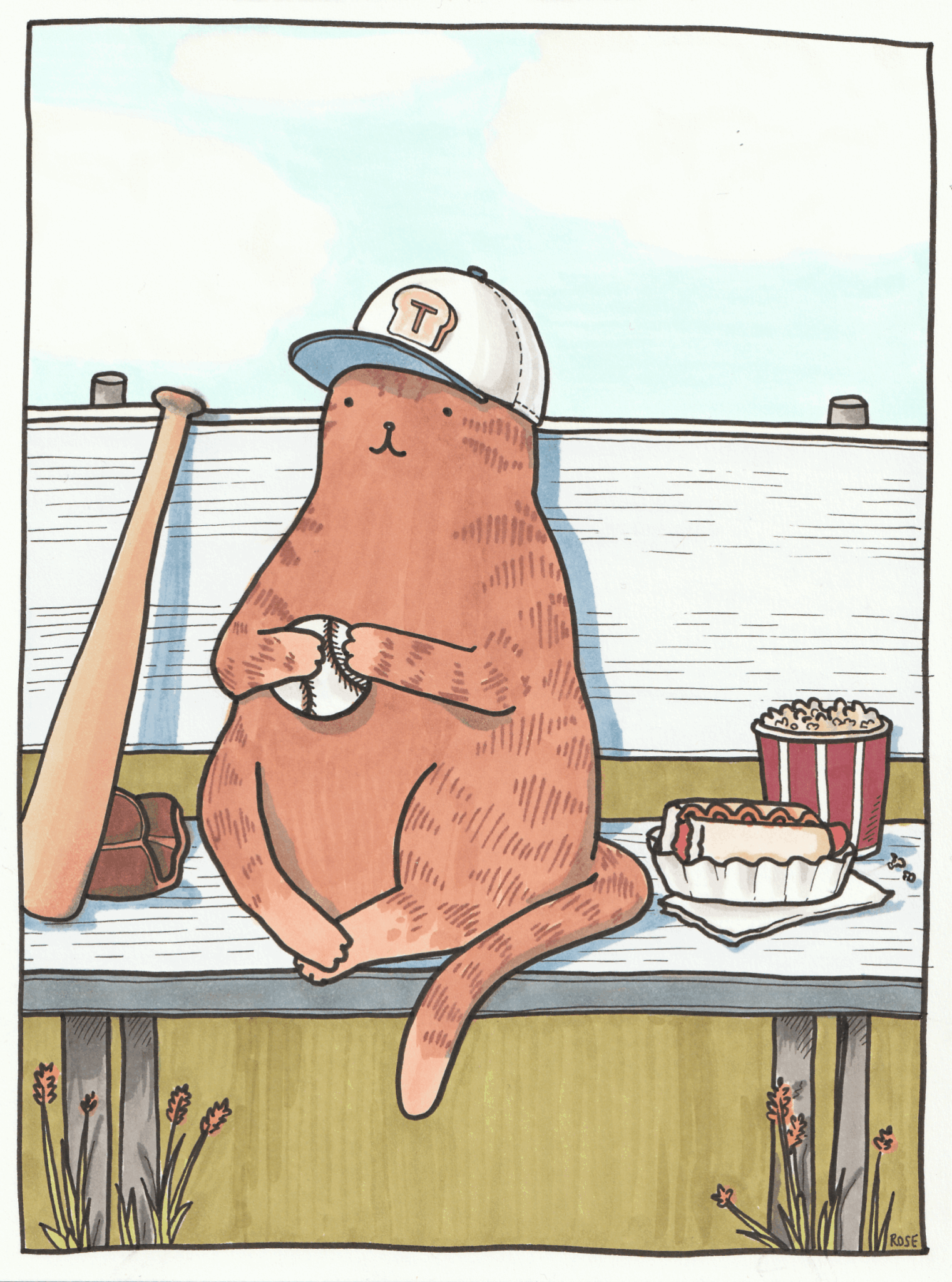
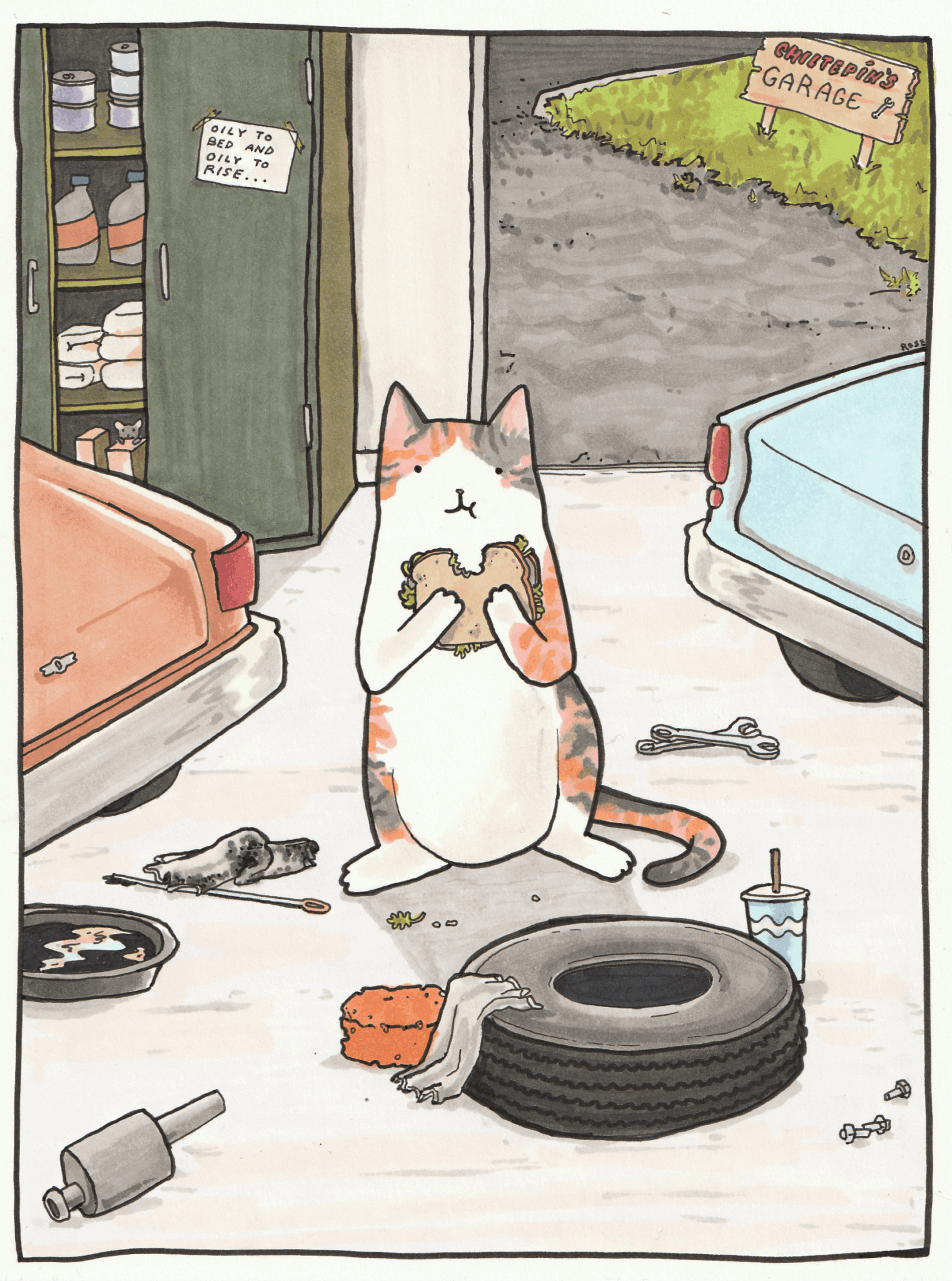
I write daily 4-panel comics featuring my household cats. Sometimes the comics are inane, observational, or funny. Other days they help me process my own fears, anxieties, and grief. My cats have fantastical lives in my imagination, one being the proprietor of an auto repair shop and another being an unskilled member of a baseball team where he is perpetually benched, but takes such simple pleasures in his surroundings that he couldn’t be bothered to be missing out on the opportunity to play. One of my cats – The Great Stromboli – is a stage magician.
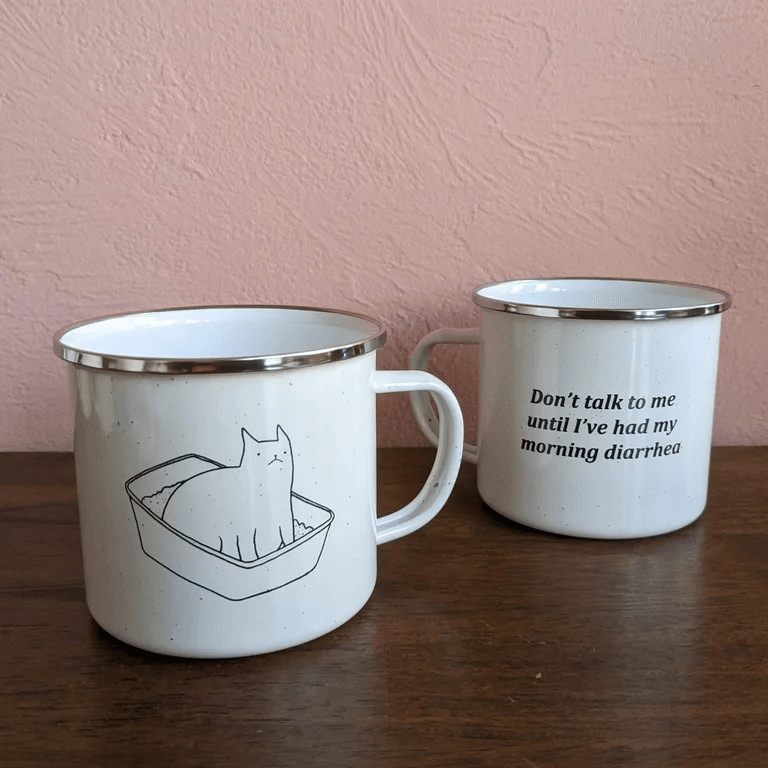
I love to sew, and a few of my products are hand-made soft goods. The star of the show is my “Trash Cats” which are cat-shaped pillows made from deadstock, upcycled or recycled fabrics, and stuffed with sewing scraps that would otherwise be headed for the landfill. They have little button faces and each one is completely unique. The first Trash Cat was made out of my personal scrap stash after working on other projects for a year or two. As soon as I sewed its face on, I fell in love and I knew I had to make more. Now, I receive scraps from friends & family who work with textiles, and instead of tossing their scraps in the garbage, they send them to me, and I turn them into soft little friends.
Another big aspect of my business is screen printed apparel. I work at a small screen printing shop, which allows me to consistently create new products while also cycling back some of my income into the business where I’m employed. The more successful my business is, the more I can support other small businesses.
I’ve also partnered with a local cat TNR (Trap-Neuter-Return) advocate, Poets Square Cats, to create merchandise specific to her work/her cats and bring awareness to the TNR resources here in Tucson. From our sales, we’ve been able to donate thousands of dollars to our local free vet clinic, which provides spay/neuter surgery, vaccinations, and medical care to community cats in our area. This work in particular has been so satisfying, because it follows my creative instinct and my obsession with cats, all the way through to a very tangible and constructive end result where we’ve made an impact in the quality of life & care for these cats and the people who look out for them.
My business doesn’t provide my full-time income, but I’m really proud of how much progress I’ve made and how hopeful I feel about my future as an artist. I am especially happy that I can make choices as a business owner that support my own values – keeping my money in the local economy, creating products from recycled materials, donating to organizations that support the community.
What can society do to ensure an environment that’s helpful to artists and creatives?
To support the creative economy, our society needs to address the very basic financial struggles that so many working people face. It’s already so difficult to afford housing, medical care, child care, food, and necessities. Even if a consumer wants to let their money speak their values, it’s often an impossible choice to make.
Government policies could help by way of grants and incentives that are accessible at small-scale for artists and creative entrepreneurs, but if we could create a more financially stable society, I think a lot of consumers would very much enjoy purchasing from small businesses, artists, and creatives even if it means spending a bit more money than they would spend on Amazon or at Target.
The same wealth inequality exists in the creative world as in the economy at large, and I think it comes with a double-standard cherry on top. Certain creatives are idolized and make millions or billions of dollars, while professional-aspiring creatives who haven’t yet “made it” are fed the story that they’ll never be successful, they’re destined to be a “starving artist” or they should just give up and get a “real job.”
What do you find most rewarding about being a creative?
On a creative level, I absolutely love making something that’s useful. For as long as I can remember, I’ve had the drive to be crafty. Drawing, sewing, embroidery, paper mache, darkroom photography – I can’t quit. As a result, I have amassed quite the collection of items which I’ve made, and thus, can never get rid of because they are special. It’s a certain burden! This has pushed me to create functional items when possible, which is so satisfying!
If a drawing is lucky, it might be hung on a wall. More often, it’s closed in a sketchbook on a bookshelf or stashed in a box with other drawings, to be dug out and admired once or twice a decade. A functional craft piece sees use, and has a purpose, and just brings me a little extra joy.
Contact Info:
- Website: https://catscapes.bigcartel.com
- Instagram: @catscapes.cats
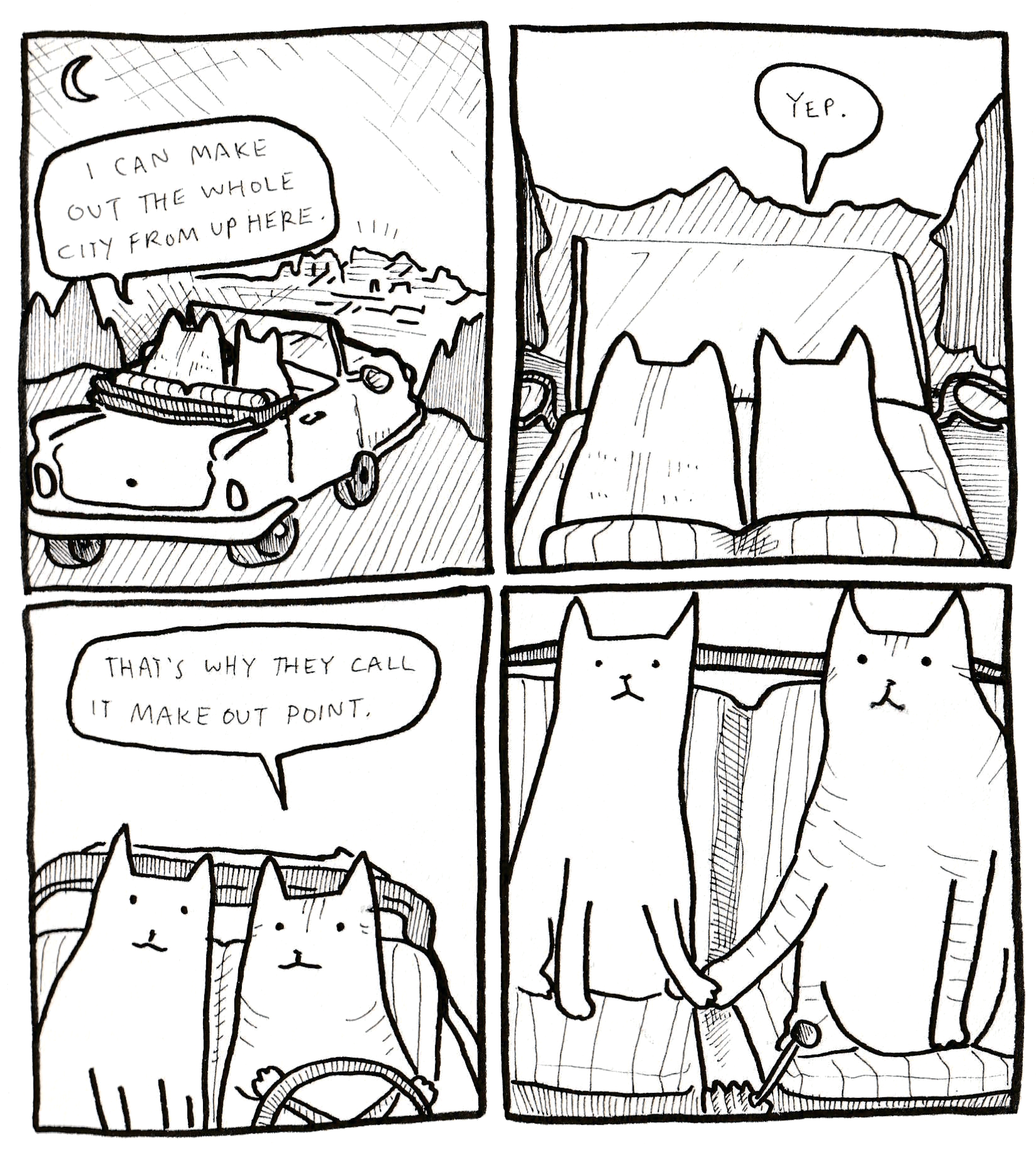
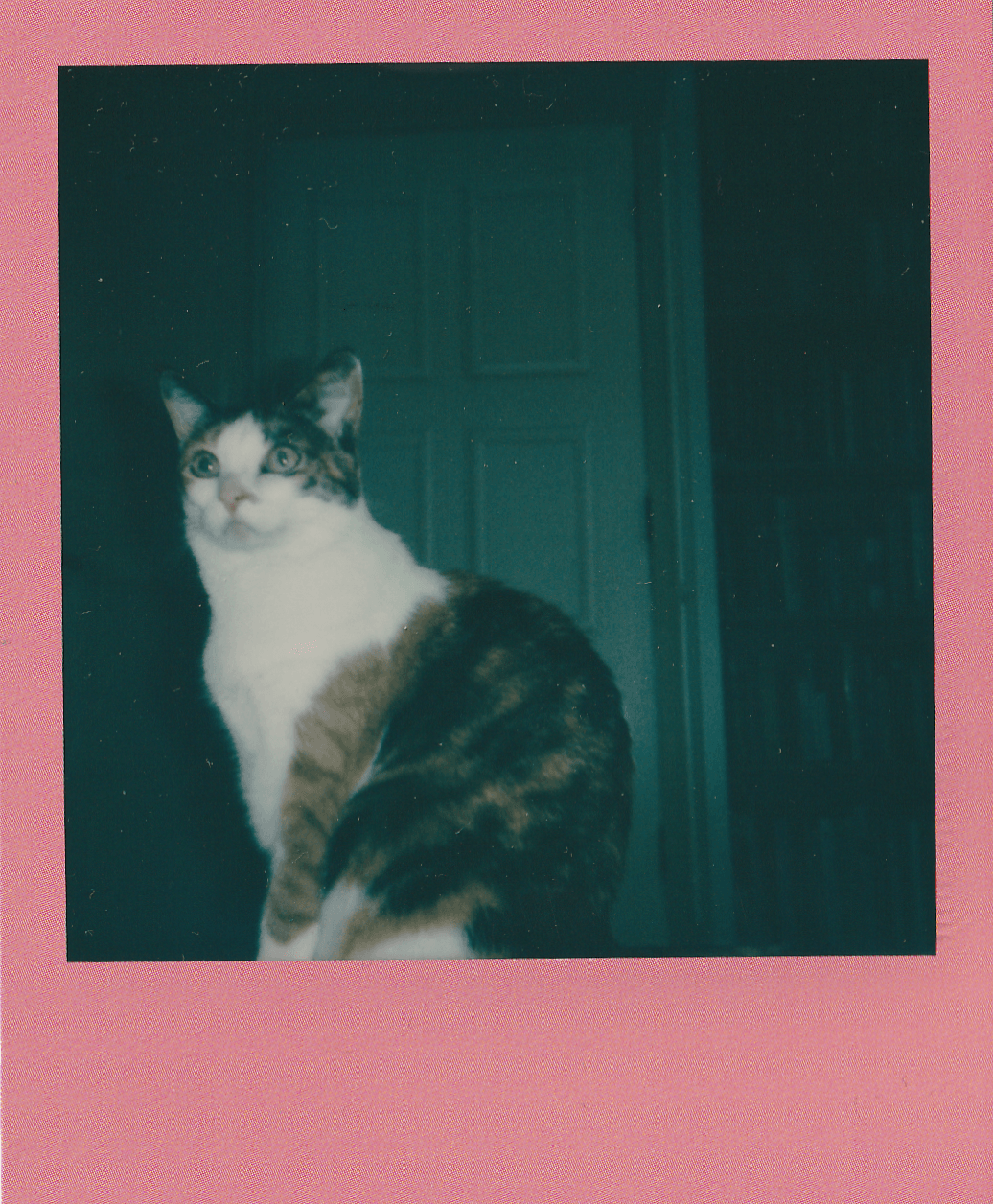
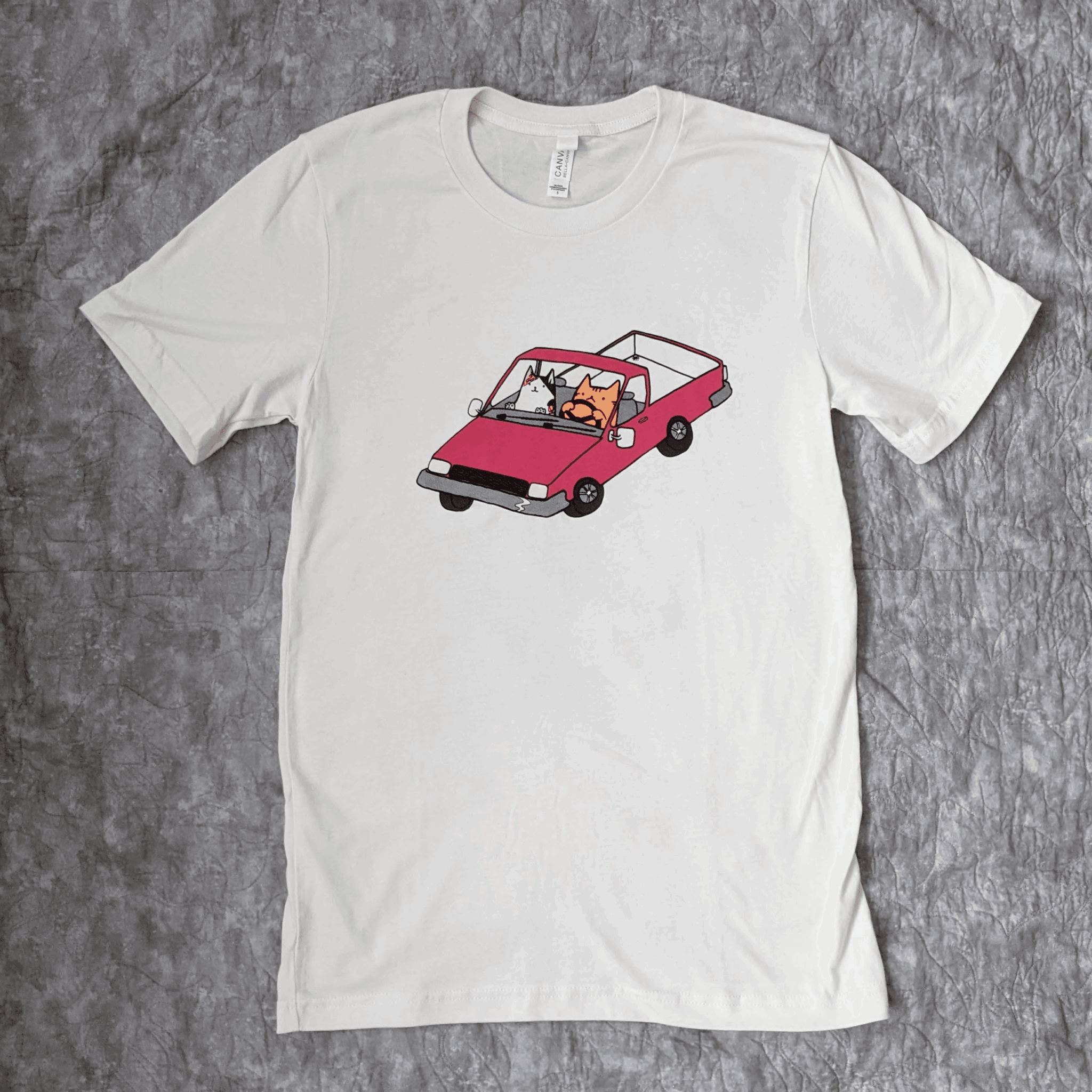
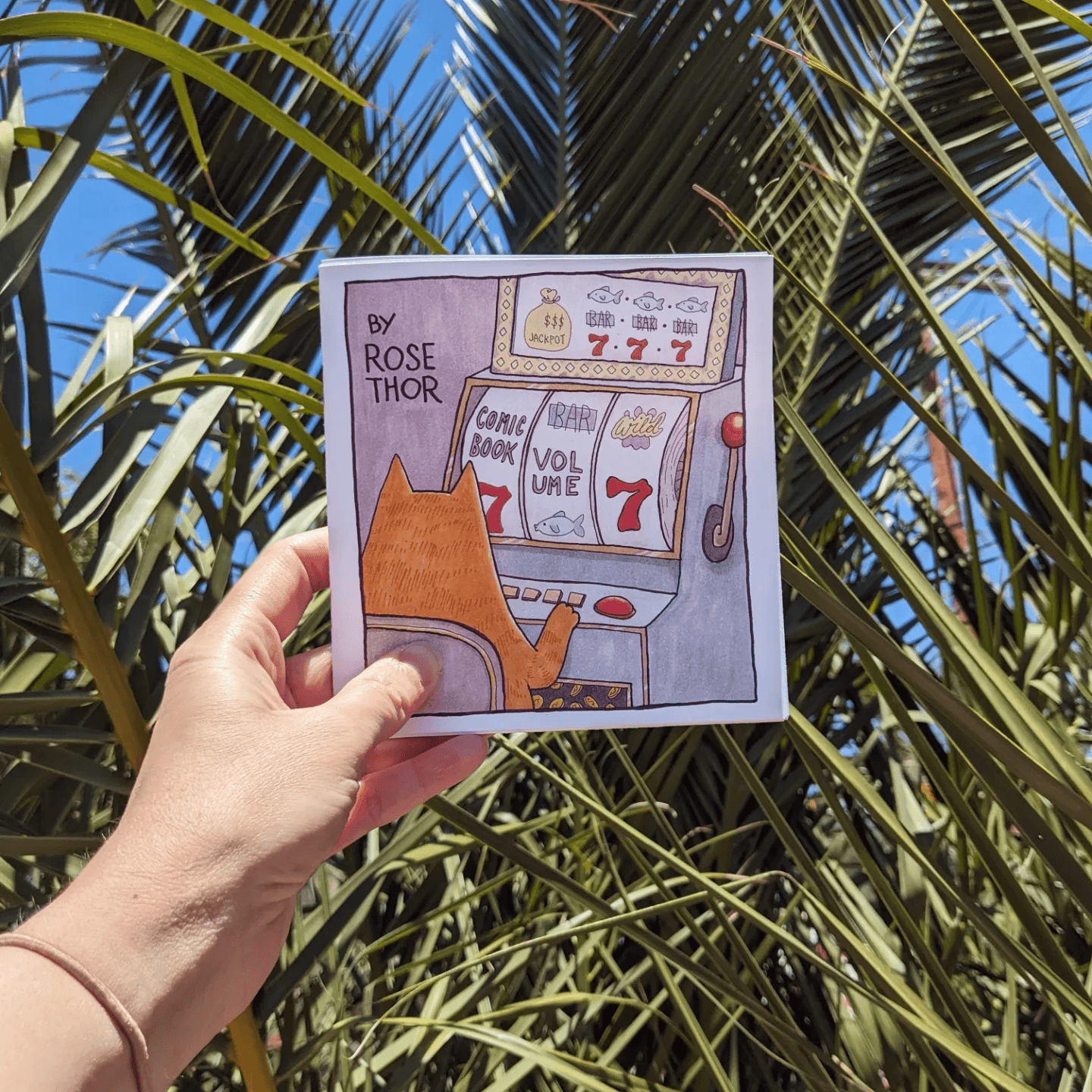
Image Credits
Ric Santora,
Rose Thor