


We’re excited to introduce you to the always interesting and insightful Rosa Leff. We hope you’ll enjoy our conversation with Rosa below.
Rosa, thanks for taking the time to share your stories with us today How did you learn to do what you do? Knowing what you know now, what could you have done to speed up your learning process? What skills do you think were most essential? What obstacles stood in the way of learning more?
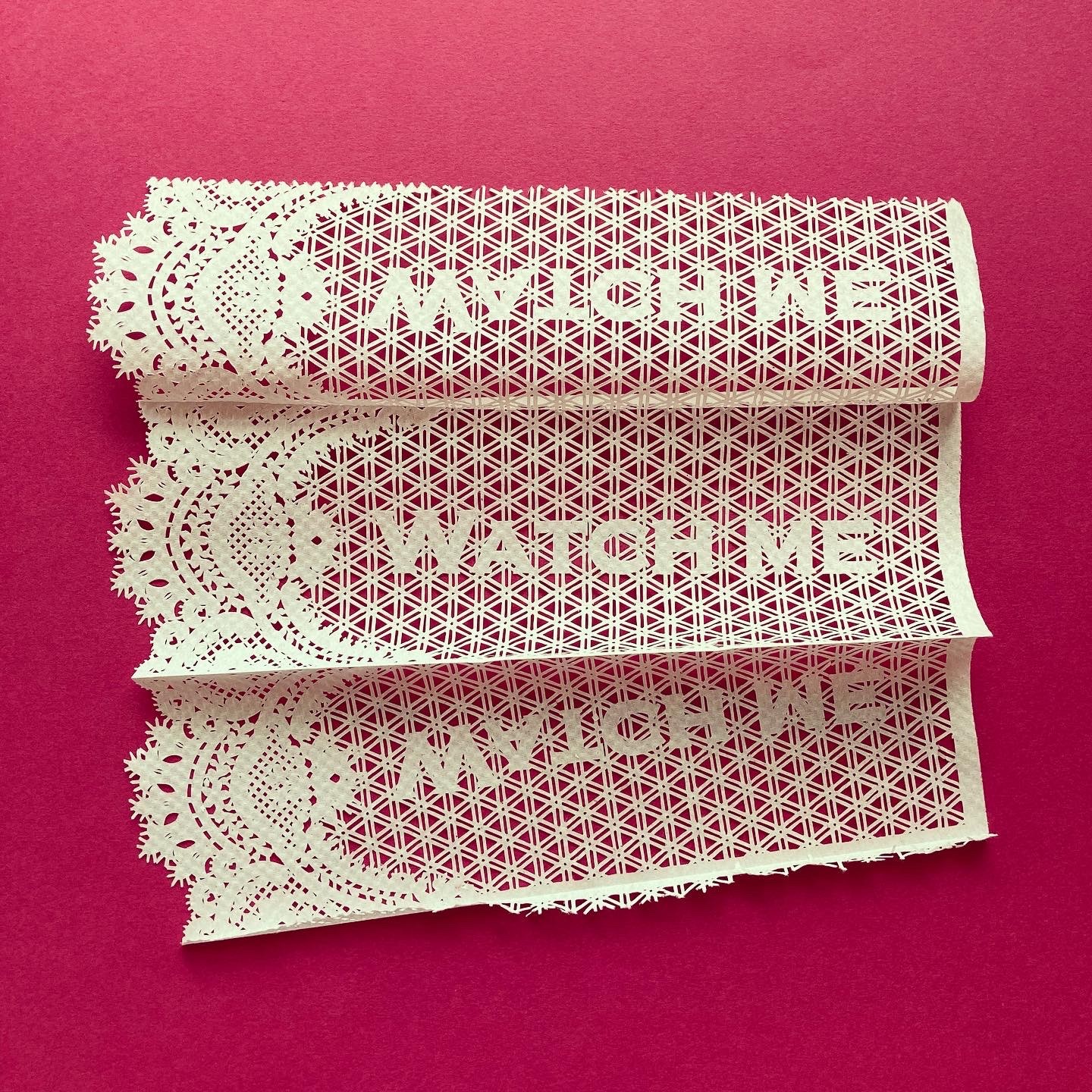
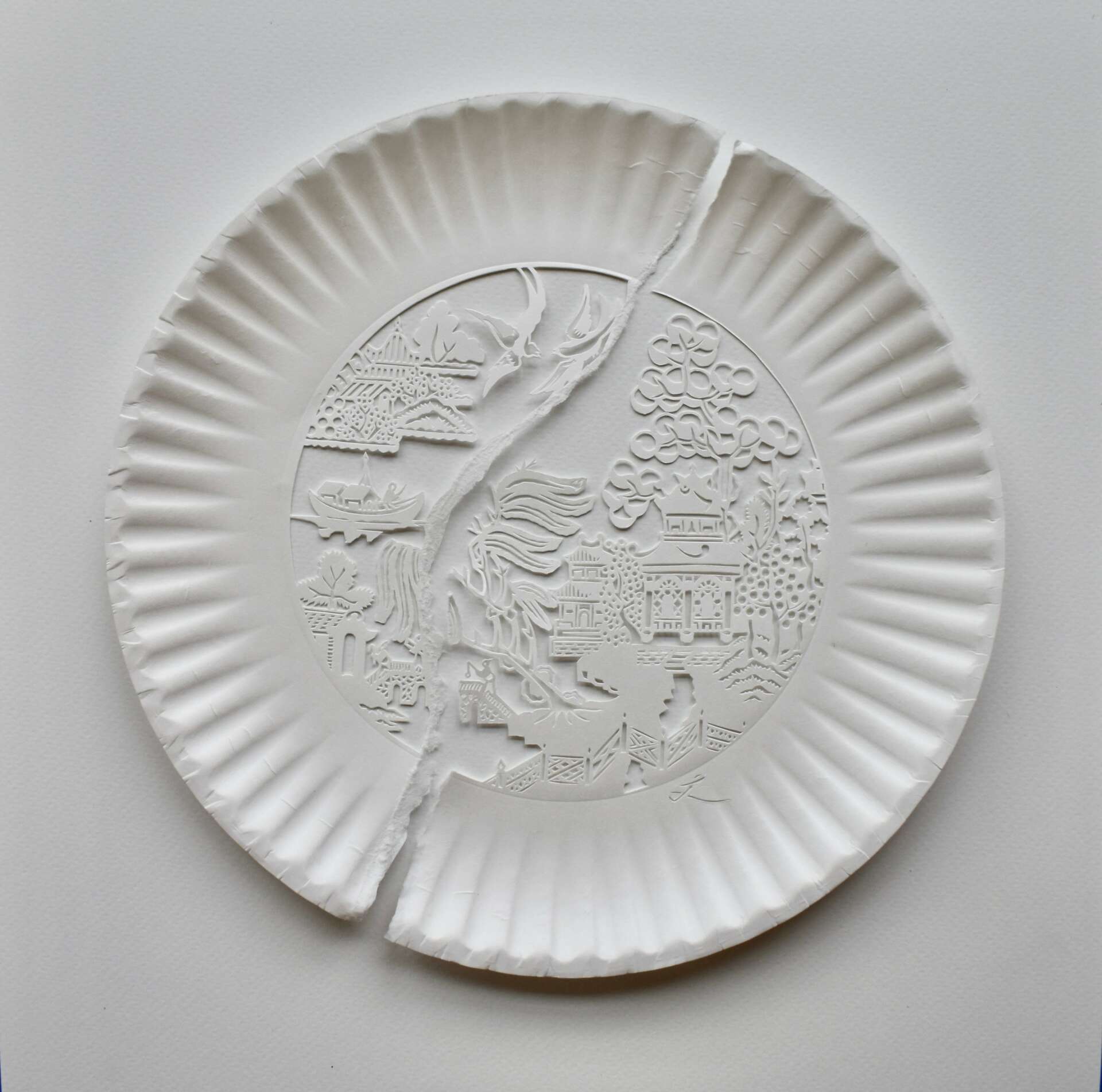
One of the things that I love about papercutting is that it’s a slow process. There’s just no way to rush it. You have to slow down and focus to do good work. Of course, that all goes out the window when I have a tight deadline! Then I wish I could power up like Mario and bang these things out!
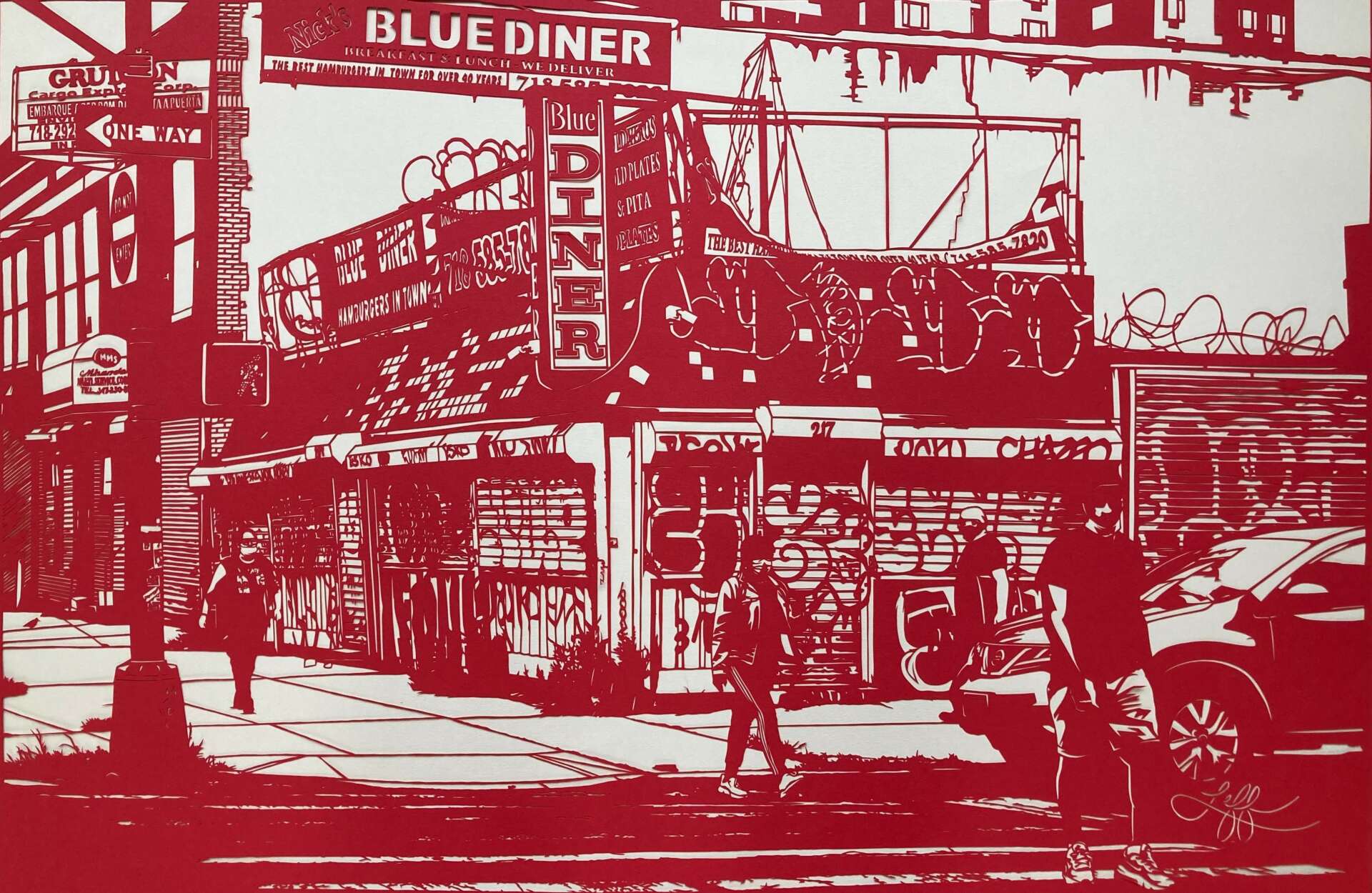
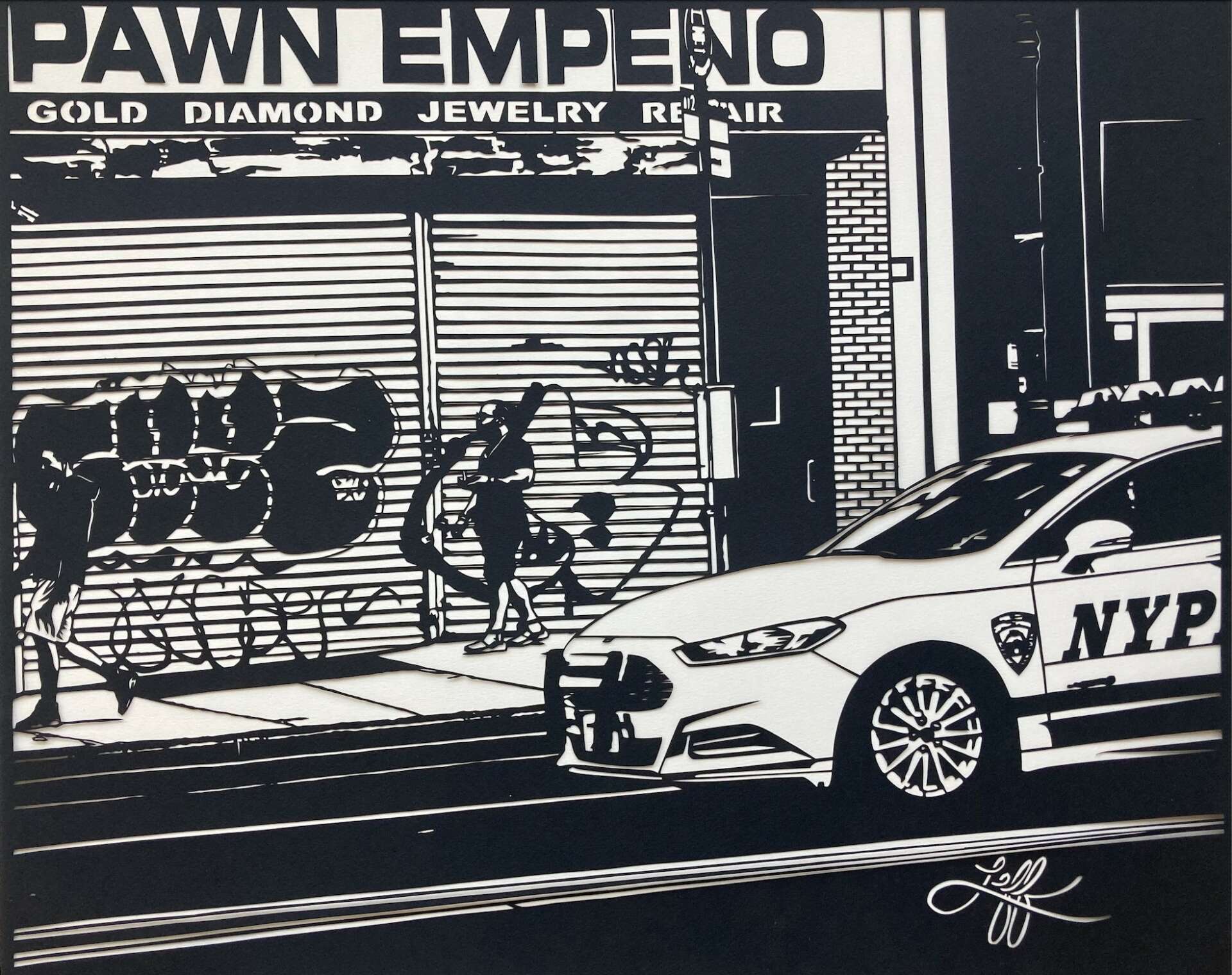
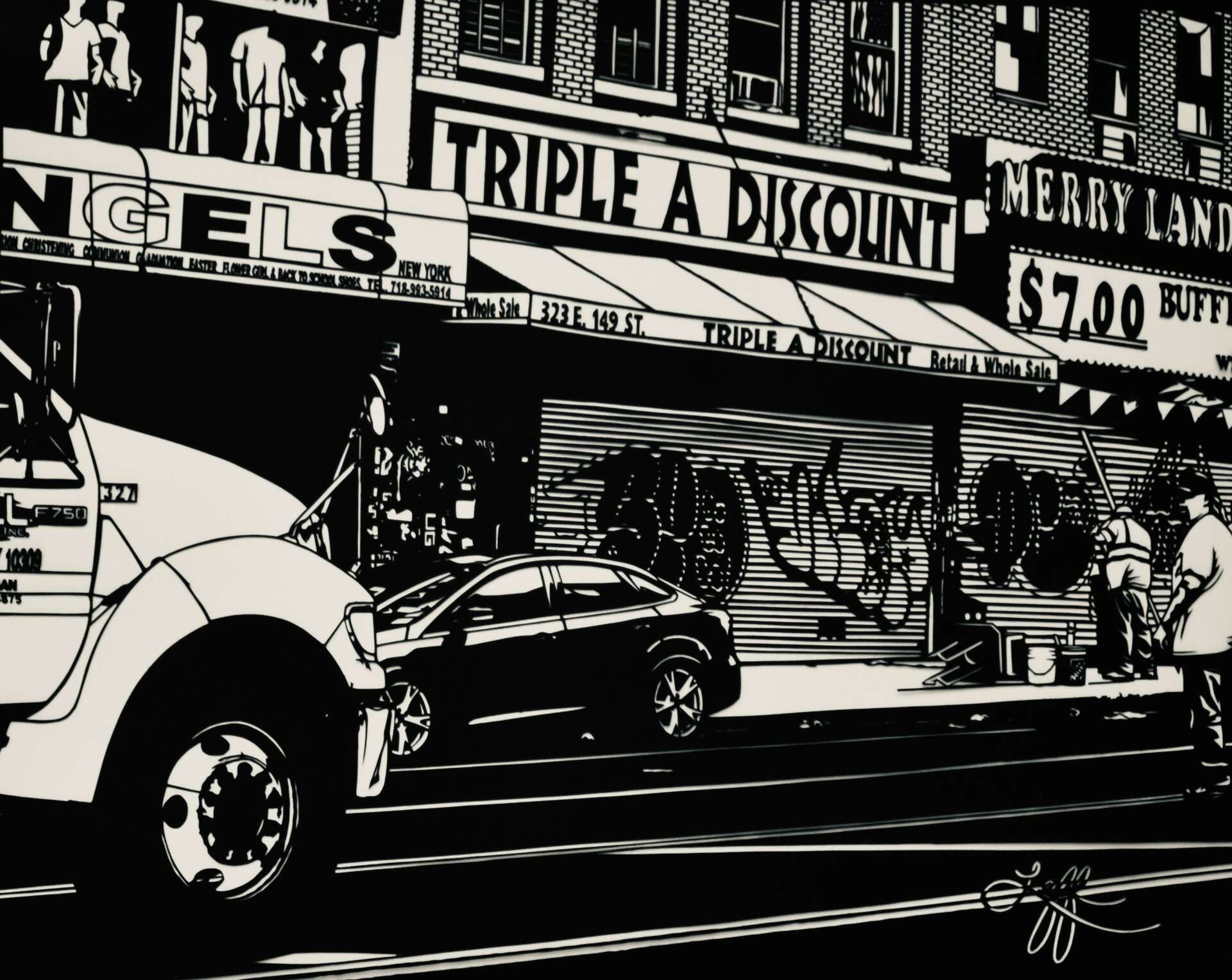
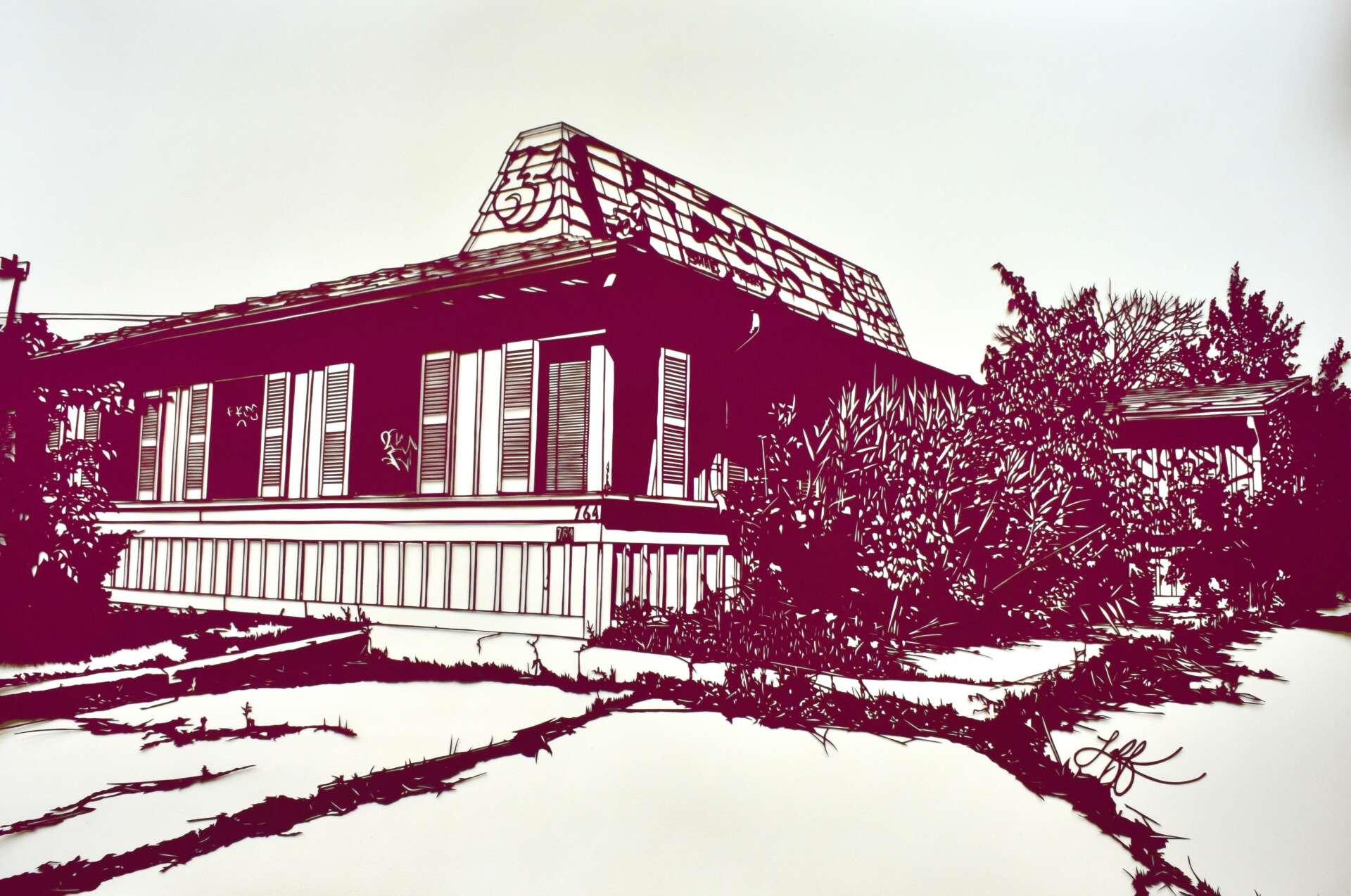
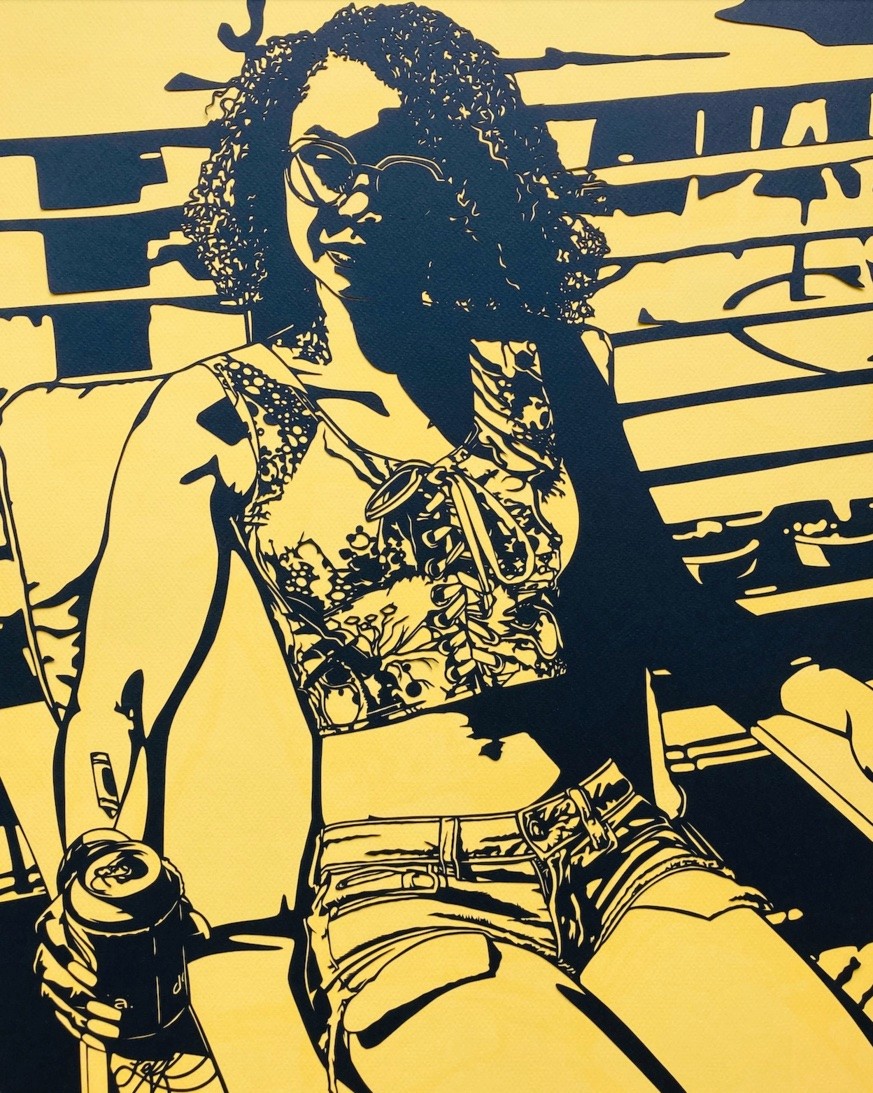
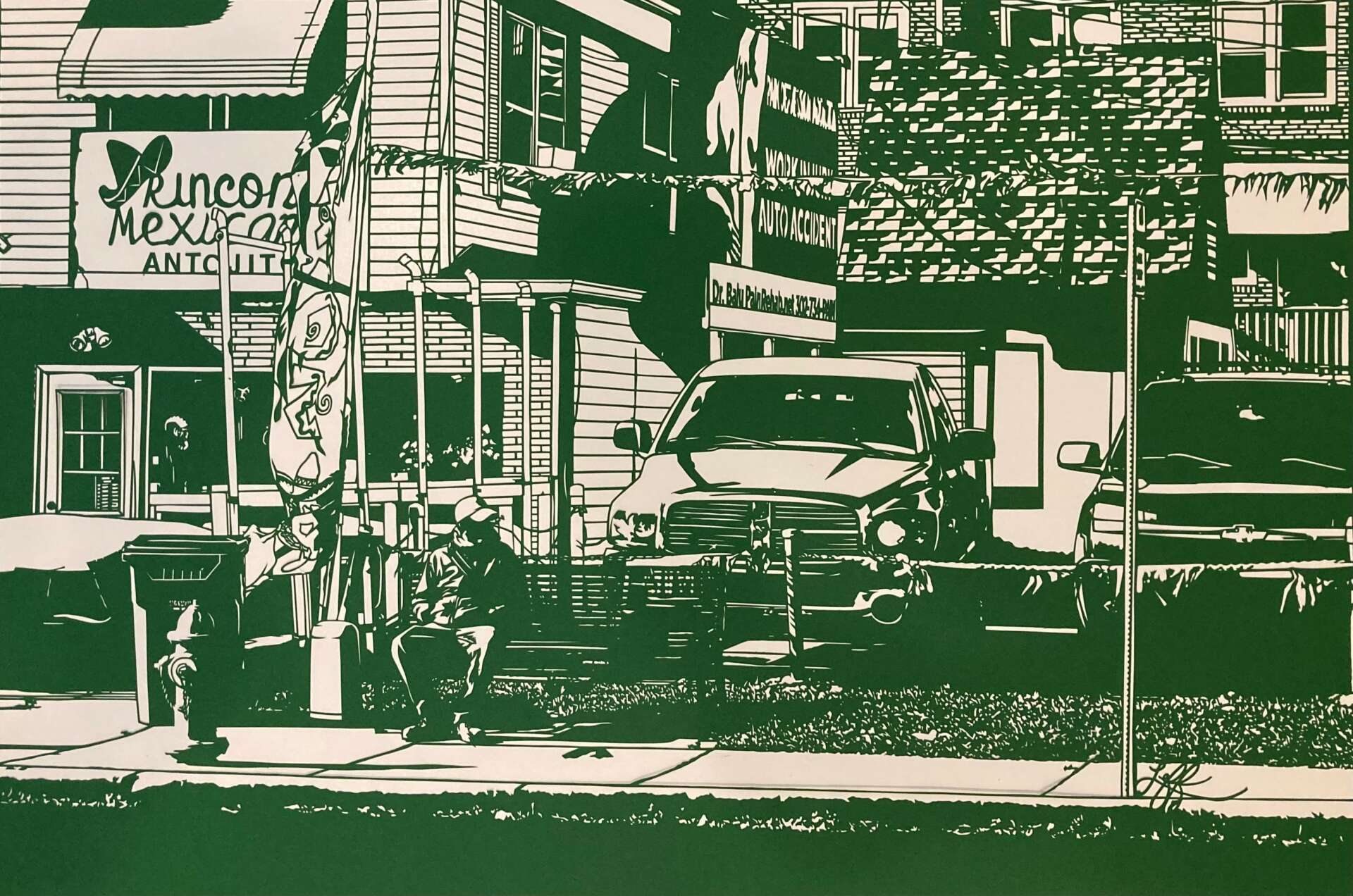
Before I started working from my original photos I learned by cutting etchings and drawings by other artists. Working from something that was strictly black and white but still complex taught me so much. I got to practice making sure everything connects. I came to understand how to achieve visual balance with just too colors. And, most importantly, I learned the limits of the medium. When I started working from my photos I had to learn to navigate the greyscale. That took time! But the eye I’ve developed is what sets my work apart.

Awesome – so before we get into the rest of our questions, can you briefly introduce yourself to our readers.
As with a lot of artists, I’ve always been an artist. I’ve always needed a creative outlet whether that was building a city out of post it notes in my mom’s office after school, reupholstering a cheap chair in college because I was broke, or taking a stone carving class just because. My first papercut is full of mistakes. The lines aren’t straight, their weight is uneven, the composition has serious design flaws, and there are pencil marks all over it. But as soon as I made it I knew I was on to something.
I began learning about what other papercuts and papercutters were out there and I came across The Guild of American Papercutters. Not long after becoming a member, I joined their board as the editor of their monthly publication, First Cut. Getting to review submissions from papercutters all over the country was like a crash course in contemporary papercutting! It was a wonderful experience, but I also realized that none of the art I was seeing reflected my lived experience. I’m a kid from the ‘hood, so while I could appreciate the fields with cows or the gorgeous traditional Polish floral designs, they didn’t feel like something I was supposed to make. After moving to the suburbs I became extremely homesick for citylife- For any city! I started looking at old pictures of my hometown and that’s how my style of urban folk art was born.
Let’s talk about resilience next – do you have a story you can share with us?
When the pandemic hit in 2020 I had already announced that I’d be leaving my day job as a kindergarten teacher at the end of the year. Managing my exhibition schedule and giving students the 110% that they deserve just felt impossible. I was leaving school early, doing my makeup in the car, and speeding down i95 to make it to exhibition openings in other states. I was drafting lesson plans and making photocopies of worksheets weeks in advance so that I could fly to China for an exhibit. It was just so clear that I couldn’t do both anymore. I assumed I’d pick up a part time job to ease the transition financially, but the lockdowns made that impossible. And honestly, that was the best thing that could have happened for my career. I was thrown into the deep end and knew that it was sink or swim. I’m eternally grateful to the collectors, curators, and arts administrators who helped me prove that being an artist doesn’t have to mean starving!
How can we best help foster a strong, supportive environment for artists and creatives?
I remember messaging everyone I know and asking them to vote for me in a competition. I got a message back from one guy that said something like “If I voted for everyone who asked I’d spend all day doing it. I just come here for the art.” I didn’t waste my time trying to win him over, but I found that response so bizarre. I can’t afford to buy work from every artist I admire. So I’m dang sure to vote for them in contests, share the things they ask me to share, attend as many of their events as possible, and leave encouraging compliments on their posts!
Every artist I know has a love/hate relationship with social media. It can feel so time consuming, but I’ve made so many wonderful connections and friends through it. I’ve gotten compliments that make me smile when I’m working late in my studio and would rather be sleeping. Of course I love it when someone invests in one of my papercuts. But seeing someone share my work in their stories (with credit!) can really make my day too. Spreading the word has a ripple effect. I’m currently working on a book project. When the author approached me about it she couldn’t remember how she’d first come across my stuff. So share the work of people you admire! Root for them! Go see art in person and take a friend!
Contact Info:
- Website: https://www.rosaleff.com/
- Instagram: https://www.instagram.com/rosaleff/
- Youtube: https://youtu.be/bjJNBgiqmJE
Image Credits
All photos by Rosa Leff.