
We recently connected with Rory Mcharg and have shared our conversation below.
Rory, looking forward to hearing all of your stories today. Can you talk to us about a project that’s meant a lot to you?
The most meaningful projects you work on are often the one’s that adversely affect you, or leave an experiential foot print on your lives and the lives of those who are involved in the project. These projects just spur you to do more in a similar vein.
The most meaningful in recent history was my film “A Two Hearted Tale” a documentary exploring the art of an infamous beer label by an eccentric Kalamazoo artist in the twilight of his career, the challenge was to use a seemingly mundane subject like a beer label; something with a mild cult following, as an entry point that would open a window revealing a complex human experience. The artist was a fly fisherman, like my father (who had passed a few years ago). While his ethos and approach was nothing like my father, his ‘shaman’ like nature was captivating and helped me better understand my own father indirectly.
What emerged was really a story of fatherhood and organic friendships intertwined a with deep respect for nature. The film, as a piece of storytelling allowed audiences and myself to connect with a world that harked back to a simpler time. Peeling back layers of humanity and purpose and all the things we care about – all inspired by a trout illustration on beer label.

As always, we appreciate you sharing your insights and we’ve got a few more questions for you, but before we get to all of that can you take a minute to introduce yourself and give our readers some of your back background and context?
When I was about 9 I hand carved the logo to my favorite Heavy Metal band into the wood of our tree house with such great accuracy, at that moment I realized how much a typeface could speak with emotional resonance, how much personality it could have. This was the early formation of my creative ethos that lies at this intersection; give people new experiences and deliver it with exceptional craft. Know the audience. Understand the culture. Practice free will storytelling.
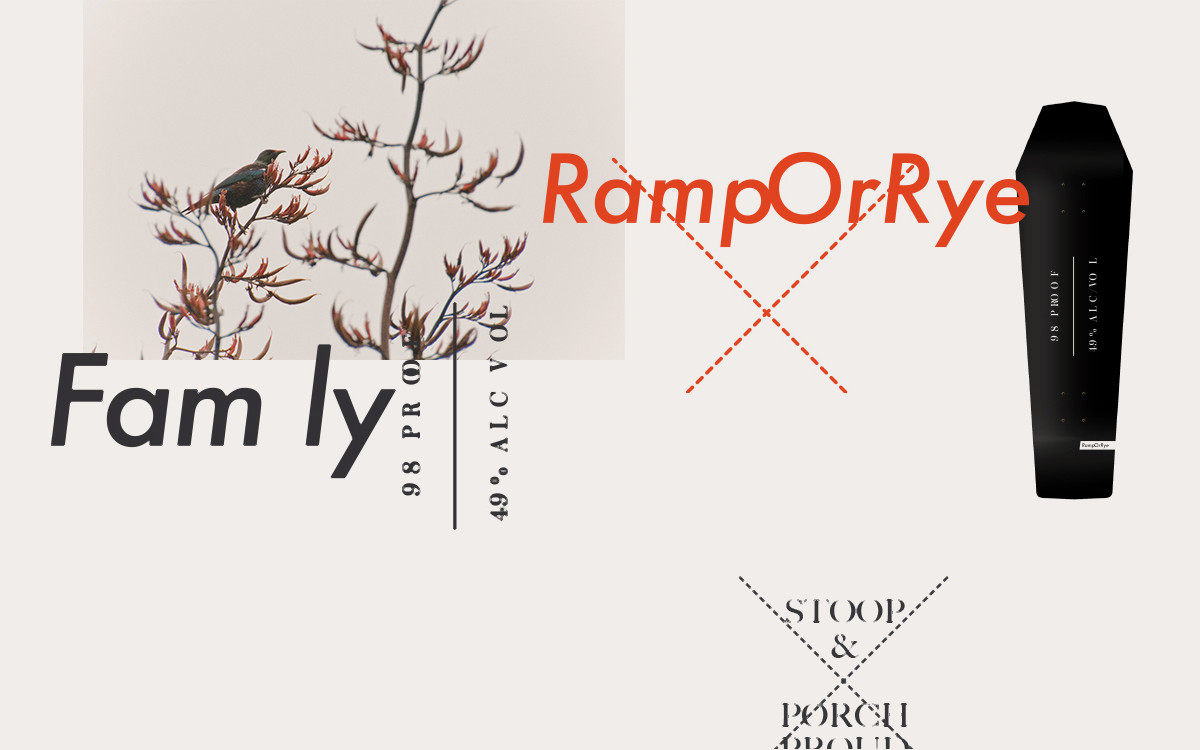
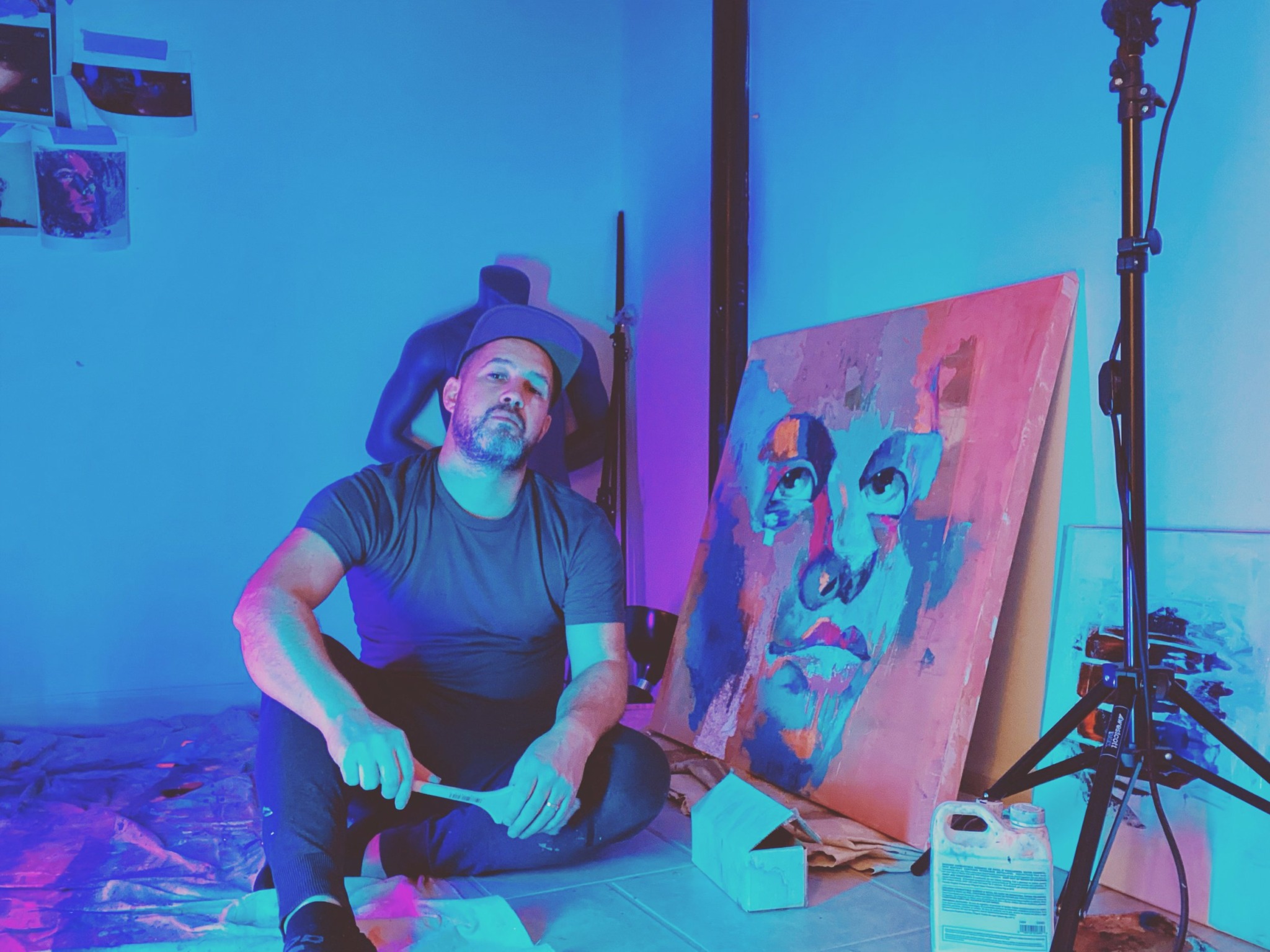
I studied design, graphic and motion at Victoria University in New Zealand, before forming on a small design shop with some fellow graduates, then I moved to London, UK, and eventually to New York City for a decade, and now Detroit where I ‘practice’ film making, from documentaries, to commercials to all sort of formats. I created the brand RampOrRye as a wearable expression of creative statements, I paint under the pseudonym of @r.k.M.x.x and exhibit those works.
I’ve always been interested in the fringes of society, stories and people who live slightly out of the confines. My strength lies in recognizing the big picture narrative and then fusing that data with technology and design-led storytelling. Above all else, I believe in the tenants of story, where the journey of the characters (consumer or audience) is what compels action. That’s the DNA of all good content. As a guide (I prefer this to leader) I am fierce about collaboration and hope to be as vulnerable as my most junior team member. I believe empathy is the greatest showmanship of courage and trust.
For the past 20 years I’ve been working with global entertainment brands I admire, pushing them to create deeper, more meaningful stories transcending beyond the products and services they provide, making social impact the key driver of action.
Most of my work really exists in the this cruel world of art meeting commerce. I am overwhelmingly fascinated by the convergence of art, commerce and how we experience it with purpose. Their co-existence is vital to a conscious world—one where our versatility and differences make us stronger.
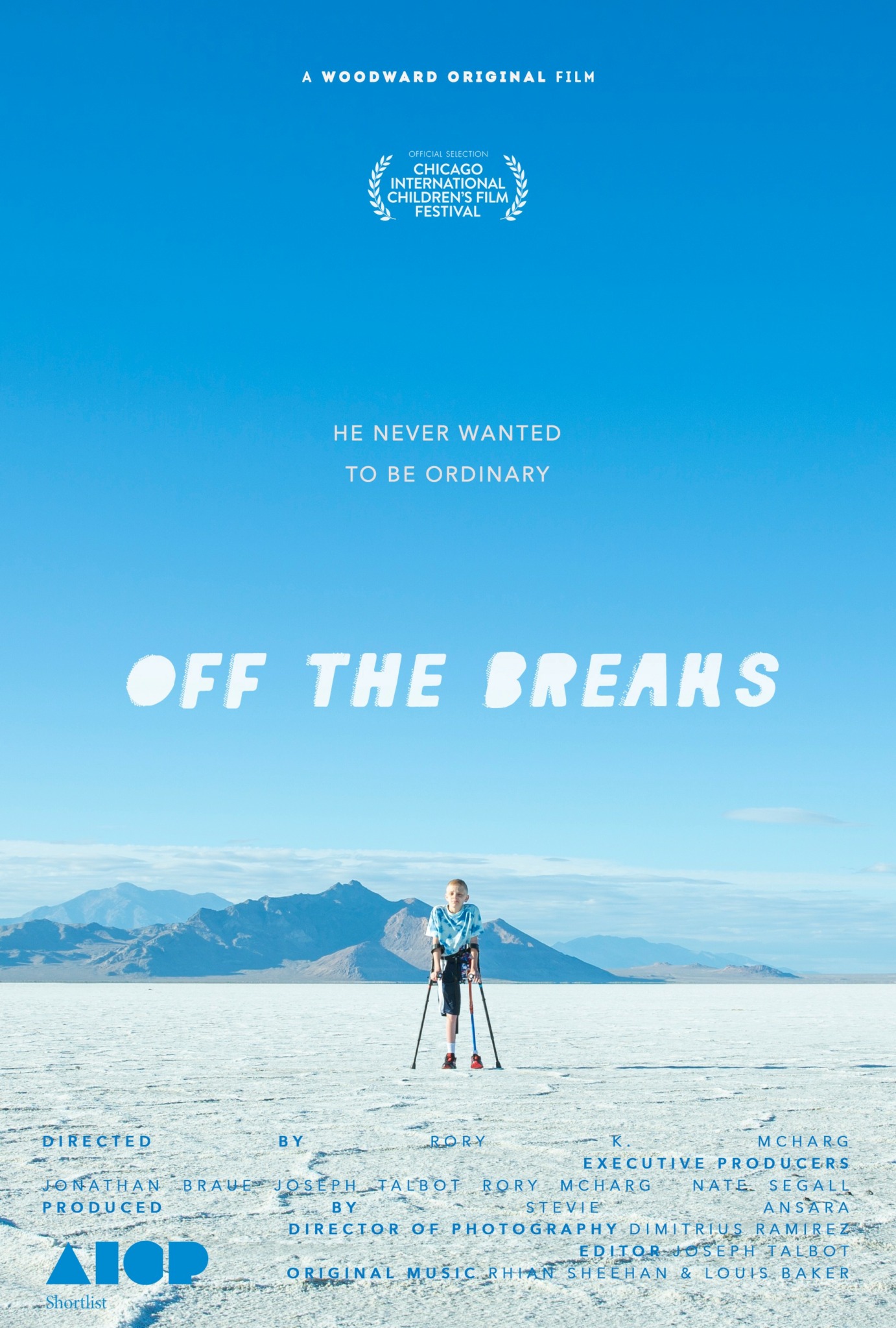
Is there something you think non-creatives will struggle to understand about your journey as a creative? Maybe you can provide some insight – you never know who might benefit from the enlightenment.
Creativity is personal. Which is very hard to manifest in the ‘corporate’ structure. When someone creates it is part of them, they are connected to it, it is their self expression – even if it is in service of brand or client. And many non-creatives don’t get that, which is why they say “don’t take it personally”, when it’s not personal. It’s a skill to learn and hone that when creativity is questioned or critiqued the creator is not taking it to heart.
Young creatives don’t have this foresight, they are pouring their style and heart into making/creating something to express themselves or a brand – they believe what they are doing is different and unique. So its to be said don’t be too precious in creating for something or someone else, because ideas live and die very fast, but never forget the ones that go in the ‘graveyard’ because you can always resurrect them for another purpose.
So be humble, practice empathy in your feedback it will inspire more thought and better creation.
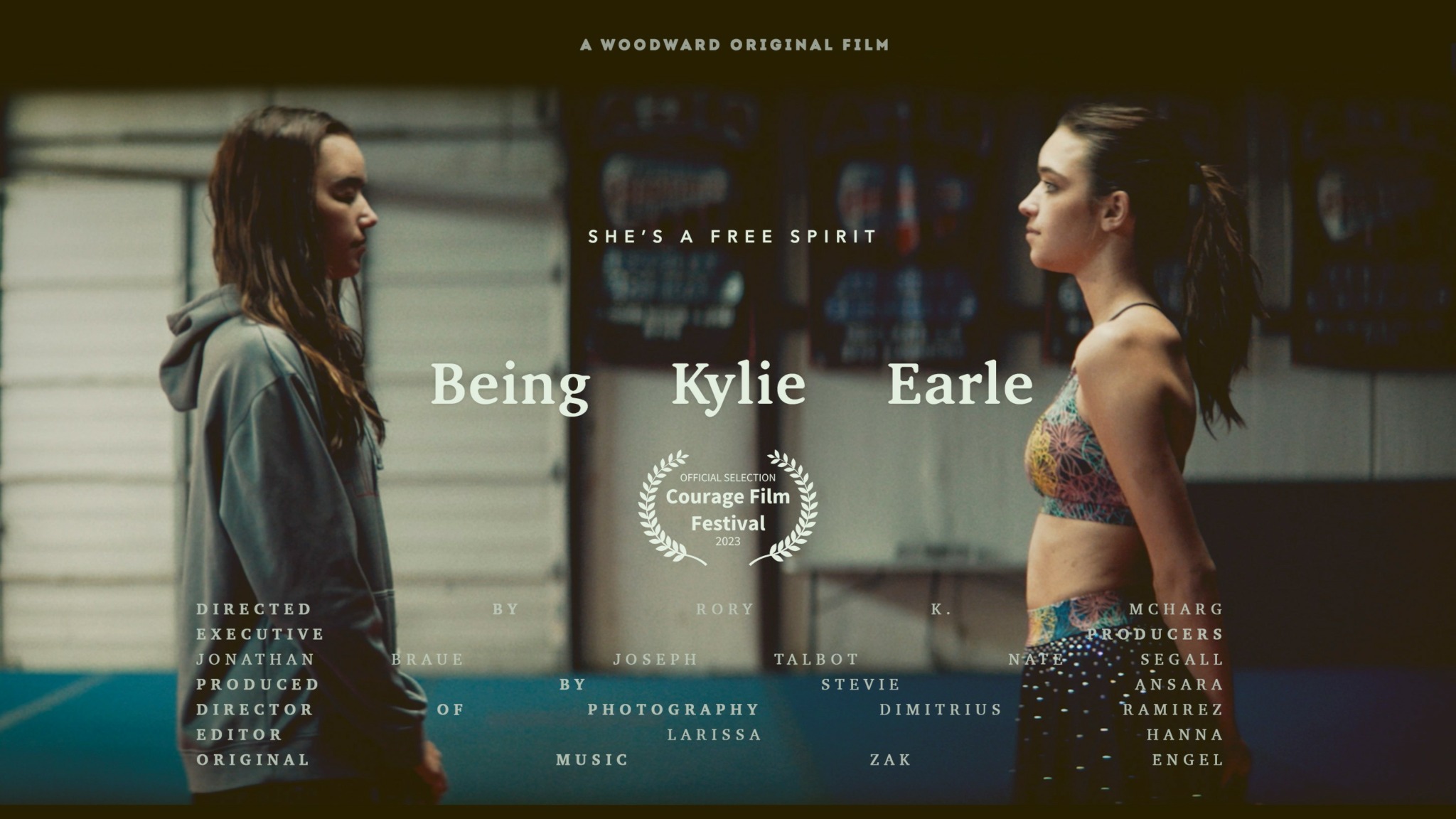
What’s a lesson you had to unlearn and what’s the backstory?
This was simple, you can’t do everything yourself. We are taught in school and graded on our own personal progress, we are pitted against the rest of the class to preform – get grades. We are judged individually all the way until we get our first jobs and then expected to start collaborating in a team of specialists roles. This is especially true for creatives, we are trying to master a multi-faceted skill set, so I had unlearn that I need to create everything myself and surround myself with other creators with different refined skills to help achieve the vision. The idea and execution of the vision is the most important, so build a team of makers around you to achieve that goal.
Contact Info:
- Website: https://www.rkmxx.info
- Instagram: r.k.m.x.x
- Linkedin: https://www.linkedin.com/in/rory-k-mcharg-01aa031/