

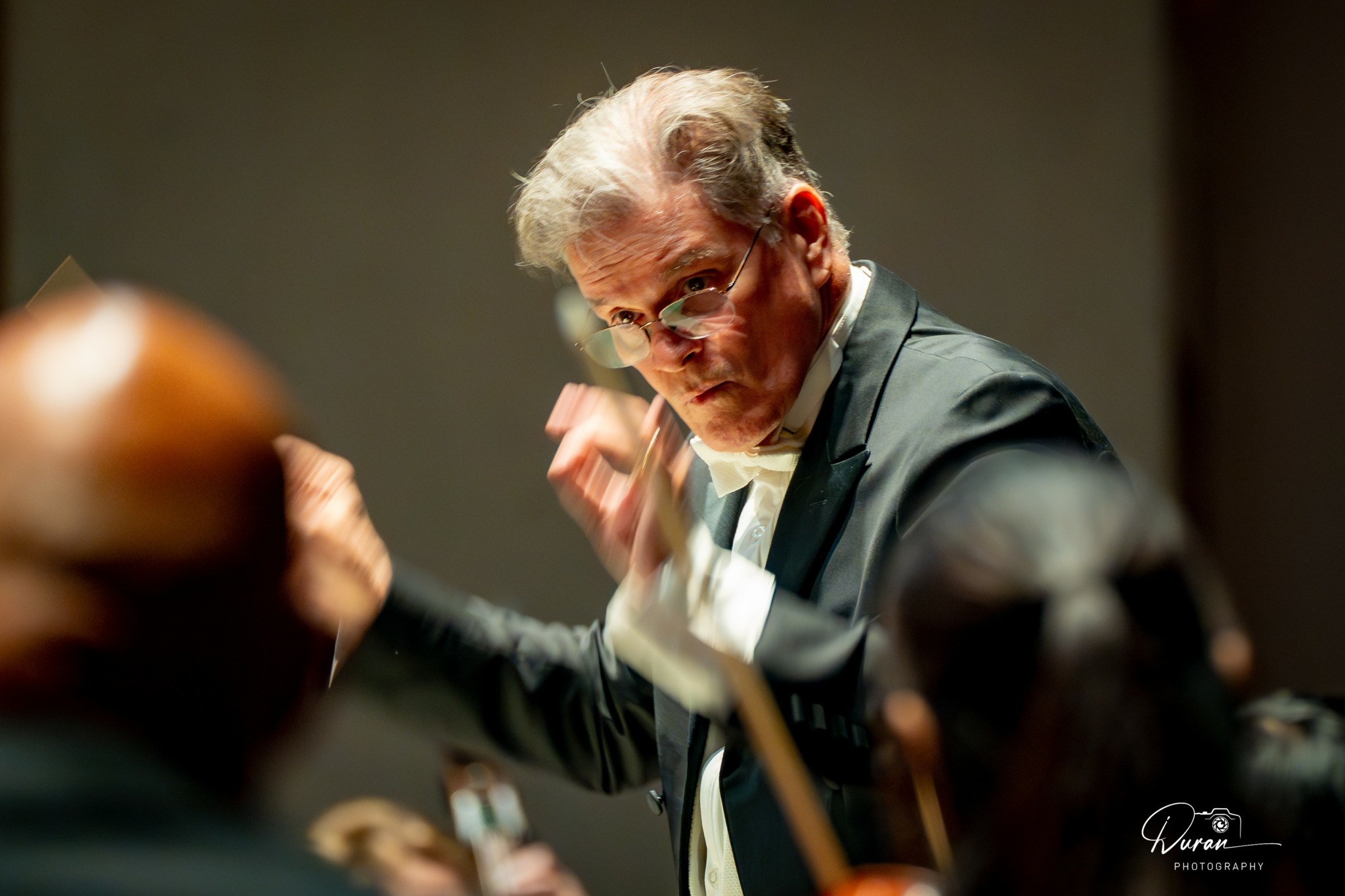

We’re excited to introduce you to the always interesting and insightful Ronnie Sanders. We hope you’ll enjoy our conversation with Ronnie below.
Alright, Ronnie thanks for taking the time to share your stories and insights with us today. What was one of the most important lessons you learned in school? Why did that lesson stick with you?
My love for music began long before I ever stepped onto a stage or into a classroom. When I was in fourth grade at Arnold Elementary School in San Antonio, Texas, my class took a field trip downtown to hear the San Antonio Symphony perform. Although I didn’t realize it at the time, that experience would become one of the earliest sparks in a lifelong musical journey.
Music was already woven into the fabric of my family. My grandfather, Kooksie Gomez Teniente, was an orchestra conductor in San Antonio, and the appreciation of music was a natural part of our household. Growing up surrounded by musical influences gave me an early respect for the power of performance and artistic expression.
As a teenager, my interest in symphonic music deepened. One day, I came across a special promotional recording featuring the renowned Italian conductor Arturo Toscanini leading Beethoven’s Sixth Symphony, commonly known as the “Pastoral Symphony.” For the modest price of one dollar, I purchased the album and eagerly brought it home. After placing the record on my turntable, I listened from beginning to end—and then listened again. Before long, I found myself playing it repeatedly, captivated by every note.
The rich sound of the strings, brass, woodwinds, and percussion completely captured my imagination. I was fascinated to learn that Beethoven incorporated bird calls into the composition, painting musical scenes of nature and giving the symphony its pastoral character. That recording opened my ears to the artistry, emotion, and storytelling that symphonic music could convey. Looking back, it was my true introduction to the world of orchestral performance.
During high school, my mother strongly encouraged me to take guitar lessons—although “encouraged” may be a generous description, as declining was never really an option! At Thomas Jefferson High School in San Antonio, I balanced my interests between athletics and music. I played football while also becoming involved in the school choir, discovering that my passion for music continued to grow with every performance and rehearsal.
After graduating, I decided to pursue music professionally by earning a degree in music education. Along the way, I worked in several churches throughout Texas, gaining valuable experience as both a musician and educator. My academic journey eventually led me to earn both a master’s degree and a doctorate in music education, achievements that strengthened my commitment to teaching and inspiring future generations of musicians.
Today, I have the privilege of sharing my passion with students every day. Next year, I will begin my 21st year as the choir director at my alma mater, Thomas Jefferson High School. It is especially meaningful to teach in the same halls where my own musical journey took shape. From a curious fourth grader attending a symphony concert to an educator helping young musicians discover their voices, music has remained the constant soundtrack of my life. Each year brings new students, new performances, and new memories, and I continue to find joy in watching young people experience the same excitement and wonder that first inspired me so many years ago.
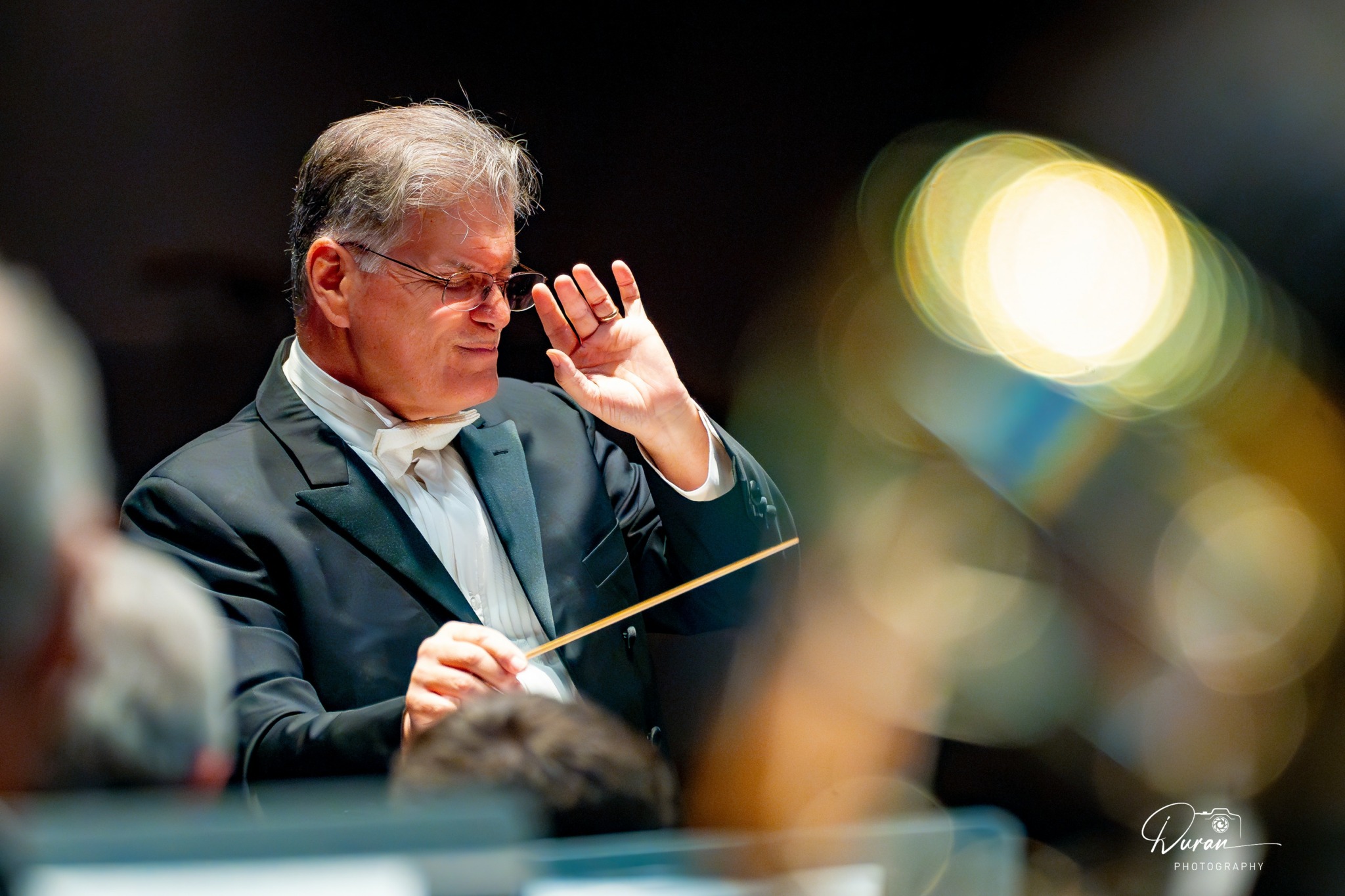
Ronnie, before we move on to more of these sorts of questions, can you take some time to bring our readers up to speed on you and what you do?
One of the biggest challenges I face is maintaining a healthy balance between my family responsibilities, career, and personal interests. Each area is important to me, and finding the right balance requires careful planning, flexibility, and strong time-management skills.
In my professional life, I am committed to giving my best effort and delivering quality results. At the same time, I value the time I spend with my family and recognize the importance of being present and engaged in their lives. Balancing these priorities can sometimes be challenging, especially when work demands increase or unexpected situations arise.
I have learned that staying organized, setting realistic priorities, and maintaining open communication are key to managing these responsibilities successfully. While achieving perfect balance every day is not always possible, I strive to create a routine that allows me to grow professionally, support my family, and still make time for personal interests that help me stay motivated, energized, and well-rounded.
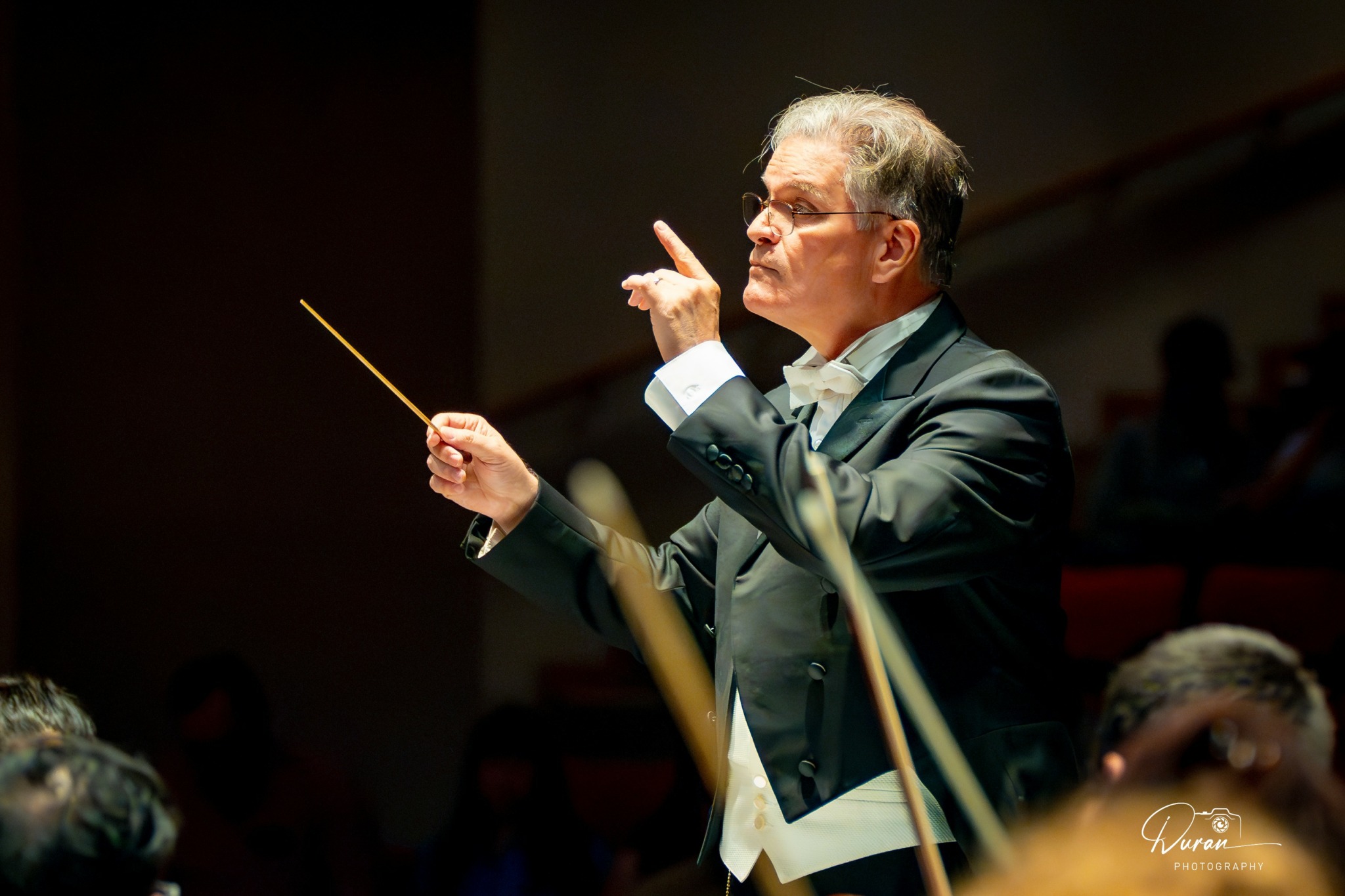
For you, what’s the most rewarding aspect of being a creative?
One of the most rewarding challenges I’ve taken on began in 2017 when I decided to create a new, all-volunteer orchestra. My original vision was modest: if I could gather 15 to 30 musicians, I figured we could put together a small community ensemble with a handful of violins, a few woodwinds, and maybe a brass section or two. With that goal in mind, I launched the South Texas Symphonic Orchestra and opened auditions to anyone with a musical background who wanted the opportunity to perform.
What happened next exceeded every expectation I had. At our very first rehearsal in October 2017, 62 auditioned musicians walked through the doors. I remember looking around the room and thinking, “What have I started?” Not only had people shown up, but the caliber of musicianship was remarkable. Many of the performers were playing at a college or professional level, bringing an energy, commitment, and talent that transformed the orchestra into something far greater than I had imagined.
Since then, the South Texas Symphonic Orchestra has remained dedicated to making live symphonic music accessible to everyone. We present concerts that are free and open to the public, removing barriers that often prevent people from experiencing the arts. A large part of our mission is reaching underrepresented and underserved audiences throughout Bexar County, creating opportunities for communities to enjoy high-quality musical performances regardless of their circumstances.
What makes me most proud is seeing how music brings people together. The orchestra is powered entirely by volunteers who generously share their time and talent for the benefit of others. Watching audiences experience a live orchestra—sometimes for the very first time—reminds me why this effort matters. What began as a small idea has grown into a vibrant community organization that continues to enrich lives, foster connections, and demonstrate the power of the arts to inspire and unite people.
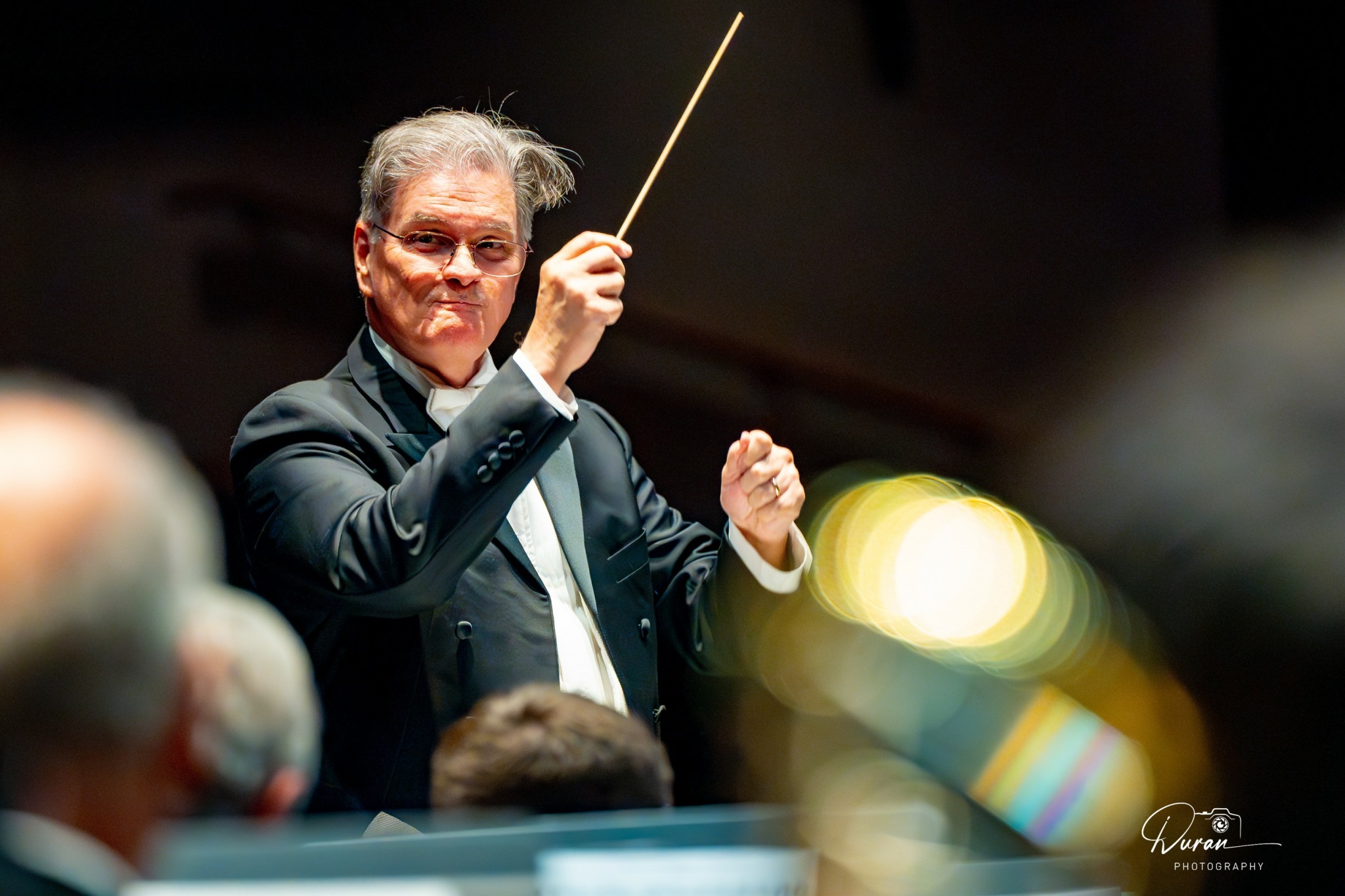
Do you think there is something that non-creatives might struggle to understand about your journey as a creative? Maybe you can shed some light?
One piece of advice that has guided me throughout my career is to always have a clear vision of where you want to be in five or even ten years. Whether you’re building a program, leading an organization, or pursuing personal goals, it’s important to have a destination in mind. That long-term vision serves as your compass, helping you make decisions today that support where you ultimately want to go tomorrow.
Of course, a vision alone isn’t enough. I believe in regularly evaluating progress and being intentional about measuring success. Each year, I like to take a step back and honestly assess whether the work being done is moving me closer to my goals. Progress doesn’t always come in giant leaps; sometimes it’s the small, incremental improvements that matter most. If you’re advancing, even one step at a time, you’re still heading in the right direction.
One of the most valuable lessons I’ve learned is that persistence and adaptability must go hand in hand. It’s easy to become attached to a particular plan, but successful leaders understand that flexibility is often just as important as determination. If, after a year of focused effort, it’s clear that meaningful progress hasn’t been made, it’s worth asking some difficult but necessary questions.
At that point, either the goal itself needs to evolve, or the strategy you’re using to achieve it needs to change. There’s no shame in adjusting course—in fact, it’s often a sign of good leadership and self-awareness. The key is to remain committed to growth while being willing to rethink the path forward. After all, success isn’t just about sticking to a plan; it’s about finding the best route to reach your destination.
Contact Info:
- Website: https://www.ronnniesanders.net
- Instagram: @stxsorch
- Youtube: @ronaldsanders2824
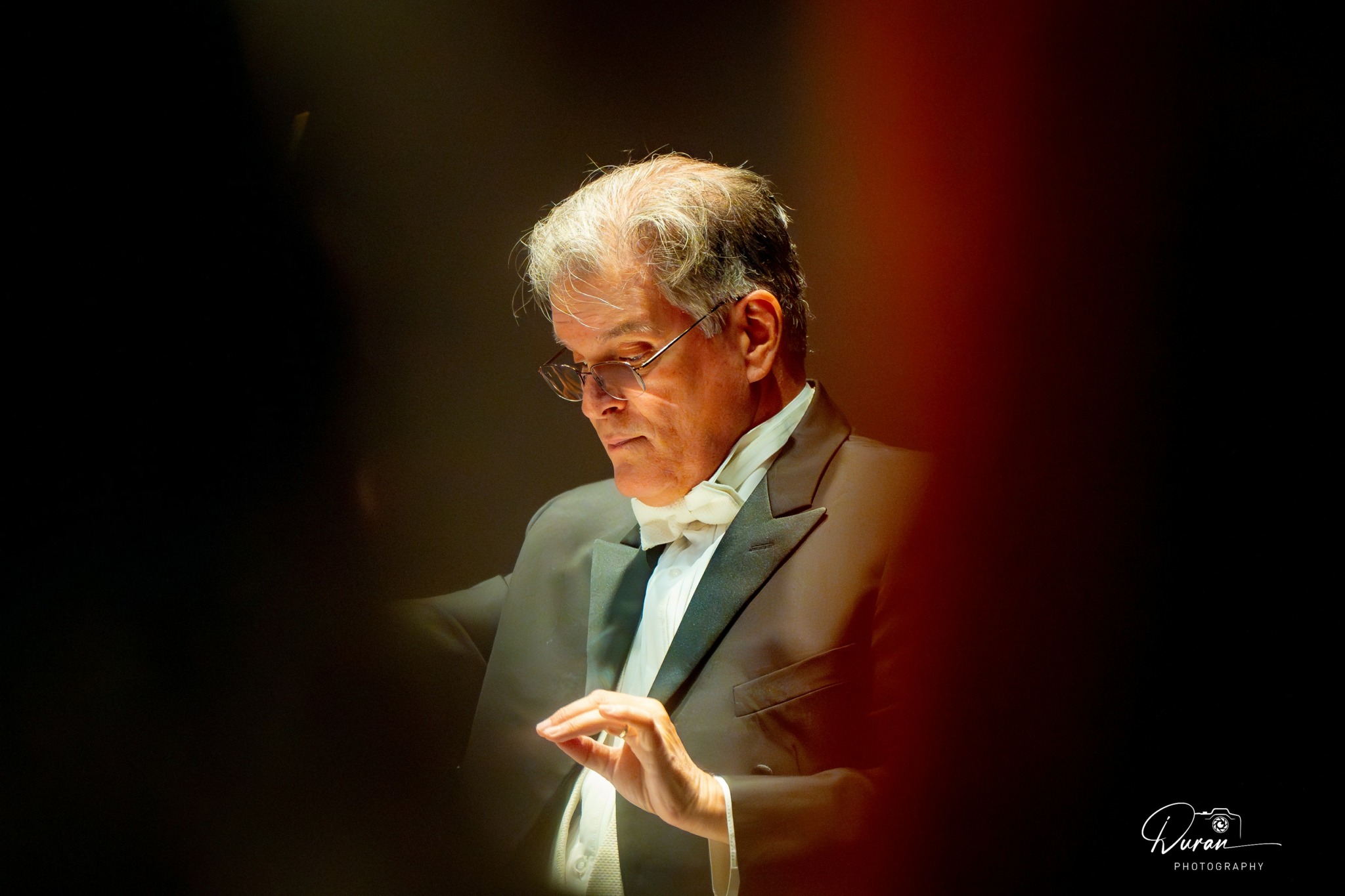
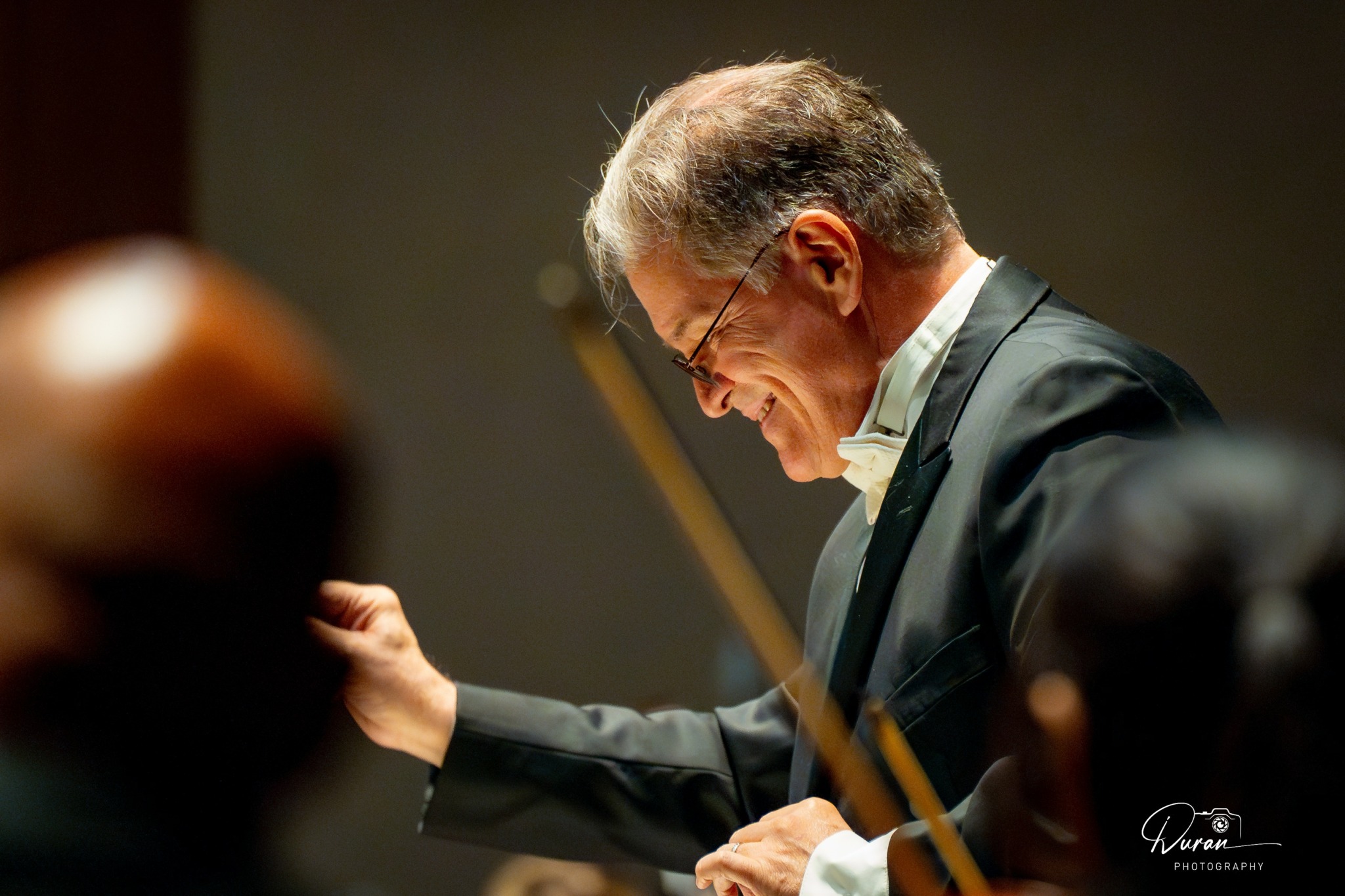
Image Credits
Photo Credit: Roger Duran