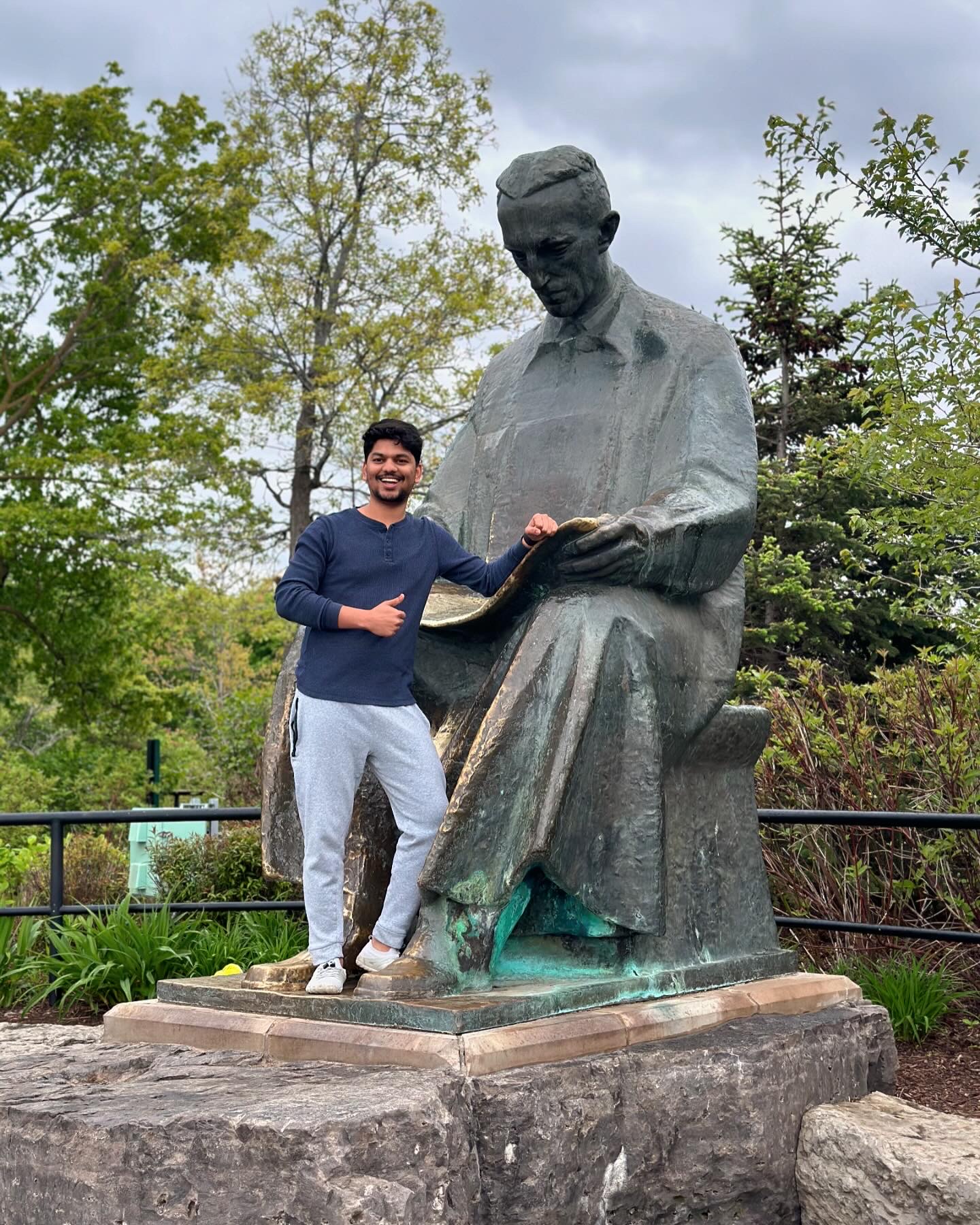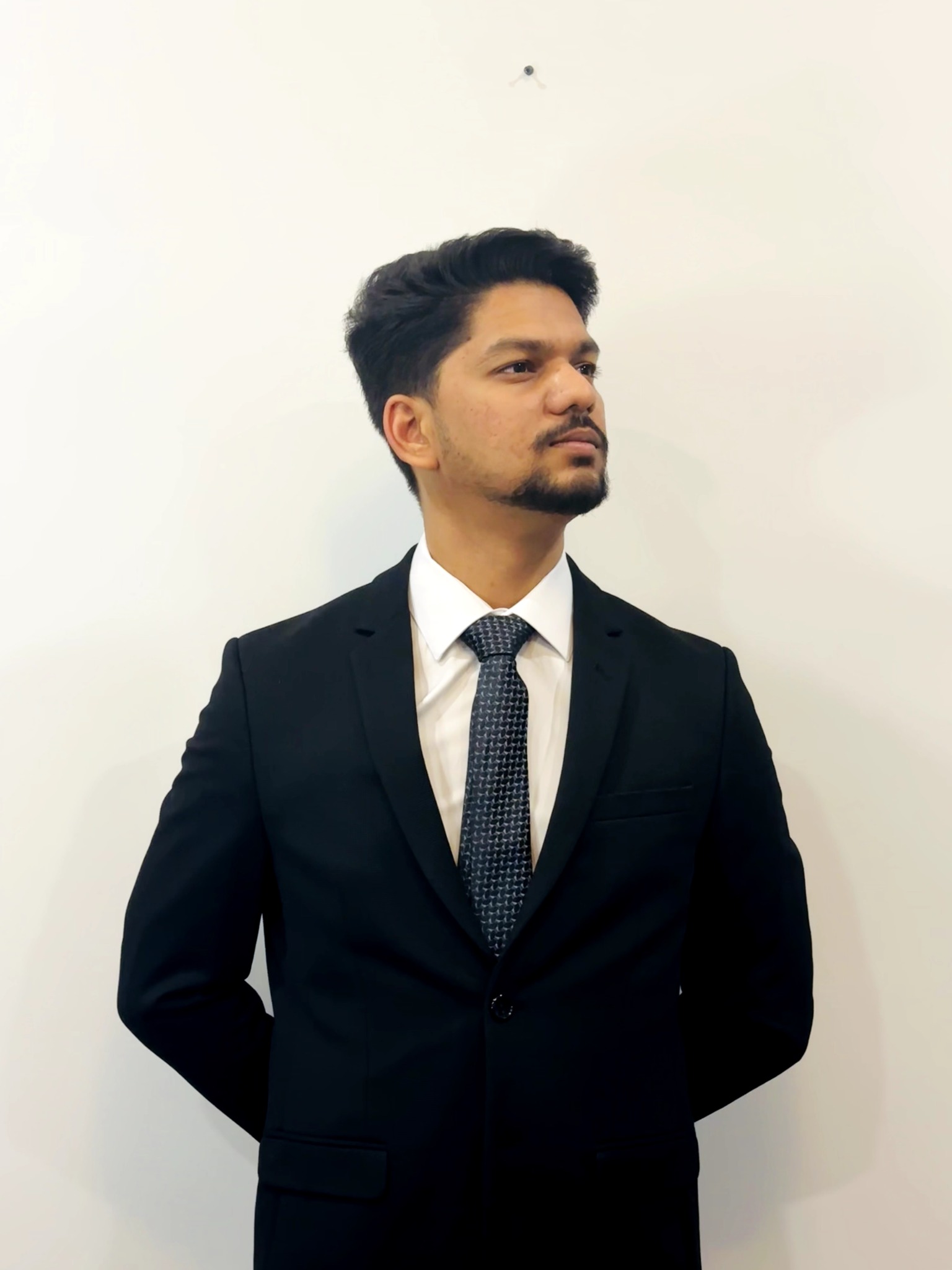

We were lucky to catch up with Rohit Patke recently and have shared our conversation below.
Alright, Rohit thanks for taking the time to share your stories and insights with us today. What’s been the best thing you’ve ever seen (or done yourself) to show a client that you appreciate them?
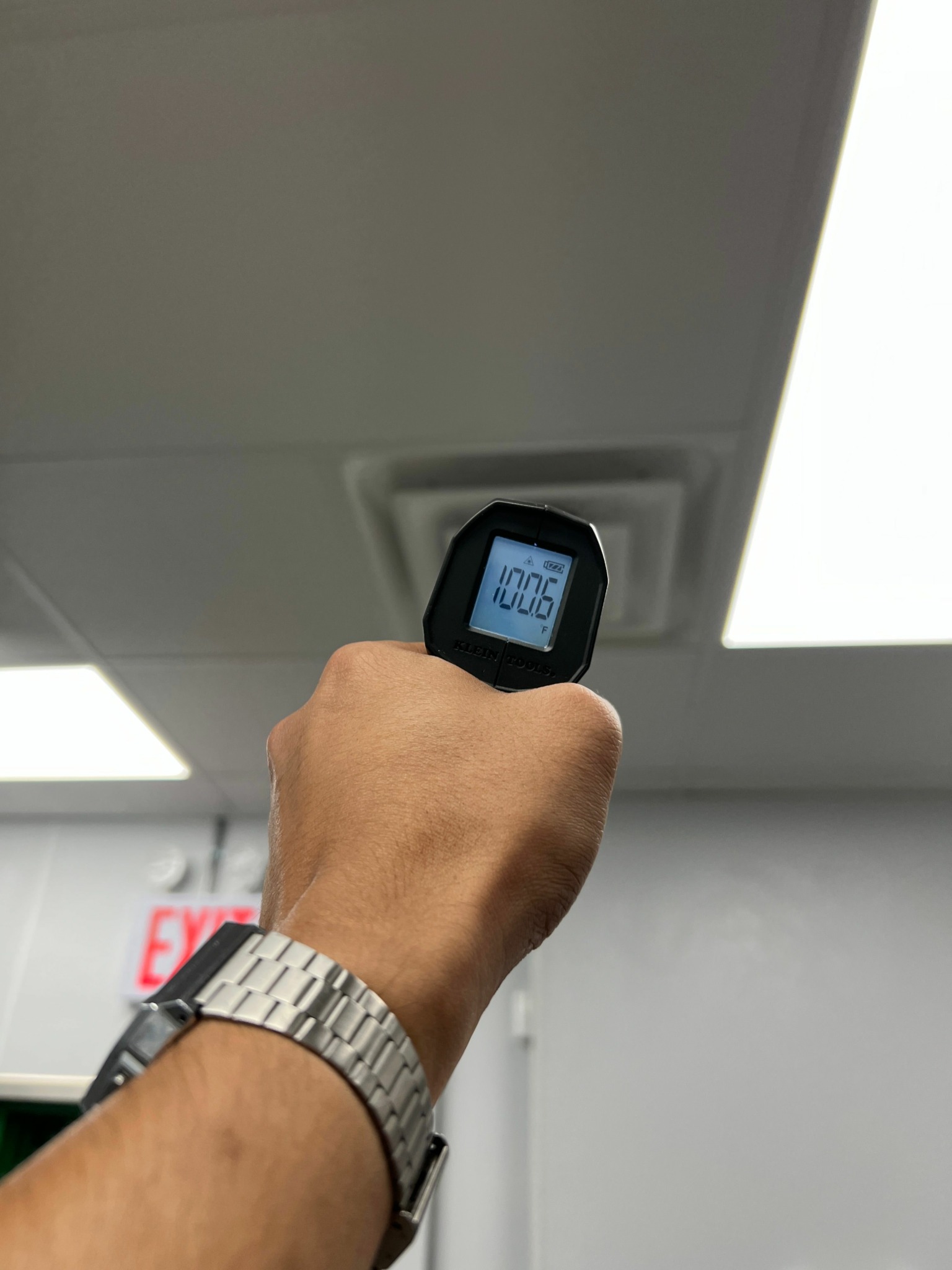
One cold winter morning when the temperature was below freezing we got a call from one of our clients in New York saying that the thermostat which we installed was not working and the space was so cold that they had to wear jackets indoors. Knowing how uncomfortable that can get, I quickly ran some tests remotely from our platform and found that the installed thermostat wasn’t at fault and was working perfectly fine, and the problem was with the actual AC unit that did the heating. I shared the knowledge with them, but the client wasn’t very convinced. They requested me to visit and take a look.
At that moment, I had two options. I could brush off their request, insist the thermostat was fine, and tell them to deal with their HVAC team. Or I could go to their office and show them that the thermostat was working.
I took a step back and thought through the lens of the client about the situation; It was freezing cold, and their team was miserable. This was inconvenience, both for comfort and their business. Although my presence would not change the outcome, it would put their mind to ease and have no stone unturned from their end.
So, I decided to put the client first and show I cared. I told them the issue was likely with their HVAC system and they should reach out to their vendor, but to make absolutely sure, I’d come by and check the thermostat in person.
When I reached the site, and tested the thermostat, it was working as expected, and the issue was indeed in the gas valve of the AC unit, which needed to be replaced. Their HVAC team showed up and got the valve replaced within the next 24 hours. The client appreciated me showing up putting their mind to ease.
This experience taught me the power of empathy in client relationships. Even when the issue wasn’t our fault, showing up in person signaled that we valued their trust over convenience. I learned to prioritize clear communication and proactive gestures, especially under pressure. Now, I always double-check assumptions about client needs and build in extra steps to confirm their confidence in our work. This is the type of service which builds strong longterm relations and helps the business grow.
Rohit, love having you share your insights with us. Before we ask you more questions, maybe you can take a moment to introduce yourself to our readers who might have missed our earlier conversations?
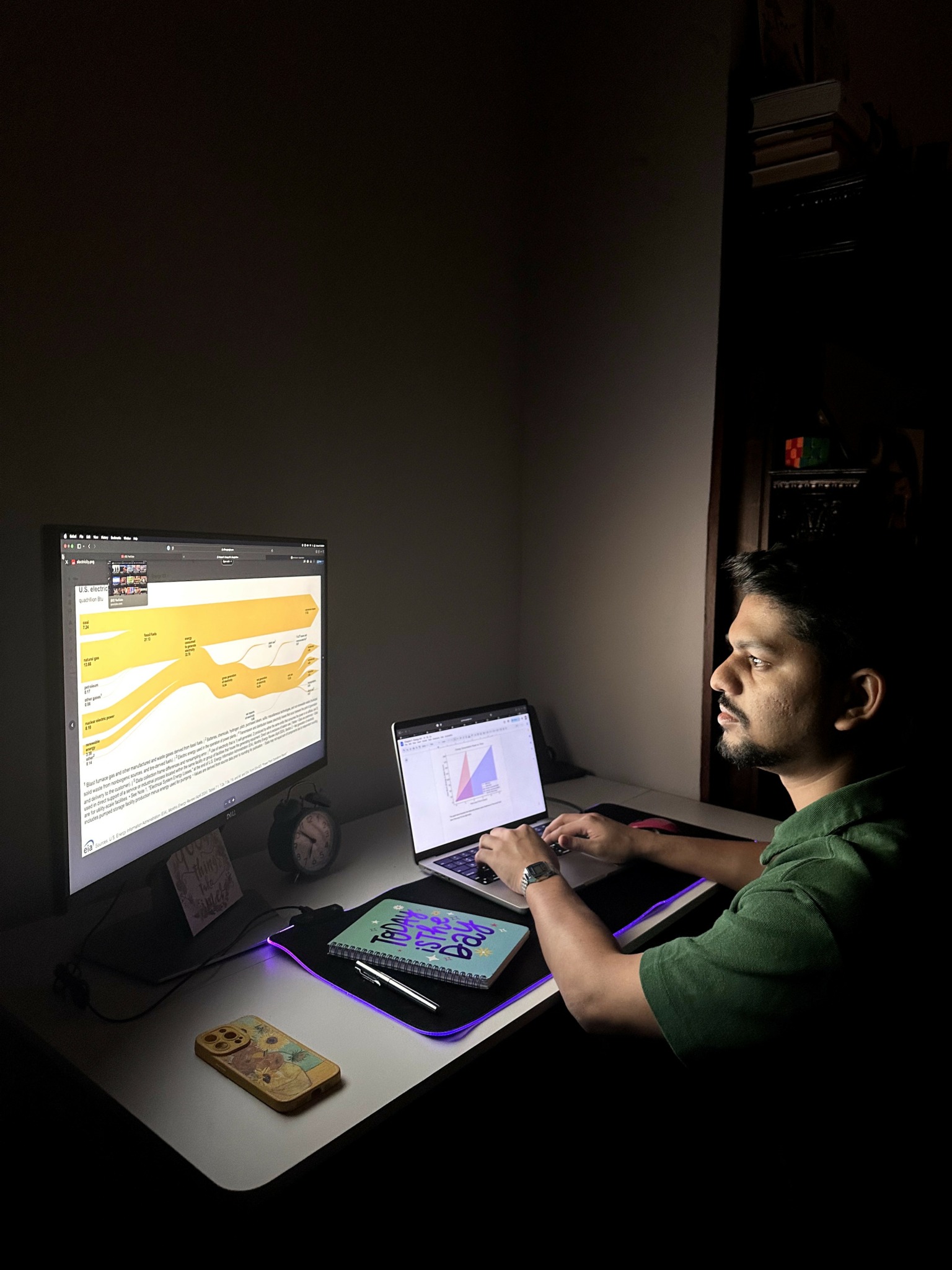
For those who don’t know me yet, I’m an Energy Engineer working at a startup in New York. My work revolves around helping clients optimize their energy usage by managing their devices, ensuring they save energy, enjoy a seamless experience, and resolve any challenges that arise. I love this role because it allows me to contribute to energy savings and as a result reduce carbon emissions for our clients.
My path to energy engineering started in a remote village in India, where I was volunteering for a school-donation drive. The school lacked a reliable electricity connection, and that sparked my curiosity about how to bring stable power to places like this. It led me to dive into renewable energy, initially focusing on solutions like solar power. After earning my undergraduate degree, I landed my first job consulting on solar panel installation projects. It was eye-opening, but I quickly realized that adding more energy capacity wasn’t always the answer, managing energy consumption could make an even bigger difference.
That insight pushed me to pursue a Master of Science in Energy Management, and I chose New York because of its incredibly forward energy management policies and local laws like LL87, LL97, etc.
etting here wasn’t a straight path, though. I faced a series of challenges: exams, university applications, securing a student loan, and navigating the visa process. Each step felt like it could derail my plans, but with grit and a touch of luck, I made it happen.
I still vividly remember landing at JFK Airport on January 12, 2019, stepping into a new country with nothing but determination to build a life from scratch. From figuring out public transit to finding my footing in this fast-paced city, every challenge taught me to tackle problems one at a time. Those early struggles shaped me and eventually led me to a career I’m deeply proud of.
What sets my work apart form others is the thought process, intent, and passion with which I approach problem solving. It’s never about a quick solution, Its always about what’s the best value that can be provides with the available resources and lowest cost to the client.
I’m always excited to connect with others who share a passion for sustainability or who want to explore how energy management can transform their operations. If you’re curious about working together or just want to talk about the future of energy, I’d love to hear from you!
Have any books or other resources had a big impact on you?
There are many books that I’ve read and picked bits and pieces from them that resonate with me during that time. One of the books that I liked the most about leadership and management is “extreme ownership”, its amazing how we can look at minute details and plan things ahead to avoid so many day-to-day issues and how taking ownership is actually helpful to succeed. Another book that I liked is “The Third Door: The Mindset of Success” by Alex Banayan, which shows that there are always some “third door” that can get you far better results! One more book that I would Like to add to the list is “Never Split the difference” by Criss Ross. This book is great to learn about negotiations and having the right mindset to tackle any situation.
We often hear about learning lessons – but just as important is unlearning lessons. Have you ever had to unlearn a lesson?
All through school, the Indian education system drilled a single mantra into my head: “Write the textbook answer and collect your marks.” Every exam reinforced the idea that questions lived in neat little boxes, each with one perfectly correct response. I prided myself on memorising those model answers, convinced that certainty was the surest path to success. For years, that habit served me well – until I stepped outside the classroom and discovered that real life doesn’t hand out answer keys.
While working on real‑world projects during my engineering days, I realised that “the” right answer is a myth. Every solution bends to a project’s goals, the resources at hand, and the circumstances in play. Learning to balance those variables—trading cost for performance, speed for sustainability—has completely reshaped the way I solve problems. Now, whether I’m debugging code or mediating between teammates, my first question is, “What other answers might work here?” Embracing the idea that several truths can coexist has sharpened my curiosity, strengthened collaboration, and made me comfortable with ambiguity. Unlearning the one‑answer reflex was difficult, but it now guides every decision I take and keeps fresh possibilities constantly within reach.
Contact Info:
- Instagram: https://www.instagram.com/citizenofindia/
- Linkedin: https://www.linkedin.com/in/rohitpatke/