

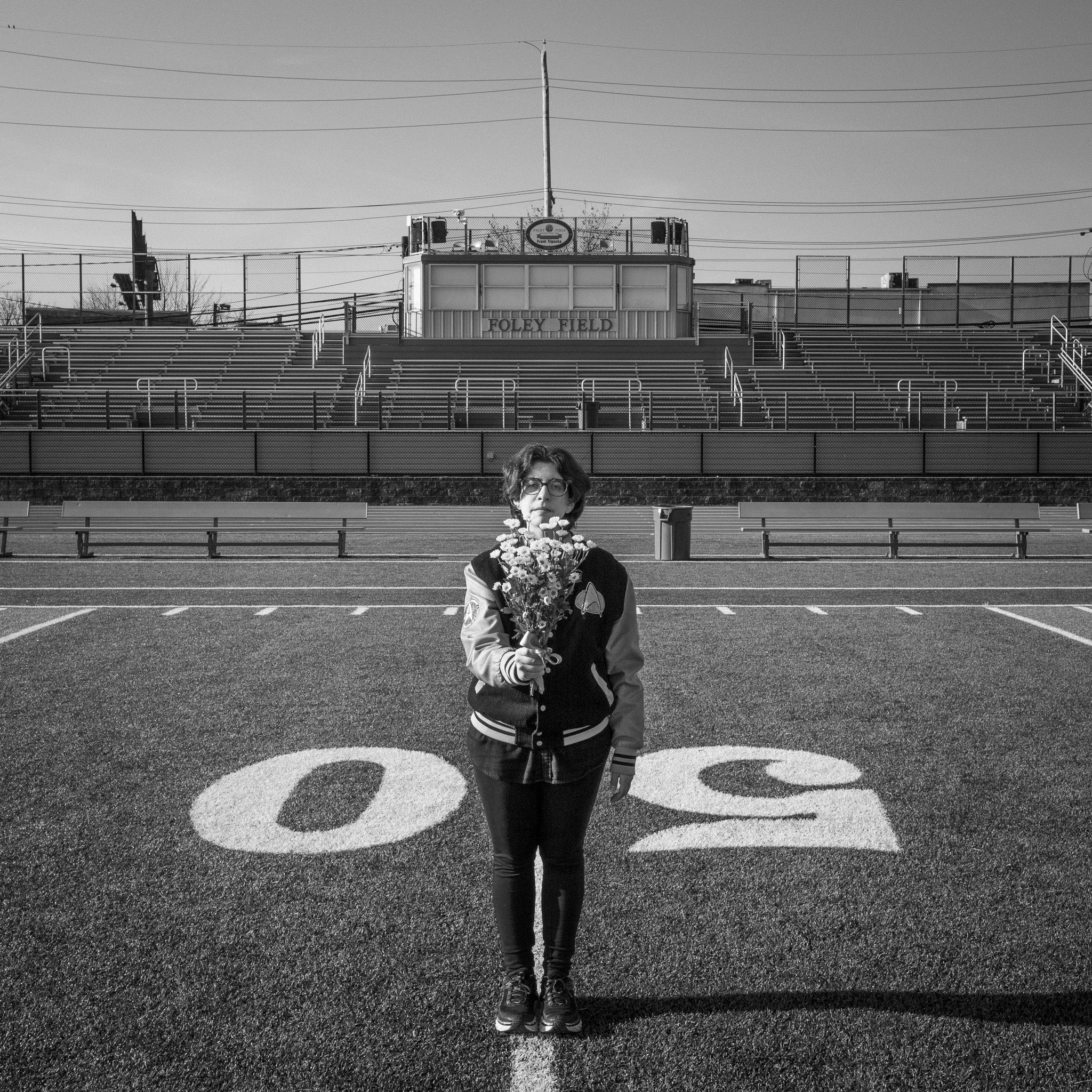

We caught up with the brilliant and insightful Roe O’Brien a few weeks ago and have shared our conversation below.
Roe, looking forward to hearing all of your stories today. How did you learn to do what you do? Knowing what you know now, what could you have done to speed up your learning process? What skills do you think were most essential? What obstacles stood in the way of learning more?
I found myself gravitating to songwriting at a really young age. At 11 or 12-years-old, I remember waiting in the car while one of my parents ran inside a store to quickly grab something and to entertain myself, I thought it would be fun to make up a song and write some lyrics to it. I fished around in the glove compartment for a pen and a piece of paper, started singing a melody, and came up with a silly song. By the time they came back, I had finished writing it. I think songwriting became this thing I was constantly entranced by as a kid (and still am) and it would always seem like such fun to me to write lyrics, come up with melodies, study liner notes of the CDs I owned, etc. It became another way to play, and the journey has been ongoing since.
Knowing what I know now, I don’t think I would’ve done anything to speed up my learning process. I think any creative pursuit, of which songwriting is no exception, takes time. The value of it really is in that exploration. And then to also take the time to listen to thousands of hours of music and go to live shows is also part of that process.
I think good listening skills and writing skills and honestly, imitation skills (especially in the very beginning) were most essential to becoming the songwriter I am today. When I was first starting out as a kid, imitation was key to getting comfortable with both writing songs and learning guitar. Once you’re comfortable, then you find the freedom and confidence to figure out your own style. You don’t realize it in the moment it’s happening. I think also feeling, staying in touch with your emotions, or even being empathic to a certain degree is also essential. With some of my favorite songs, I’m constantly asking myself, “Why is this song amazing? Why do I love it? Why does it touch my emotions in this way? How can I write a song that’ll do that too?”
Obstacles that stood in the way of learning more were probably just time and how young I was when I started. I would say I was a closeted songwriter through high school. It wasn’t until my senior year that I actually started playing music I was writing to other people. I think I was so possessive of my songs and scared of what other people might say and think. The looming fear of rejection can be a huge thing to overcome. But once I started stepping outside my comfort zone, the positive feedback and excitement from my friends was incredible. The great thing about songwriting or any other creative pursuit is that you are always learning. It doesn’t stop. So if there were any obstacles back then, through time and experience I was able to overcome them. And even if I feel like I’m running into any obstacles now, I know that if I give it time, ask questions, and work on myself I can overcome those too.
As always, we appreciate you sharing your insights and we’ve got a few more questions for you, but before we get to all of that can you take a minute to introduce yourself and give our readers some of your back background and context?
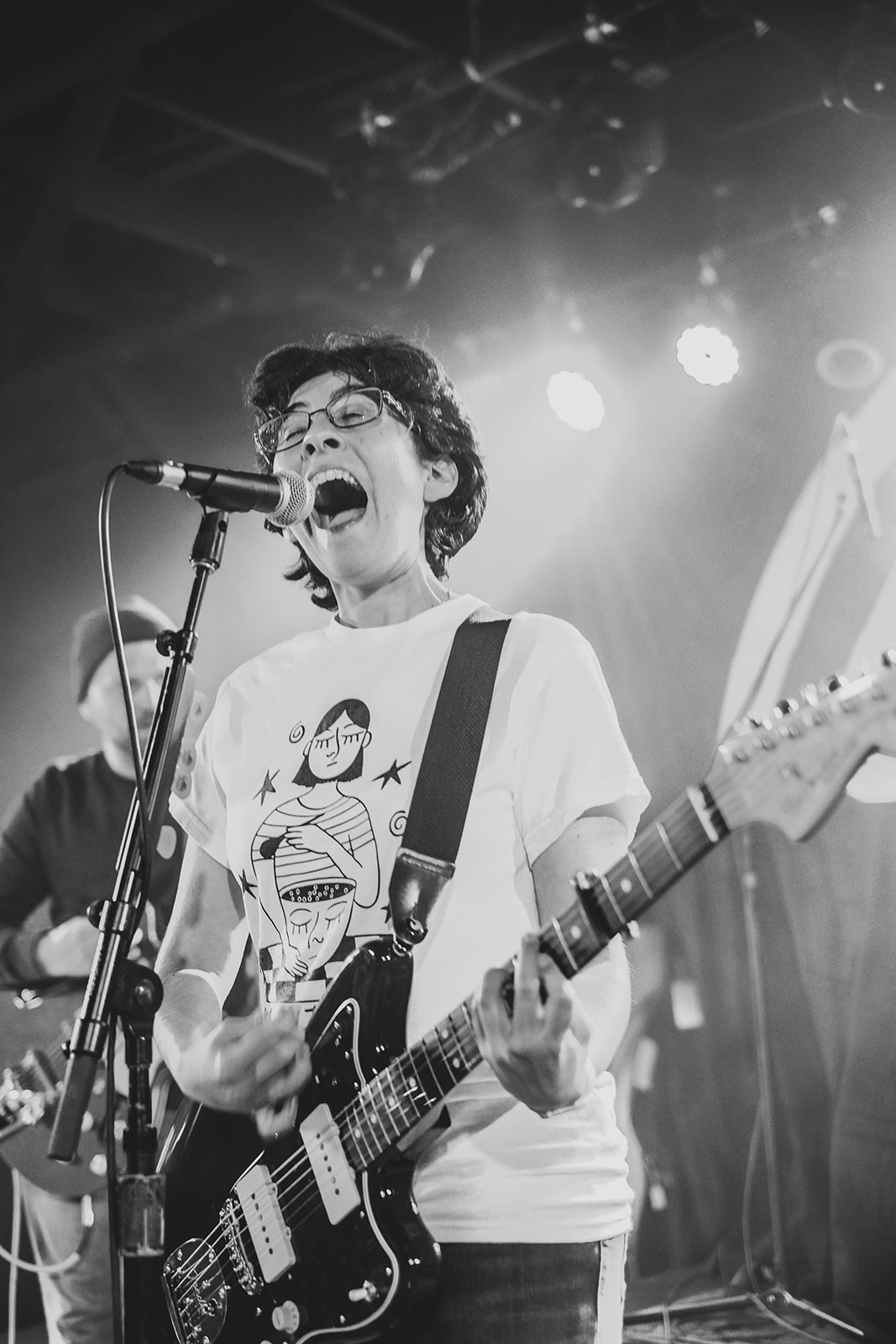
My name is Roe O’Brien and I perform under the moniker Roe Knows Best. I’m a singer-songwriter and musician based in New Jersey. I was always doing music things as a kid including but not limited to piano lessons, choir, and ear training. After a life-changing experience getting into Green Day’s ‘American Idiot’, I taught myself guitar at age 14 and became obsessed with writing songs and haven’t stopped writing them since. I think my lyrics and vocal style are unique elements of who I am as a songwriter and musician, and I’m always working on honing my craft and learning new things. I’m proud of every step of my journey whether that’s performing at The Stone Pony in Asbury Park, or working together and collaborating with talented friends in the studio. I’m grateful for my experiences thus far and am looking forward to what comes next.
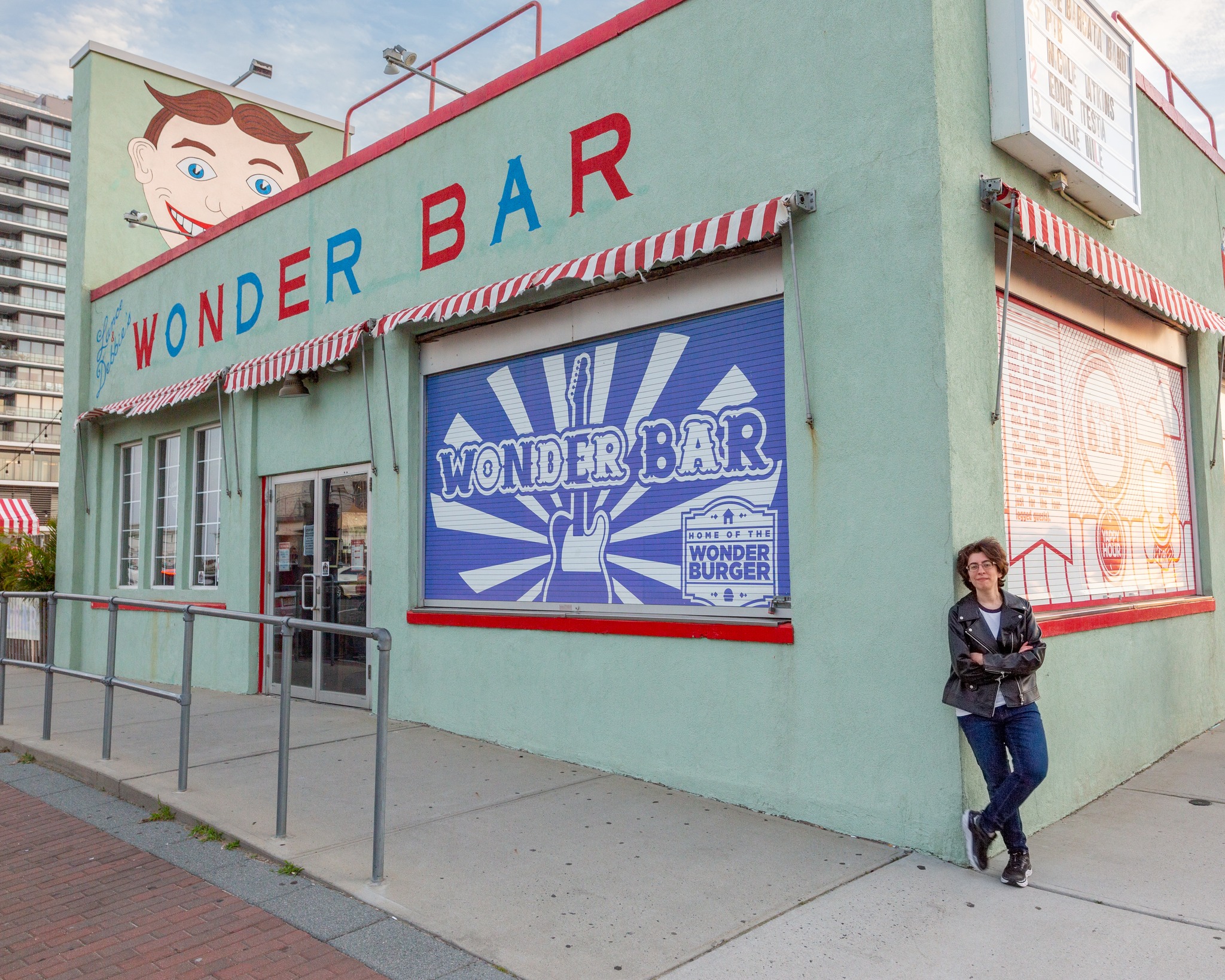
Do you think there is something that non-creatives might struggle to understand about your journey as a creative? Maybe you can shed some light?
By and large music and songwriting are not lucrative. Sure, maybe they are if you’re hustling in Nashville or LA and working with the big dogs. But despite lack of monetary compensation, I (and many others) continue to write music and songs because it is a labor of love. It’s a constant passion project. With that said, it can be incredibly difficult to strike a balance with all of the other Life necessities (work, family, social life, health, etc). But even despite that, the fruits of that labor of love can be and often are incredibly rewarding (emotionally, spiritually, etc.) And that’s why myself and others like myself continue to do it and invest our time in it. A great song has the potential to change the world. Even if it just changes your world, even if it just changes the world of one person. Music and songs are part of an everflowing conversation. It’s another way that I speak, communicate, and interact with the world around me. To walk away from it or decide not to do it is not an option. It’s something I can’t turn off. It’s beyond a means of self-expression, but my way of living and being. It’s encoded in my DNA.
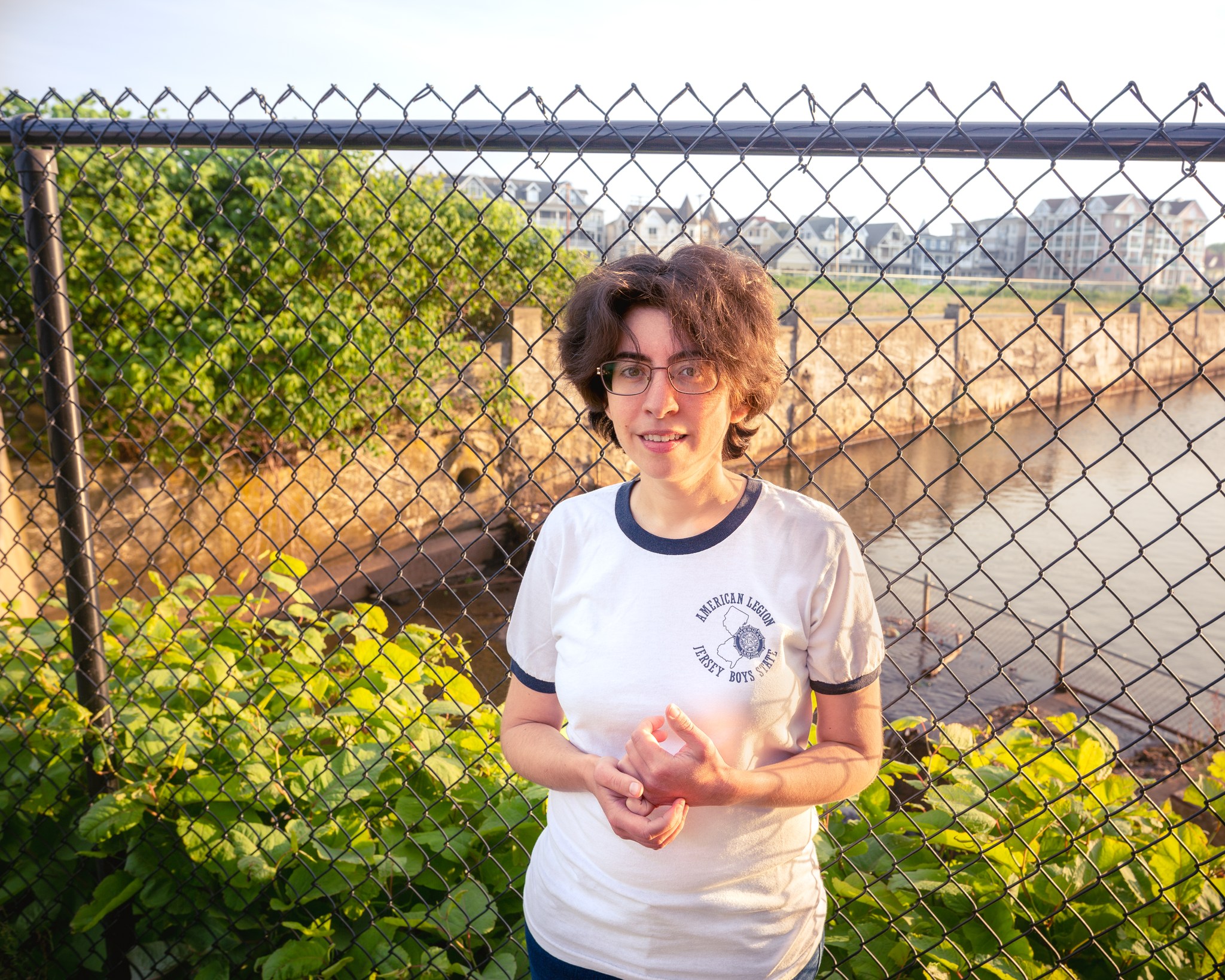
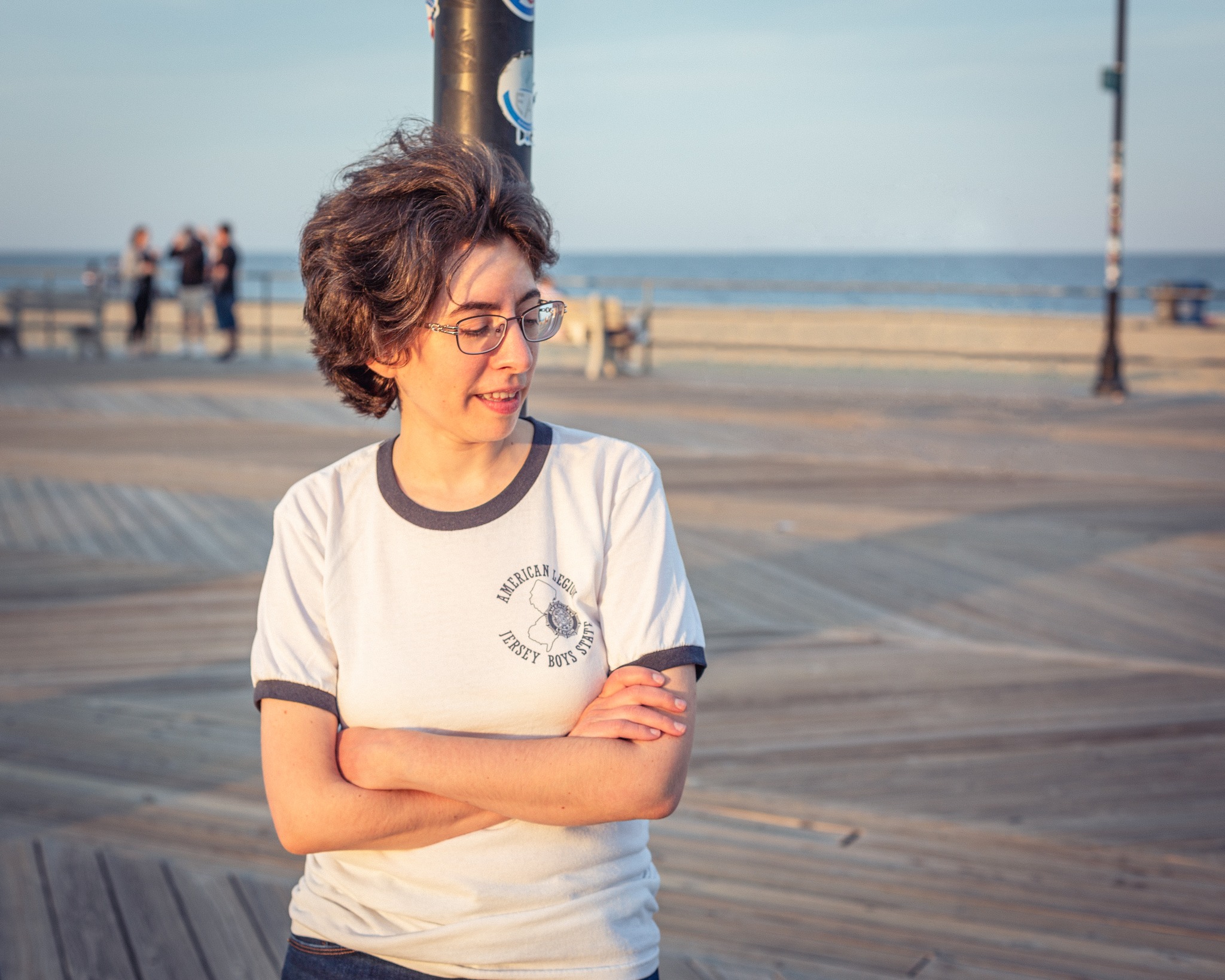
What can society do to ensure an environment that’s helpful to artists and creatives?
The best thing society can do to support artists, creatives, and a thriving creative ecosystem is to financially support them directly whether through buying merch & physical media, going to shows, streaming their music online, and engaging with them and / or posting about them on social media. While technology and access have become democratized, online spaces have become cluttered and louder than ever before. That’s why word of mouth is still key and supporting local artists is still key. If you’re also a local artist / fellow creative, networking and collaboration are also key. I can’t tell you how many cool fellow creatives I’ve met (musicians, photographers, artists, etc.) at local shows and all it takes is a “Hi”, a handshake, and a follow on socials to become connected (and usually friends too)! Creative people and spaces and thrive when we invest time and money into them (like anything else). It’s so important to support and continue to cultivate inclusive spaces and creative relationships so that art can thrive.
Contact Info:
- Website: https://roeknowsbest.wordpress.com/
- Instagram: https://www.instagram.com/roeknowsbest/
- Facebook: https://www.facebook.com/roeknowsbest/
- Youtube: https://www.youtube.com/channel/UCAaOqwR1zHgpMV1s0mYcrBQ
- Other: https://linktr.ee/roeknowsbest
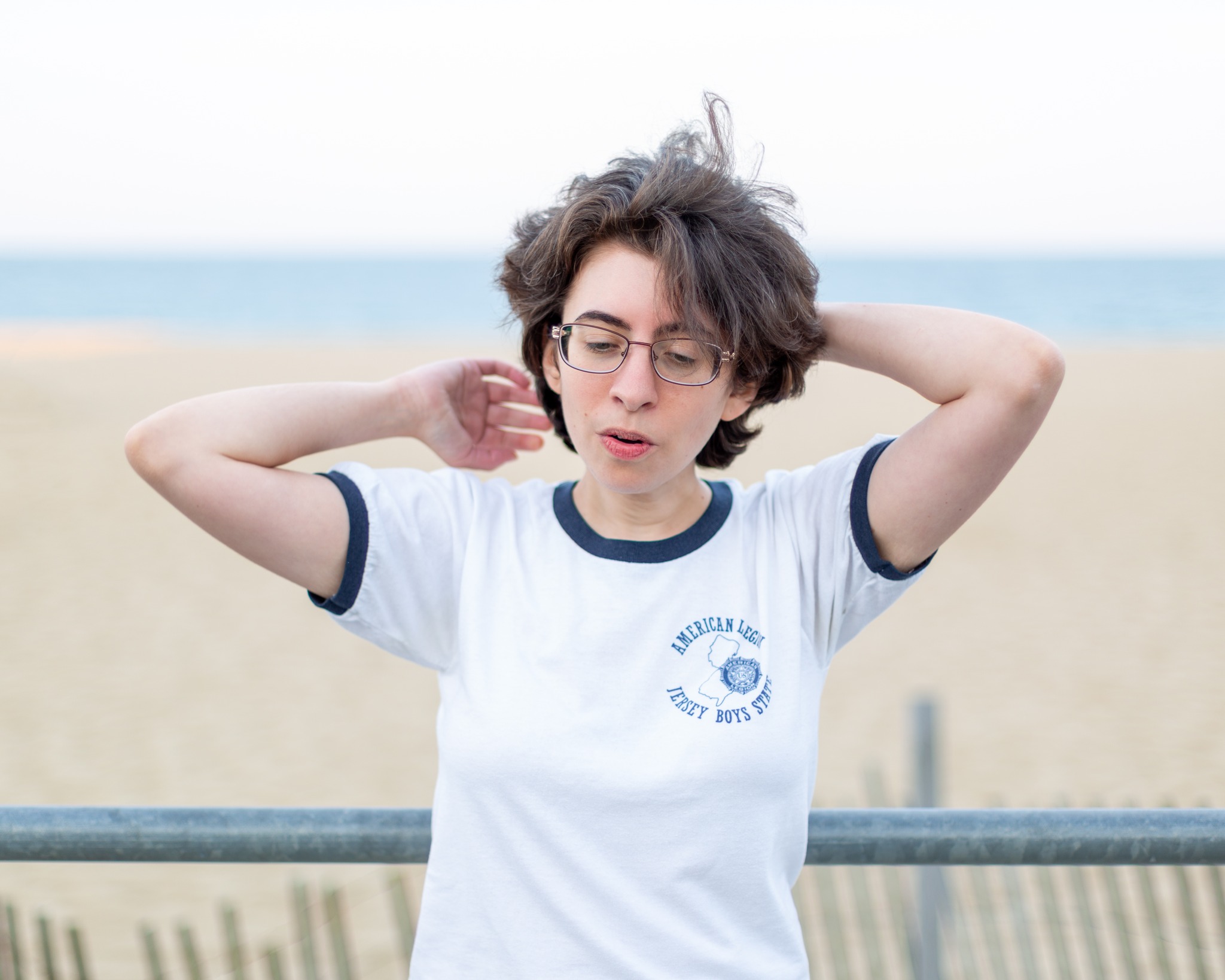
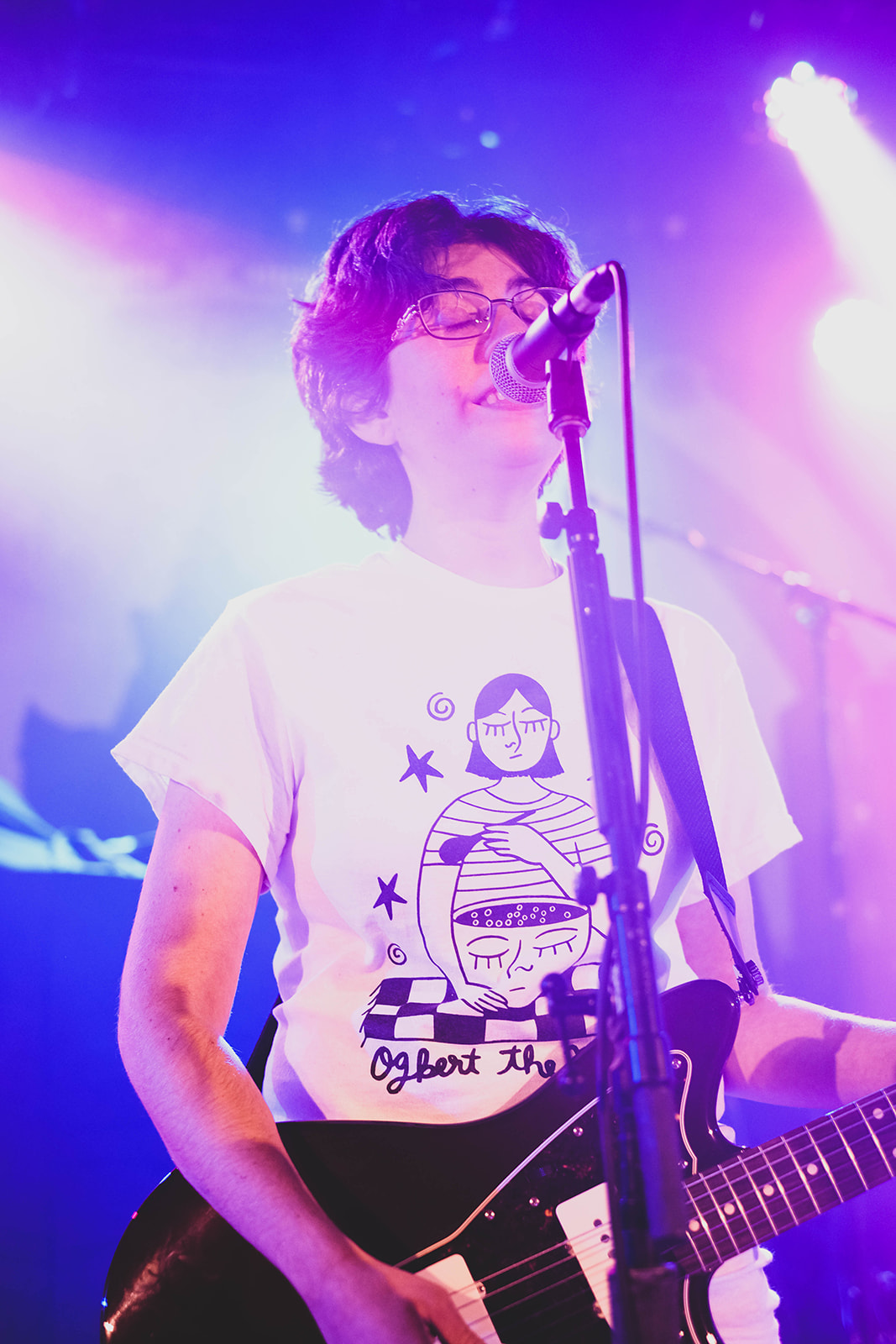
Image Credits
Guitar photos: Jordan Marciano | All other photos: Marisa Sottos