

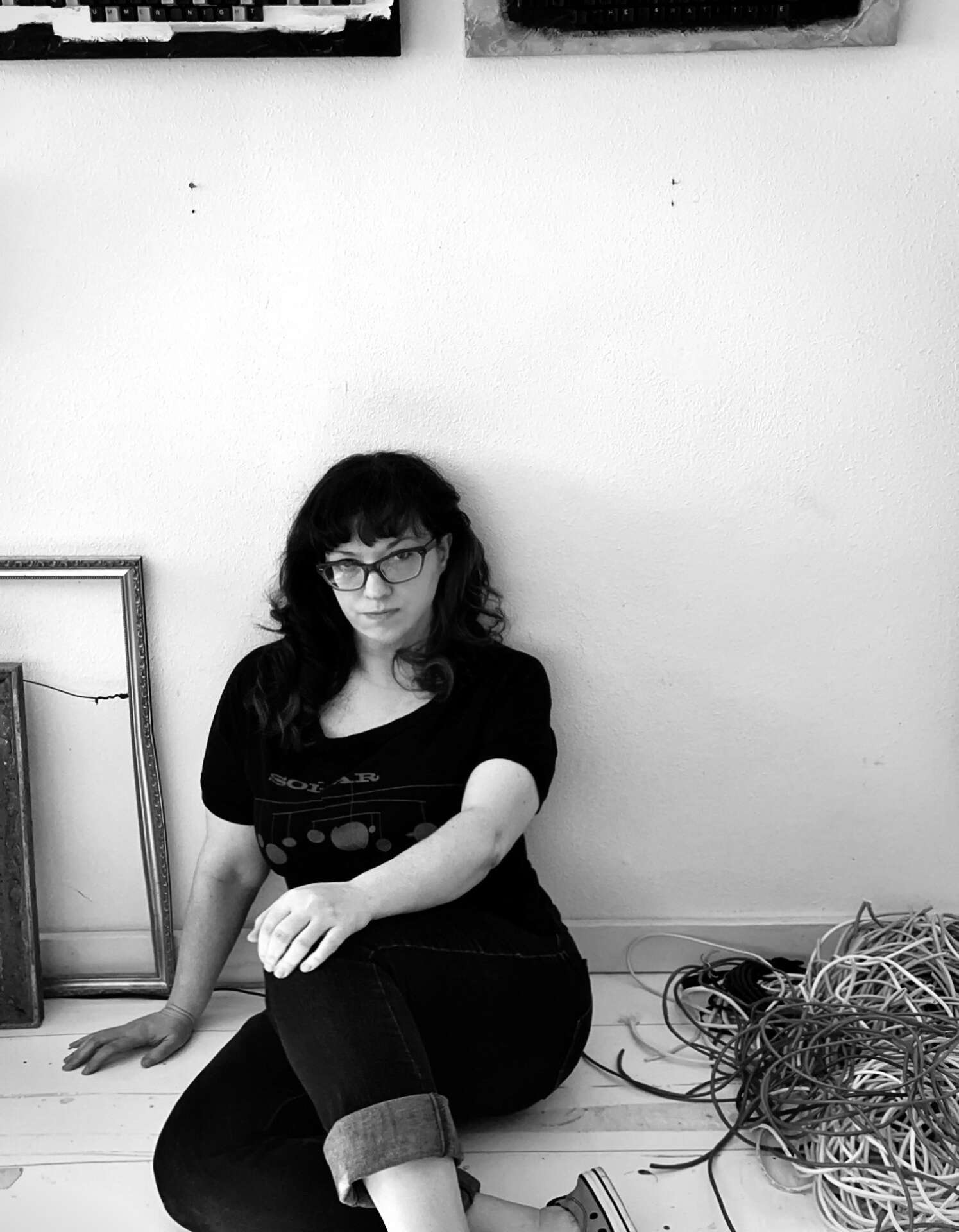

We’re excited to introduce you to the always interesting and insightful Robyn Sanford. We hope you’ll enjoy our conversation with Robyn below.
Alright, Robyn thanks for taking the time to share your stories and insights with us today. Learning the craft is often a unique journey from every creative – we’d love to hear about your journey and if knowing what you know now, you would have done anything differently to speed up the learning process.
I have a background in traditional studio arts that I received both through degree programs and independent courses that I have sought over time. Along with that, I’ve always been interested in learning various skilled trades – carpentry, metalwork, electronics/programming, sewing, stonework, etc. I’ve incorporated these into my art practice occasionally. I am most interested in utilizing the materials that I think a project needs; those that resonate with the core meaning of the work rather than sticking to any particular tradition. I think it is pretty rare that anyone who practices a skill or craft ever feels completely satisfied with their abilities so I would say that I am still in the process of learning, but I doubt I will ever say different. I think learning to plan in the time for the failures that will inevitably happen, and to embrace those as part of the process is a major component to improving one’s abilities.
Robyn, love having you share your insights with us. Before we ask you more questions, maybe you can take a moment to introduce yourself to our readers who might have missed our earlier conversations?
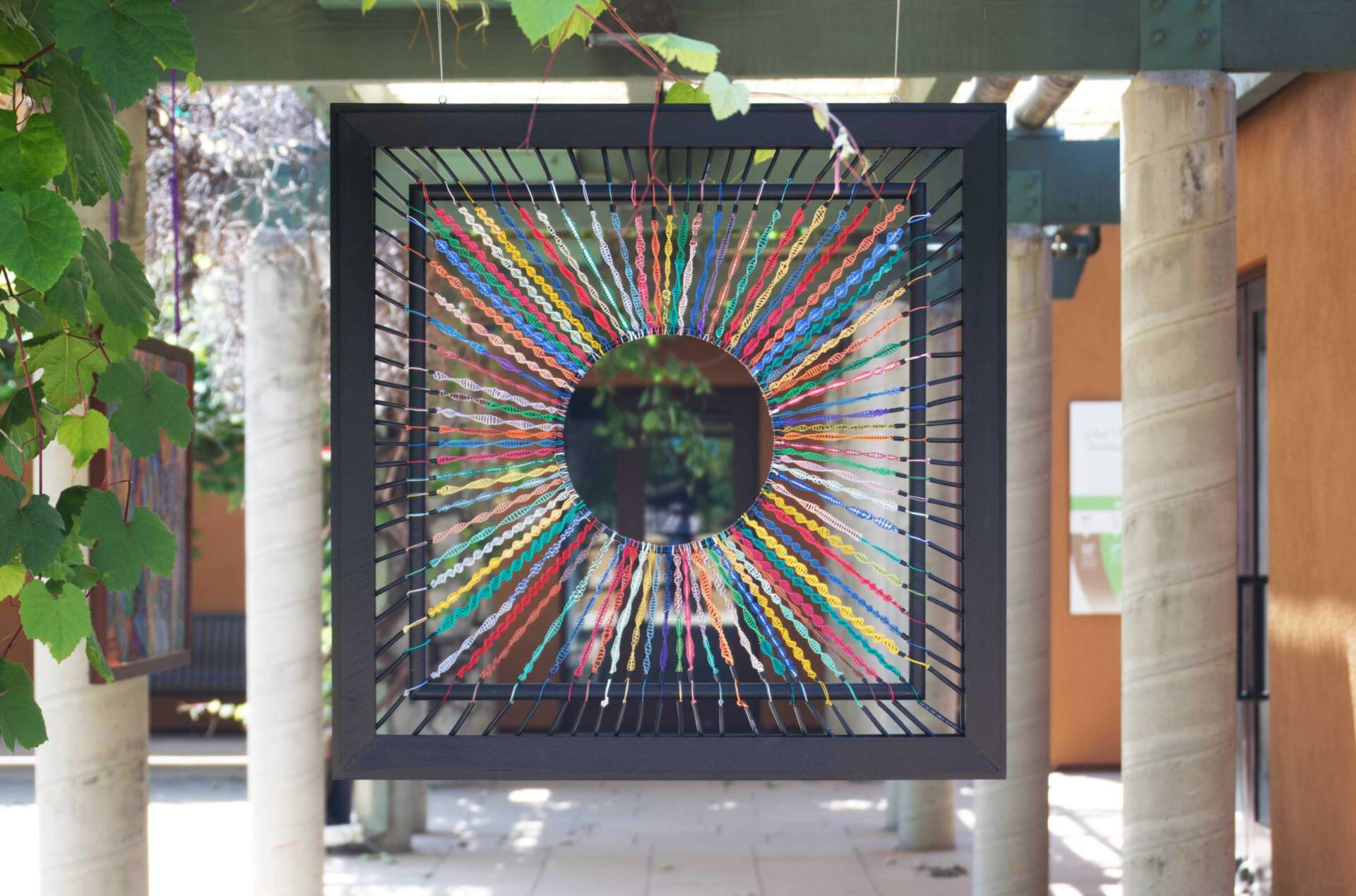
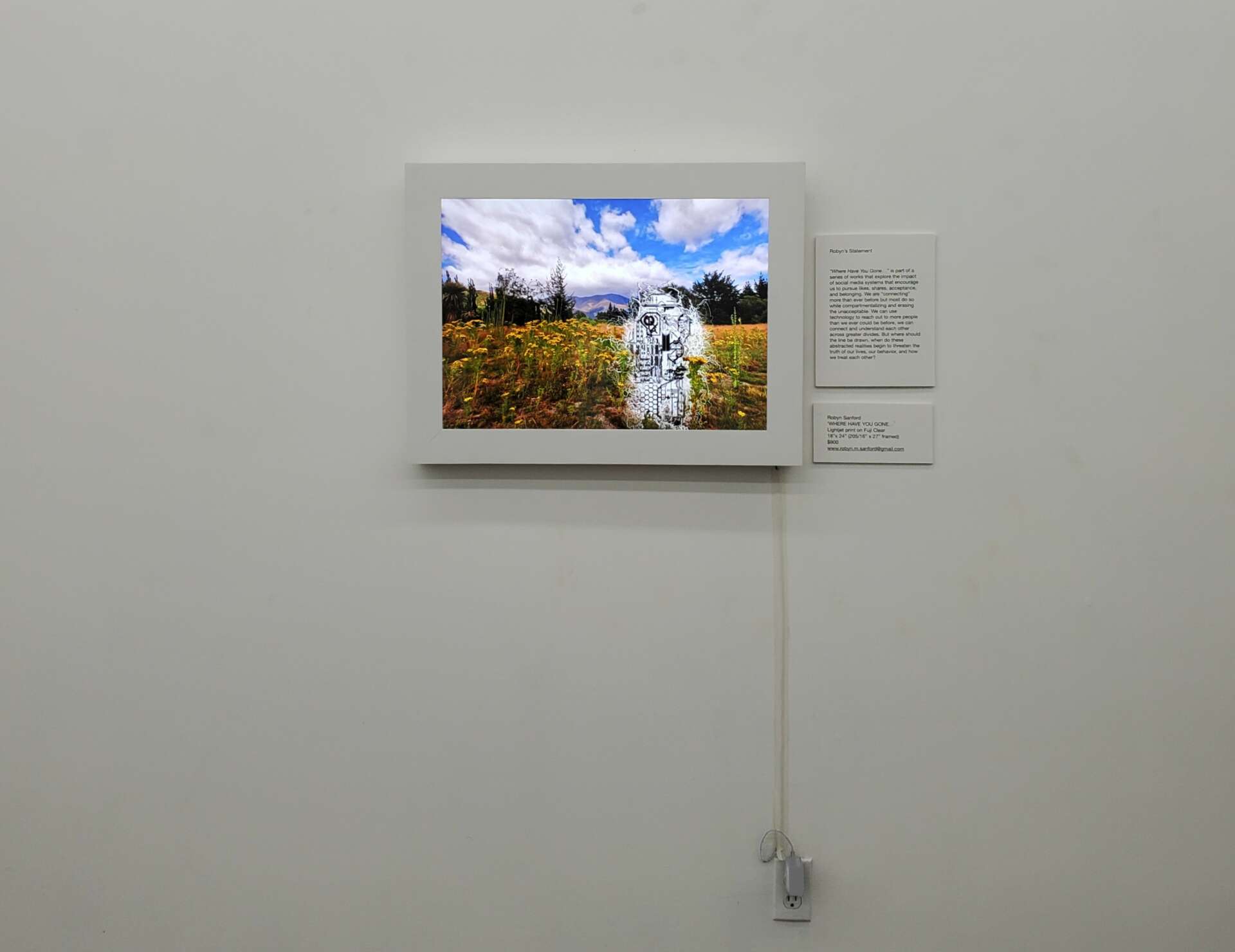
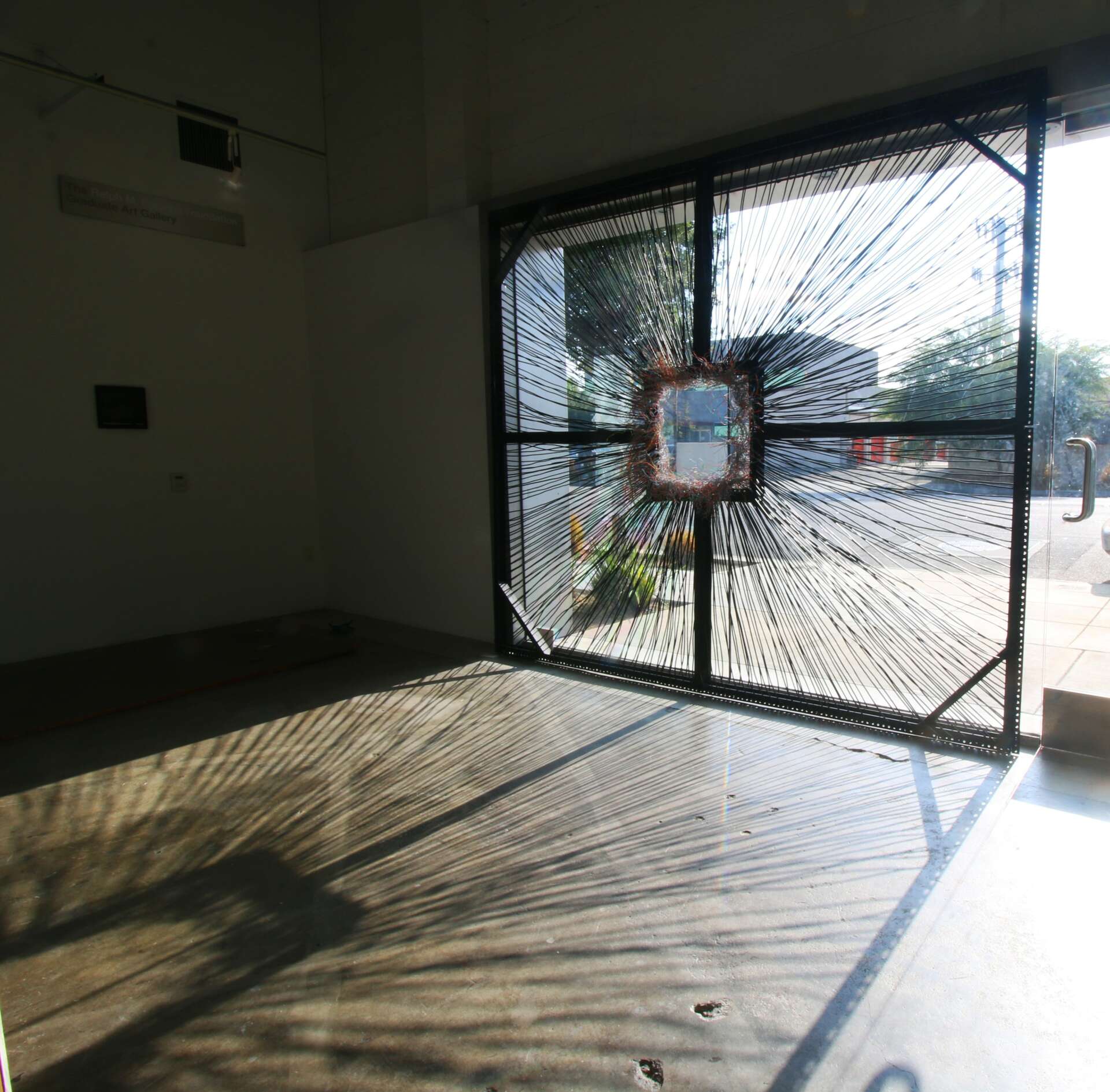
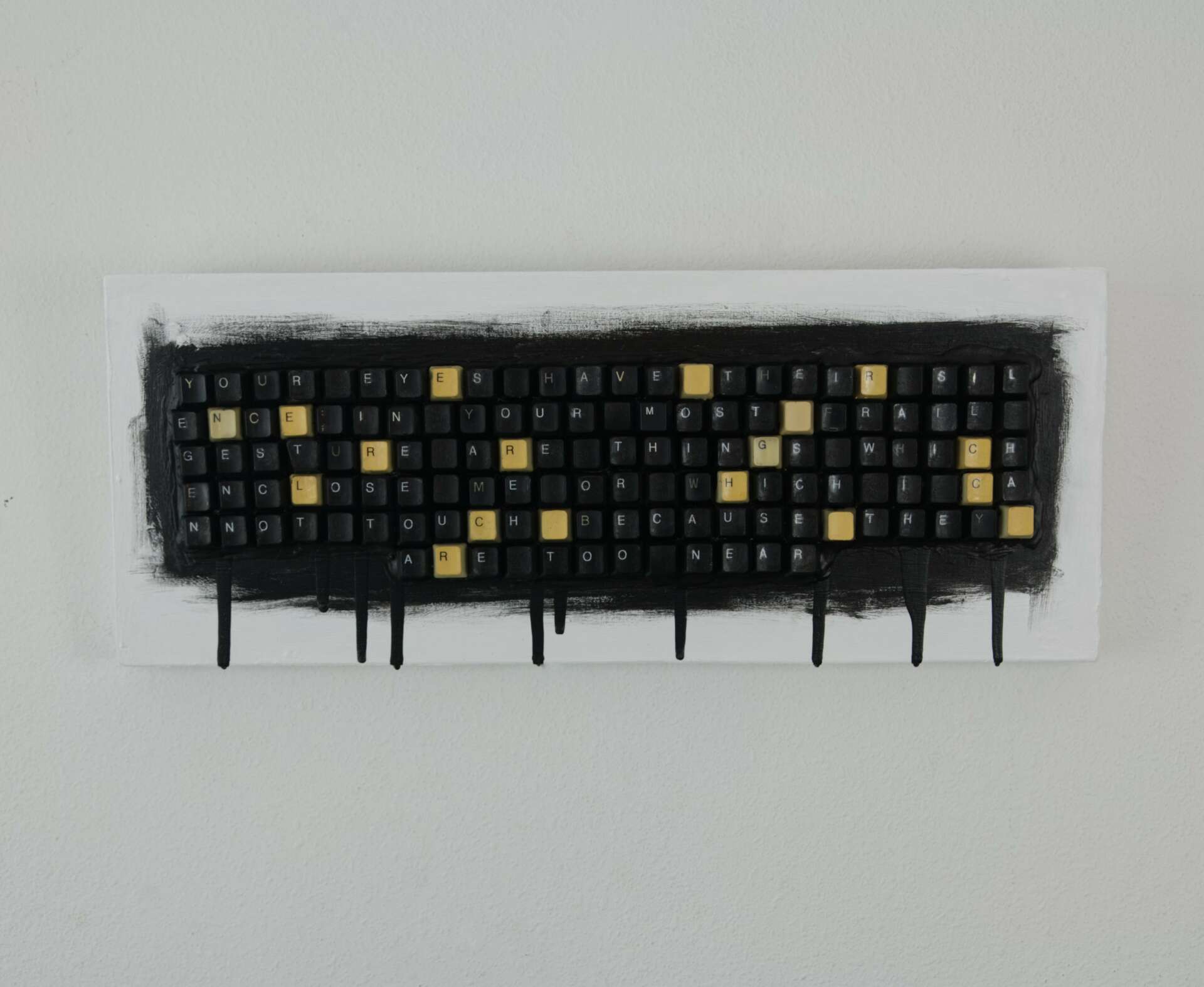
I am an interdisciplinary artist based in Los Angeles. I have had a long-time fascination with the nuances of verbal and non-verbal communication. I use a diverse range of artistic mediums along with skills outside of “traditional” art processes to express my ideas and insights about the human condition, relationships, and the profound impact of the digital world on our physical reality.
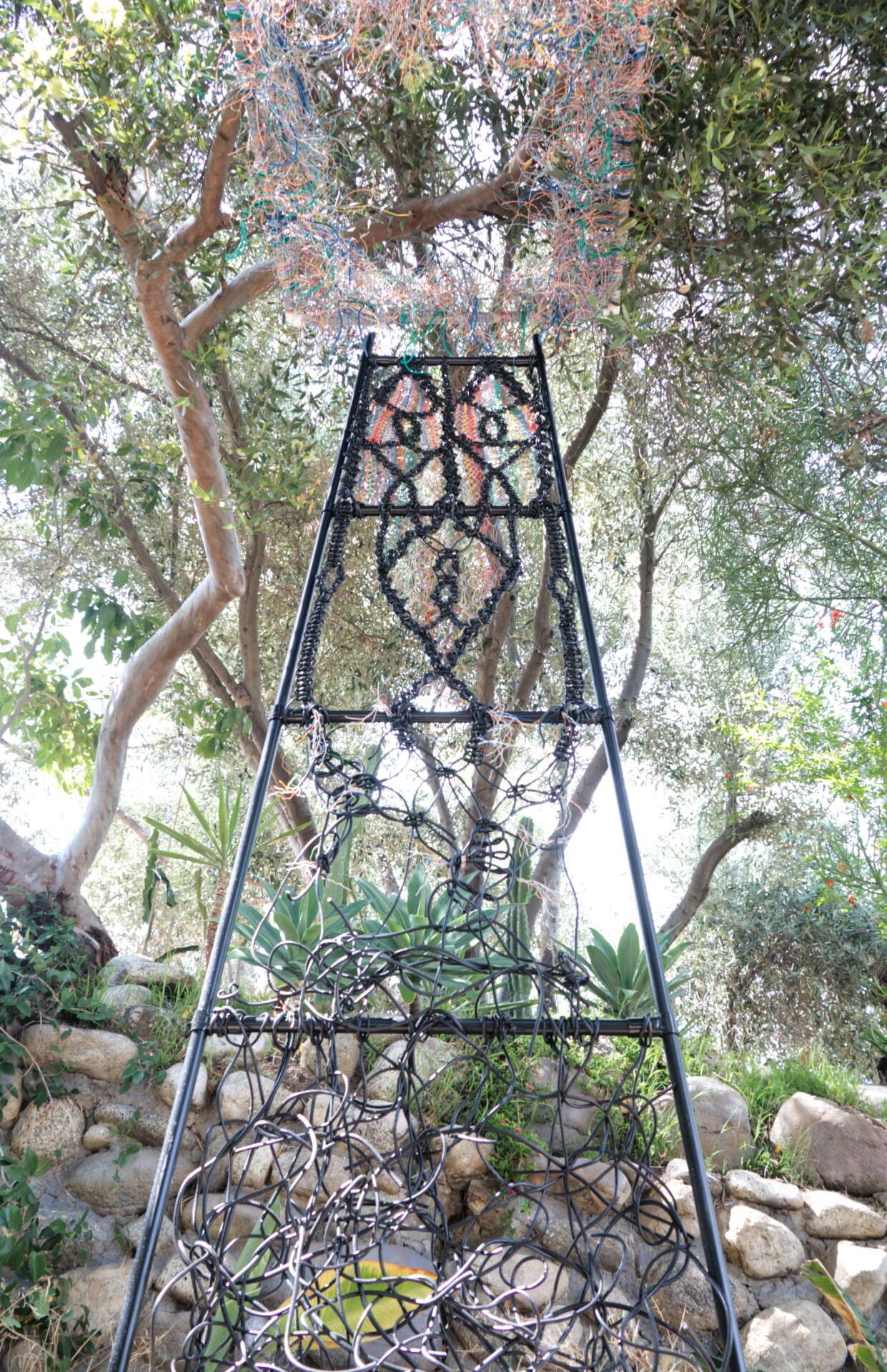
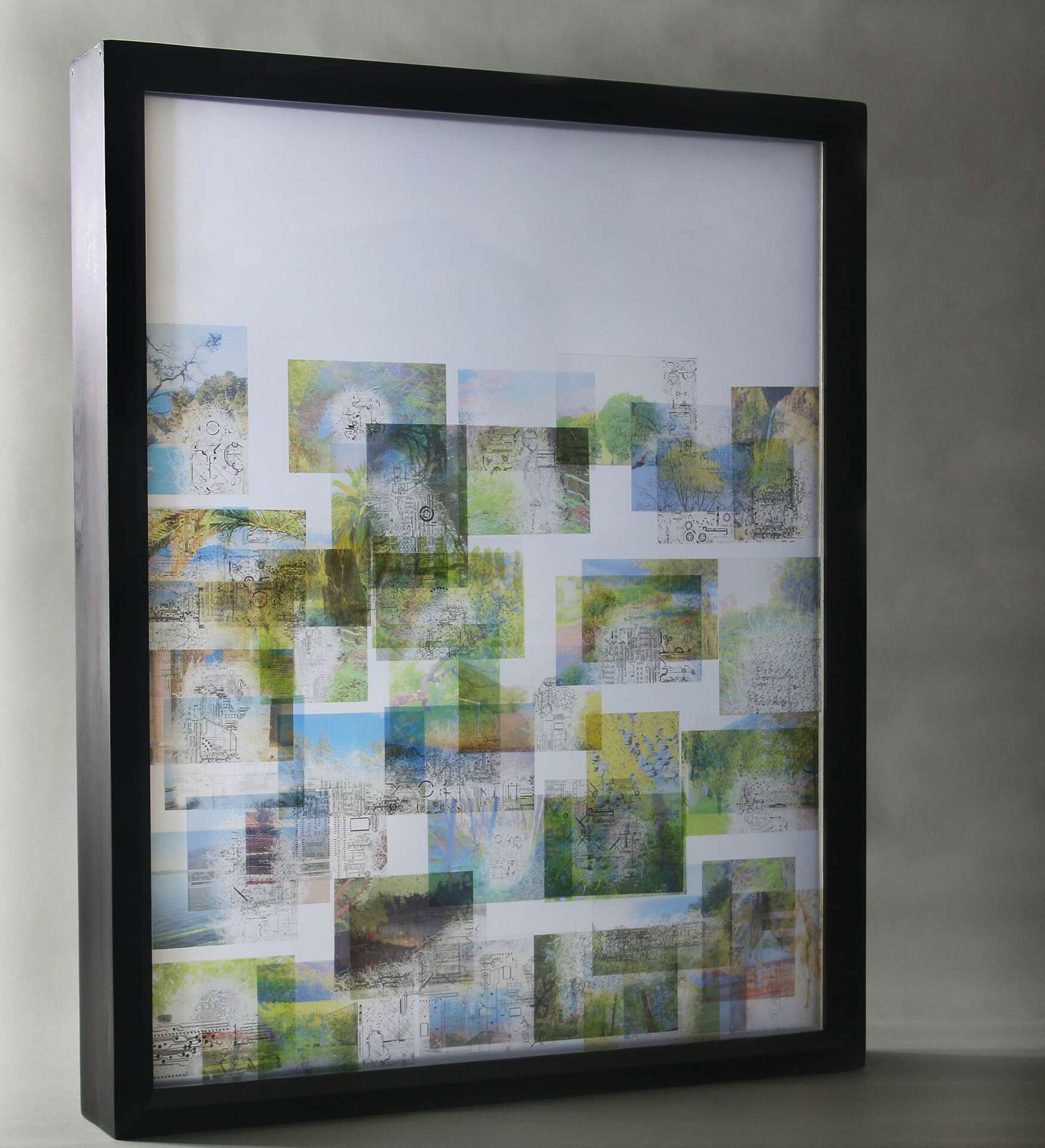
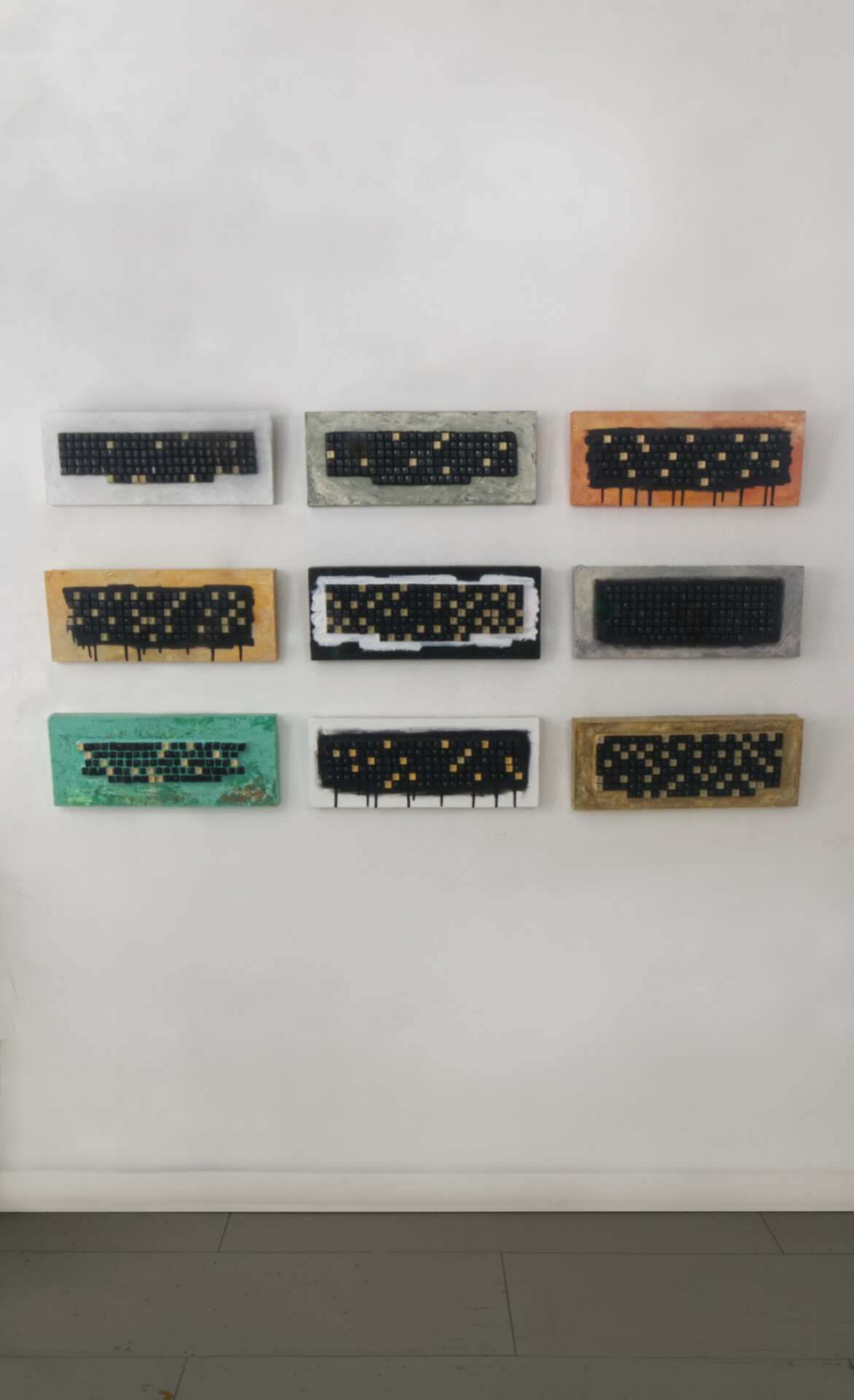
My portfolio encompasses site-specific installations, interactive art pieces, sculptures, paintings, and photography. My use of unconventional art materials and objects often serve as reflections of the technology-dominated era we live in. I believe that art can be a powerful means of capturing the essence of our rapidly evolving world.
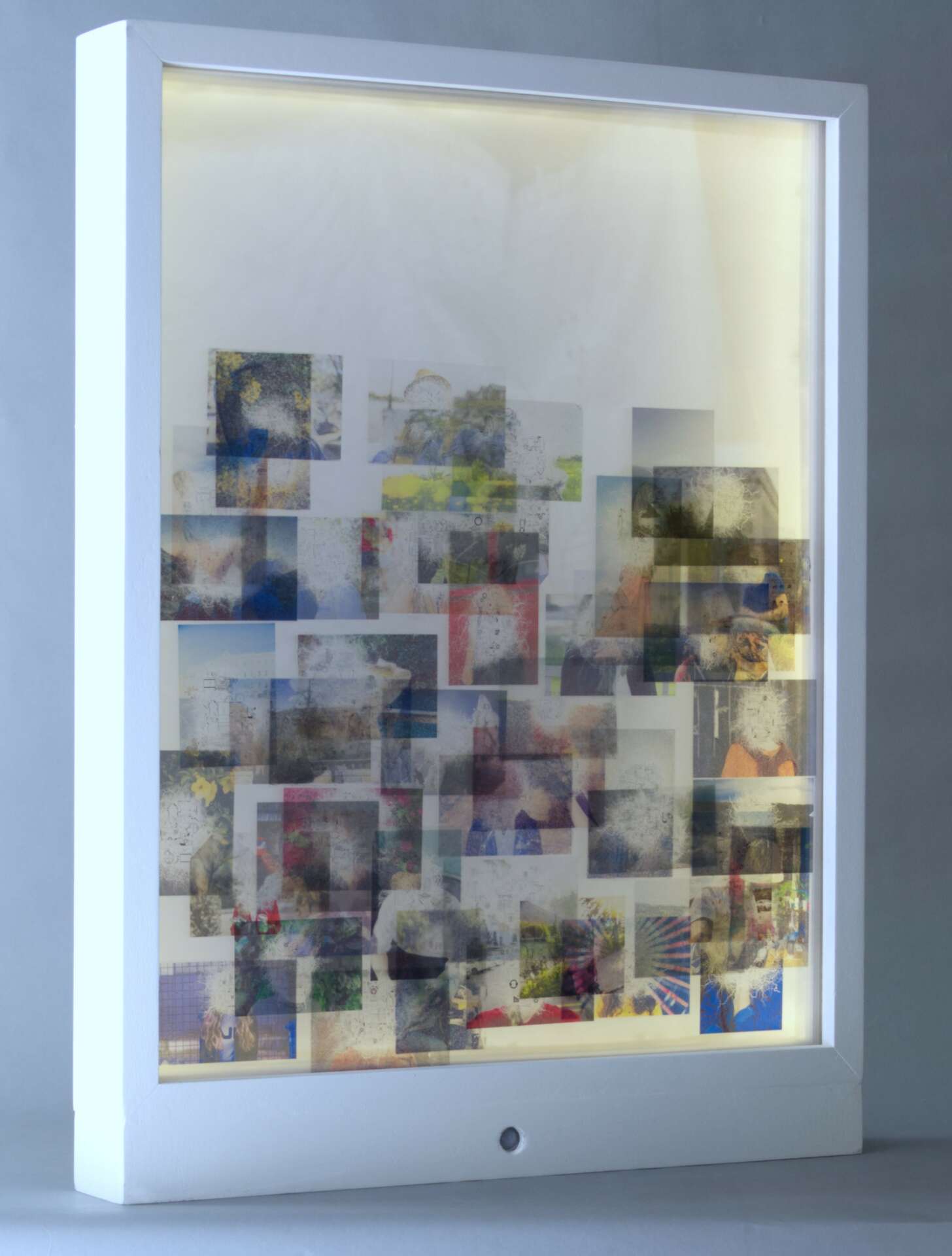
One of the core aspects of my artistic practice is addressing how emerging technology influences our lives and the way we communicate. I use it as a platform to explore how societal norms, compassion, empathy, and biases will be unfolding as technology increases its capabilities and how these dynamics shape contemporary relationships and shape the human experience.
How about pivoting – can you share the story of a time you’ve had to pivot?
Sure, most profoundly was my leap into a full-time art career. I was already working in another capacity in the art world, pursuing a path that I thought I wanted. And while I still have a passion to help study and preserve other people’s artwork, a variety of events led me to admit a profound desire to create my own.
The pivot was making the shift from a regular pay-check earning job to a full-time art career and it was a daunting leap. It’s been remarkable that shortly after my transition to a full-time artist that intense developments in the topics I was interested just exploded. The pandemic compelling us to connect remotely, the rapid advancements in AI. I was just struck by how these abrupt changes to our realities inspired us to manipulate technology to convey intimacy even when we weren’t able to be present with each other. These are the very subjects I had already been delving into with my work, it was an interesting time to be involved with these topics.
Is there something you think non-creatives will struggle to understand about your journey as a creative? Maybe you can provide some insight – you never know who might benefit from the enlightenment.
I’ve been thinking about this lately, this misconception around the idea that artists are innately and effortlessly creative, possessing an intrinsic talent for producing art. It was a belief that held me back for a long time and it is still difficult to re-educate myself from time-to-time.
I don’t believe creativity is a fixed, innate trait. I think some people might be more pre-disposed to believing they have it but really, it’s a skill honed through practice and persistence. I know so many artists who invest countless hours refining their craft, experimenting with new techniques, and learning from failures. The creative process is not solely about inspiration striking like lightning; it entails deliberate, ongoing cultivation.
It is a romanticized notion that we perpetually yearn to create without any struggle or procrastination. Creative blocks, self-doubt, low motivation are common experiences of artists I have talked to about this. While there are a minority of exceptions, many of us have to summon the discipline and perseverance to overcome these hurdles and consistently engage in our work, and it often isn’t easy.
These misconceptions overlook the diverse challenges artists face in the art world and I think it is harmful to those who might have the potential to become artists—self-promotion, networking, financial instability, and the pursuit of opportunities. It’s a multifaceted journey demanding resilience and adaptability even when you don’t feel worthy.
Contact Info:
- Website: www.robynsanford.com
- Instagram: @robyn_sanford
Image Credits
Robyn Sanford