
All right—so today we’ve got the honor of introducing you to Robyn M. Mussler. We think you’ll enjoy our conversation, which we’ve shared below.
Hi Robyn, thanks for joining us today. We’d love to hear the backstory behind a risk you’ve taken – whether big or small, walk us through what it was like and how it ultimately turned out.
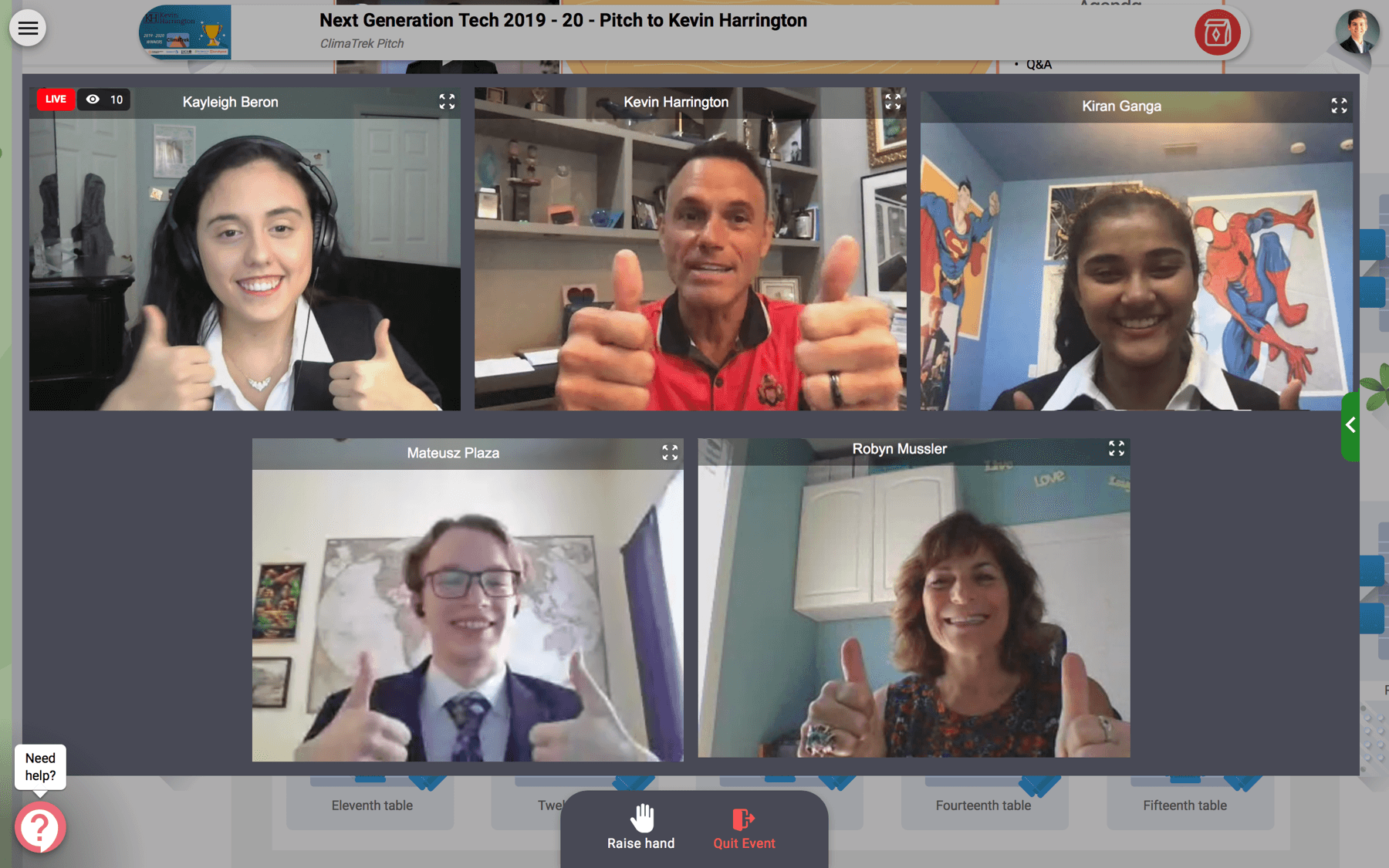
When COVID hit, everything around us came to a halt. Schools shut down, events were canceled, and programs everywhere pressed pause, many indefinitely. At that moment, I was faced with a decision: Do we shut down alongside everyone else, or do I find a way forward in the face of uncertainty?
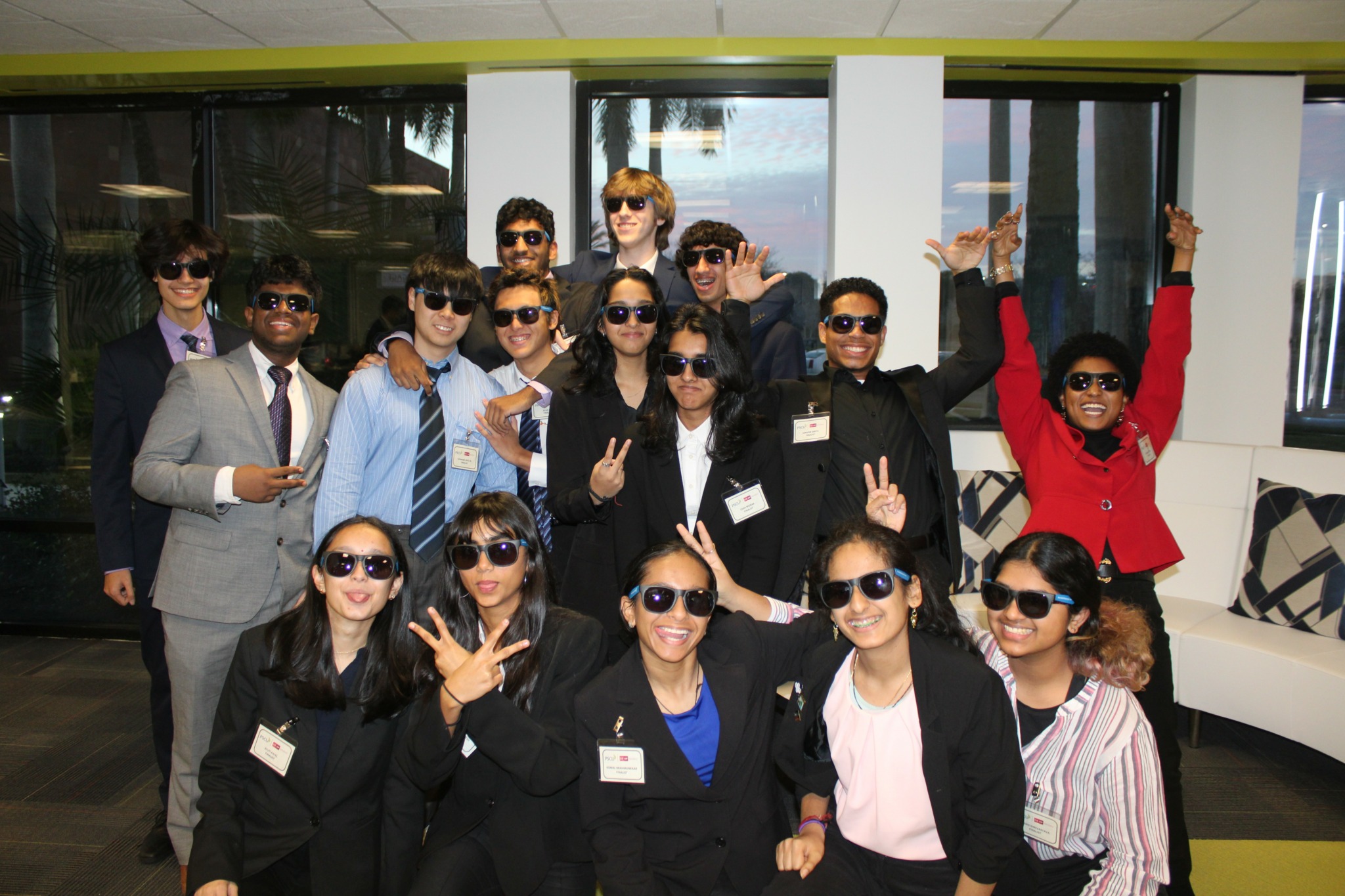
It would have been easy to cancel; it would have been expected. I had no roadmap for how to run a program built on collaboration, live pitches, and in-person energy in a fully virtual world. But what weighed on me most was our students. They had already invested months of effort, growth, and belief in their ideas. Walking away would have sent a conflicting message to our students. In our program, we teach grit and resilience to overcome obstacles. We would have been contradicting the very mindset we teach. I was determined and committed to showing our students how to rise above these challenges, to show them what true leadership is all about.
I took the risk. I reimagined everything. I searched for and implemented a virtual platform that could still capture the energy and engagement of our final pitches. We had finalists record and submit their pitch videos, and we built a fully virtual awards ceremony that was not only functional, but interactive and meaningful. It was unfamiliar territory, and there were no guarantees it would work, but we leaned into agility, creativity, and pure determination.
There were moments of doubt. People questioned whether it was worth continuing. But we stayed committed, not just to the program, but to what it represents: resilience, innovation, and showing up when it matters most.
And it paid off. The event was a success, but more importantly, the impact was profound. Students told us we weren’t just the only program that didn’t cancel, we were the only thing in their lives that didn’t cancel on them. In a time when everything felt uncertain and out of their control, we became a constant. We showed up. And in doing so, we showed them what it looks like to keep going when things get hard.
That experience didn’t just carry us through a difficult moment, it redefined how we operate. It reinforced the importance of adaptability and showed our students, in real time, what it means to face challenges head on.
Looking back, it was one of the most meaningful risks I’ve taken. Not because it was perfect, but because we chose to persevere, and in doing so, we made a lasting impact.
Robyn, before we move on to more of these sorts of questions, can you take some time to bring our readers up to speed on you and what you do?
At my core, I’m a builder of products, of programs, of people, and of pathways that create opportunity where it doesn’t naturally exist.
My journey into this work wasn’t linear. I spent over 30 years building global products, leading digital transformation, product strategy, and program management initiatives for organizations like Nielsen, Nasdaq, Accenture, Cox, etc. My work focused on solving complex business problems, helping companies become more efficient, more customer-centric, and more aligned in how they operate. I was deeply immersed in frameworks like Agile, Lean Six Sigma, and ITIL, and I thrived in environments where structure and strategy could drive measurable results.
But over time, I felt a pull toward something more human-centered, and that pull is deeply rooted in my personal story.
My sister Susie, who had Down syndrome, had a profound impact on how I see the world. Growing up alongside her, I witnessed both her incredible capabilities and the limitations society often placed around her. She taught me lessons in resilience, joy, and authenticity, but she also opened my eyes to the gaps in access, opportunity, and inclusion that exist for so many. That perspective never left me. In many ways, it became the “why” behind everything I do.
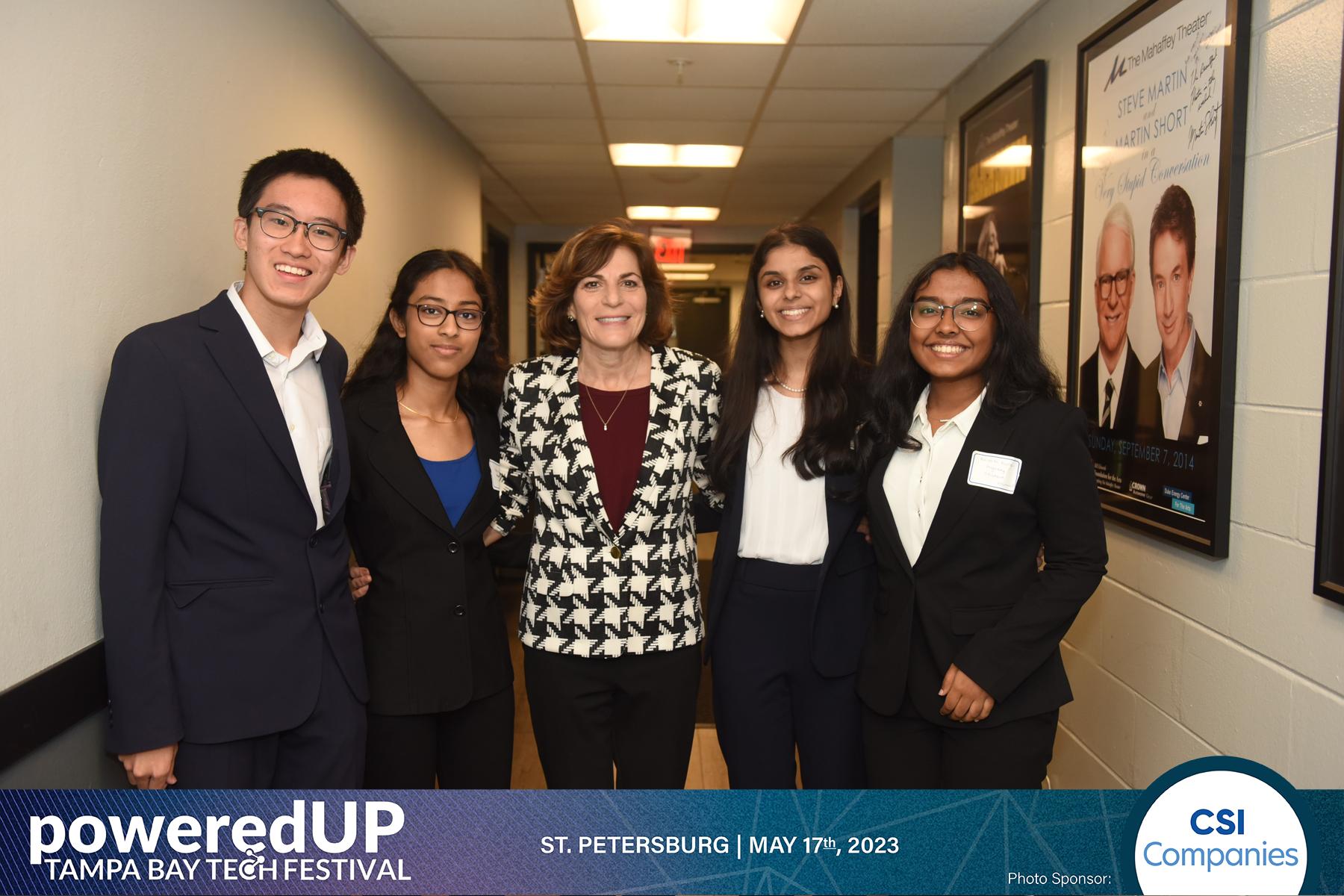
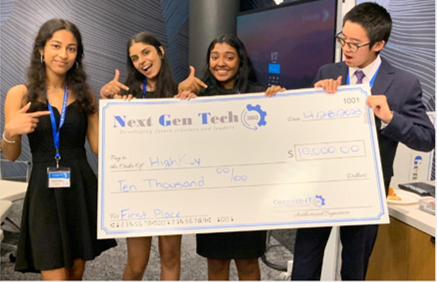
That shift led me to create the NGT360 program and ultimately start the nonprofit Connect-IT 360. The NGT360 program was an initiative designed to equip young people with real-world skills in innovation, business, and technology. What started as an idea has grown into an award-winning program that doesn’t just teach students concepts but immerses them in experiential learning: working in teams, solving real problems, pitching ideas, and building confidence in who they are and what they’re capable of. In other words, stepping into their superpowers.
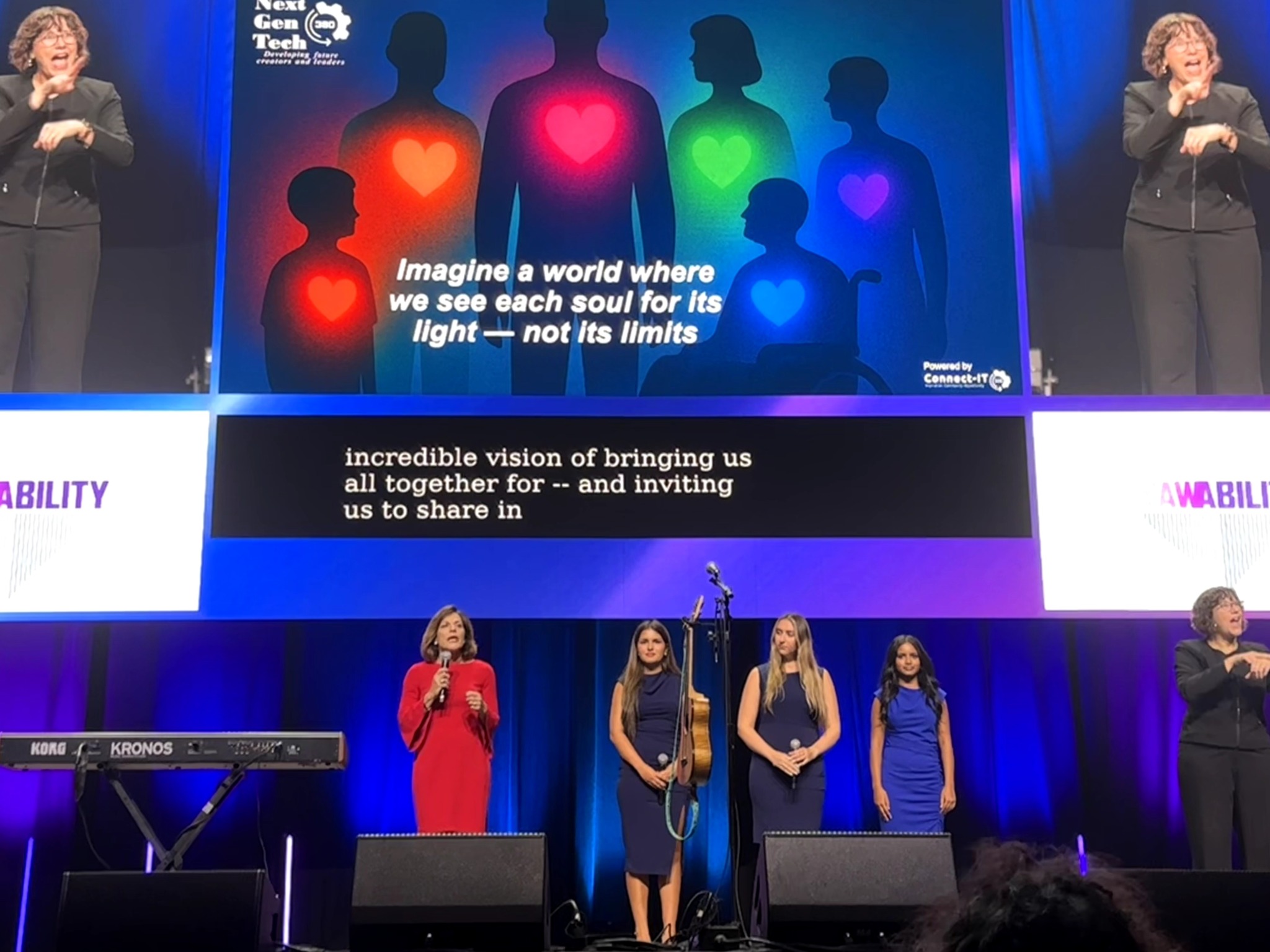
Today, my work sits at the intersection of education, innovation, and accessibility. Through NGT360, now rebranded as SharkMakers, we provide personalized experiential learning programs, mentorship, and platforms for students, many of whom would not otherwise have access, to step into spaces typically reserved for professionals. We’re not just teaching business or technology; we’re teaching resilience, communication, critical thinking, and how to navigate uncertainty. Increasingly, we are also focused on accessibility, ensuring students of all abilities have the opportunity to participate, contribute, and lead.
The problem we’re solving is bigger than skills; it’s about access and belief. Too many young people are never given the chance to discover what they’re capable of, or they’re told, directly or indirectly, that certain paths aren’t for them. We change that narrative by creating environments where students can see themselves differently and be seen differently by others, helping them understand who they are and the talents they have to step into their purpose.
What sets my work apart is that it’s not theoretical; it’s lived. Everything we teach, we’ve done. Everything we ask of our students, we model ourselves. We don’t shy away from challenges; we lean into them, and we bring students along for that journey. Whether it was continuing our program during COVID when everything else shut down, or building new initiatives like SharkMakers, we operate with a mindset of agility, purpose, and persistence. The art of possibility!
What I’m most proud of isn’t just the growth of the program; it’s the transformation in the students. Watching a student go from uncertain to confident, from quiet to leading a pitch in front of a panel, that’s everything. Hearing that we were “the only thing in their life that didn’t cancel on them” during one of the most uncertain times in recent history, that’s something I carry with me every day.
For potential partners, clients, and supporters, what I want you to know is this: This work is deeply personal. It’s driven by both professional experience and personal purpose, including my inspiration from my sister Susie, who had Down syndrome and shaped how I think about inclusion and opportunity. Everyone matters; it is about helping each person figure out where their puzzle piece fits in our society, creating the next generation of creators and changemakers, and building thriving communities.
This isn’t just a program; it’s a movement to redefine how we prepare the next generation, who gets access to opportunity, and what’s possible when we choose to invest in people early and intentionally. It is what happens when we stop asking our children what they want to be when they grow up and start asking what problems they want to solve. That is where the real transformation lies. And we’re just getting started.
We often hear about learning lessons – but just as important is unlearning lessons. Have you ever had to unlearn a lesson?
One of the most important lessons I’ve had to unlearn is the belief that structure and control are the primary drivers of success.
Early in my career, working in product development, digital transformation, and large-scale enterprise environments, success was defined by process, precision, and predictability. I was trained to build detailed plans, mitigate risk at all costs, and ensure everything operated within clearly defined frameworks. And in many ways, that approach served me well; it allowed me to lead complex initiatives and deliver results in high-stakes environments.
But as I transitioned into building programs like NGT360 and SharkMakers, I realized that what works in corporate environments doesn’t always translate when you’re working with people, especially young people, who are still discovering their voice, their confidence, and their potential.
The turning point came in the early days of the program. I was trying to apply the same level of structure and control, over-planning sessions, tightly managing outcomes, and unintentionally limiting space for creativity and failure. On paper, everything was “working,” but something was missing. The students weren’t fully owning the experience.
I had to step back and confront a hard truth: by trying to control the process too much, I was actually limiting the very growth I was trying to create.
So I started to unlearn. I shifted from being the one with the answers to creating space for students to find their own. I embraced ambiguity instead of trying to eliminate it. I allowed for failure—not as something to avoid, but as a critical part of the learning process. Instead of focusing solely on outcomes, I began to value the journey, the iteration, and the confidence that comes from figuring things out in real time.
That shift changed everything. Students became more engaged, more innovative, and more confident. They started taking ownership, pushing boundaries, and surprising even themselves with what they could do. And I realized that true impact doesn’t come from controlling every variable, it comes from creating the right environment and trusting people to rise within it.
Unlearning that mindset wasn’t easy, especially after years of being rewarded for it. But it’s been one of the most transformative lessons in my journey, and it continues to shape how I lead, how I build, and how I empower others today.
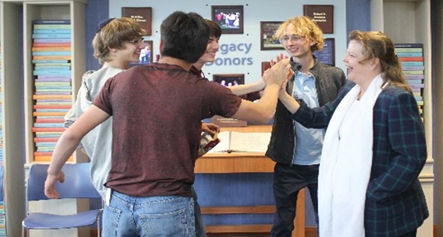
How about pivoting – can you share the story of a time you’ve had to pivot?
One of the most defining pivots in my journey came when I made the decision to step away from the Pinellas Education Foundation, where I originally created the NGT360 program, and decided to start my own nonprofit, Connect-IT 360.
At the time, the program was gaining traction. We were seeing real impact, strong student engagement, and growing support from the business community. But there was a consistent message I kept hearing from those closest to the work: this can’t stay contained here, more students need access to this.
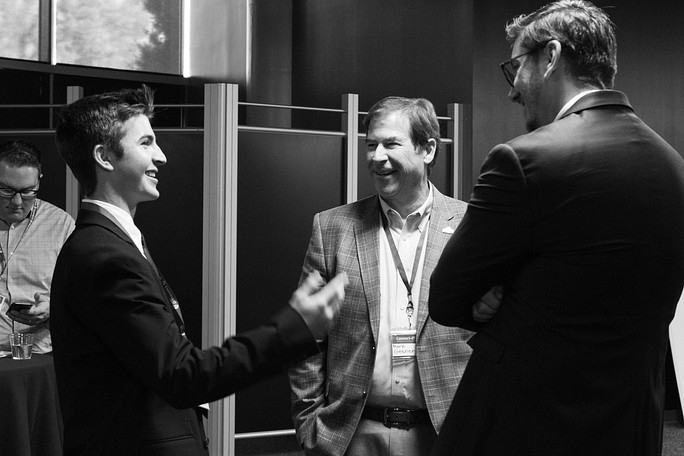
Our business community, mentors, and supporters were encouraging me to think bigger. They saw what the students were gaining—not just skills, but confidence, direction, and belief in themselves—and they pushed me to consider what it would look like to bring that impact beyond Pinellas County.
And they were right. But acting on that meant making a significant pivot. It meant stepping away from an established foundation and taking a leap of faith into building something of my own. At the time, I didn’t have experience running a nonprofit. There was no guarantee of funding, no built-in infrastructure, and no certainty of how it would all come together.
What I did have was conviction. I believed deeply that more students deserved access to this kind of experience, to learn how to think like entrepreneurs, to build confidence, and to step into what I call being the “CEO of their life.” I had seen firsthand what happens when students are given the space to discover their strengths and step into their potential. I couldn’t ignore that.
So I made the leap. I founded Connect-IT 360 with the vision of expanding beyond geographic limitations and creating a platform that could reach more students, in more places, with a stronger emphasis on innovation and accessibility.
The early days required figuring things out in real time: building the organization, forming partnerships, securing support, and evolving the program, all while staying true to the mission. It was uncomfortable, uncertain, and at times overwhelming. But it was also incredibly energizing because it was driven by purpose.
That pivot changed everything. It allowed us to grow NGT360 and what is now SharkMakers, expand beyond Pinellas County, and impact students who otherwise may never have had access to these opportunities. It gave us the flexibility to innovate, to build intentionally, and to stay aligned with the bigger vision.
Looking back, that moment reinforced a powerful lesson: Sometimes you don’t need to have all the answers to take the next step; you just need the courage to act on what you know is possible. I didn’t know exactly how to run a nonprofit, but I knew why it needed to exist. And that made all the difference.
Contact Info:
- Website: https://connectit360.org/ and https://thesharkmakers.com/
- Instagram: https://www.instagram.com/thesharkmakers/
- Facebook: https://www.facebook.com/Sharkmakers
- Linkedin: https://www.linkedin.com/in/robynmussler/
- Youtube: https://www.youtube.com/@sharkmakers
- Other: https://robynmussler.
carrd.co/ and https://sharkmakers.carrd.co/