

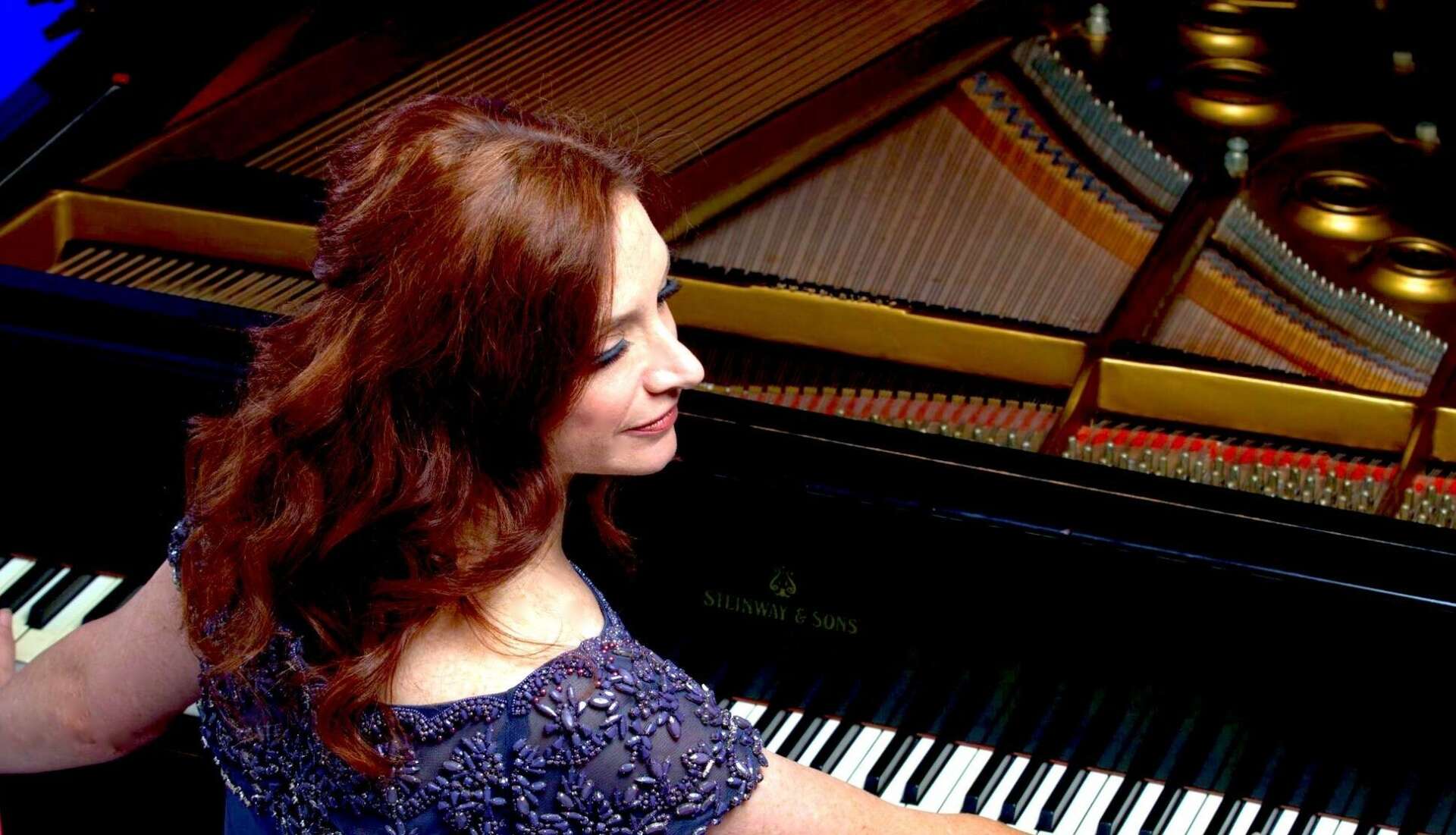

We recently connected with Robin Spielberg and have shared our conversation below.
Robin, thanks for joining us, excited to have you contributing your stories and insights. It’s always helpful to hear about times when someone’s had to take a risk – how did they think through the decision, why did they take the risk, and what ended up happening. We’d love to hear about a risk you’ve taken.
In the late 1980’s, I began playing piano in hotel lobbies and piano bars to support my aspiration to become a successful working actress. I had studied piano my entire life, and because I can memorize music very quickly and have the ability to improvise arrangements on the fly, I was able to secure a highly coveted “steady gig” at the Grand Hyatt in New York City, the hotel situated right above Grand Central Station. Acting jobs came and went, but the piano gig was always there, and it was on this job, that I began trying out incorporating my own original compositions into my sets. Eventually, I had enough original piano melodies to compromise an entire set (3 hours.) Listeners began complimenting me on the originals and asking if I had a CD for sale. I still considered myself an aspiring actress at this point, having done a few high profile plays with The Atlantic Theater Company (of which I am a founding member.) I started to think it might be a good idea to have a CD for sale, but how would I go about doing this? How does one get a record deal anyway? After a little research, I soon realized that breaking into the recording industry business as a creator of original solo piano music was a bit far-fetched. My Atlantic Theater Company mentors (actor William H. Macy and playwright David Mamet) taught us that any successful artist was self-made. One could not “sit around” and wait to be discovered; you had to create your own work. So I began researching how to record my album. I researched studios in New York and visited them, trying six different Steinways. I looked through the” instrumental section” of record stores (we had them back then!) and in the Sam Goody and Tower Record bins, I made notes of the engineers who worked on the recordings I liked and admired for their sound. I tracked one down and hired him to record my first album. Problem was, I was short on the cash required. I figured I needed about $15,000 to pay for studio time, a sound engineer, piano technician, manufacturing of a CD, album design graphics, advertising, a CD release concert, and self publication of a piano songbook to accompany the CD. It was a lot of money–especially for a musician/ unemployed actress living in NYC. One of my regular Grand Hyatt listeners, a real estate attorney, believed a lot in my compositions and offered to loan me $10k. The other $5k I would need to put on my credit card. I knew in my gut that this recording would be successful. How? I just *knew.* It was now 1992, and after several years of playing this steady gig 11:30am-2:30pm every day, I had a LOT of people asking if I had a CD. Since I was not allowed to accept tips at the piano (it was a union gig,) I collected business cards from my fans. I kept them in a glass bowl at home. One day, when I noticed the bowl full, I dumped out the cards on to my bed and counted them. There were 800 cards. 800! That was 800 people who said to please let them know if I ever released a recording. Well, that little record sold out in its first year (the first 2000 copies) and I paid back my fan and my credit card in short order. A record label picked it up the following year. It became their best selling recording in their catalog and has sold 300,000 copies to date. That was 1993-1994. Today I am working on recording # 24.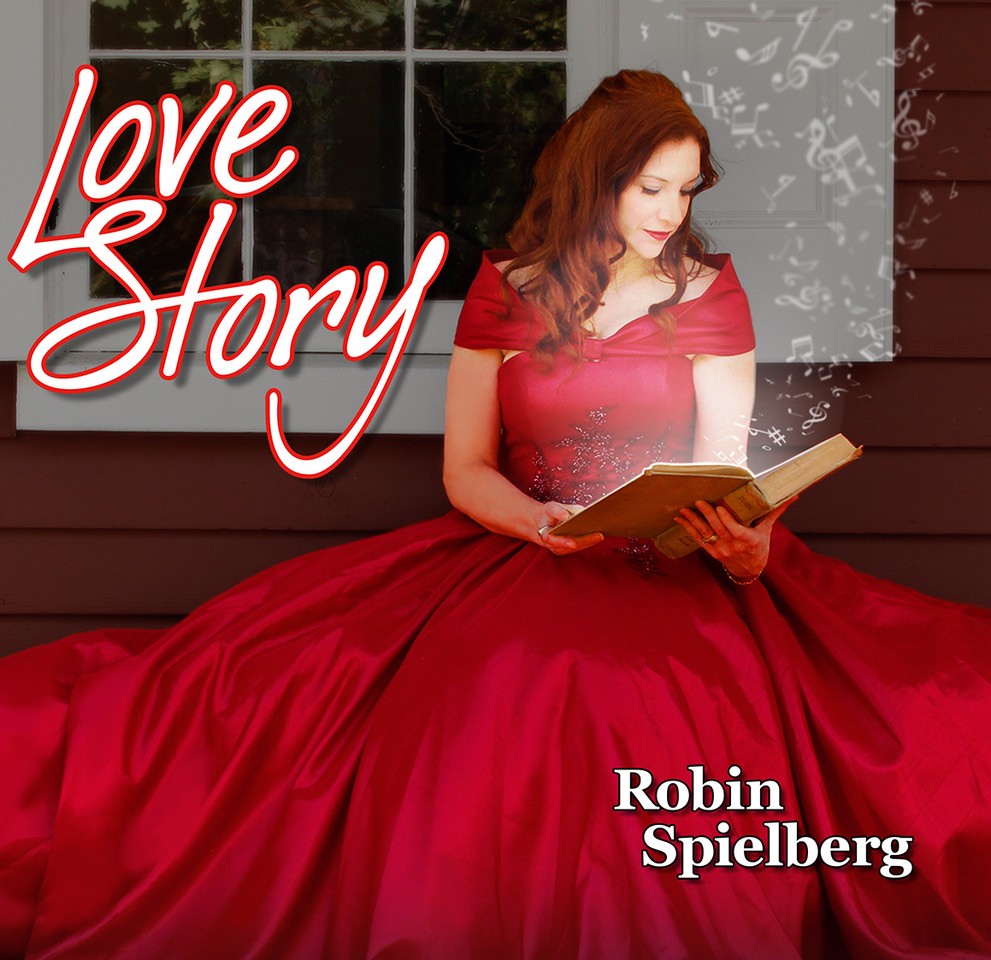
As always, we appreciate you sharing your insights and we’ve got a few more questions for you, but before we get to all of that can you take a minute to introduce yourself and give our readers some of your back background and context?
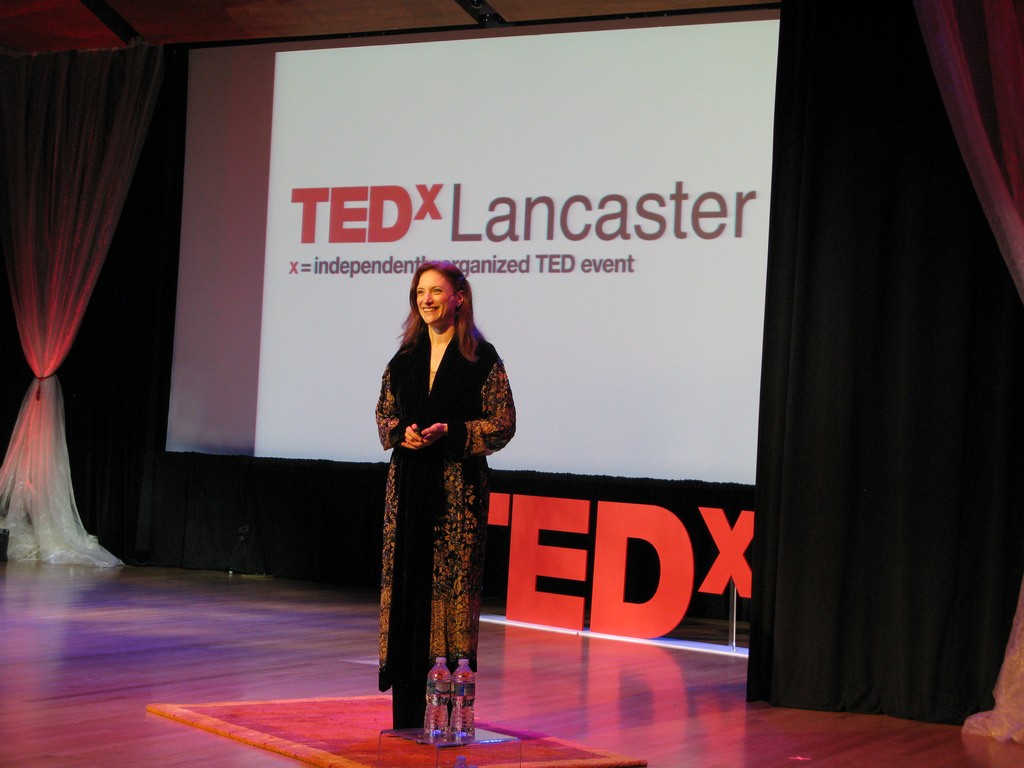
I am both an artist and business owner. I am passionate about music as it relates to our wellbeing and health. I have done a TEDx Talk on the connection between music and health, and advocate fiercely for music therapy and the American Music Therapy Association. I volunteer at nursing homes, assisted living, and “music and memory” units, playing music from yesteryear to help our aging population feel connection and joy.
While I began my music career in the piano rooms and hotel lobbies of Manhattan, I am now a few decades into a concert career that takes me around the world. I have toured through the US as well as Asia.
My husband and I operate a small talent booking agency and we are very proud of amplifying the voices of artists who might not otherwise be seen or heard. These “impact” artists/performers have a tremendous positive impact on our youth and offer outreach programs and workshops that empower and delight.
I am very proud of being resilient. The music business can be very difficult in that there is a lot of rejection. I have found that I need to keep getting back on the horse and trying again, or in a different way, in order to reach my goals.
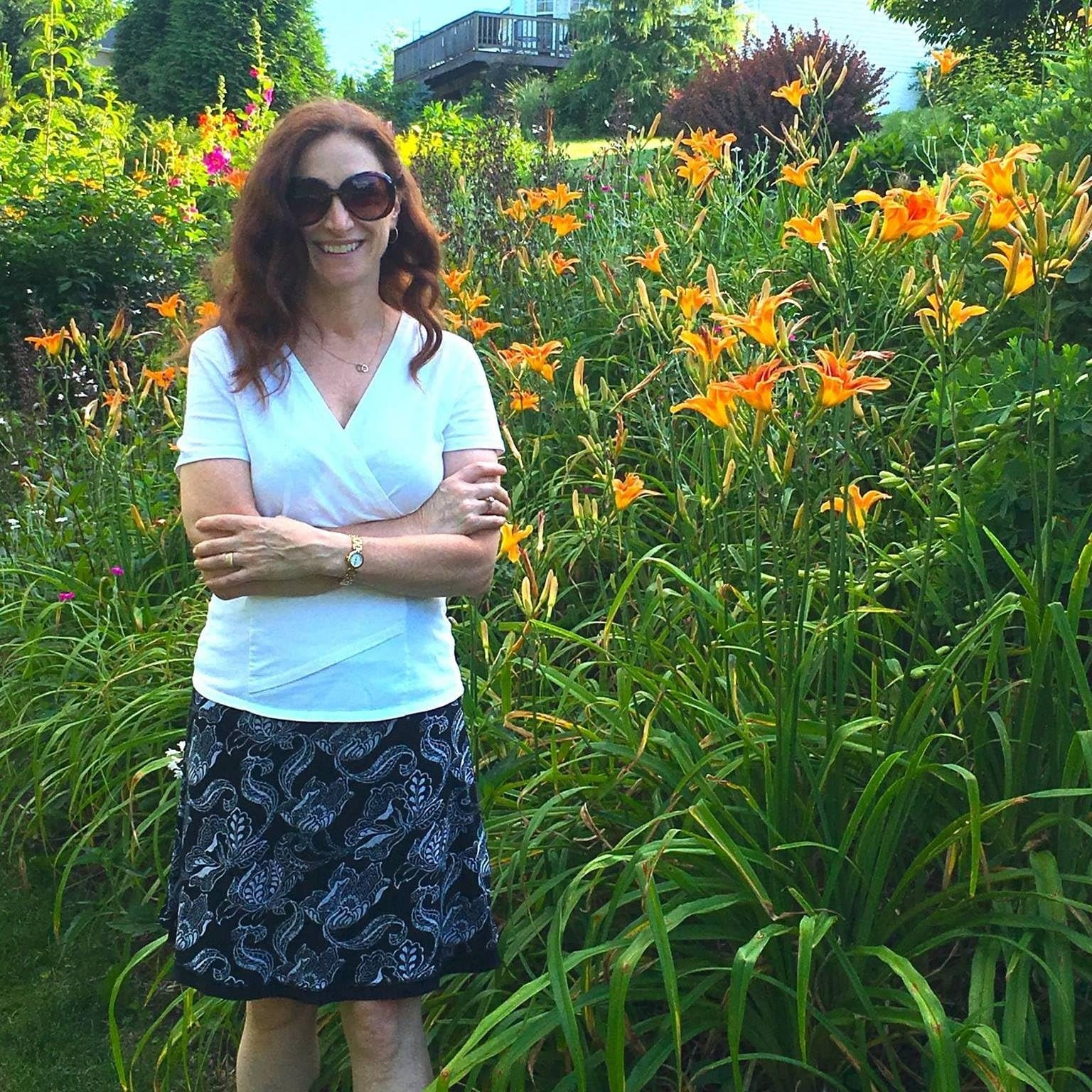
I love gardening and am often inspired to compose music when in nature.
Let’s talk about resilience next – do you have a story you can share with us?
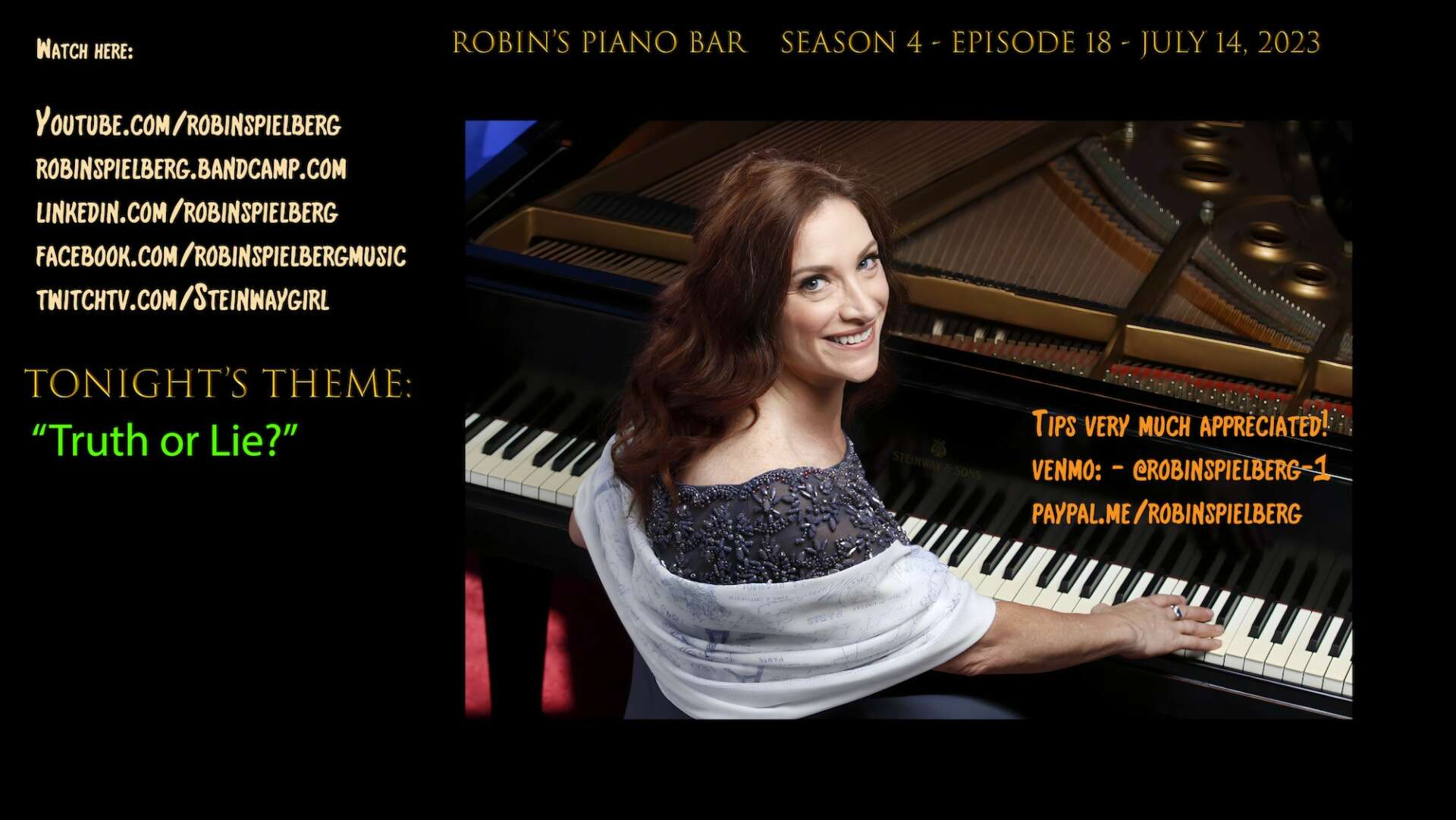
The Covid-19 pandemic was tough on everyone, but I think it was especially tough on creatives as we were all told that we were “non-essential workers,” and it felt that everything we worked so very hard for, didn’t matter to society. This was a tough pill to swallow, especially in light of having all the concerts on the schedule disappear in an instant. I had just released my album, “Love Story,” which charted on Billboard’s Classical Crossover Chart. We had a 20-city tour planned. The first show was on March 7th, 2020 in Louisiana and went great. The remaining 19 shows ended up being cancelled. With no touring income and our booking agency business frozen, I decided I needed to keep playing, even if there was no audience. I started livestreaming from my home Steinway, using an iPhone. At first I broadcast to Facebook. A few people would watch my little made up tv piano show. Then I applied for a local grant that challenged entrepreneurs to re-invent their models during the pandemic. I was awarded the grant, and this allowed for my husband and I to purchase some real broadcast quality cameras and equipment. We expanded to broadcasting “Robin’s Piano Bar” to five platforms (Facebook, TwitchTv, LinkedIn, BandCamp and Youtube.) Viewership slowly grew. Every week I would choose a different theme, and choose songs that related to that theme. For example, If the theme was “Winning and Losing,” I would choose songs from Broadway, pop radio and traditional tunes that related to winning or losing. “The Winer Takes it All,” “The Gambler,” are songs I might learn, arrange and play for the night. We’d stream a 90 minute set every Friday night, never repeating a set. We did it for ourselves. We did it for the listeners stuck at home. We did it because we loved it. And guess what? People began to use Venmo and Paypal to send tips! When I started sharing with our viewers that my dream had always been to have my work orchestrated and recorded with a full symphony, they encouraged me to crowd-source. I started a Patreon page and sending monthly perks to members (pdf copies of my sheet music, vintage postcards, CDs, signed posters, tee shirts, songbooks etc). As of this writing, we have done 223 live streams, and they have paid 50% of the cost of my symphonic project (!) due out this October.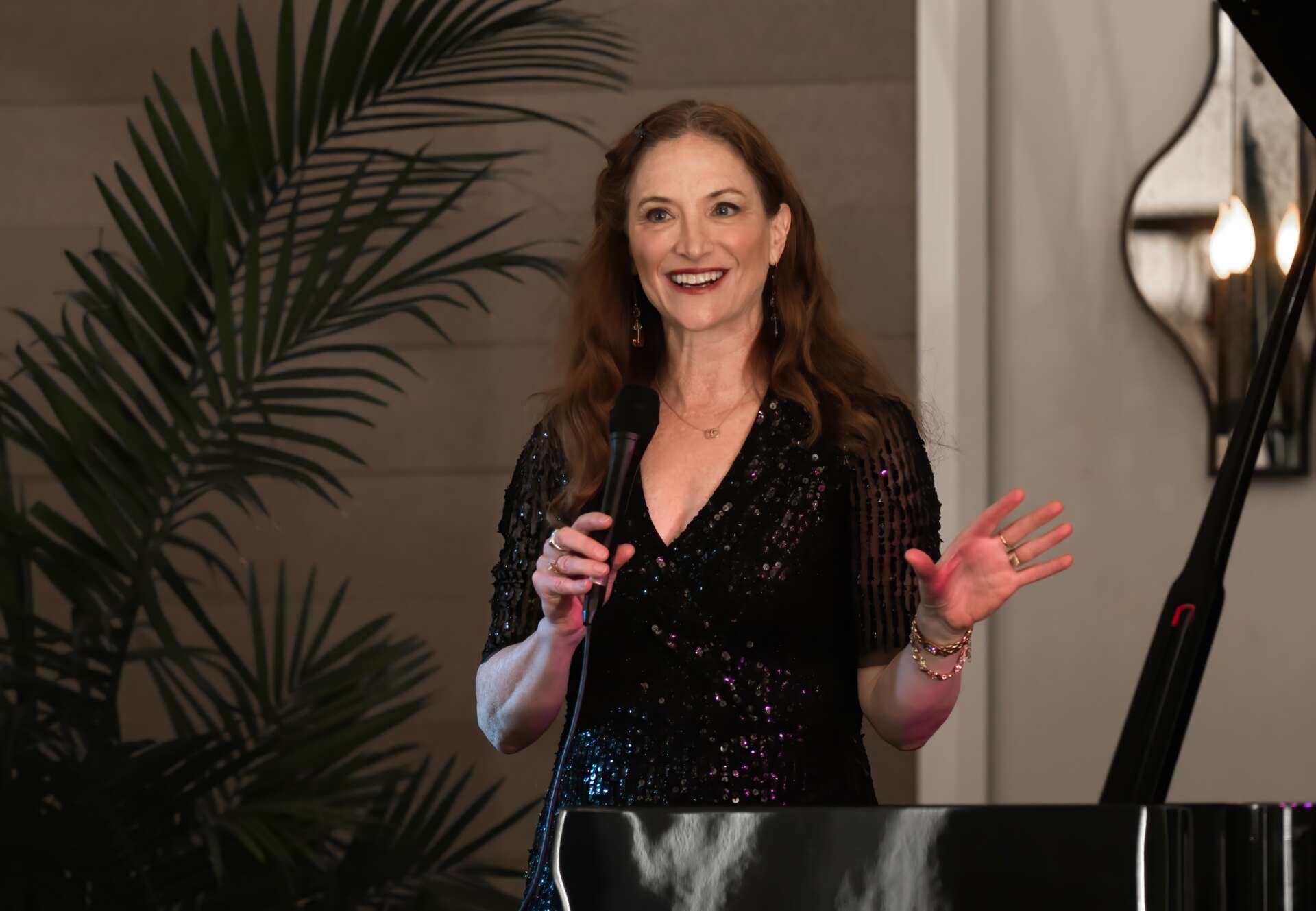
What’s a lesson you had to unlearn and what’s the backstory?
I spent years using the wrong metrics to measure success. The metrics I was using were all very “industry standard.” For example, how many records did I sell of a particular album? Was a show sold out? Was there a standing ovation? Did an album chart on the radio? Did it chart on Billboard? How much money was I earning in royalties? These are all factual data driven metrics that are easy to get caught up in…but they don’t necessarily define success. They might define popularity or financial success, but what impact was I making really? I found myself guilty of constantly moving the goal posts. I would dream up a goal of playing at Carnegie Hall for example. Once I achieved that goal, I’d dream up another. I figured I would feel *really* successful if I had an overseas tour. Then I’d do an overseas tour and move on to the next thing. Then I had an epiphany that was life changing.
In 2004, I was on tour in Missouri and was asked to volunteer at a nursing home. I went over there with some songbooks under my arms, prepared to play “Name That Tune” with residents. But when I got there, I saw that this was not to be. It was in a very run down state-run nursing home and it was just awful. The piano was practically unplayable. The residents were very out of it; all of them on stretchers or in wheelchairs. There was no applause after I had finished playing the first song. When I asked for a request there was no response. The residents were so out of it..it was very depressing. I figured I’d play my hour and leave.
On my way out of the facility, a nurse came running down the hall to tell me how much everyone loved the performance. That seemed so strange. I saw no reaction from anyone. Then she asked me if I had notice a gentleman sitting in a wheelchair up front tapping his foot and singing along to Moon River. I remembered. Yes…out of the corner of my eye, I did see him and I heard him making some sounds. Then she said, “You wouldn’t know this, but he hasn’t spoken in six months. His wife passed away and he has been very depressed. Moon River was his song with his wife and when he heard it, he came alive. He started to tap his feet and hum and sing the words! No one was there to see you out because we were all so excited we called his family right away to come…he is talking!!” Then she hugged me and when she pulled away she had tears streaming down her face.
I went to my rental car, sat behind the wheel, and cried. All this time. I had been measuring success all wrong. I just had the most successful moment of my career and there was no applause, no money, no standing ovation, no one to witness it really. But it just happened. And it was real. And meaningful. And everything. From that moment on, I decided that my goals in music were to make meaningful connections, one listener at a time.
Contact Info:
- Website: www.robinspielberg.com
- Instagram: @robinspielberg.real
- Facebook: facebook.com/robinspielbergmusic
- Linkedin: linkedIn.com/robinspielberg
- Twitter: @robinspielberg
- Youtube: youtube.com/robinspielberg
- Other: www.kossontalent.com
Image Credits
photo: Larry Kosson