We’re excited to introduce you to the always interesting and insightful Robin Shwetzer. We hope you’ll enjoy our conversation with Robin below.
Robin, appreciate you joining us today. Was there an experience or lesson you learned at a previous job that’s benefited your career afterwards?
The most important lesson I learned from a job was during my thirty years as an intelligence analyst for the U.S. Government. The most critical skill for anyone analyzing intelligence for decision-makers is to be unbiased–to examine all evidence with a skeptical eye whether from a human source or technology. If an analyst looks at an intelligence problem with a preconceived assessment and they are wrong, unindented consequences can occur, whether to people or to a relationship between countries. Often the analyst does not recognize their biases, so tools and methods are required to test evidence and assumptions. I’ve learned to apply these methods to my new career as a cognitive health coach and medical researcher. For example, if a client exhibits atypical symptoms for Alzheimer’s, I would perform in-depth research in all possible databases while the physician orders a battery of tests. The results. (or “evidence”) along with detailed symptoms can be compared on a comprehensive chart known in the intelligence community as “Analysis of Competing Hypotheses” to attempt to refine a diagnosis. However, the answer may not be simply one diagnosis; it is important to keep in mind that a patient may have varied disorders and/or diseases. Another analytic method known as “devil’s advocacy” can then be used to question my “hypothesis,” which is a diagnosis(es) in this example. As a health coach, my scope of practice does not allow me to diagnose a patient, but I can send my findings to the appropriate physician for their review. If the problem is not a diagnosis, but a potential treatment, the same methods can be used.
Robin, love having you share your insights with us. Before we ask you more questions, maybe you can take a moment to introduce yourself to our readers who might have missed our earlier conversations?
I am a National Board Certified Health and Wellness Coach (NBC-HWC), Functional Medicine Certified Coach (FMCHC) and a ReCODE 2.0 (Reversal of Cognitive Decline) Certified Coach. I run a small, unique practice called “Banyan Tree Health Coaching.” I became interested in “root cause” medicine about ten years ago, when I decided to test my DNA with 23 and me, and found out I have one copy of the ApoE4 allele, which gives me a somewhat higher risk of Alzheimer’s Disease (two copies conveys a much higher risk). I decided to test my DNA because my father passed away from a sudden heart attack at only 37 years old. Fortunately, aside from the one ApoE4 allele, I did not have any other risk factors, and actually had two “longevity genes” in my favor. I began to read everything I could find on epigenetics (how behaviors and environmental factors can cause changes in gene function without altering the underlying DNA sequence), and became fascinated with how lifestyle could mitigate genetic risks. I found a website through 23 and me that was newly formed called “apoE4.info” and dug into the research and corresponded with this amazing community. I found there was a study ongoing with ApoE4 positive individuals and signed up to participate. Although I didn’t qualify for the study, Dr Dale Bredesen, who initiated the study and developed software to produce personalized Alzheimer’s prevention and reversal protocols, offered me a free protocol called “MEND,” based on my bloodwork and other factors. Years later this became the ReCODE protocol that I decided to coach.
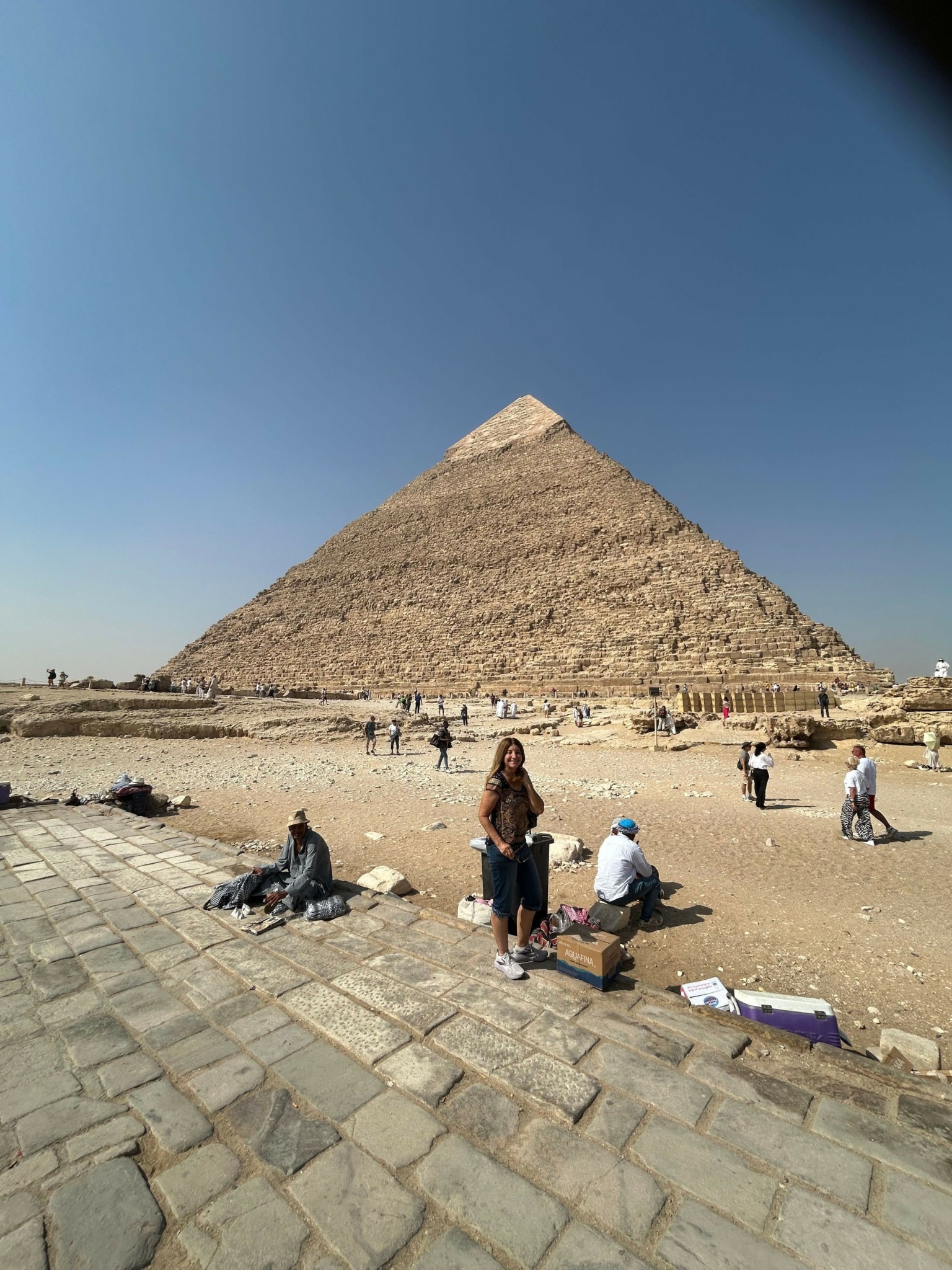
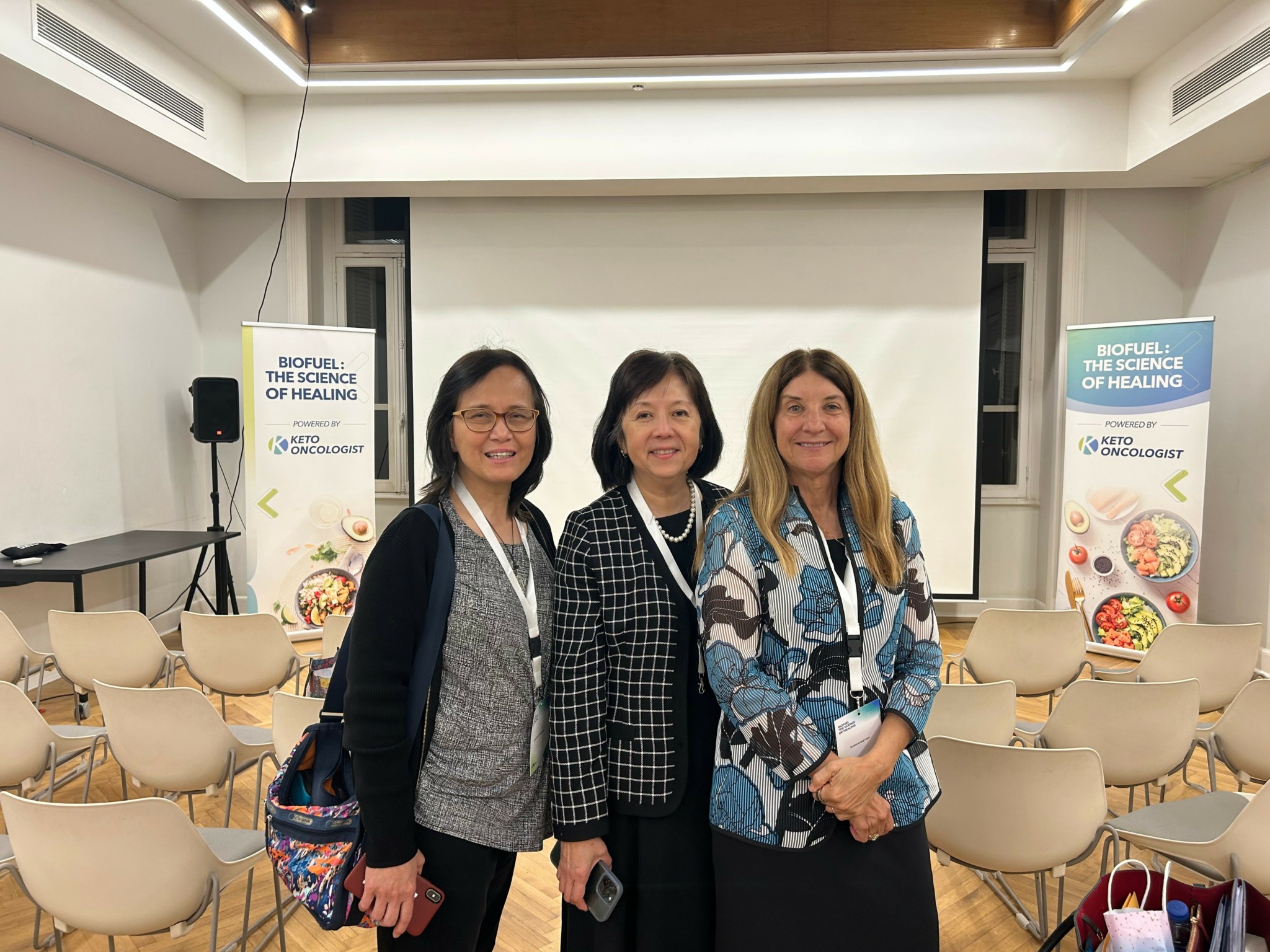
What may set me apart from other health coaches is the effort I expend on personalized research for each client. I also make “house calls” to clients homes at least once every three months. My proclivity to delve into the research and find the “root cause(s)” of disease comes from my decades of work as an intelligence analyst. When I retired from the U.S. Government in 2021, I quickly missed the excitement of finding the answer to a difficult puzzle, and helping someone find the reason for their illness–or identify a new treatment or clinical trial– gave me a renewed passion for research. Most physicians do not have the time to look extensively at the literature for each patient, so I perform comprehensive research on each client and share the information with the provider, so that if necessary they can order an additional test or perhaps even change or add treatments. For example, my first client, a then 60 year old woman with severe cognitive decline who was diagnosed by neurologists with “early Alzheimer’s,” also had REM sleep behavior disorder, which is often associated with Dementia with Lewy Bodies or Parkinson’s Disease. I performed comprehensive research specific to this woman’s unique symptoms, including the REM sleep behavior disorder, and informed her physicians about what I found. I believe if her neurologist had realized the significance of the REM sleep disorder over a decade earlier when she first showed symptoms, it may have changed her diagnosis or treatment. Unfortunately, this woman passed away at the age of only 61, but I became dedicated to educating the public–and physicians–about the exceptionally high percentage (Over 90%) of people who have REM sleep behavior disorder who go on to develop Parkinson’s, Lewy Body Dementia, Multiple System Atrophy, or a few other rare diseases with fourteen years. I now research REM sleep behavior disorder potential treatments in an effort to prevent conversion of this disorder to a debilitating neurodegenerative disease. In October, I presented my findings to an international conference in Cairo, Egypt, called “Biofuel: The Science of Healing.”
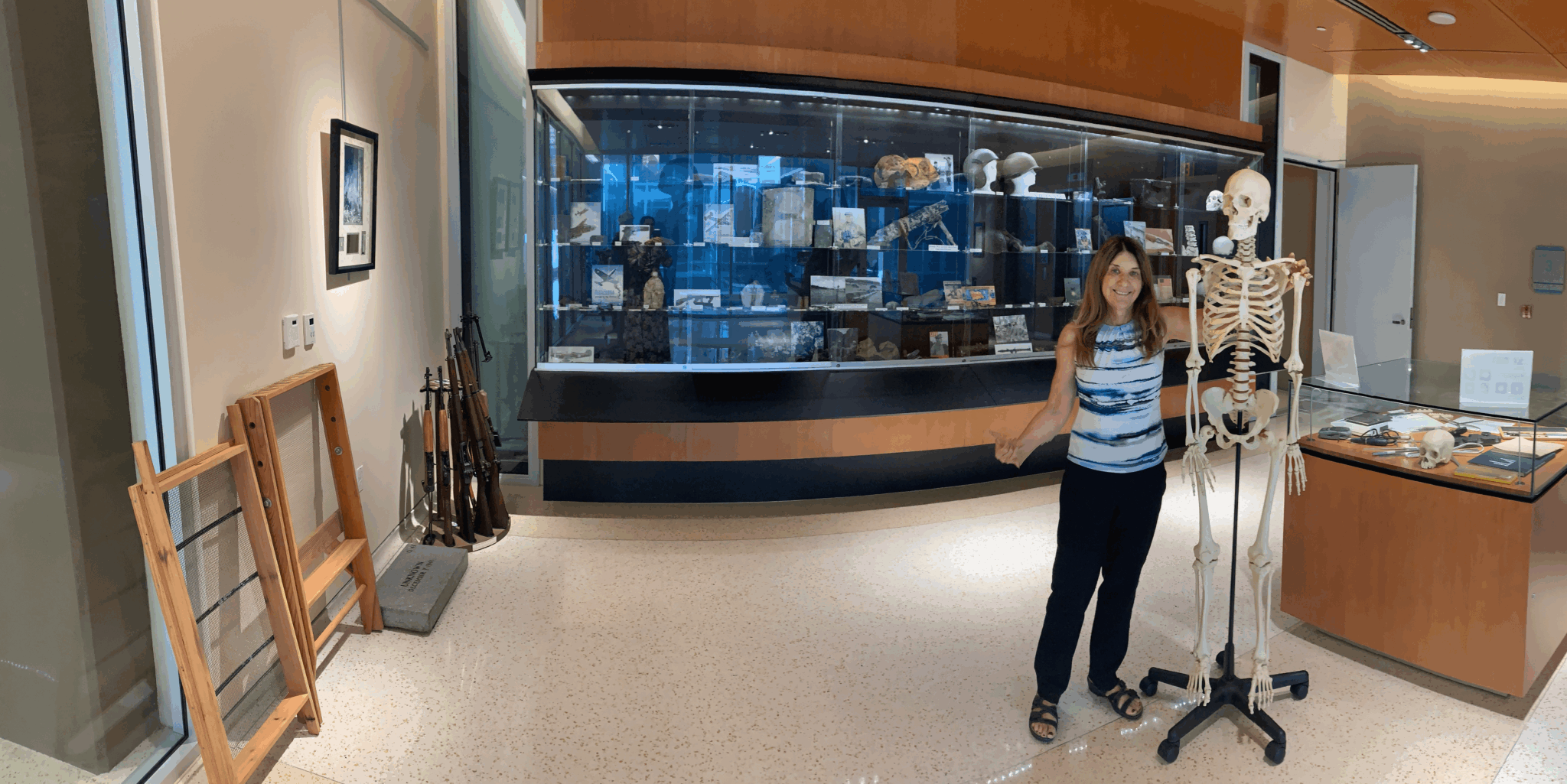
On a totally different note, I also am a volunteer researcher for a non-profit organization called “Healing Through History,” that supports Missing in Action (MIA) recovery efforts from the Vietnam War.
How’d you build such a strong reputation within your market?
While I was taking the course to be certified as a Reversing Cognitive Decline (ReCODE) coach, I reached out to an exceptional ReCODE certified physician in my community, and asked if I could volunteer to coach one of her ReCODE patients. The physician decided to give me two clients; one very severe and one who had mild cognitive decline. I worked very hard with both clients, making house calls and attending doctors’ appointments with them. As an experienced researcher and analyst, I performed in-depth research on each client’s specific medical concerns, providing the physician tailored research that supported her treatment protocol. Since that time, both the physician and her ReCODE certified P.A have been recommending me to their ReCODE patients. I identified another excellent MD in Florida who was ReCODE certified and offered him my coaching services, and he now also sends me ReCODE patients to coach. I do not advertise for clients, nor do I work with clients who are not patients of certified ReCODE providers, as I want to be able to coach very specific, personalized protocols and as a coach, I could not do that without working closely with certified physicians as it would be out of my scope of practice. I believe my reputation has been built upon my close relationship with these renowned and trusted providers.
If you could go back in time, do you think you would have chosen a different profession or specialty?
If I could go back to my college years knowing what I know now, I would probably have pursued the same academic path, as it led to so many amazing opportunities, but I think I would have pivoted a few years earlier into the medical research field. When I retired from the Government, I felt it was “too late” to go back and do all the prerequisites required to pursue a science-based advanced degree, so I chose the field of coaching, which would allow me to pursue research as well as apply it to clients, closely working with physicians and P.As. But had I left my Government career when I first became fascinated with genetics and functional medicine, I may have pursued an MS or Ph.D in nutrition or biology, possibly focusing on the microbiome and metabolic therapies.
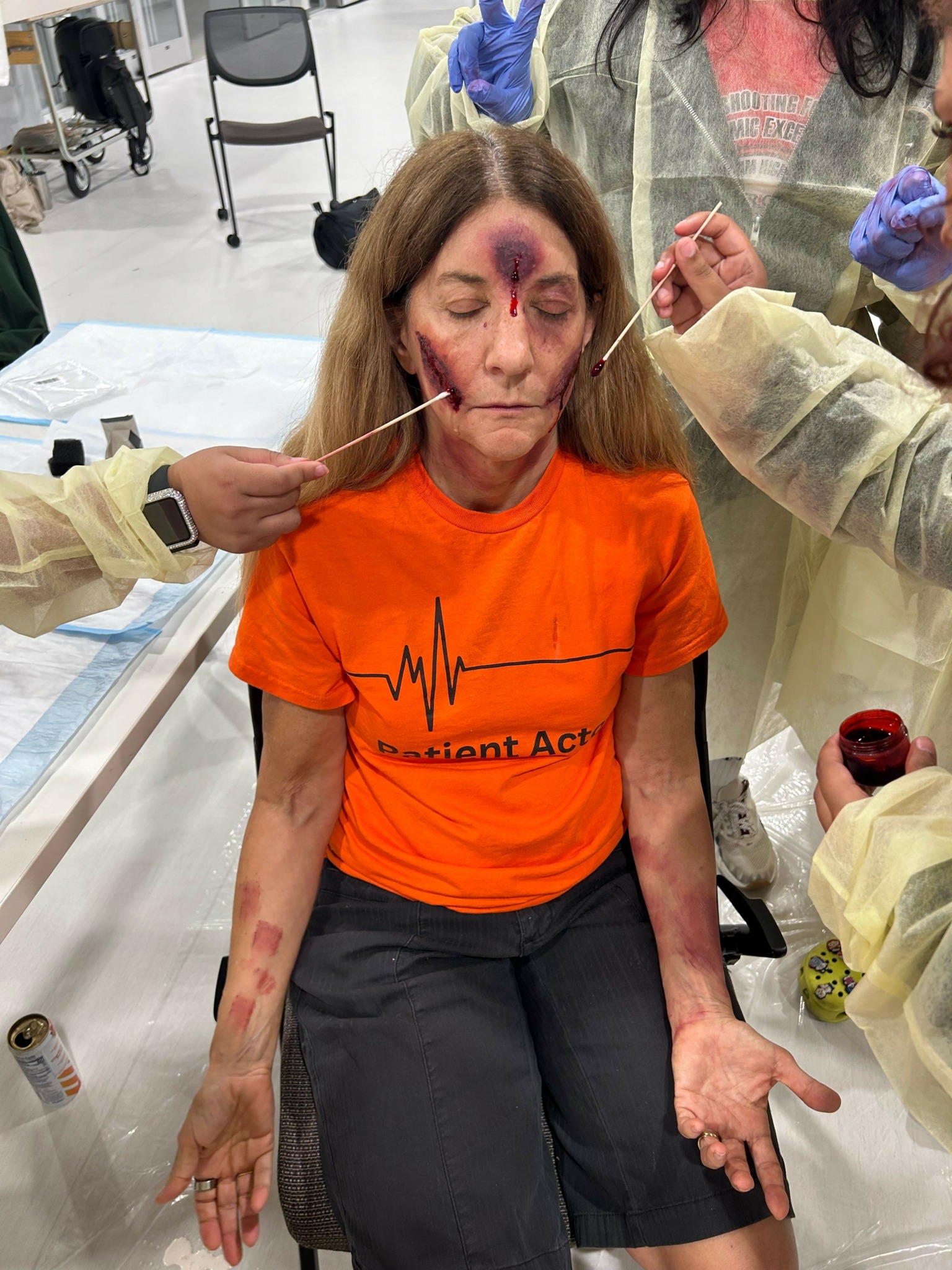
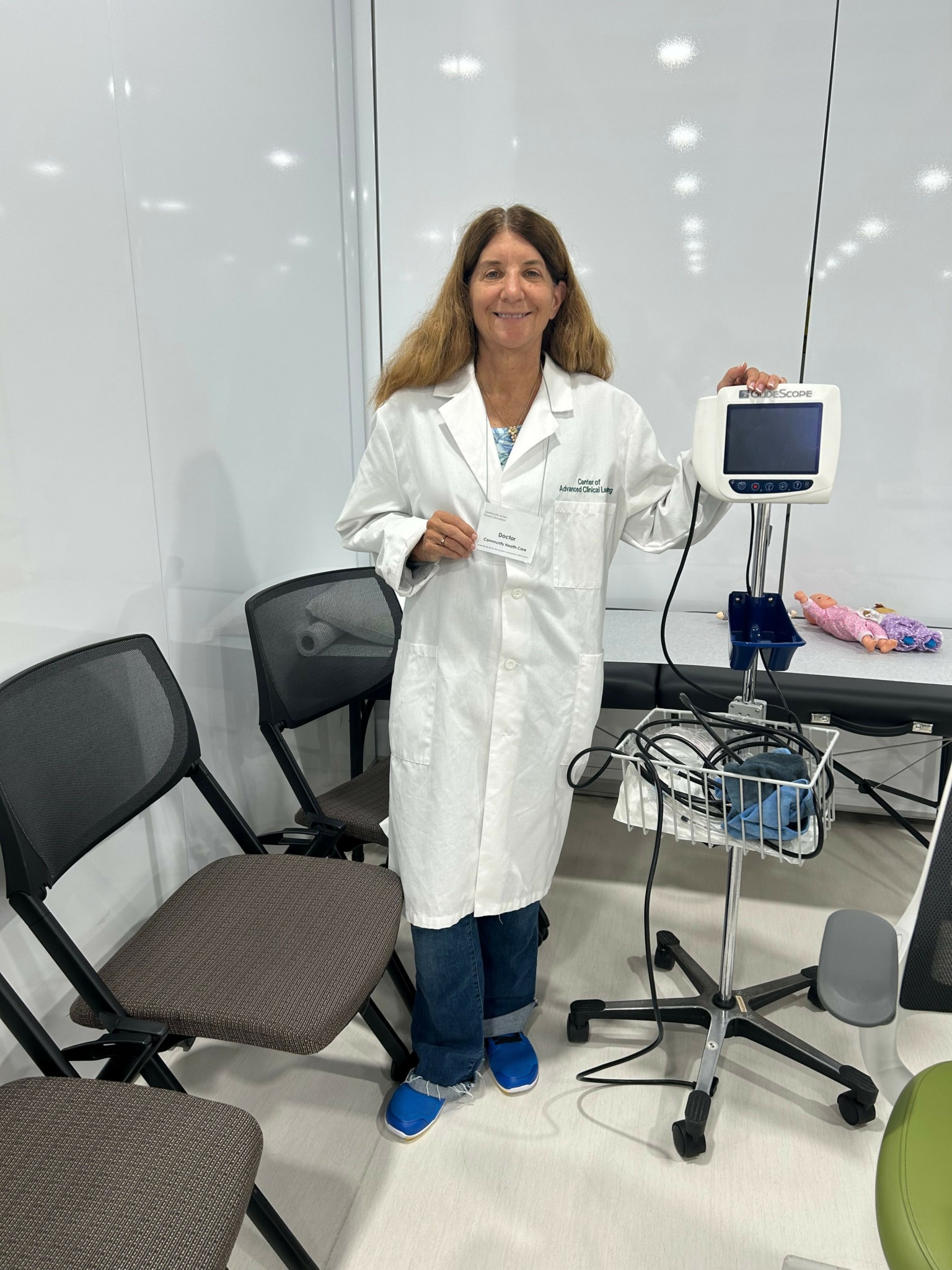
In addition to my career as a health coach, I work part-time at the University of South Florida’s Morsani School of Medicine, where I am a “Standardized Patient.” This extremely fulfilling and FUN job allows me to help medical students become better physicians. I learn so much from this job about the field of medicine as it is taught to students–both the positive and negative aspects, that I would love to have been qualified to teach students elective courses such as nutrition and the microbiome, to name just two.
Contact Info:
- Facebook: Robin Pekelney Shwetzer
- Linkedin: https://www.linkedin.com/in/robin-shwetzer-nbc-hwc-6045b149/