

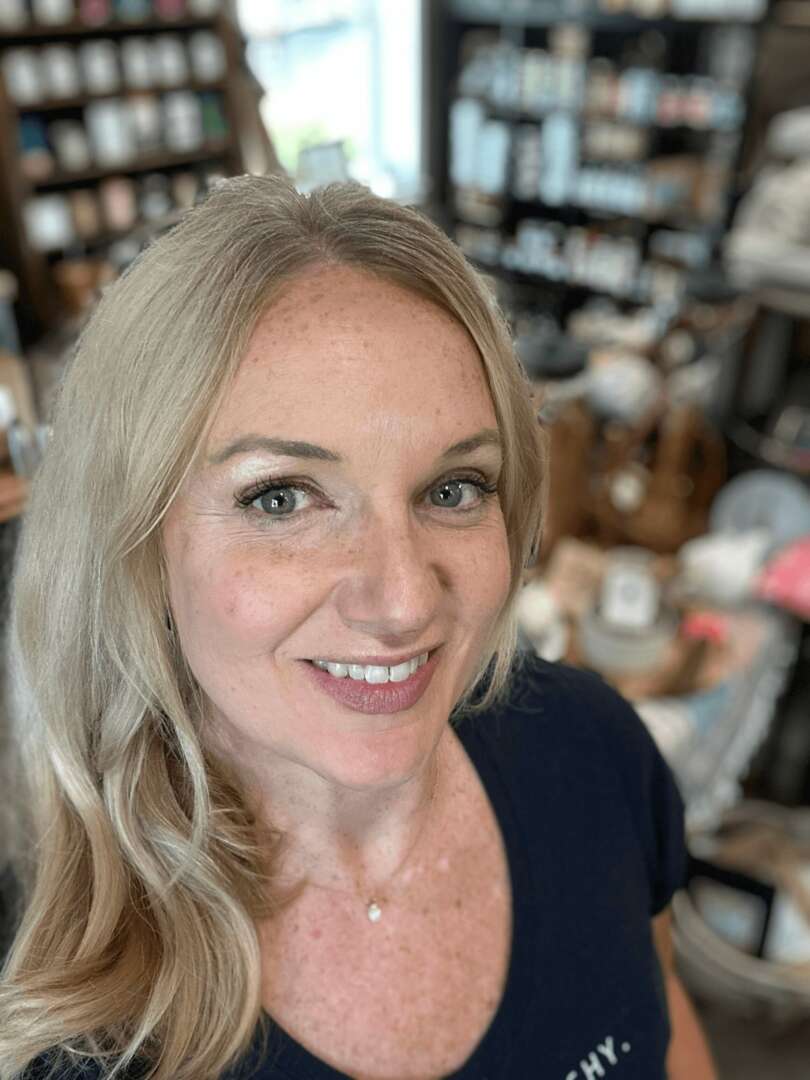

We recently connected with Robin Moser and have shared our conversation below.
Robin, thanks for joining us, excited to have you contributing your stories and insights. Finding those key vendors can often be make or break for a brand. Can you talk to us about how you found your key vendors?
In the beginning, I visited farmers markets in the area looking for locally made packaged goods, thinking that those who scaled production to that point would be capable of fulfilling small to medium orders. It also allowed me to interact directly with the makers, which was key in retelling a piece of their story through our store. I walked away with jams, honey, and a line of Bloody Mary mixes that we still carry in both our shops today.
That afternoon, I drove to a vacation area about an hour out of town and stopped at one of my favorite little boutiques. Weeks later, as I contacted vendors to arrange initial orders, I had one ask me, “how did you find us?” I explained that I purchased the soap at the farmer’s market. The owner seemed confused, and explained that they’d never been at that particular market.
Of course, we eventually realized that I picked up the soap from the shop instead, just on the same day – and somehow I’d lost track!
We still placed the order, and that goats milk soap remains our best-seller in both of our locations. On my next visit to the shop in the vacation town where I picked up the soap that first day, I told the story and we all had a good laugh. The once-confused owner is now not only a vendor but a mentor and friend.

Robin, love having you share your insights with us. Before we ask you more questions, maybe you can take a moment to introduce yourself to our readers who might have missed our earlier conversations?
I’d built up over 20 years of service in global supply chain, working around the world for my day job. I knew I couldn’t retire for at least 7-10 more years, and the benefits were important. I had two kids that would be heading off to college soon, and we needed the insurance and stability.
The more time went on, the more called I felt to get involved in my own community sooner rather than later. I wanted to shop plastic-free, but the only places I found that carried the products I wanted were online. My entire garage filled with the cardboard from my online purchases. I loved finding local businesses at farmers markets, but didn’t like waking at the crack of dawn on weekends only to find that my favorites weren’t there that week. I’d had a business plan for a local general store since grad school. But didn’t I need to wait until retirement?
Then the pandemic hit. I worked throughout, whereas most other people stayed home. But in that time I definitely got the sense of not waiting for something that isn’t guaranteed to come. I walked past a vacant dry cleaner on my way to an Pilates class in early 2021 and snapped a photo of the “For Lease” sign. When I got home that night I asked my husband if I was crazy to think I could do this while still working my day job. Like always, he said if I put my mind to it, he had no doubt that I could.
We opened our first location in Clifton less than 3 months later.
Can you talk to us about how your funded your business?
One of the advantages of starting my business while still staying with my long-term employer was the financing piece. I was able to take a $50k loan from my Thrift Savings Plan (TSP), a federalized version of a 401K, and pay myself back at a low interest rate rather than dealing with a bank.
We often hear about learning lessons – but just as important is unlearning lessons. Have you ever had to unlearn a lesson?
After our first shop had been open a year, I immediately started planning for a second location. I knew the type of space I wanted – small, industrial and in a walkable city. I visited several potential properties and finally decided on a beautiful space in our capital city. It was expensive, but using the projections from our Clifton location I thought I could make it work.
Opening the new space went relatively smoothly, but it was expensive to outfit two entire locations, staff them, and insure them. We opened just a few weeks before Christmas to try to capitalize on holiday shopping. We were only open on weekends at the time, but no one came. We printed fliers to hand out in the neighborhood. No one came. We got the local media involved. Still, sales were horrific. Like $100 a day or less horrific. We hired a full-time manager and opened 6 days a week. It didn’t help.
Clearly, there was something about the local market that wasn’t a good fit. It’s been a costly mistake that has eaten into my savings. Profits from one store are now going to offset the losses in the other. The biggest lesson I’ve learned is to not assume the success in one location will lead to success everywhere. Really evaluate all of the factors and keep income projections low and cost projections high. If the new location makes sense with those, maybe give it a shot – but always have an exit strategy.
Contact Info:
- Website: https://www.vamercantile.com/
- Instagram: https://www.instagram.com/virginiamercantile/?hl=en
- Facebook: https://m.facebook.com/VirginiaMercantile/
- Linkedin: https://www.linkedin.com/in/robin-moser-92227b221?trk=people-guest_people_search-card
- Yelp: https://m.yelp.com/biz/virginia-mercantile-clifton
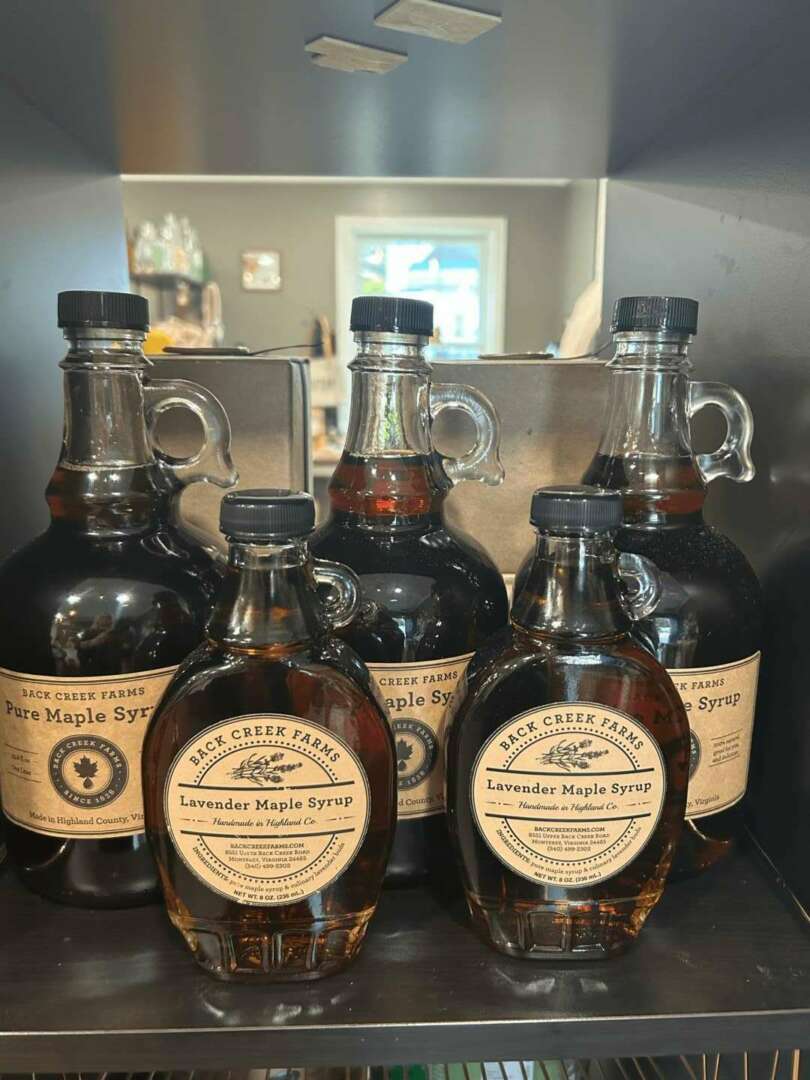

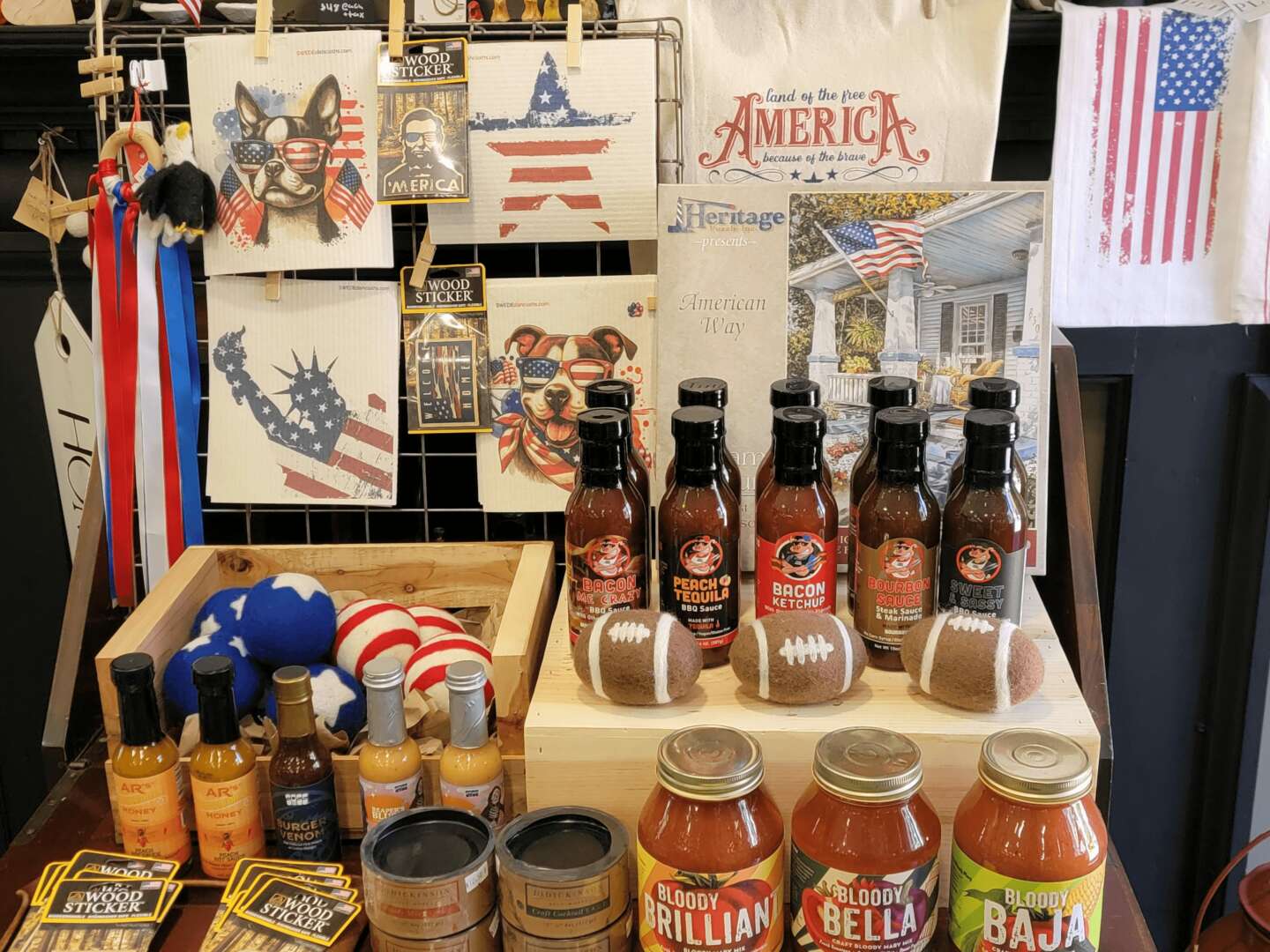
Image Credits
Photos by Marta Kmiec and Ryann German.