

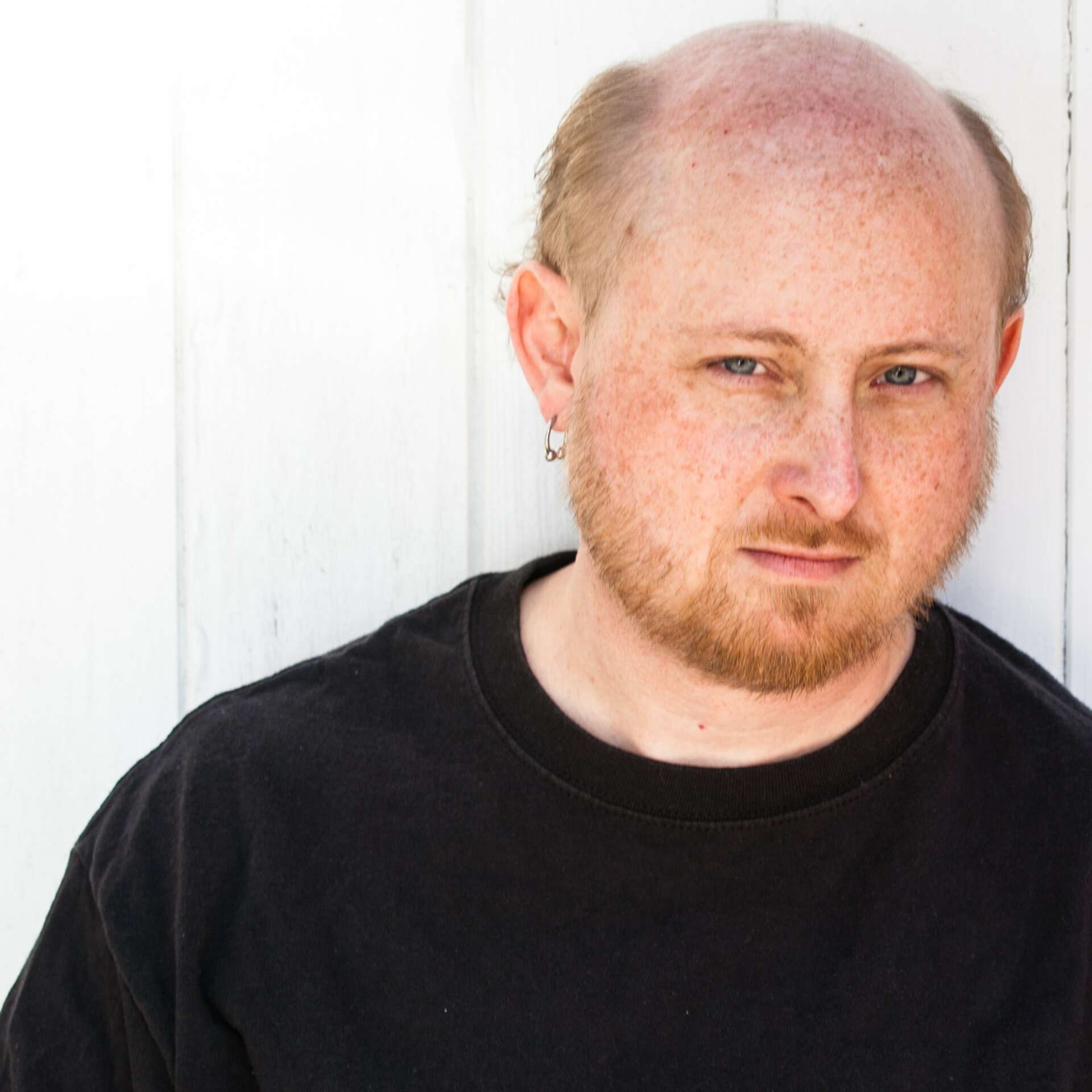

We caught up with the brilliant and insightful Robert Leckington a few weeks ago and have shared our conversation below.
Robert, thanks for taking the time to share your stories with us today Do you wish you had started sooner?
This is a very good question since I had started being an actor later on in my life. Sure, it’s always on my mind about whether I could have started earlier. What could I have booked? I know my type leans toward dramatic blue collar worker types, but I also do comedy pretty well too. There’s just no telling what roles I could have done. I’d like to think that by now in my acting career I could have booked a few more bigger roles though.
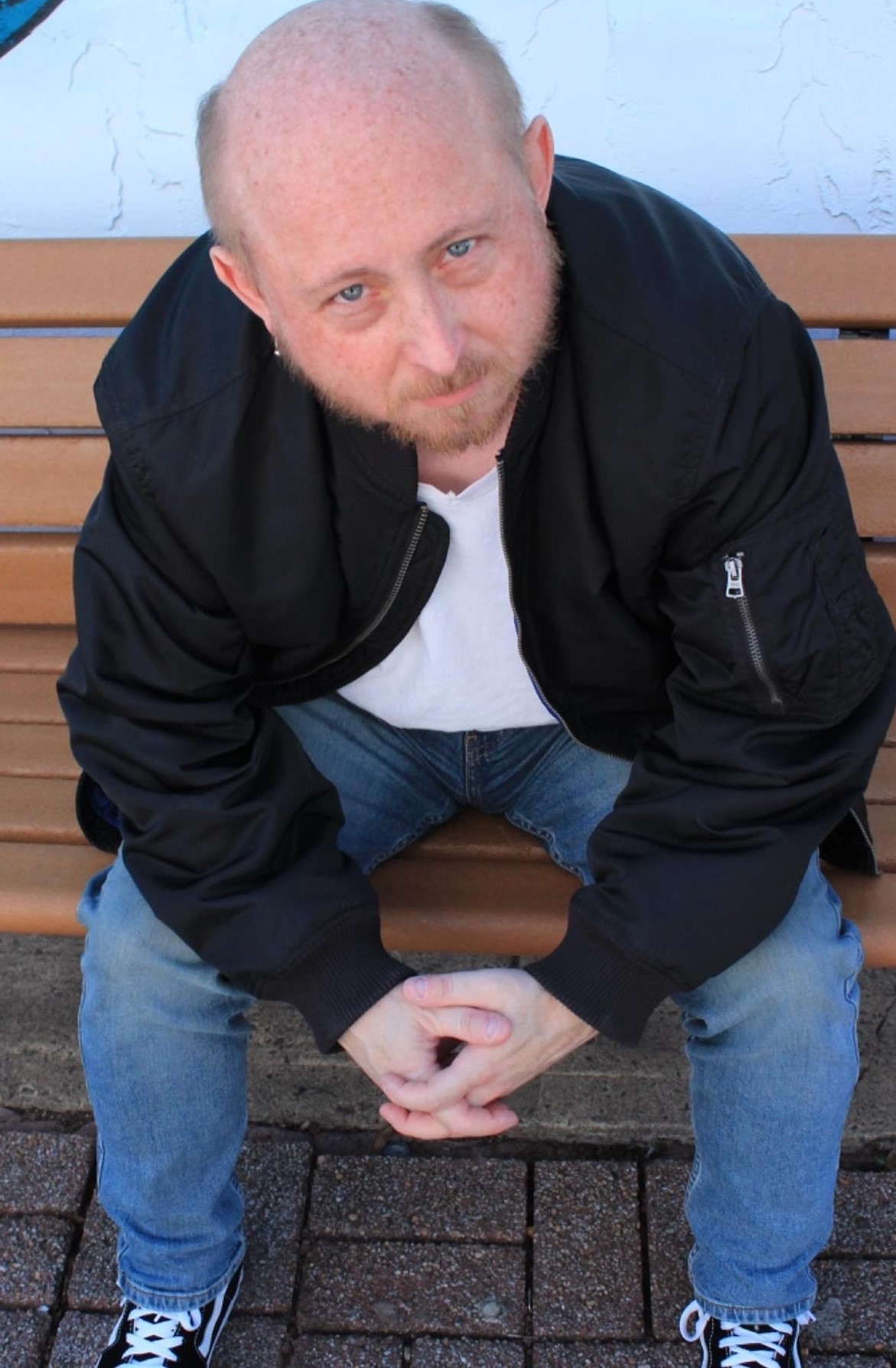
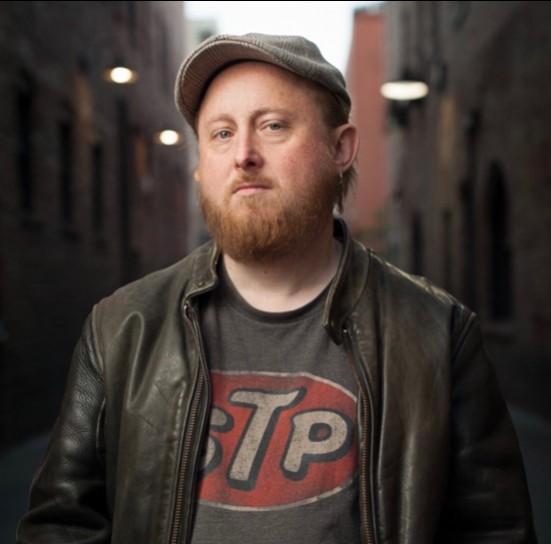
Robert, love having you share your insights with us. Before we ask you more questions, maybe you can take a moment to introduce yourself to our readers who might have missed our earlier conversations?
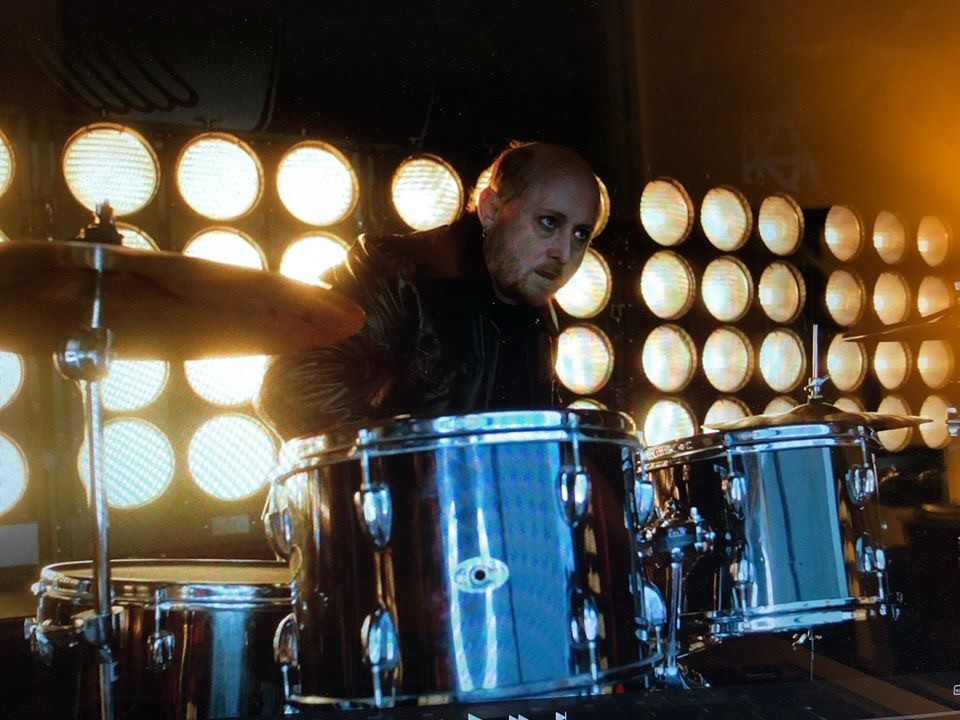
I started real young as a drummer in school. I got into bands in my teens. Things didn’t work out the way I expected them to so I packed up and moved to the East Coast in 2003. After being here for a while I decided to give acting a try. I then took acting classes, and I got into doing background acting jobs part time in the beginning. I started to feel a connection with it after my 4 or 5th background job and thought that I liked it enough to want to pursue it further.
I think what sets me apart from a lot of actors is that I am real easy to work with, I take direction well, I’m punctual, and can learn my lines at a fairly decent rate. I’m one who can’t seem to lock down dialogue unless it sort of sinks in. I have a hard time a lot of the time with that, but after I do get my lines, things start to happen. As they should. New actors; repetition is your friend.
Have any books or other resources had a big impact on you?
There are a few books that I have read and have tried to incorporate into my work. I’d say that as a character actor you need to have a variety of tools in your tool bag, so to speak. “On Method Acting” by Edward Dwight Easty is an amazing book. In it, it talks about the history of the method and how Konstantin Stanislavski is credited as being the father of the modern method from around the turn of the 20th Century. It is still being taught today at the Lee Strasberg Institute in New York City, among other locations. Another book that I read and found it to be equally as great is “Sanford Meisner: On Acting”. My first real acting education came from a direct student of Sanford Meisner who taught us the basics of Meisner Method. Two very different schools of thought on developing your approach to your role as an actor. You can find both books on Amazon.
What’s the most rewarding aspect of being a creative in your experience?
Such a hard question to answer! But if I had to try and explain it in a way that people could understand is that as a performer doing my work, if I reach just one person on any level that affects them, I feel that I did my work well. That to me is special, because I connected with that person. If they thought my work was great, it makes me feel good, obviously. And if what I did made them feel uncomfortable, that in a way could be considered a great performance. As long as it was my intention to create that tension, anyway. It moves me to move others, however way I can.
Contact Info:
- Website: http://www.robertleckington.com
- Instagram: http://www.instagram.com/robertleckingtonofficial
- Facebook: http://www.facebook.com/RobertBLeck1
- Linkedin: http://www.linkedin.com/in/robertleckington
- Twitter: http://www.twitter.com/MrLeckington
- Youtube: http://www.youtube.com/@robertleckingtonofficial
Image Credits
Ryan O’Regan, Hilary Jones, Timothi Jane Graham